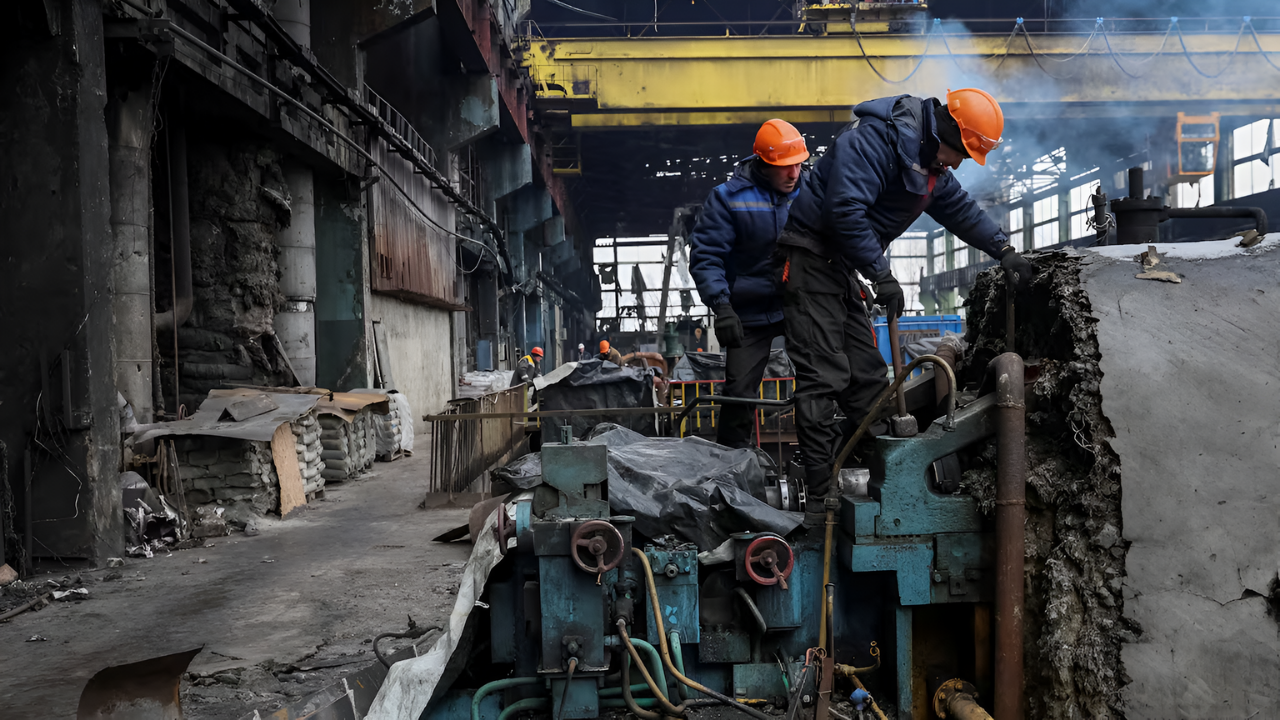
Late on November 22, 2025, Ukrainian strike drones executed a precision operation in Northern Crimea. Video released hours later confirmed the attack by Ukraine’s Unmanned Systems Forces, capturing the moment domestically produced aircraft struck hardened targets.
These FP-1 or FP-2 model drones successfully penetrated over 100 kilometers into occupied territory, navigating complex air defenses with remarkable accuracy and marking a dramatic evolution in Ukraine’s deep-strike capabilities.
Ukraine Targets Region’s Only Bromine Producer

The primary target was the Perekop Bromine Plant in Krasnoperekopsk, holding singular strategic importance across Eastern Europe. This site is the region’s sole producer of bromine-based chemical compounds, creating both substantial economic value and a significant strategic vulnerability.
By striking this monopoly facility, Ukrainian forces severed the supply of chemicals essential to three major industries—pharmaceuticals, rubber manufacturing, and specialty chemical production—triggering a cascading set of consequences across an entire continental supply chain.
Key Power Substation Knocked Offline
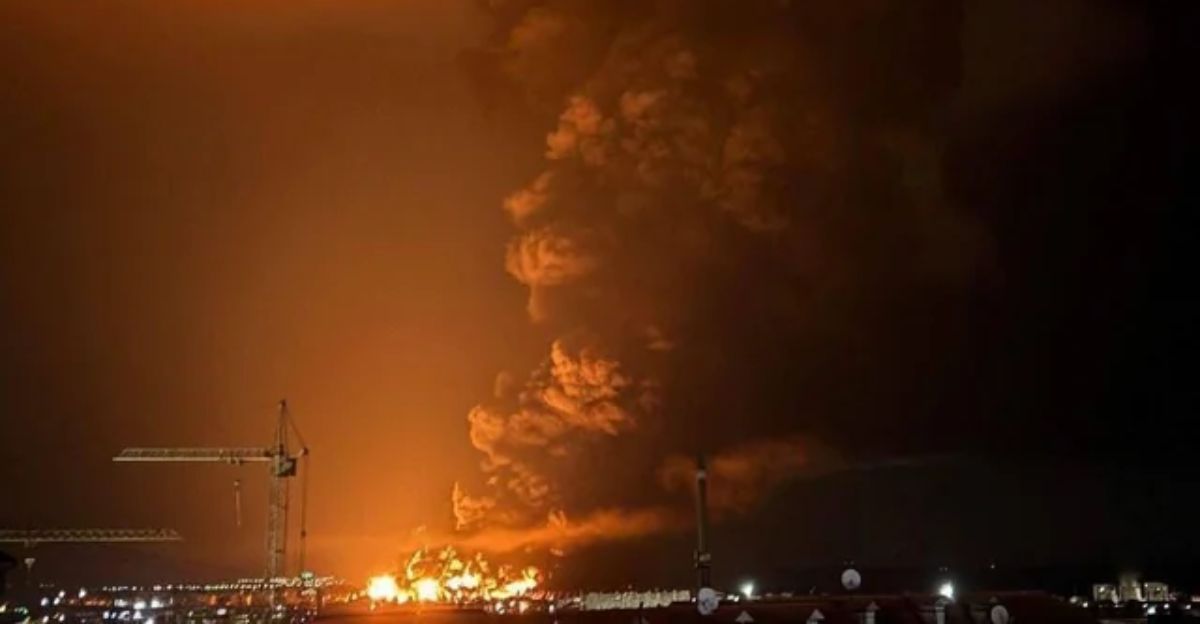
Ukrainian drones simultaneously targeted the 220-kilovolt ‘Krasnoperekopsk’ substation, a critical hub in Crimea’s power distribution network. Infrastructure analysts confirm this station handles 10–30 percent of all industrial electricity routing across the peninsula.
Disabling this central node triggered cascading electrical failures, plunging tens of thousands of residents into darkness while simultaneously crippling the industrial base’s ability to function or recover from the damage caused by the chemical plant.
Chemical Monopoly Disrupted Overnight
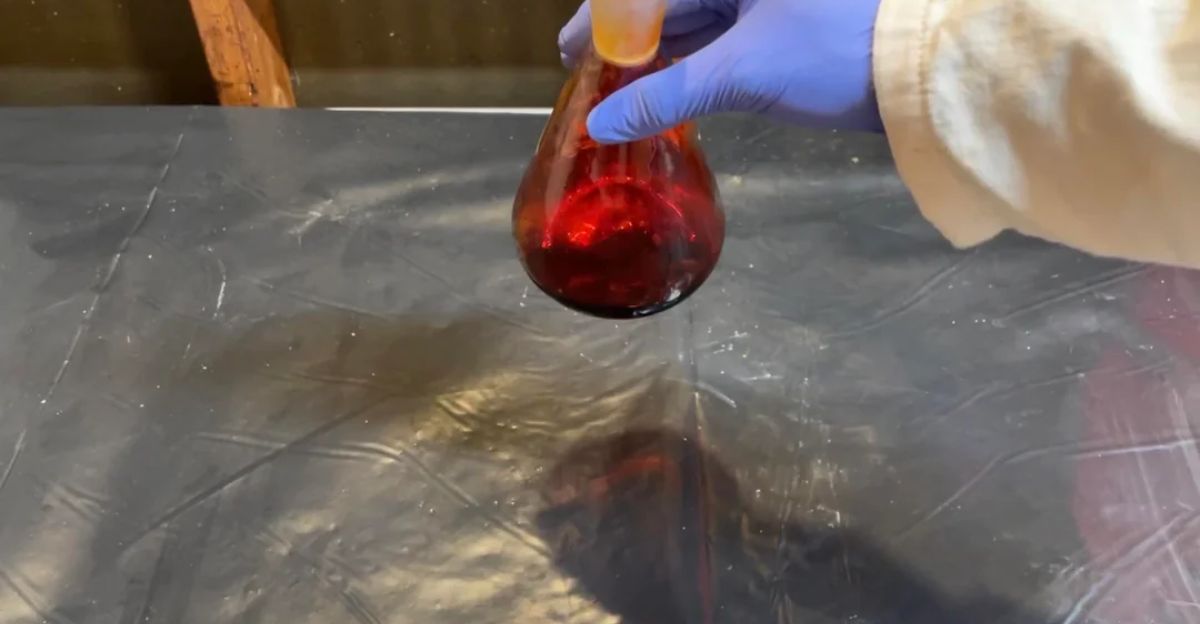
The Perekop plant’s strategic importance cannot be overstated or understated. As Eastern Europe’s sole producer of bromine-based compounds, it held a complete regional monopoly with no viable backup or alternative source. Supply chain specialists emphasize that one precision strike eliminated an entire region’s access to irreplaceable industrial chemicals within seconds.
Unlike nations maintaining multiple suppliers across borders, this geographic concentration created a critical, now-exposed vulnerability.
$150 Million in Annual Output Lost

Industry analysts estimate the Perekop plant generates between $50 million and $150 million in annual production value. This substantial revenue stream is now offline indefinitely with no clear timeline for resumption.
The financial shock extends far beyond the plant’s walls—entire supply chains that depend on these specialty chemicals face immediate and serious disruption, affecting pharmaceutical manufacturers, industrial producers, and export-dependent economies throughout Eastern Europe, which are reliant on these critical raw materials.
Pharmaceutical Firms Face Sudden Shortage
Bromine is essential in manufacturing vital pharmaceutical products, including sedatives, antihistamines, and specialized medications crucial for patient care. Eastern European pharmaceutical manufacturers now face immediate supply constraints with no viable alternatives or emergency suppliers readily available.
Supply chain managers warn that production delays could begin within weeks as existing inventory depletes, potentially threatening the availability of essential medicines across the region during a time when healthcare systems are already under strain.
Rubber and Chemical Manufacturing Hit

Rubber and specialty chemical manufacturers across the entire region depend heavily on the Perekop facility for irreplaceable raw materials and production inputs. Trade publications report these businesses now face critical operational uncertainty—forced to either source expensive emergency imports from distant suppliers or temporarily suspend operations.
Manufacturing economists predict significant job losses and substantial production cuts will ripple through the region’s industrial base, triggering secondary economic shocks in manufacturing communities.
Tens of Thousands Experience Power Disruptions

Between 50,000 and 100,000 residents in Krasnoperekopsk experienced sudden and catastrophic electricity outages when the substation went offline. This mid-sized industrial city relies almost entirely on continuous power for critical services, including heating, hospitals, water treatment, and communications. As the junction failed, cascading blackouts rippled throughout the city’s infrastructure.
The population, already navigating daily challenges under occupation, now faces compounded hardship from a fragile electrical grid rendered vulnerable by simultaneous targeting.
Ukrainian Drones Showcase Long-Range Capabilities

Defense specialists highlight the significant technical achievement underlying this operation: strike drones flew over 100 kilometers into occupied Crimea completely undetected by air defenses. The FP-1 and FP-2 models successfully evaded sophisticated air defense systems, navigated complex airspace, and delivered precise payloads on hardened targets with remarkable accuracy.
This operational success demonstrates the rapid technological evolution of Ukraine’s Unmanned Systems Forces and raises urgent security questions about infrastructure vulnerability across the region.
Soviet-Era Facility Becomes Strategic Target
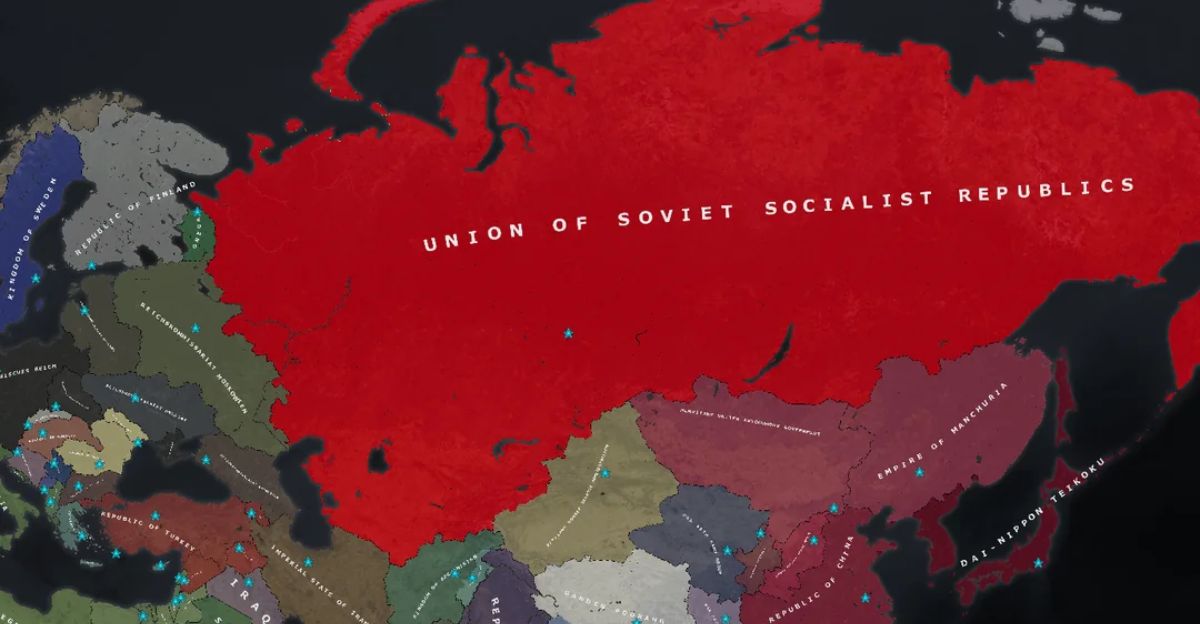
The Perekop Bromine Plant holds deep historical significance, having served the Soviet military-industrial complex before the USSR’s collapse in 1991. Following the post-Cold War reorganization in 1996 and privatization in 2004, it evolved into a civilian economic cornerstone for the region.
Military historians and defense strategists note that centralized, single-industry legacy facilities, such as Perekop, are now prime strategic targets in modern conflicts—irreplaceable, economically vital, and catastrophically vulnerable to precision strikes.
Chemicals With Dual-Use Risk
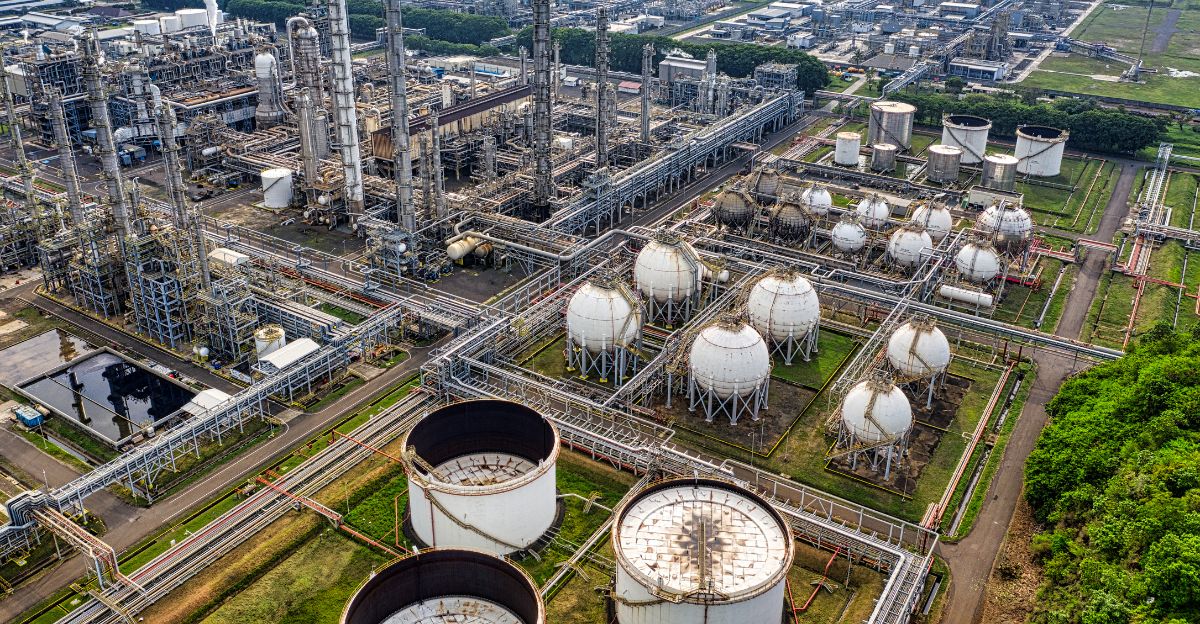
Why would Ukraine specifically target a bromine plant? The answer lies in bromine’s classification as a ‘dual-use’ chemical substance—essential for civilian applications, including pharmaceuticals, flame retardants, and water treatment, but also utilized for military applications, such as explosives and specialized chemical agents.
Defense observers suggest that disrupting bromine production simultaneously hampers civilian industrial supply chains and potential military manufacturing capabilities, blending economic and tactical objectives.
Toxic Exposure Concerns After Plant Fire

When heavy industrial chemical facilities burn, the risks of toxic exposure escalate dramatically and can persist for extended periods. Environmental safety experts warn that fires at bromine plants typically create hazardous chemical plumes affecting air quality across entire regions.
While local Crimean officials haven’t released detailed contamination reports or public health assessments, serious health risks for nearby residents remain significant. Medical facilities in Krasnoperekopsk are reportedly bracing for potential respiratory cases and exposure-related injuries.
Hundreds of Local Jobs at Stake
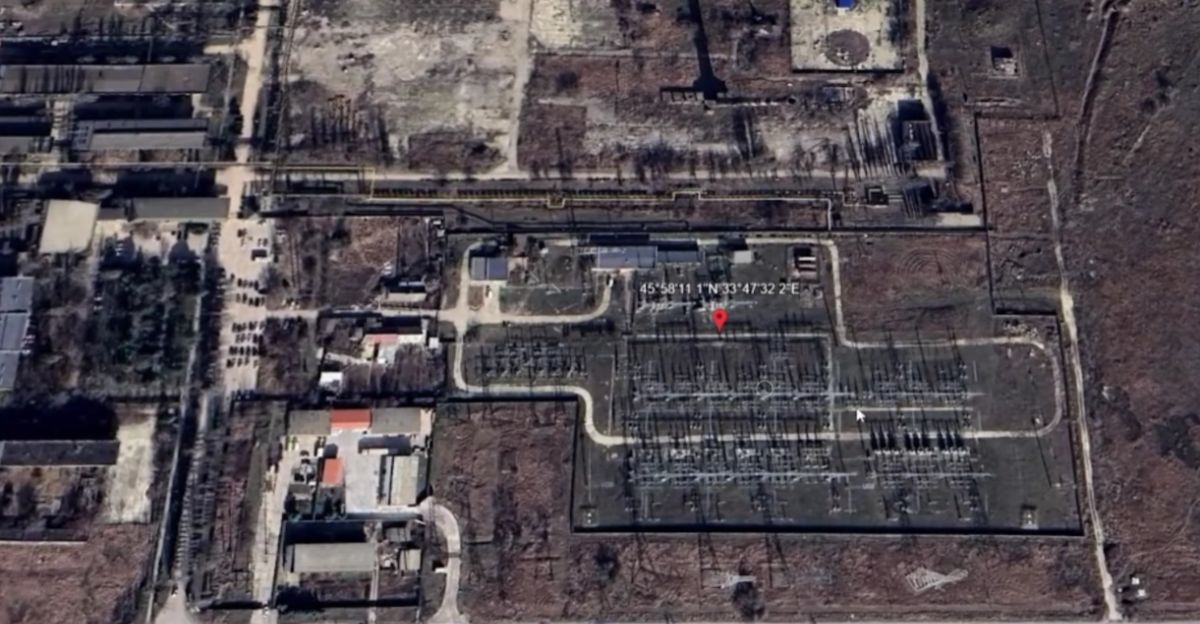
The offline bromine plant immediately threatens roughly 500 to 1,500 workers and their families. Economists emphasize that industrial towns like Krasnoperekopsk depend almost entirely on a single employer for economic survival. A prolonged facility closure—likely measured in months or years—could trigger widespread unemployment and a rapid economic collapse throughout the community.
For workers and families, the strike represents not just geopolitical consequences but a direct economic catastrophe that threatens housing, food security, and basic livelihood.
Part of a Wider Ukrainian Strike Campaign
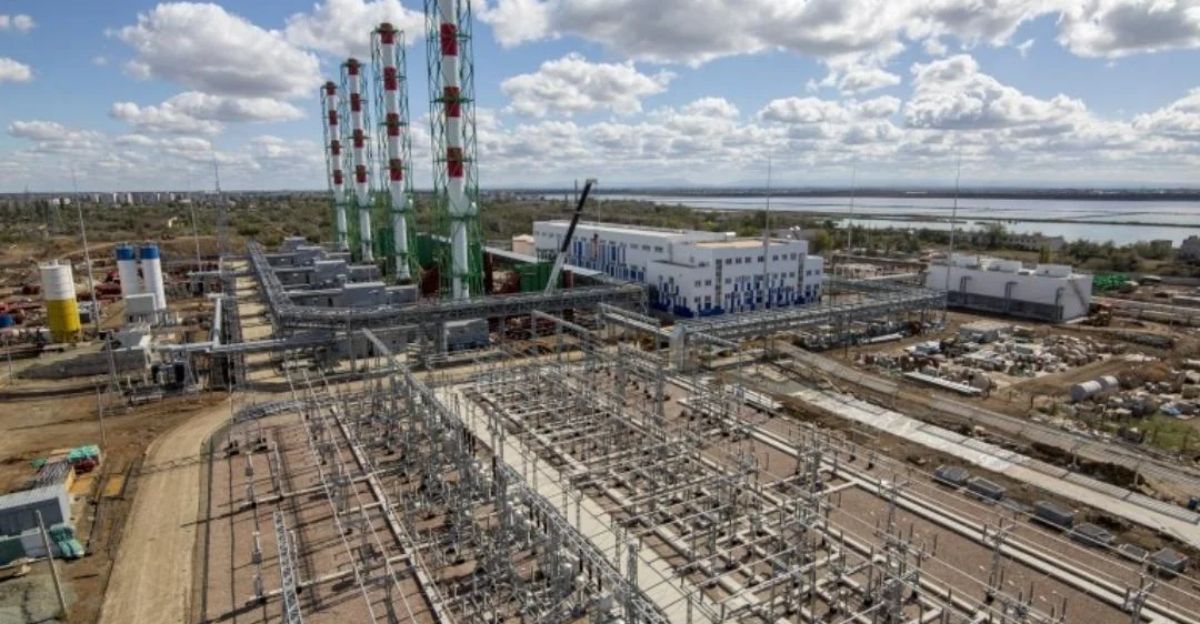
This Perekop operation follows a series of Ukrainian strikes against strategic infrastructure, including Crimea’s Saky Thermal Power Plant and Russia’s Novorossiysk oil hub.
Military analysts describe an escalating, deliberate pattern: strikes increasingly target economic chokepoints whose destruction disrupts supply chains and energy flows far beyond immediate battlefields. The strategy appears designed to impose cumulative economic costs on occupation, reducing the occupier’s long-term ability to sustain control over contested territory.
Supply Chain Fragility Exposed

By targeting a monopoly facility, Ukraine has exposed fundamental fragility in modern supply chain architecture and logistics planning. Supply chain risk experts predict this loss will force countries throughout Eastern Europe and beyond to diversify their sources for vital chemicals, ensuring no single facility—especially one located in contested or occupied territory—becomes a critical point of failure.
Industrial resilience planning will reshape regional trade relationships and investment patterns for years to come.
Logistics Managers Face Serious Challenges

Factories throughout the region seeking bromine and related compounds must now source from distant suppliers—likely in Asia or Western Europe—creating severe logistical complications and supply delays. Logistics specialists predict significant delays, substantially higher costs, and serious production disruptions across affected industries.
Modern manufacturing relies on ‘just-in-time’ inventory models where materials arrive precisely when needed. The sudden loss of the local supplier has completely collapsed this system, forcing factories into crisis improvisation.
Energy Grid Faces Prolonged Instability
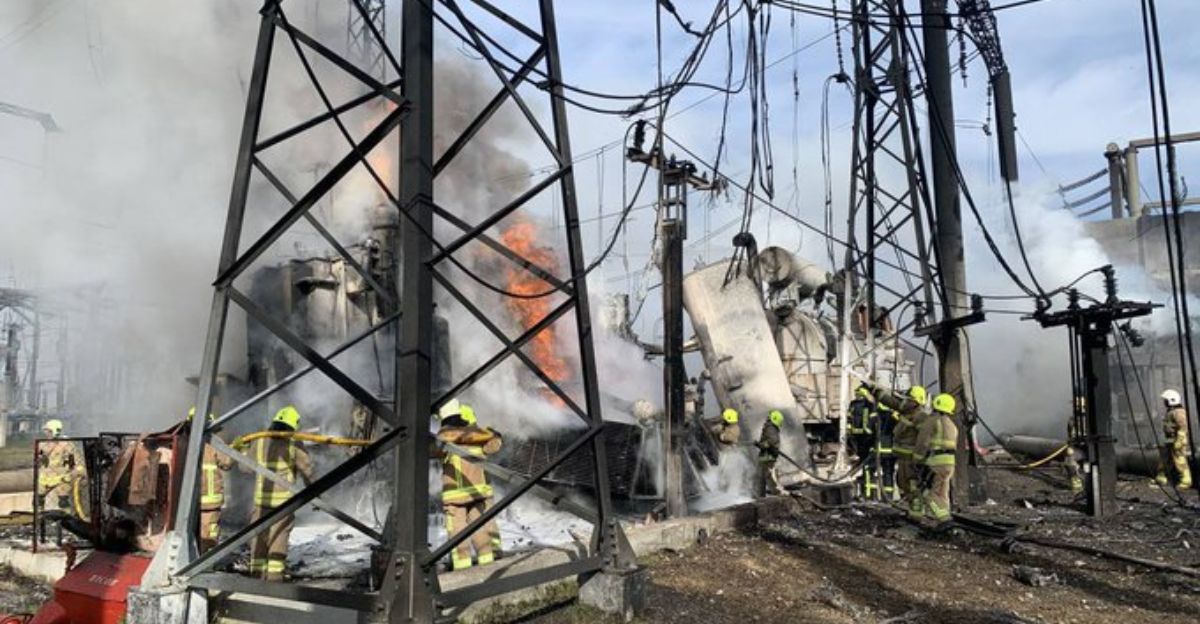
Striking the 220-kilovolt power substation compounds recovery challenges and delays exponentially. Energy sector experts explain that repairing high-voltage stations is technically complex and time-consuming, especially when the surrounding industrial infrastructure also requires simultaneous restoration and reconstruction.
Without a reliable high-voltage power supply, facility repairs become nearly impossible to execute. Until grid stability fully returns, entire regions will struggle to restart industrial operations, creating a cascading vicious cycle of infrastructure degradation and ongoing delays.
Infrastructure Warfare Reaches New Depths
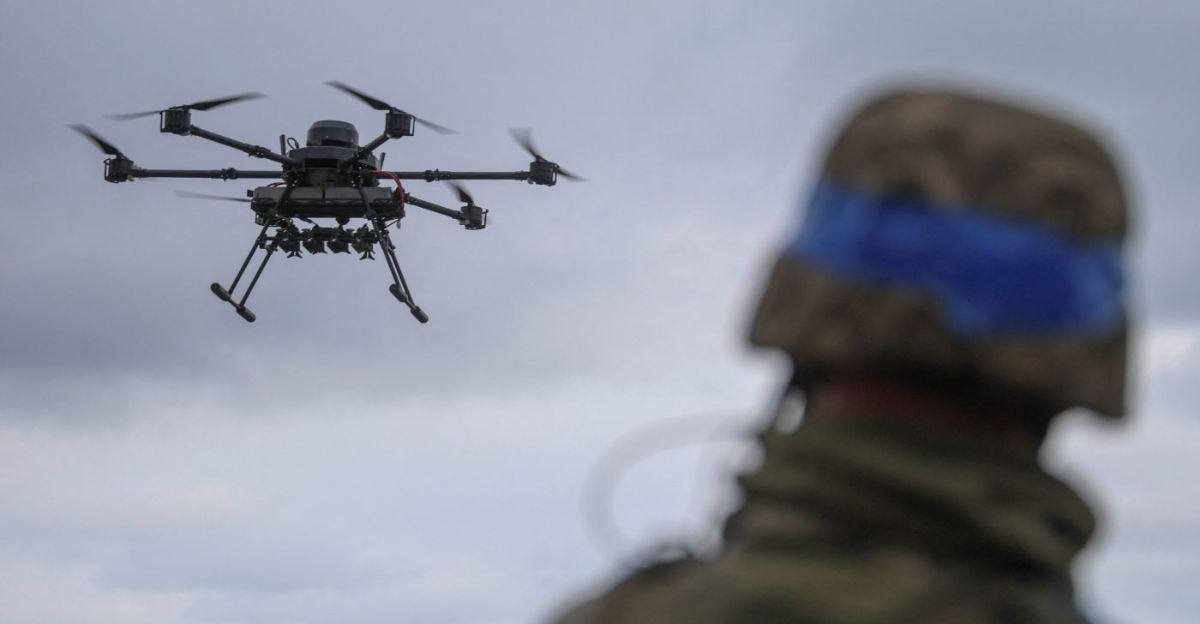
Ukraine’s operational approach—deliberately targeting economic infrastructure rather than purely military positions—reflects evolving doctrine across modern conflicts worldwide. Security experts describe this strategy as ‘infrastructure warfare,’ distinct from traditional military targeting methodologies.
Operations like these aim to impose prohibitive costs on occupation, reducing the occupier’s economic capacity to sustain control over contested territory. The message is clear to regional observers: no monopoly asset is truly safe from modern precision strikes.
Industrial Era Draws to a Close
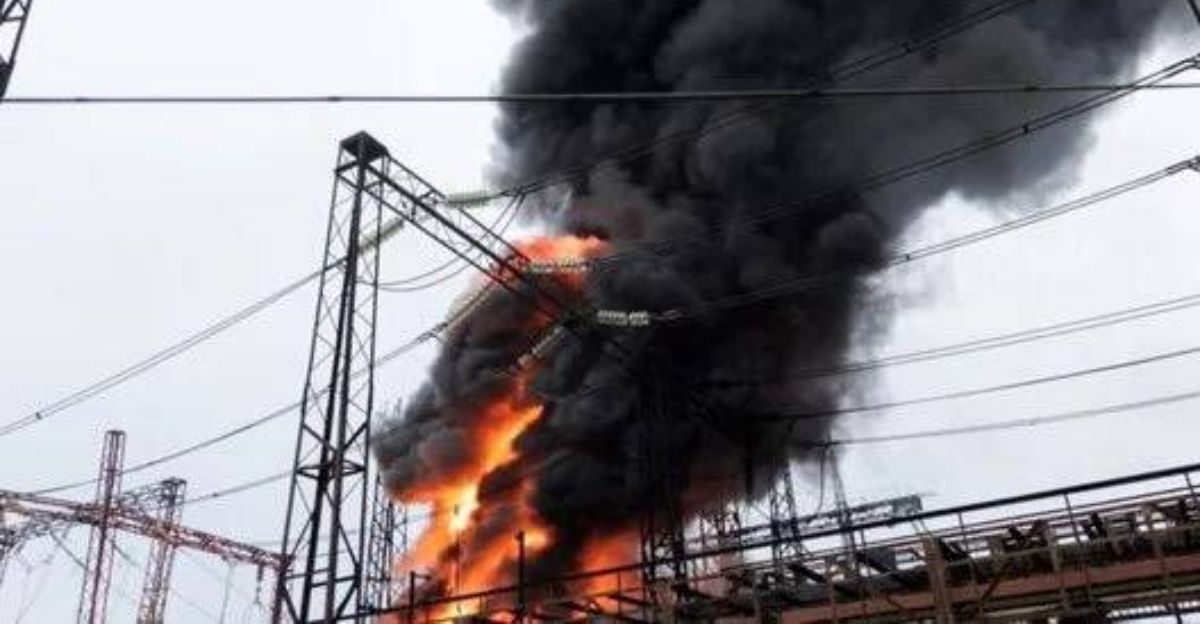
For Northern Crimea and the broader region, the destruction of the Perekop Bromine Plant marks the symbolic and practical end of a 30-year industrial era. Regional officials and industry leaders now face enormous reconstruction costs and multiyear rebuilding efforts.
The immediate path forward remains uncertain and fraught with logistical challenges, financial constraints, and security vulnerabilities that will seriously constrain recovery efforts for years, potentially altering the region’s industrial capacity permanently.
Aftermath: Immediate Uncertainty
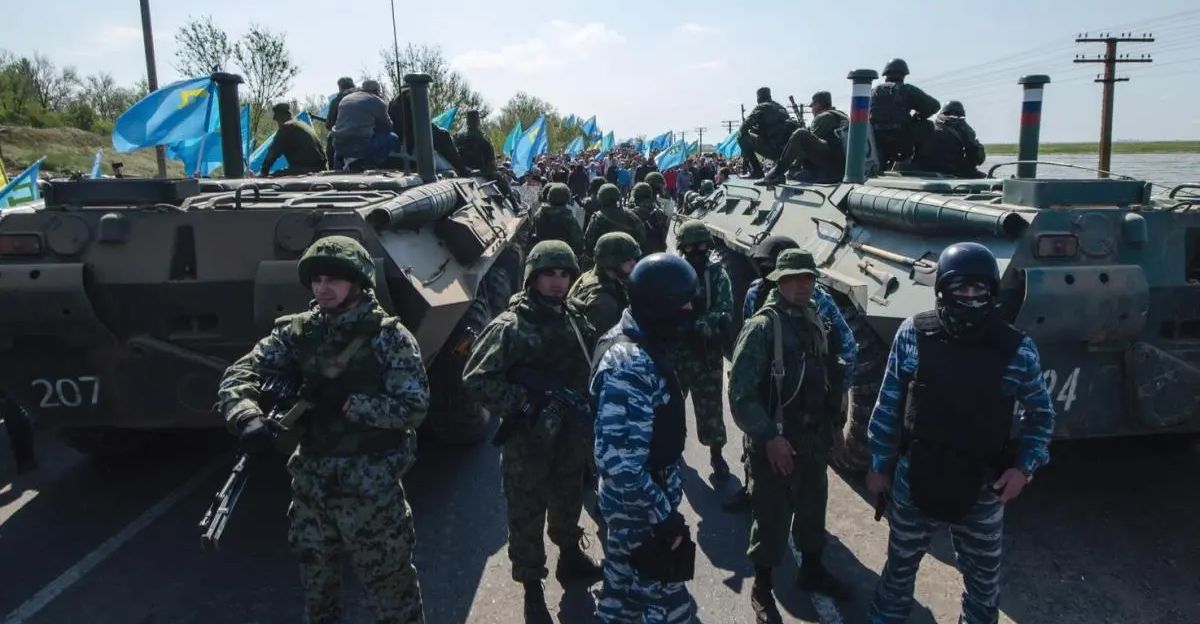
As smoke settles over Northern Crimea, residents, workers, and businesses brace for months of ongoing power disruptions and chemical supply shocks with no clear resolution timeline. The simultaneous destruction of electrical infrastructure and loss of a monopoly industrial supplier will profoundly influence daily life, commerce, and economic activity across the entire region for an extended period.
Recovery remains years away, if achievable at all, leaving populations facing prolonged hardship and fundamental uncertainty about economic viability.
Sources:
Ukrainian Ministry of Defense press release and operational briefings (November 23, 2025)
Reuters global chemical industry and bromine market analysis (November 2025)
AP reporting on Ukrainian drone operations and military capabilities (ongoing coverage)
European Chemical Industry Council (CEFIC) infrastructure and supply chain assessments
Regional infrastructure and power grid analysis from Crimea energy specialists
Supply chain risk assessment reports from Eastern European industrial trade associations