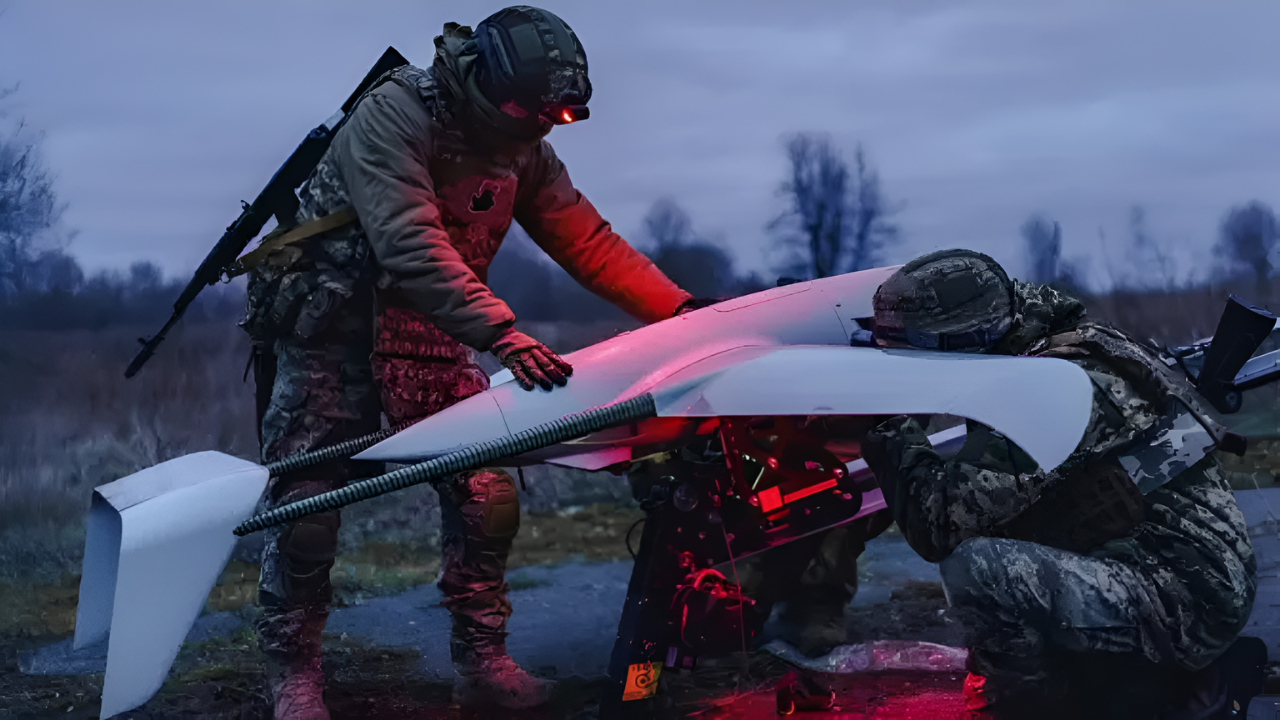
On November 22, 2025, Ukrainian unmanned systems executed a coordinated strike operation deep within occupied Northern Crimea, targeting two critical infrastructure nodes. Domestically produced FP-1 and FP-2 model drones reportedly penetrated over 100 kilometers into defended territory, evading air defense systems to strike the Perekop Bromine Plant and a major regional power substation. The operation marks a significant escalation in Ukraine’s long-range strike capabilities and exposes vulnerabilities in regional supply chain and energy infrastructure.
A Monopoly Facility With Continental Reach

The Perekop Bromine Plant in Krasnoperekopsk holds singular strategic importance across Eastern Europe and is widely described as the region’s sole producer of bromine-based chemical compounds. This concentration of production creates both substantial economic value and critical vulnerability. By severely damaging this monopoly facility, Ukrainian forces have disrupted the supply of chemicals essential to three major industries—pharmaceuticals, rubber manufacturing, and specialty chemical production—triggering cascading consequences across a broader continental supply chain.
Open-source estimates suggest the plant’s annual production value is in the tens to low hundreds of millions of dollars, with some reporting placing it in a range between 50 million and 150 million dollars. That substantial revenue stream is now offline for an extended period, with no publicly announced timeline for resumption. The financial shock extends far beyond the plant’s walls. Supply chains dependent on these specialty chemicals face immediate and serious disruption risks, affecting pharmaceutical manufacturers, industrial producers, and export-dependent economies throughout Eastern Europe that rely on these critical raw materials.
Electrical Grid Damage Compounds the Impact
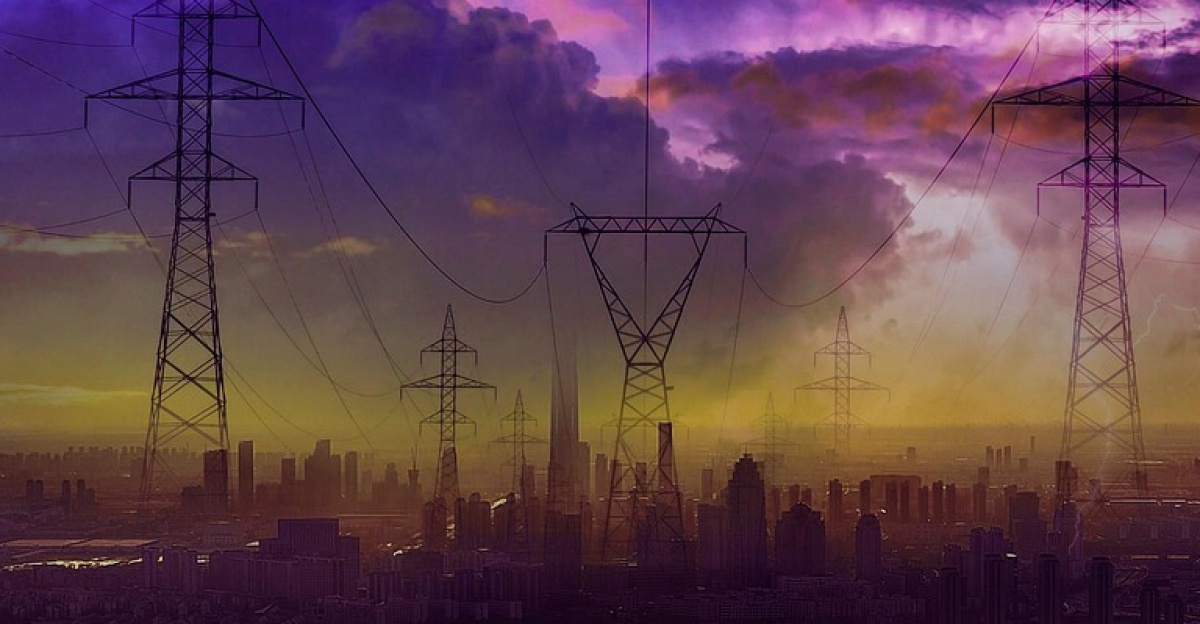
Ukrainian drones simultaneously targeted the 220-kilovolt Krasnoperekopsk substation, a key hub in Crimea’s power distribution network. Infrastructure observers describe this station as handling a significant share of industrial electricity routing across the peninsula. Disabling this central node triggered cascading electrical failures, plunging residents into darkness while simultaneously degrading the industrial base’s ability to function or recover quickly.
Tens of thousands of residents in Krasnoperekopsk and surrounding areas experienced sudden electricity outages when the substation went offline. This mid-sized industrial city relies heavily on continuous power for critical services, including heating, hospitals, water treatment, and communications. The population, already navigating daily challenges under occupation, now faces added hardship from an electrical grid made more fragile by the simultaneous targeting of industrial and energy infrastructure.
Pharmaceutical Supply Strain Looms

Bromine is essential in manufacturing a range of pharmaceutical products, including certain sedatives, antihistamines, and specialized medications used in patient care. Eastern European pharmaceutical manufacturers that have depended on the Perekop facility now face immediate supply constraints and potential bottlenecks as they seek alternative sources. Supply chain managers and industry observers warn that production delays could begin within weeks as existing inventory depletes, potentially affecting the availability of some bromine-dependent medicines across the region at a time when healthcare systems are already under strain.
Rubber and specialty chemical manufacturers across the region depend heavily on bromine-based inputs, and many have sourced these from the Perekop facility. These businesses now face operational uncertainty, potentially forced to either source more expensive emergency imports from distant suppliers or temporarily scale back or suspend operations. Manufacturing economists and industry analysts warn of potential job losses and production cuts that could ripple through the region’s industrial base, triggering secondary economic shocks in manufacturing communities.
Workforce and Community Impact
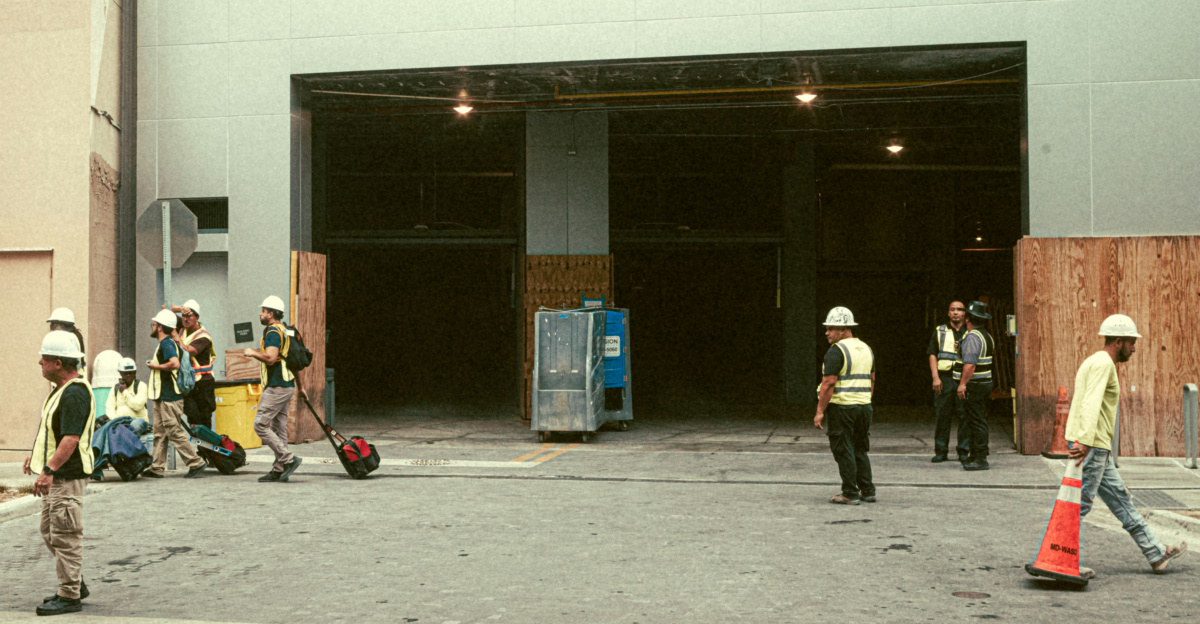
The shutdown of the bromine plant immediately threatens the livelihoods of an estimated several hundred to around a thousand workers and their families, with some local reporting placing the workforce in the mid-hundreds. Economists note that industrial towns like Krasnoperekopsk often depend heavily on a single major employer for economic stability. A prolonged facility closure—potentially lasting months or longer—could drive significant unemployment and economic decline throughout the community. For workers and families, the strike represents not just geopolitical consequences but a direct economic shock threatening housing, food security, and basic livelihood.
Strategic Implications and Future Uncertainty
This operation follows a series of Ukrainian strikes against strategic infrastructure, including Crimea’s Saky Thermal Power Plant and Russia’s Novorossiysk oil hub. Military analysts and observers describe an escalating, deliberate pattern in which strikes increasingly target economic chokepoints whose disabling disrupts supply chains and energy flows far beyond immediate battlefields. The strategy appears intended to impose cumulative economic costs on the occupation, reducing the occupier’s long-term ability to sustain control over contested territory.
By targeting a monopoly facility, Ukraine has highlighted fundamental fragility in modern supply chain architecture. Supply chain risk specialists and policy analysts suggest that the loss or prolonged disruption of the Perekop plant is likely to push countries throughout Eastern Europe and beyond to diversify their sources for vital chemicals, ensuring no single facility becomes a critical point of failure.
As smoke settles over Northern Crimea, residents, workers, and businesses face the prospect of ongoing power disruptions and chemical supply shocks, with recovery timelines uncertain. Restoring full industrial capacity and supply chain stability could take years, leaving local populations confronting prolonged hardship and deep uncertainty about the region’s economic viability.
Sources
Ukrainian Ministry of Defense press release and operational briefings (November 23, 2025)
Reuters global chemical industry and bromine market analysis (November 2025)
AP reporting on Ukrainian drone operations and military capabilities (ongoing coverage)
European Chemical Industry Council (CEFIC) infrastructure and supply chain assessments
Regional infrastructure and power grid analysis from Crimea energy specialists
Supply chain risk assessment reports from Eastern European industrial trade associations