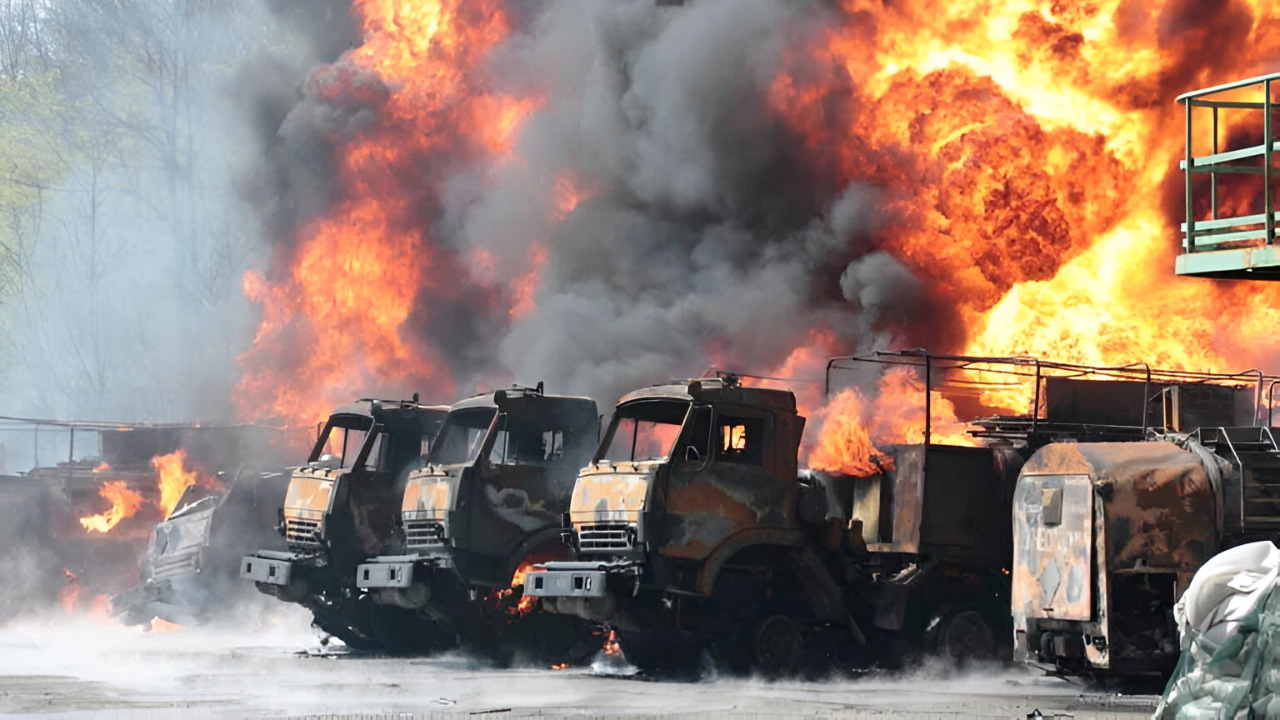
In what military analysts are calling the single most devastating strike on Russian air defenses by a special operations unit since the conflict began in 2014, Ukrainian forces have destroyed 18 air defense and electronic warfare systems in one month—a record toll that exceeds any previous special forces operation during the war.
Near the embattled city of Pokrovsk, Ukraine’s elite SBU Alpha unit carried out a systematic campaign throughout October 2025 that dismantled critical components of Russia’s integrated air defense network. Operating under the cover of night and supported by US-made Black Hawk helicopters, they eliminated 10 dedicated air defense platforms—including advanced Buk and Pantsir systems—alongside 8 electronic warfare complexes that jam aircraft radars and disrupt drone operations.
Unprecedented Scale
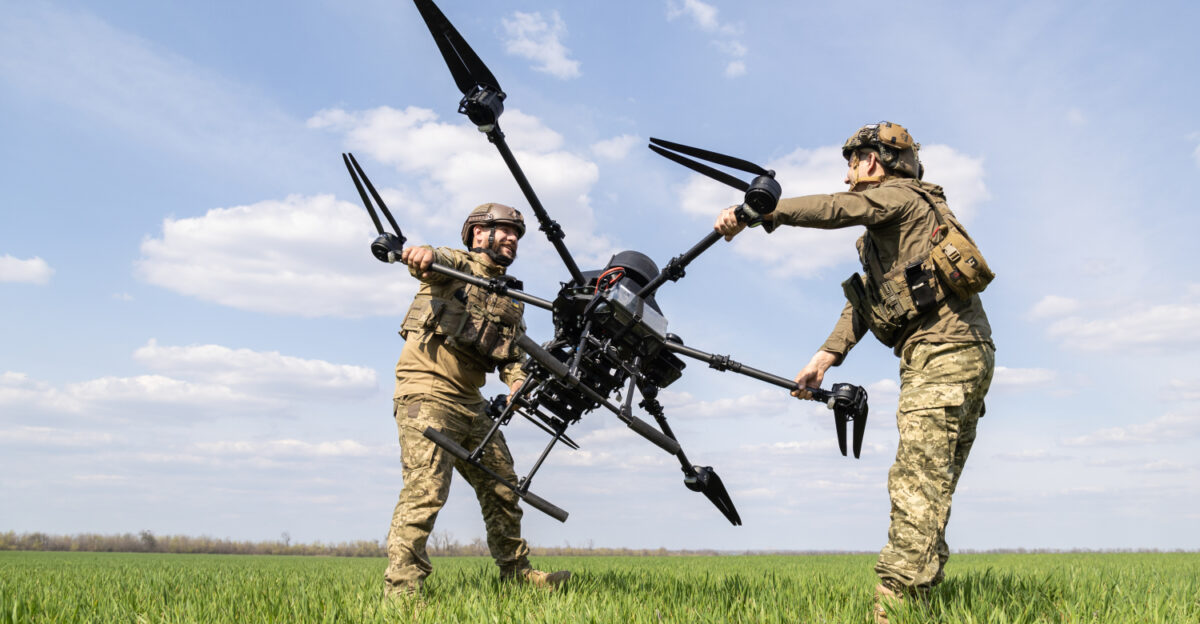
The scale of destruction represents an unprecedented achievement for a single special operations team. While Ukraine’s broader military has conducted larger multi-unit campaigns against Russian air assets in previous years, no individual special forces unit has inflicted such concentrated damage to air defense infrastructure in a single month-long operation since hostilities began in 2014.
“These systems formed the backbone of Russia’s ability to defend against Ukrainian drone strikes and maintain air superiority over the Pokrovsk sector,” explained one Western military analyst who requested anonymity. “Their loss in such a short timeframe by a relatively small special operations element is extraordinary.”
Escalating Toll
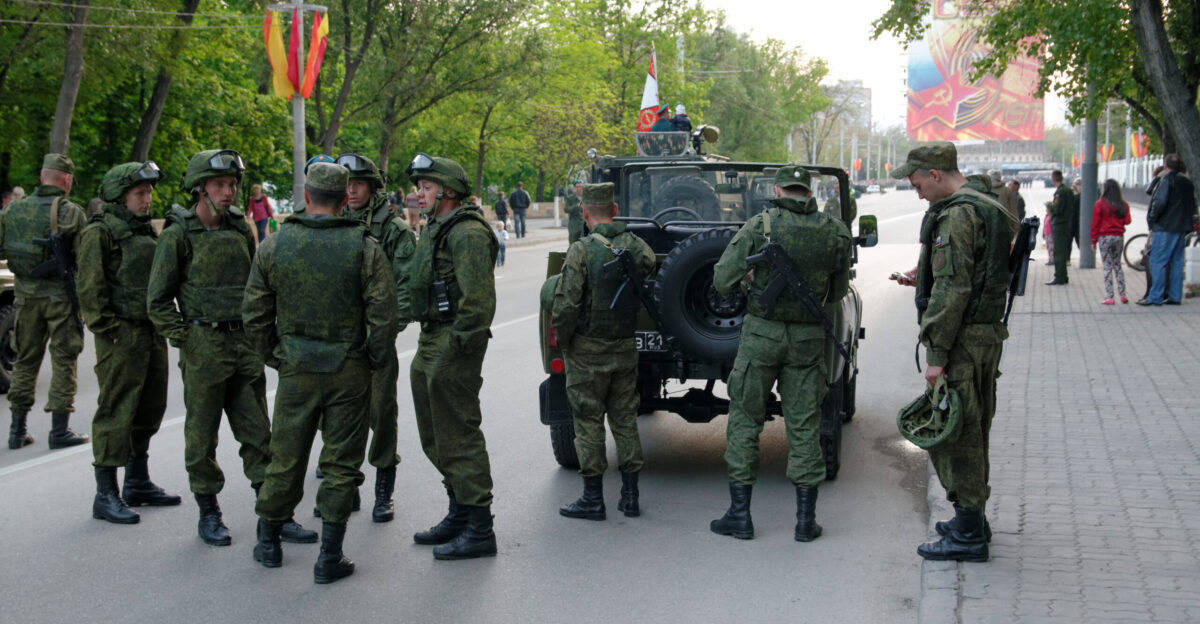
The systematic destruction of air defense and electronic warfare systems has created critical gaps in Russia’s defensive umbrella. Ukrainian command confirmed that Alpha operatives also killed more than 1,500 Russian soldiers during October’s operations—casualties that mount as Russian troops mass for what military officials describe as a decisive assault on Pokrovsk.
Early November reports revealed Russian forces sustaining 840–1,160 casualties per day as Ukrainian strikes continue to dismantle vital equipment and disrupt logistics hubs. Since the invasion began in February 2022, official tallies indicate over 1,146,570 Russian personnel casualties.
Special Forces Evolution
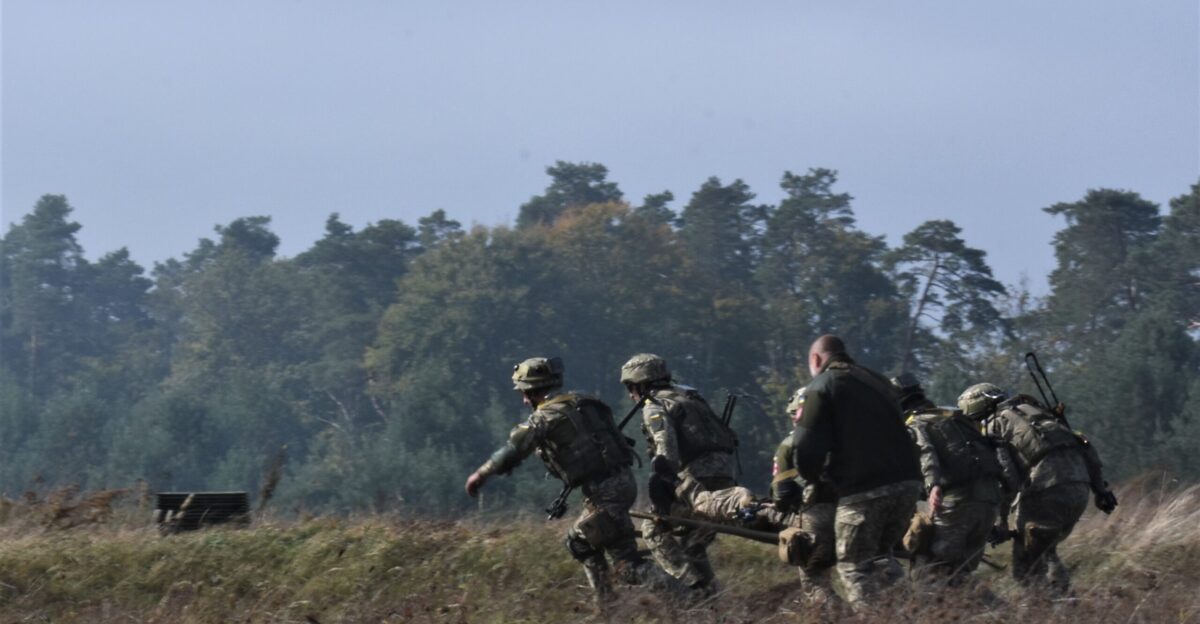
Ukraine’s special forces have transformed dramatically since 2014. The SBU’s elite Alpha unit and the HUR’s Timur detachment now execute deep-penetration raids, sabotage missions, and precision strikes on high-value targets far beyond the front lines. Their expertise in identifying and eliminating air defense systems has become a critical component of Ukraine’s broader strategy.
The October operation near Pokrovsk showcases this evolution. Rather than conventional frontal assaults, Alpha operatives used intelligence-driven targeting to identify the exact locations of Russian air defense batteries and electronic warfare stations.
Tactical Sophistication
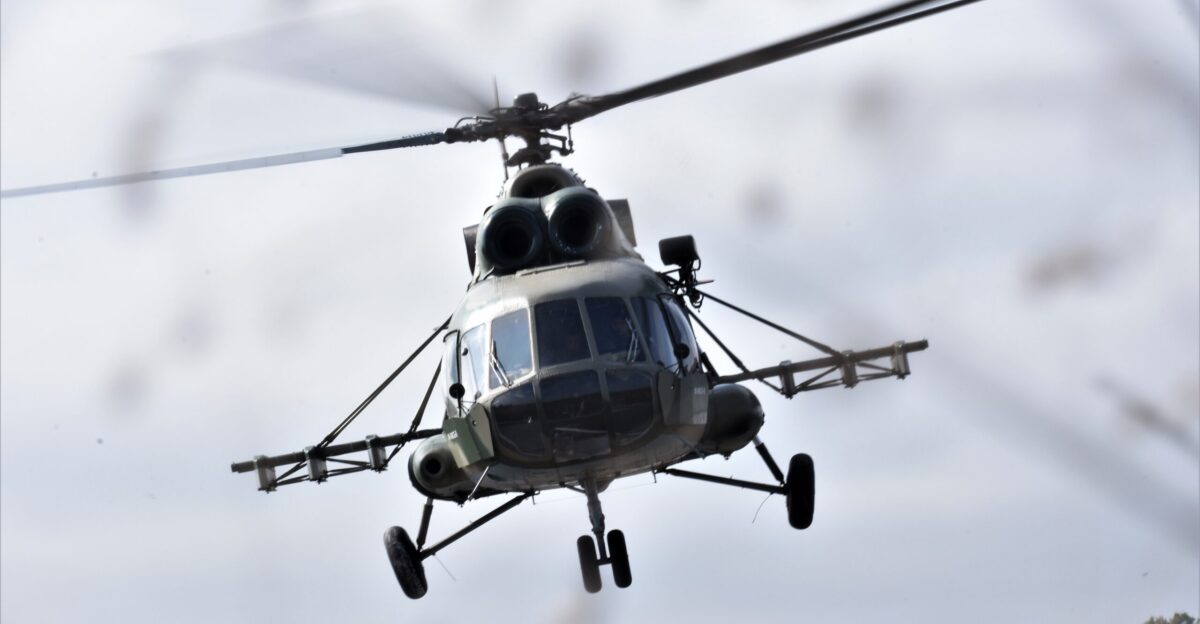
They executed coordinated strikes—some involving helicopter insertion, others using ground infiltration—to systematically eliminate each system. Years of combat experience, rigorous NATO-style training in counter-air defense tactics, and steady international support have sharpened their edge.
These operators—once small counterterrorism units—now lead some of the most complex and high-impact battlefield operations of the war, becoming a core pillar of Ukraine’s modern defense doctrine.
Mounting Pressure
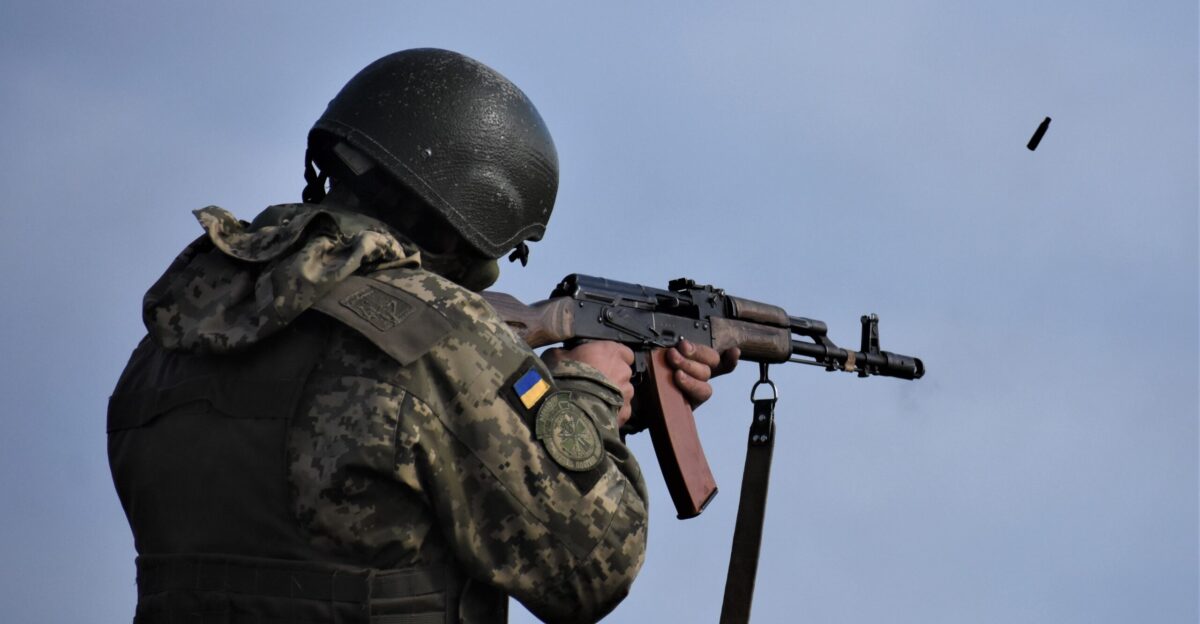
Pokrovsk has evolved into the war’s most contested city. Russian forces have attacked relentlessly for more than a year, seeking to breach Ukraine’s eastern defensive wall. Commander-in-Chief Oleksandr Syrskyi described it as “the most difficult sector of the front line.”
The Alpha unit’s destruction of 18 air defense and electronic warfare systems directly supports Ukraine’s ability to maintain drone operations over the battlefield. Without these Russian systems operational, Ukrainian reconnaissance drones can more safely identify troop concentrations and artillery positions.
Surgical Precision
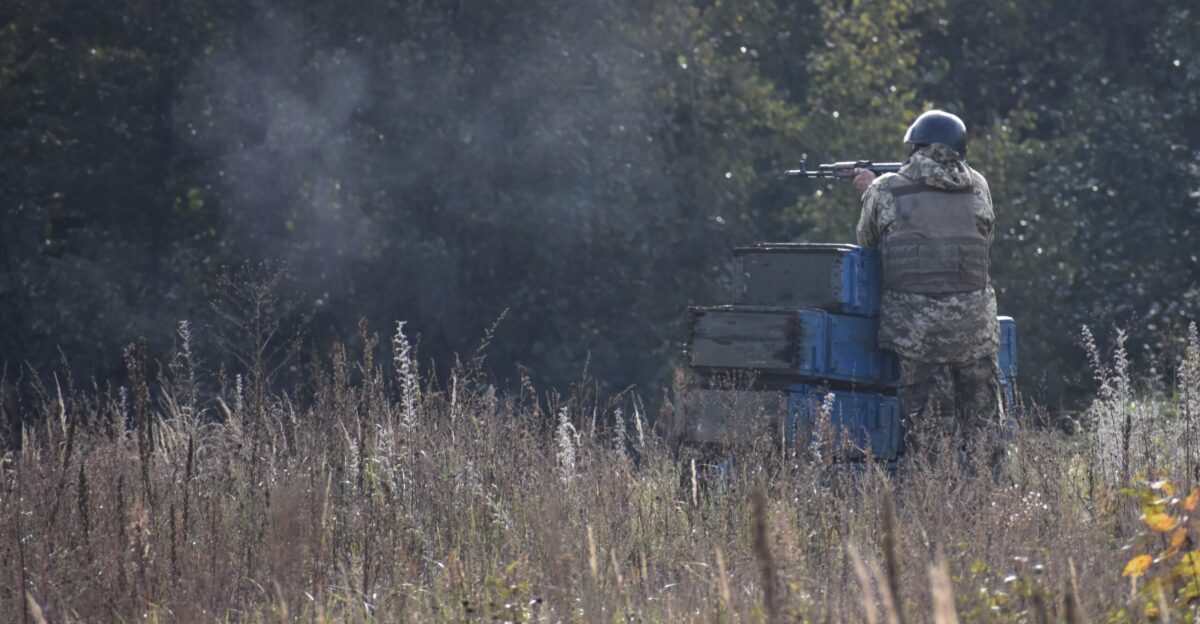
Ukrainian special forces now respond with surgical precision. Their evolving tactics—rapid strikes on air defense nodes, decoy movements to expose radar positions, and close-quarters ambushes of system operators—are blunting Russia’s momentum.
What began as a siege is now a tactical chess match fought block by block, with air defense superiority becoming increasingly decisive.
Record-Breaking Operation
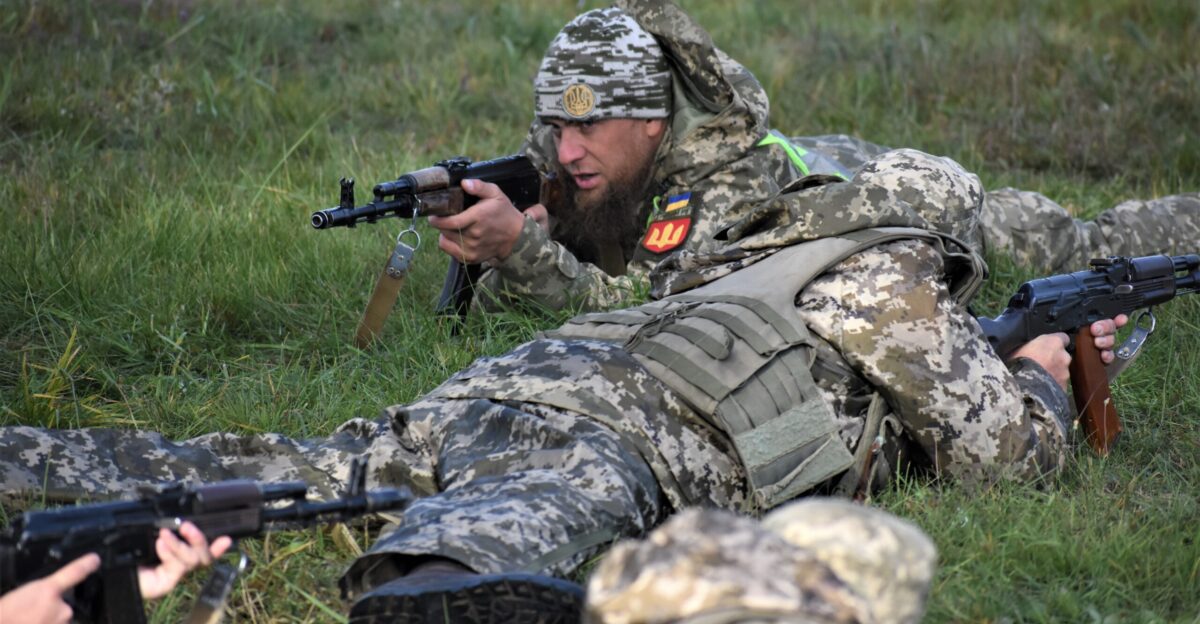
In October 2025 alone, Ukraine’s SBU Alpha unit achieved results that surpass any previous single-unit special operations campaign. Beyond the 18 air defense and electronic warfare systems—the highest number destroyed by an individual special forces team since 2014—they eliminated 20 tanks, 62 armored vehicles, and 39 artillery systems while killing more than 1,500 Russian troops.
The air defense component proved particularly significant. Electronic warfare systems like the Krasukha-4 and Moskva-1 complexes jam GPS signals, disrupt drone communications, and blind targeting systems.
Corridors Of Vulnerability
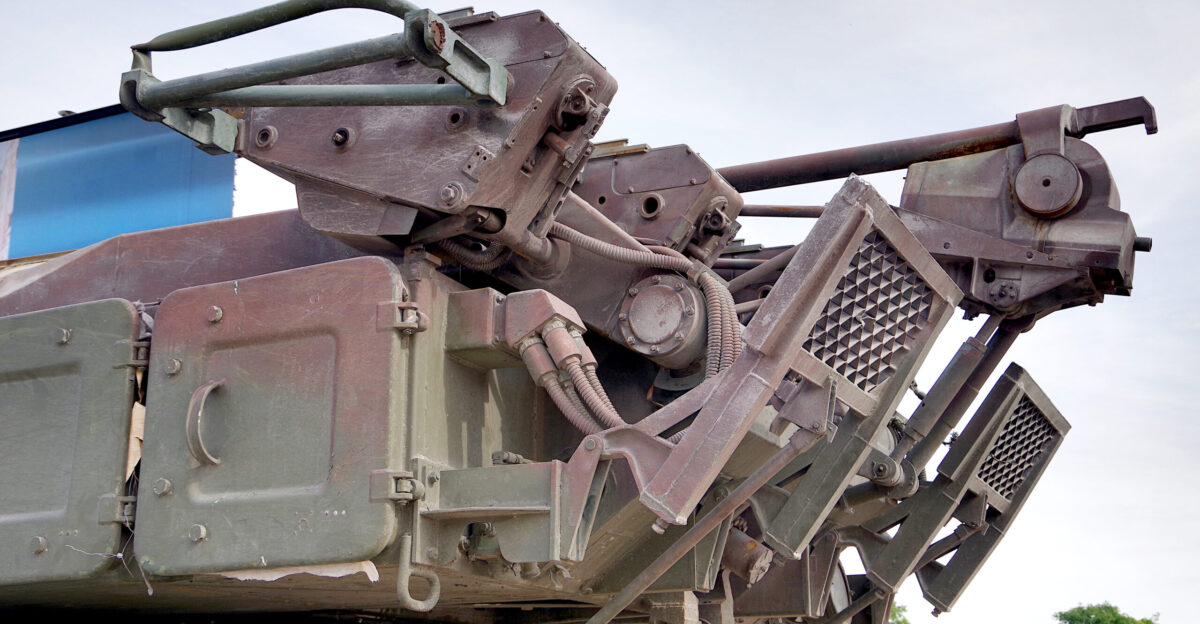
Their destruction alongside traditional air defense platforms like Buk-M2 and Pantsir-S1 systems created what Ukrainian commanders describe as “corridors of vulnerability” in Russia’s defensive umbrella.
Simultaneously, HUR’s Timur unit executed helicopter-borne raids using US-made Black Hawks—one of the first confirmed instances of such aircraft in direct combat operations near encircled positions. These missions demonstrated not only precision and tactical boldness but also the increasing integration of Western equipment into Ukraine’s most dangerous special operations.
Historical Context
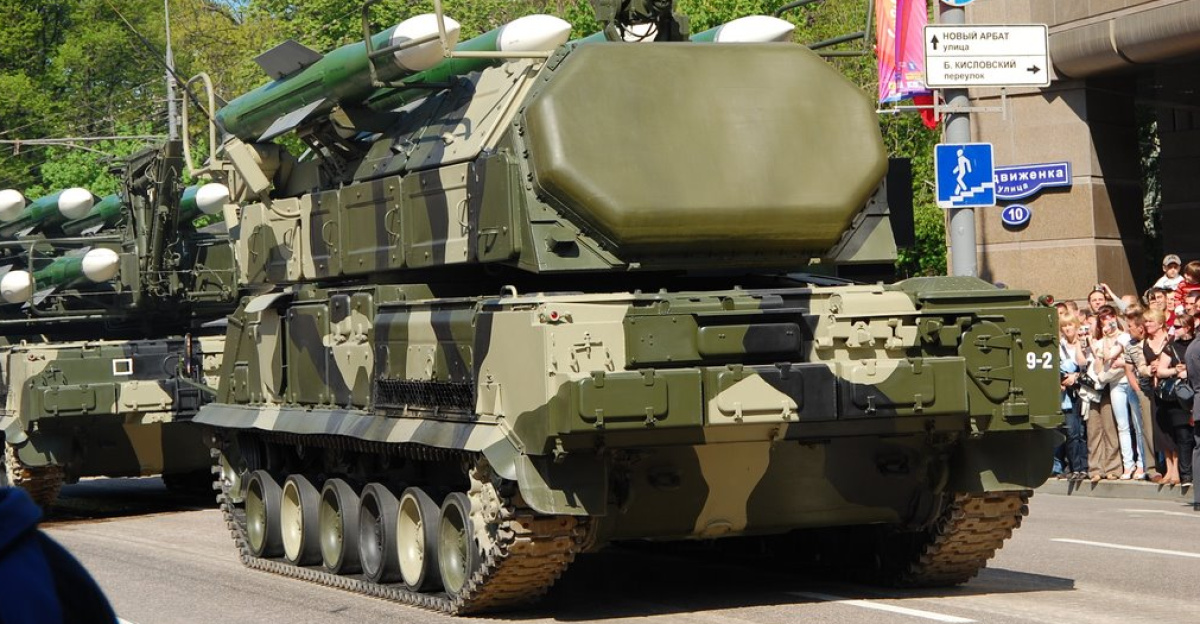
Military analysts note that while larger-scale strikes involving multiple units and conventional forces have destroyed more systems in aggregate over longer periods, the Alpha unit’s focused, one-month campaign against 18 air defense and EW systems represents the most concentrated special operations success against Russian air defenses documented since the war’s beginning in 2014.
This operation marks a milestone in asymmetric warfare—where precision, intelligence, and speed have replaced brute force as the defining factors of victory.
Human Stories
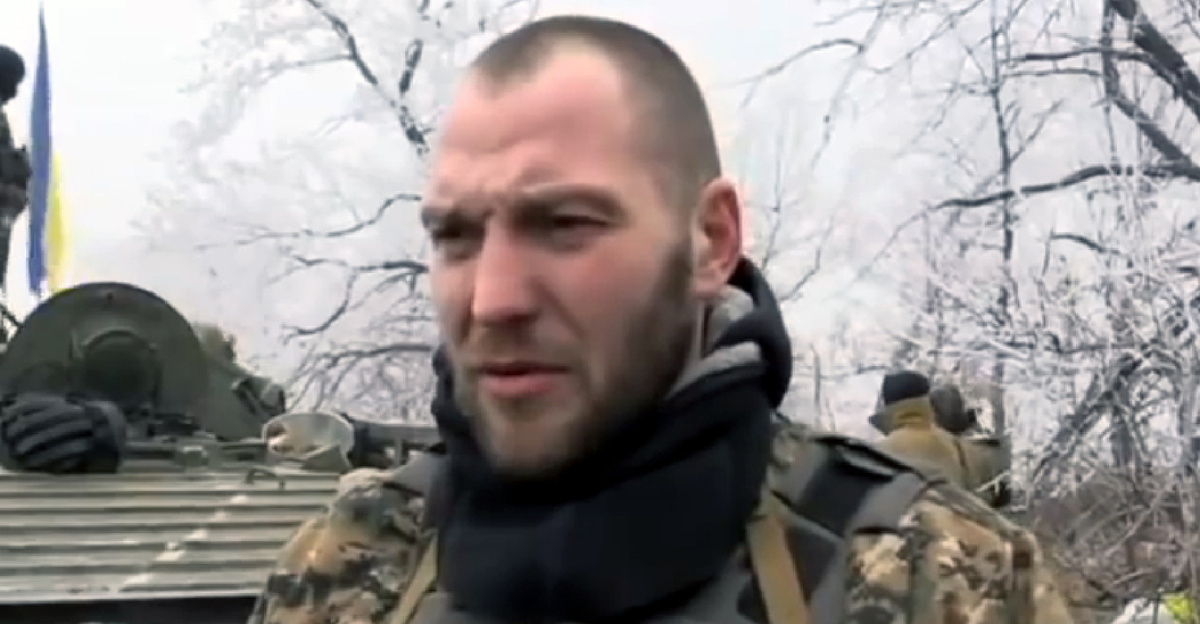
“They carry out extremely difficult tasks in the hottest spots and eliminate enemy units with precise strikes,” the SBU declared, praising the courage of its elite soldiers who executed the record-breaking air defense operation. These words barely capture the danger of missions that unfold entirely behind enemy lines, where survival often depends on silence, speed, and the ability to disable sophisticated defensive systems before they can respond.
Personal accounts describe operators conducting reconnaissance to pinpoint air defense radar emissions, infiltrating under darkness to plant explosives on Buk launchers, and engaging in firefights with system crews.
International Support
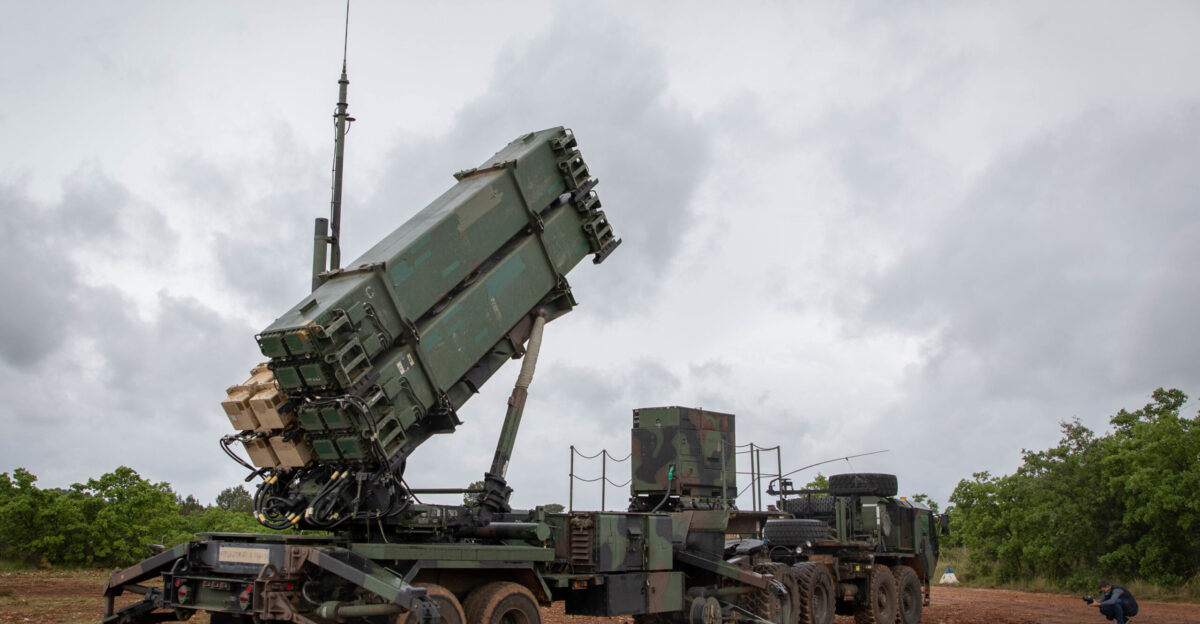
Ukraine’s resilience is underpinned by an expanding network of global allies. In early November 2025, Germany transferred two additional Patriot air defense systems—its most advanced interceptors—to Ukraine. This delivery cements Germany as the largest individual supplier of Patriot systems worldwide.
President Volodymyr Zelenskyy hailed the move as a milestone in Europe’s collective defense. The Alpha unit’s destruction of 18 Russian systems in October demonstrated that degrading enemy air defenses is equally critical to maintaining Ukrainian offensive capabilities.
Ongoing Strikes
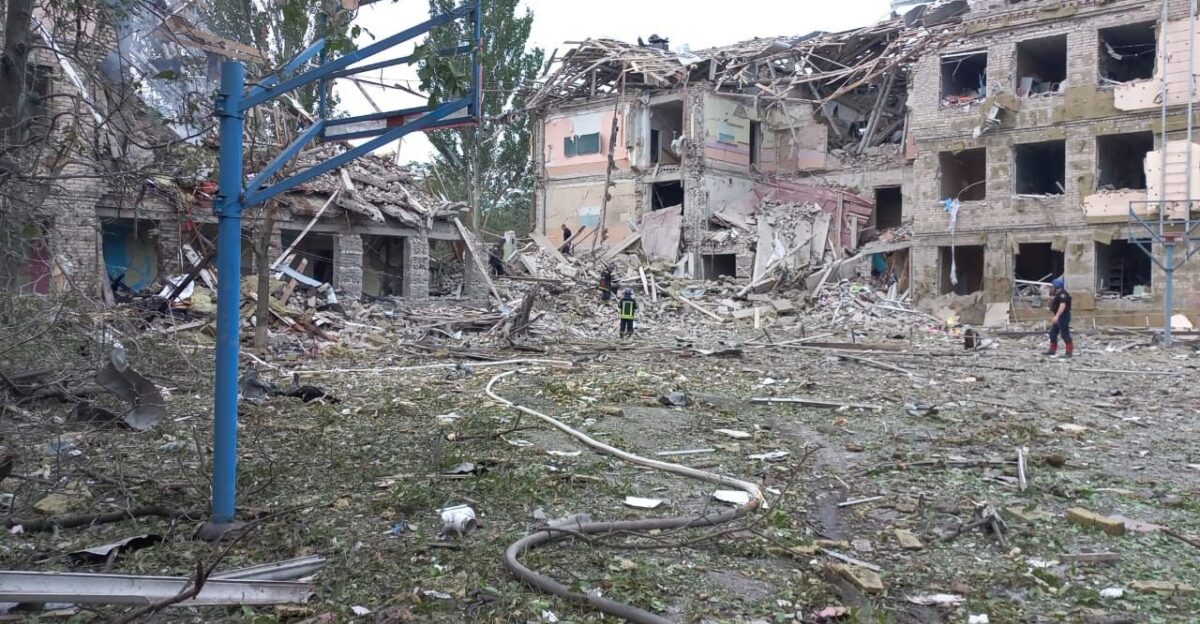
Despite battlefield setbacks, Russia continues to bombard Ukrainian cities with missiles and drones. In October 2025 alone, Ukrainian air defenses intercepted over 11,000 aerial threats—an unprecedented volume of attacks. The destruction of Russian air defense systems allows Ukraine to conduct its own strikes with greater effectiveness.
Entire neighborhoods in central and eastern Ukraine endure rolling blackouts and damaged housing. The Alpha unit’s October operation against 18 systems represents one piece of a larger struggle for control of the skies.
Internal Friction And Expert Analysis
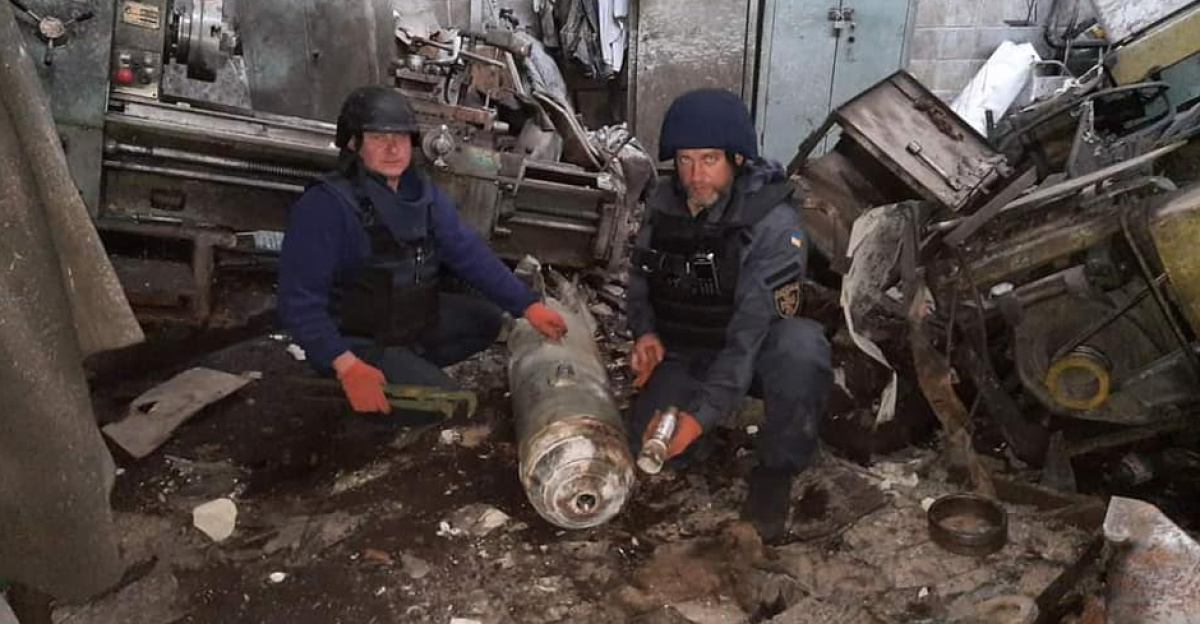
Mounting casualties and equipment losses—including the record destruction of air defense assets by Ukrainian special forces—have triggered growing tension within Russian ranks. The loss of electronic warfare systems that should jam Ukrainian drones has proven particularly demoralizing.
Military analysts caution that tactical success does not guarantee strategic victory. However, experts at the Institute for the Study of War and CSIS note that the October special operations campaign represents a qualitative shift. “A single special forces unit destroying 18 air defense and electronic warfare systems in 30 days is unprecedented in this conflict,” one analyst observed.
Looking Forward
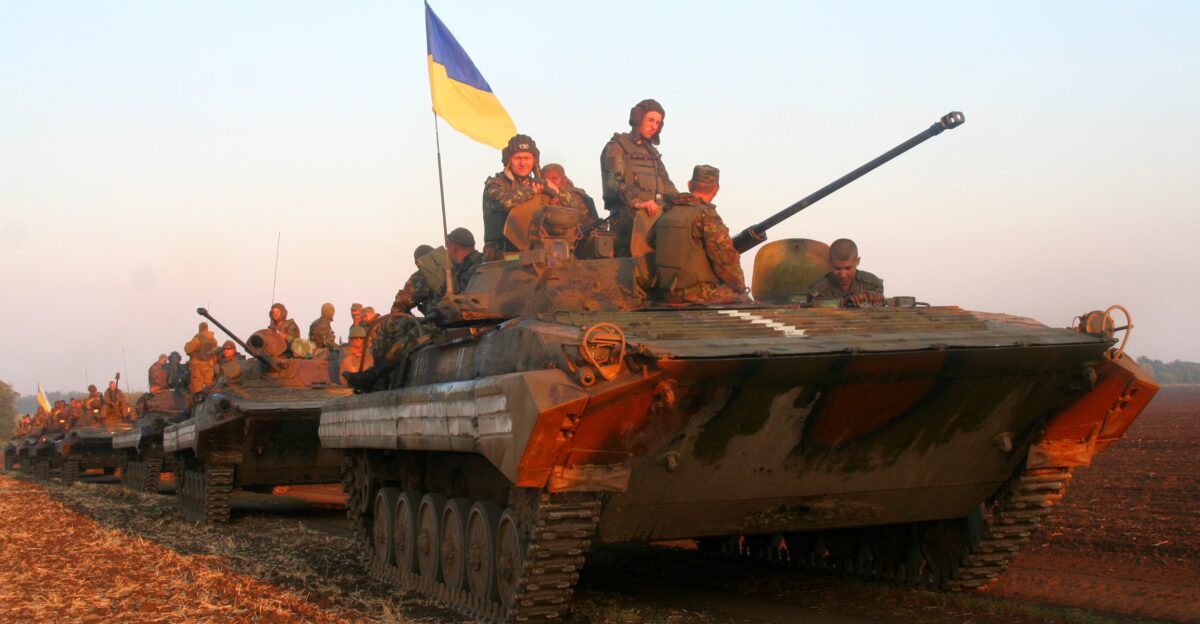
As Ukrainian special forces continue defending and striking across Pokrovsk, the question remains: how long can each side endure? The Alpha unit’s record-breaking October operation—18 air defense and electronic warfare systems eliminated in one month—has created a template. Other Ukrainian special operations teams are reportedly training in similar counter-air defense tactics.
In the months ahead, both armies face their sternest test of adaptation and willpower. Whether Pokrovsk becomes another fallen city or a symbol of Ukrainian resistance—and whether October 2025 becomes known as the month Russia lost control of the skies over eastern Ukraine—may shape not only the next chapter of this war, but Europe’s security for years to come.