` Ukrainian Marines Block All Russian Assault Waves on Pokrovsk Axis—100,000 Civilians Trapped - Ruckus Factory

Ukrainian Marines Block All Russian Assault Waves on Pokrovsk Axis—100,000 Civilians Trapped

RNZ – X

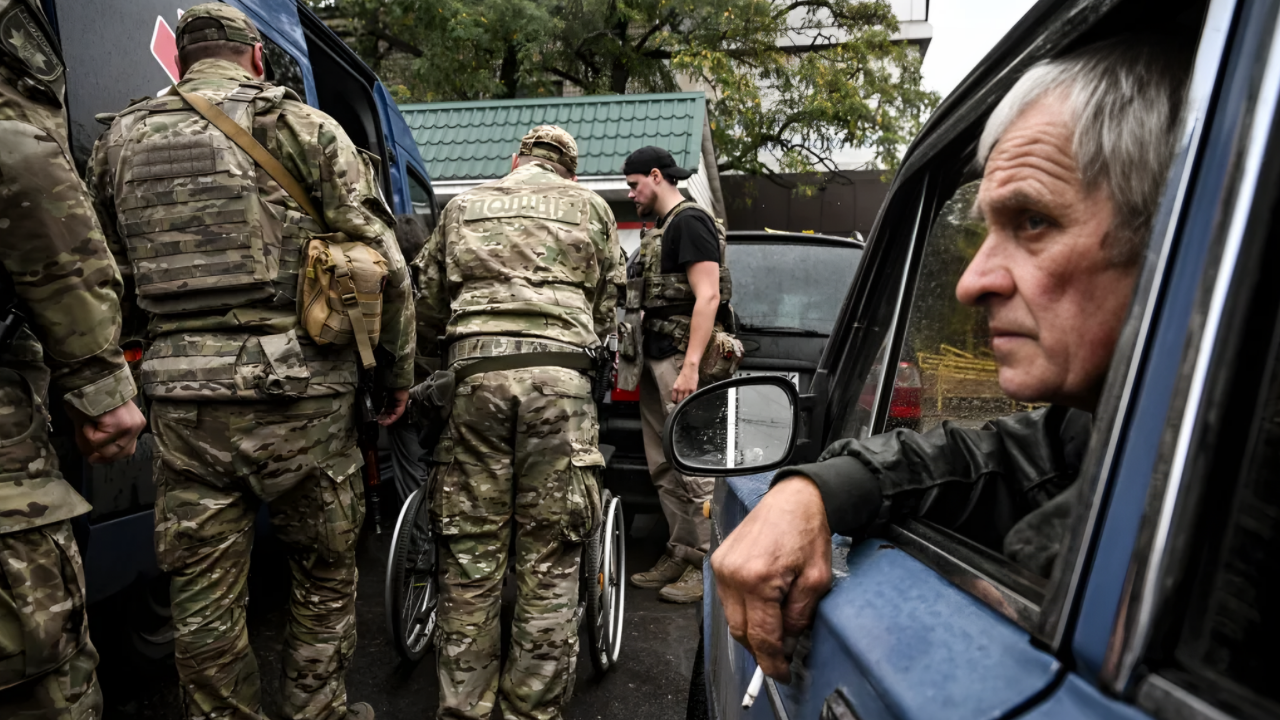
Urban combat in eastern Ukraine is escalating rapidly. Between January 12-13, 2026, fighting near Pokrovsk killed or wounded over 300 Russian soldiers in one day. Moscow has sent 100,000-170,000 troops to break Ukrainian defenses there.

Freezing temperatures below 20 degrees Fahrenheit intensify combat. Both armies fight fiercely in ruined buildings and industrial zones. Winter has become another weapon neither side controls.

The Death Toll Mounts
a blue and yellow button sitting on top of a pile of bullet shells
Photo by Marek Studzinski on Unsplash

Russian losses near Pokrovsk are enormous. For every Ukrainian casualty, Russia loses 15 soldiers. Over 1,500 Russian troops have died or been injured monthly since late 2025.

On January 12 alone, Ukraine reported 365 Russian losses. This includes 66 killed and 299 wounded. These numbers rank among the war’s bloodiest battles. Moscow keeps attacking despite huge losses.

Strategic Crossroads
Город Покровск (Якутия) с реки
Photo by A. L. (loading) on Wikimedia

Pokrovsk sits at a critical location. If Russia captures it, Moscow can push west toward Pavlohrad and Kryvyi Rih. Before the war, 100,000 people lived in the Pokrovsk-Myrnohrad area.

Now it anchors Ukraine’s western defense in Donetsk. The city’s tall buildings and high terrain provide Ukrainian defenders with an advantage. Beyond Pokrovsk lies open grassland.

Logistics Under Fire

Person using a drone for agricultural purposes on a countryside pathway in Hefei China
Photo by DRONE EFT on Pexels

Ukraine’s supply lines to Pokrovsk are constantly under attack. Russian drones and artillery target evacuation routes and ammunition trucks. Ukrainian soldiers now walk up to 30 miles on foot to reach positions.

Vehicle routes are too dangerous. Supplies arrive by drone and robots. Winter makes it worse. Ukraine must deliver warm clothes and heating equipment under fire.

The Air Assault Forces Hold
Gurkha soldiers in military uniforms stand in formation for an outdoor ceremony.
Photo by Mick Latter on Pexels

Ukraine’s 7th Rapid Response Corps defends Pokrovsk. This elite Air Assault unit includes the 25th Sicheslav Airborne Brigade and 77th Airmobile Brigade. On January 12-13, they stopped 57 Russian attacks.

Paratroopers killed over 20 Russian soldiers in one operation. Northern Pokrovsk remains under Ukrainian control. The 7th Corps uses artillery, drones, and patrols to prevent Russian buildup. They trade ground for casualties.

The Drone War Within
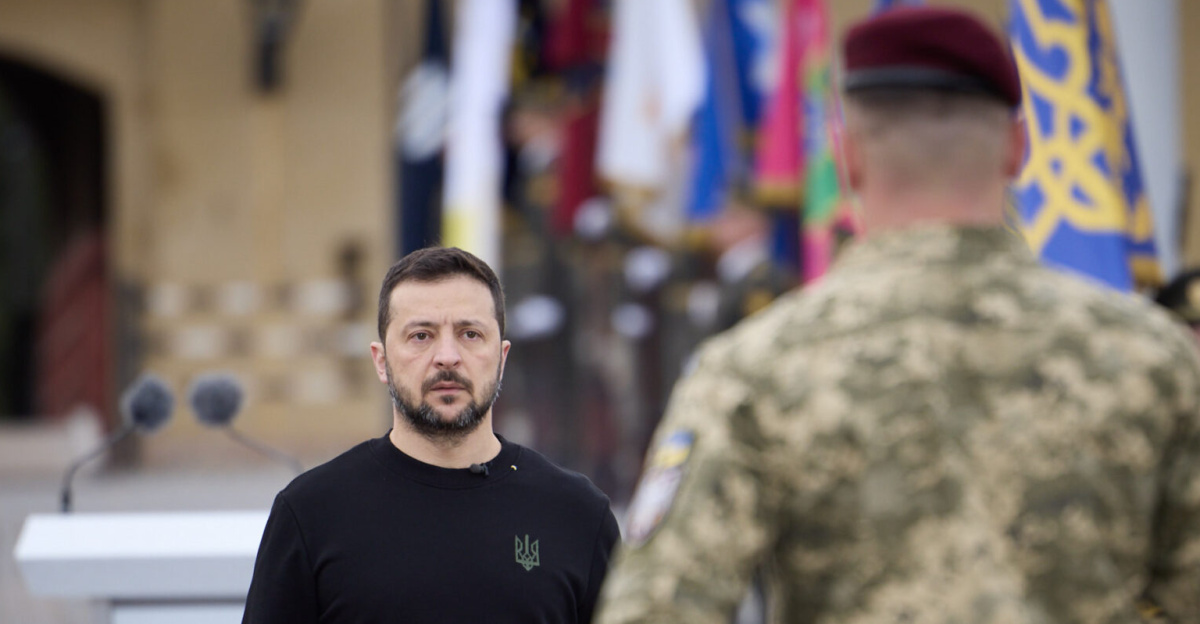
On the Day of Defenders of Ukraine, President Volodymyr Zelenskyy honored warriors with state awards, presented battle flags to brigades, and conferred honorary titles. The event was attended by leaders of Ukraine’s security and defense forces, Prime Minister Denys Shmyhal, Head of the President’s Office Andriy Yermak and his deputies, as well as ambassadors.
<p>Volodymyr Zelenskyy emphasized that today is a great day – the day of those who make tomorrow possible and who are the reason Ukraine exists.
“951 days of the battle for the state. For 951 days, you have been writing history on the battlefield. You sacrifice yourselves in order not to sacrifice Ukraine. Both those who were born a warrior and those who became one. Who changed their lives so that our freedom would remain unchanged. Who had a different profession but refused to live under another flag. Who said to themselves: I have no other choice, for this is my Homeland, this is my Ukraine, and I will defend it,” the President noted.
The Head of State called on everyone to bow in respect to all who have brought and continue to bring the first minute of peace closer to Ukraine.
The attendees observed a minute of silence in memory of all who defended Ukraine at the cost of their lives.
The President presented the Order of the Golden Star to the families of fallen Heroes of Ukraine. The highest state award was given to:
Senior Sergeant Serhiy Kostiuchenko. In 2014-2015, he participated in the Anti-Terrorist Operation, and with the start of the full-scale Russian invasion, he defended the Chernihiv region. As part of a mortar crew, he destroyed an Iskander ballistic missile division, six trucks, and a Tigr armored vehicle. In June 2022, in the Donetsk region, while correcting mortar fire, he helped eliminate an assault group of occupiers.
Military Justice Captain Andriy Subotin. He participated in the defense of Mariupol. While conducting reconnaissance in the underground tunnels of the Azovstal plant, the group of border guards, including Andriy Subotin, discovered a shelter where 80 civilians had been hiding for over three weeks. Despite artillery shelling, the warriors brought water and food. Andriy Subotin was killed by a sniper on May 7, 2022, at the Azovstal plant.
Junior Sergeant Petro Fedorchuk. He defended Mariupol and evacuated wounded servicemen from the frontline. He also corrected artillery fire, which resulted in the destruction of an enemy column and five more occupiers at the Ilich Iron and Steel Works, where he identified the enemy's position.
Volodymyr Zelenskyy awarded the Golden Star of the Hero of Ukraine to three more defenders of Ukraine. They are:
Colonel Dmytro Voloshyn, commander of the 82nd separate air assault brigade. In May 2024, units of the brigade halted a Russian advance in the Kharkiv direction. Since August, the brigade has been involved in operations in the Kursk region. Approximate enemy losses include over 1,500 personnel and 335 pieces of weapons and military equipment.
Junior Sergeant Tymofiy Orel. Using FPV drones, he eliminated 434 Russian occupiers, wounded 346 more, and destroyed 134 armored vehicles, including 42 tanks, 10 MT-LBs, 28 APCs, and 44 IFVs.
Lieutenant Bohdan Tsymbal. From September 2023 to September 2024, he eliminated around 100 Russian invaders, a tank, five artillery pieces, and nine military vehicles. He was wounded but two months later he continued to perform combat missions in the Serebryansky forest area.
The President also presented the Cross of Military Merit to the families of the fallen warriors. It was awarded to:
Soldier Mykyta Kaliayev. In 2023, as part of an assault squad near Horlivka, he destroyed an enemy machine gun crew, eliminating six Russian occupiers. This allowed his brothers-in-arms to enter the enemy positions without losses, clear the territory and destroy 15 more invaders.
Sailor Vladyslav Litovchuk. During an assault on the left bank of the Dnipro River, he saved the lives of six wounded brothers-in-arms. In October last year, he was severely wounded, applied tourniquets to himself, and remained at his position for another 23 hours. His actions and those of his brothers-in-arms helped the marine units assault the enemy and secure new positions.
This award was also presented to three more warriors, including:
Senior Sergeant Valentyn Kolesnyk. Along with two brothers-in-arms, he engaged in a battle with superior enemy forces consisting of four units of heavy armored vehicles and infantry. Valentyn Kolesnyk took command, destroying a T-72 tank with a grenade. The warriors eliminated infantry and an IFV, successfully repelling the attack.
Major Oleksandr Riasnyi. He personally eliminated at least 15 occupiers. In July last year, an assault group under his command advanced nearly 2 kilometers deep into enemy territory in the Zaporizhzhia direction, capturing an enemy commander and multiple ammunition depots.
The President presented battle flags to the 43rd separate mechanized brigade, 117th separate mechanized brigade, 47th separate engineer brigade, 16th separate support regiment, and 25th National Guard regiment. Volodymyr Zelenskyy also awarded the For Courage and Valor distinction to the 148th separate artillery brigade, 138th Naddniprianska radio engineering brigade, 126th separate territorial defense brigade, and 6th Volyn border detachment.
Also, the 45th separate artillery brigade received the honorary title "named after General Myron Tarnavskyi," the 82nd separate air assault brigade was conferred the honorary title "Bukovynska," and the 34th National Guard regiment was conferred the honorary title "Khersonskyi."
</p>
The President also presented Ukrainian passports to three foreigners who have been defending Ukraine since 2022: warriors from the United States, Georgia, and a military medic from New Zealand.
Photo by President Of Ukraine on Wikimedia

Russian drone pilots drive Moscow’s attacks near Pokrovsk. Ukraine destroyed 39 Russian drone teams on January 12 alone. The 7th Corps then eliminated 45 Russian drones in 24 hours, plus 12 vehicles.

Russia replaces drone operators easily because it has more soldiers. Ukraine must save every experienced pilot it has. Neither side can win decisive ground victories.

Trapped in Place
a man and a woman sitting next to a child
Photo by Jonathan Ramalho on Unsplash

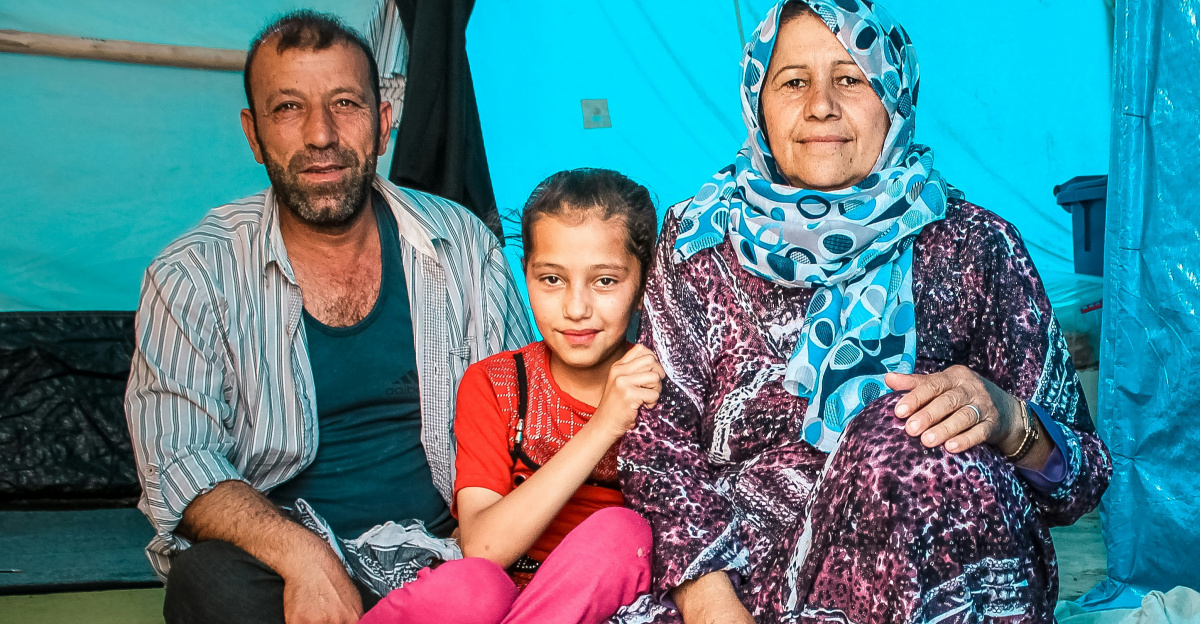
About 1,250 civilians remain in Pokrovsk. Another 1,350 are trapped in the nearby town of Myrnohrad. They cannot leave. Russian drones and artillery destroyed escape routes months ago.

On January 6, Ukrainian authorities stated that evacuations cannot occur. Anyone trying to leave faces overwhelming Russian fire. Drones deliver the only aid. Families hide in basements, rationing food and water. Power and water are gone.

The Winter Offensive Stalls
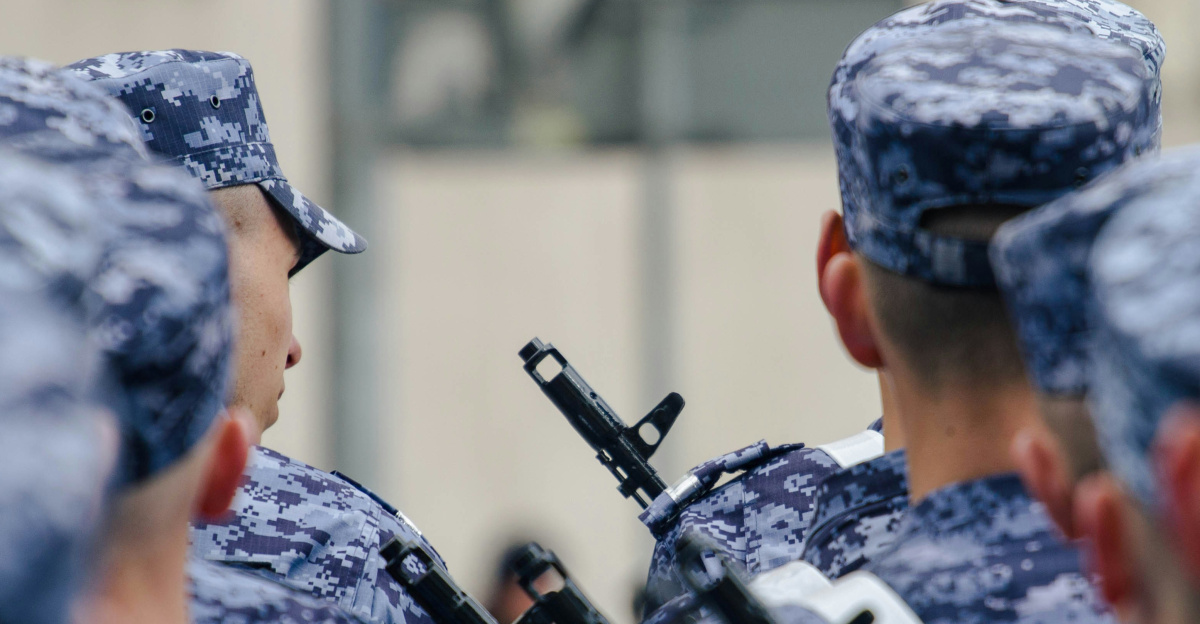
Soldiers stand in formation with rifles.
Photo by Pavel Egorov on Unsplash

Russian military blogs and Ukrainian analysts reported a slowdown in momentum in mid-January. High casualties, extreme cold, and Ukrainian attacks force Russia into defense. The 7th Corps uses drones and artillery preemptively.

This stops Russia from massing forces. Ukraine keeps Russian units spread out and under pressure. Both armies suffer unsustainable losses daily.

Propaganda and Posture
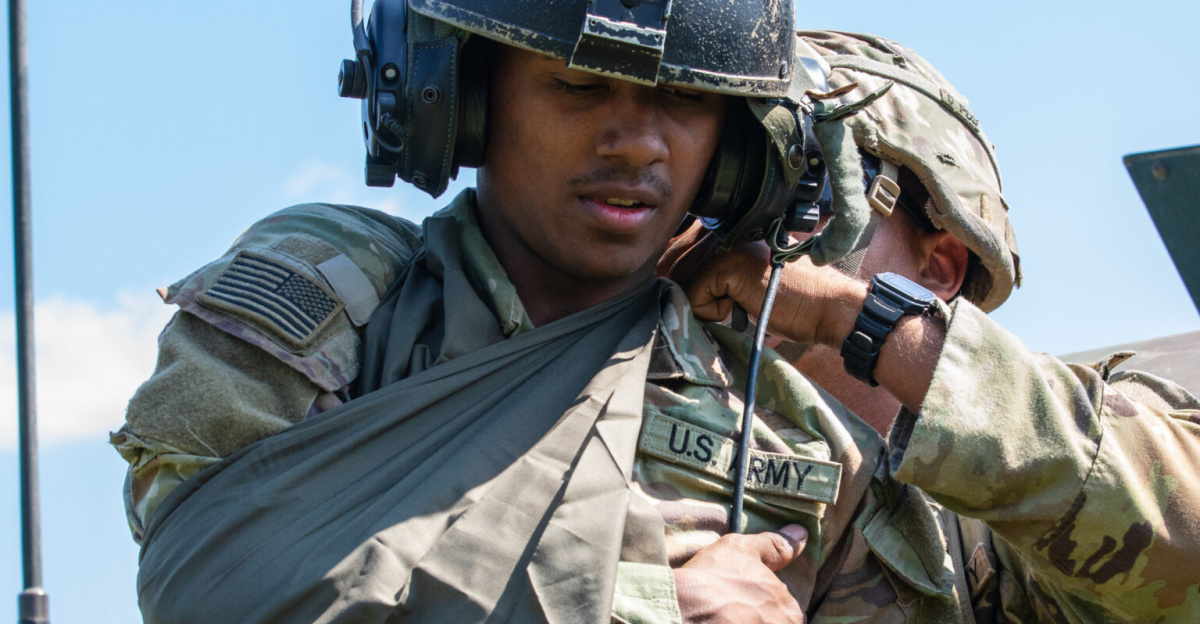
A U.S. Soldier assigned to 1st Battalion, 77th Field Artillery Regiment, 41st Field Artillery Brigade creates a sling for a Soldier acting as simulated casualty after an oppositional forces attack during Saber Guardian 25, Cincu Training Area, Romania, June 15, 2025. The training scenario tested the unit’s emergency response, coordination, and casualty evacuation procedures under high-pressure conditions, ensuring readiness for real-world combat and humanitarian missions. (U.S. Army photo by Spc. Hunter Carpenter)
Demonstrating global deterrence and the U.S. Army’s ability to rapidly deploy U.S.-based combat power in Europe and the Arctic region alongside Allies and partners, DEFENDER 25 brings U.S. troops together with forces from 29 Allied and partner nations to build readiness through large-scale combat training from May 11-June 24, 2025. DEFENDER 25 increases the lethality of the NATO alliance through large-scale tactical training maneuvers and long-range fires, builds unit readiness in a complex joint, multinational environment and leverages host nation capabilities to increase the U.S. Army’s operational reach. During three large-scale combat training exercises—Swift Response, Immediate Response, and Saber Guardian—Ally and partner forces integrate and expand multi-domain operations capability, demonstrating combined command and control structures and readiness to respond to crisis and conflict.
Photo by U.S. Army 105MPAD by Spc. Hunter Carpenter on Wikimedia

The 7th Corps believes Russia now prioritizes propaganda over military gains. Russian attacks on Myrnohrad’s south side “aim at a domestic audience,” the Corps stated.

Moscow may conduct high-casualty attacks mainly to show the Russian media progress. Russia keeps attacking despite repeated failures. Moscow’s military command faces pressure from civilian leaders to deliver visible territorial wins.

Civilians Become Pawns
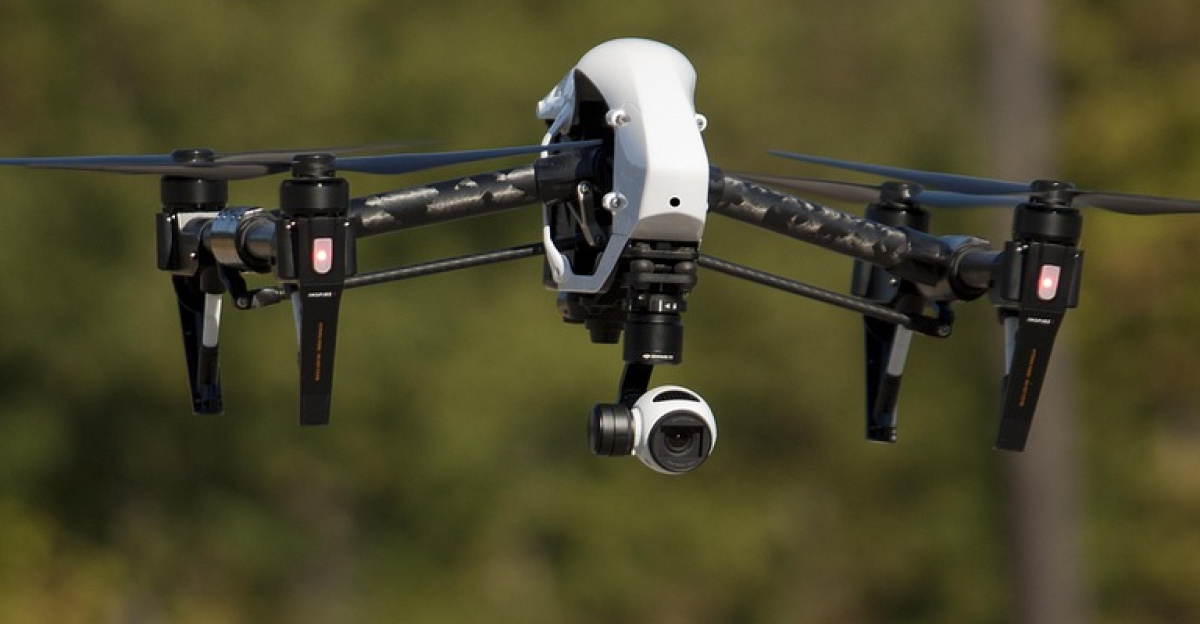
drone, camera, fly, remote control, technology, robot, hobby, watching, aerial, hovering, drone, drone, drone, drone, drone, robot, robot
Photo by anne773 on Pixabay

Russia engineered a humanitarian chokehold around Pokrovsk. By destroying escape routes and watching civilians with drones, Moscow made them hostages. Of 192,600 civilians left in Ukrainian Donetsk, 1,250 are stuck in Pokrovsk.

Trapped civilians limit Ukrainian tactics. Ukraine cannot use maximum firepower in residential areas without killing non-combatants. Russia faces no such restriction. This asymmetry works against Ukraine strategically.

On the Ground: Paratroopers Speak
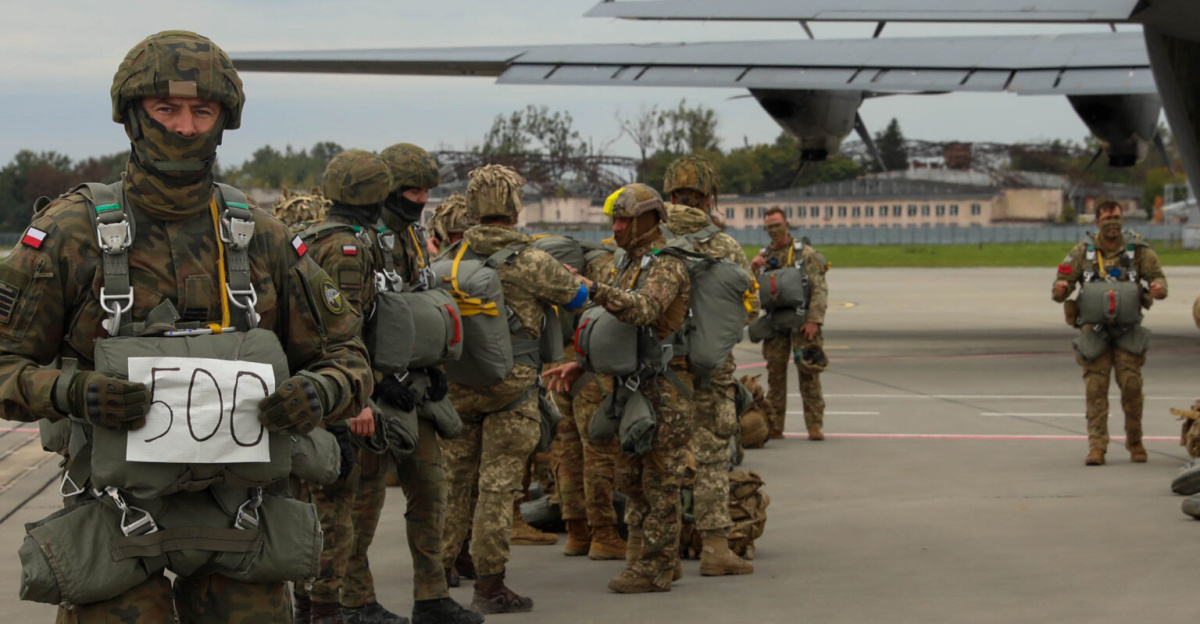
A Polish paratrooper celebrates his 500th airborne jump prior to a multinational airborne jump with Ukrainian paratroopers from 15th Battalion, 95th Air Asault Brigade, U.S. and other Polish paratroopers as part of Rapid Trident 2021 at the International Peacekeeping Security Centre near Yavoriv, Ukraine, Sept. 25, 2021. Rapid Trident is an important step for Ukraine on its path to NATO membership and is designed to increase the efficiency of Ukrainian troops as well as improve the compatibility of the headquarters of the Armed Forces of Ukraine, the United States and other NATO members. (U.S. Army photo by Sgt. Hayden Hallman)
Photo by U.S. Army photo by Sgt. Hayden Hallman on Wikimedia

Ukrainian paratroopers describe a mix of exhaustion and determination. Soldiers rotate through brutal combat with little rest. A Ukrainian officer told Deutsche Welle that infiltration is “the primary concern.” Russian soldiers advance in small groups using drones to set traps.

Identifying combatants versus civilians is “extremely challenging.” Some units walk 30 miles on foot to positions. Despite hardship, they conduct patrols and pre-emptive strikes.

Command Structure Holds Firm
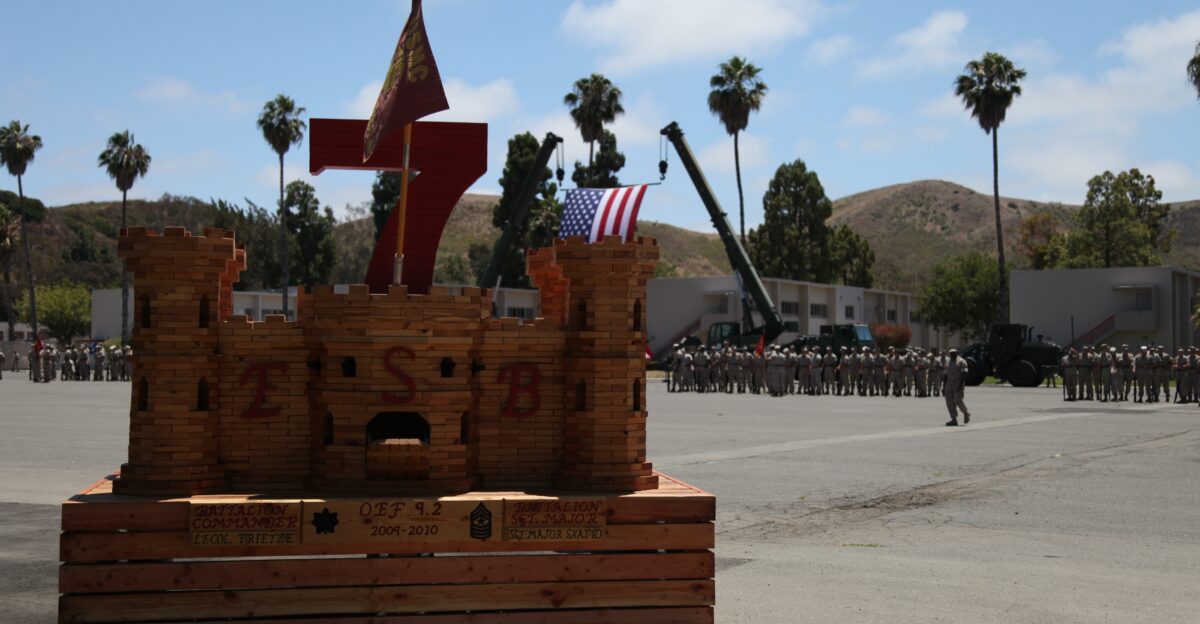
A wood model of 7th Engineer Support Battalion 1st Marine Logistics Group s logo stands as part of the many static displays during a retirement ceremony for Sgt Maj Timothy L Shatto battalion sergeant major 7th ESB and 1st Sgt Ginger L Monge remain behind sergeant major 7th ESB July 22 Unit 1st Marine Logistics Group
Photo by Cpl Robert Medina on Wikimedia

The 7th Corps stays operationally organized despite brutal conditions. Unlike earlier war phases, the 7th Corps units do not collapse or retreat. The 25th Sicheslav and 77th Airmobile brigades coordinate defensive operations.

The Corps reported it is “holding back the enemy in the north” as of January 12. Command, control, and morale remain strong. The Corps strikes preemptively, targets Russian supply roads, and searches for Russian concentrations. Organization is Ukraine’s advantage.

Winter: The Equalizer
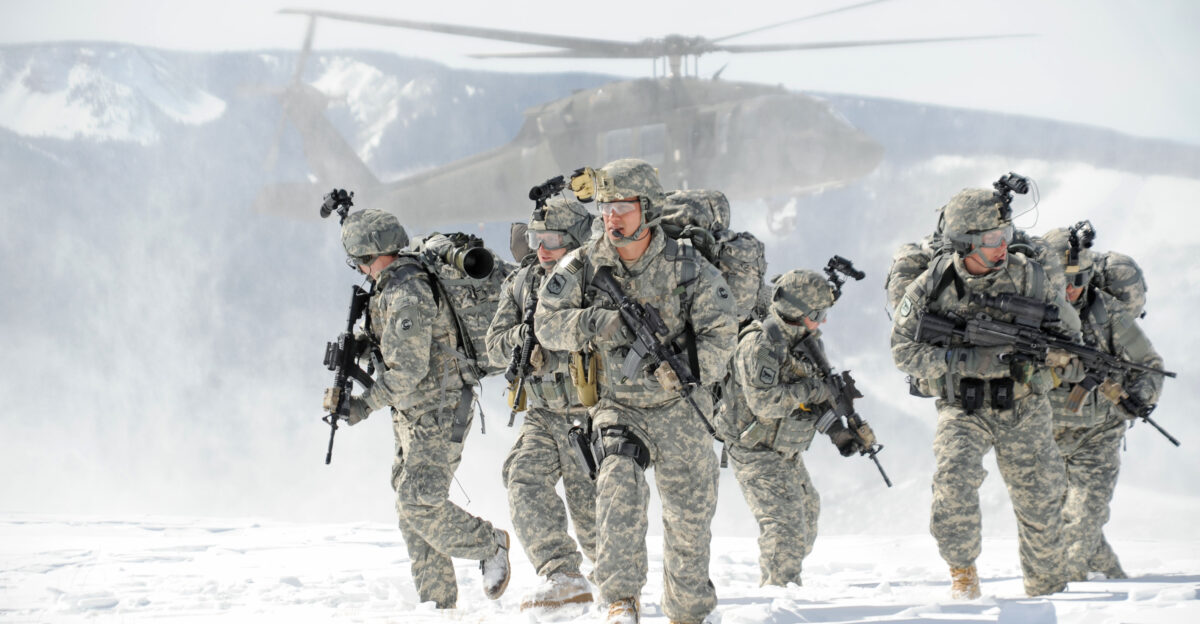
Soldiers of the South Dakota Army National Guard wearing Generation III Extended Cold Weather Clothing System ECWCS in 2010
Photo on Wikimedia

Extreme cold below 20 degrees Fahrenheit became a secondary battlefield. Ukrainian soldiers report temperatures are slow on both sides. Russian forces lack cold-weather gear. Casualties from cold injury exceed Ukrainian cold casualties.

The 7th Corps supplies units with warm clothing and heating devices. Russian forces lack equivalent cold-weather supplies. Winter creates an unintended Ukrainian edge. It favors the side with better supply systems, not better terrain or tactics.

The Casualty Calculus
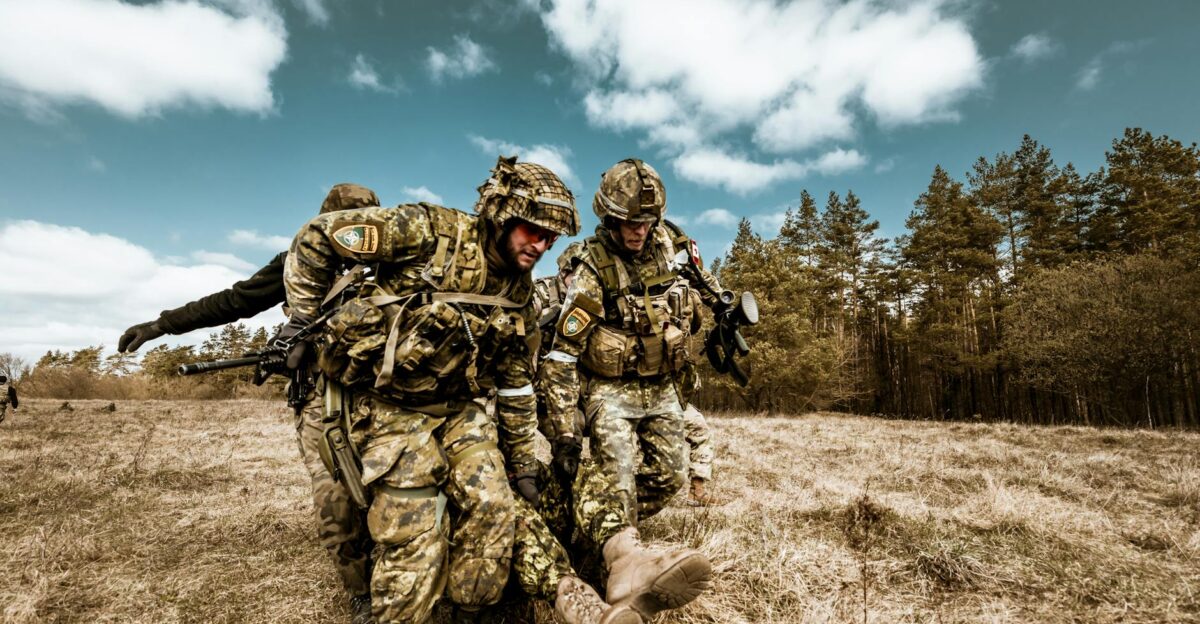
Military personnel actively engaged in outdoor rescue operation on grassy field showcasing teamwork and bravery
Photo by Art Guzman on Pexels

Ukraine’s General Staff reported 990 Russian deaths and injuries on January 14 alone. Over the course of one month (mid-December to mid-January), Russian losses near Pokrovsk exceeded 1,500. Sustaining 100,000-170,000 troops while absorbing 990 daily losses requires constant rotation.

Ukrainian losses are smaller but unsustainable for a smaller force. Both sides claim different numbers. Western analysts report consistent 15-to-1 casualty ratios in favor of Russia. Russian attacks genuinely fail to break Ukrainian positions.

Can the 7th Corps Hold?
police, peru, lima, child, girl, plaza de armas, cops, capital, military, national, palacio-de-gobierno, security, guards, safety, brown police, brown security, brown safety, police, police, police, police, police
Photo by luiskarlos74 on Pixabay

The critical question remains: How long can the 7th Corps endure? Pokrovsk stayed under Ukrainian control as of January 14, but barely. Russian forces entered the northern city blocks. The 7th Corps endured months of grinding attrition.

They stopped Russian advances through aggressive tactics and maintained supply lines despite attacks. Yet trapped civilians add pressure. If the 7th Corps retreats, Pokrovsk falls. International military support and ammunition remain essential. The stalemate could last indefinitely or collapse suddenly.