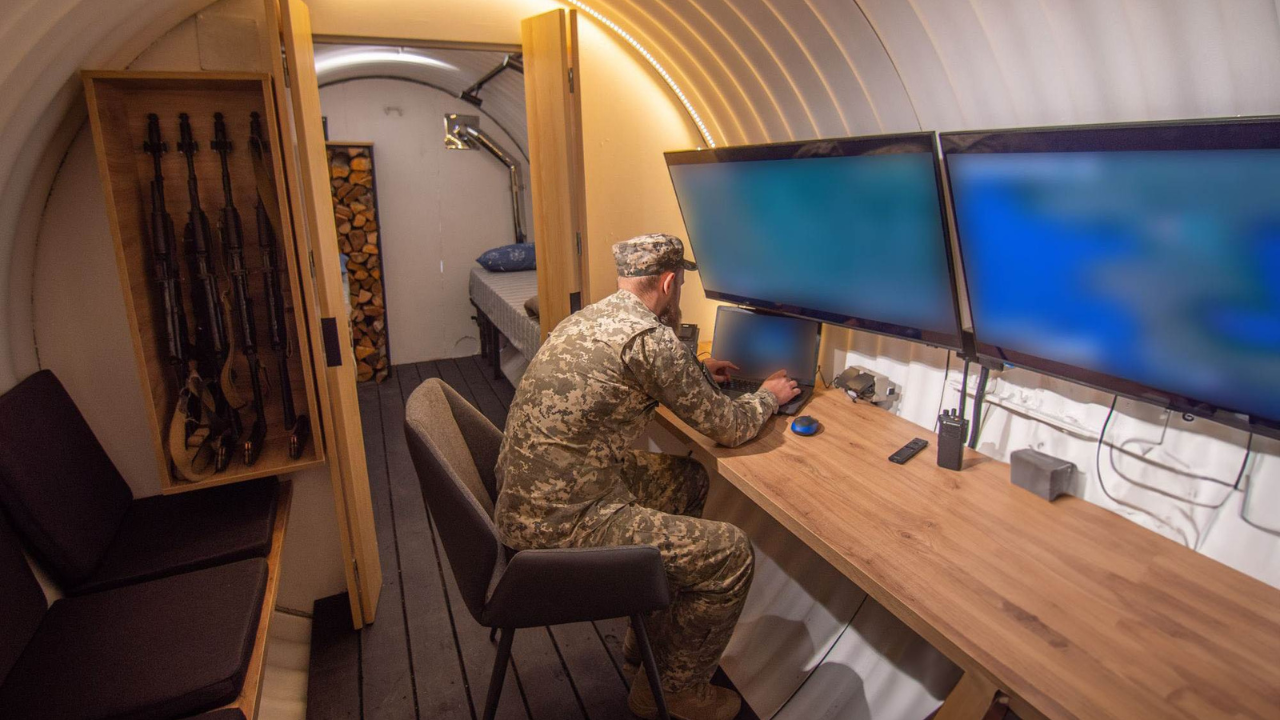
In the shadow of Ukraine’s ongoing war, new intelligence intercepts have exposed a grim evolution in Russian battlefield tactics. Ukrainian officials recently released audio of Russian officers instructing troops to use the bodies of fallen comrades as navigation markers—a chilling sign of the conflict’s escalating brutality and the staggering human cost now defining the front lines.
Brutality and Desperation on the Battlefield
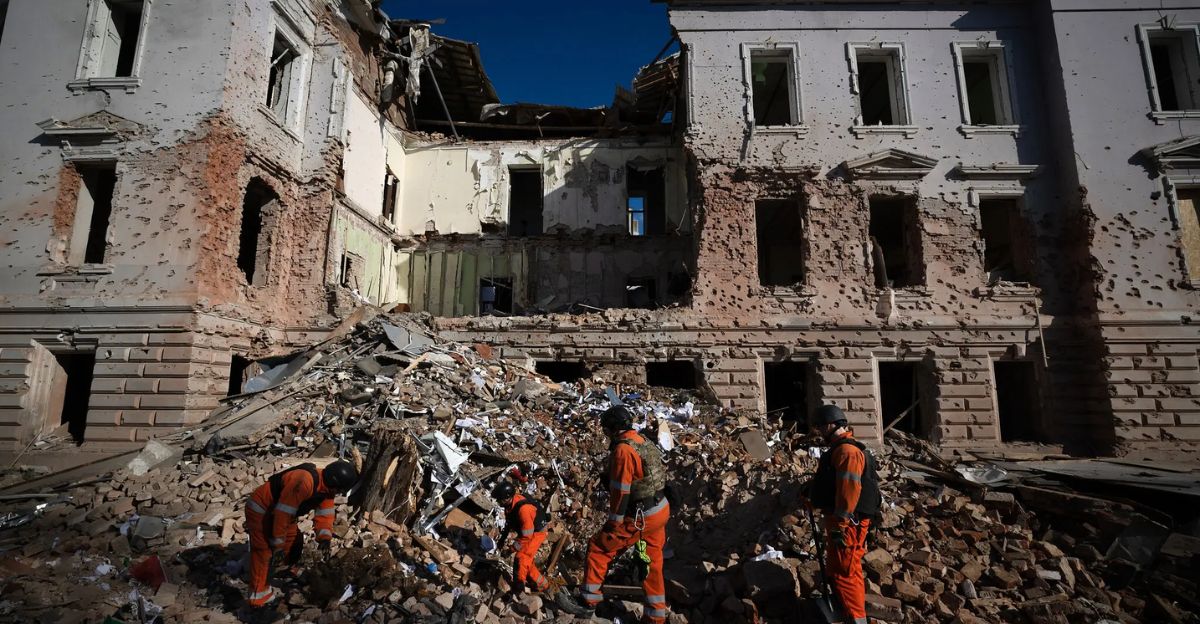
Intercepted communications from Ukraine’s Main Directorate of Intelligence offer a rare, unfiltered glimpse into the chaos gripping Russian military operations. In one recording, a senior Russian officer orders his troops to “reach the first one,” referring to a fallen soldier lying ahead. Such directives, stripped of humanity, highlight not only the violence of modern warfare but also the apparent breakdown of command and morale within Russian ranks.
Analysts suggest these extreme measures reflect a growing sense of desperation among Russian commanders. As casualties mount and units are decimated, the psychological toll on surviving soldiers deepens. The use of bodies as waypoints is not just a tactical adaptation—it signals a military under severe strain, forced to navigate both literal and moral minefields.
A War of Attrition and Mounting Losses
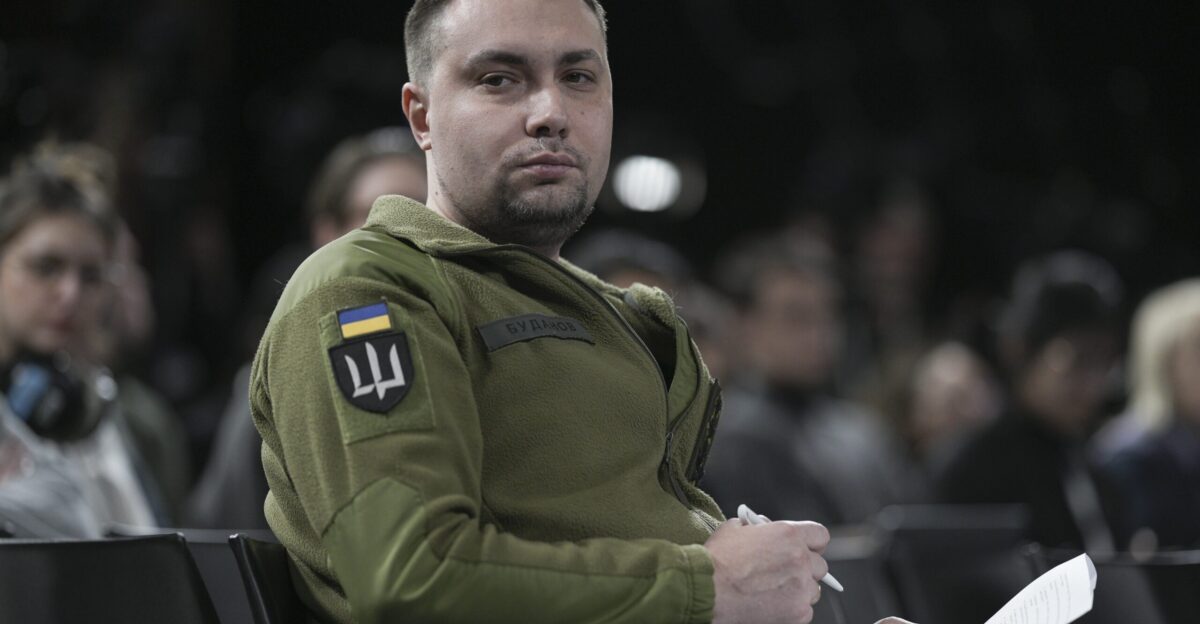
Since Russia’s full-scale invasion in 2022, the conflict has shifted from rapid territorial advances to a grinding war of attrition. Ukrainian resistance has blunted Russian momentum, leaving Moscow with less than 1% additional territory gained despite enormous losses. The battlefield has become a landscape of relentless combat, where strategic missteps and heavy casualties are now routine.
Recent figures from the UK Ministry of Defence estimate Russian losses at over 332,000 in 2025 alone, with total casualties since the invasion surpassing 1.1 million. Daily death tolls sometimes exceed 1,000, making this the deadliest conflict for Russia since World War II. These numbers raise urgent questions about the sustainability of Russia’s military strategy and the long-term consequences for its armed forces.
Humanitarian Crisis and Civilian Suffering
The consequences of these tactics extend far beyond the military sphere. In eastern Ukraine, the humanitarian crisis is deepening as entire battalions are wiped out and casualties are left unburied. Local populations face escalating dangers, with reports of war crimes and a growing number of displaced civilians straining already devastated communities.
The psychological trauma is profound. Residents and aid workers describe rising levels of anxiety, depression, and post-traumatic stress disorder. Humanitarian organizations are struggling to address both the immediate physical needs and the long-term mental health challenges facing civilians and soldiers alike.
Erosion of Military Discipline and International Law
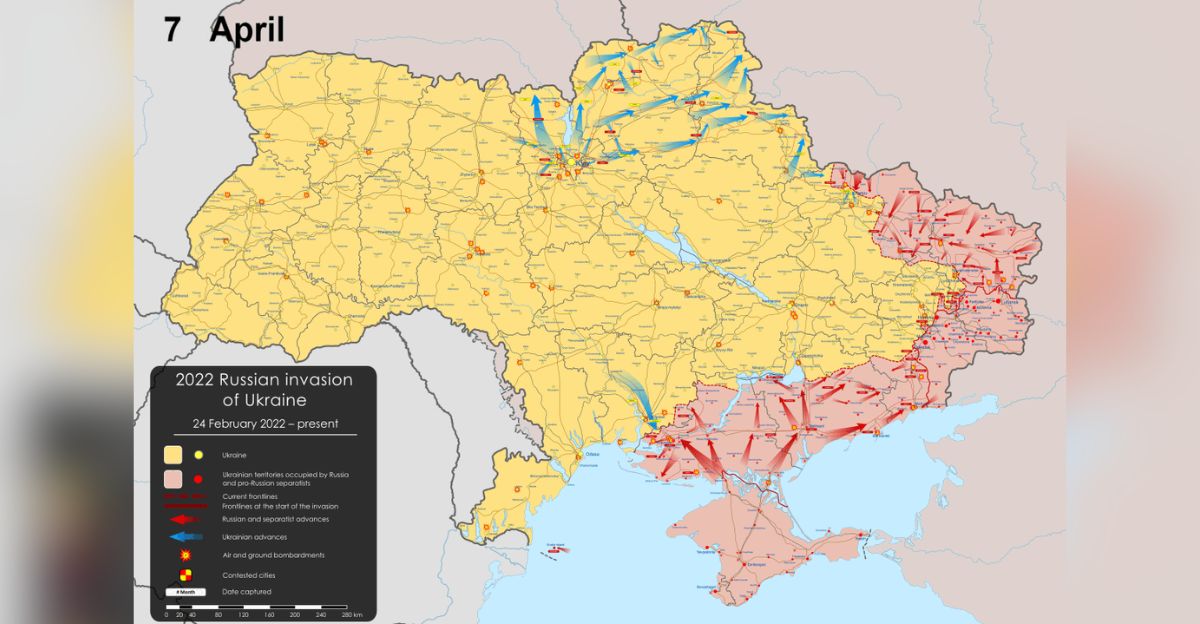
The use of fallen soldiers as navigation markers is more than a tactical decision—it represents a breakdown in military discipline and a violation of international humanitarian law. Such practices may constitute war crimes, raising serious questions about accountability and the ethical boundaries of modern warfare.
Ukrainian intelligence has also reported the involvement of foreign mercenaries, including Colombians fighting for Russia, further complicating the conflict’s legal and moral landscape. Orders to target civilians and the presence of non-state actors have intensified concerns about the erosion of established norms governing armed conflict.
Internal Dissent and the Role of Technology
Amid rising casualties and controversial orders, dissent is reportedly growing within Russian ranks. Soldiers are expressing dismay over the brutal tactics employed by their commanders, with some questioning the morality and effectiveness of using fallen comrades as navigational aids. This internal conflict threatens unit cohesion and operational effectiveness, compounding the challenges faced by Russian forces.
Meanwhile, technology continues to reshape the battlefield. Both Ukrainian and Russian forces are deploying advanced weapon systems, drones, and cyber capabilities in a bid to gain the upper hand. These innovations have forced rapid changes in tactics and decision-making, adding another layer of complexity to an already volatile conflict.
Looking Ahead: Uncertain Trajectory and Lasting Impact
As the war grinds on with no clear resolution in sight, the stakes remain high for both Ukraine and Russia—and for the broader international community. The exposure of these brutal tactics underscores the urgent need for accountability and renewed efforts to uphold humanitarian law.
The psychological and societal scars left by the conflict will endure long after the fighting stops. Analysts emphasize the importance of diplomatic engagement and critical reflection on the lessons emerging from the battlefield. How the world responds to these revelations may shape not only the future of this war, but also the norms and expectations governing warfare in the years to come.