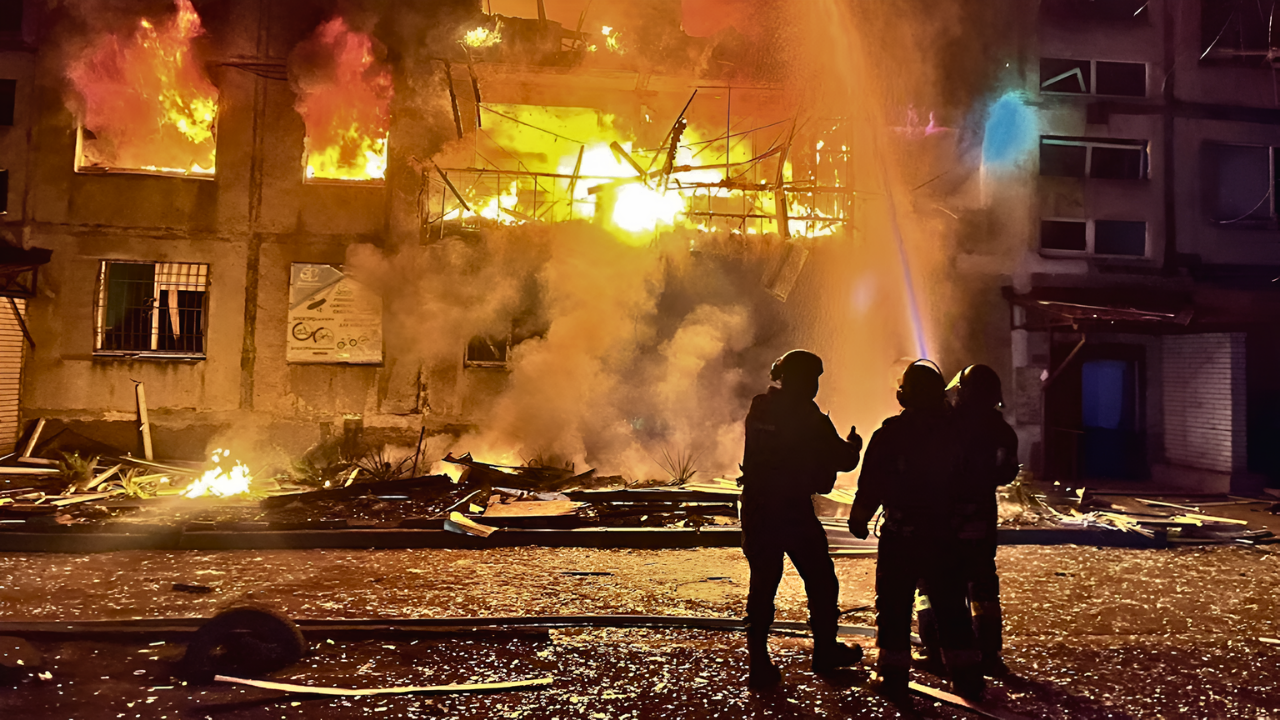
In the predawn hours of late November 2025, Ukrainian drone operators watched their screens as jet-powered missiles cut through Russian airspace. Hundreds of kilometers behind enemy lines, military facilities suddenly erupted in flames.
Ukraine’s General Staff confirmed it: 400 Russian military assets destroyed in November alone. But these were not random hits. Each strike targeted a specific mission—training soldiers, launching drones, repairing war machines. Russia’s rear areas, once thought untouchable, were burning.
A Rare Aircraft Falls
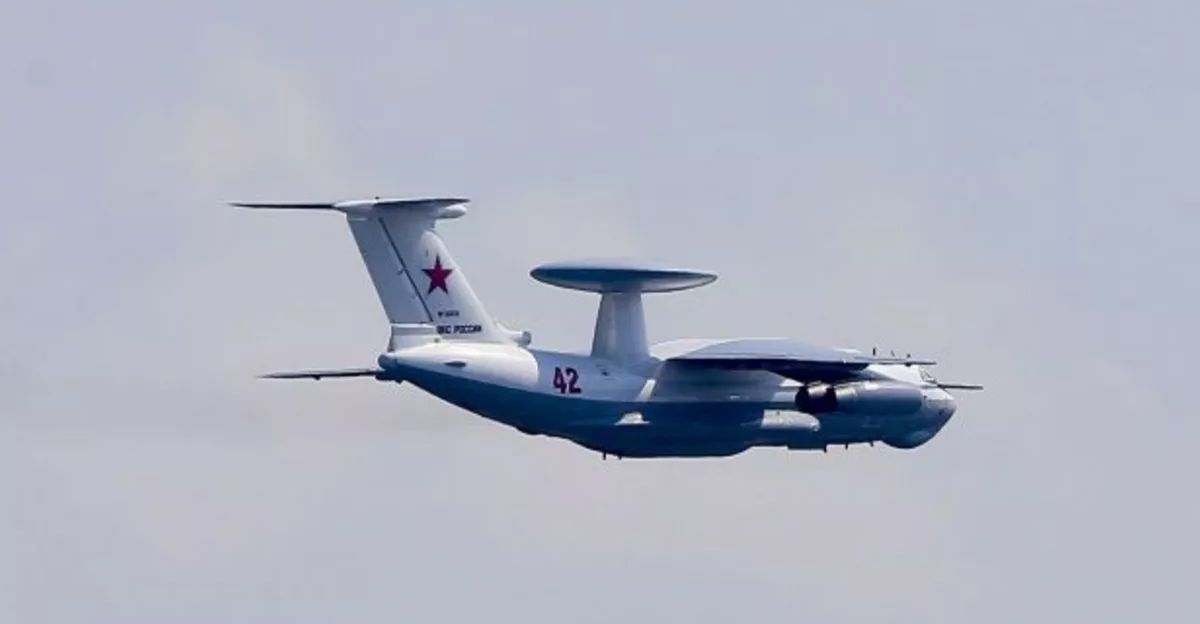
November 25 brought one of the war’s most significant strikes. The Taganrog Aircraft Repair Plant—a facility Russia used for advanced weapons testing—was hit with precision. Satellite images showed the smoking wreckage of an A-60 laser airborne platform, an experimental aircraft so specialized that only a handful existed in the Russian arsenal.
An Il-76 transport plane lay destroyed nearby. Russia claimed it downed 259 Ukrainian drones that night. Yet the satellite photos told a different story: Ukraine’s missiles had gotten through.
The Pipeline Under Attack
Inside Russian military headquarters, planners faced a growing nightmare. Ukrainian forces weren’t just fighting at the front anymore—they were dismantling the system that feeds troops to the battlefield. Training facilities across Russian territory became targets.
A facility commander somewhere in southern Russia watched as Ukrainian drones zeroed in on the barracks where new conscripts were being prepared for deployment. The message was brutal and clear: nowhere was safe anymore.
Shahed Drones Burned
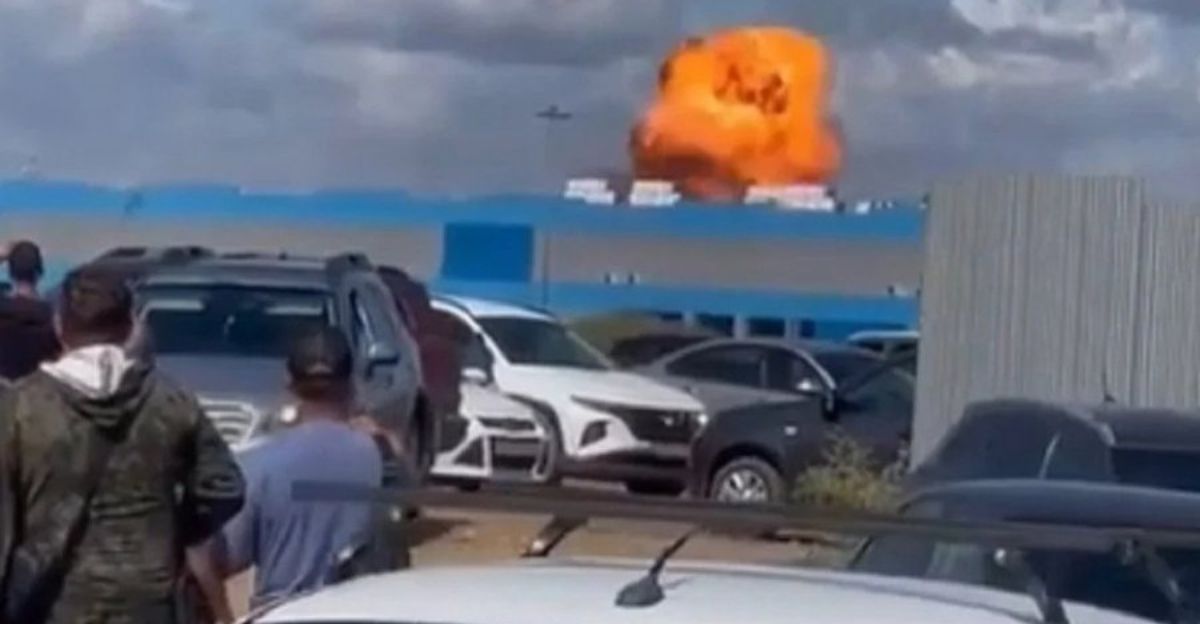
Days later, on November 28, Ukrainian Special Forces struck a storage facility in occupied Crimea stuffed with Shahed-type drones. These were the weapons that terrorized Ukrainian cities night after night, raining down on hospitals and apartment blocks.
Ukrainian soldiers watched satellite imagery as air defense systems—Pantsir S1 and Tor-M2 units protecting the base—were systematically destroyed. The hangar storing reconnaissance drones erupted. Ukrainian families sleeping in Kyiv that night had no idea they were about to get a reprieve.
Satellite Evidence Changes Everything
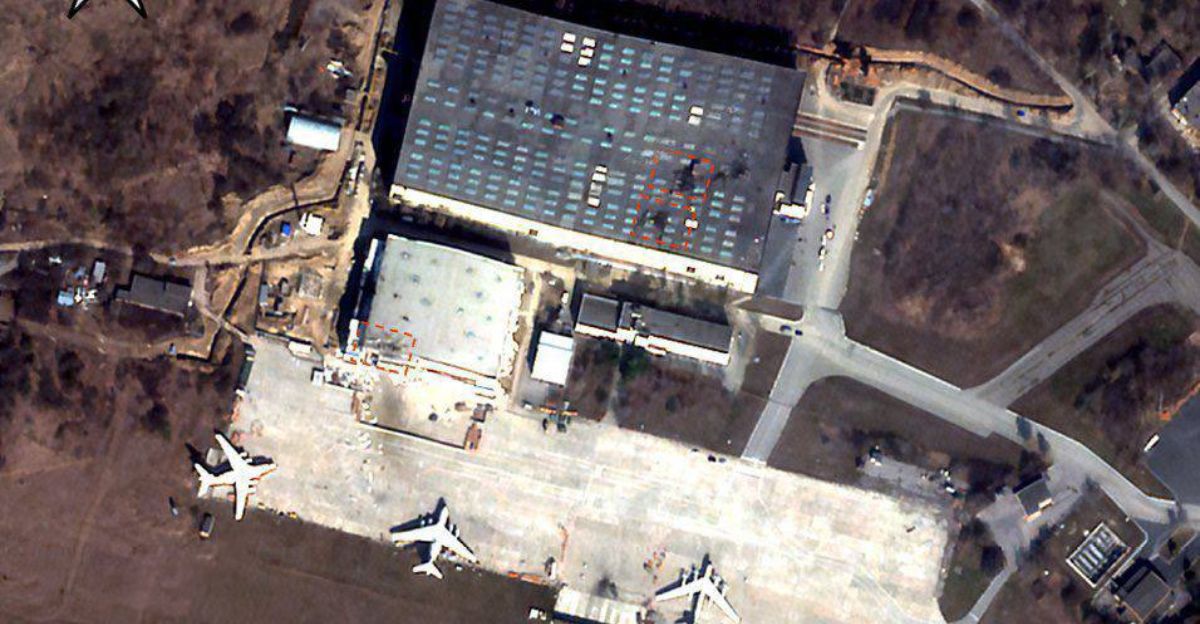
The destruction was undeniable because the world could see it. Independent analysts published satellite images showing before-and-after shots of Taganrog, where the aircraft is no longer visible, and the repair shops are in disrepair. Ukraine’s drone commander shared the proof himself. In a war fought as much on screens as on the ground, visual confirmation became a weapon.
The video evidence, geolocated and time-stamped, meant Russian denials rang hollow. Journalists could verify Ukrainian claims without having to travel to the impact sites.
The Staggering Cost
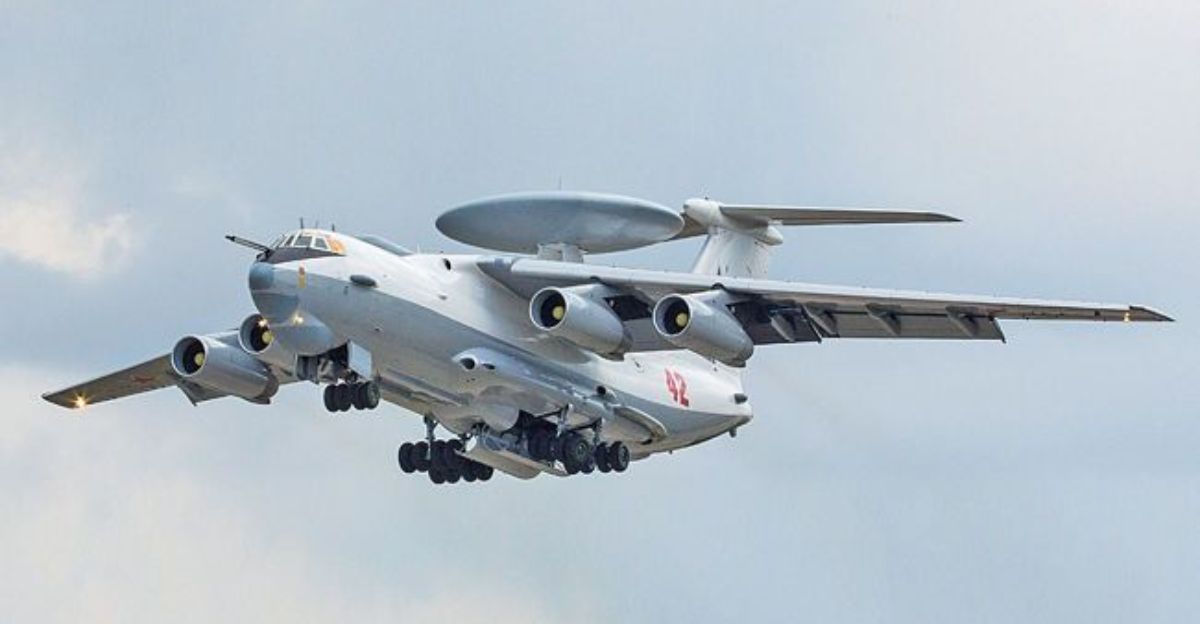
Three air defense systems were destroyed in seventy-two hours—their combined value: roughly $60 million. But money alone doesn’t capture it. Each system represented years of training for Russian operators, specific knowledge, and irreplaceable expertise. Ukraine wasn’t just breaking equipment—it was hollowing out Russia’s ability to defend itself.
The General Staff tallied the November losses: command posts gone, radar stations silenced, the infrastructure of an entire war effort splintering under precision strikes.
Fuel for War Burns Away
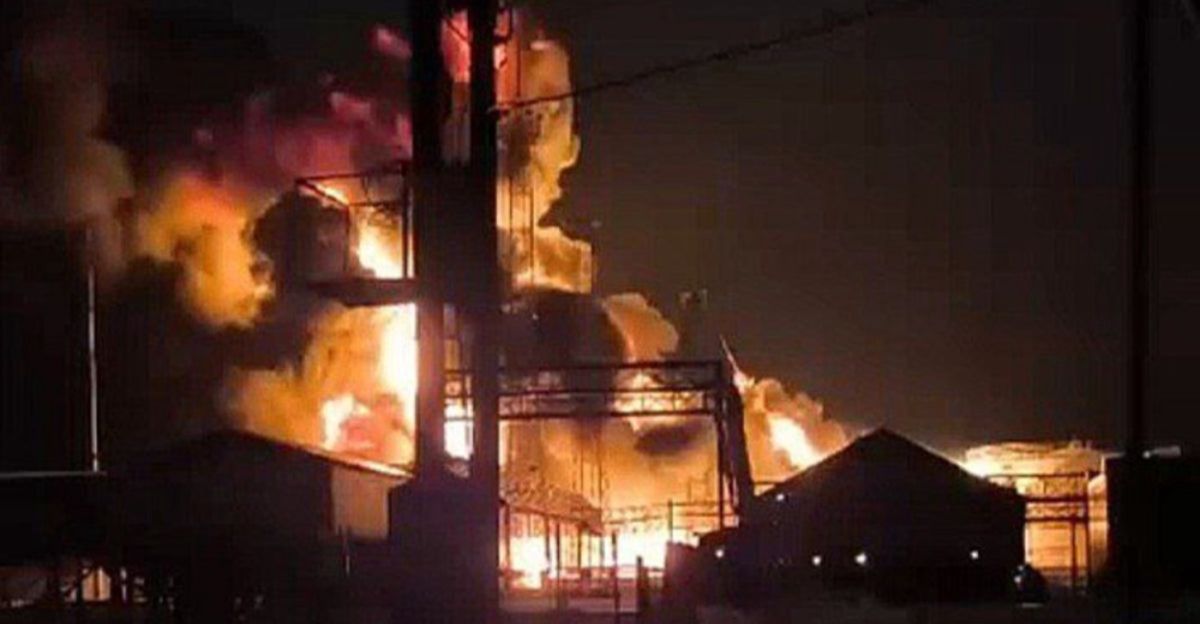
While training bases fell, Ukrainian forces targeted something more fundamental to Russian survival: fuel. On November 27 and 28, strikes occurred at the Saratov Oil Refinery and the Tuapse facility. A massive RV-5000 storage tank at Tuapse—the kind that stores thousands of tons of fuel—was destroyed in a single strike.
Ukrainian drone commanders described the operations with cold precision: “overnight operations disabled refineries and power substations.” Every barrel of fuel destroyed meant fewer trucks on the road, fewer tanks in motion, and fewer helicopters flying.
Striking from Impossible Distances
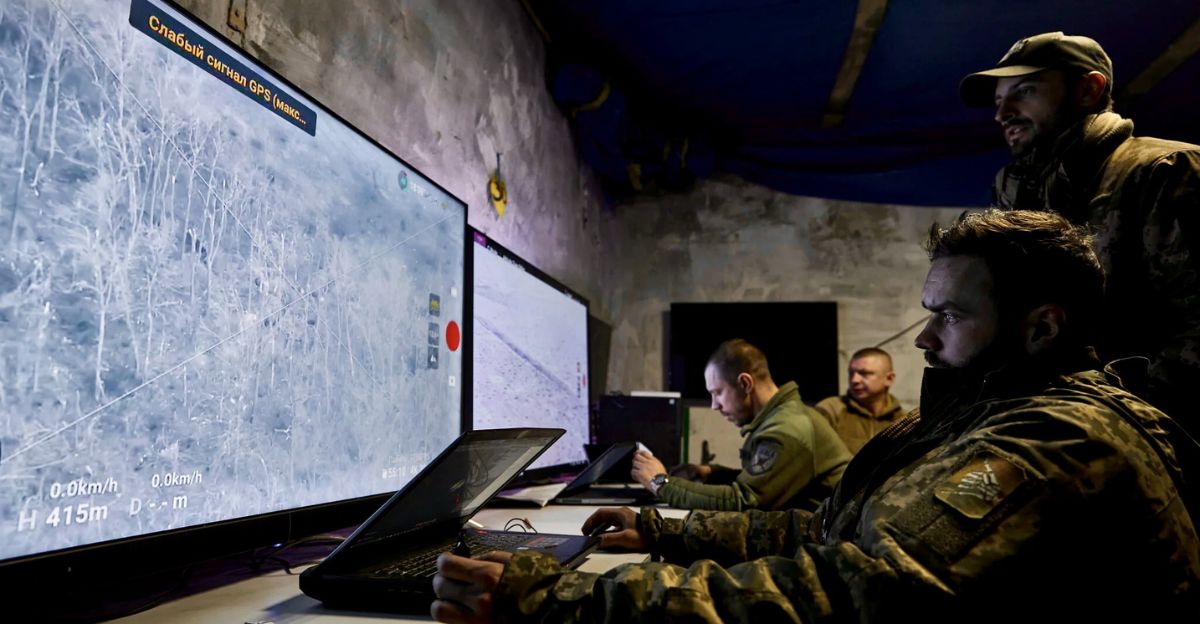
The strikes came from staggering distances. Some Ukrainian operations struck targets more than 1,000 kilometers from the border. Military analysts watched in real-time as Ukraine’s technological reach continued to expand. Jet-powered drones, Neptune cruise missiles, weapons adapted from commercial technology—the arsenal grew.
Coordinated simultaneous strikes across multiple Russian regions proved Ukraine wasn’t just lucky. This was industrial-scale warfare. Sophisticated. Relentless. Planned months in advance.
Russia’s Shield Cracks
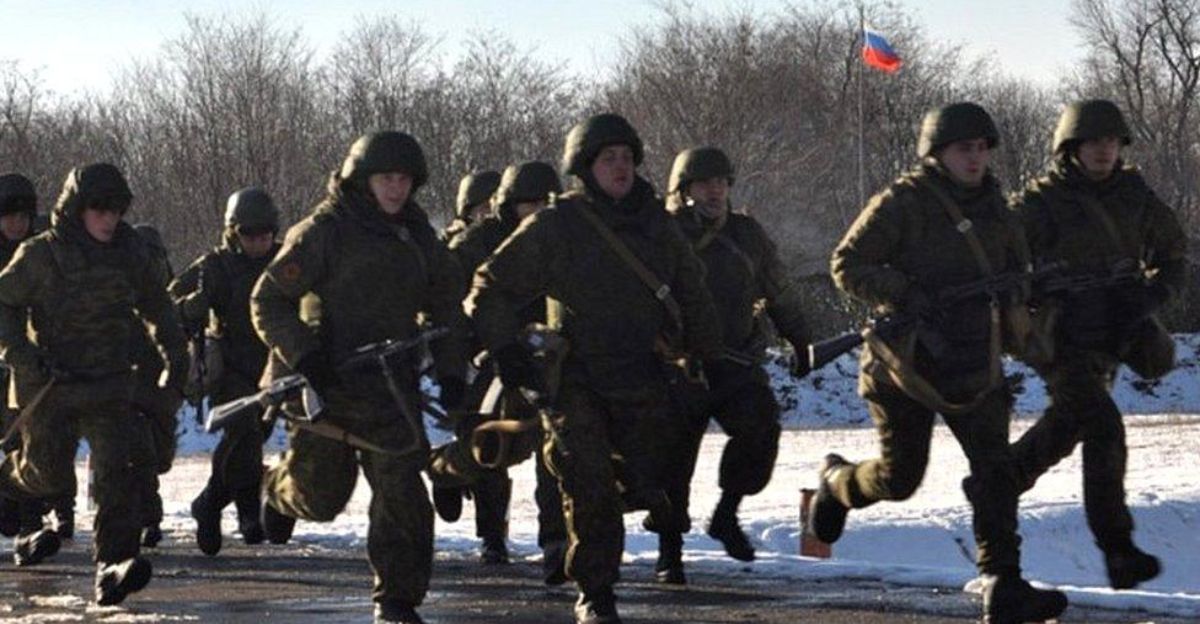
Russian commanders deployed everything they had to stop the onslaught. The defense ministry claimed to have intercepted hundreds of Ukrainian drones in November alone. Yet satellite photos showed the destruction continued. The air defense network couldn’t cover everywhere—training facilities lay spread across vast distances, far from the capital’s protected airspace.
Russian officers in rear areas suddenly understood the terrifying new reality: they were vulnerable. That training center, that repair facility, that ammunition depot—any of it could be next.
New Soldiers Face New Fears
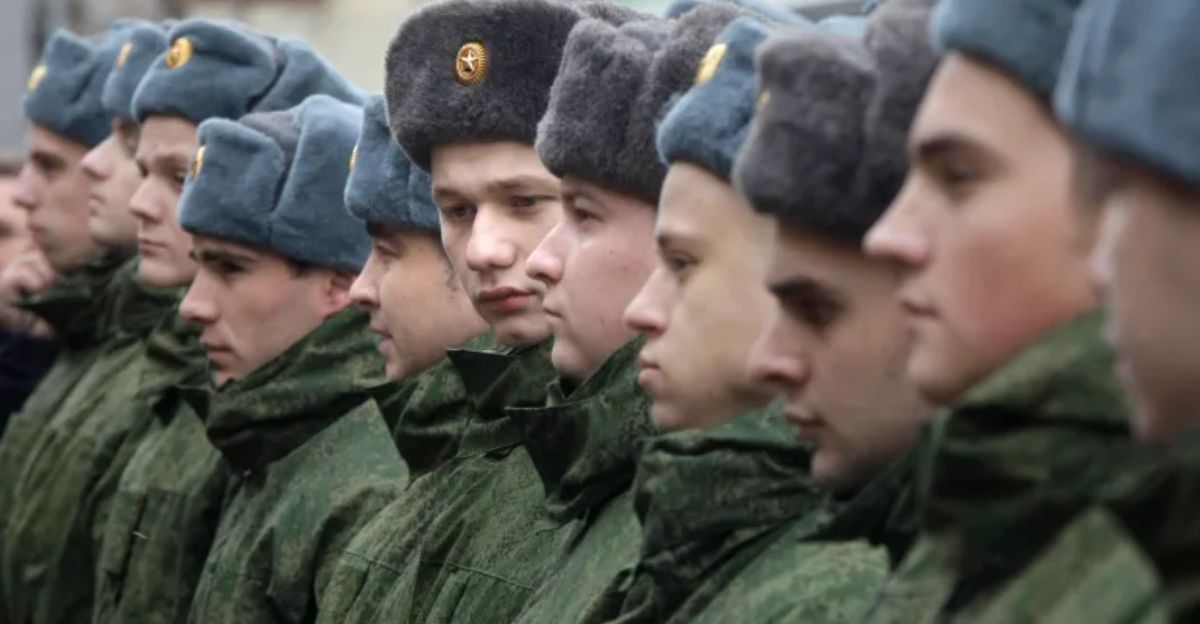
A conscript arriving at a training facility in late November 2025 would have seen something his grandfather’s generation never faced: burnt-out barracks, hastily rebuilt command posts, and nervous officers. The facilities meant to transform frightened young men into soldiers were themselves under bombardment.
New recruits trained not in secure rear areas but in locations that could be struck without warning. The psychological impact was incalculable—fear didn’t just affect combat performance. It corroded morale before soldiers even reached the front.
The Supply Chain Breaks

Ukraine understood something fundamental about modern warfare: armies don’t fight on courage alone. They run on logistics. Hit the training centers, and you disrupt the pipeline of fresh troops. Hit the repair plants, and damaged vehicles stay broken longer. Hit the fuel depots, and vehicles sit immobilized.
Ukrainian strategists called it “going after the pipeline that feeds the front.” Each destroyed facility wasn’t a single tactical victory—it was a thread pulled from the entire fabric holding Russian operations together.
Images Tell the Story
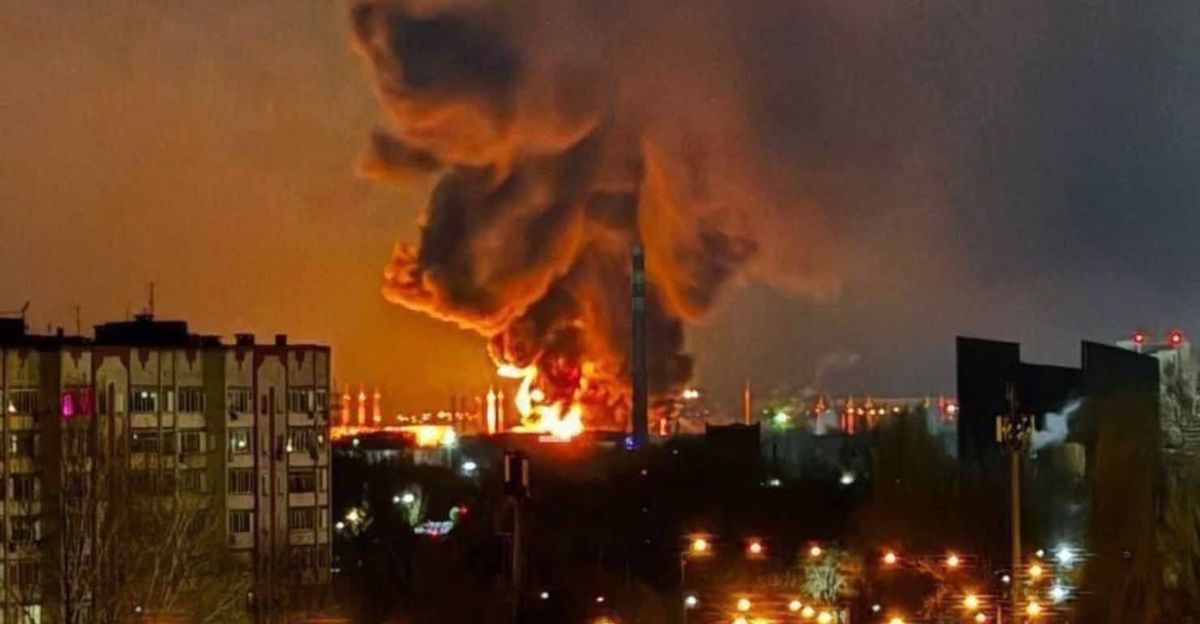
Photos emerged from Ukrainian sources showing the aftermath: buildings reduced to rubble, vehicles twisted into scrap metal, training grounds pockmarked with impact craters. Russian officials said nothing publicly, but privately they were reorganizing units, relocating facilities, dispersing equipment. The silence was its own admission.
Ukraine published satellite images side by side—before and after—making the destruction impossible to deny. In the information war, visual proof mattered more than any official statement.
Secrets and Sources
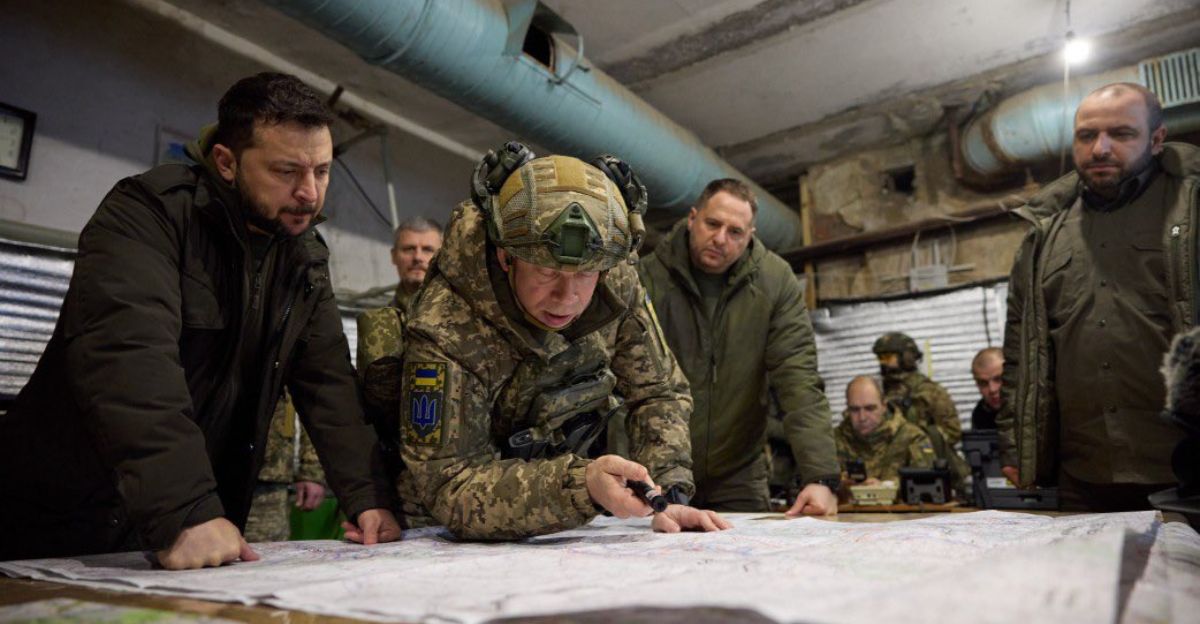
Behind every successful strike lay months of invisible work. Ukrainian military intelligence tracked Russian movements. Western allies shared satellite data. Independent analysts geolocated targets on open-source platforms. Ukraine’s drone teams coordinated with precision timing—strikes hitting simultaneously across different regions to overwhelm Russian air defenses.
The technical sophistication suggested something profound: Ukraine had evolved from a nation fighting for survival into one capable of projecting power deep into enemy territory with devastating accuracy.
Winter Warfare Intensifies
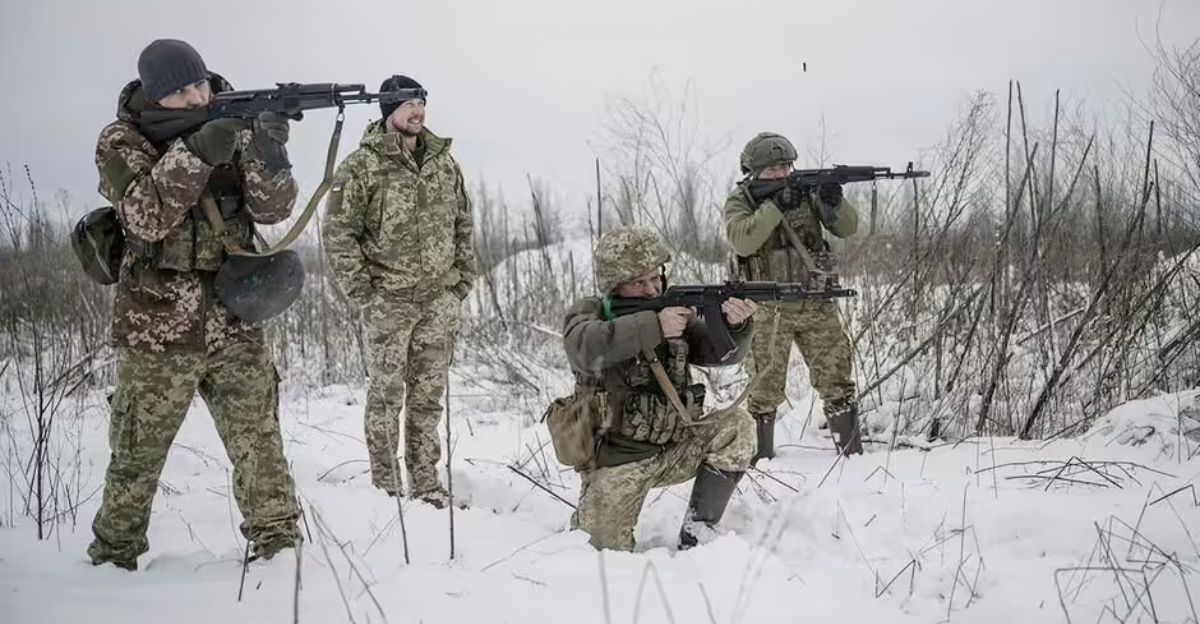
As December 2025 arrived, the pattern accelerated rather than slowed. Ukraine was driving home a message before winter ended the conflict’s current phase. Russian forces still advanced in some sectors, still pushed Ukrainian lines backward. But Ukraine answered each Russian gain with strikes so deep, so precise, that Moscow couldn’t ignore them.
The war had become a cycle: Russia attacks frontlines, Ukraine burns rear areas. Each side imposing costs on the other through an endless grinding exchange of blows.
The Rear Is the Front Now
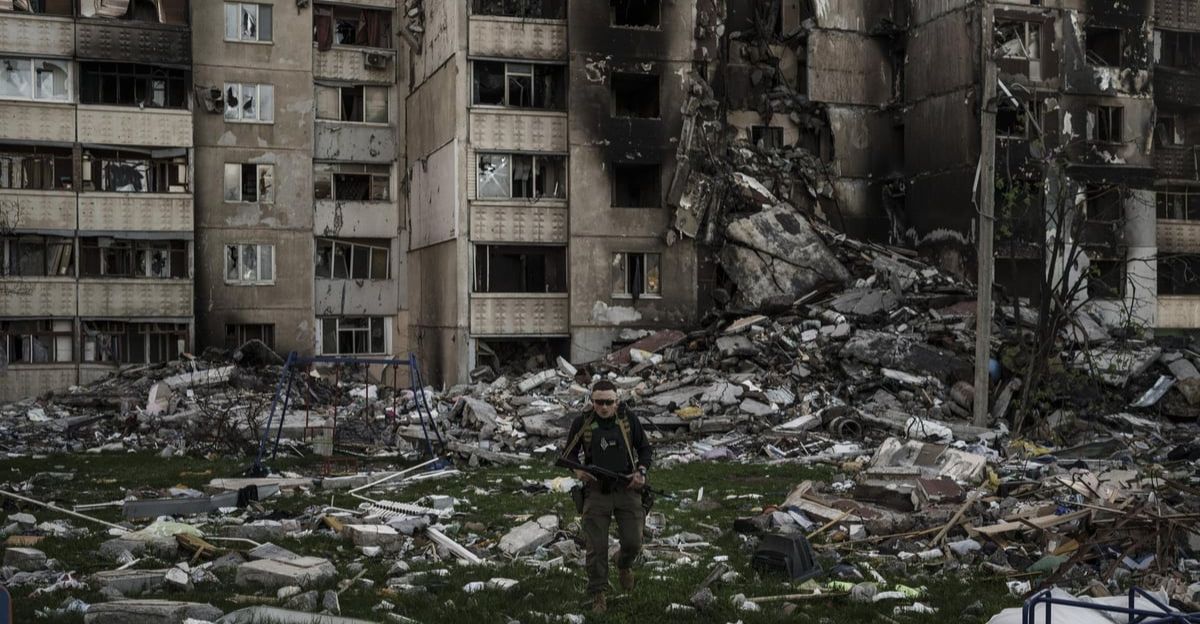
The old rules of warfare had been shattered. Generals assumed rear areas were safe—places to regroup, resupply, and prepare. No longer. Ukrainian missiles could reach anywhere in Russia. Training facilities that once prepared soldiers in relative safety now faced the same threat as trenches. For Russian commanders, the impossible mathematics became clear: defend everywhere, or defend nothing.
Ukraine had transformed the character of the entire war. What was once a linear conflict with a front line had become three-dimensional—threats coming from above, from behind, from hundreds of kilometers away. The rear was now the front.
Sources:
Ukraine General Staff November 2025 strike summary
Ukrainian Special Operations Forces statement on Shahed drone hub in Crimea (Cape Chauda/Saky), Nov. 27–28, 2025
Satellite imagery and analysis of A-60/A-100 destruction at Taganrog Beriev plant
Reuters reporting on Saratov oil refinery shutdown after Ukrainian drone attacks, November 2025