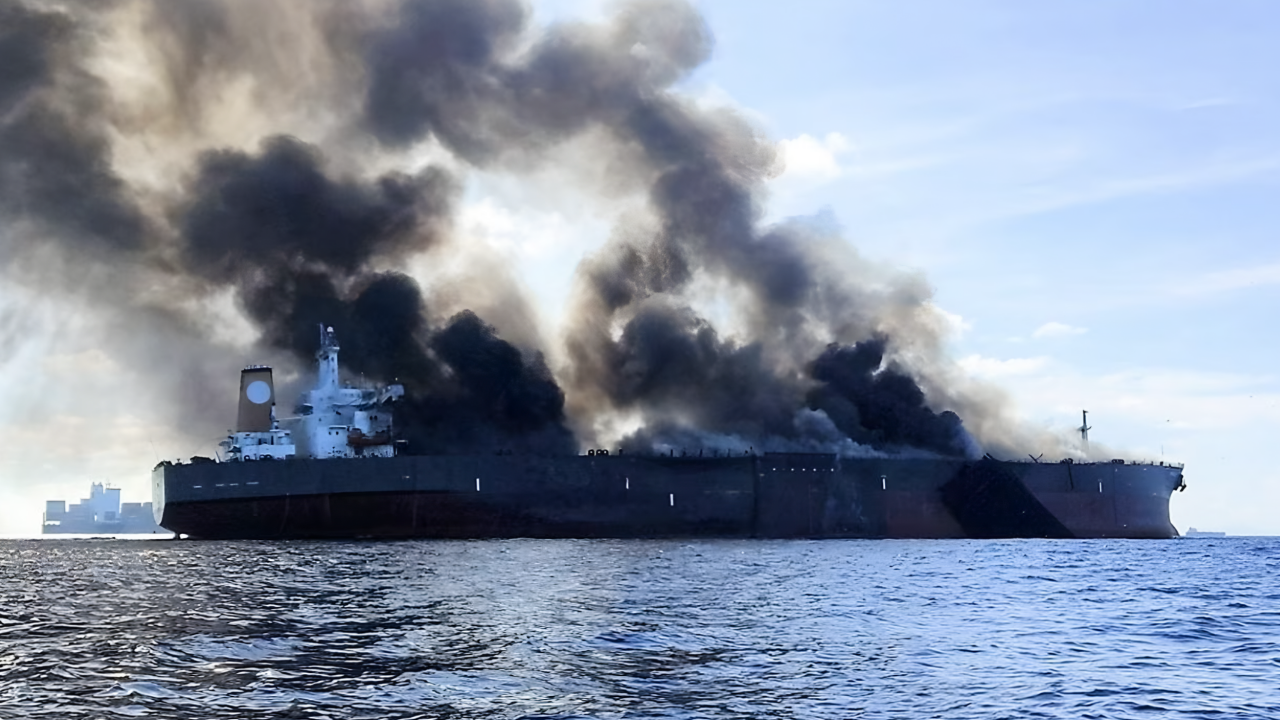
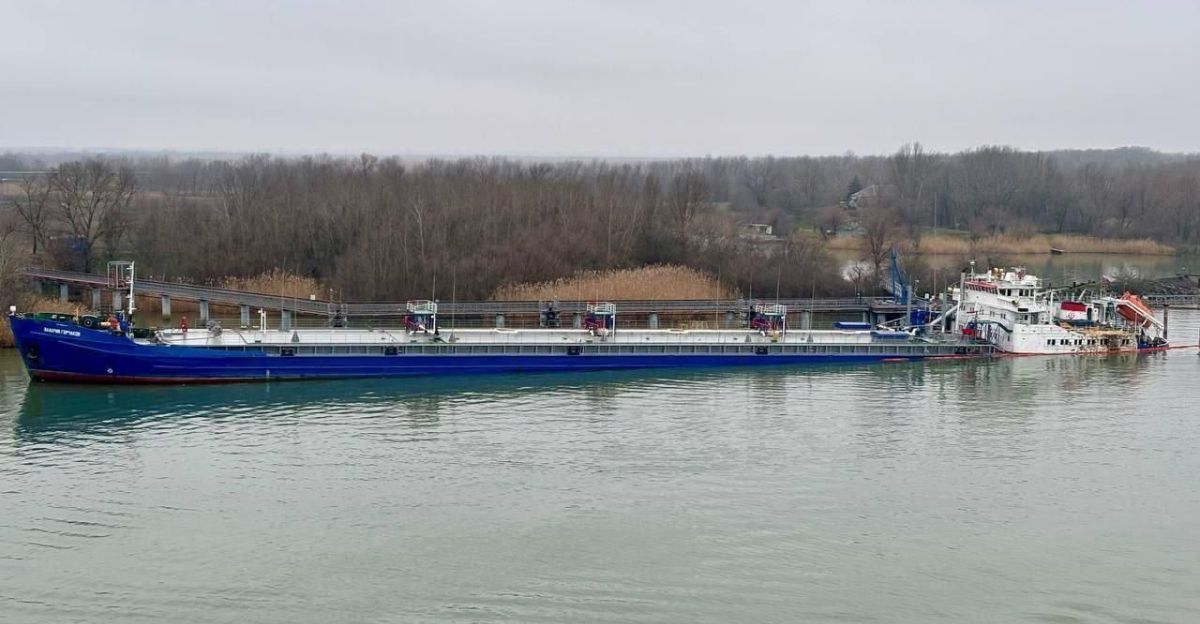
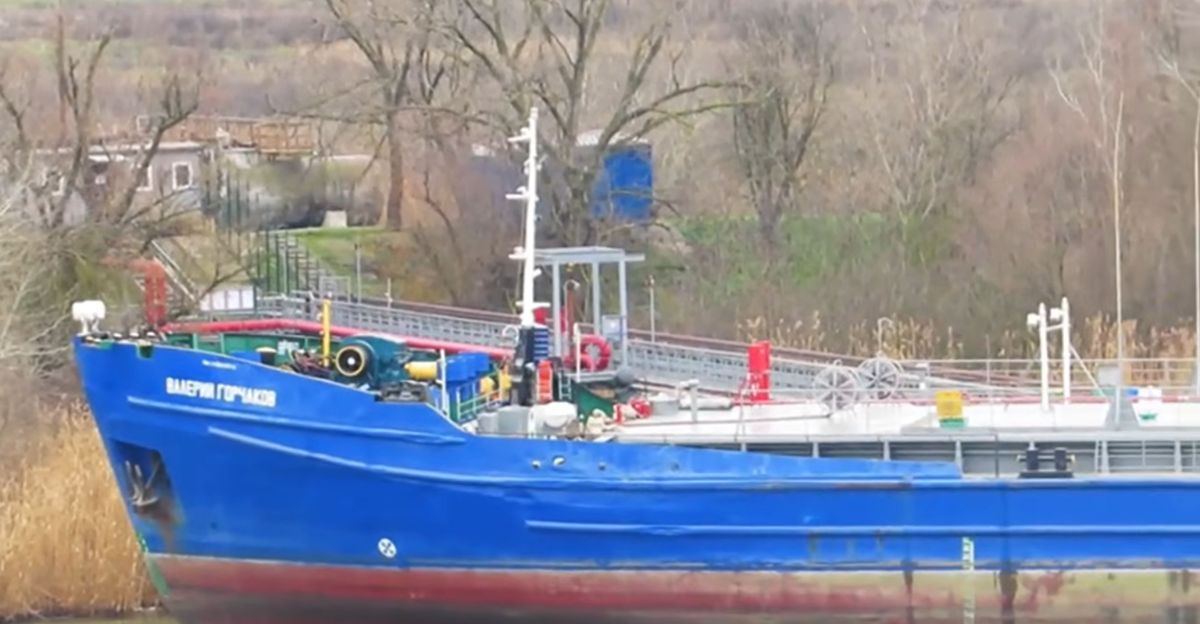
Ukrainian drones struck the Russian oil tanker Valeriy Gorchakov at the port of Rostov-on-Don overnight on December 18, breaching the hull and wheelhouse and igniting a fire onboard. The 56-year-old vessel began sinking stern-first after its engine room flooded.
Two crew members—a cook and a mechanic—were killed, while three others were wounded. The strike highlights Ukraine’s ability to hit Russia’s sanctions-evading oil logistics deep inside its territory.
Why Ukraine Is Targeting Russia’s Shadow Fleet
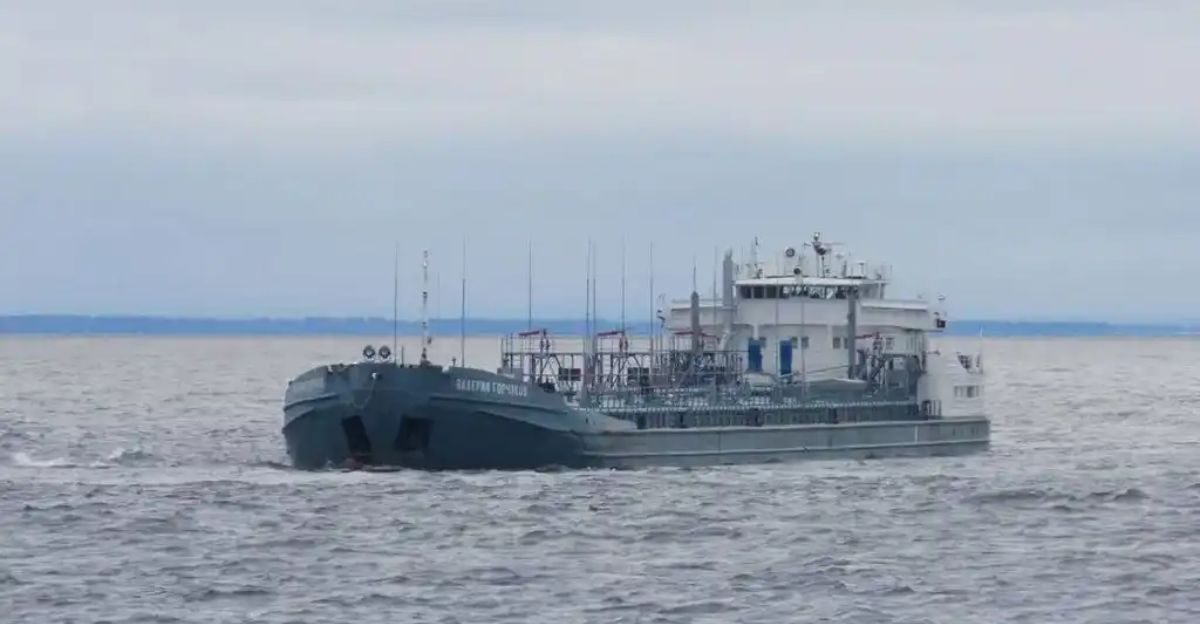
Ukraine’s focus on Russia’s shadow fleet reflects its strategy to weaken Moscow’s war finances by disrupting oil exports. Since Western sanctions were imposed in 2022, Russia has relied on aging, opaque vessels to move petroleum products.
The Valeriy Gorchakov, operating along the Don River toward the Azov and Black Seas, was part of this network. Striking such ships undermines Russia’s ability to bypass sanctions and sustain revenue flows critical to its military campaign.
A Direct Hit on Russian Oil Transport Capacity
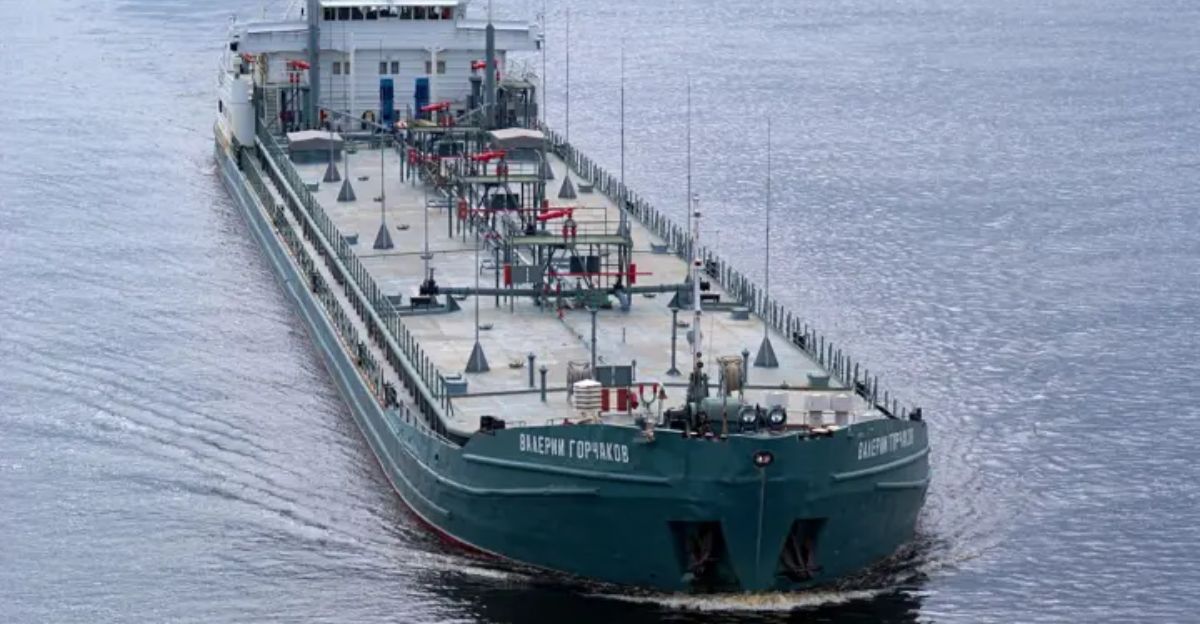
The loss of the Valeriy Gorchakov removes another vessel from Russia’s shadow fleet, which is estimated to number several hundred ships worldwide.
While a single tanker represents a small fraction of total capacity, each loss compounds logistical strain. River and inland routes like the Don are especially valuable for moving refined products. Continued attrition forces Russia to stretch remaining vessels across longer, riskier routes with higher costs and greater exposure.
Inside the Strike: Damage and Casualties
Drone impacts breached the tanker’s hull and wheelhouse, flooding the engine and steering compartments and leaving the ship without propulsion or control. Fire spread quickly, trapping crew members below deck.
As the stern sank toward the superstructure, emergency response efforts were limited. The confirmed deaths and injuries underscore the dangers faced by crews working on old, poorly protected vessels operating under opaque ownership and minimal safety oversight.
The Valeriy Gorchakov: An Aging Workhorse
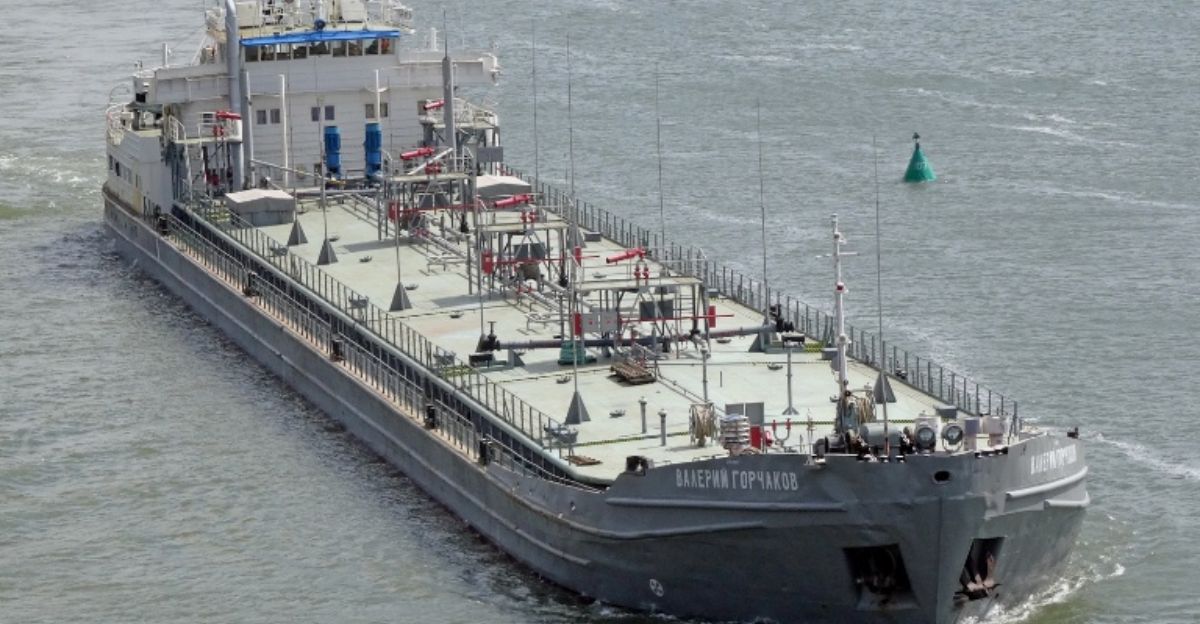
Built in 1969 as a dry cargo ship, the Valeriy Gorchakov was converted into an oil tanker in 2004 to transport petroleum products. At 56 years old, it exemplified the aging infrastructure common within Russia’s shadow fleet.
Such vessels often lack modern defenses, advanced fire suppression, and robust structural integrity. Their continued use reflects the pressure sanctions have placed on Russia to rely on outdated ships to keep exports moving.
Why Rostov-on-Don Matters
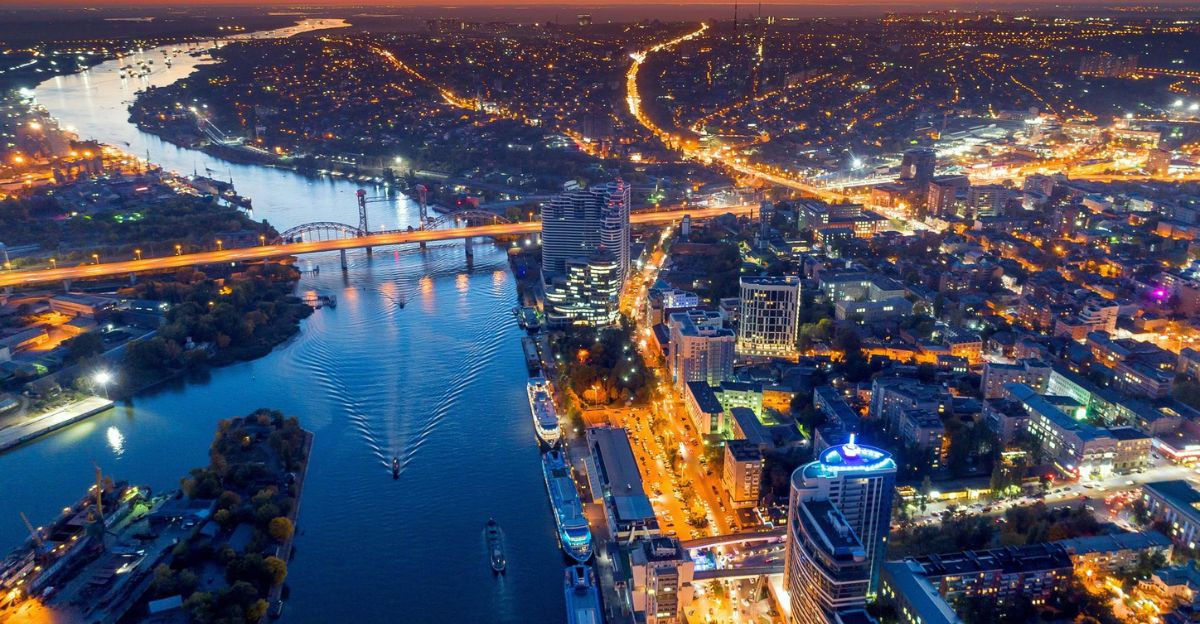
Rostov-on-Don is a critical inland port linking Russia’s internal waterways to the Azov and Black Seas. It serves as a logistical hub for moving oil and fuel toward export routes.
A successful strike in this location demonstrates Ukraine’s expanding operational reach beyond frontline areas. It also signals that ports once considered relatively safe are now vulnerable, complicating Russia’s internal security calculations and maritime planning.
Human Cost of Shadow Fleet Operations

The deaths of the cook and mechanic aboard the Valeriy Gorchakov highlight the often-overlooked human toll of sanctions evasion. Crews on shadow fleet vessels frequently work under unclear contracts, limited insurance coverage, and reduced safety standards.
When disaster strikes, families face uncertainty over compensation and accountability. The Rostov-on-Don attack brings renewed attention to the risks borne by seafarers caught in geopolitical conflict.
Sanctions Pressure and Fleet Attrition
Western sanctions have steadily tightened around Russia’s maritime oil trade, targeting vessels, operators, and insurers linked to sanctions evasion. As more ships are sanctioned or damaged, the usable shadow fleet shrinks.
Each strike or listing increases operational friction, raises costs, and limits port access. The sinking of the Valeriy Gorchakov fits into a broader pattern of mounting pressure designed to erode Russia’s export capacity over time.
Financial Impact on Russia’s War Revenues
Oil exports remain a cornerstone of Russia’s economy and a key source of funding for its war effort. Disruptions to shipping force Russia to sell crude and refined products at deeper discounts and absorb higher transport costs.
While the loss of one tanker is not decisive, cumulative damage to the fleet reduces efficiency and revenue. Over time, these constraints chip away at the financial resilience supporting military operations.
Global Energy Markets Feel the Ripples

Global oil markets have largely absorbed disruptions to Russian shipping, but incidents like the Rostov-on-Don strike add volatility.
Rerouted cargoes, longer voyages, and higher insurance premiums all increase costs. While consumers may not see immediate price spikes, sustained pressure on Russian logistics contributes to tighter margins and greater sensitivity to shocks, especially during periods of high seasonal demand.
Environmental Risks of Aging Tankers
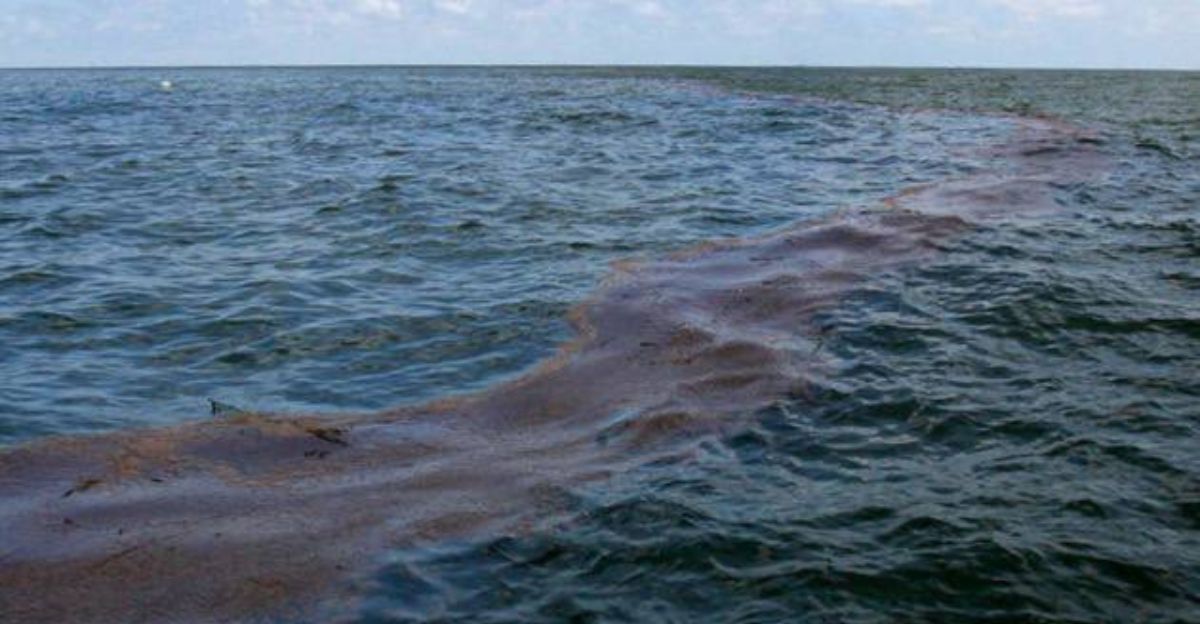
The sinking of a decades-old tanker carrying petroleum products raises concerns about pollution in inland waterways like the Don River.
Older vessels are more prone to structural failure and leaks when damaged. Environmental risks add another dimension to the shadow fleet problem, as opaque ownership and jurisdictional complexity complicate cleanup and liability efforts following spills or sinkings.
The Shadow Fleet as a Symbol
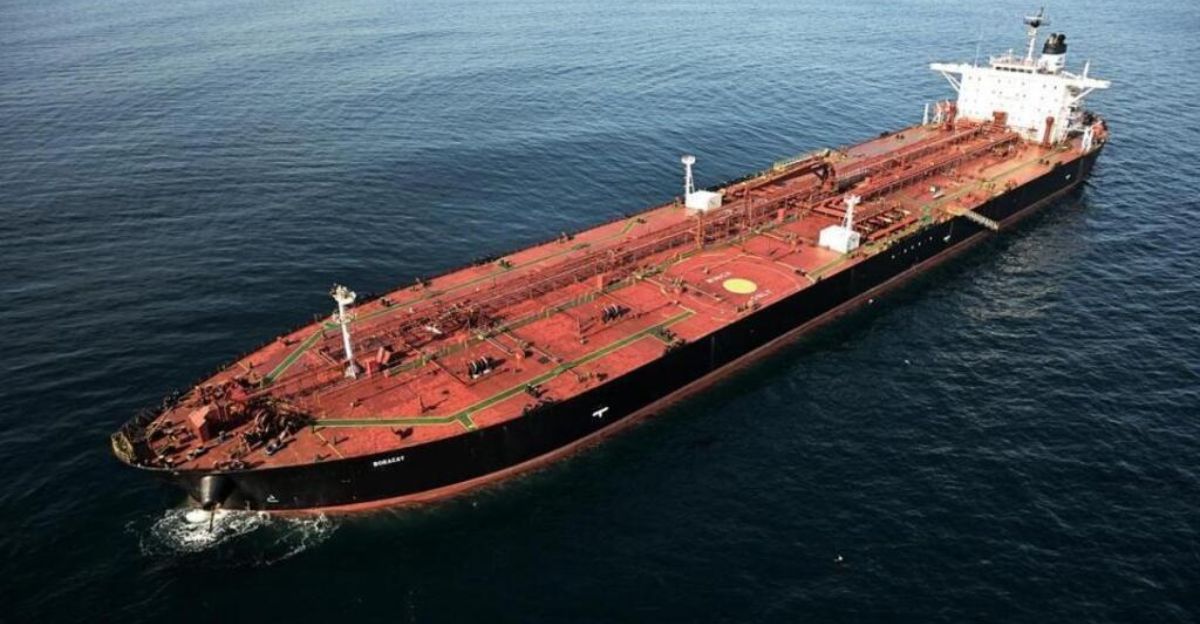
Russia’s shadow fleet has become a powerful symbol of sanctions evasion and wartime adaptation. Media coverage increasingly portrays these vessels as floating evidence of economic isolation and logistical vulnerability.
Strikes against them resonate beyond their immediate impact, reinforcing narratives that Russia’s energy lifeline is fragile, improvised, and increasingly exposed to both military and regulatory pressure.
Winners and Losers in the Shipping World
As shadow fleet capacity declines, compliant tanker operators gain relative advantage. Traders and insurers tied to opaque shipping networks face rising risks and shrinking opportunities.
Meanwhile, mainstream shipping firms operating within sanctions frameworks capture a larger share of legitimate trade. The shifting balance highlights how enforcement and conflict can rapidly reshape global maritime markets.
Market Speculation and Future Risks
The Rostov-on-Don strike has fueled speculation about further Ukrainian attacks on maritime logistics. Analysts watch for widening discounts on Russian oil and increased volatility in freight rates.
For consumers and businesses, the key risk lies in escalation: repeated strikes could amplify uncertainty, affecting investment decisions and energy planning even if overall supply remains adequate.
What Comes Next for Russia’s Shadow Fleet
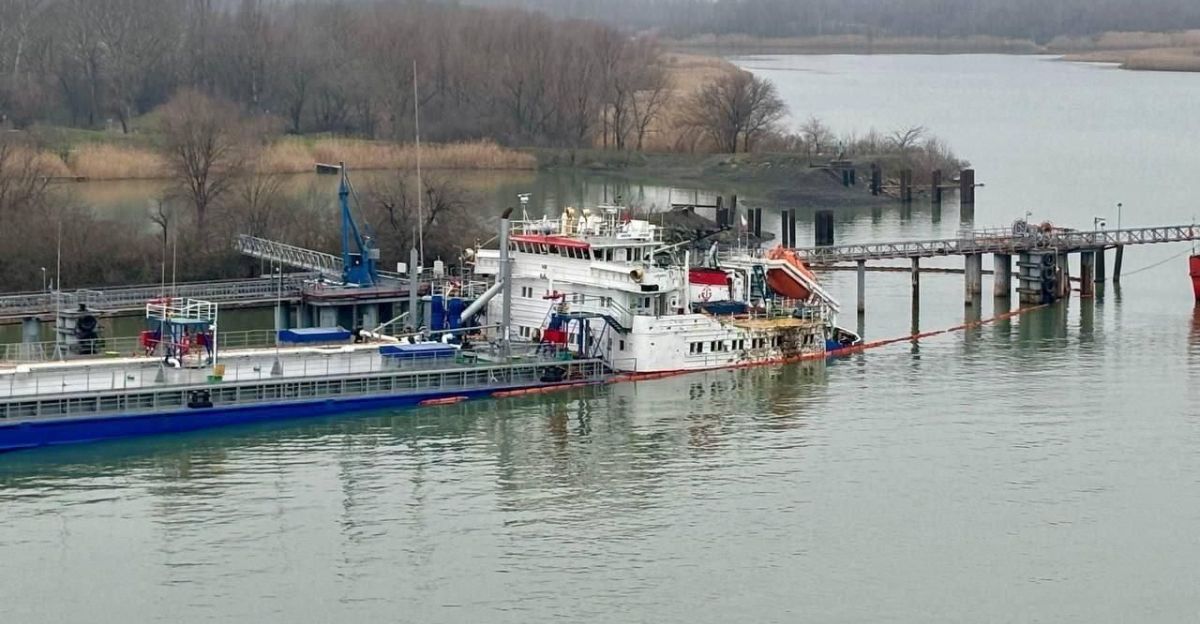
The sinking of the Valeriy Gorchakov signals a new phase in the campaign against Russia’s shadow fleet. Continued sanctions, combined with targeted strikes, point toward gradual attrition rather than sudden collapse.
Russia may be forced to rely more heavily on compliant shipping or reduce export volumes. Either path tightens constraints on oil revenues, reinforcing pressure on Moscow’s ability to fund its war.
Sources:
- The US Department of the Treasury issued “Treasury Sanctions Entities Evading Russian Oil Price Cap” on 2022-12-02. This covers the initial G7 price cap announcement. It is referenced in Slides 2 and 10.
- The US Department of the Treasury also released “Treasury Targets Russia’s Shadow Fleet” (JY2777 designation). This addresses recent 2025 sanctions on over 180 tankers. It is referenced in Slides 4 and 13.
- CSIS (Center for Strategic and International Studies) published “Russia’s Shadow Fleet: Vulnerabilities and Sanctions Impact.” This analyzes fleet size and oil exports. It is undated and referenced as in Slides 3 and 12.
- Navigating Russia is a Substack newsletter. Its article “Shadow Fleet Losses Mount: 2025 Sanctions and Strikes” discusses capacity erosion and economics. It was published in 2025 and referenced as in Slides 4, 9, 13, and 15.
- S&P Global (Commodity Insights) published “EU Sanctions 41 Tankers as Shadow Fleet Faces New Pressure.” This was released on 2025-12-18 and referenced as in Slides 5, 8, and 14.
- Kpler is a shipping and commodities tracker. Its report “Russia’s Seaborne Oil Exports: Shadow Fleet Disruptions in November 2025” covers export volumes and route shifts. It was published in 2025 and referenced as in Slides 5, 10, and 14.