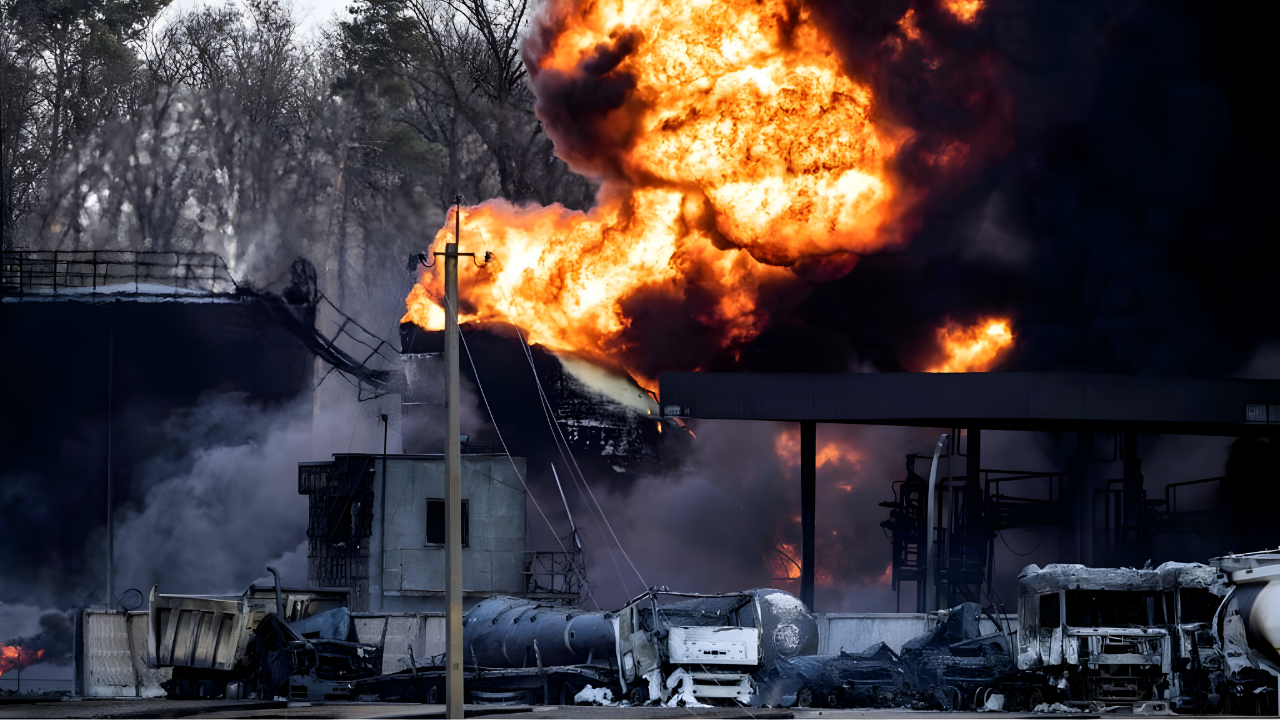
A large Ukrainian drone strike on the night of December 5 has severely damaged Russia’s Temryuk Seaport in Krasnodar Krai, dealing one of the most significant recent blows to Moscow’s fuel logistics along the southern front. According to Ukraine’s General Staff, the attack destroyed about 70 percent of the fuel storage capacity at the Maktren-Nafta liquefied natural gas terminal, a major hub supplying Russian forces in southern Ukraine and the Donbas region.
Ukrainian security sources say the operation was carried out by the Security Service of Ukraine’s elite Alpha special operations unit using long-range drones. The strike is part of a broader Ukrainian strategy to hit oil and gas infrastructure that supports and finances Russia’s war, with Kyiv signaling that such rear-area targets will continue to be a priority.
Firestorm at Temryuk: Tanks, Railcars, and Infrastructure Lost
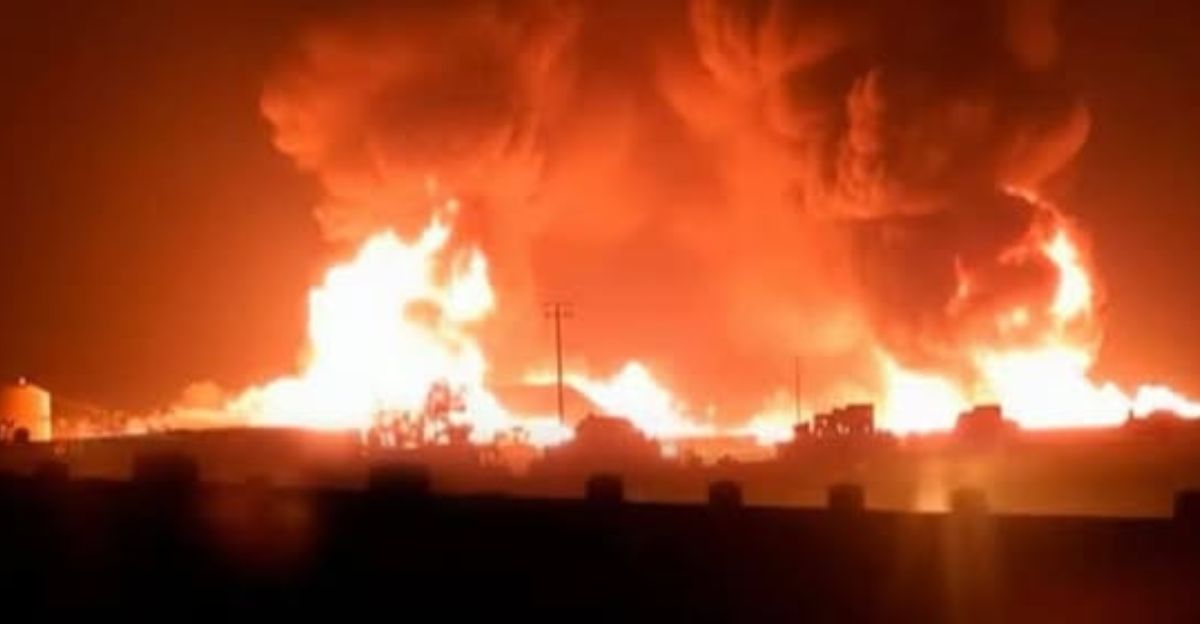
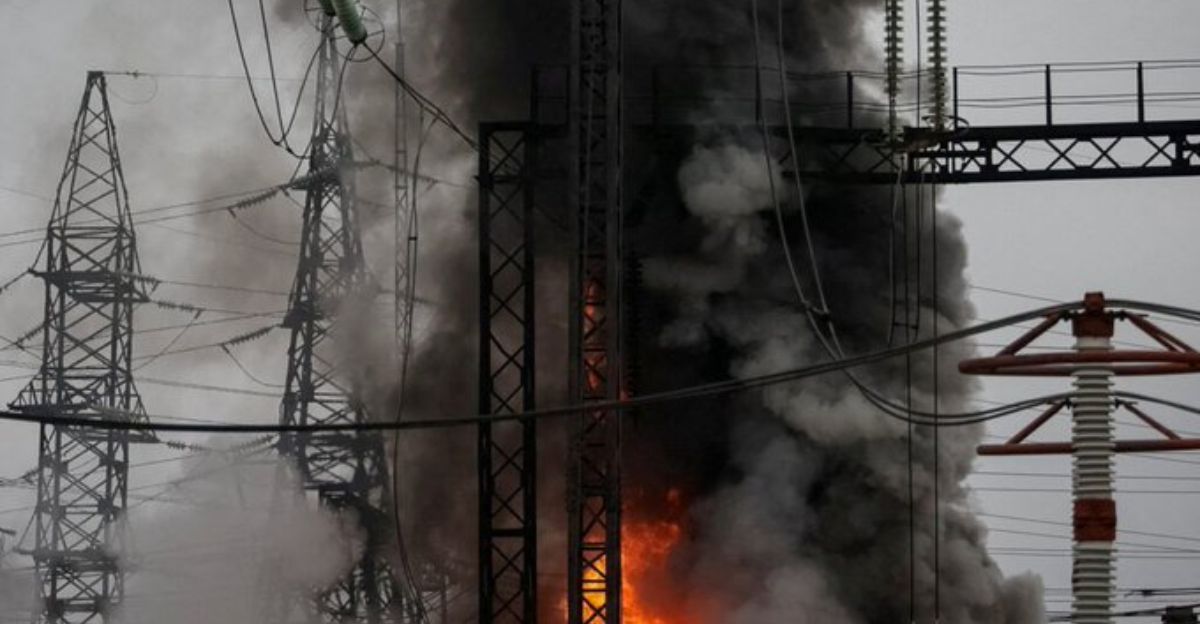
The December 5 attack caused extensive physical destruction at the Temryuk facility. Ukrainian drones reportedly destroyed more than 20 of the terminal’s 30 storage tanks, each with a capacity of about 200 cubic meters of liquefied gas. Alongside the tank farm, rail tankers, intermediate refueling containers, and key loading and unloading systems were also hit.
The initial explosion and subsequent fire covered roughly 3,000 square meters, sending flames and smoke over the port area. The blaze proved difficult to contain. Accounts from the scene and official reports indicate the fire burned continuously for three days, centered on the liquefied gas loading rack. By the evening of December 7, the fire still affected close to 1,000 square meters, with about two dozen rail tank cars in the vicinity.
Russian emergency services deployed at least eight firefighting crews, underlining the scale of the incident. The combination of destroyed tanks, damaged rail infrastructure, and scorched handling equipment has left the terminal largely inoperable for the time being.
Strategic Port Under Pressure
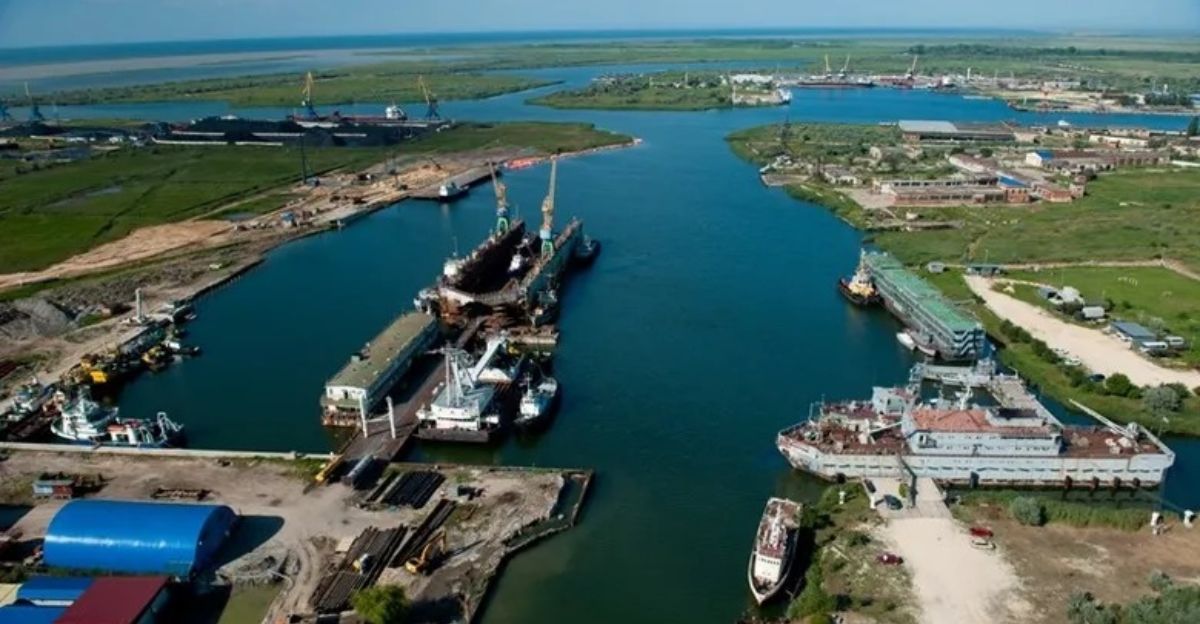
Temryuk Seaport lies on the Taman Peninsula, serving as a key outlet on the Black Sea and Azov Sea for liquefied petroleum gas, oil products, and petrochemicals. The Maktren-Nafta terminal, established in 2008, was designed with an annual transshipment capacity of about 400,000 tons of liquefied gas. It transfers fuel from railcars and tank containers to specialized gas carriers, supporting both domestic supply and export flows.
In the first ten months of 2025, the terminal handled an estimated 220,000 tons of liquefied petroleum gas, underscoring its role in Russia’s energy export system. Ukrainian military briefings frame the destruction of roughly 70 percent of the port’s storage capacity as a direct hit on the fuel backbone of Russian forces operating in southern Ukraine and the Donbas. With Temryuk heavily damaged, Russia must reroute fuel over longer and potentially more vulnerable supply lines, adding time, cost, and risk.
Independent estimates put the combined value of the destroyed fuel and terminal infrastructure at around 150 million dollars. Losses include stored product, storage tanks, rail tankers, and specialized liquefied gas handling systems. Beyond repair and replacement costs, Russia now faces lost export income and added expenses tied to reconfiguring logistics and maintaining operations under pressure.
Part of a Wider Campaign Across Russian Infrastructure
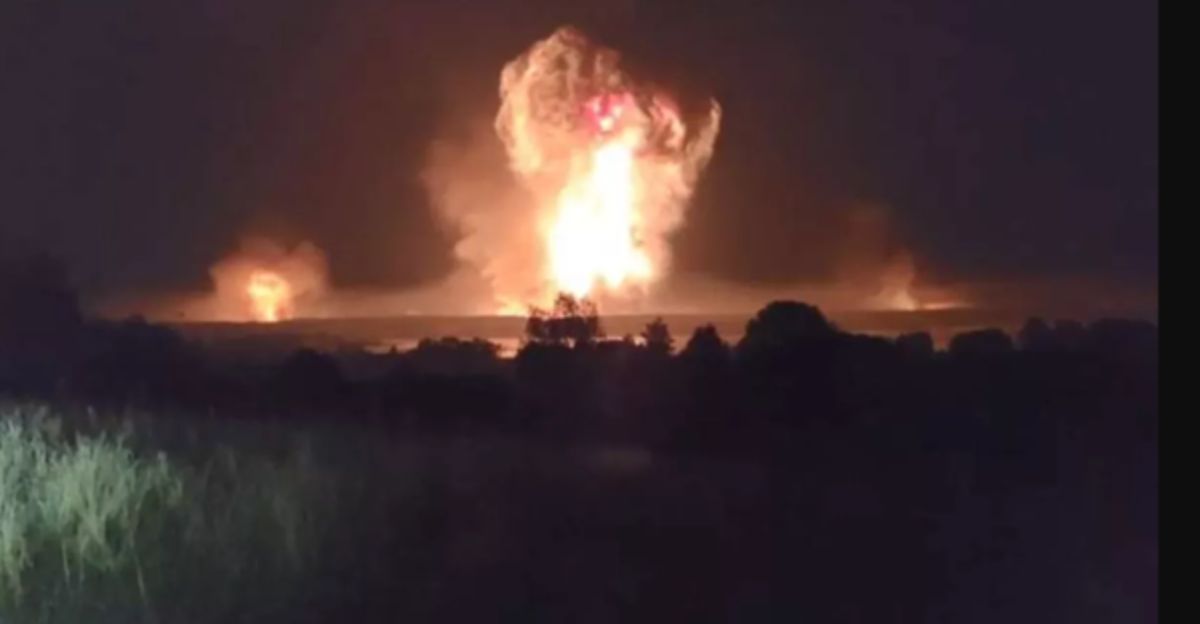
The Temryuk strike did not occur in isolation. Ukrainian forces carried out additional attacks on the night of December 8, hitting several targets supporting Russian military operations. Reported strikes damaged ammunition depots near Chmyrivka in Luhansk Oblast, drone storage facilities in Donetsk city, fuel depots near Simeykyne, and a Pantsir-S1 air defense system.
These operations follow earlier Ukrainian attacks on major refineries and terminals in Russian cities such as Ryazan, Saratov, Volgograd, Novokuibyshevsk, and the Sheskharis oil terminal at Novorossiysk. The late November strike on Sheskharis forced a two- to three-day halt in oil loadings, highlighting the vulnerability of Black Sea infrastructure.
Taken together, these actions point to a deliberate strategy: systematically weakening Russian fuel stocks, munitions supply, and air defense coverage while undermining the energy revenues that help finance the war. Ukrainian security officials argue that Russia’s oil and gas sector provides crucial funding for military operations, and that hitting export and domestic fuel facilities is intended to restrict those financial flows.
Escalation, Repair Challenges, and What Comes Next
Russia has responded to Ukrainian attacks on fuel and export sites by intensifying missile and drone strikes on Ukraine’s energy grid. These retaliatory barrages have left Ukrainian civilians facing recurring power outages and heightened winter hardship, as both sides increasingly use infrastructure as a lever in a broader war of attrition.
Russian operators have shown they can repair damaged facilities elsewhere, such as at Syzran and Novorossiysk, often restoring operations within weeks. However, repeated Ukrainian strikes raise downtime and maintenance costs and force more frequent overhauls of aging or damaged systems. At Temryuk, full recovery will likely require not only rebuilding much of the tank farm but also replacing sensitive liquefied gas handling equipment, all while Russia remains under international sanctions that limit access to advanced components and technology.
The Temryuk operation underscores how the conflict has evolved into a far-reaching contest over fuel supplies, infrastructure resilience, and economic endurance. Ukraine is demonstrating an expanding long-range strike capability that forces Russia to stretch its air defenses and reassess the security of key energy assets deep in its rear. As winter deepens and diplomatic efforts remain stalled, the question is whether sustained attacks on critical infrastructure will eventually shift the strategic calculations in Moscow and Kyiv, or further entrench a costly stalemate marked by recurring strikes on energy and industrial targets on both sides of the front line.
Sources
“Ukrainian Drones Destroy 70% of Fuel Tanks at Russia’s Temryuk Seaport, General Staff Says.” Kyiv Independent, December 8, 2025.
“SBU Drones Struck Liquefied Natural Gas Terminal in Russia’s Temryuk Port, Source Says.” Kyiv Independent, December 9, 2025.
“Fire Breaks Out at Russian LPG Export Terminal After Ukrainian Drone Attack.” Baird Maritime, December 4, 2025.
“Ukrainian Drones Blow Up Major Russian Gas Terminal in Temryuk.” RBC-Ukraine, December 8, 2025.