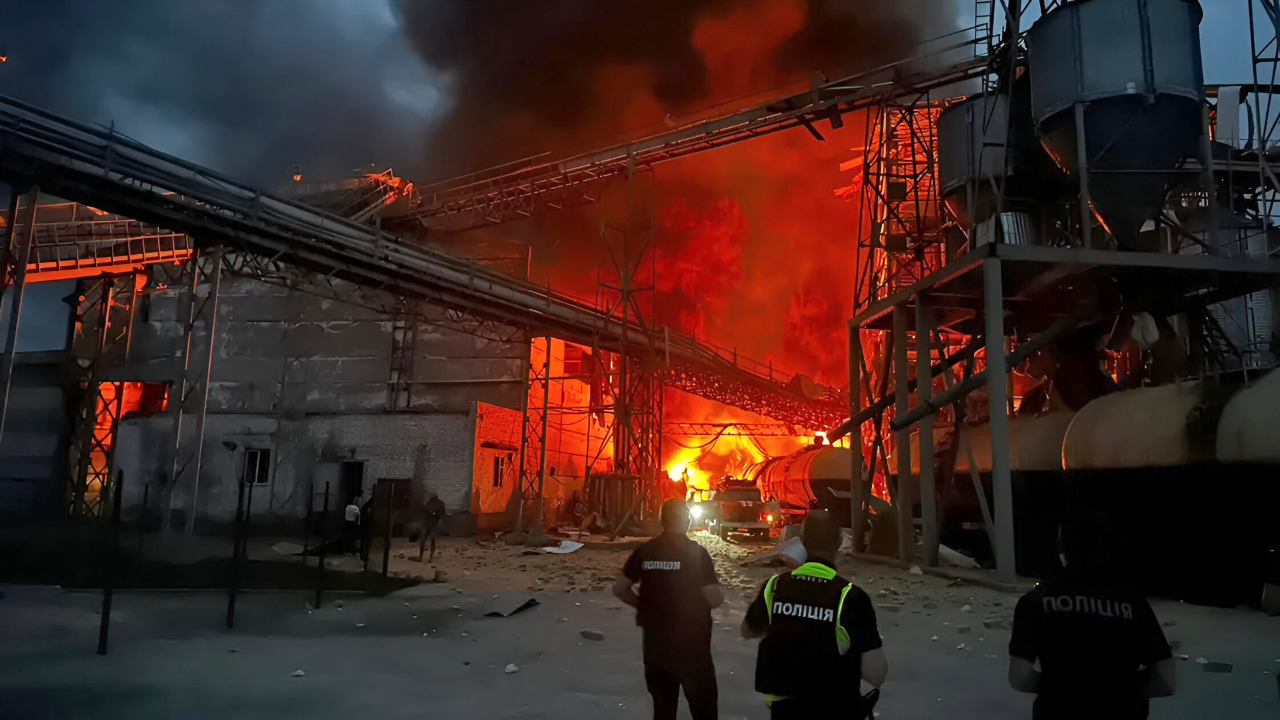
Saturday, November 15, 2025—day 1,362 of war. Twenty-five Ukrainian drones descended on Ryazan, 125 miles southeast of Moscow. One of Russia’s largest oil refineries—Rosneft’s facility processing 262,000 barrels daily—erupted in flames. Explosions lit the night sky.
Governor Pavel Malkov posted a carefully worded statement: drones “intercepted,” but “falling debris” sparked a fire at some unnamed enterprise. He never mentioned the refinery burning before him. The code was transparent. Everyone understood. Ukraine had struck again, and Moscow was pretending it did not hurt.
Deep Strike, Strategic Toll
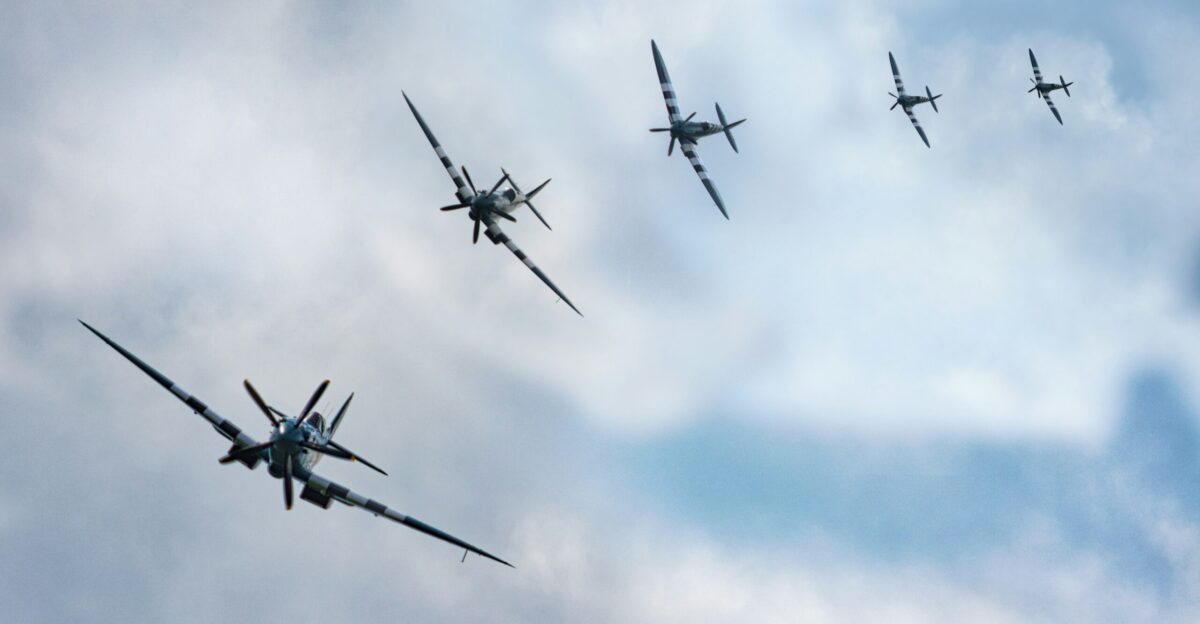
This was not the first time. Ukraine hit Ryazan in January, February, and at least six times more throughout 2025. The pattern is deliberate. This refinery supplies the jet fuel powering Russian bombers that drop glide bombs on Ukrainian cities daily.
Ukraine’s General Staff stated it plainly: strikes aim to “reduce the enemy’s ability to launch missile and bomb strikes”. Fewer refineries working means fewer warplanes flying.
The Denial Game Continues
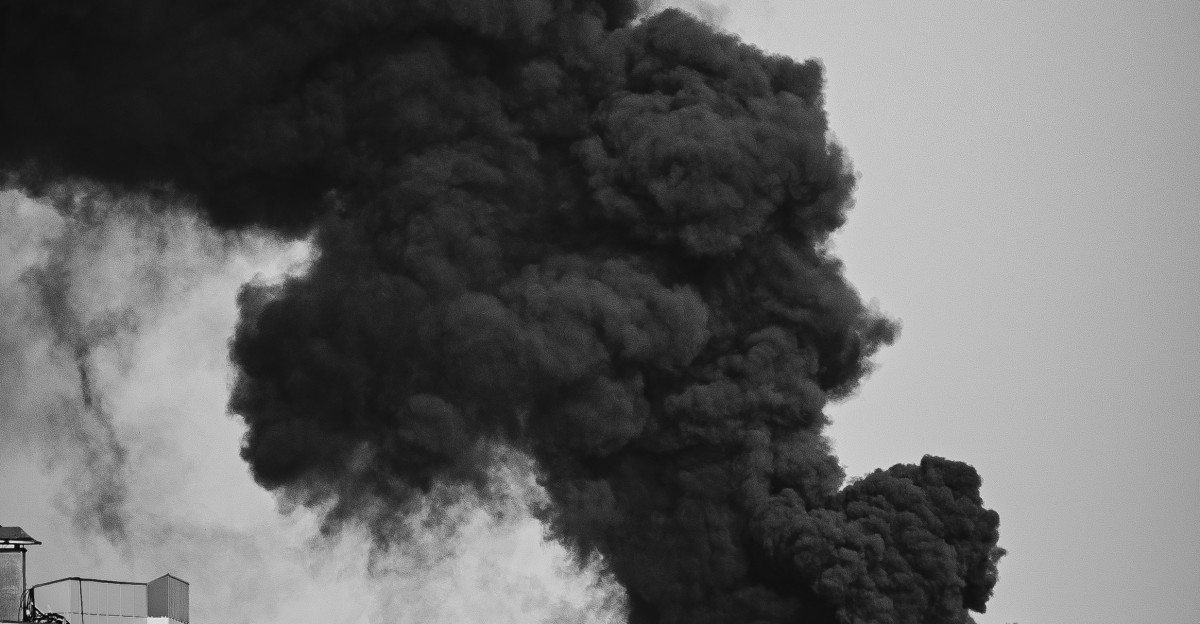
Malkov’s “falling debris” excuse has become Russia’s refrain. It is bureaucratic theater—officials insisting air defenses work while petroleum facilities burn. Reality tells another story. Reuters reported that Ryazan’s crude processing had halted entirely, with no oil loading scheduled before December 1.
Industry analysts confirm the facility processes roughly 5 percent of Russia’s total refining capacity. When it shuts down, Russian fuel supplies feel immediate pain.
Four Lives, Six Wounded

On the same Saturday, November 15, Russian artillery and drones killed four Ukrainian civilians. Three died in the Kherson region—a man in Myklitskyi village, a man, and a woman in Kherson city. One civilian was killed in Zaporizhzhia, attacked by an FPV drone while fishing, trying simply to eat. Six more wounded.
This is wartime texture: Ukraine wages long-range drone campaigns while Russia hunts people. Fishermen. Ordinary people trying to live. Become targets.
The Economics of Breaking Russia’s Fuel Supply
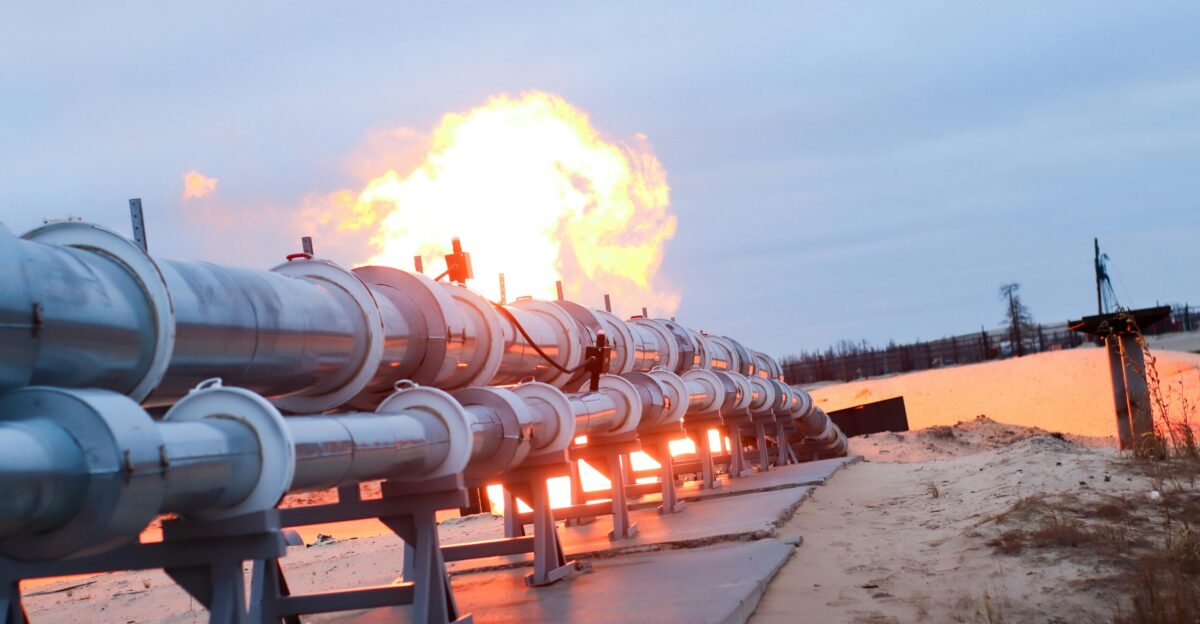
Ukraine’s drone campaign transformed from sporadic harassment into a systematic assault on Russian petroleum. Repeated strikes on Ryazan, Novokuibyshevsk, and Volgograd knocked massive refining offline. Russia’s average daily refining fell to 5 million barrels—roughly 335,000 barrels less than the previous year.
Kpler analysts note that Ukraine is no longer permanently destroying refineries; instead, it is disrupting them. Strike, damage, repair crews arrive, and another strike before completion—result: chronic downtime.
Russia’s Counterattack
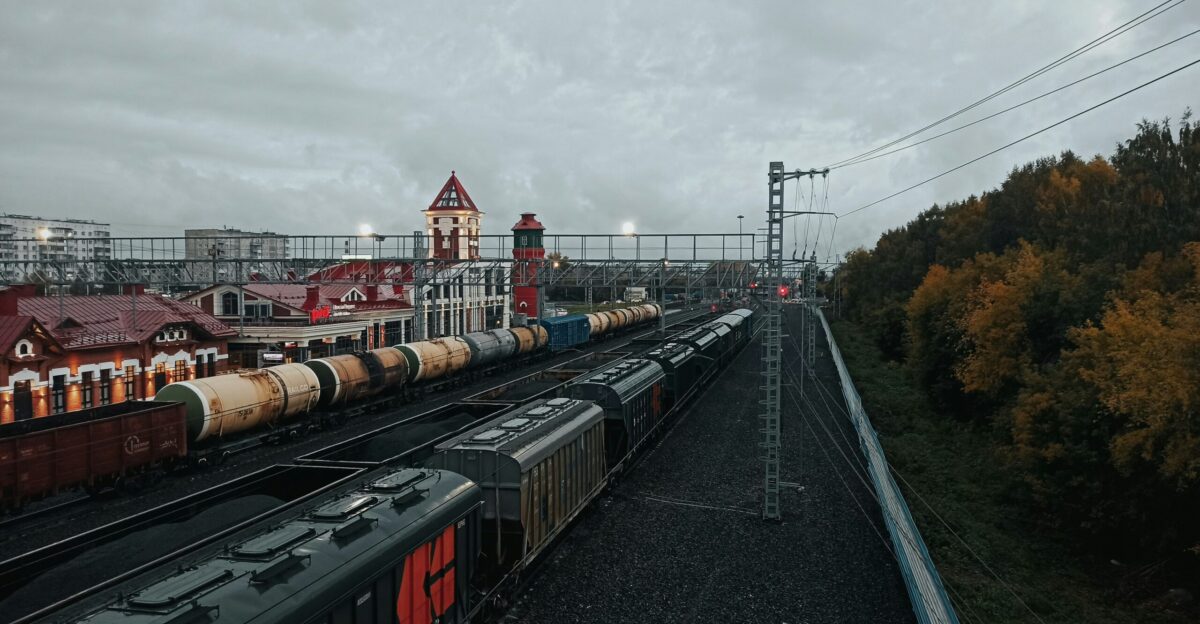
Moscow responded by tripling attacks on Ukrainian railways since July 2025. Deputy Prime Minister Oleksii Kuleba explained: “They are going after trains, especially trying to kill the drivers,” he told The Guardian. Eight hundred railway attacks. One billion dollars in damage.
Russia is not bombing for tactical advantage. Russia is bombing to break Ukraine’s spine. The railways carry 63 percent of Ukraine’s freight, including grain exports that sustain the wartime economy, and 37 percent of passenger traffic.
Heroes Without Parades
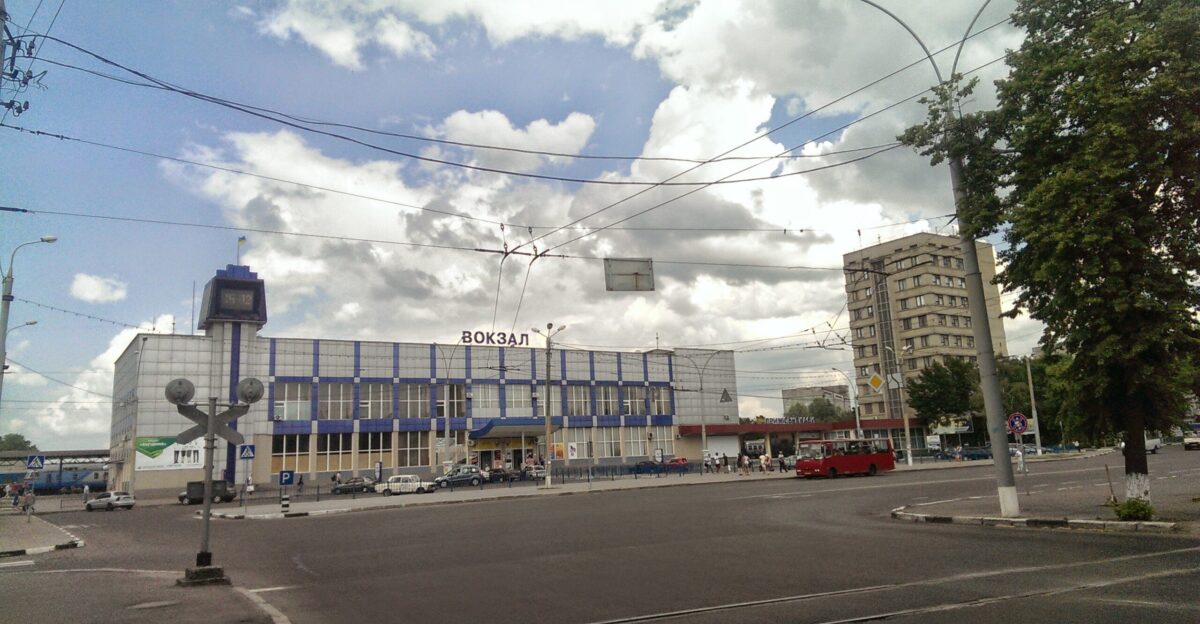
Since the invasion began, 221 railway workers have been wounded, 37 killed in the line of duty. They are called “iron heroes”—not soldiers, but civilians with families who restore damaged tracks within four hours of each attack.
On October 4, a Russian double-tap drone strike on a Sumy Oblast station killed one railway worker and 30 civilians, including three children. The second drone came after rescue workers arrived. That is the strategy. That is Russia’s war. The people who fix infrastructure become targets too.
The Corruption Bomb Inside Kyiv
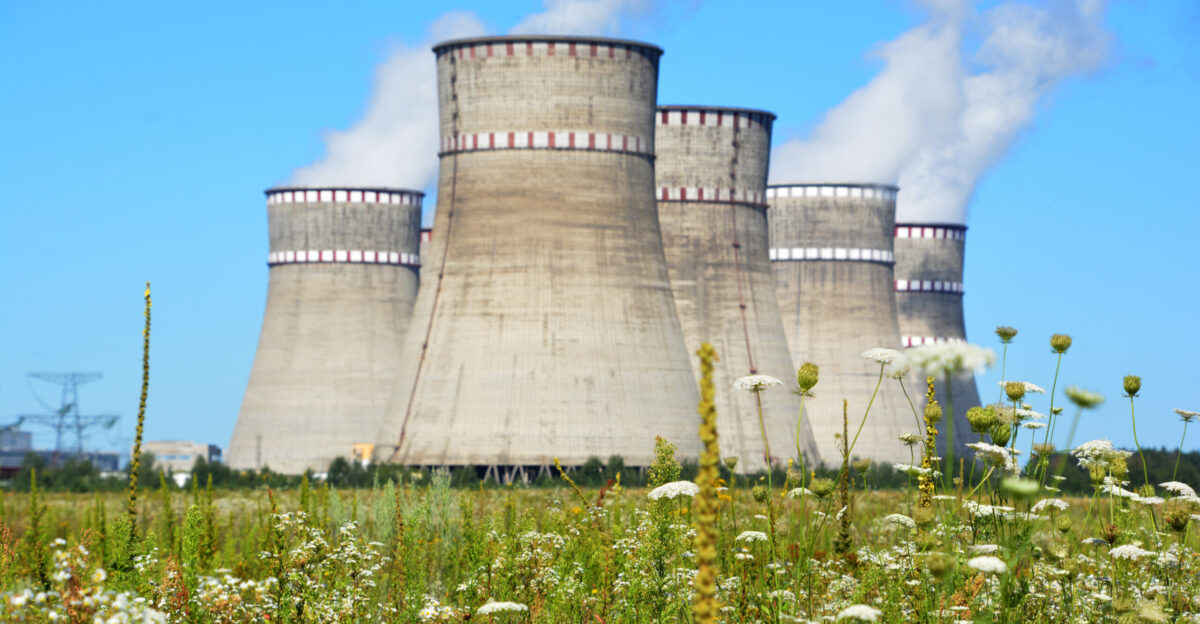
While fighting Russia, Ukraine discovered betrayal from within. November 10: Ukraine’s National Anti-Corruption Bureau announced that $100 million had been embezzled from Energoatom, the state nuclear power company that generates over half of Ukraine’s electricity.
Contractors allegedly paid 10-15 percent kickbacks—money meant to keep power plants running — now vanished into the pockets of insiders. Ukraine’s drone war on Russian refineries depends on Western money and trust, and a $100M energy graft scandal threatens that trust right when Ukraine is doubling down on long-range strikes.
When the President’s Circle Falls
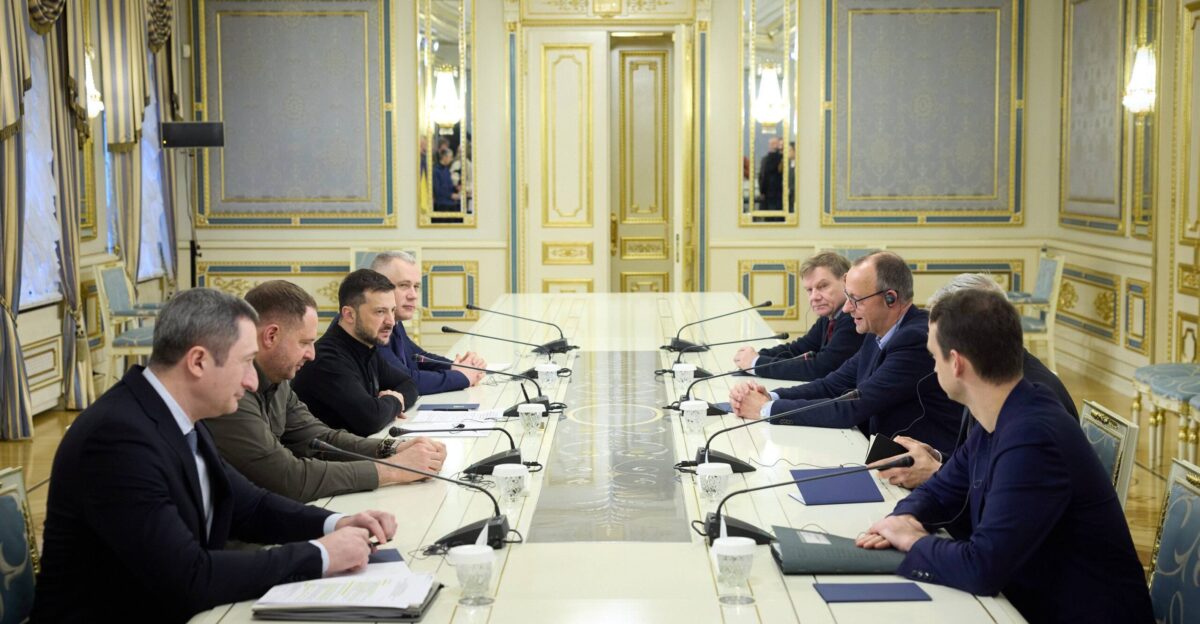
Charges were brought against heavyweight names, including former Deputy Prime Minister Oleksiy Chernyshov, Justice Minister Herman Halushchenko, and Security Council Secretary Rustem Umerov. Andriy Yermak, Zelenskyy’s chief adviser—arguably second-most-powerful in Kyiv—resigned amid investigations.
This is not peripheral corruption. This is the innermost circle allegedly stealing from a nation at war. p.
Zelenskyy’s Reckoning

Zelenskyy demanded accountability “within a week”. “Everyone involved in corruption schemes must face clear legal response. Criminal convictions,” he declared. Multiple ministerial resignations followed, and Kyiv’s credibility took a hit at exactly the moment Western aid remains critical.
The bitter irony: Ukraine cannot afford corruption, yet corruption has infected the state.
Serbia Caught Between Empires

The U.S. sanctioned Serbia’s only refinery, NIS, because Russia owns most of it. Gazprom Neft holds 45 percent, while other Russian firms hold 11 percent; together, Russia controls 56 percent. Serbia owns 30 percent.
Washington’s message is simple: get Russian money out, or the refinery shuts down. The deadline is February 13, 2026—70 days away. Serbia, caught between U.S. pressure and Russian leverage, faces a winter energy crisis regardless of the outcome. No good options. Only bad ones.
A Nation’s Winter Hangs in Balance

Serbian President Vučić understands the stakes. “This is not about money, but about politics,” he said—meaning: Russia refuses to sell, views energy as leverage. Energy Minister Đedović Handanović was blunt with American officials: there would be no hiding Russian associates behind corporate structures.
The refinery supplies fuel to seven million people. Winter shutdown means blackouts, heating crises, and economic chaos.
Twenty-Five Drones, One Refinery
The Ryazan strike illustrates drones rewriting modern warfare. Twenty-five unmanned vehicles, costing a fraction of conventional missiles, penetrated Russian air defenses and crippled a facility processing 5 percent of Russia’s total refining capacity. Rosneft suspended crude processing for weeks.
Each successful strike validates Ukraine’s logic: attrition through technology rather than territory. If Ukraine destroys fuel production faster than Russia repairs it, Russia eventually runs dry.
A Nation Exhausted but Unbowed
The conflict stretched into its fourth winter—a marathon neither side has won. Ukrainian forces lost roughly 20 percent of their territory early; those lines have shifted incrementally since, but no breakthrough has come.
The war became a test of endurance, industrial capacity, and outside commitment. Moscow is exhausted but not beaten. Kyiv is exhausted and fractured by internal scandal. The war grinds on, day after day, 1,362 days and counting.
The Fires Keep Burning
The flames at Ryazan die down. Workers assess damage. Repair crews mobilize. Russian officials issue denials about “falling debris.” Within days, Ukrainian drones strike again—November 19, November 20. The refinery producing jet fuel now produces almost nothing.
Kyiv battles itself: corruption arrests, resignations, fury over stolen defense funds. Moscow gambled that Ukraine would collapse from internal division faster than from drone strikes. Kyiv is betting that survival instinct outlasts corruption. Neither is confident of victory. Both are certain of winter. And 125 miles from Moscow, the refinery burns
Sources:
Reuters – Ryazan oil refinery drone strike and shutdown reporting
Reuters – Russia’s systematic attacks on Ukraine’s rail network and railway casualties
Reuters – Ukraine’s $100 million Energoatom energy graft investigation and ministerial fallout
CNN – Coverage of Ukraine’s energy-sector corruption scandal and $100 million embezzlement estimate
BBC – Verification of Ryazan refinery fire and prior Ukrainian strikes on the facility