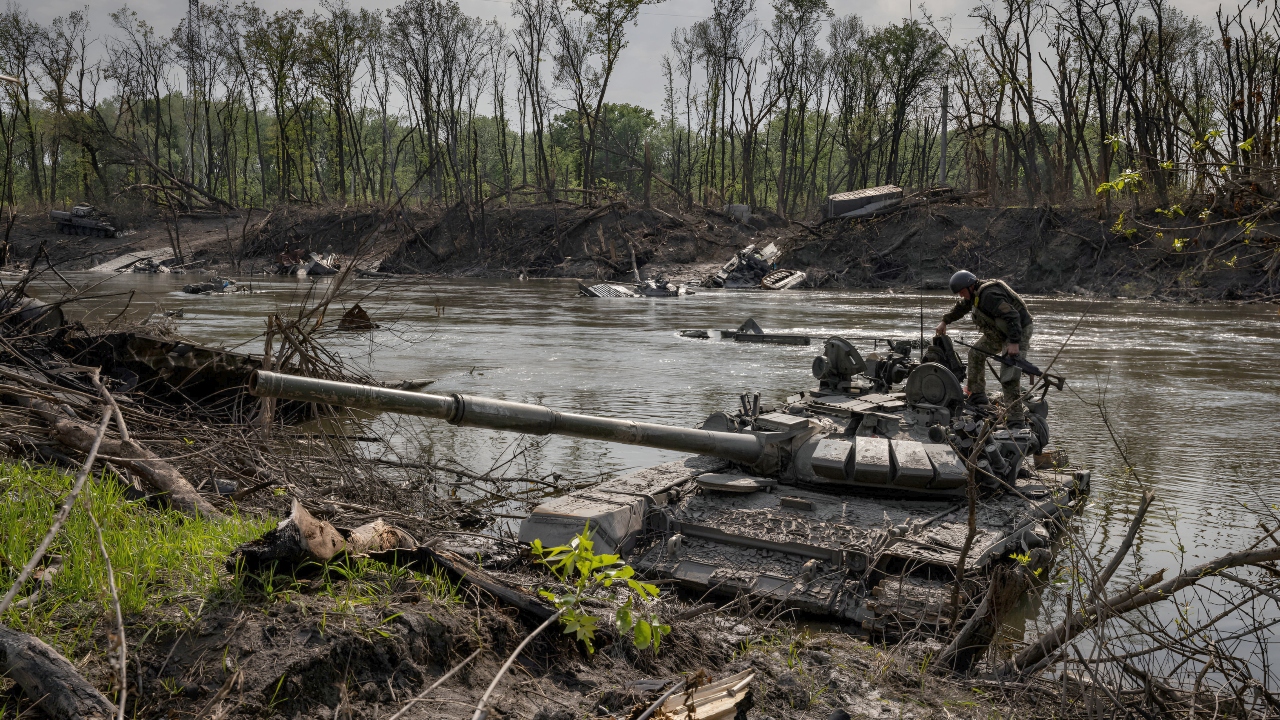
Over 5,100 Russian soldiers are reported to have died in the Dnipro delta region since January 2025, according to Ukrainian military assessments and independent defense analysts—a figure reflecting one of the deadliest periods in the ongoing conflict.
Russian troops stranded on islands south of Kherson face continuous drone assaults and dire shortages, with observers describing the area as a “death zone” for isolated Russian forces. The casualty scale points to persistent challenges in Russian military planning and logistics, as noted by international security experts.
Islands of Isolation
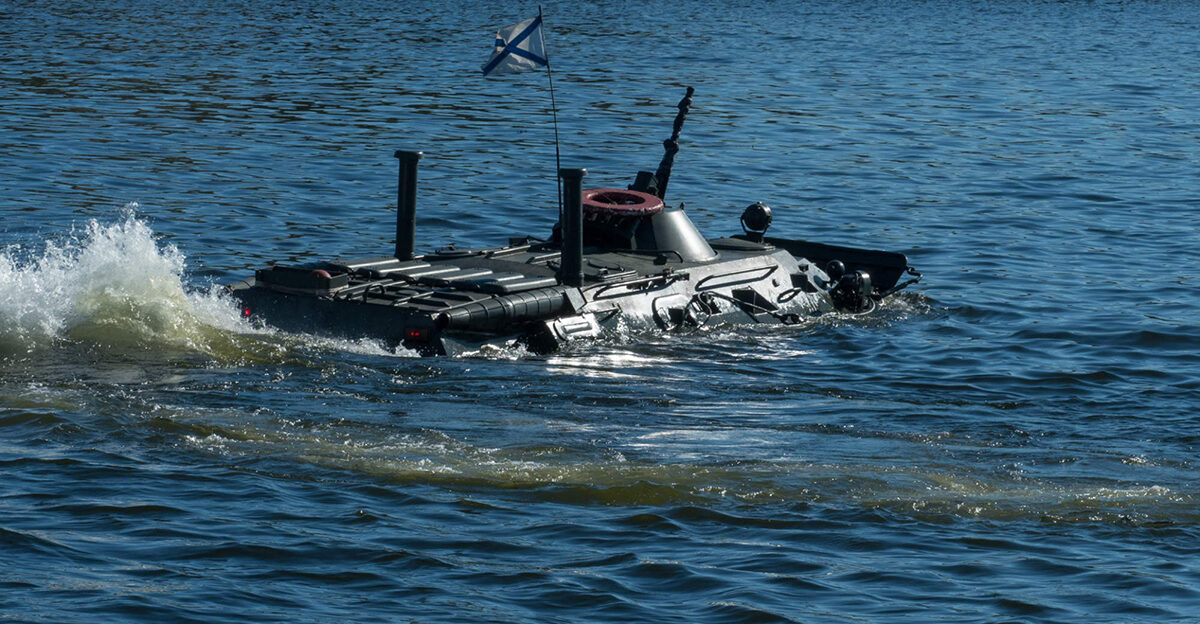
Reports from Ukrainian officials and independent military observers indicate that Russian naval infantry units, including elements of the 61st Naval Infantry Brigade, have been confined on islands such as Nestryha and Buhaz after failed operations. These soldiers remain exposed in open terrain while Ukrainian forces control higher ground and maintain drone surveillance.
Ukrainian and independent sources report severe conditions, with survivors describing food and water shortages and harsh health effects. While some soldiers attempted escape using makeshift boats, Ukrainian drone footage published by multiple outlets—including Western media—shows attacks targeting groups attempting to flee by water.
Adapting and Surviving
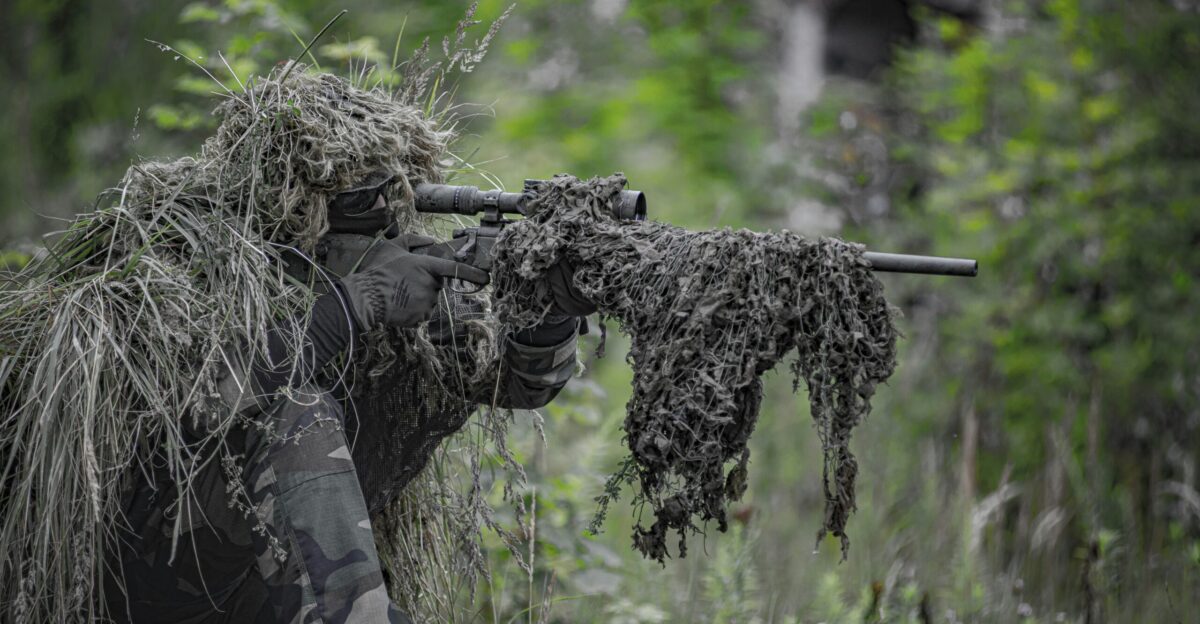
Stranded troops reportedly used camouflage and improvised techniques to avoid detection, but Ukraine’s use of thermal drones has largely overcome these efforts. Citing verified battlefield footage, several defense analysts confirm frequent drone strikes on boats and positions on the islands.
Reports of equipment sabotage and internal investigations within Russian ranks have also been mentioned in Ukrainian sources, although this has not been independently verified.
Tactical and Global Impact
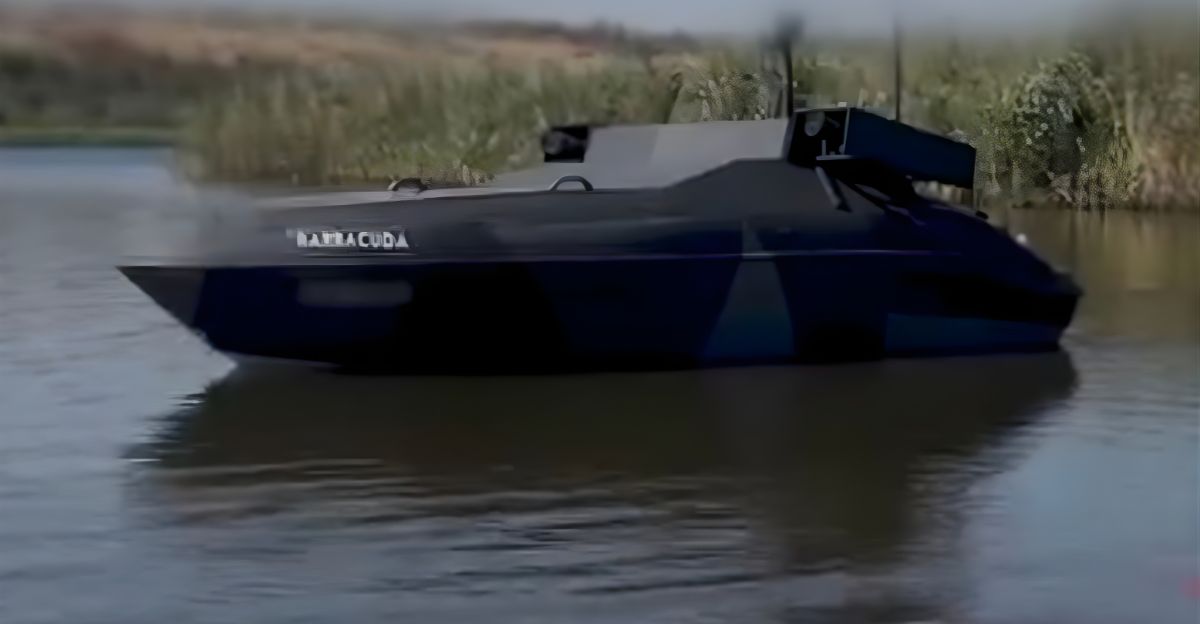
Ukraine’s adoption of drone and unmanned boat tactics has garnered attention from Western militaries, with documented footage demonstrating their use against Russian targets. Defense experts from organizations such as the Atlantic Council and The Guardian affirm an increased focus on drone warfare and adaptive tactics in this phase of the war.
Civilian and military analysts agree that the conflict in this area has had strategic and financial reverberations, with increased Russian military spending and continued logistical hurdles.
Human and Environmental Toll
Independent organizations, including the United Nations Environment Programme, have documented environmental damage caused by hostilities in the Dnipro delta, compounded by the effects of previous dam destruction.
Health impacts for stranded troops, such as untreated medical conditions, have been reported by Ukrainian and humanitarian groups, but the long-term effects remain under assessment.
Information, Families, and Ongoing Uncertainty

According to public statements by Ukrainian authorities, families of missing Russian soldiers have filed tens of thousands of requests for information. The Russian government does not publish official casualty lists, making independent verification of exact numbers difficult.
Observers recommend that international stakeholders monitor Ukrainian drone industry developments and humanitarian impacts as the conflict evolves.