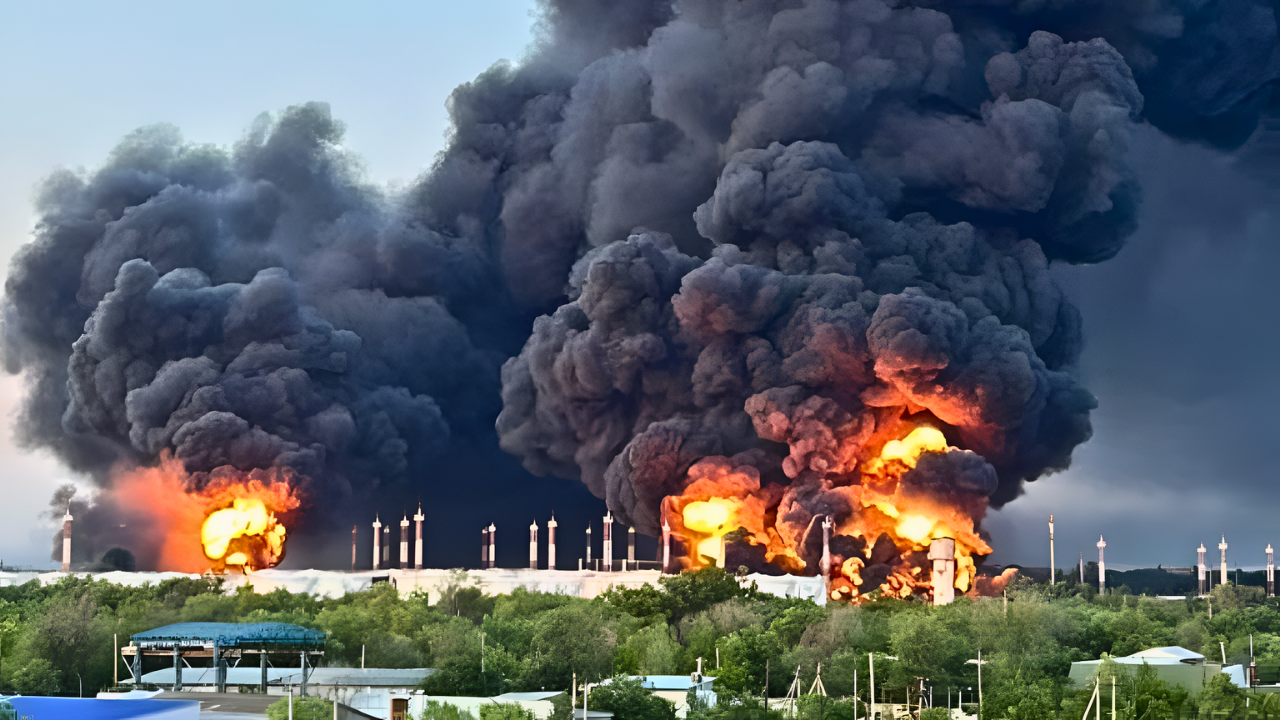
On December 3, 2025, Ukraine carried out a precise airstrike that wiped out a major Russian command and communications center in Vovchansk, a border city in Ukraine’s Kharkiv region. Ukrainian planes launched Western-made guided bombs from far away, hitting a tall building near a railway track. This building acted as a local hub where Russian forces coordinated their operations.
Satellite photos and videos confirm the building turned into rubble. Nearby Russian military gear was also destroyed. The strike happened amid ongoing heavy fighting in northern Kharkiv. It briefly disrupted Russian control over an important part of the frontline.
Vovchansk has been a hotspot since Russia’s offensive in May 2024. Russian troops captured some areas but couldn’t fully break through. Ukrainian forces dug in with artillery, drones, and strong defenses to slow them down. As fighting continued into 2025, Ukraine started using long-range air weapons more often to target Russian command posts and supply lines behind the front.
Russian Command Posts Face Heavy Attacks
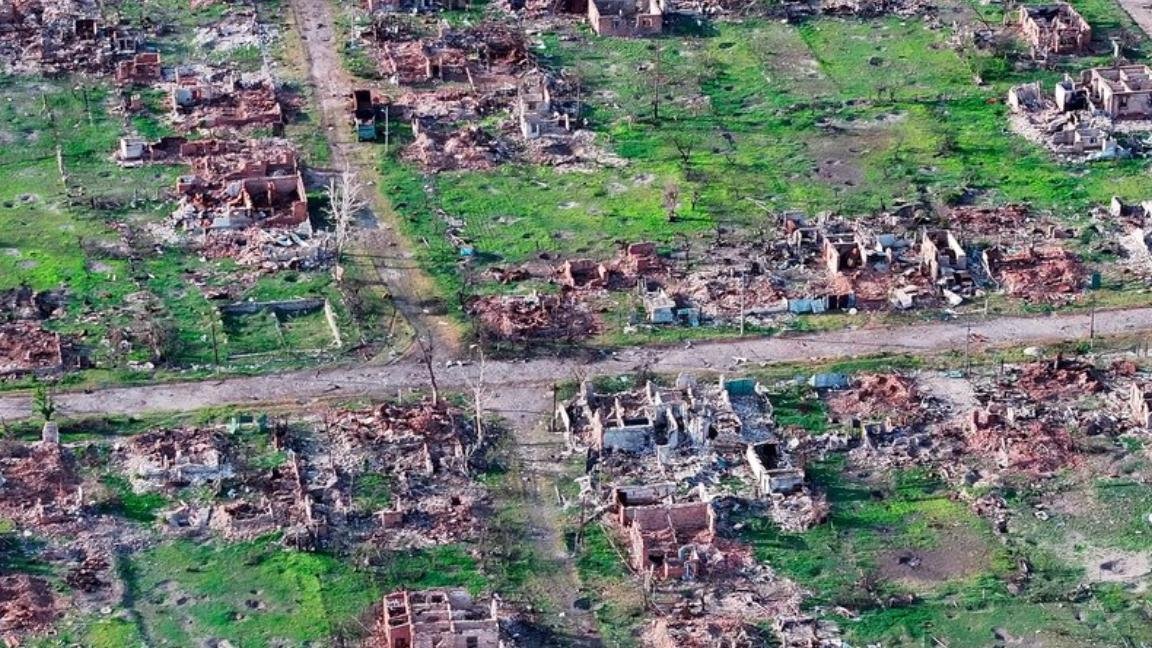
Russian command centers near Vovchansk are now top targets for Ukraine. Kyiv wants to break Moscow’s ability to direct troops in this crowded, fought-over area. Russian units had early successes in 2024 but lost speed, so Ukraine focused on cutting links between frontline soldiers and top headquarters.
Open-source images show the guided bomb’s path straight to the multi-story building by the railway. This site was part of a network for Russia’s Northern Grouping of Forces, linked to the 58th Combined Arms Army in Kharkiv. Ukrainian jets, probably MiG-29s or Su-27s, dropped a GBU-62 JDAM-ER bomb from outside heavy air defense range. They used scout drones for targeting. No Ukrainian planes were lost, showing how well standoff attacks work against Russia’s defenses.
Battles in Vovchansk are fierce and stuck in place. Both sides use drones for watching and striking. By hitting a big command hub instead of small spots, Ukraine created a sudden blow to Russian planning and radio links across multiple levels.
Strike Details and Quick Impacts
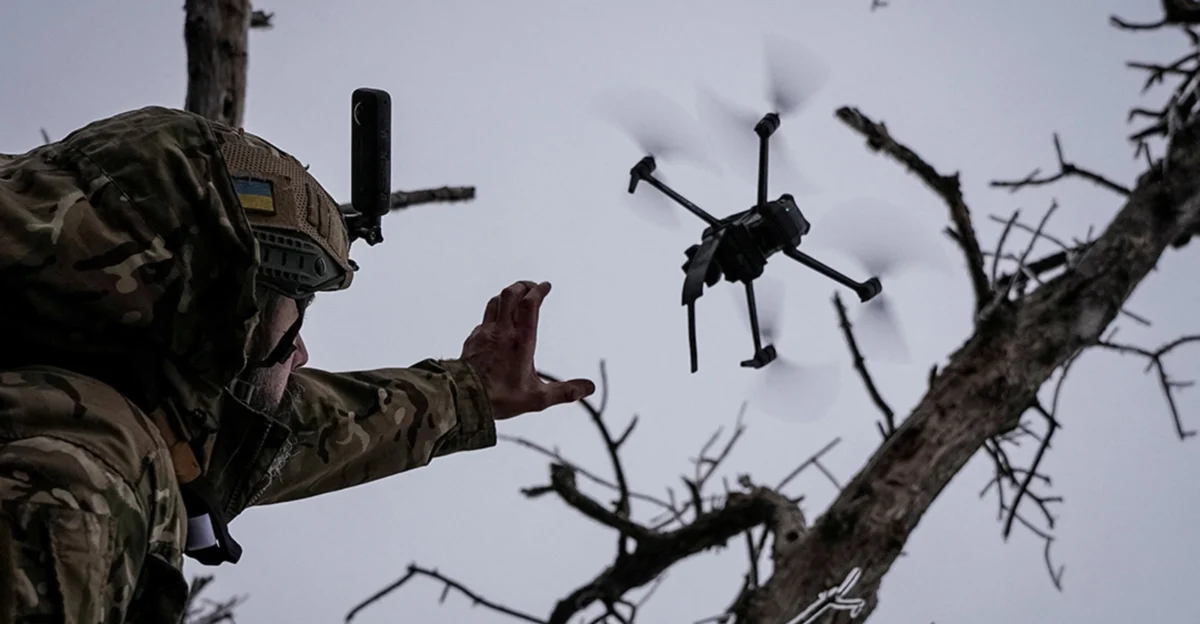
The December 3 attack hit a Russian command site right by a railway, which helped move supplies and people. Ukrainian drones spotted Russian officers working on the upper floors. The JDAM-ER bomb leveled the building, cutting connections between battalion and brigade headquarters nearby.
Before-and-after images show the building whole, then gone. In the debris, experts spotted a Grad-P rocket launcher that was parked close by. This system, run by 3-4 people, fires quick rocket barrages at enemy spots. The blast destroyed it, removing a key mobile weapon.
After the strike, Russian drone flights and radio signals near Vovchansk weakened. Ukraine took advantage to shift supply paths and move troops more easily under their own drone cover. The frontline didn’t change much overall, but the hit gave Ukraine a short-term advantage without winning the city battle.
Russian Problems Grow and Ukraine’s Edge Expands

This strike added to Russia’s troubles in northern Kharkiv. Tough city fighting had already stalled their 2024 push, and Ukraine’s hits revealed supply weaknesses. The Institute for the Study of War said in November 2025 that Russians were stuck and short on supplies.
Losing the command post upset Russia’s pro-war online voices. Telegram channels run by military fans blamed leaders for not protecting the site near the front and railway. No firings were announced by December 2025, but experts expect changes in tired units like the 58th Army.
Russia is trying to fight back by splitting up headquarters, adding air defenses, using drone nets, and placing fake targets. But watchdogs say these fixes don’t always match Ukraine’s improving strikes, leaving command spots exposed in Kharkiv.
Ukraine’s Vovchansk hit is part of a bigger trend since 2023. Western tools like the GBU-62 JDAM-ER let them strike over 100 key Russian targets, such as command posts, supply hubs, and rocket systems. News sources like Reuters and Defense Express note these attacks weaken Russia’s depth and block force buildups.
Ukraine’s long-range drones and bombs now hit fuel stores, airfields, and back-area sites in Russian zones. This stresses Russia’s supplies and economy, including refineries and transport. Over time, it makes it hard for Moscow to rebuild units and fix command issues in places like Vovchansk.
As 2025 goes on, this strike shows Ukraine challenging Russia not just on the ground, but by targeting command, comms, and logistics far back. If Russia can spread out, build tougher sites, and boost defenses fast enough will decide the fight in Kharkiv and beyond.
Sources:
Institute for the Study of War (ISW), December 2025 assessment
Militarnyi, Vovchansk strike analysis
BBC, Vovchansk frontline report
Reuters, Precision munitions air war shift
Foundation for Defense of Democracies (FDD), Russian operational depth brief
Newsweek via MSN, Ukrainian long-range strike coverage