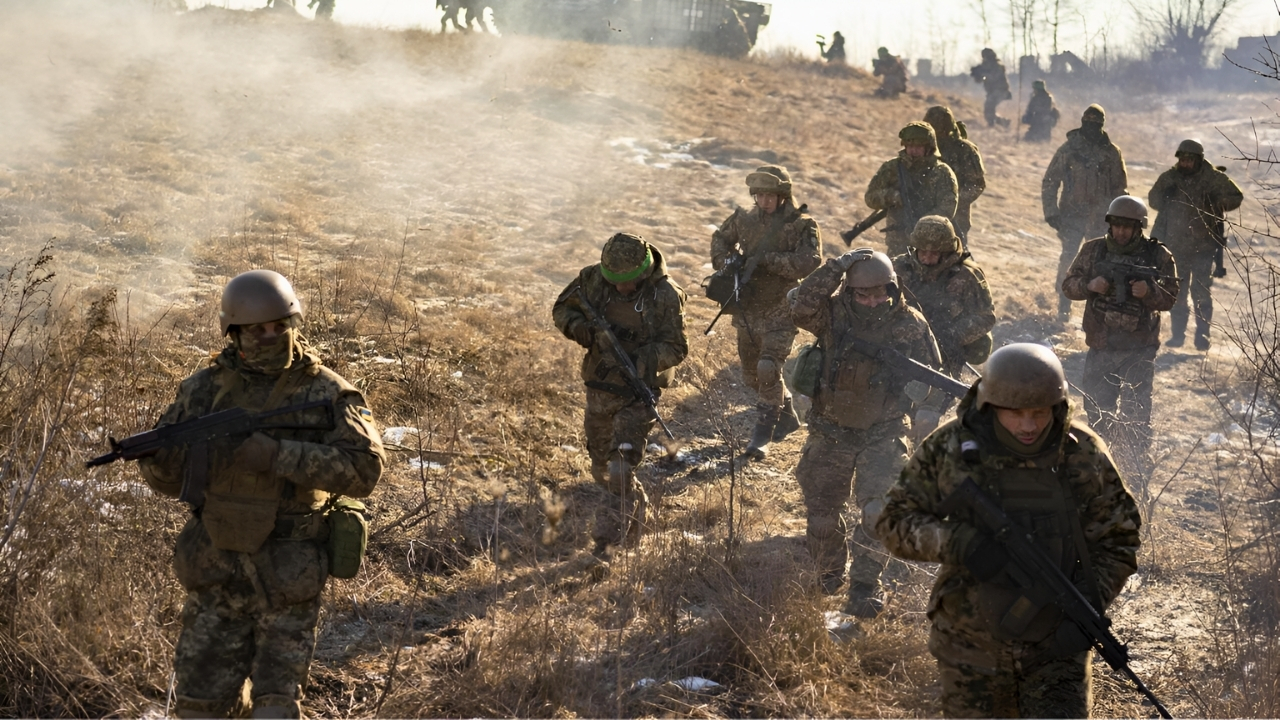
Ukrainian Special Operations Forces (SSO) carried out a precision clearing operation in the Kupiansk sector of Kharkiv Oblast, targeting Russian positions in a forested area without suffering any reported casualties. The mission was conducted by the 3rd SSO Regiment and executed “quietly,” with a focus on secrecy and precision.
Russian dugouts were neutralized and a captured Ukrainian soldier was reportedly rescued. The operation underscores Ukraine’s growing use of stealth tactics on one of the most contested fronts.
Why It Happened: Russian Pressure Intensifies on the Oskil River Line
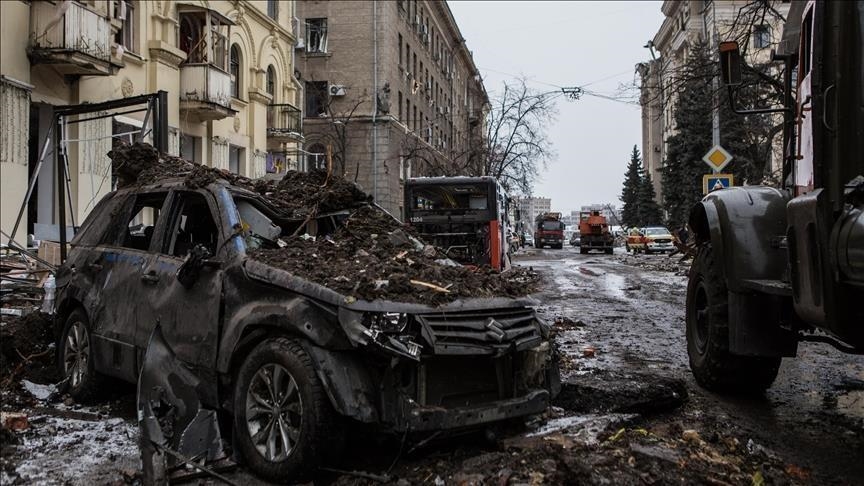
Russian forces have increased pressure on Ukrainian positions east of the Oskil River in the Kupiansk direction, attempting to push Ukrainian troops back in northern Kharkiv Oblast.
Ukrainian military officials state that Russia has sufficient manpower but has achieved only limited tactical gains in this area. The SSO operation was launched to disrupt Russian infiltration attempts and complicate efforts to establish new footholds. Ukraine continues to prioritize targeted counteractions rather than large frontal assaults to hold key lines.
How It Was Done: “Quiet” Tactics Define Ukraine’s Special Forces Doctrine
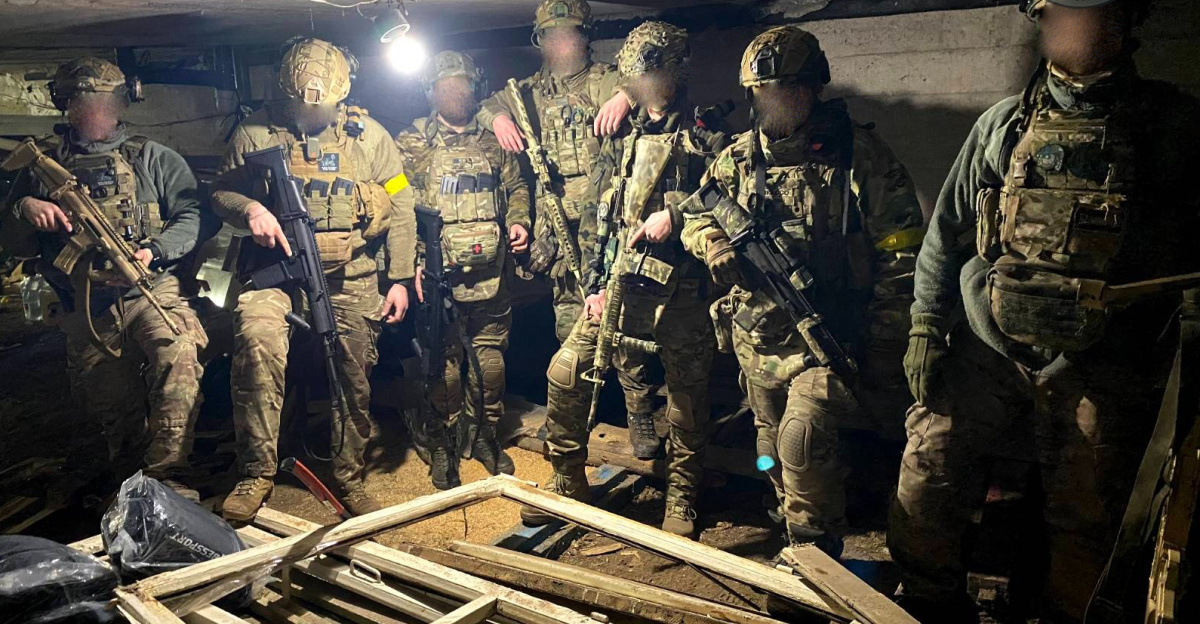
The operation was described as “quiet,” meaning it relied on stealth, surprise, and close-quarters precision rather than heavy artillery or air strikes. Ukrainian SSO units specialize in night maneuvers, covert infiltration, and rapid extraction under contested conditions.
These techniques allow them to neutralize enemy positions in sensitive zones while limiting exposure and detection by nearby forces. The mission reflects ongoing refinement of special-operations tactics as Ukraine adapts to a battlefield saturated with drones and electronic surveillance.
Immediate Battlefield Impact: Positions Cleared and Lines Stabilized
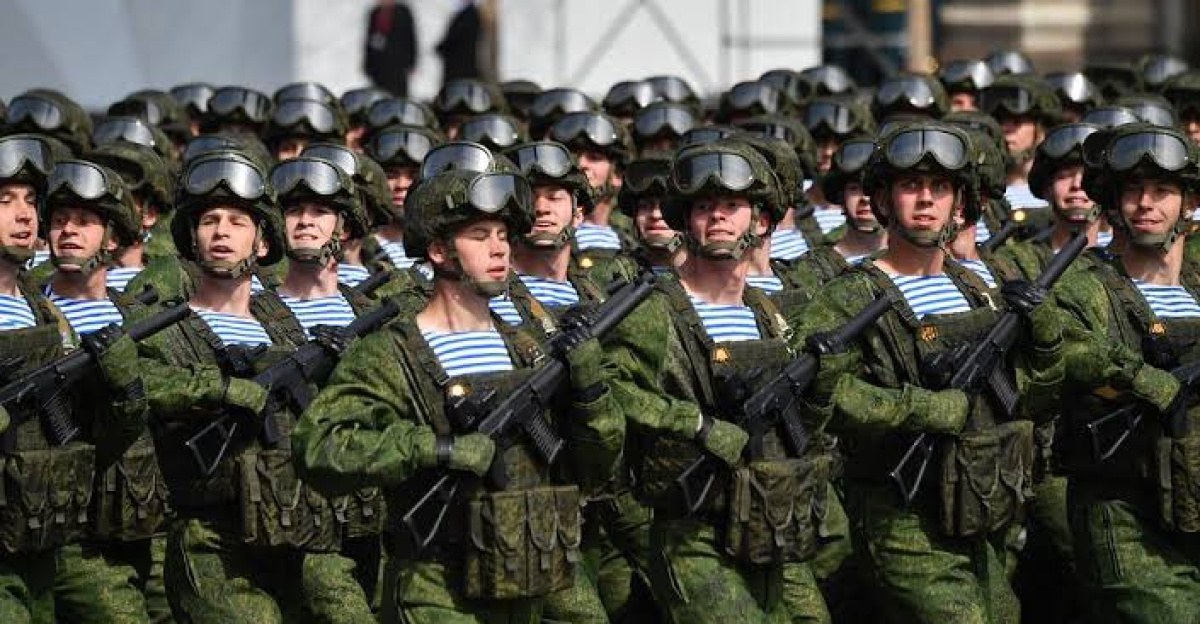
By removing Russian troops from fortified forest positions, Ukrainian forces secured a vulnerable segment of the broader Kupiansk defensive area. The cleared zone had been used by Russian units for infiltration attempts toward Ukrainian rear or flanking positions along the Oskil line.
With the forest area neutralized, Ukrainian infantry in adjacent sectors gained short-term breathing room and improved force protection. The success reduced immediate encirclement risks and helped stabilize terrain important for defending approaches to Kupiansk.
Human Victory: Captured Ukrainian Soldier Rescued Alive
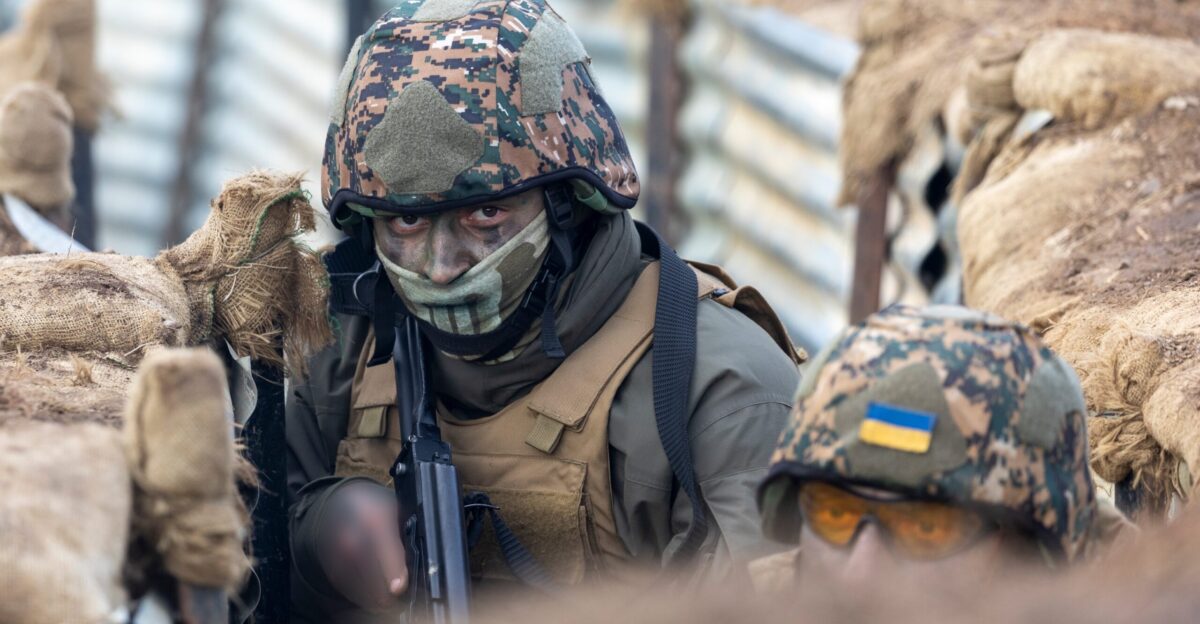
One of the most significant reported outcomes of the operation was the rescue of a Ukrainian soldier who had been captured by Russian forces. During the assault on Russian dugouts, SSO fighters located and freed the detained serviceman.
The recovery of a living prisoner under combat conditions points to substantial intelligence preparation and coordination among assault teams. Such successful rescues remain relatively rare in the current phase of the war.
Kupiansk’s Strategic Importance: A Gateway City Under Constant Threat
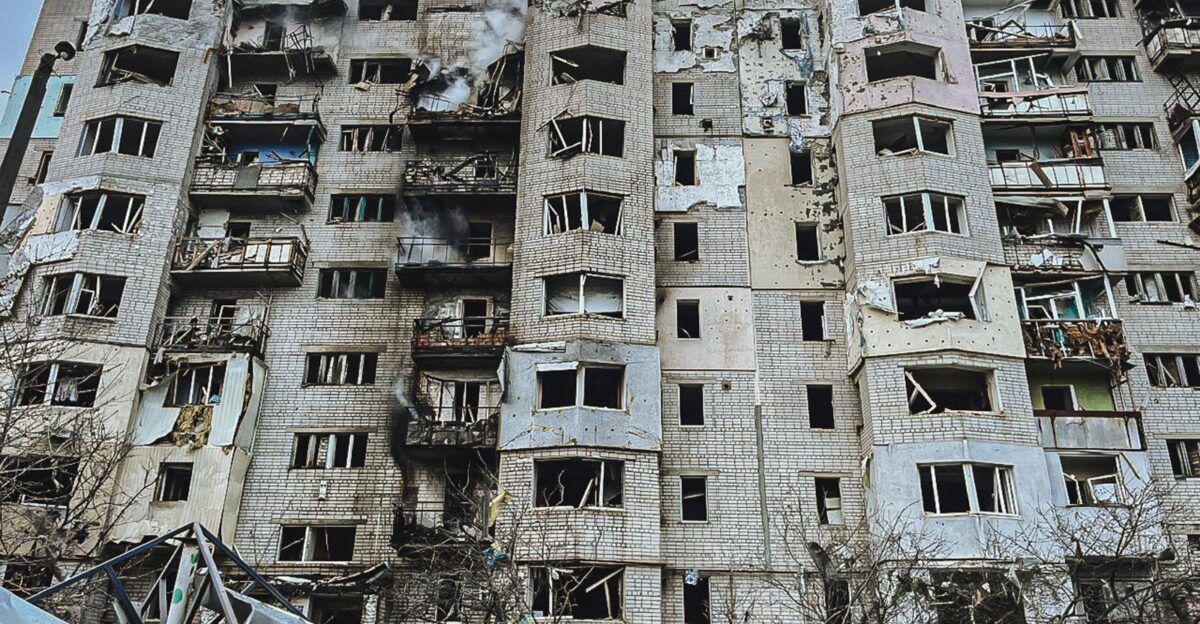
Kupiansk is one of the most strategically important cities in eastern Ukraine due to its rail lines, river crossings, and role as a logistics node. Control of Kupiansk and nearby Kupiansk-Vuzlovyi offers a major logistics hub for operations in northern Luhansk and Kharkiv oblasts.
Ukrainian leadership has repeatedly emphasized the importance of holding and ultimately securing the Kupiansk area as part of broader defense and liberation goals. Ukrainian counteractions in this sector are intended to prevent Russia from regaining momentum around this vital transport hub.
The Unusual September Breakthrough: Russia’s Gas-Pipeline Infiltration
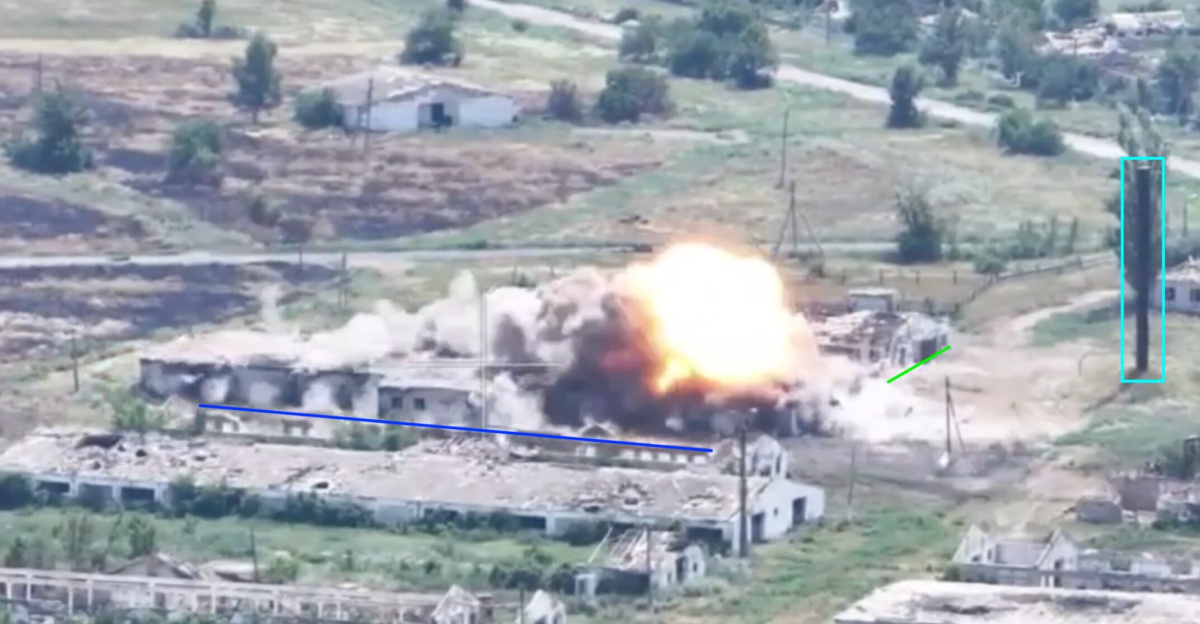
In September, Russian forces attempted an unconventional breakthrough by using underground pipeline infrastructure to infiltrate toward Kupiansk’s outskirts. Ukrainian reports later indicated that this route was detected and rendered unusable, cutting off that specific infiltration path.
Since then, Russian troops have been more reliant on crossing points over the Oskil River, which exposes them to Ukrainian observation and fire. These developments have influenced the current dynamics around Kupiansk and the river line.
Ongoing Counterattacks: Preventing Russian Entrenchment
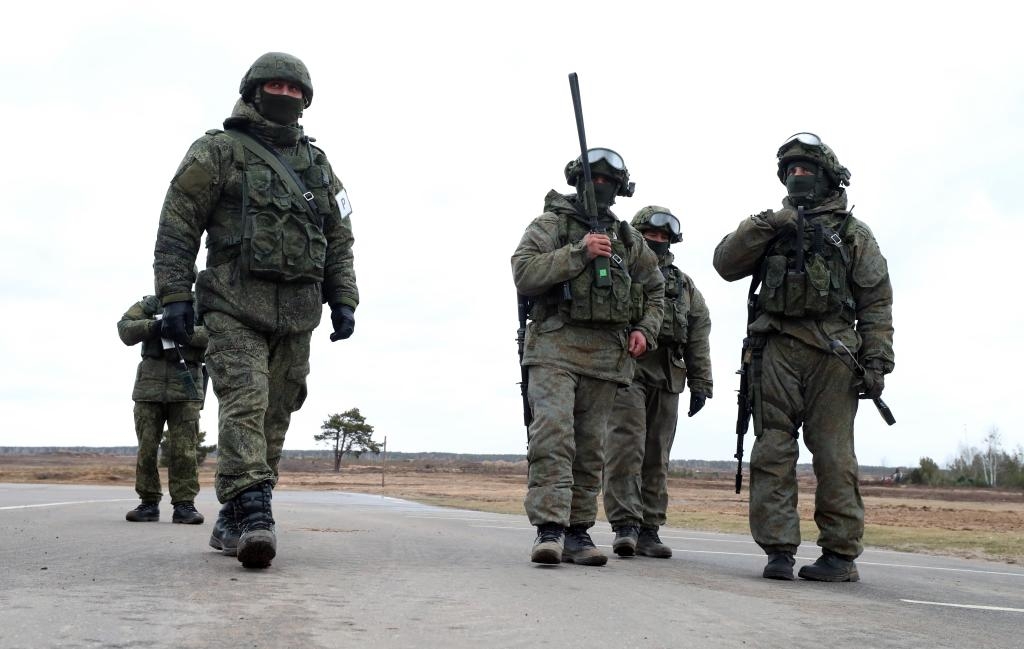
Following the pipeline infiltration attempt, Ukrainian forces shifted to sustained counterattacks and counter-sabotage operations to deny Russia time to entrench. The latest SSO forest-clearing operation fits into this defensive-offensive pattern.
Military officials note that Ukrainian units strive to strike Russian concentrations before they can build hardened, long-term positions. This approach is intended to prevent the front from solidifying into deep trench systems and to preserve Ukrainian maneuver options near Kupiansk.
The Role of SSO: Ukraine’s Most Elite and Secretive Formation
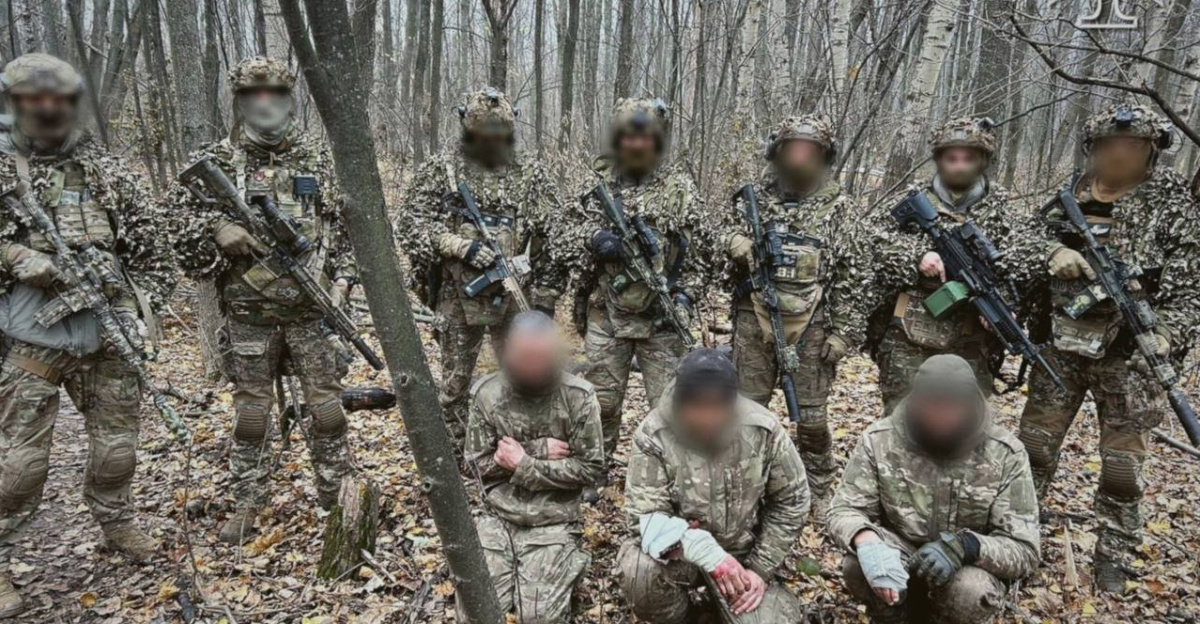
The Special Operations Forces of Ukraine constitute one of the most elite branches of the Armed Forces, tasked with reconnaissance, sabotage, high-value targeting, and precision assaults behind enemy lines. Their missions are typically high-risk and classified, with limited public detail released.
The Kupiansk-area operation highlights core strengths of SSO units: secrecy, speed, and disproportionate impact with relatively small forces. These formations increasingly serve as a focused response to Russia’s numerical and artillery advantages.
Tactical Signal: Precision Beats Mass in Modern Warfare
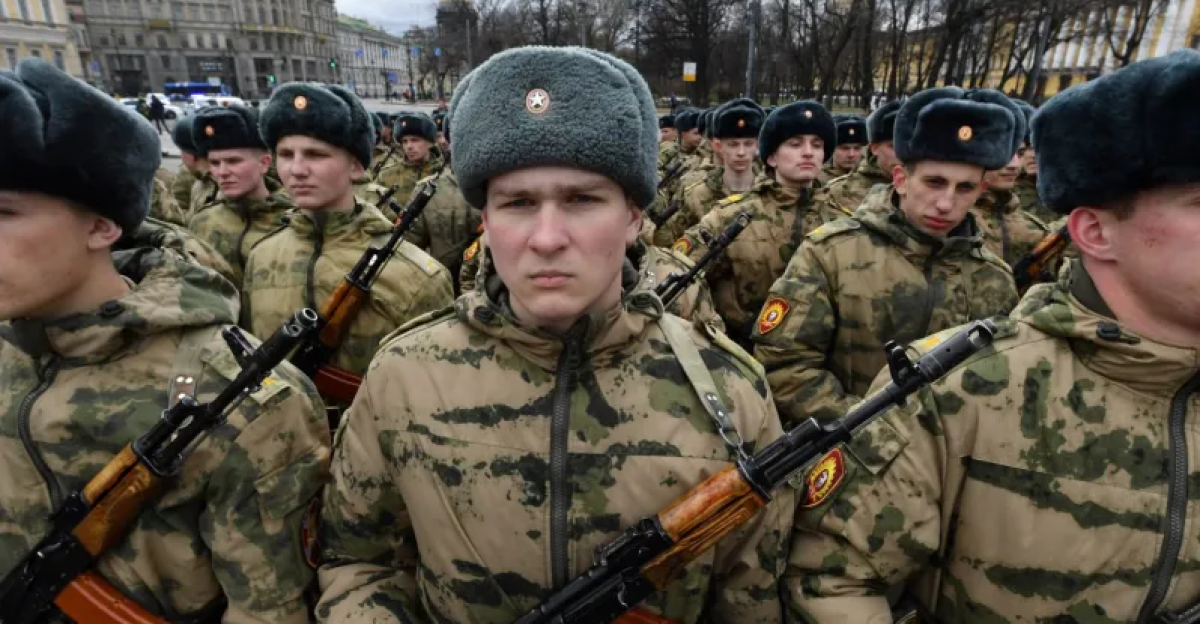
The forest operation reinforces a broader battlefield lesson: precision tactics can outperform massed infantry assaults when supported by good intelligence. While Russian forces often rely on large-scale manpower and attritional pressure, Ukraine increasingly emphasizes pinpoint use of force at key moments. Neutralizing enemy positions without reported losses helps preserve Ukraine’s limited manpower while still achieving operational effects. This model of concentrated, intelligence-driven strikes is shaping Ukraine’s defensive doctrine across the eastern front.
Psychological Effect on the Front Line
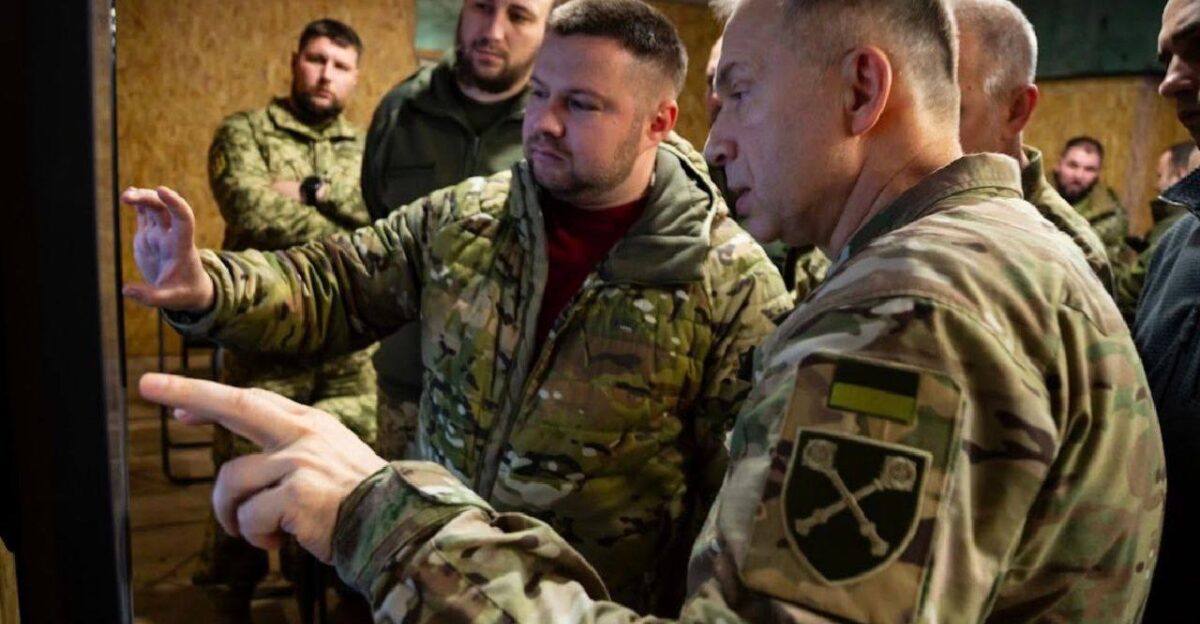
Beyond terrain and casualty figures, such operations have a notable psychological impact. Russian troops operating in forested or contested zones face the risk of sudden, low-signature strikes by Ukrainian special forces.
For Ukrainian soldiers, successful elite operations and effective coordination reinforce confidence in their own capabilities and command structures. After years of large-scale conflict, actions with minimal friendly losses can provide a rare but important morale boost.
Russia’s Broader Pressure Campaign in Northern Kharkiv Oblast

The Kupiansk sector forms part of Russia’s wider effort to stretch Ukrainian defenses across northern Kharkiv Oblast. Russian forces continue probing Ukrainian lines with assaults supported by drones and artillery fire.
However, Ukrainian commanders report that Russian gains in this direction have been incremental and costly. The SSO strike illustrates Ukraine’s ability to disrupt Russian pressure at key moments, limiting sustained forward momentum despite Russian manpower reserves.
Civilian Dimension: Kupiansk’s Population in the Crossfire
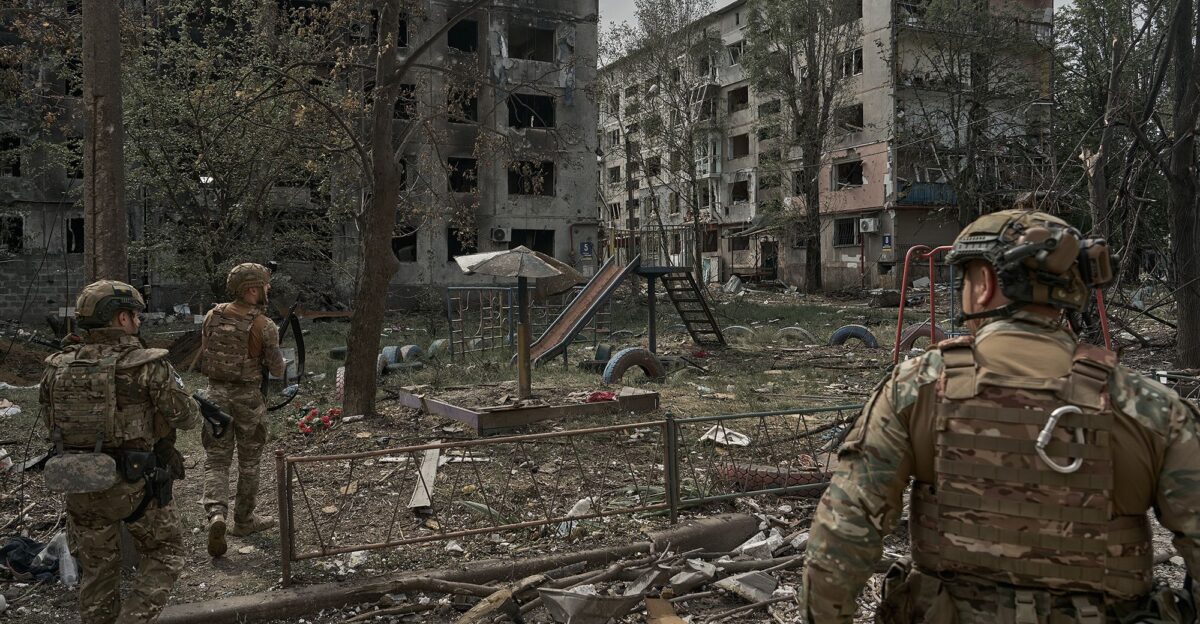
Civilians in and around Kupiansk remain under frequent threat from shelling, drone attacks, and shifting front lines. Many residents have evacuated, while those remaining increasingly rely on humanitarian assistance and evacuation support.
Each new Russian attempt to advance raises the risk of fighting approaching or entering urban areas. Ukrainian counteroperations aim not only to maintain militarily defensible lines but also to reduce the likelihood of large-scale urban destruction in cities like Kupiansk.
Command Intent: Zelenskyy’s Liberation Pledge

President Volodymyr Zelenskyy has publicly reaffirmed Ukraine’s intent to liberate occupied territory and prevent further Russian advances in key sectors such as Kupiansk. This political objective adds strategic weight to local operations undertaken by Ukrainian forces in the area. The SSO success near Kupiansk aligns with this broader national goal, indicating Ukraine is not merely absorbing blows but actively shaping the battlefield. Such actions help create more favorable conditions for eventual larger-scale operations.
Russian Adaptation: Forced River Crossings Under Fire
With some infiltration routes disrupted, Russian units have increasingly relied on exposed crossings over the Oskil River. These crossings are vulnerable to Ukrainian drones, artillery, and precision strikes, complicating Russian logistics and troop movements.
The shift has increased Russian logistical strain in the sector and raised the risk associated with each resupply or reinforcement attempt. This reinforces the defensive value of Ukraine’s counter-infiltration and interdiction operations along the Oskil line.
Sources:
Ukraine war latest: Russian forces attempt to push Ukrainian army from eastern bank of Oskil River in Kharkiv Oblast, military says (24 November 2025)
SOF destroys enemy sabotage groups in Donetsk region(24 November 2025)
MEAT GRINDER NEAR POKROVSK AND KUPIANSK: Ukrainian army…(26 November 2025)
Ukraine Military Situation Report | November 26 (26 November 2025)
Russo-Ukrainian war, day 1370: Ukrainian forces capture entire Russian platoon through strategic bluff on Pokrovsk front (25 November 2025)