
On June 1, 2025, a landmark event dramatically altered the dynamics of the ongoing conflict between Ukraine and Russia. In a precedent-setting move, Ukraine launched Operation Spiderweb, deploying 117 drones simultaneously against five strategic bomber bases located across Russia.
This ambitious strike destroyed 13 bombers, crippling Russia’s long-range bombing capabilities and costing an estimated $7 billion. The tactical innovation showcased by the operation reverberated around military circles, marking a significant shift in the balance of power. The repercussions of this operation extend beyond immediate financial loss, influencing strategic military planning on both sides.
The Targeted Assets
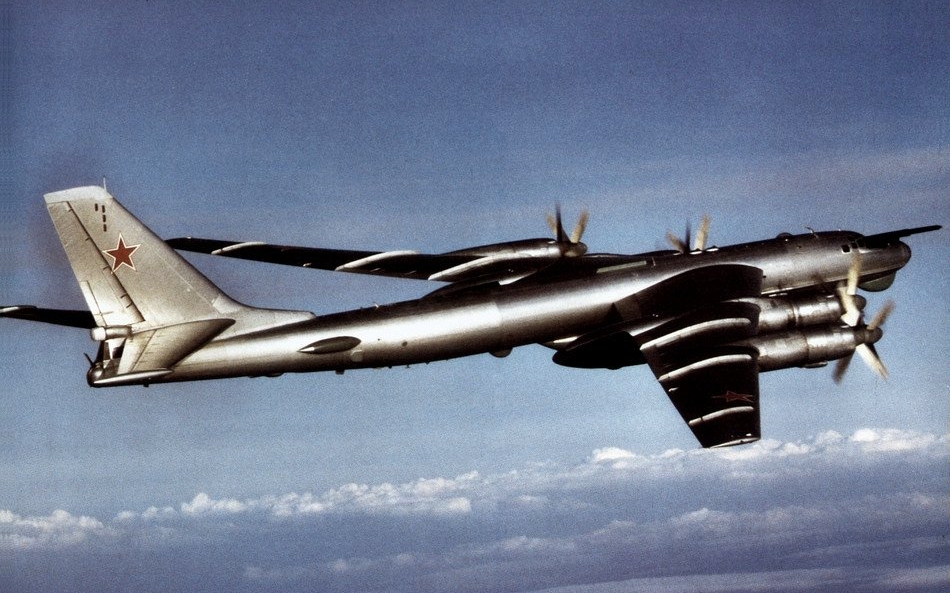
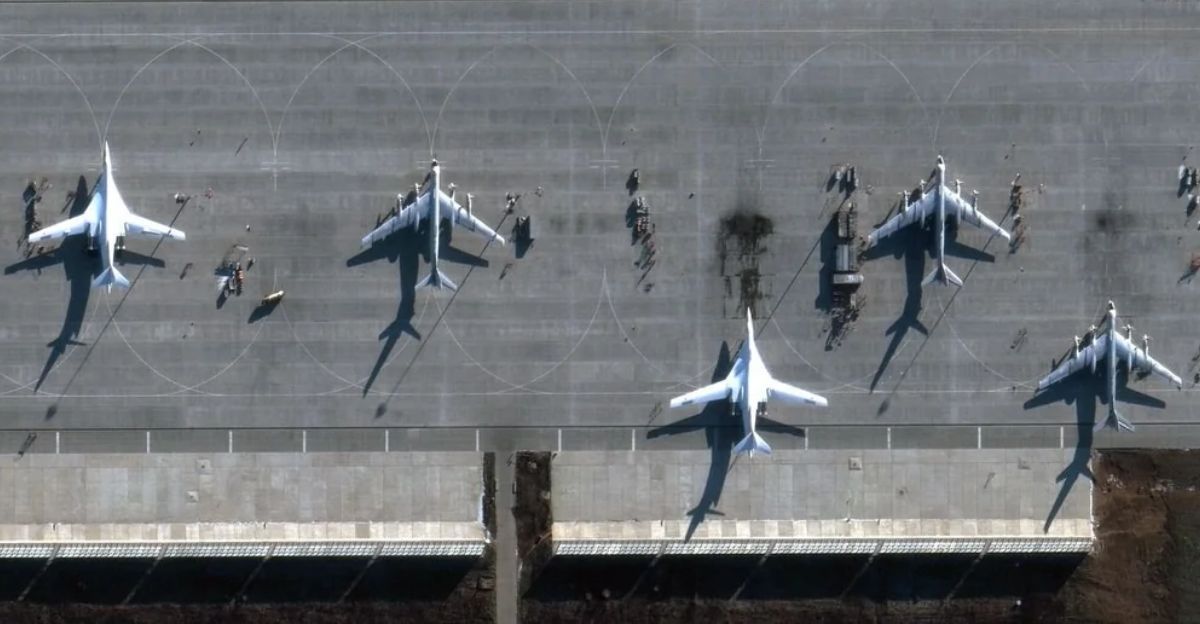
At the core of Russia’s military power lies its strategic air fleet, particularly the aging Tu-95 and Tu-22M3 bombers. Each Tu-95 can carry up to eight Kh-101 cruise missiles, making them a formidable threat to Ukrainian cities. As reports noted, these bombers were upgraded with a $270 million investment just three months before the operation.
The loss of these bombers is not purely monetary; each aircraft represents a critical capability that Russia cannot easily replace, placing Ukrainian civilians at ongoing risk. Russian military strategists are now compelled to reassess their operational security and air dominance in light of this significant setback.
Extensive Preparations
Operation Spiderweb was not a spur-of-the-moment decision. For 18 months, meticulous planning unfolded under the direction of President Volodymyr Zelensky and SBU chief Vasyl Malyuk. During this time, Ukrainian operatives successfully devised a covert strategy to infiltrate Russian territory with drones.
The operation required a network of logistics capable of smuggling 117 drone units and associated equipment across thousands of kilometers of enemy defenses. It demonstrated not only military ingenuity but also a deep commitment to diminishing the existential threat posed by Russia’s bomber fleet. Analysts are still assessing the implications of Ukraine’s strategic foresight.
The Drone Concealment Strategy
The drones used in Operation Spiderweb had an ingenious concealment method. Ukrainian operatives cleverly disguised them inside wooden cabins mounted on ordinary cargo trucks, which traveled daily through Russia. The drones were dismantled and hidden alongside remote-opening mechanisms within these mobile units.
Positioned strategically at gas stations and rest stops near targeted airbases, these setups evaded Russia’s sophisticated air defense systems. This infiltration technique showcased Ukraine’s capability to outmaneuver traditional military logistics, placing them within striking distance of some of Russia’s most fortified military assets. The Ukrainian command executed this plan flawlessly.
The Spiderweb Unfolds
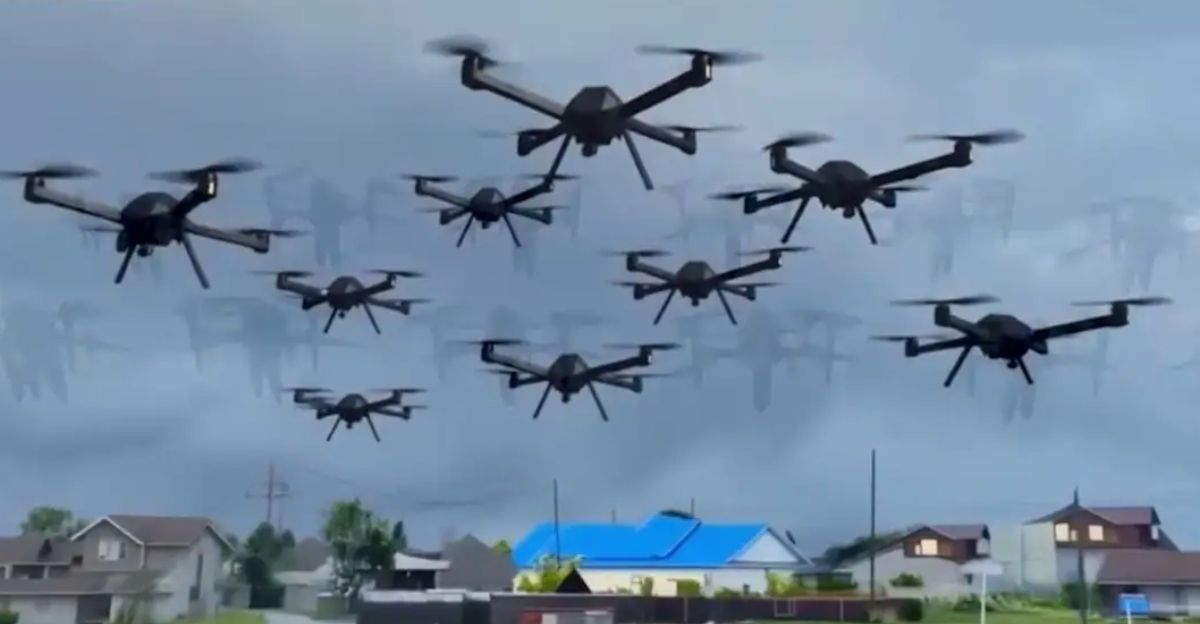
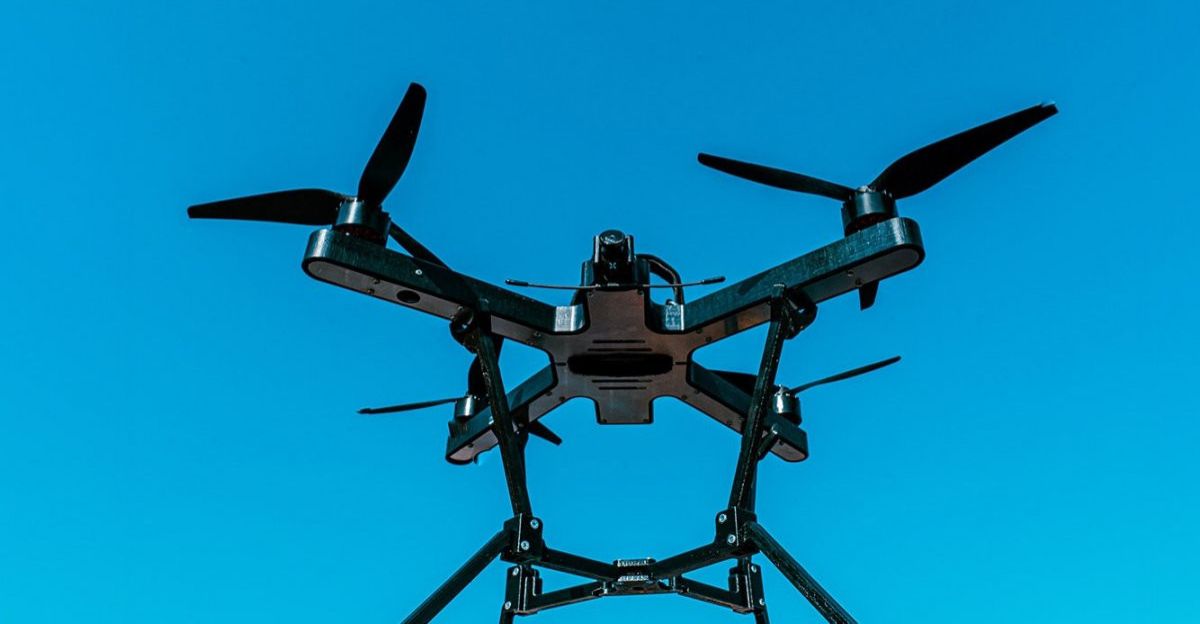
At dawn on June 1, 2025, the wooden cabins opened remotely, launching over 100 drones from various Russian Air Force bases, including Olenya and Belaya. Each drone, invisibly piloted from Ukraine, navigated using dead-reckoning techniques to strike pre-programmed targets. The operators maintained real-time control via local mobile networks.
As the drones targeted vulnerable points, such as fuel tanks, exposed wings, and cockpits, video footage captured the moment one drone aligned itself with a Tu-95’s wing near a fuel tank. The operation redefined long-range assaults, using $10,000 drones against $45 million bombers. The rippling impact of this strike sent shockwaves through military analysis worldwide.
The Impact at Olenya
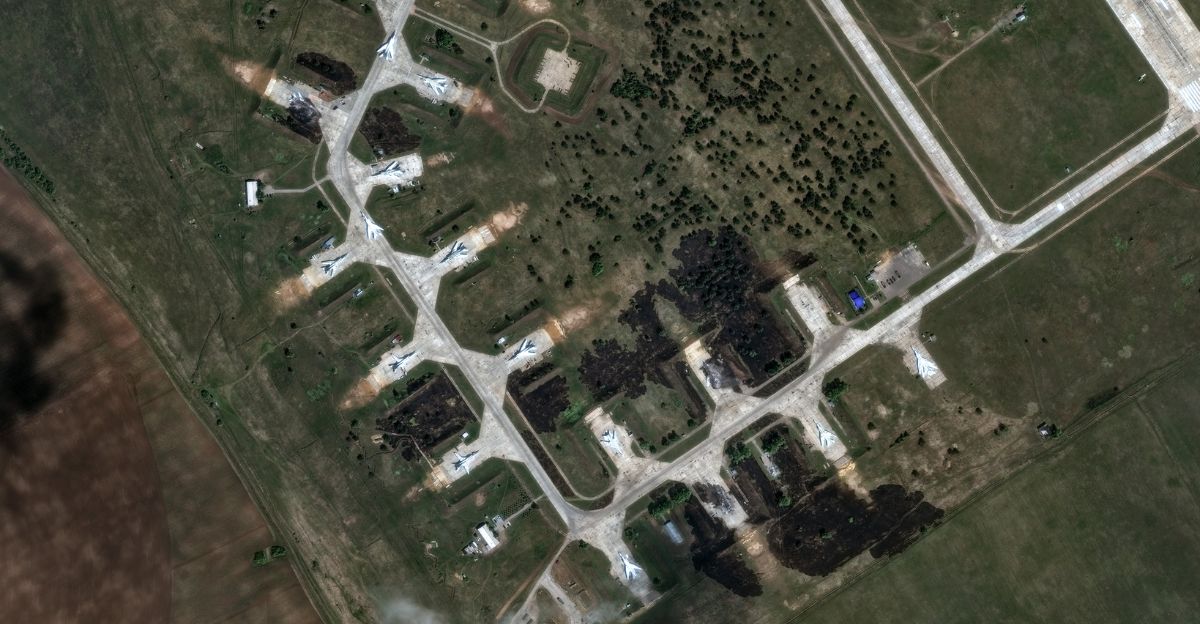
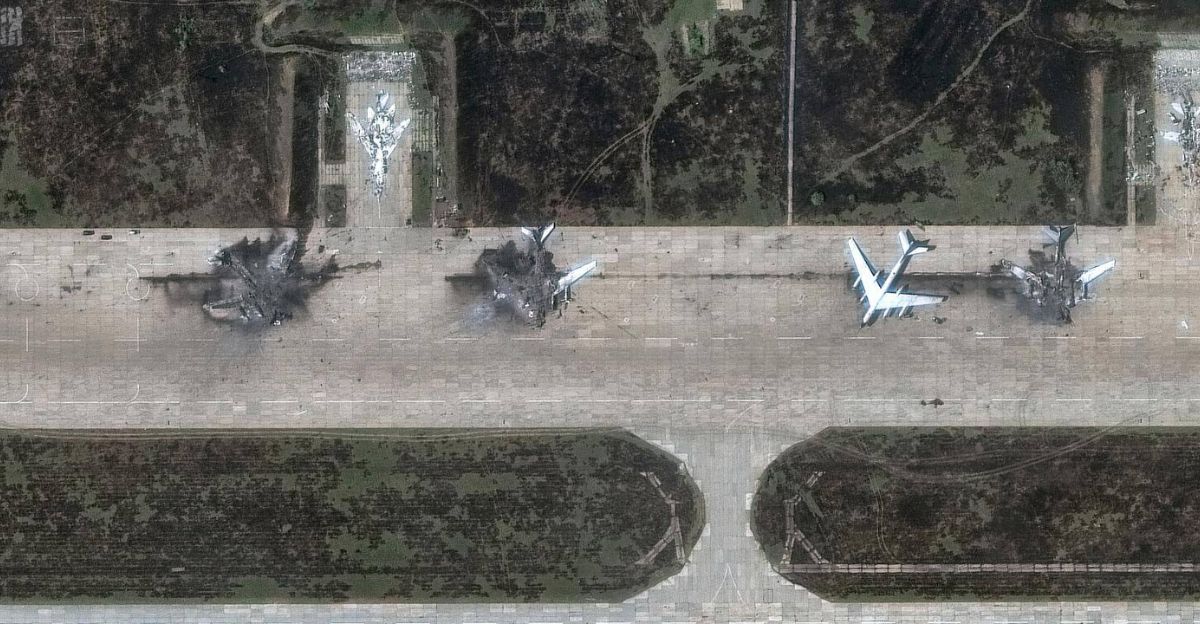
The Olenya Air Base in Murmansk Oblast faced the brunt of the drone assault, suffering significant destruction. Satellite imagery confirmed that at least four Tu-95 bombers and one An-12 transport aircraft were destroyed in the attack. Witnesses reported multiple explosions, with residents describing the sound of ten distinct blasts and continuous fires burning in the aftermath.
Such damage underscored the operational vulnerability of Russian airbases, which were previously thought to be impregnable. The scale of loss at Olenya not only diminished Russia’s air power but also served as a potent psychological blow against its capacity to wage long-range aerial warfare.
Expert Analysis on the Implications
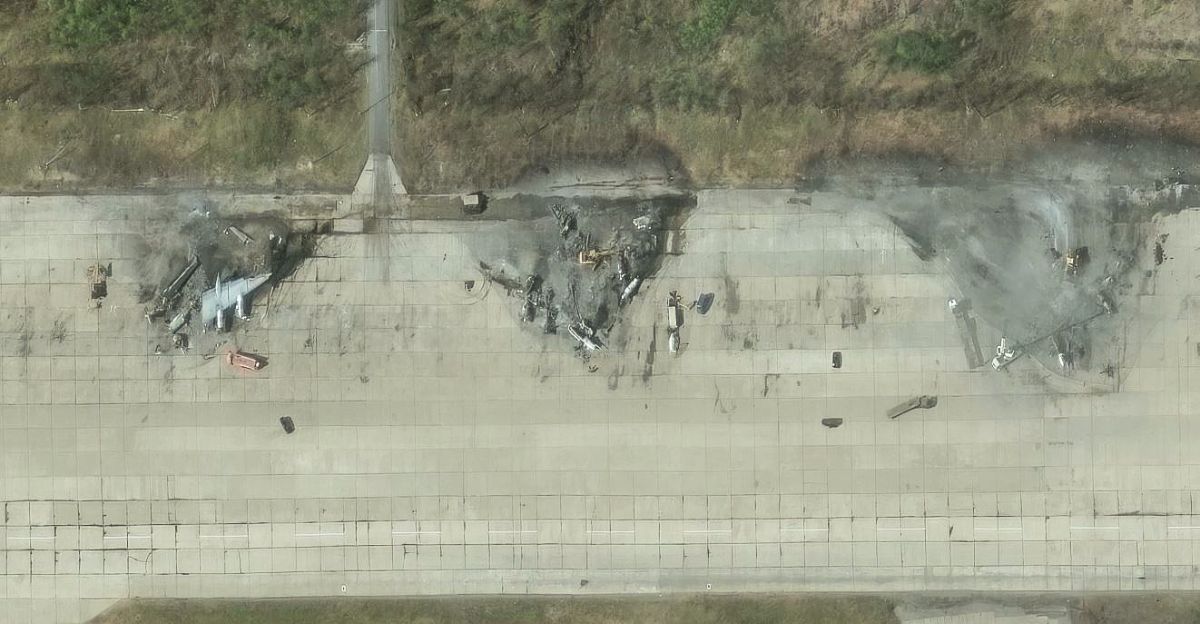
Military experts are scrutinizing the operational tactics employed during the Spiderweb operation. The strike’s success has prompted a reevaluation of air defense strategies among Russian forces. With Ukraine demonstrating the ability to execute long-range strikes deep within Russian borders, the equation has changed.
The loss of bombers, particularly ones as irreplaceable as the Tu-95s, represents a critical turning point, demanding a strategic pivot in Russia’s military posture. Analysts emphasize that this event will significantly impact global air warfare strategies. The War Zone, Defense Blog
Civilian Impact and Perspectives
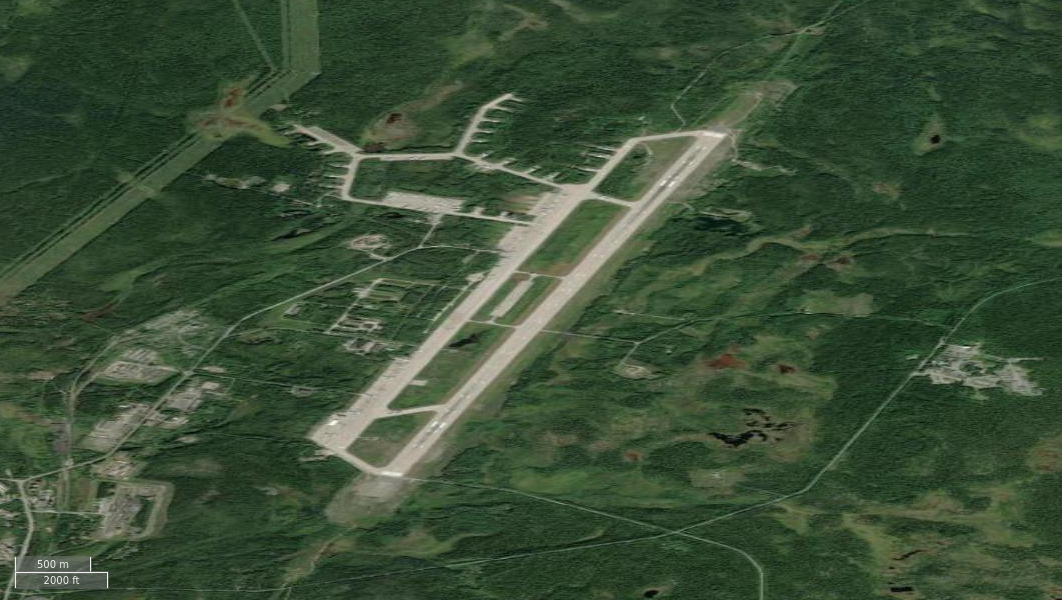
The repercussions of the operation extend beyond military circles, affecting civilians caught in the conflict. Accounts from residents near affected airbases describe the emotional toll the conflict inflicts on everyday lives. This transformative event raises questions about the broader implications of warfare and the safety of civilians in modern conflicts.
As Ukraine defends its territory, the consequences of military actions will resonate throughout civilian populations, pushing the discourse on war ethics. The human dimension of this military operation cannot be overlooked in assessing its broader impact.
Russia’s Response
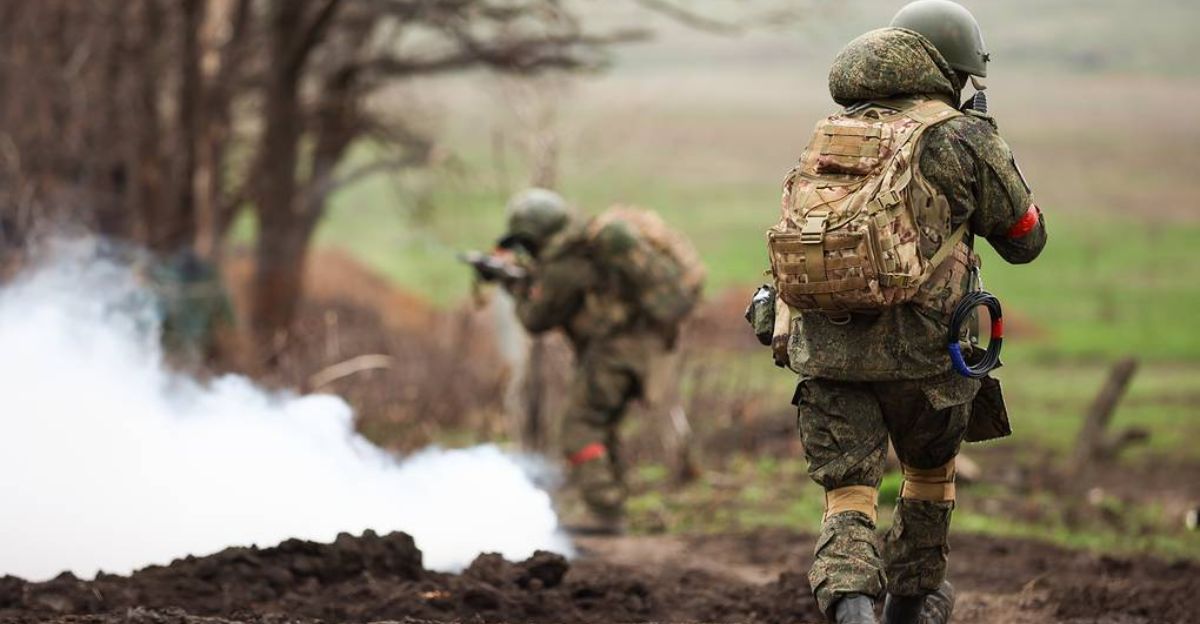
In the wake of the drone strikes, Russia’s military leadership declared retaliatory measures, executing airstrikes against Ukrainian positions. The loss of strategic bombers has strained Russia’s operational capabilities, provoking a cycle of escalation.
The ongoing retaliation signals a deepening conflict, wherein both sides must navigate the perilous terrain of counteraction and defense. This situation not only amplifies military tension but could also risk broader geopolitical instability within the region. Russia’s response underscores the severity of the blow inflicted by Operation Spiderweb.
The Cost Assessment
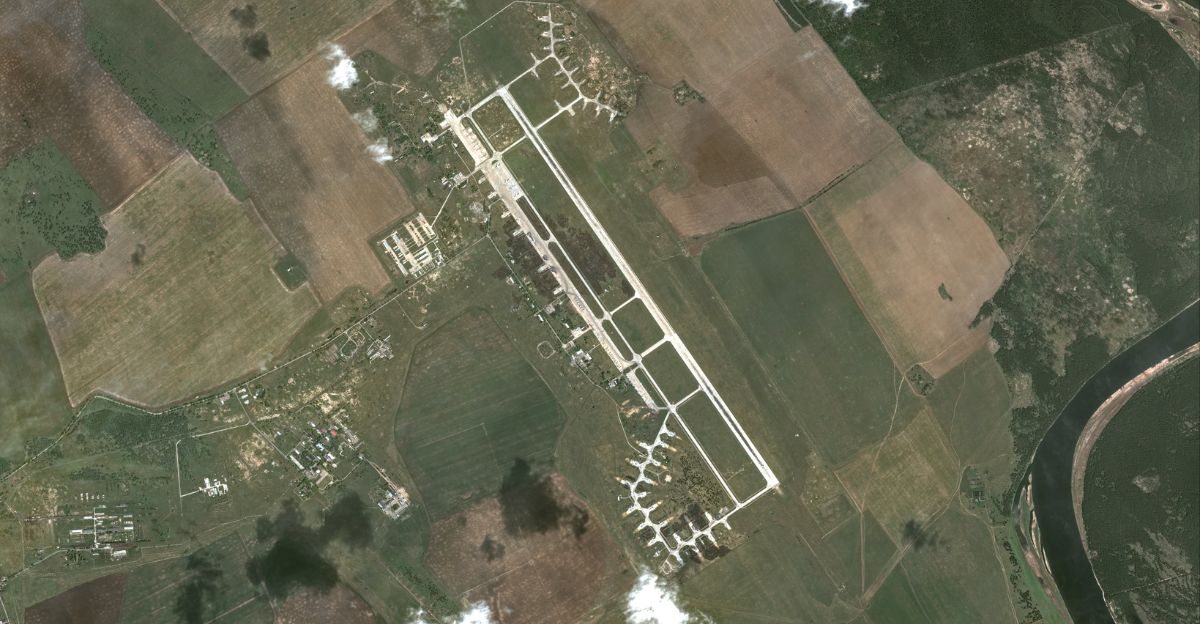
Following the successful execution of Operation Spiderweb, military analysts presented an assessment of Russia’s losses, which exceeded $7 billion. The financial toll represents not just the aircraft itself, but also the operational capabilities that those bombers once provided.
Each Tu-95, a relic of Soviet aviation, cannot be easily replaced, as Russian manufacturing lacks the capacity to create new units. With a reduced fleet, military strategies will require an overhaul, limiting Russia’s options in future engagements. This situation puts additional strain on Russian military resources, compelling them to reconsider their long-term strategic outlook in the war against Ukraine.
Strategic Repercussions on Warfare
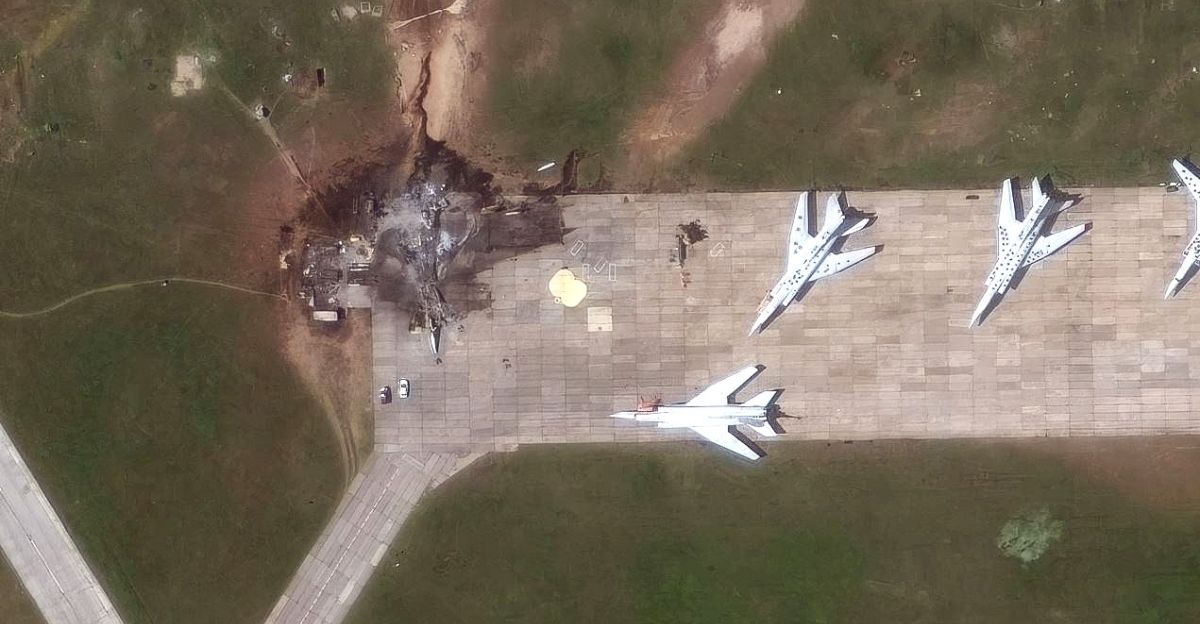
The execution of Operation Spiderweb marks a seismic shift in the conduct of modern warfare. Analysts argue this event will lead to new doctrines focusing on asymmetrical warfare, where smaller forces leverage tactical ingenuity to level the playing field against conventional armies.
The incorporation of civilian elements in military operations may redefine engagement rules. As military experts outline, the implications of Spiderweb might resonate beyond Ukraine, influencing how nations view unmanned systems and remote warfare. This shift compels forces to rethink their operational doctrines in a rapidly evolving defense landscape.
Future of Ukraine’s Military Operations
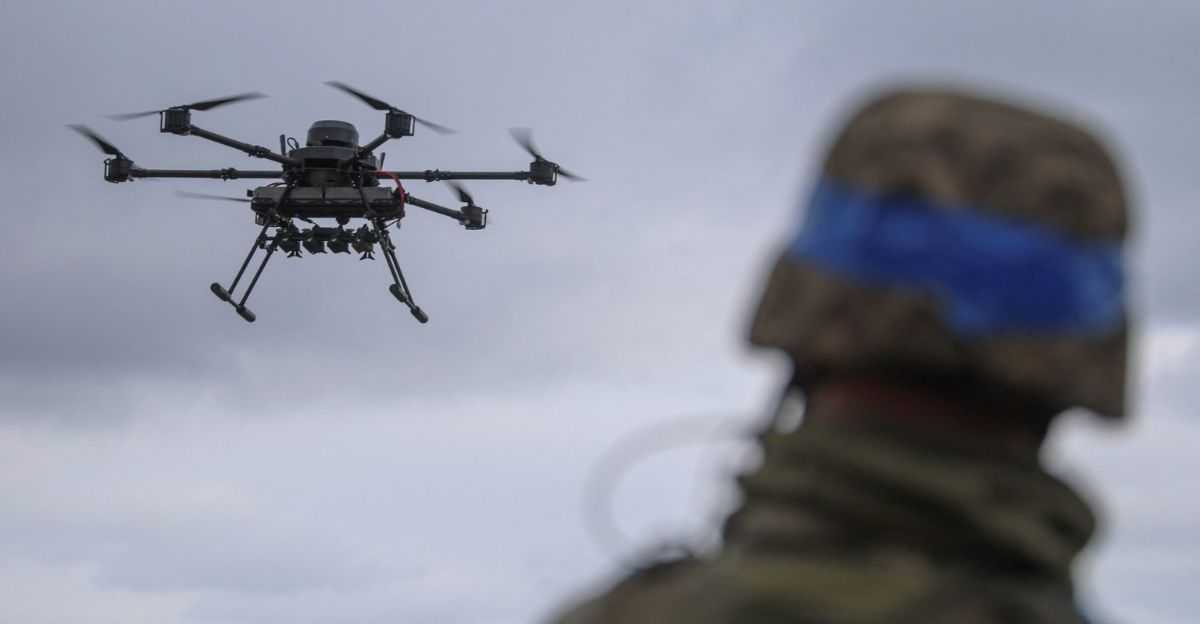
With the successful strike’s validation, Ukraine is likely to adopt more advanced drone technologies and operational strategies. The demonstration of tactical precision could inspire further innovations aimed at weakening enemy infrastructure while maintaining a strategic advantage.
Ukrainian military leaders are already considering enhanced unmanned systems capable of executing more complex missions. The resolve and innovation shown during the operation signal a determined military posture moving forward. Spiderweb provides a blueprint for leveraging asymmetric capabilities against superior conventional forces.
International Reactions

The global community has responded with a mix of admiration and concern over Operation Spiderweb. Western allies expressed support for Ukraine while bolstering their own defense postures. NATO officials remarked on the potential of drone warfare, highlighting the need to prepare for similar asymmetric threats in their regions.
Moreover, the strategic success has rekindled debates over arms supplies to Ukraine, with many arguing that increased funding and resources will bolster their defensive capabilities. The overall reaction underscores the pivotal role that public sentiment and international dynamics will play in ongoing and future military conflicts.
Historical Perspective on Air Warfare
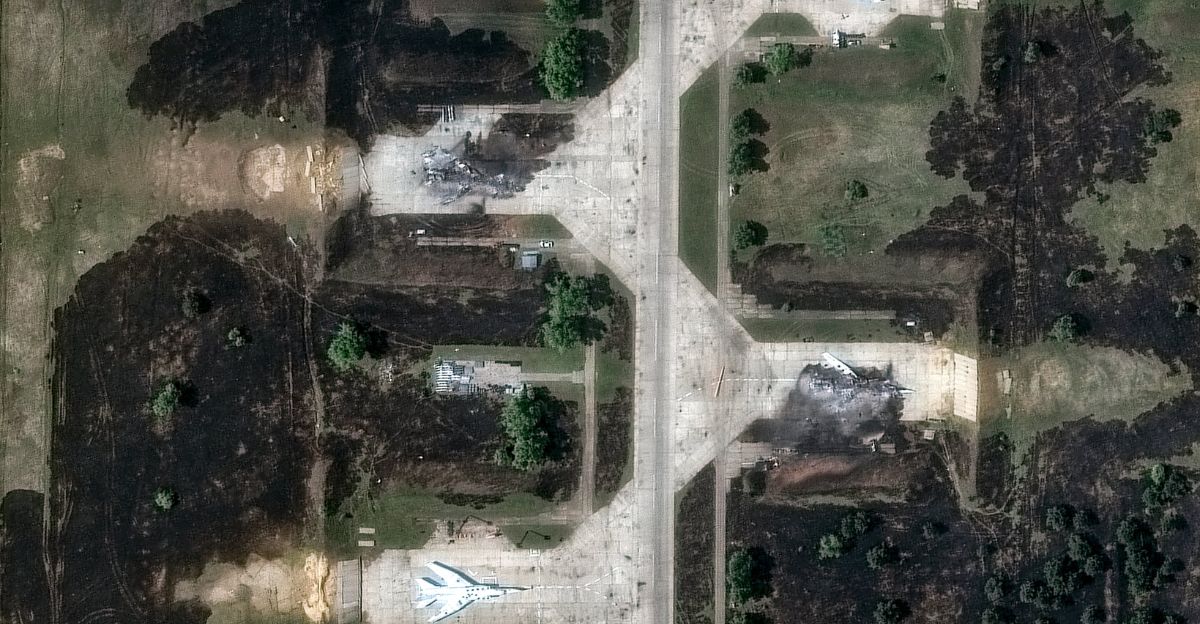
The air operations witnessed during Operation Spiderweb echo historical instances where tactical innovations have shifted the tides of warfare. From the Blitzkrieg tactics of World War II to modern drone deployments, such events compel militaries worldwide to adapt.
This operation marks a pivotal moment in which an underdog leveraged technology and strategic creativity to confront a larger adversary. Military historians will likely analyze Spiderweb for years, considering its implications for future conflicts and the evolution of air combat. The consequences of this engagement inspire a rigorous reevaluation of existing military doctrine across the globe.
A Transformative Moment
Operation Spiderweb signifies more than just a tactical success for Ukraine; it represents a transformative moment in modern military engagement. The intricate planning, execution, and subsequent analysis showcase how smaller military forces can leverage technology to counterbalance greater capabilities. As the conflict evolves, the impacts of this operation will likely shape military strategies for years to come.
Signals of change resonate not only within the region but also throughout global military dialogues, as nations reassess their positions in an era where drone warfare has fundamentally altered engagement paradigms across the board. The legacy of this operation will endure in military academies and strategic planning centers worldwide.
Sources
BBC News – Operation Spiderweb Coverage and Satellite Imagery Analysis
Kyiv Independent – SBU Assessment and Strategic Impact Report
Reuters – Satellite Imagery and Aircraft Loss Documentation
Euromaidanpress – Russian Aircraft Production and Replacement Capabilities Analysis
CSIS – Asymmetric Warfare and Strategic Implications Study
Institute for Study of War – Military Doctrine and Historical Comparison Assessment