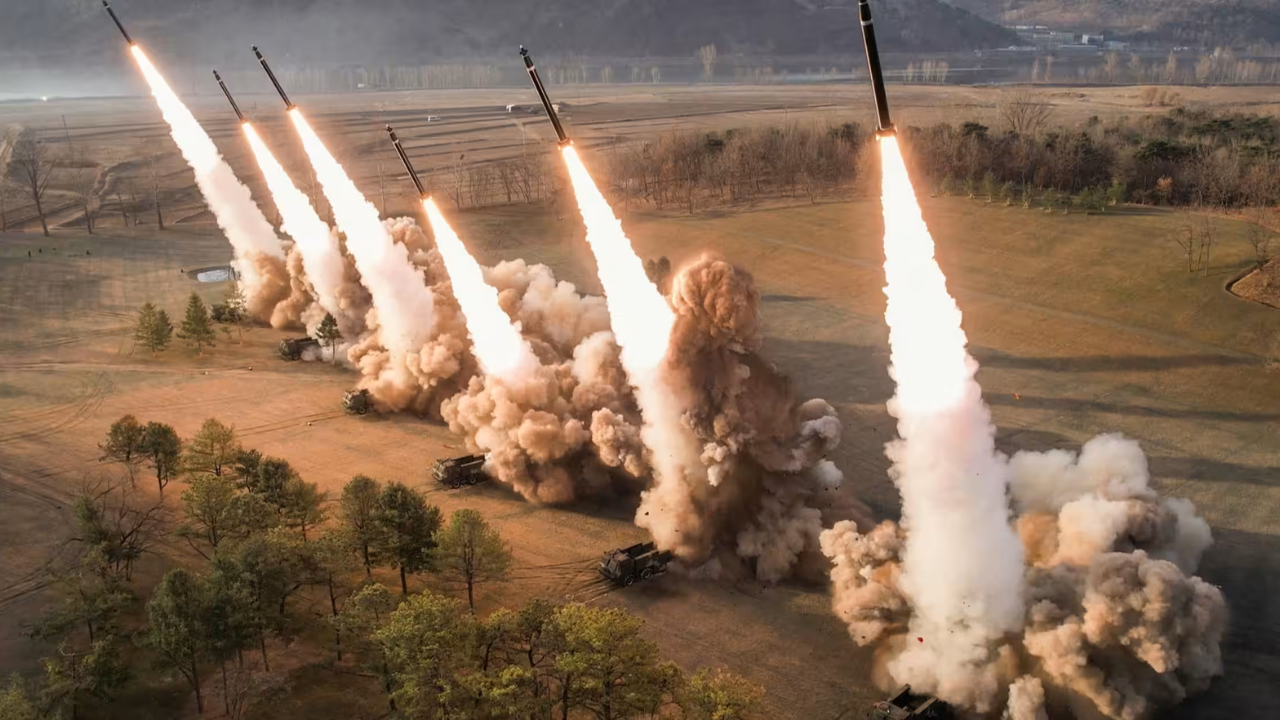
On November 18, 2025, Armed Forces of Ukraine confirmed firing U.S.-supplied ATACMS ballistic missiles at targets inside Russia — a move Kyiv called a “landmark event.”
The strike reflects a major shift: Ukraine is no longer limiting long-range strikes to its own territory but is deploying deep-strike capabilities in Russia. This step signals enhanced Ukrainian resolve and capability.
From Restriction to Release — Overcoming Internal U.S. Controls
For months, the supply and use of ATACMS had been constrained by procedural hurdles: the U.S. Pentagon reportedly maintained a review mechanism that blocked Ukrainian plans to fire deep-strike missiles.
Despite earlier Western approvals to deploy long-range weapons, these internal controls effectively prevented strikes into Russian territory — until now.
The Breakthrough — Authorization Revisited
In late 2024, U.S. policy on Western-supplied weapons shifted, enabling Ukraine to contemplate strikes beyond its borders.
The November 2025 strike confirms that this shift has translated into action — ATACMS has transitioned from a politically sensitive option to an active tool in Kyiv’s arsenal.
Four Missiles Launched — Voronezh Targeted
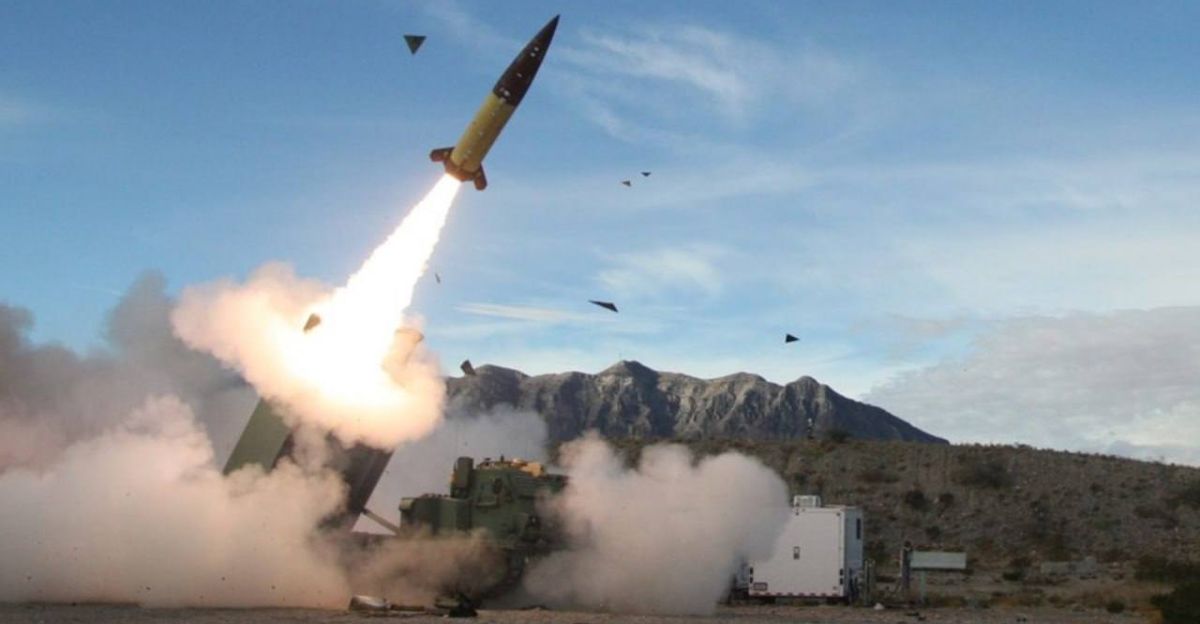
On November 18, Ukraine launched four ATACMS missiles at 14:31 Moscow time, aimed at Russia’s Voronezh region.
Russian authorities later claimed the missiles were intercepted by their S-400 Triumf and Pantsir air defence systems.
Conflicting Claims — Interception or Impact?
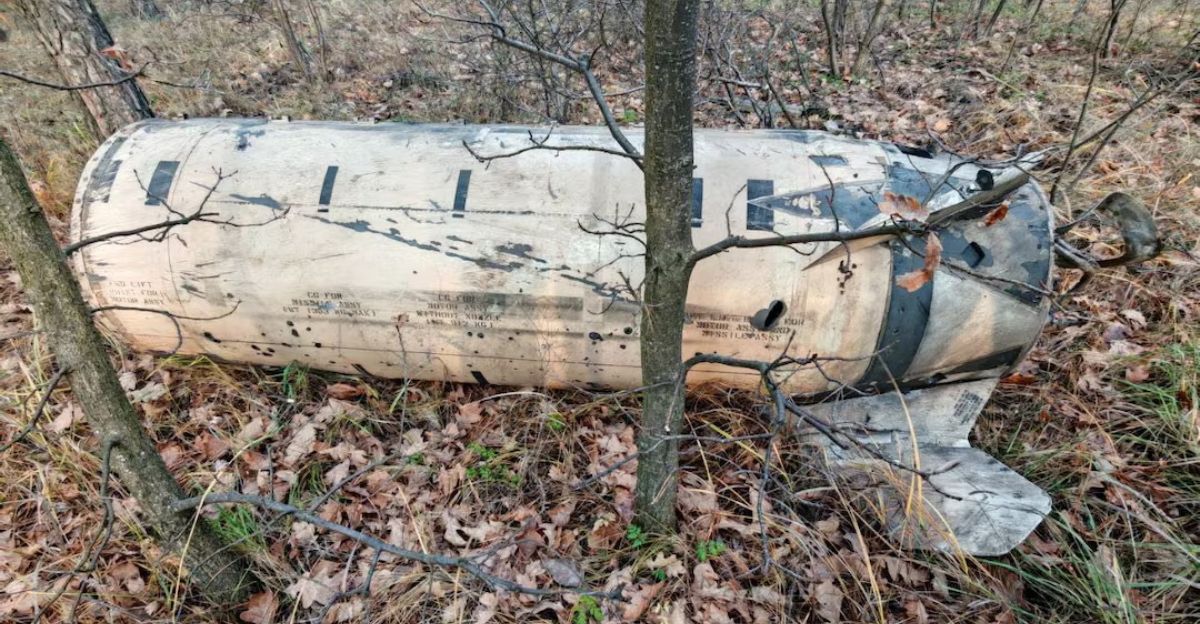
Moscow asserts the four missiles were shot down, but Ukrainian and open-source observers counter with photographic evidence of missile debris in Voronezh.
Kyiv insists the strike hit legitimate military targets — suggesting Russian interception claims may overstate success.
Identified Target — Militarised Sites, Not Civilians
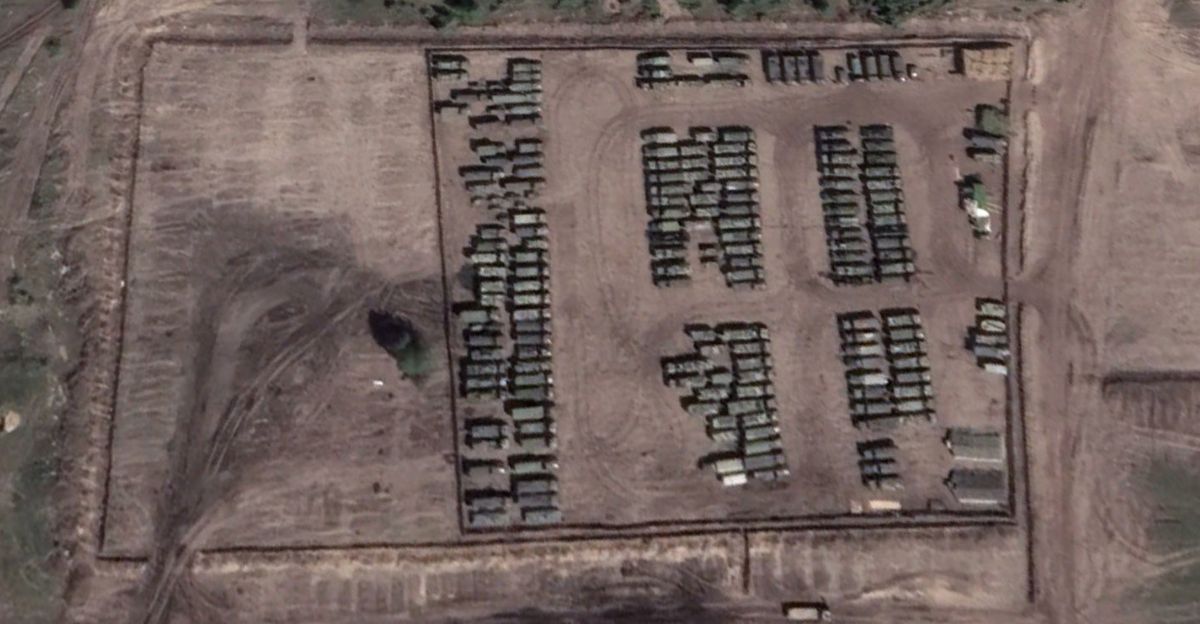
According to Ukrainian reporting, the intended targets included the Pogonovo training ground and a military facility near Voronezh — part of Russia’s rear-area infrastructure, not civilian zones.
Kyiv described the strike as a “precision response” to recent Russian drone and missile attacks.
Revisiting ATACMS — Capabilities & Range
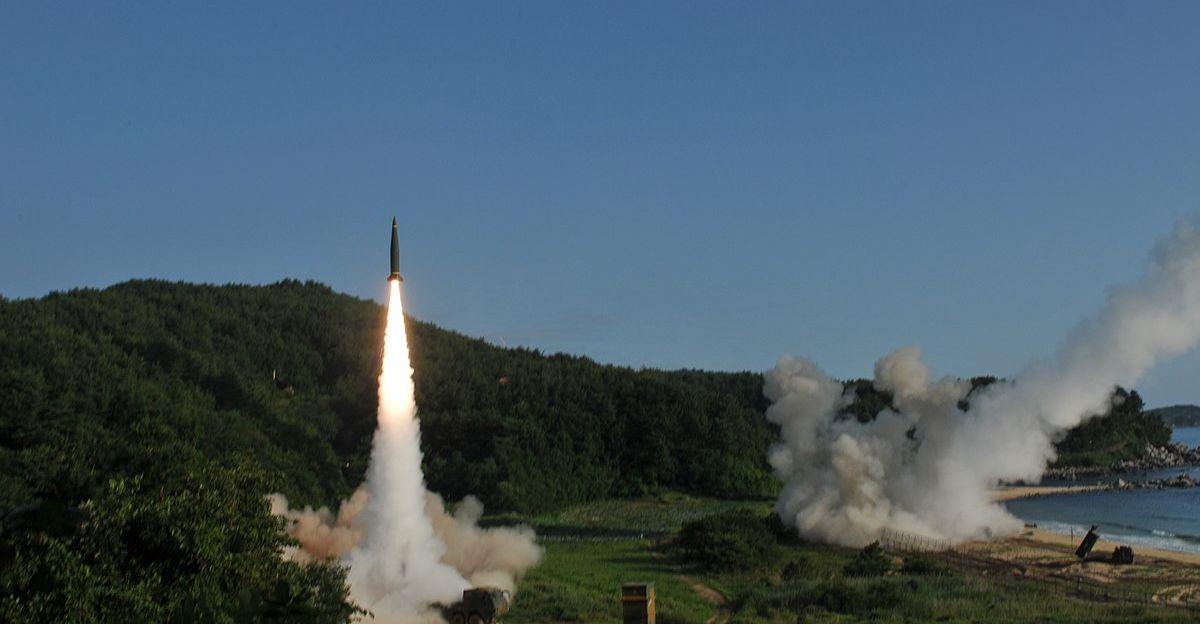
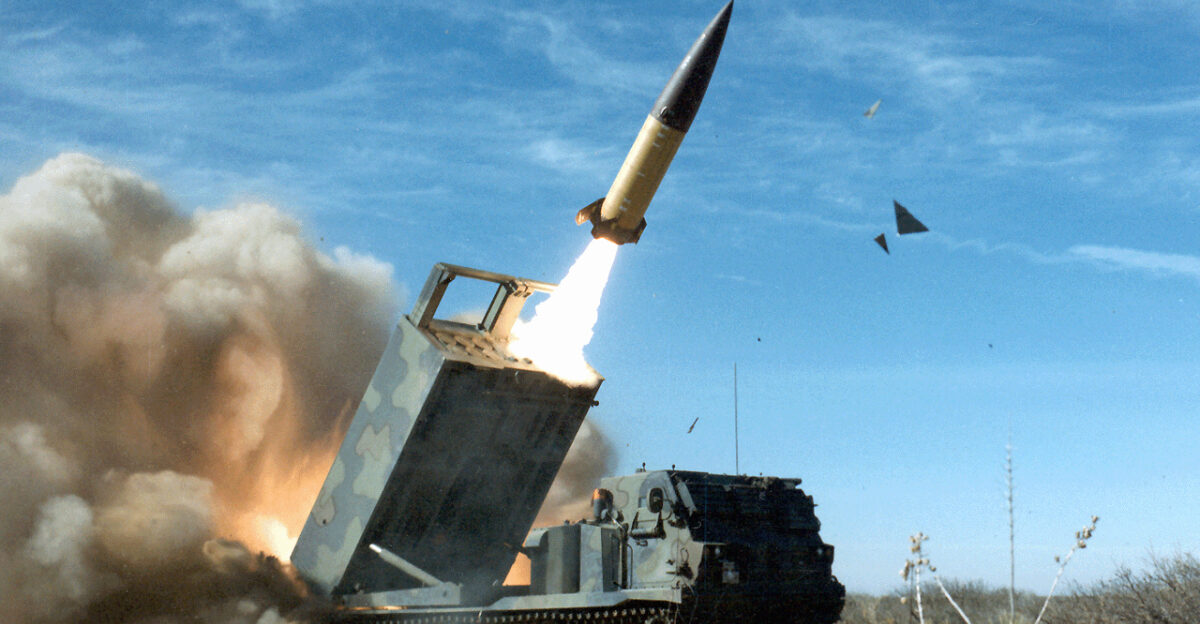
ATACMS is a U.S.-made, surface-to-surface ballistic missile with a maximum range of roughly 300 km — granting Ukraine the ability to strike rear-area Russian military sites from frontline or border positions.
This range makes ATACMS a strategic tool: not just tactical support, but deep-strike capacity that challenges assumptions about safe rear zones.
Challenge to Russian Air Defence — S-400 Under Question
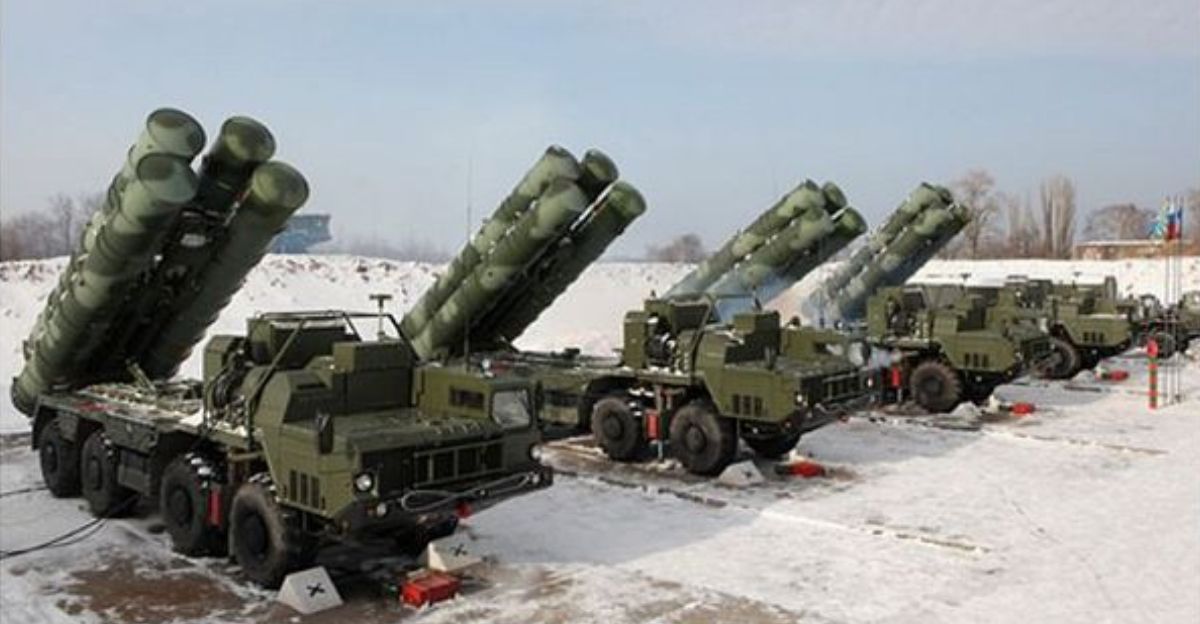
Russia’s S-400 air defence system remains among the most advanced globally. However, even sophisticated systems struggle to guarantee protection when confronted with ballistic missiles like ATACMS — especially if attackers employ saturation or surprise. While Russia claims success in intercepting the November salvo, conflicting evidence raises doubts.
Strategic Consequences — Rear-Area Vulnerability Reopened
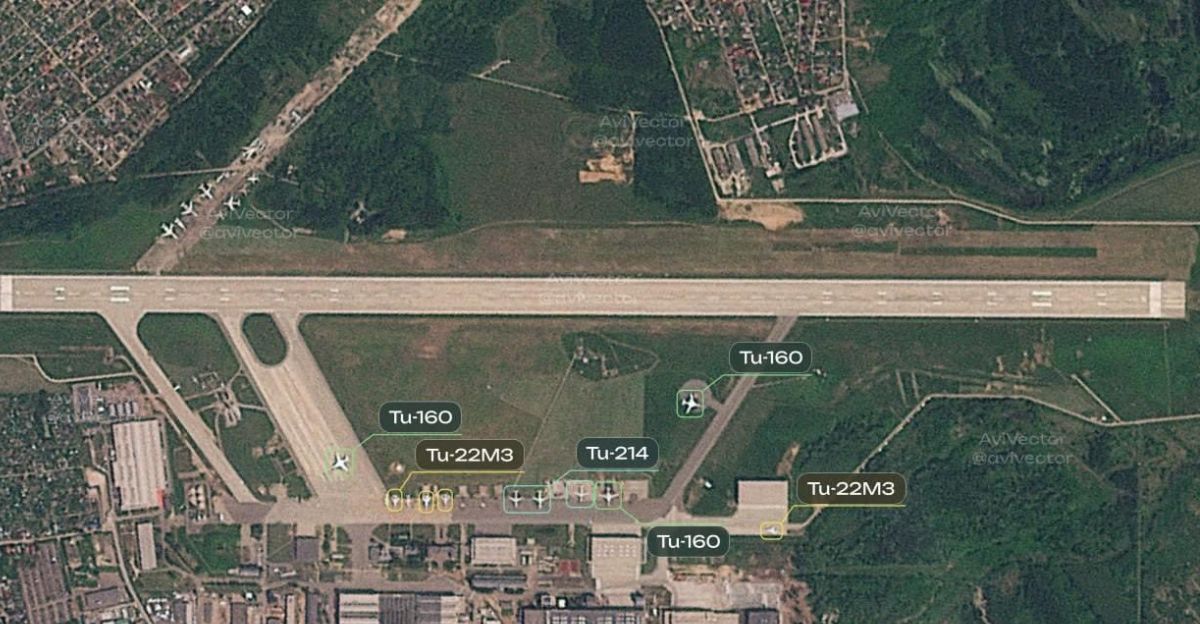
The strike demonstrates that locations once considered safe — training grounds, airfields, logistics hubs — may now lie within reach. This changes Russia’s rear-area calculus: previously hidden infrastructure becomes a potential target. Benefits go beyond a single strike; the threat alone forces Russia to reconsider force deployment and air defence distribution.
Limited Inventory — The Restraint Paradox
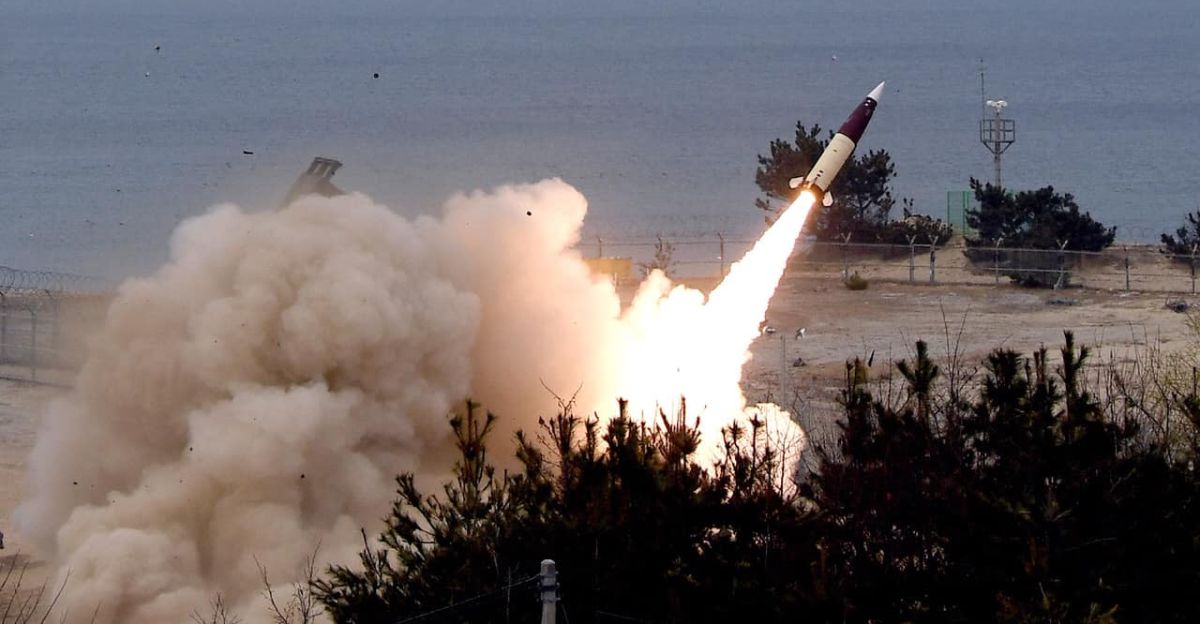
ATACMS remains a scarce resource. Kyiv reportedly received U.S. missiles in 2023, but their use was tightly constrained for many months. Army Recognition+2OSW Ośrodek Studiów Wschodnich+2
This scarcity means strikes will likely be selective — focused on high-value targets rather than mass saturation. That makes each launch a strategic, not tactical, decision.
Information Fog — Verifying Impact Remains Elusive
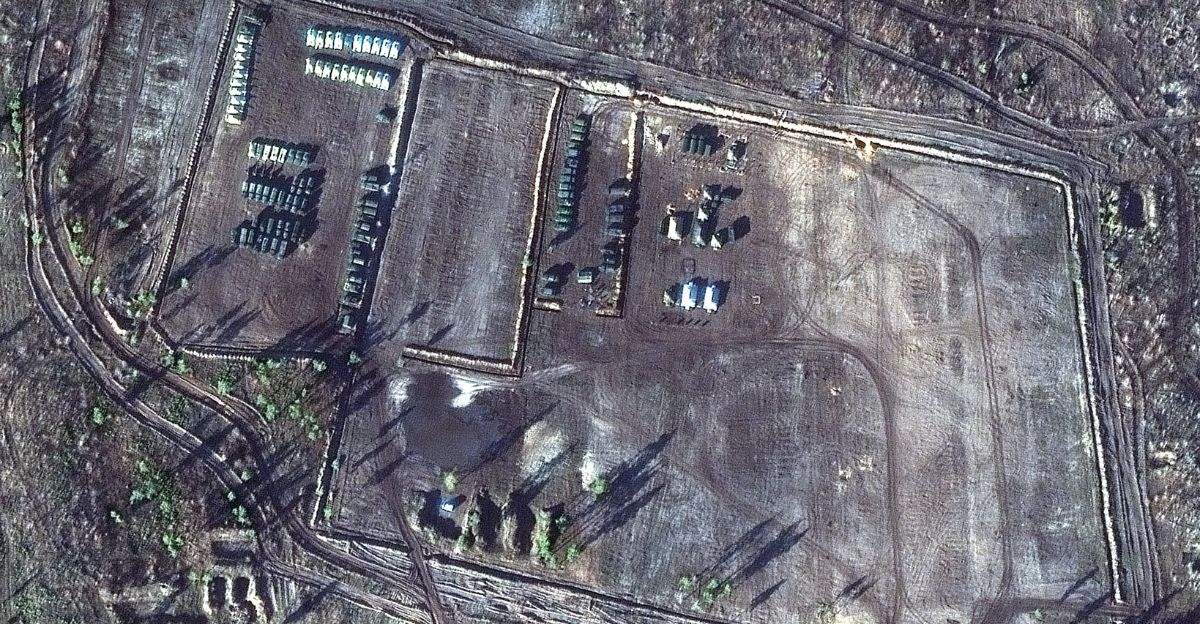
Independent confirmation of damage remains difficult. Russia claims all missiles were intercepted; Ukraine says it hit military targets. Open-source imagery and debris fragments are being analysed — but clear evidence of destruction at intended sites like Pogonovo is limited
Signalling Power — Message to Russia, Allies, and Domestic Audiences
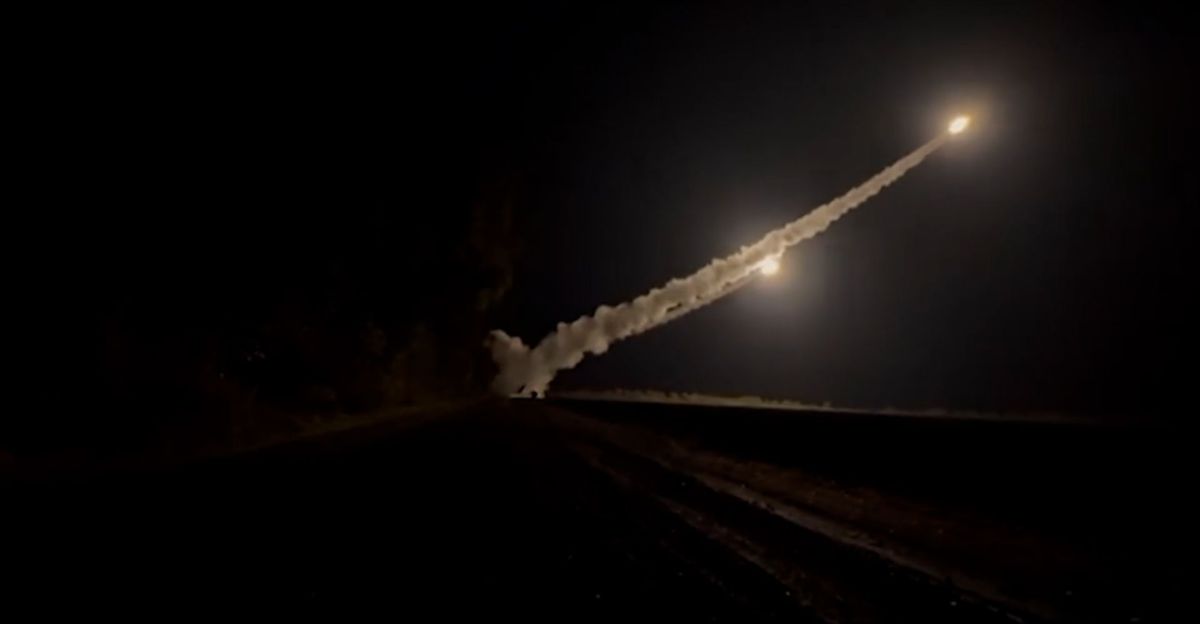
For Ukraine and its backers, the strike signals seriousness: Kyiv can reach Russian rear areas. For Russia, it undermines confidence in rear-area security. For allies and adversaries, it demonstrates that Western-supplied weapons can shift from defensive to offensive use.
Risk of Escalation — Strategic Tension Rise
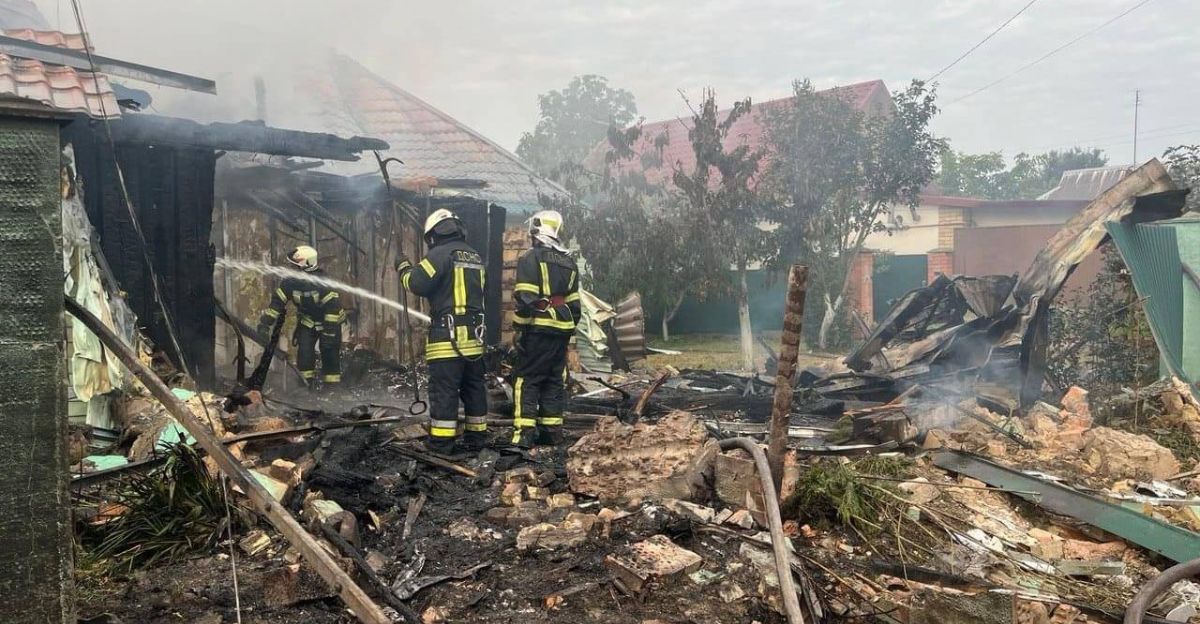
Strikes on Russian soil secure strategic gains, but also raise risks of escalation. Russian response could include intensified missile or drone attacks, deeper counter-strikes, or attempts to challenge Western supply chains. The precedent set by ATACMS use may redefine what counts as escalation.
A Turning Point — Redefining the Frontline
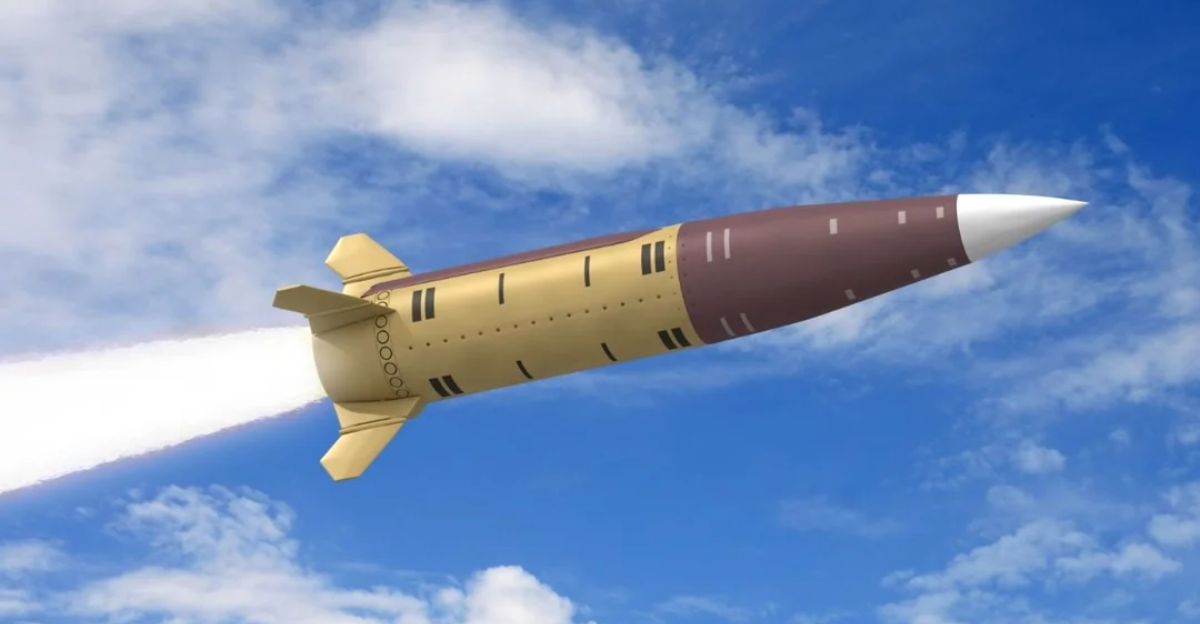
The November 2025 ATACMS strike marks a shift: the frontline is no longer just in eastern Ukraine. Rear areas — logistics hubs, training grounds, airfields — are now part of the operational theater. Ukraine’s ability to impose cost deep inside Russia recalibrates the balance beyond the immediate battlefield.
What Comes Next — Uncertain, But Strategic
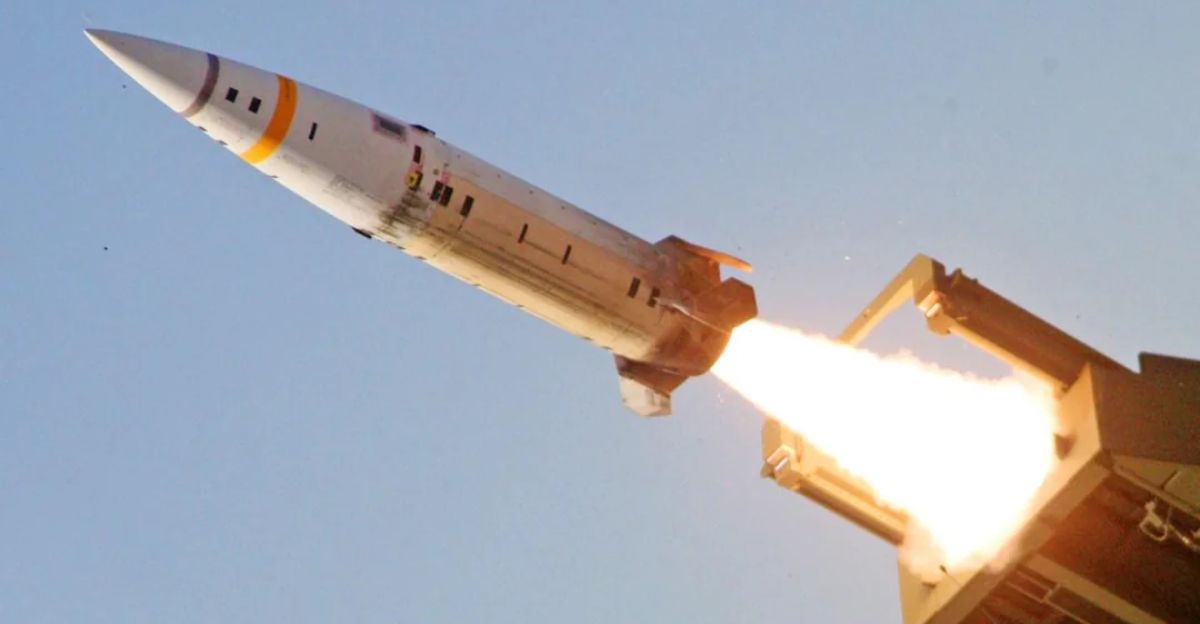
The strike’s long-term impact remains uncertain. Will ATACMS become a staple tool or a rare strategic arrow? Will Russia overhaul air defence deployments? What does this mean for future diplomacy, escalation risk, and the longer war trajectory? One thing is clear: the Ukraine conflict just entered a new phase — where distance offers no shelter.
Sources:
- The War Zone, “Ukraine’s Claimed ATACMS Strike In Russia Signals Major Shift In U.S. Policy,” November 17, 2025
- Wall Street Journal, “Ukraine Strikes Russia With ATACMS After Trump Lifted Long-Range Missile Ban,” November 19, 2025
- Modern Diplomacy, “Russia Says Ukraine Fired U.S.-Made ATACMS at Voronezh,” November 18, 2025
- Chosun Ilbo English, “Ukraine Strikes Russia with ATACMS Under Trump,” November 19, 2025
- Wall Street Journal, “Pentagon Has Quietly Blocked Ukraine’s Long-Range Missile Strikes on Russia,” August 23, 2025
- United24Media, “Ukrainian ATACMS Strike Reportedly Targeted Russia’s Baltimor Airbase in Voronezh,” November 18, 2025
- Anadolu Agency, “Pentagon has Blocked Ukraine from Using US-made Long-Range Missiles Against Russia,” August 23, 2025