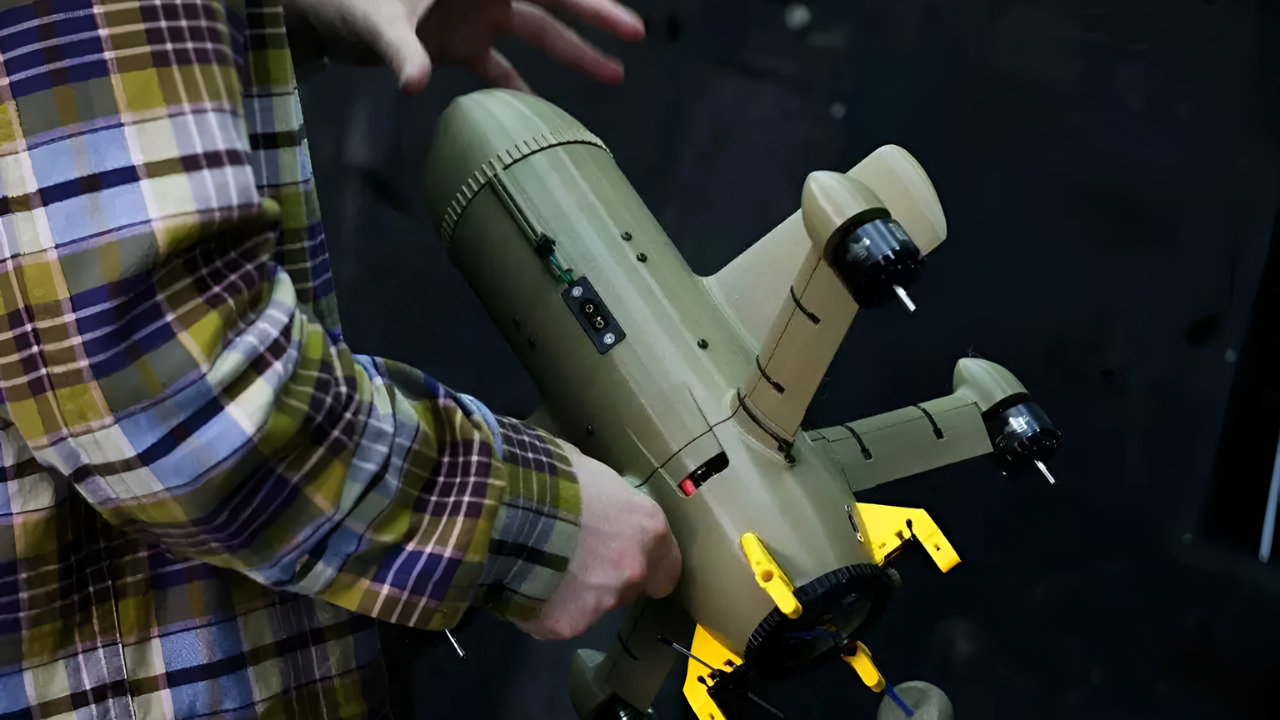
On the night of November 29–30, 2025, Russia launched a large-scale drone strike on Ukraine using what Ukrainian and foreign sources describe as about 138 Geran‑3 drones, also known as jet‑powered Shahed‑238s. These drones were aimed at critical infrastructure and other strategic sites across the country, forming one of the biggest and most technically advanced Shahed‑type attacks reported so far. Ukrainian air defenses responded with a layered system that combined surface‑to‑air missiles, electronic warfare, and various drones, including Ukraine’s domestically developed Sting interceptor.
Multiple Ukrainian and international outlets report that Sting drones successfully downed several of the new jet‑powered Shaheds in what they describe as the first documented case of interceptor drones defeating this specific type of Russian jet‑propelled loitering munition in combat.
What Happened During the November Attack
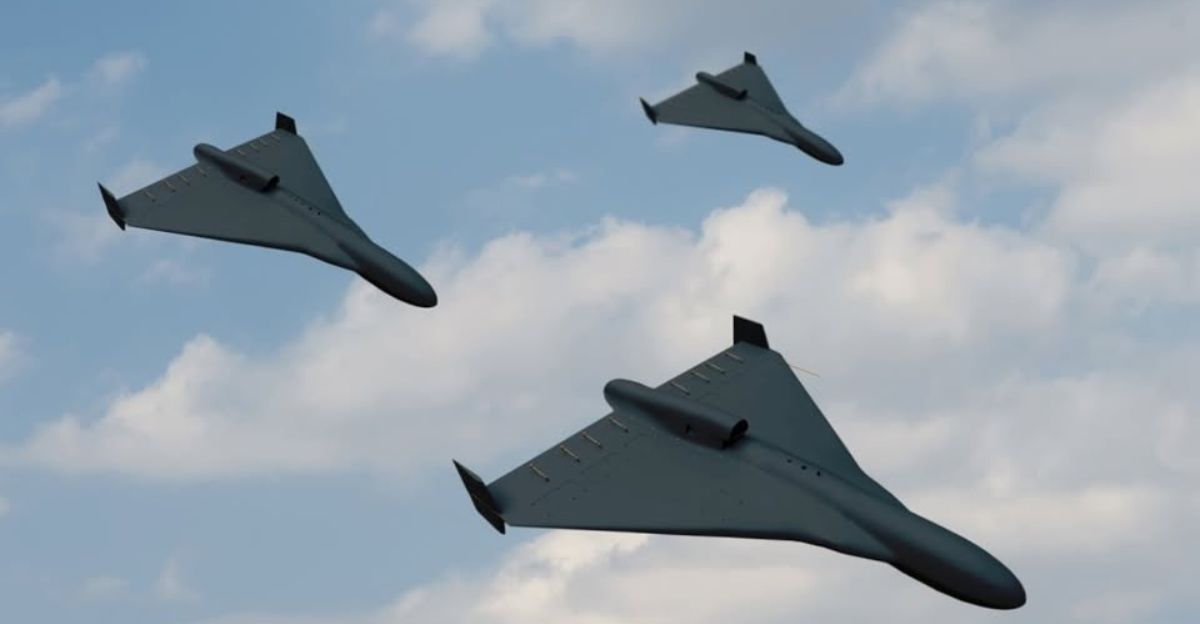
Reports from Ukrainian authorities and media indicate that Russia’s Geran‑3/Shahed‑238 drones approached at higher speeds than earlier propeller‑driven Shahed‑136 models, adding pressure on Ukraine’s defenses already strained by months of attacks on energy and industrial targets. Open sources broadly agree that roughly 138 drones were launched in this strike, although different outlets vary slightly in how they characterize the exact number and the proportion that was intercepted.
Ukrainian air defense forces used a mix of systems, so while most of the incoming drones were reportedly destroyed or diverted, publicly available information does not support the claim that all 138 were shot down or that Stings alone were responsible for the outcome. Instead, Sting drones are described as one key element inside a broader, multi‑layered defense that included both missile systems and electronic warfare.
Sting Interceptor Capabilities and Costs
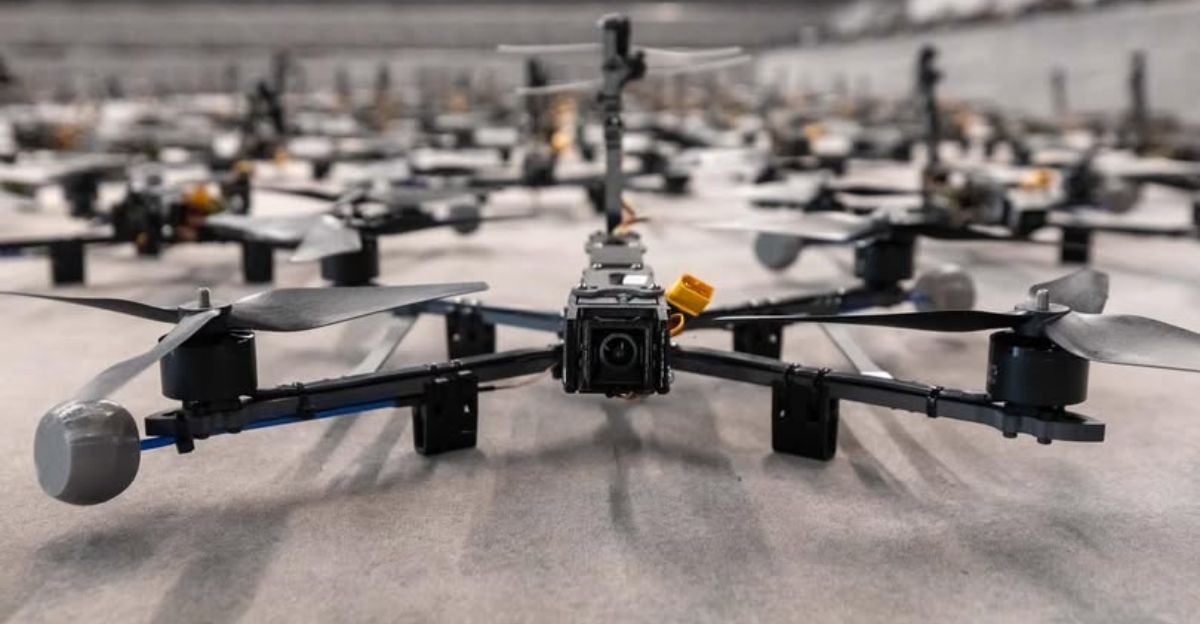
The Sting is a Ukrainian-made interceptor drone developed by Wild Hornets, a project that started as a volunteer initiative assembling drones from commercially available components and later formalized into a non‑profit supplier for the Armed Forces. Open reporting describes Sting as a multirotor FPV‑style interceptor fitted with cameras and an onboard warhead, controlled by operators using first‑person or VR‑like interfaces, with artificial intelligence assisting in target tracking and terminal guidance.
Ukrainian sources and Wild Hornets representatives say the latest Sting variants can reach speeds comparable to or above those of the new Shahed‑238, which various analyses estimate in the low‑to‑mid hundreds of kilometers per hour, though exact figures and performance envelopes are not independently verified in detail.
Ukrainian and defense-focused media often emphasize Sting’s relatively low cost compared with traditional surface‑to‑air missiles, placing its unit price in the low thousands of dollars rather than the hundreds of thousands typical for many missile interceptors. This large cost gap is widely cited as one reason Ukraine is investing in small interceptor drones as a way to address the economic imbalance created by cheap attack drones versus expensive defensive missiles.
However, specific numbers such as a precise per‑unit dollar figure or a fixed warhead weight should be treated as approximate, since public sources do not always provide tightly sourced, audited cost data. Ukrainian claims of high effectiveness rates for experienced Sting crews, sometimes described as well above half of attempted engagements, come primarily from Ukrainian operators and producers and have not yet been independently quantified.
International Demonstrations and Evolving Doctrine
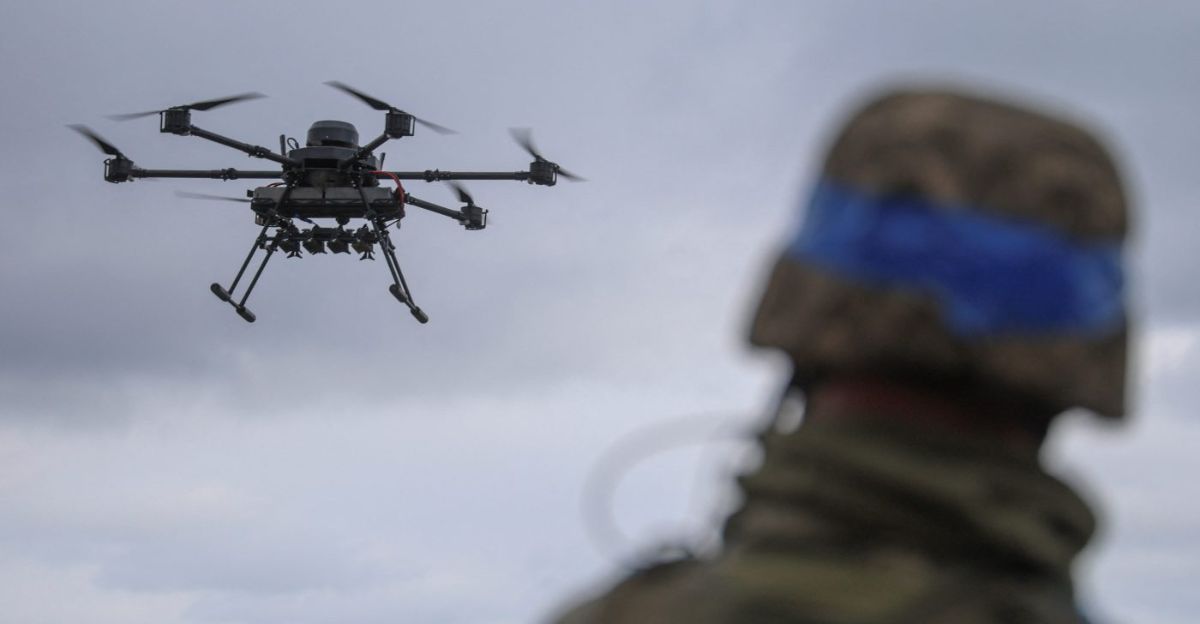
Before the November 2025 engagement, Sting interceptors had already attracted attention in NATO contexts, including a demonstration during exercises in Denmark in which a Sting‑type drone reportedly destroyed a Banshee target drone under observation by Danish forces. Coverage of that event in defense and news outlets portrayed it as an early example of how small, agile interceptor drones could integrate with Western-style air defense structures. Ukrainian leaders, including President Volodymyr Zelensky, have since argued that Ukraine now possesses some of the world’s most extensive real‑world experience in both using and countering military drones, including loitering munitions and FPV systems, though such statements reflect a mix of observation and political messaging.
Within Ukraine, military planners describe an ongoing shift toward a layered air defense doctrine that blends classic systems with drones and electronic warfare tools rather than relying on any single technology. Sting and similar interceptors are seen as a flexible, lower‑cost layer in this architecture, especially useful against slow or medium‑fast uncrewed threats, even as Russia adapts by varying flight paths, mixing different drone and missile types, and experimenting with electronic countermeasures and decoys. Analysts note that both sides are locked in a continuous technological contest, where each new measure prompts a countermeasure, and Ukraine’s partly crowdfunded, rapidly iterated interceptor programs are now studied abroad as potential models for future air defense concepts.
Sources
- Interesting Engineering – Overview of Ukraine’s Sting interceptor drones and cost-effective air defense
- Ukraine’s Arms Monitor – In-depth profile of the STING interceptor drone and Wild Hornets
- Ukrainska Pravda (Eng.) – Report on Sting drones downing jet-powered Shaheds/Geran-3
- UNITED24 Media – Coverage of Ukraine’s interceptor drone downing Russia’s jet-powered Shahed