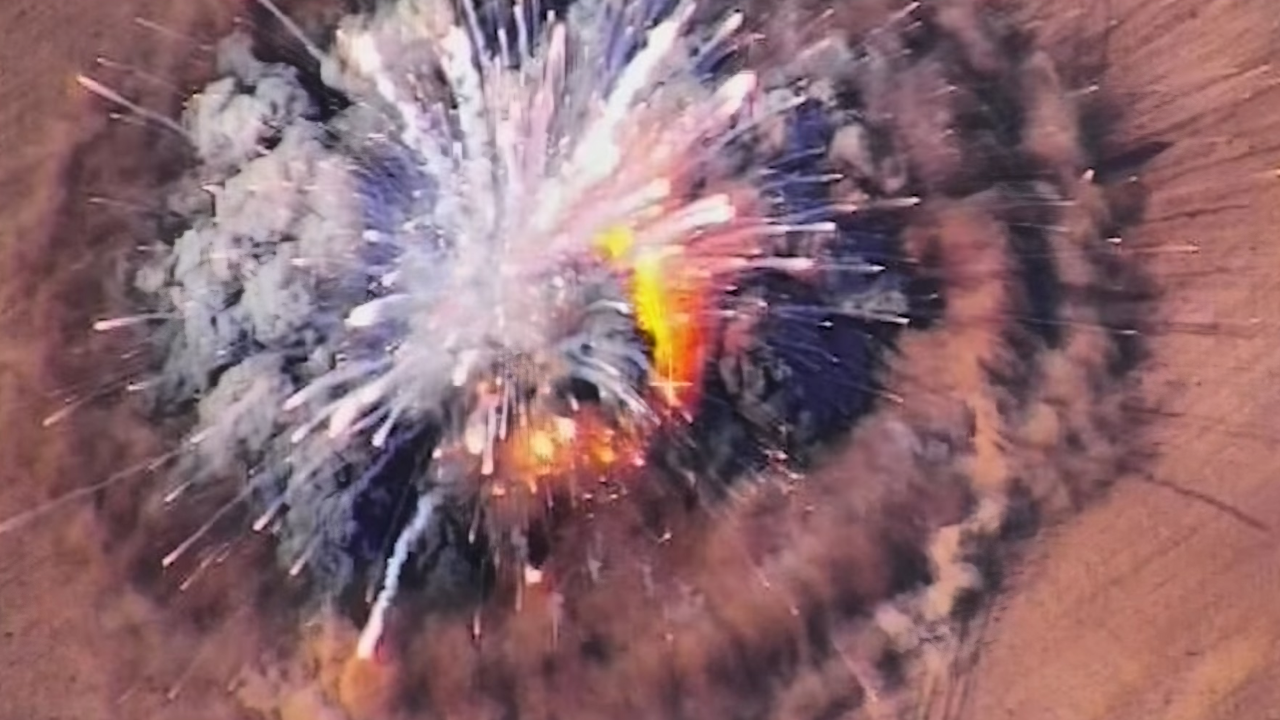
Putin promised 2026 would be Ukraine’s final year. Instead, across the entire frontline, Russian assault waves are collapsing before they reach Ukrainian positions.
Over the past 72 hours, Ukrainian defenders have repelled assault after assault, inflicting unprecedented losses on mechanized units that should have overwhelmed much smaller garrisons. The pattern is no longer sporadic: it is systematic, measurable, and accelerating.
The Mathematics of Failure

Ukrainian military sources now report that, in key sectors, particularly the Oleksandrivka direction near Kupiansk, approximately 95% of Russian ground assaults are unsuccessful. This is not a temporary setback or a single day’s outcome.
Ukrainian commanders describe a repeating pattern: Russian units attack, meet layered defenses, suffer massive casualties, and withdraw or are destroyed. The frequency of assaults has not declined; their success rate has collapsed.
The Inherited Stalemate
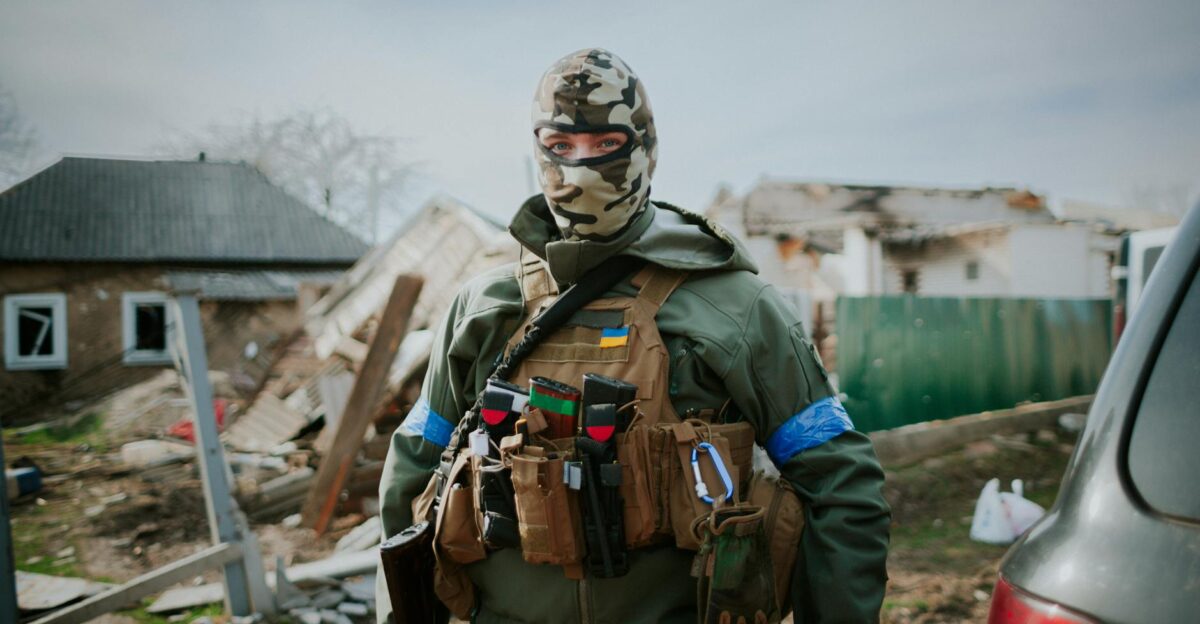
For nearly two years, Russia has sought to break through Ukrainian lines in the Donbas region, targeting cities like Pokrovsk and Myrnohrad as stepping-stones to deeper territorial conquest. These cities sit along logistical hubs and supply routes that Russia views as critical to any northward advance.
Yet despite overwhelming numerical superiority in some sectors and sustained attacks numbering 60–70 per day, Russian forces have made only marginal territorial gains while burning through personnel and equipment at rates Moscow cannot sustain indefinitely.
Layers of Denial
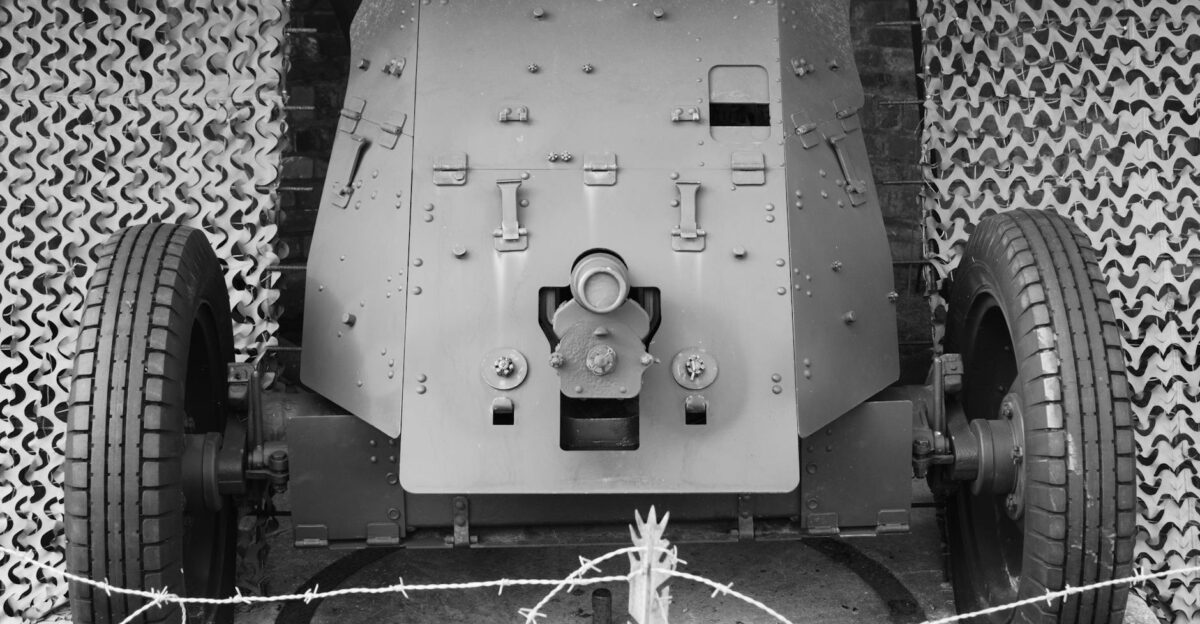
Ukrainian defenses now consist of interlocking obstacle belts: anti-tank ditches, concertina wire, concrete barriers, minefields, and layered fortifications staffed by squad-sized units in prepared positions.
On top of these static defenses, Ukraine has deployed an expanding network of drone units, mortar teams, and artillery batteries positioned to concentrate fire on any Russian grouping attempting a breakthrough. This layered approach has fundamentally shifted the tactical balance: Russian assaults must survive multiple kill zones before reaching Ukrainian positions.
The 20-Kilometer Perimeter
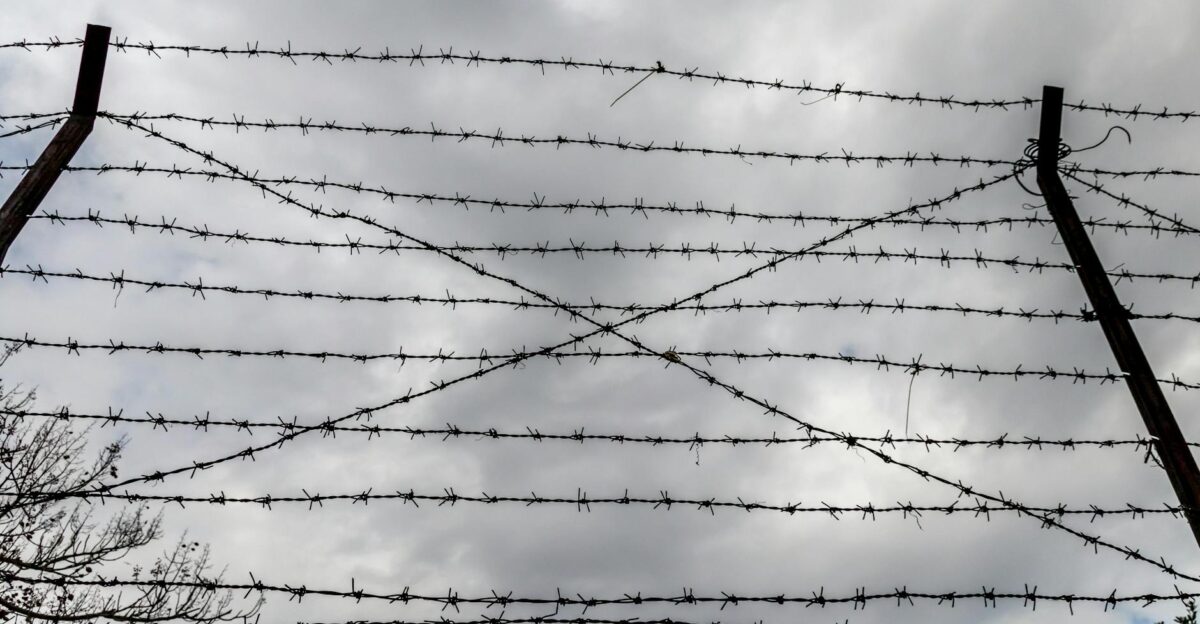
Near Kupiansk, Ukrainian forces have established what military analysts now call a tactical “kill zone” extending 20–25 kilometers from the front line. Within this perimeter, Russian vehicles face near-certain destruction from Ukraine’s expanding drone fleet, which can track and engage targets in real-time.
Ukrainian infantry units deliberately withdraw from forward positions, drawing Russian assault groups into the kill zone, where concentrated drone, mortar, and artillery fire decimates them before they can occupy captured ground. This bait-and-switch tactic has proven devastatingly effective.
The Price Tag
In the Sumy direction, Ukrainian forces have destroyed Russian Buk M-2 and Buk M-3 air defense systems, among the most advanced platforms in Russia’s arsenal. Each Buk system has an estimated unit cost of $30–40 million.
The loss of even two such systems represents a $60–80 million blow to Russia’s air defense capability, compounded by the operational hole it leaves in integrated air defense networks. These are not replaceable losses; every Buk destroyed reduces Russia’s ability to protect critical rear installations.
Kyiv Under Fire
The human cost of Russia’s continuing assault is evident in Ukraine’s capital. On 21 January 2026, Russian strike waves left nearly 60% of Kyiv without electricity, affecting approximately 600,000 residents in a single metropolitan area.
More than 4,000 buildings lost heating during sub-zero temperatures. Over two weeks in January alone, more than 600,000 people fled Kyiv, seeking safer regions or leaving the country entirely. The attacks target civilian infrastructure deliberately, a violation of international humanitarian law documented by Ukrainian officials.
Drone Attrition Favors Ukraine
In the overnight period of 20–21 January, Russian forces launched 97 strategic drones against Ukrainian positions and civilian infrastructure. Ukrainian air defenses and electronic warfare systems downed or disabled 84 of the 97 drones, for an interception rate of 86%.
This is not anomalous. Ukrainian forces now report that drones account for roughly one of every three Russian vehicle losses and contribute materially to personnel casualties. For every Russian drone that reaches its target, approximately five to six are destroyed or turned back.
The Logistics Bottleneck

A Russian military blogger affiliated with the Northern Grouping of Forces admitted on social media that Russian reserves are insufficient to sustain the current tempo of assaults while maintaining depth for operational exploitation.
This is a rare public acknowledgment of a critical weakness: Russia can mass troops for local attacks, but cannot follow up with mechanized reserves to convert tactical breakthroughs into operational gains. Without reserves, even successful small-unit infiltrations are trapped, isolated, and subsequently destroyed by Ukrainian counterattacks.
The Theater-Wide Pattern

While the 95% failure rate is explicitly documented in the Oleksandrivka sector, ISW assessments show that Ukrainian defenses are holding or pushing back across nearly every central front. In Kharkiv, Kupiansk, Hulyaipole, Slovyansk, Pokrovsk, and Zaporizhzhia, Russian forces launched between 60 and 70 assaults on 17–18 January alone, with the vast majority repelled.
No significant Russian territorial gains were confirmed in any sector. This is not an isolated Ukrainian success in one region; it is a network-wide defensive victory spreading from Kupiansk outward.
Kremlin Anxiety Rising

Internal Kremlin discussions, leaked through Russian independent media outlets, reveal growing concern about “war fatigue” among the Russian population and the sustainability of prolonged, high-casualty offensives.
Military analysts within Russia’s own defense establishment have begun questioning whether the current assault strategy can achieve strategic objectives without a fundamental shift in force posture or additional mobilization. These doubts have rarely surfaced publicly in Kremlin-aligned circles, signaling fractures in the consensus over when and how the war will end.
Tactical Lessons Learned

Ukrainian forces have refined a devastating defensive doctrine over the past 18 months. Squad-sized units hold fortified positions, then withdraw deliberately under pressure, allowing Russian assault groups to enter pre-prepared kill zones. Drones track the advancing Russians while mortar and artillery fire concentrate on the exposed formation.
Once the Russians are broken, Ukrainian reserves counterattack to retake positions, resetting the trap for the next wave. This cycle repeats with mechanical consistency across multiple sectors, inflicting a casualty ratio heavily favoring Ukrainian defenders.
Building for 2026

The Ukrainian military leadership has signaled that, while defense will remain the cornerstone of strategy, 2026 will see selective counteroffensives to retake territory, now that Russia’s offensive momentum has collapsed.
Units like the 1st and 225th Separate Assault Regiments and the 5th Assault Brigade have already conducted limited offensives in the Pokrovsk, Kharkiv, and Kupiansk sectors, reclaiming lost ground. These operations suggest Ukrainian confidence that Russian reserves are too depleted to mount effective counter-counterattacks.
Western Support Sustains the Defense
Ukraine’s ability to sustain these kill zones and inflict such high Russian casualty rates depends critically on Western military aid: long-range artillery (155mm), air defense systems, electronic warfare equipment, and drone components.
The U.S., NATO allies, and other Western partners have maintained a steady supply pipeline, though not without political friction in some capitals. If that aid were to dry up, it would pose a real risk: as the war grinds into a third year, Ukraine’s current defensive advantages could erode rapidly, forcing a reassessment of its strategic position.
The Unraveling Question
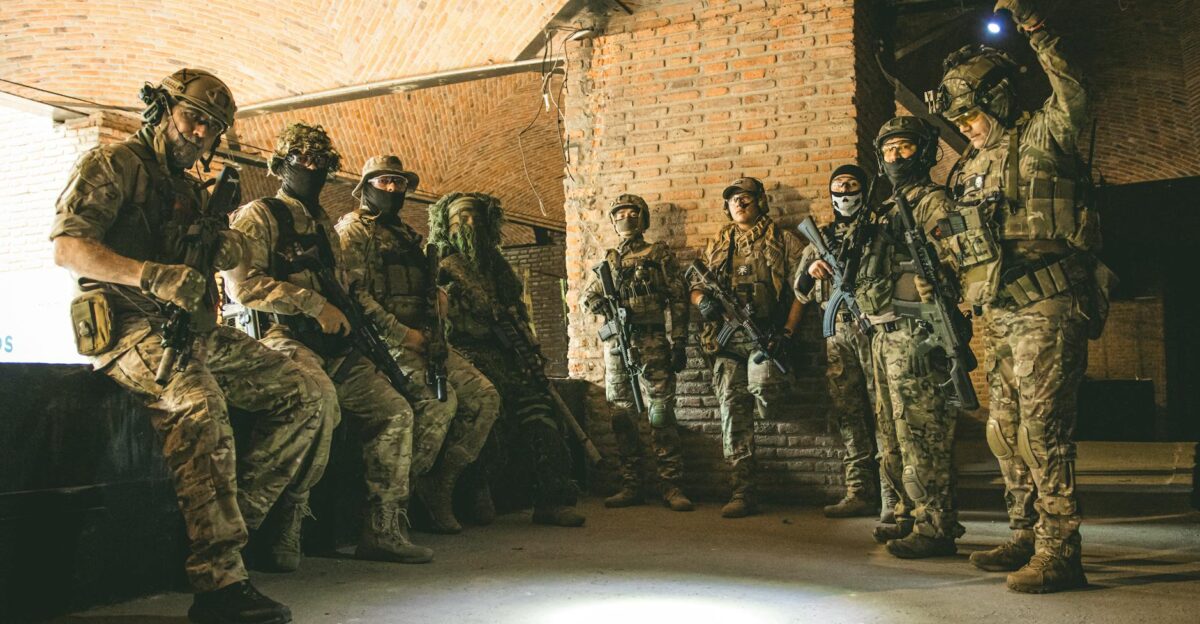
Putin claimed 2026 would collapse Ukraine. Instead, his own military has demonstrated that the quantity of assaults cannot overcome the quality of defense. Yet the question remains: Can Ukraine sustain this defensive posture indefinitely, or will casualty fatigue and supply constraints eventually force concessions? Russia shows no signs of backing down; it is cycling new conscripts and contract soldiers through meat-grinder assaults in hopes that attrition will eventually break Ukrainian resolve.
The following 12 months will determine whether Ukraine’s kill zones become a model for small-army asymmetric defense or a temporary advantage eroding under relentless pressure.
Sources:
Institute for the Study of War, Russian Offensive Campaign Assessment, January 20, 2026
Critical Threats Project, Russian Offensive Campaign Assessment, January 21, 2026
Reuters, Almost 60% of Kyiv without power as Russian strikes shatter grid, January 21, 2026
Washington Examiner, 600,000 residents flee Ukraine’s capital over destruction of energy infrastructure, January 20, 2026
Forbes, Analysis by Vikram Mittal on Ukrainian defensive tactics and layered obstacle belts, January 16, 2026
Kyiv Independent, Over half a million left Kyiv in January amid Russia’s energy blitz, January 20, 2026