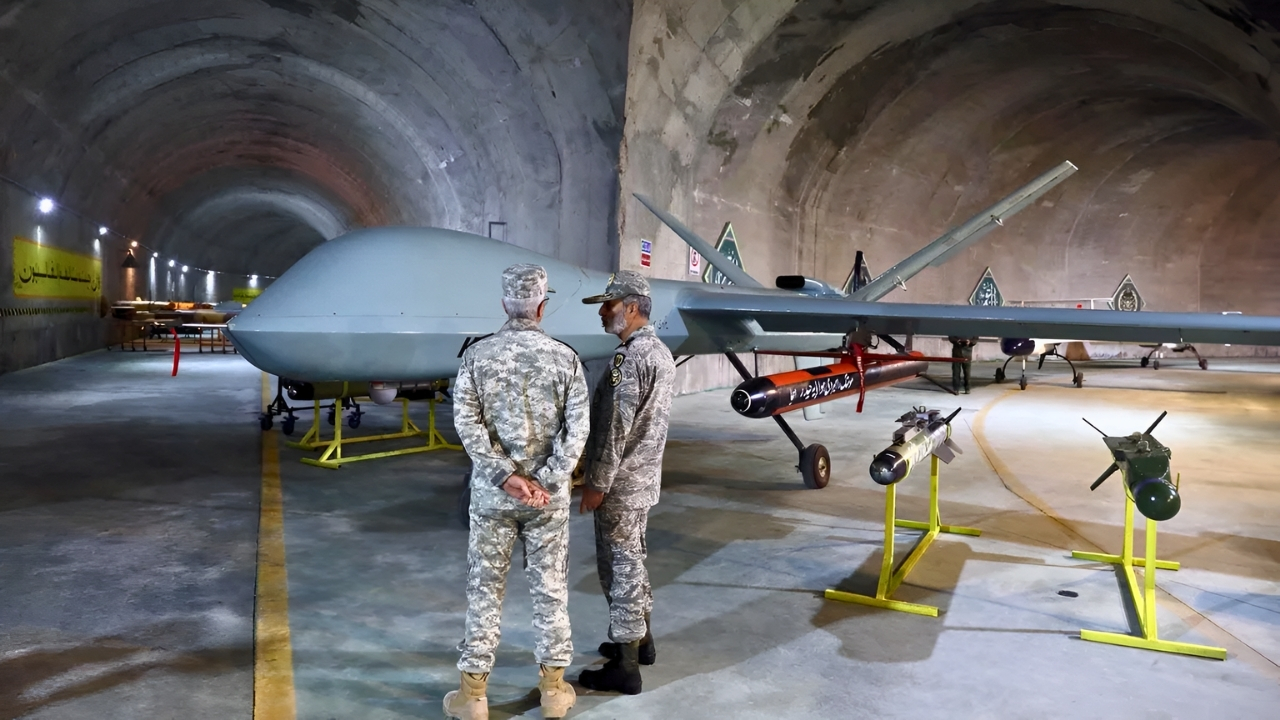
On November 12, 2025, the US Treasury uncovered a shocking network: Ukrainian companies secretly supplying critical components to Iran’s military drone program. As Russia unleashed these drones on Ukrainian cities, a darker reality emerged: Western technology was fueling both sides of the conflict. Two Kharkiv-based firms, GK Imperativ and Ekofera, were directly implicated, shipping essential parts to Iran’s state weapons manufacturer.
This revelation struck at the core of global supply chain vulnerabilities, showing how adversaries benefit from decades of sanctions. Despite stringent regulations and decades of sanctions architecture, this network was able to thrive, bypassing restrictions and undermining international efforts to contain the spread of military technology to hostile actors.
Global Crackdown on Sanctions Evasion
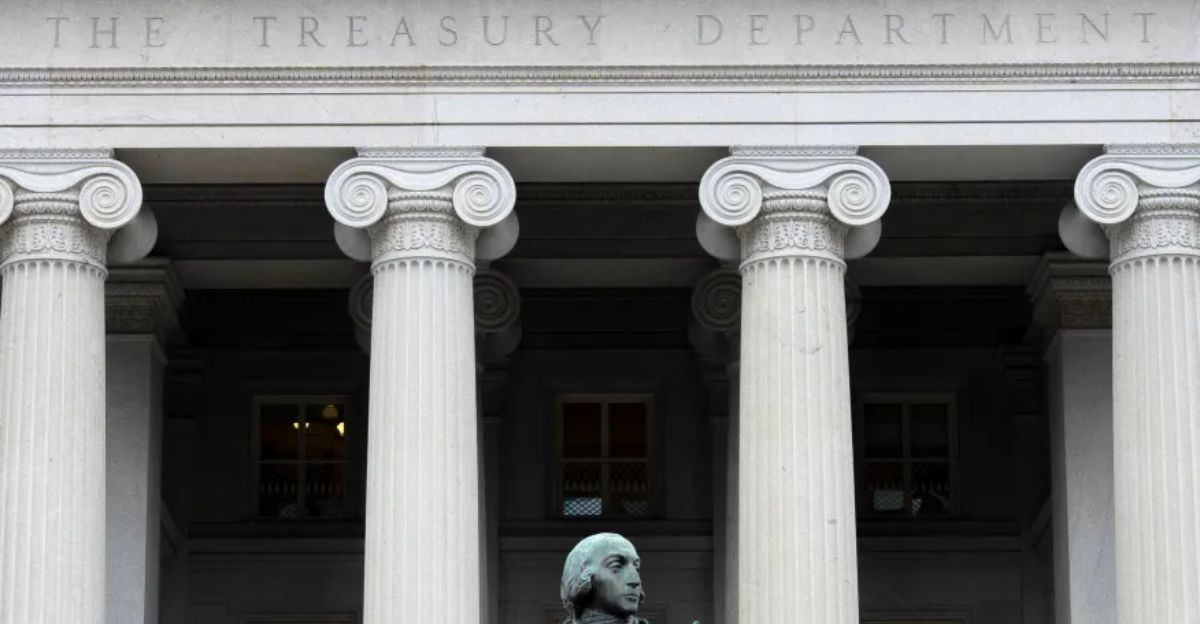
In response to this covert operation, the US Treasury sanctioned 32 individuals and companies spanning across eight countries: Iran, Turkey, China, India, Hong Kong, UAE, Germany, and Ukraine. This action marks the second significant enforcement wave since September 2025, when the US reimposed UN sanctions on Iran for nuclear violations. The coordinated sanctions aim to dismantle the complex, transnational networks that have sustained Iran’s missile and drone programs, limiting their ability to access critical military technology.
The sanctions are part of a broader effort to combat global sanctions evasion, which enables adversarial states to continue their weapons programs despite international efforts to constrain them. These actions signal a renewed US commitment to countering the proliferation of weapons of mass destruction and the technologies that fuel modern warfare.
Evasion Tactics: A Longstanding Pattern
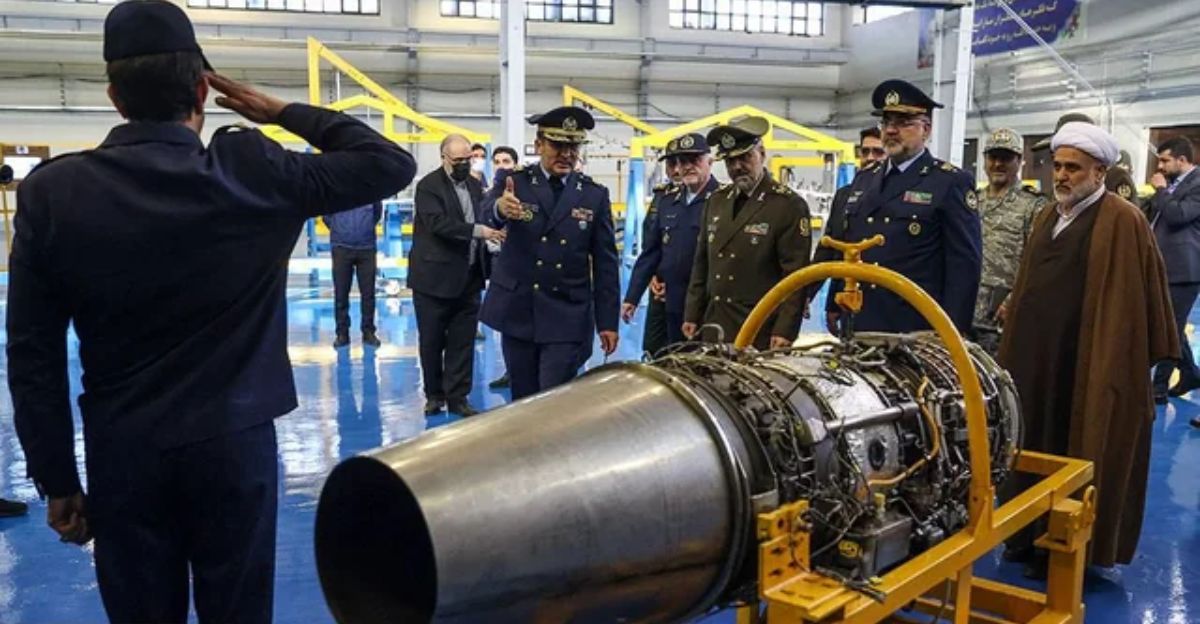
Despite comprehensive US sanctions on Iran’s military industries since 2008, Iran has managed to bypass these restrictions using an elaborate web of front companies. The Iran Aircraft Manufacturing Industrial Company (HESA) has faced sanctions for over 17 years, but its ability to procure parts through third parties remains a persistent challenge. These evasive tactics continue to thwart international efforts, exploiting jurisdictions with weaker enforcement and showing how deeply embedded these networks are in global commerce.
Iran’s ability to adapt to international sanctions and find new procurement channels has become a significant obstacle to global security. This persistent loophole demonstrates the difficulty in fully containing the spread of advanced military technology, especially as demand for these technologies grows and the lines between civilian and military applications blur.
The Western Supply Chain’s Dark Underbelly
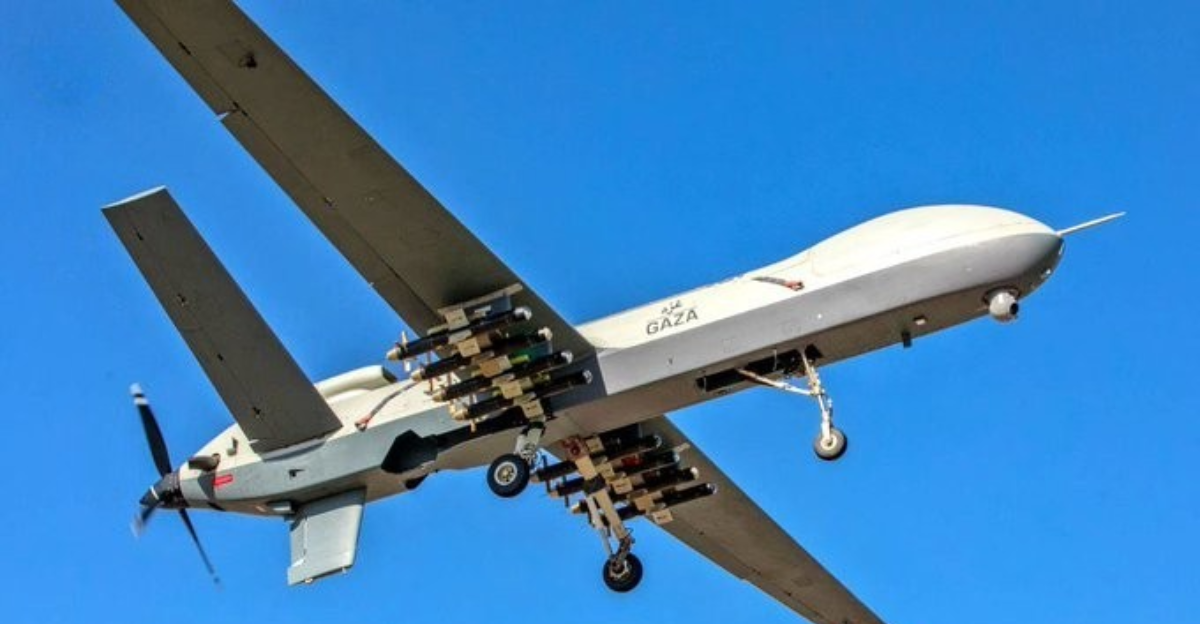
Iran’s military drones overwhelmingly depend on parts made by Western manufacturers. Independent investigations revealed that 82% of components in Iranian drones were sourced from US companies, including vital navigation systems and targeting technology. These parts, which are subject to strict export controls, are vital to the drones’ operations. While the US and its allies impose sanctions, these parts continue to make their way into adversarial hands, fueling the conflict in Ukraine and other geopolitical flashpoints.
This dependency on Western technology highlights the vulnerabilities in the global supply chain, where small components can be diverted and used in weapons systems that destabilize regions. Despite sanctions, the demand for advanced military technologies continues to drive the illicit trade of components, making it harder for authorities to prevent them from reaching their final destinations.
The Role of Ukrainian Companies
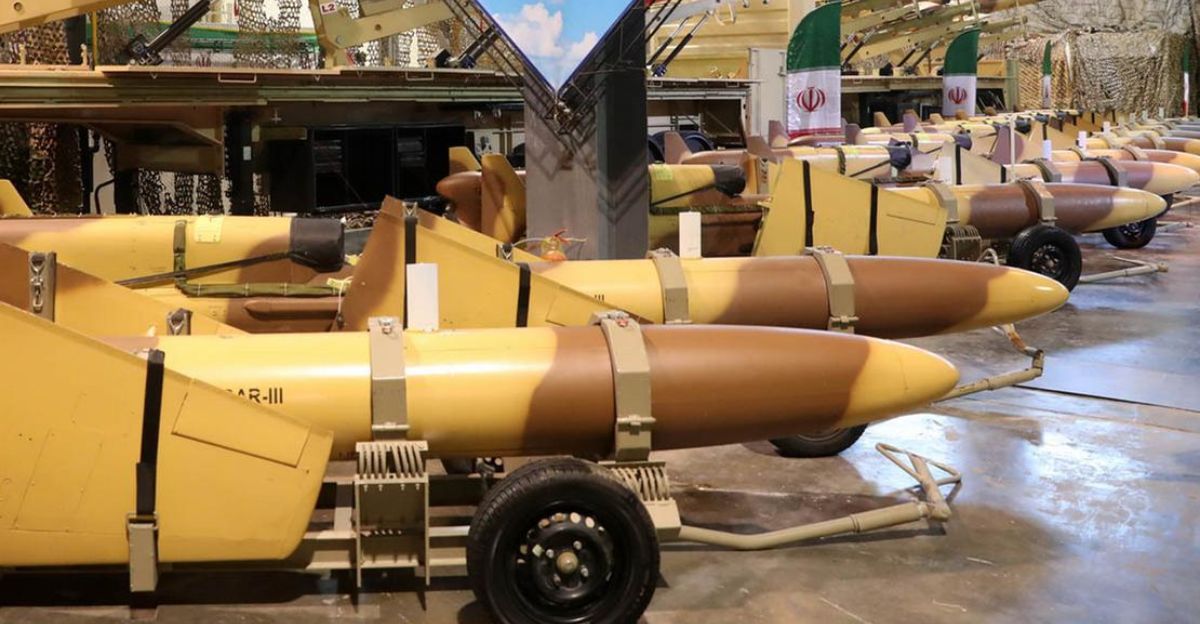
The two sanctioned companies, GK Imperativ and Ekofera, operated as fronts for Bahram Tabibi, a procurement agent with direct ties to HESA. These Kharkiv-based firms shipped critical components, including sensors and engines, directly to Iranian military production facilities. While publicly listed as dealing in chemicals and construction materials, their covert operations facilitated the transfer of aerospace parts vital for drone production.
This exploitation of Ukraine’s aerospace sector underscores a concerning vulnerability within its defense-industrial base. Despite Ukraine’s own military struggles, companies within the country were indirectly assisting its enemies, raising questions about how foreign and domestic companies can be better regulated to prevent such situations from occurring.
The Horror of Shahed Drones
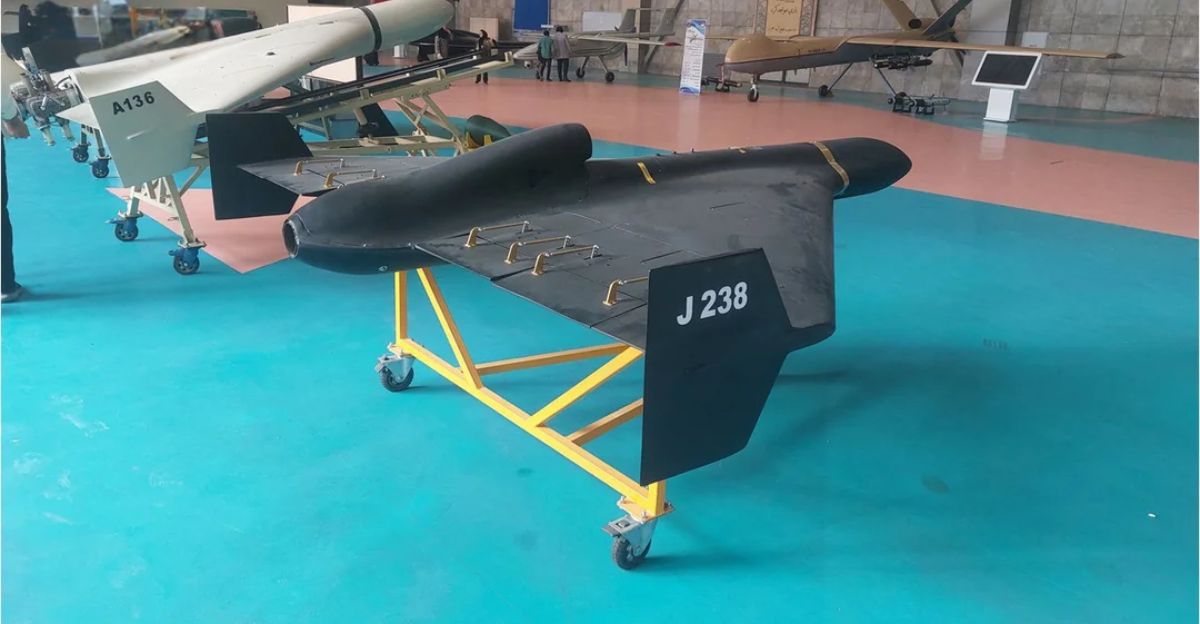
Since 2022, Shahed-136 drones—nicknamed “moped drones” by Ukrainians—have wreaked havoc on Ukrainian cities, targeting power infrastructure and civilian areas with devastating precision. These loitering munitions carry 40-kilogram warheads and have been used to terrorize the civilian population. Despite Ukraine’s air defense systems intercepting many of them, the drones that slip through cause catastrophic damage, leaving a deep psychological toll on the people living in constant fear of nighttime strikes.
The drones’ use in targeted strikes against civilian infrastructure underscores the brutal nature of modern warfare. The Ukrainian government and its people have had to adapt to this new form of threat, relying on technological solutions to defend their cities while dealing with the aftermath of each attack.
Official US Condemnation
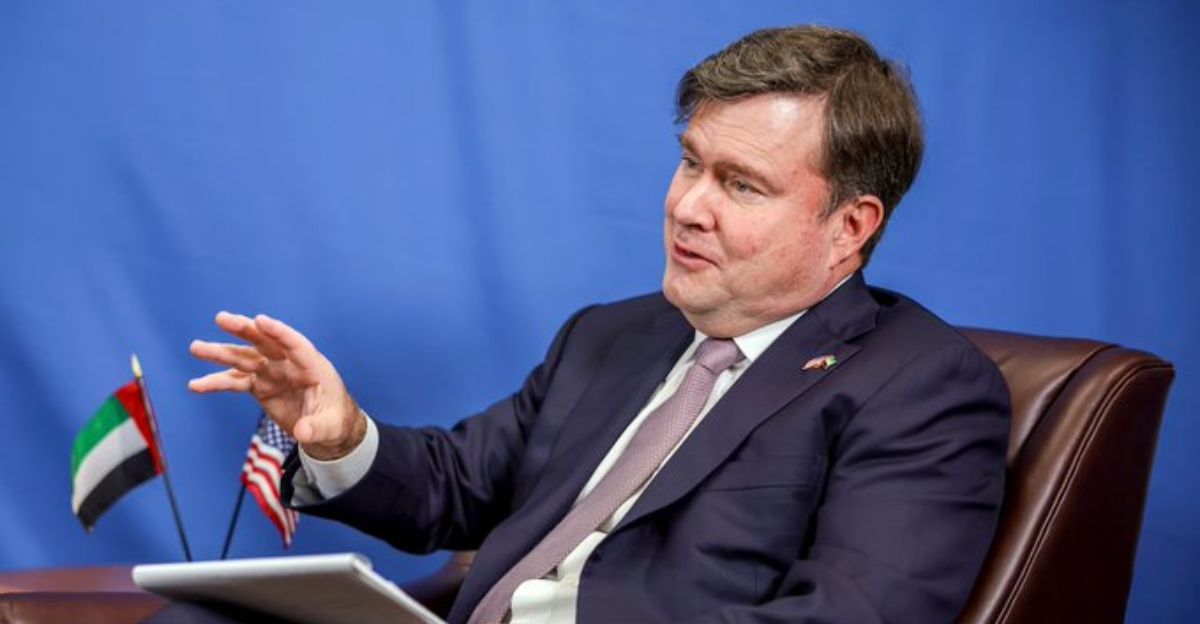
In a statement, John K. Hurley, Under Secretary for Terrorism and Financial Intelligence at the US Treasury, condemned Iran’s role in laundering funds and procuring components for its weapons programs. He stressed that companies aiding Iran’s military buildup would face severe penalties, regardless of jurisdiction. The US government’s stance is clear: there will be no tolerance for entities enabling the proliferation of technology used in warfare and terrorism.
The US Treasury’s action reflects a broader commitment to aggressively targeting procurement networks that enable Iran’s military and nuclear ambitions. This policy sends a strong message to global companies involved in the defense sector: facilitating the growth of military threats, regardless of the country, will not be tolerated and will face dire consequences.
Third-Party Distribution Networks
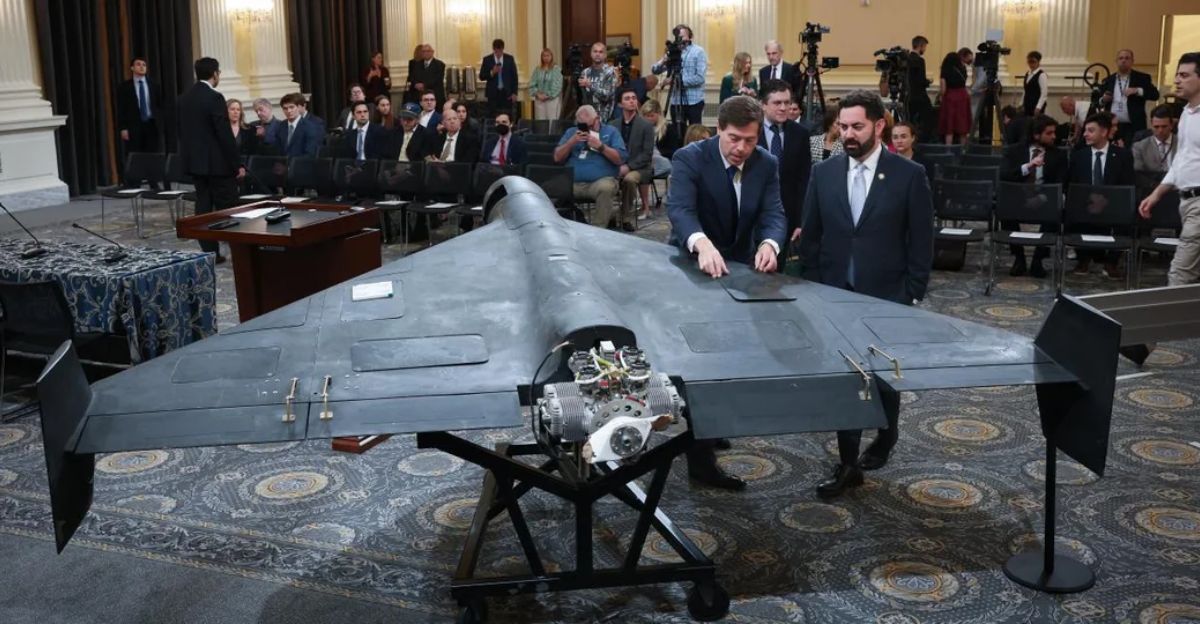
The illicit flow of components to Iran is facilitated through complex, transnational distribution networks. Countries like Turkey, India, and Vietnam serve as hubs for parts that are rerouted to evade sanctions. Shell companies in these countries buy components from legitimate manufacturers before sending them to Iran, obscuring their final destinations. Turkey, in particular, has been identified as a critical player in these networks, enabling the transfer of sensitive technologies.
These third-party distribution networks have been able to operate with relative impunity, taking advantage of weaker export controls in certain regions. The challenge of monitoring these routes highlights the difficulty of enforcing sanctions in a globalized economy, where goods can easily be diverted through multiple intermediaries.
Weaknesses in Export Control Regimes
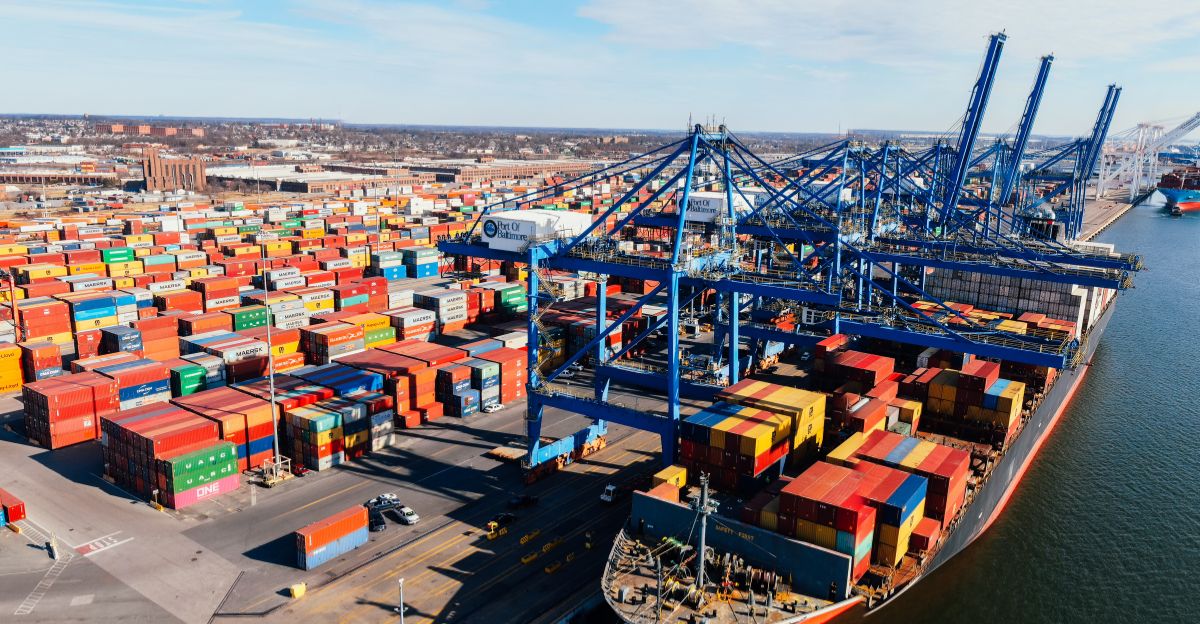
Export control systems around the world face fundamental challenges in preventing the diversion of dual-use technologies—products with both civilian and military applications. Small electronic components, which are vital to modern weaponry, often lack serial tracking, making them difficult to trace after sale. Furthermore, third-party distributors operate in jurisdictions with minimal oversight, exploiting regulatory gaps that enable goods to bypass sanctions screening.
These challenges raise important questions about the effectiveness of current export control mechanisms. As technology becomes more accessible and smaller components are used in increasingly sophisticated ways, the task of tracking and preventing diversion becomes exponentially harder.
The American Tech Link in Iranian Drones
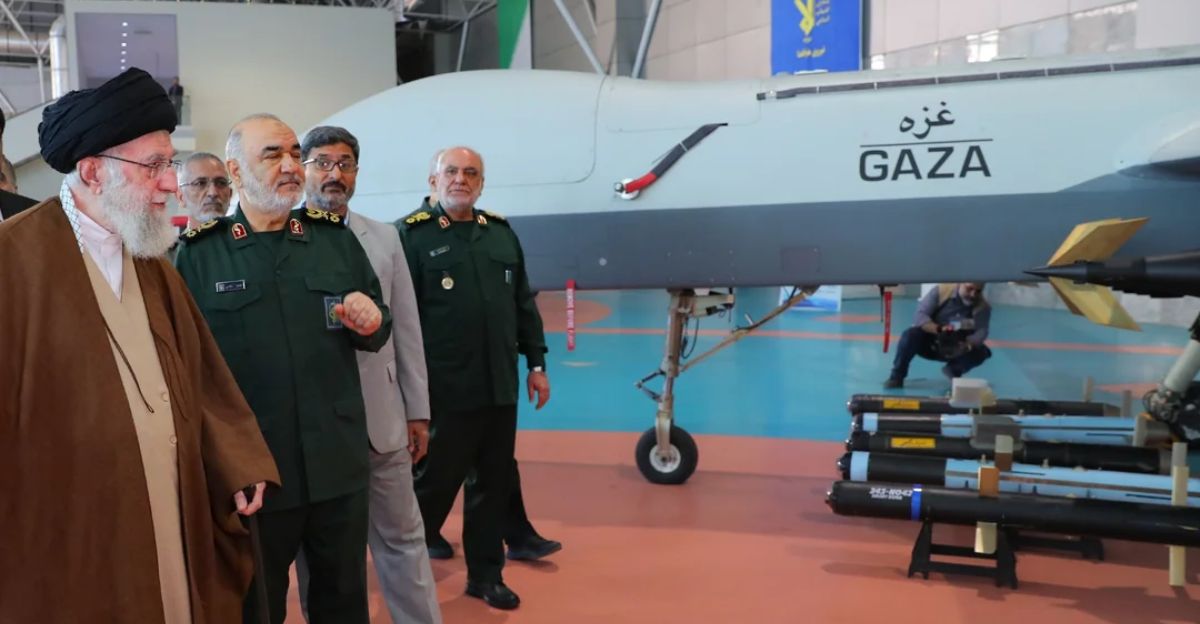
Forensic investigations into Iranian drones have revealed that 40 out of 52 components in a single downed drone originated from US companies. These included critical parts such as semiconductors and GPS systems, which were bought through intermediaries in Malaysia, Taiwan, and Hong Kong. This reveals how deeply US-made technology is embedded in Iranian military drones, despite the sanctions designed to prevent such transfers.
The extensive use of US-made technology in Iranian drones raises concerns about the effectiveness of current sanctions. These components are often diverted through a complex network of intermediaries, making it increasingly difficult to prevent the technology from reaching adversaries who seek to use it for military purposes.
Ukraine’s Shock and Denial

Ukraine’s government reacted with shock and frustration upon learning of the Treasury’s revelations. The involvement of Ukrainian companies in supplying parts to Iran, despite national regulations, highlighted a painful irony: firms in Ukraine were aiding the very drones used by Russia to attack their own cities. While Ukrainian intelligence had flagged suspicious exports, the government lacked the legal authority to stop them before international sanctions were imposed.
This revelation has caused a political uproar within Ukraine, with many calling for greater oversight and regulation of foreign-owned entities in defense-adjacent industries. The scandal raises the difficult question of how to balance Ukraine’s industrial capabilities with the need to prevent its own companies from unwittingly aiding adversaries.
Bahram Tabibi’s Shadow Network
Bahram Tabibi, the Iranian agent behind this operation, maintained ownership of GK Imperativ through proxies while orchestrating the procurement process. Alongside associates Batoul Shafiei and Saeed Pahlavani Nejad, Tabibi coordinated the shipments of vital aerospace components to Iran. His network operated under the radar, taking advantage of regulatory gaps and shifting financial flows through banks in the UAE before reaching Ukrainian accounts.
This shadowy network highlights the sophistication of Iran’s procurement strategies. Tabibi and his associates skillfully maneuvered through loopholes in international law, creating a web of transactions that avoided detection until the US Treasury’s intervention.
Ukrainian Legal Actions and International Consequences
Following the US sanctions, Ukrainian authorities launched criminal investigations into GK Imperativ and Ekofera. Bank accounts were frozen, and company offices were raided. However, key figures in the operation, including Tabibi, had already fled abroad, complicating the prosecution efforts. International banks must now sever ties with these entities, or risk facing secondary sanctions from the US.
While the sanctions have disrupted the companies’ operations, the larger issue of preventing such activities remains. As financial networks become more complex, tracking and halting illicit activity becomes increasingly difficult, posing a major challenge for global enforcement agencies.
Expert Opinions on Sanction Effectiveness
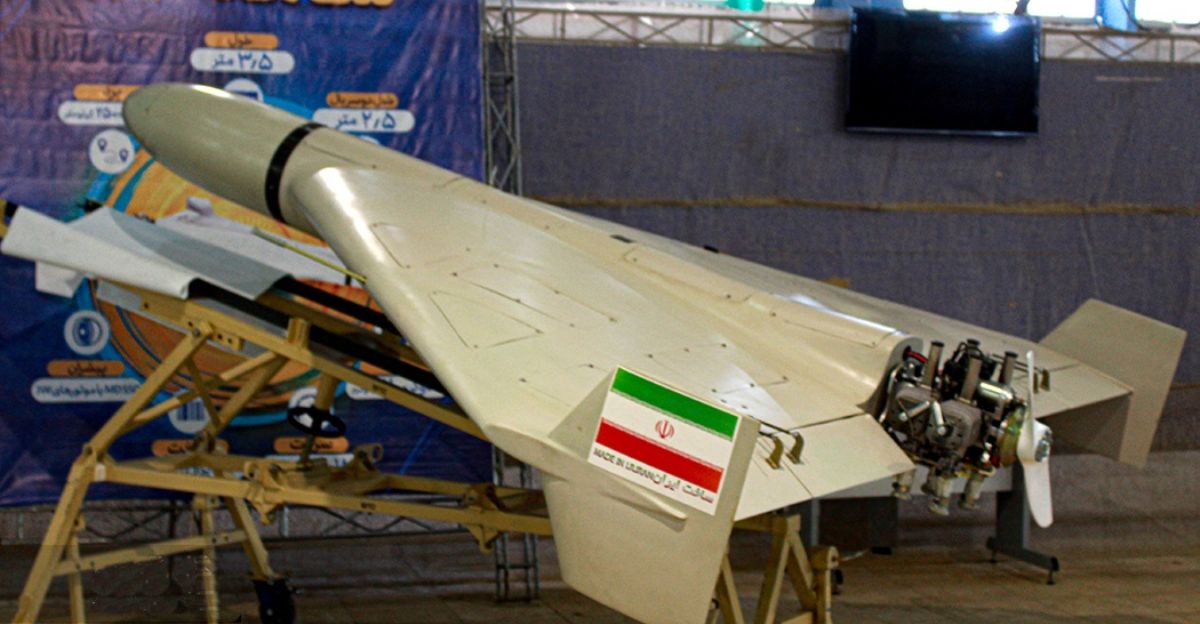
Arms control experts remain skeptical about the long-term effectiveness of these sanctions. Iran has proven adept at adapting its procurement networks, establishing new shell companies and rerouting financial transactions. Unless key distributors in regions like Turkey and India face direct penalties, Iran’s ability to circumvent sanctions will likely continue.
The ongoing challenges to sanctions enforcement highlight a fundamental flaw in the current system. Until major distributors and intermediaries are held accountable, Iran’s ability to circumvent sanctions will persist, making it difficult to prevent military technologies from reaching the battlefield.
The Export Control Dilemma

The case of Ukrainian companies supplying parts to Iran raises difficult questions for the international community. Should Western technology companies be held accountable for unauthorized end-use of their products? As drone technology becomes more widely available, it becomes increasingly difficult to enforce sanctions effectively, particularly when small components can be easily diverted through third-party distributors.
This dilemma forces policymakers to reconsider the balance between security and commerce. As technologies like drones become more accessible and miniaturized, ensuring that they don’t end up in the hands of adversaries will require new approaches to international trade and regulatory enforcement.
Global Implications: The US-Iran Standoff
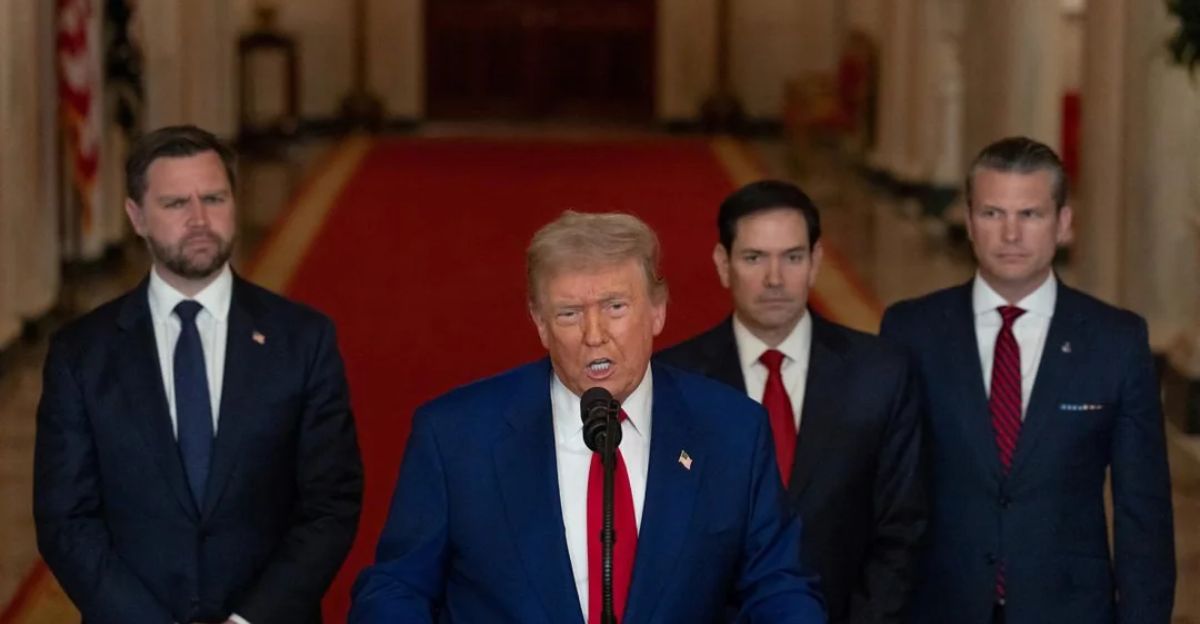
The sanctions have exacerbated tensions between the US and Iran, especially with ongoing stalled nuclear negotiations. Iran’s increasing military cooperation with Russia complicates the geopolitical landscape, as Moscow relies heavily on Iranian drones. The US frames these actions as a necessary step to protect Ukraine and limit Iranian influence in the region.
This conflict highlights the intersection of military, diplomatic, and economic pressures. The growing alliance between Iran and Russia has profound implications for global security, and the US’s sanctions are part of a broader strategy to counter these rising threats.
The Iranian-Russian Alliance
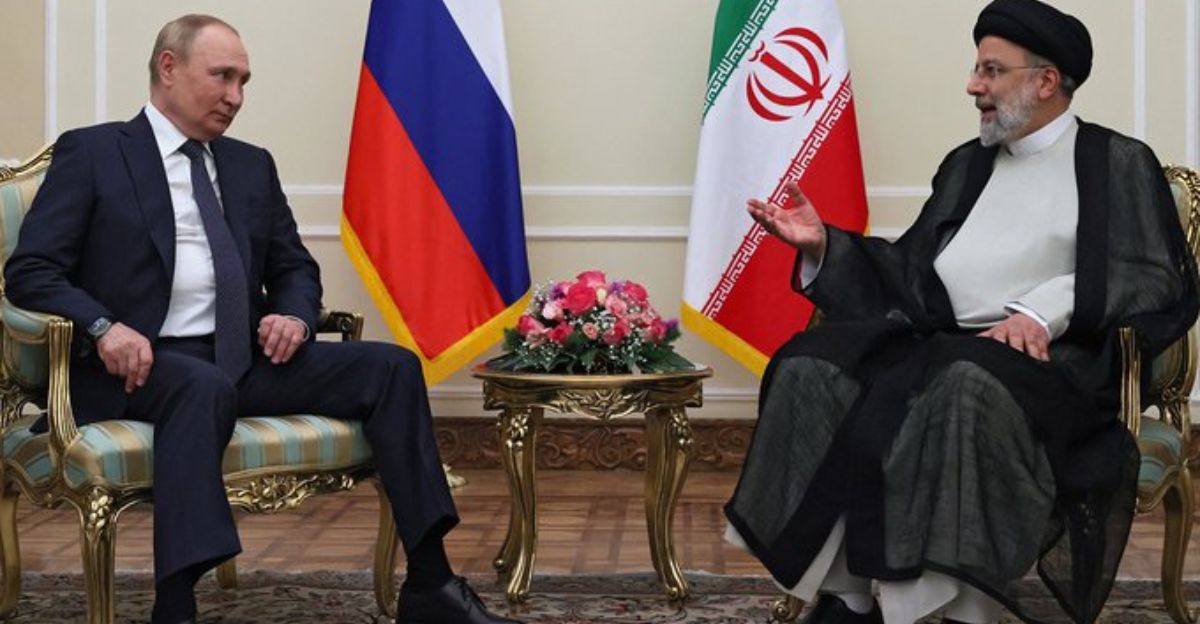
Iran has become a critical partner for Russia, supplying drones that have played a significant role in the ongoing war in Ukraine. With Russia running low on precision-guided munitions, Iran’s Shahed drones have filled the gap. The relationship benefits both sides: Russia provides military technology to Iran, while Tehran supplies Moscow with invaluable battlefield data.
This partnership has reshaped the strategic landscape, with both countries relying on each other for critical military support. The growing dependence on Iranian drones highlights the increasing convergence of military interests between Russia and Iran.
The Legal Complexity of Dual-Use Technology
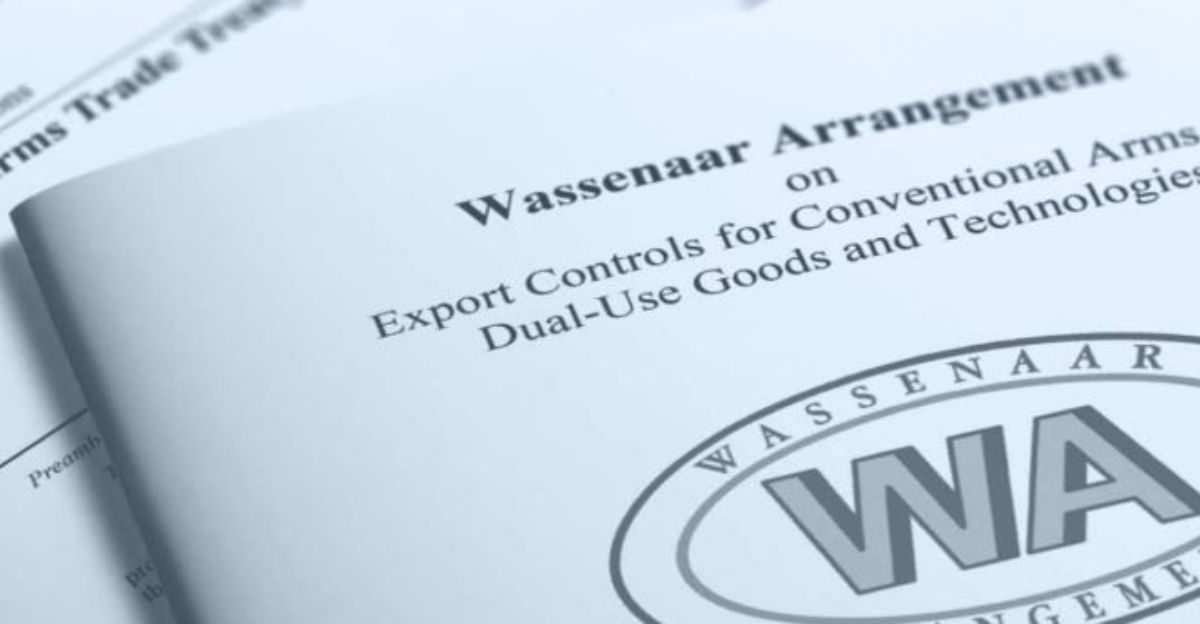
Dual-use technology export regulations are inherently complex, as they often serve both civilian and military purposes. The Wassenaar Arrangement, which governs export controls among 42 countries, is undermined by inconsistent national enforcement. Companies are rarely held liable for products diverted to adversarial ends unless it is proven they knowingly violated regulations.
The challenges of regulating dual-use technology are compounded by the globalized nature of the supply chain. As technologies become more widespread, ensuring that they don’t end up in the wrong hands requires international cooperation and a more robust enforcement framework.
Ethical Questions in Global Supply Chains
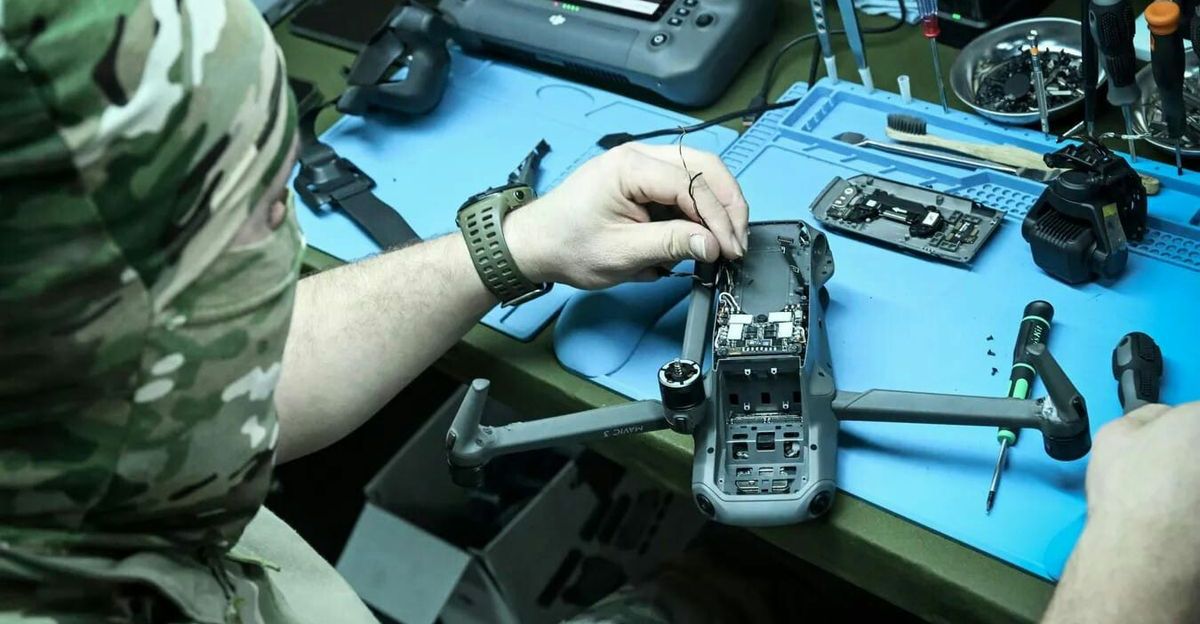
This scandal raises profound ethical questions about the role of Western technology in fueling conflict. Engineers designing commercial components for civilian applications never intended their work to contribute to warfare. However, as global supply chains become increasingly complex, technology intended for peaceful purposes ends up in the hands of those waging war.
These ethical concerns challenge the narratives that technology companies use to market their innovations. As more evidence emerges of the unintended consequences of global supply chains, the industry faces increasing pressure to take responsibility for the broader impact of their products.
The Systemic Challenge of Technological Proliferation
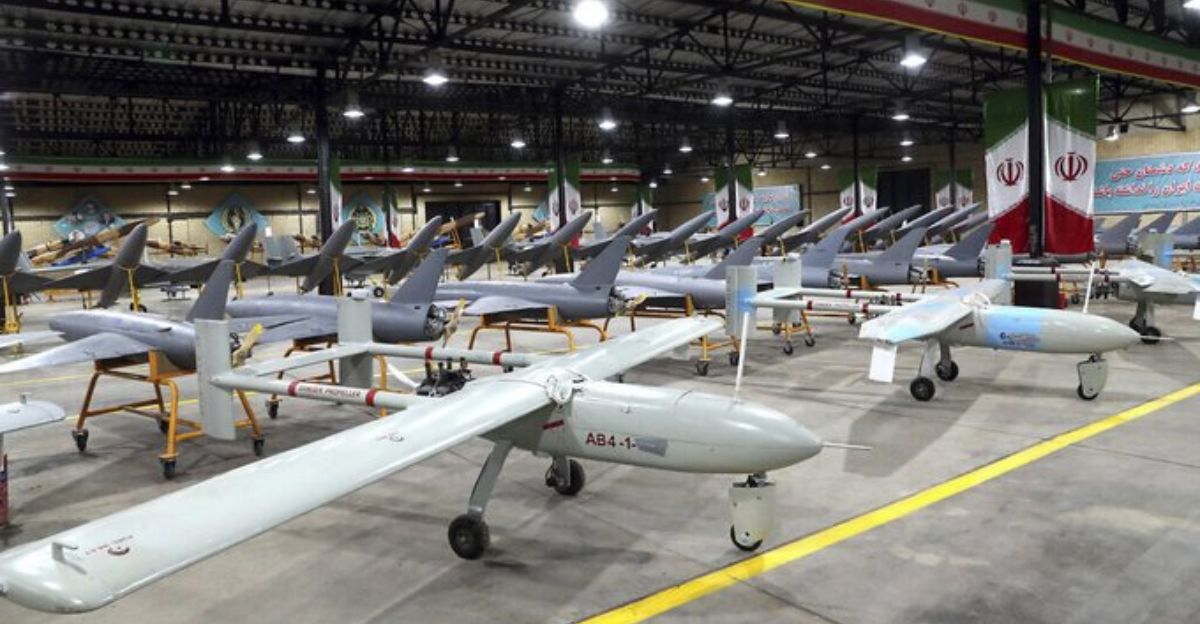
The case of Ukrainian companies aiding Iran highlights a larger, systemic challenge: how to prevent the proliferation of advanced technologies in an interconnected global marketplace. As drone capabilities become more widespread, and as components shrink and become harder to trace, the task of controlling technology diffusion becomes ever more difficult.
The growing difficulty of enforcing export controls highlights the need for unprecedented cooperation between intelligence agencies, technology companies, and financial institutions. As technological proliferation accelerates, the question will not be whether components will reach adversaries, but how quickly the world can detect and disrupt each new iteration.