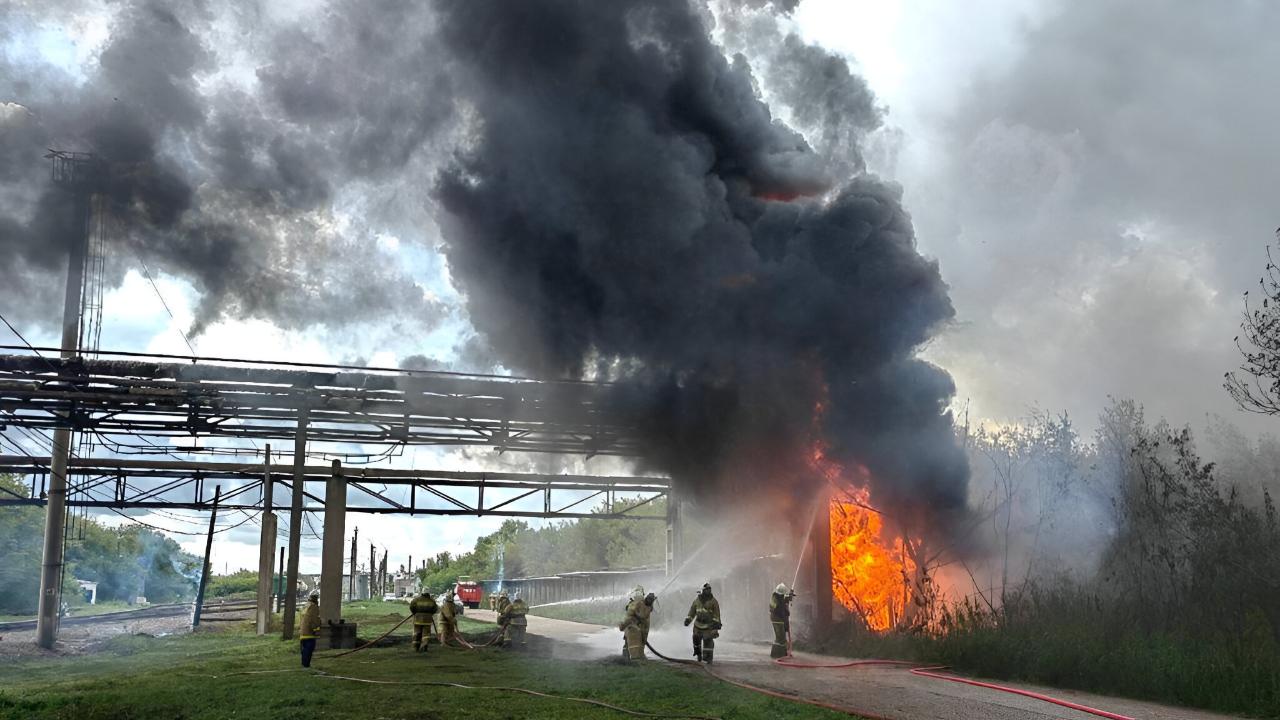
Before dawn on July 11, 2025, Ukrainian drones struck Russia’s industrial heartland. Their primary target: the Lukhovitsy Aviation Plant, a key facility for Russia’s military aircraft production located approximately 110 kilometers southeast of Moscow. The strike marked one of Ukraine’s most ambitious long-range attacks to date, signaling continued escalation in the conflict’s technological dimensions.
Production Impact: The Lukhovitsy facility operates with a documented capacity to produce up to 12 aircraft annually, representing an estimated production capability valued between $210-520 million based on current MiG-29 and MiG-31 unit costs. The strike threatens a supply chain already under severe strain from Western sanctions, which have created what defense analysts describe as ‘critical bottlenecks’ in avionics, microelectronics, and radar modules across Russia’s fighter production network.
Coordinated Strikes Hit Russia’s Defense Industry
The Lukhovitsy plant was not the only facility targeted that night. In a coordinated operation, Ukrainian forces also struck the Kronstadt UAV plant in Dubna and defense facilities in Tula. Russia’s Defense Ministry claimed to have intercepted 155 drones across 13 regions, but reports from Russian sources indicated explosions and fires erupted at several targeted sites.
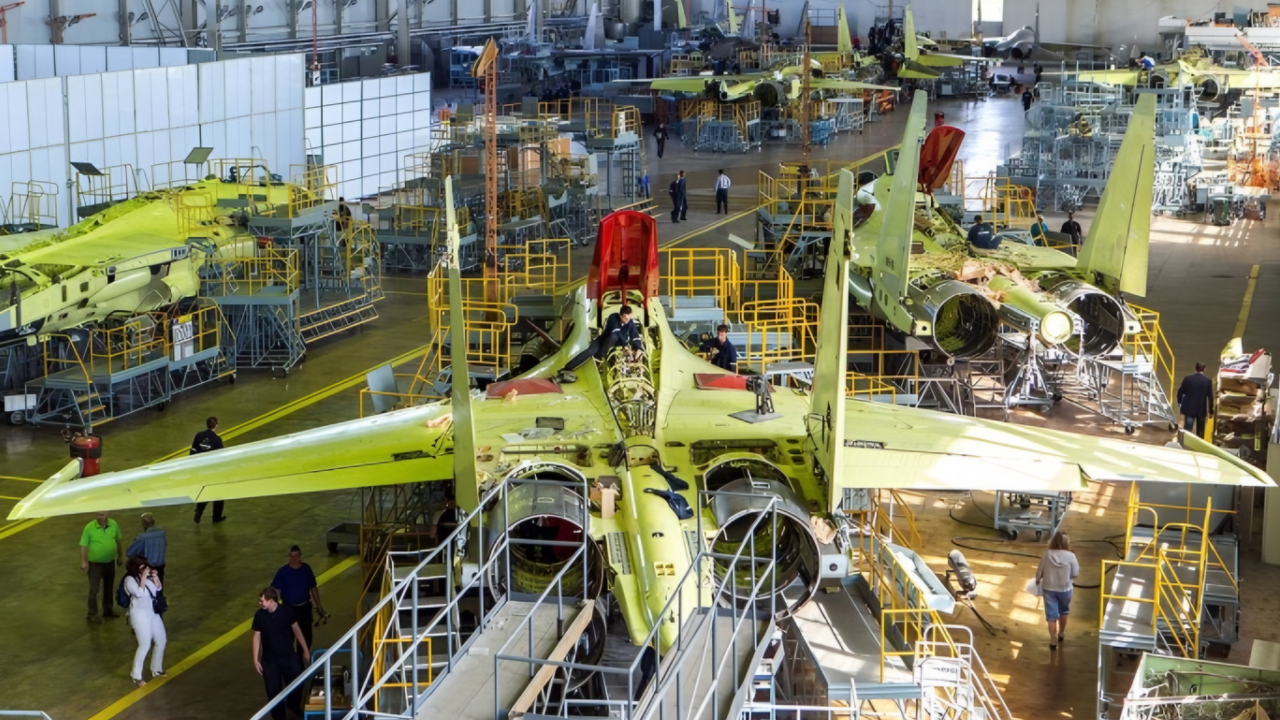
The Lukhovitsy Aviation Plant produces MiG-29 and MiG-31 fighter jets for the Russian military. According to Ukraine’s General Staff, the facility “carries out the full range of work for the Russian army, from machining parts to final assembly, flight testing, and delivery of Russian MiG combat aircraft”. Andrii Kovalenko, an official at Ukraine’s National Security and Defense Council, noted that the facility is also involved in upgrading Shahed-type attack drones.
Explosions and fires were reported at the plant following the attack. The attack’s proximity to Moscow underscored Ukraine’s growing capability to strike deep into Russian territory.
Assessing the Damage and Strategic Impact
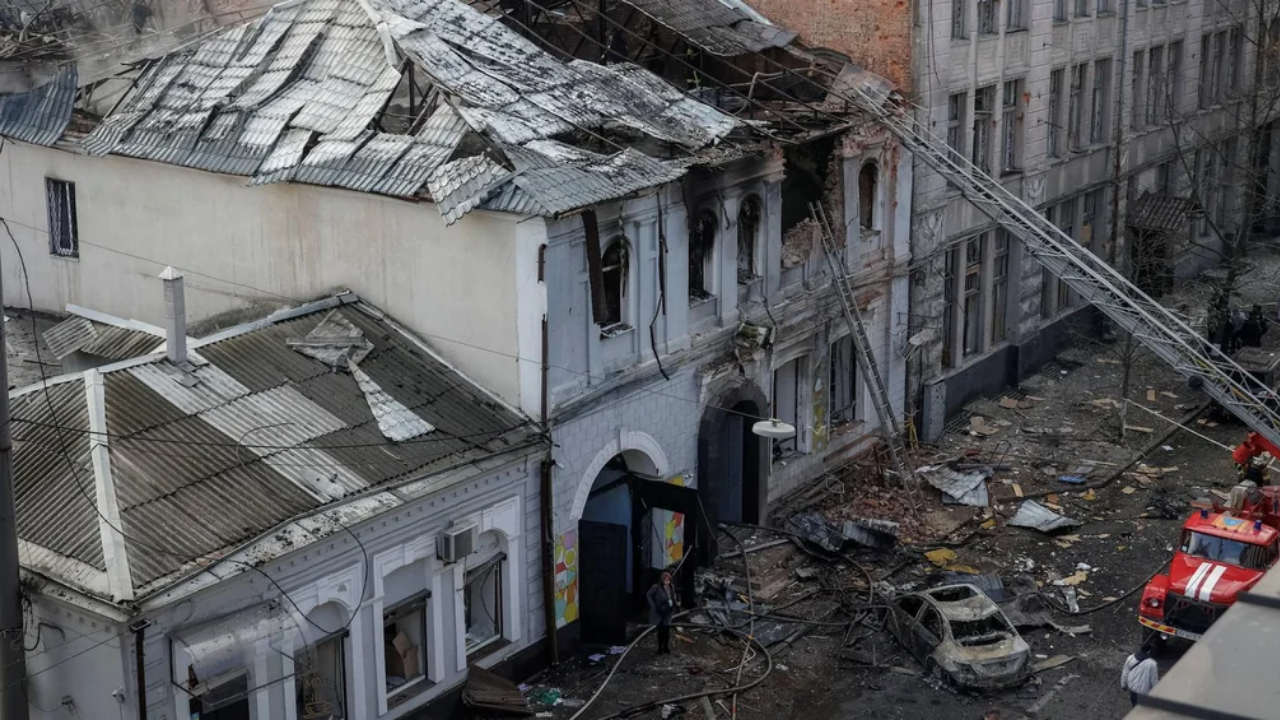
The Lukhovitsy plant’s disruption affects Russia’s aerospace production capacity. Aircraft manufacturing facilities rely on specialized equipment and precision assembly infrastructure that cannot be quickly replaced, particularly under Western sanctions that restrict access to advanced components and machinery.
Russia’s combat aircraft production has been relatively modest in recent years. According to defense industry analysis, Russia produced between 22 and 50 combat jets annually in 2022-2023, with production capacity constrained by supply chain limitations. The country manufactured approximately 101 military aircraft across all programs in 2024.
Russia’s defense industry is centralized, with major plants in the Moscow region sharing supply chains for electronics and specialized materials. Disruption at production facilities can affect output across the network, particularly for systems requiring advanced components.
Inside the Operation: How the Strike Unfolded
Around 1 a.m. on July 11, Ukrainian drones targeted the Lukhovitsy plant. Explosions and fires were reported at the facility, though Russian authorities largely do not comment on damage to strategic military facilities.
The Kronstadt UAV plant in Dubna was also struck. According to Russian Telegram channels and independent media reports, the facility—which has been developing unmanned systems for over 15 years—came under drone attack. The plant had been previously targeted in a Ukrainian attack in May 2025.
In Tula, a city over 300 kilometers from the Ukrainian border, residents reported explosions in the industrial district where several defense facilities are located. These include the JSC Instrument Design Bureau, which develops precision munitions, and NPO Splav, which produces multiple-launch rocket systems.
Tula Oblast Governor Dmitry Milyaev reported one person killed and another injured, though details on facility damage were not provided by Russian authorities.
Economic and Production Context
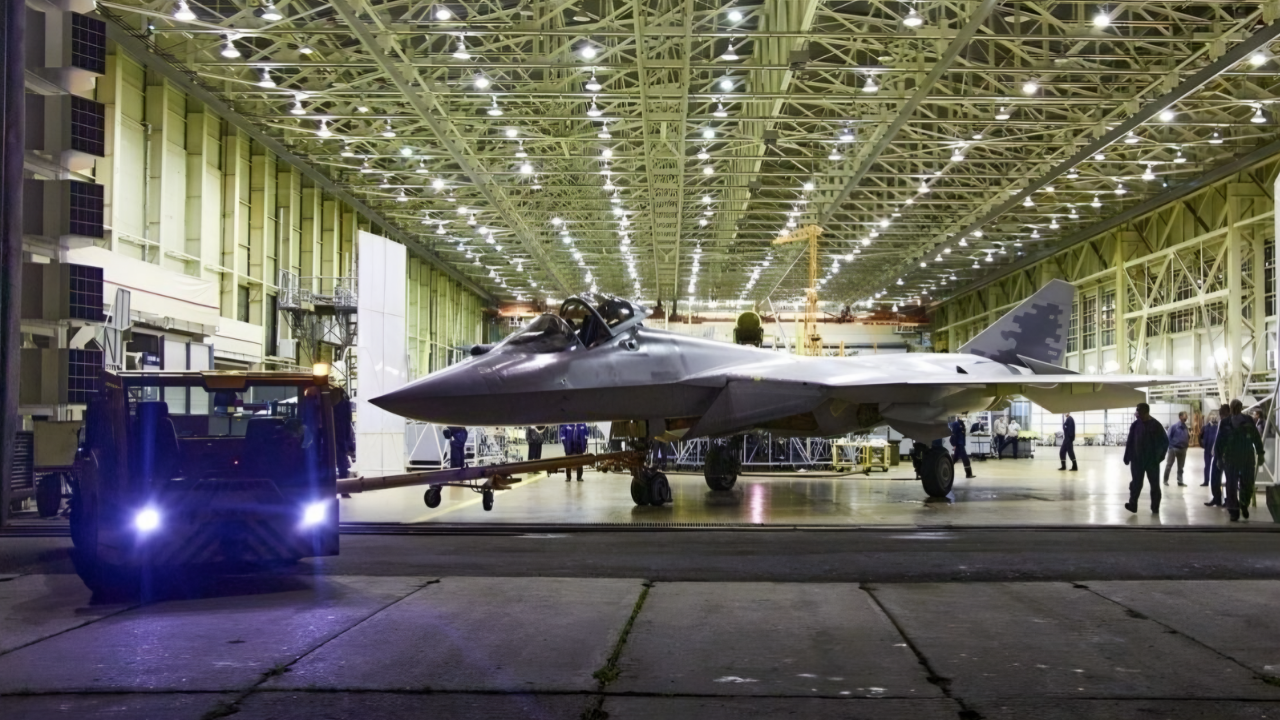
Modern fighter jets represent significant military investments, with unit costs for aircraft like the MiG-29 and MiG-31 ranging from tens of millions of dollars per aircraft. Fighter production infrastructure requires specialized facilities for component machining, assembly lines, avionics integration, and flight testing capabilities.
MiG has faced production challenges in recent years compared to Russia’s other major fighter manufacturer, Sukhoi. According to 2015 industry data, MiG’s export sales and production volumes have historically been smaller than Sukhoi’s, with MiG focusing on “smaller” customer contracts while Sukhoi secured larger orders from countries like India and China.
In 2017, Russian officials stated that the Lukhovitsy facility planned to produce at least 12 Il-114 civilian aircraft annually alongside military production, indicating the plant’s baseline production capacity constraints.
Strategic Implications
The July 11 strikes brought the conflict to Moscow’s doorstep. Videos circulated by residents showed flames in the night sky, highlighting the war’s expanding geographic reach.
Russian officials have not publicly detailed damage assessments or recovery timelines. Aircraft production typically faces significant delays when specialized equipment or facilities are damaged, as the vertically integrated nature of the manufacturing process means disruptions in one area can halt production until critical systems are restored.
The attack targets a facility that serves as a critical node in Russia’s fighter supply chain. Lukhovitsy relies on components from plants in Nizhny Novgorod, Voronezh, and Ulyanovsk, creating dependencies that make the entire network vulnerable to single-point failures. Russian aerospace production already struggles with what defense analysts describe as ‘critical bottlenecks’ in avionics supply, and Western sanctions have created severe shortages of microelectronics and radar modules—challenges so severe that Russia halted production of its Su-57 fighter citing an ‘inability to acquire the parts needed’. Damage to Lukhovitsy’s specialized assembly infrastructure could amplify these existing vulnerabilities across the MiG program.
Ukraine’s 2025 campaign increasingly focuses on striking Russian industrial infrastructure rather than solely targeting frontline assets. By focusing on production facilities, Ukraine aims to impose long-term costs on Russia’s military supply chain.
The use of long-range drones to target facilities deep inside Russia demonstrates evolving battlefield dynamics, where relatively lower-cost unmanned systems can threaten high-value industrial infrastructure. As both sides continue to adapt their tactics, the strategic significance of disrupting military production capacity remains a key element of the broader conflict.