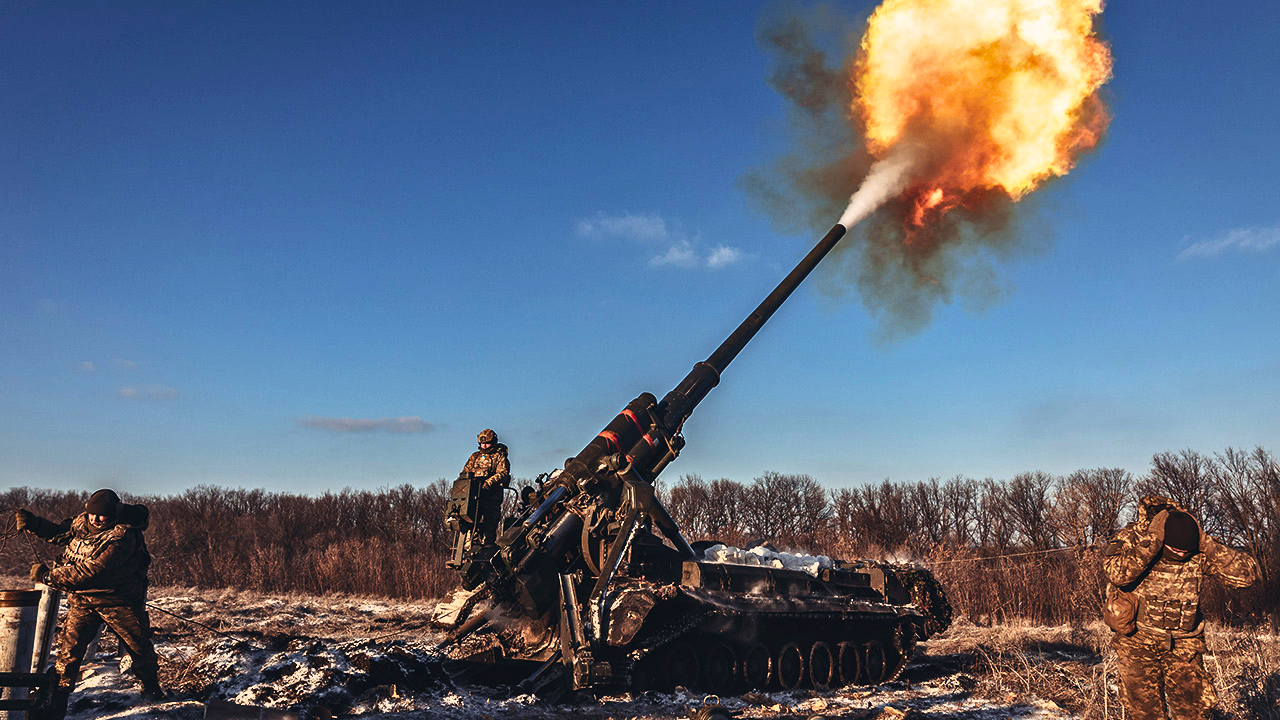
Since 2022, Ukraine has quickly developed an impressive domestic weapons ecosystem, producing millions of drones a year with very little reliance on foreign components. Examples of innovation in war production include the repurposing of skilled craftspeople like jewelers and manicurists for precision assembly.
Ukraine can carry out several dozen strikes inside Russia every night thanks to these weapons, which include Fire Point drones with a 1,400 km range and a 7-hour endurance and the Flamingo cruise missile with a 3,000 km strike range. Russia’s oil refining capacity and export potential, which has reached its lowest point since the start of the war, are severely degraded by the campaign, which targets crucial infrastructure like refineries, oil terminals, and pipeline nodes.
Creating a Domestic War Industry from Unexpected Sources
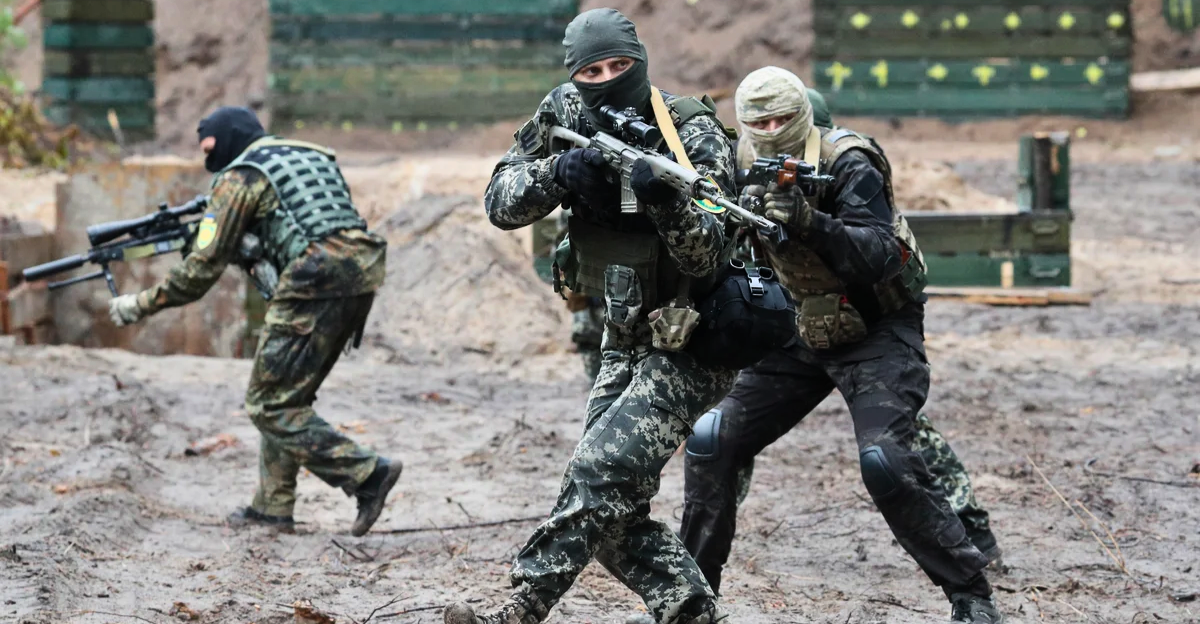
Ukraine’s remarkable adaptive strategy is demonstrated by its conversion of civilian industries into centers for the production of weapons. Wartime necessity can unlock hidden industrial potential, as demonstrated by jewelry makers and manicurists who transition from delicate craft work to assembling guidance electronics. In addition to sustaining Ukraine’s protracted asymmetric warfare, this “DIY war economy” prevents reliance on susceptible supply chains.
Operational security and resilience are strengthened by the decentralization of weapon production among small workshops. This grassroots manufacturing strategy demonstrates the inventiveness supporting Ukraine’s strategic resilience and has allowed for continuous drone production at a scale unparalleled in contemporary conflicts.
Technological Advantage: Missiles and Long-Range Drones
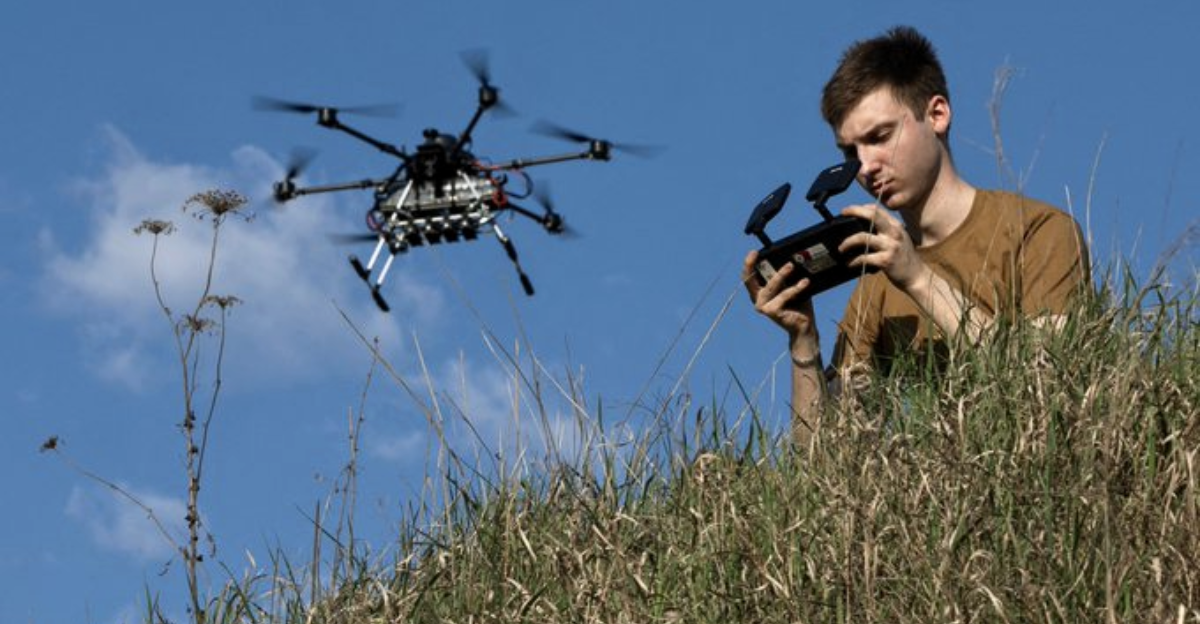
The Flamingo cruise missile and Fire Point drones from Ukraine are redefining operational reach. Fire Point can penetrate deep into Russian territory, targeting refineries and logistical hubs up to Moscow and beyond, thanks to its 1,400 km flight distance and 7-hour endurance. The planned 3,000-kilometer strikes by Flamingo could expand this reach to include all significant Russian military installations and energy hubs.
At strategic depth, ballistic missile testing creates an additional layer of danger. This technology changes not only the battlefield but also the Kremlin’s strategic calculation of resource and risk allocation by forcing Russia to stretch its air defenses thin, creating a persistent vulnerability that Ukrainian forces exploit every night.
Nightly Strikes: Persistent Economic Conflict
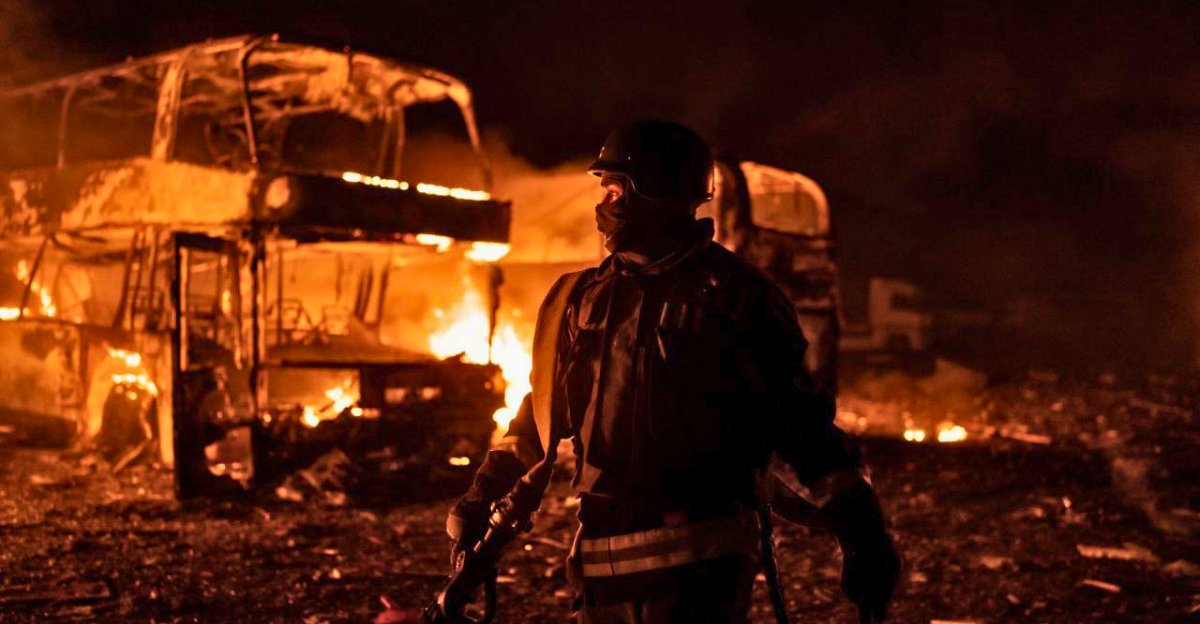
The frequency of Ukraine’s attacks, which average between 30 and 50 attacks per night, amounts to over 1,000 strikes per month against vital Russian oil infrastructure. Since August, major oil terminals (Primorsk, Ust-Luga), pipeline nodes (Unecha), and 42% of Russia’s refineries (16 of 38) have been affected.
Important targets like the Gazprom complex in Astrakhan and Bryansk show a purposeful focus on undermining Russia’s ability to produce fuel. Over 20% of Russia’s refining capacity has been compromised by this unrelenting attack, resulting in severe shortages, export restrictions, and closed gas stations even in large cities. The combined effect chokes Russia’s economy and puts pressure on its military logistics.
The Devastating Effect on Russia’s Exports of Oil
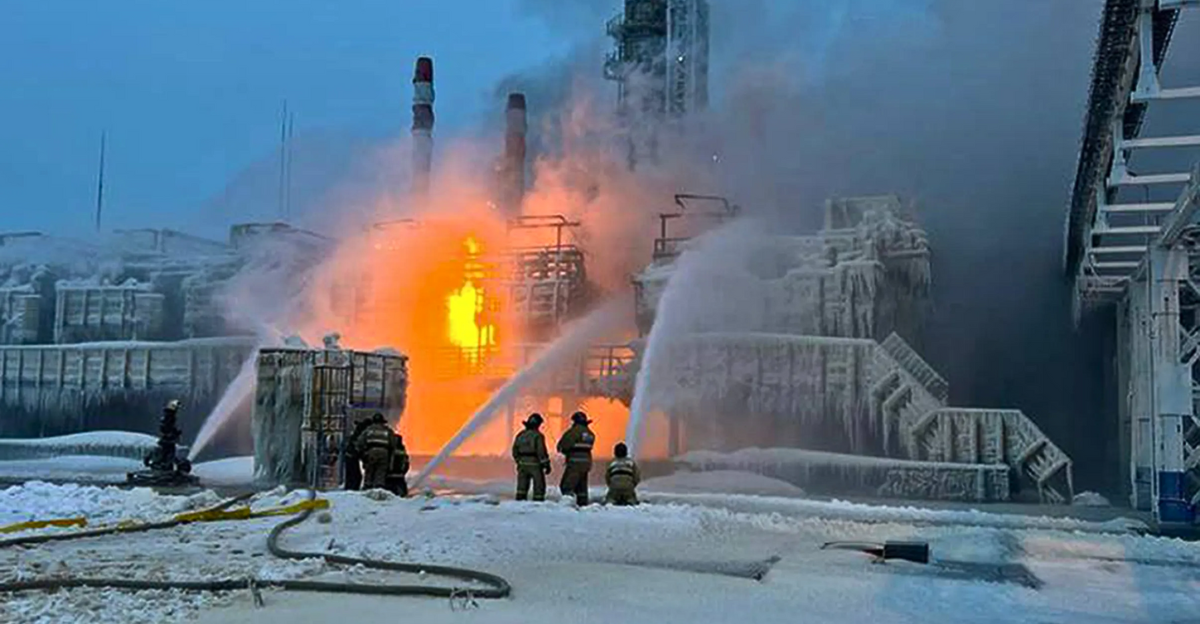
The crippling Ukrainian attacks on pipelines and refineries have caused Russia’s oil exports to fall to their lowest points since the war began. Approximately 1.2 million barrels per day are offline due to the >20% reduction in refining capacity, which causes shortages domestically and compels the Kremlin to impose export restrictions on refined products.
In addition to undermining economic stability and undermining Moscow’s hopes of making money from energy sales in spite of sanctions, this dual blight restricts Russia’s capacity to fuel both military and civilian operations. The closure of important gas stations close to St. Petersburg and Moscow highlights the seriousness of the shortages affecting both Russian elites and the general public.
Support from Europe and the Geopolitical Risks
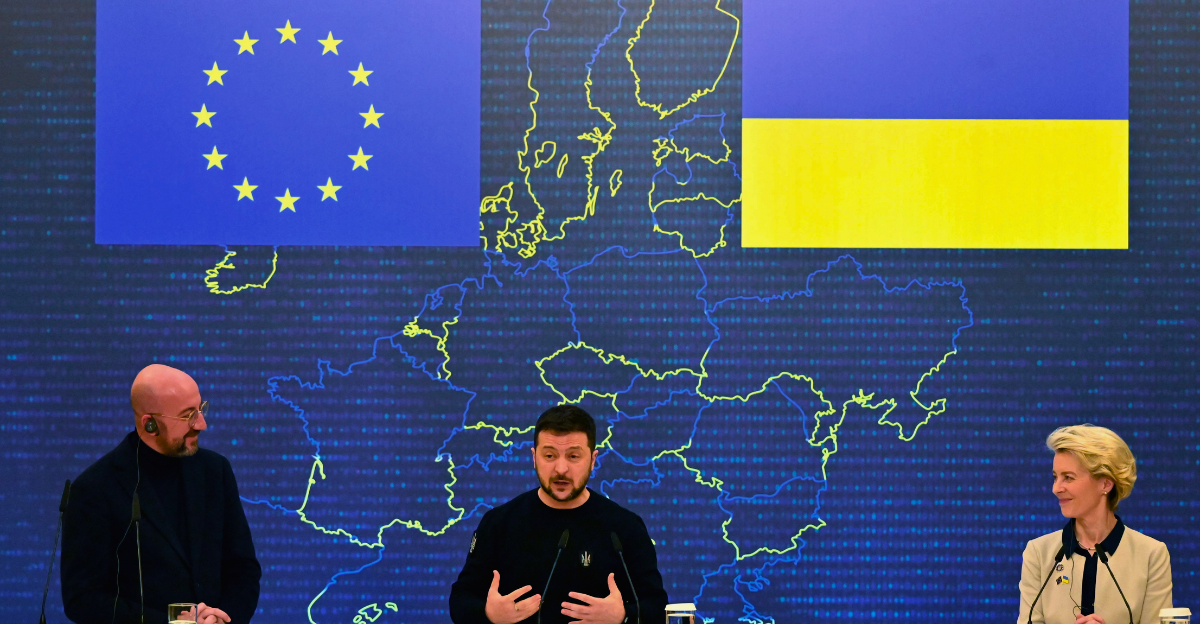
With Germany contributing $10.5 billion, Sweden contributing $7.4 billion, and an EU “Drone Alliance” contributing $6 billion, Europe has quietly but significantly contributed $23.9 billion to Ukraine’s drone program. This support highlights the EU’s strategic interest in undermining Russia’s military apparatus by focusing on its energy infrastructure.
Coordinated attempts to block Moscow’s export routes are further demonstrated by the Baltic states’ efforts to impose restrictions on Russia’s uninsured “shadow fleet” tankers. In addition to effectively militarizing economic warfare, this transnational alliance establishes a precedent for future conflicts in which multinational financing and intelligence sharing shape domestic energy systems as front-line targets.
Ukrainian Sea Drones and Maritime Dynamics
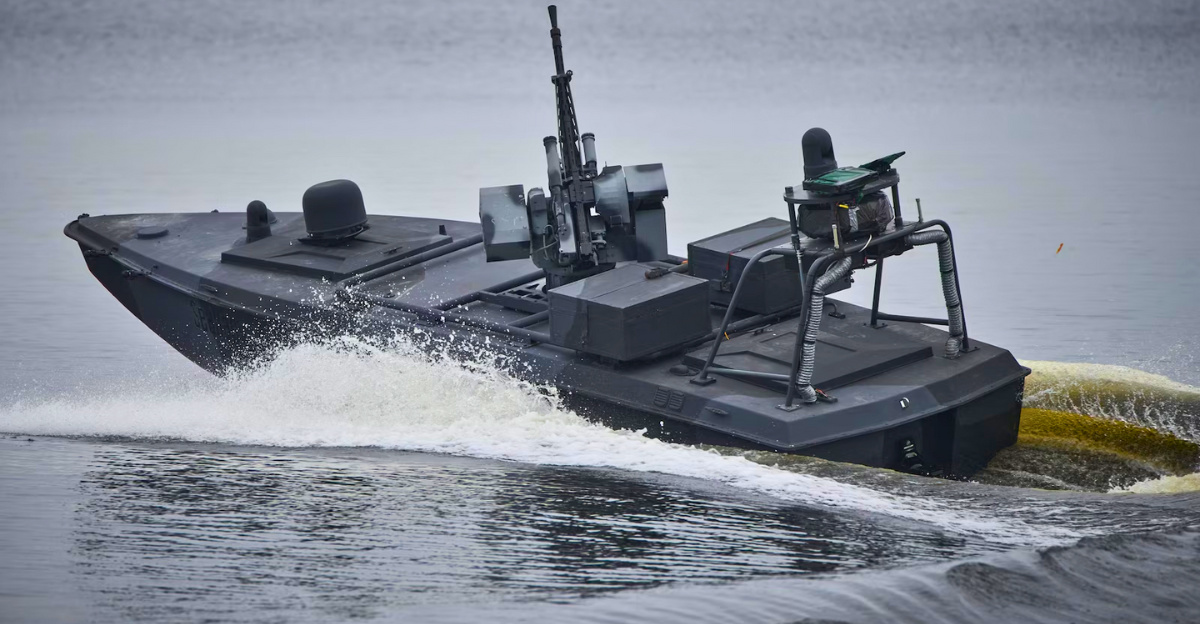
Redefining maritime control in the area, Ukrainian sea drones have played a crucial role in driving Russian warships off the Black Sea coast. These drones damage Russian naval assets without directly endangering personnel by using stealth and accuracy.
By limiting Russian naval freedom, this upsets the naval balance and affects not only military operations but also commercial and oil transportation. Similar to land-based drone successes, Ukraine’s maritime drone tactics combine low-cost, high-impact technology with strategic maritime denial, enhancing Ukraine’s capacity to undermine Russia’s larger military and economic apparatus.
Economic Attrition in Contemporary Warfare
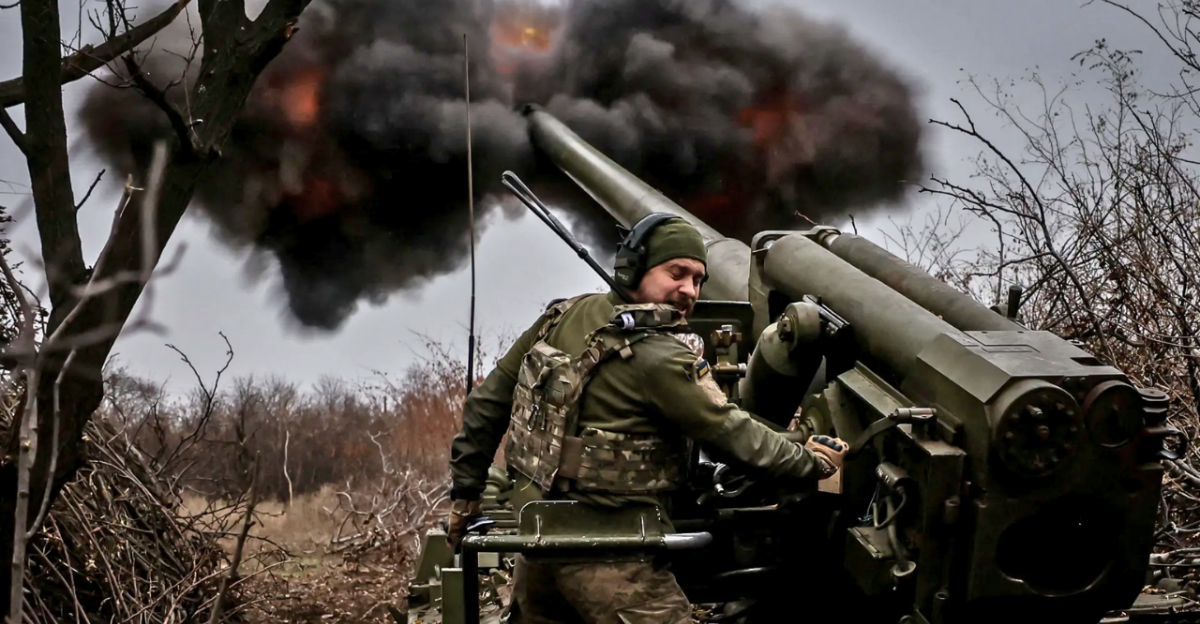
Targeting the flow of money rather than mass casualties, Ukraine’s campaign is a prime example of contemporary economic attrition warfare. Disabling refineries and fuel logistics simultaneously cuts off Russia’s operational fuel supplies and revenue streams, putting pressure on the country’s ability to wage war and maintain civilian economic stability.
This strategy shows that infrastructure and financial choke points are equally important war targets in the twenty-first century, challenging conventional conflict paradigms centered on territorial control. The campaign’s ceaseless bombardment emphasizes strategic depth over brute force, portraying a war fought as much in pipelines and factories as on the front lines.
Impact of Psychological Warfare on the Home Front
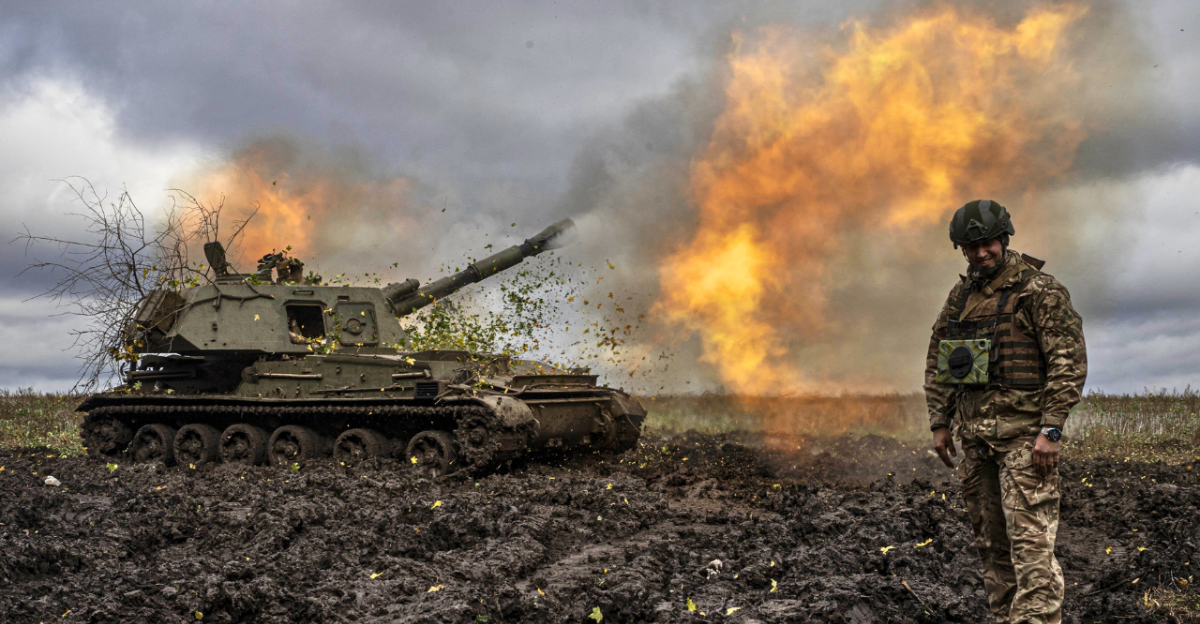
Ukraine’s strategy has a painful psychological component, as evidenced by the Kremlin’s export ban on refined fuel and the closure of gas stations close to major cities.
Targeting energy infrastructure undermines public trust and fuels internal unrest by directly affecting Russian citizens and oligarchic business interests. This strategy emphasizes the Kremlin’s capacity to uphold internal authority while engaging in external combat. The lack of fuel close to Moscow poses a threat to the delusion of safe normalcy, which could erode public and elite support for the war. Ukraine manipulates the internal narrative of Russia’s war effort by using economic hardships as psychological weapons.
An Industrial Innovation War
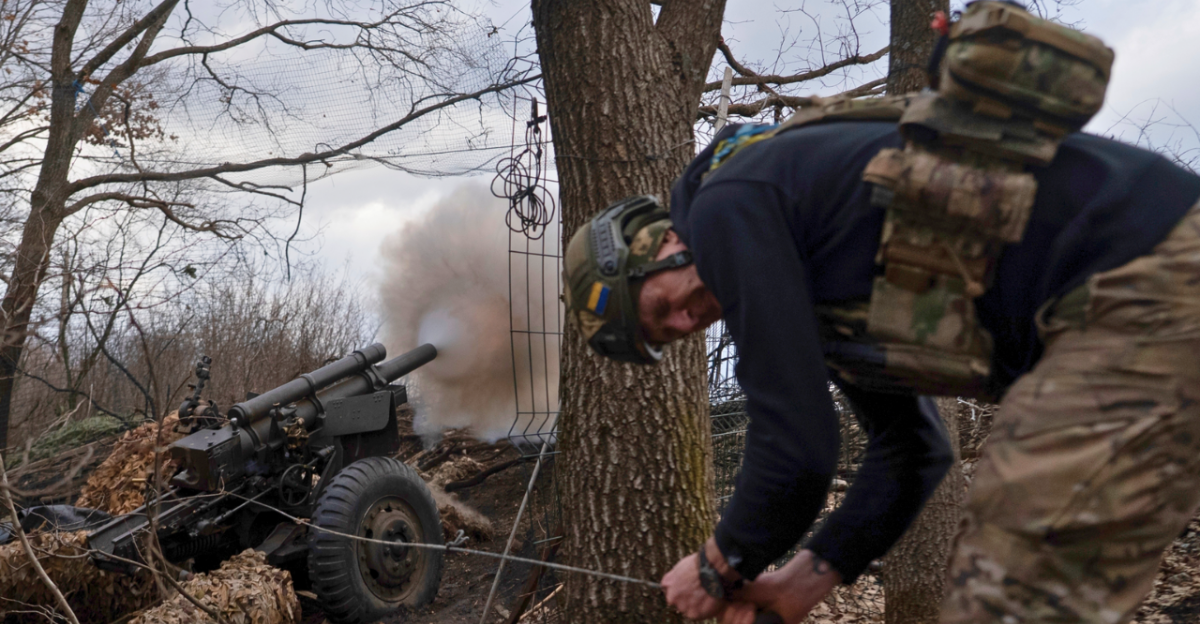
The drone campaign in Ukraine is one of the biggest ongoing drone offensives against the energy core of a G20 petrostate. A wartime industrial pivot has been expedited by the conflict; Russian refineries were set on fire by homemade drones and missiles, a contemporary equivalent of earlier industrial bombings carried out primarily using domestic technology.
This is a singular historical moment where “DIY sanctions” through targeted drone strikes starve the enemy’s war machine more successfully than conventional methods, reversing the “sanctions war” from diplomatic layers to kinetic assaults on economic infrastructure.
The Enigma of Civilian Handicrafts in Military Production
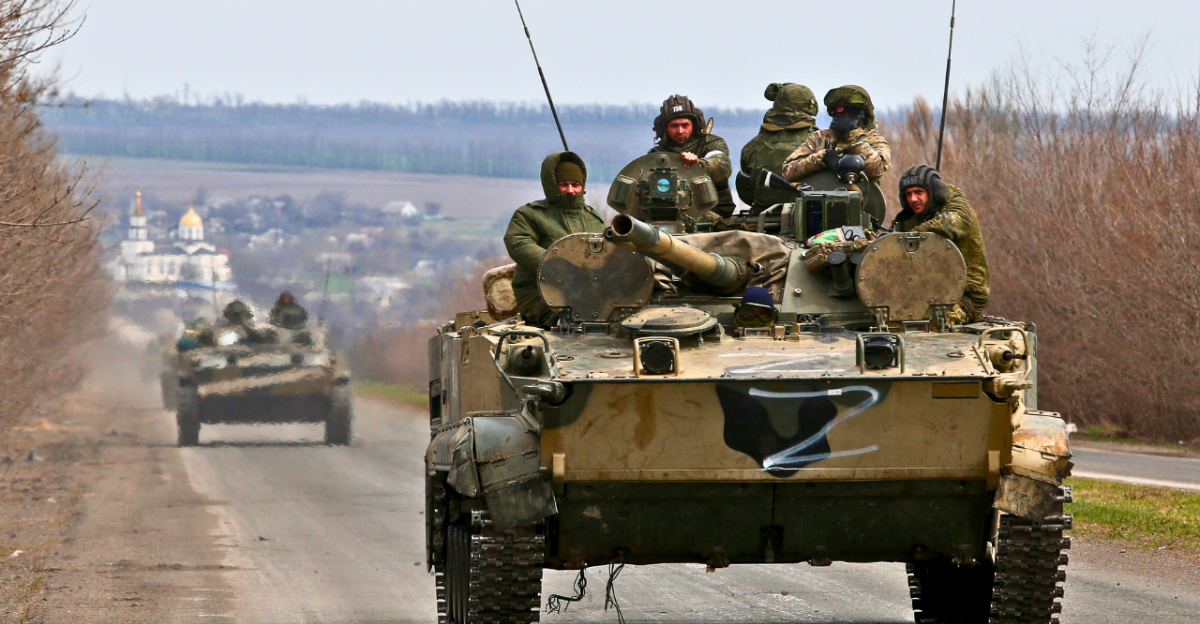
The conversion of skilled civilian workers like jewelers and manicurists into precision arms manufacturers is one of the campaign’s most fascinating features. Supply chain agility and innovation are made possible by this unconventional mobilization of workforce skills, which turns the beauty and craft industries into frontline defense manufacturing. It also depicts a compelling story of civil adaptability and resilience in times of conflict, in which each citizen contributes to the defense of the country.
This civilian-to-military industrial crossover illustrates a societal total mobilization not seen in recent conflicts, challenging conventional views on wartime manufacturing and personnel utilization.
Focusing on Human Costs vs. Infrastructure
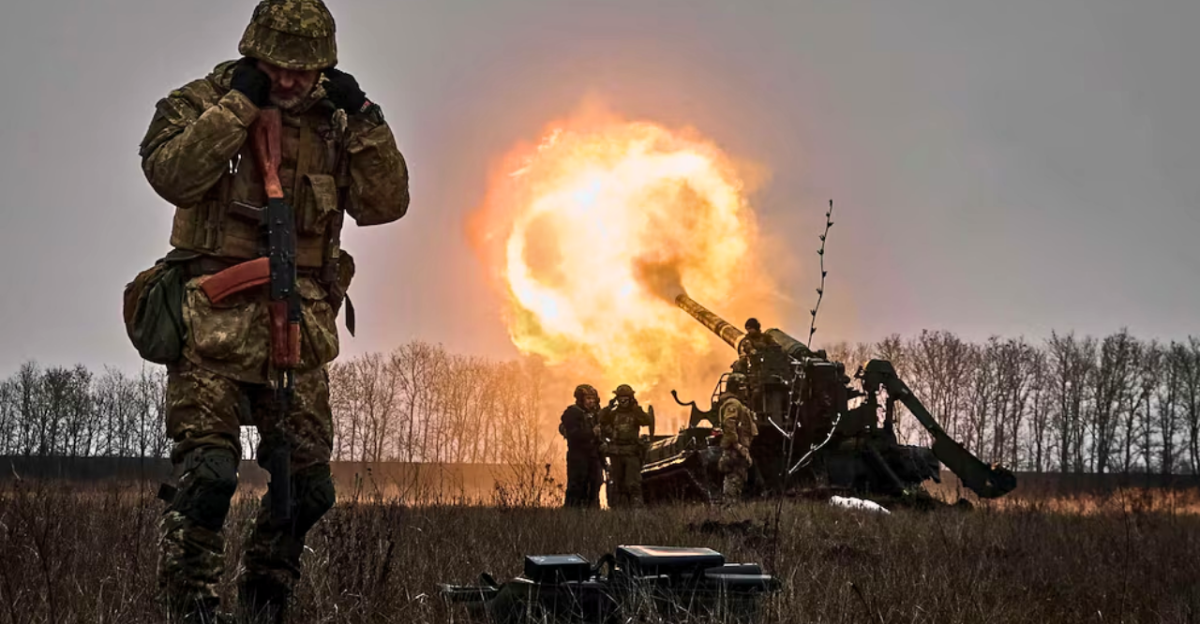
There are ethical and strategic questions raised by Ukraine’s preference for attacking economic infrastructure over direct human targets. Infrastructure strikes have an indirect impact on civilians through shortages and unemployment, despite being less deadly. However, this strategy successfully puts pressure on the enemy’s economy and willpower while lowering battlefield casualties.
It stands in contrast to conventional warfare, which is centered on capturing territory and reducing the number of soldiers. This tactic may usher in a new standard in conflict targeting that aims to minimize human casualties while maximizing systemic disruption by redefining war objectives in terms of sustainability and political leverage.
Maintaining Strike Tempo in the Face of Changing Defenses Is Critical
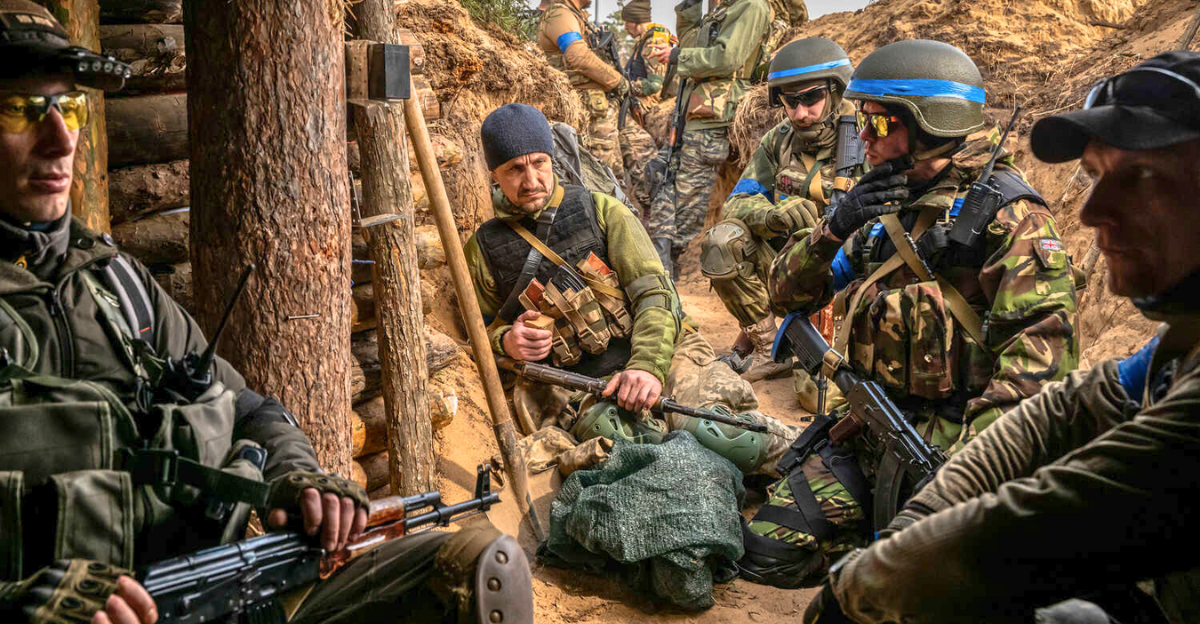
Before Russian air defenses can fully adjust, Ukraine must continue to maintain its nightly strike tempo. The current window takes advantage of the slow development of countermeasures across a large portion of Russia. However, the effectiveness of Ukrainian drones may eventually decline due to increased investments in air defense and missile interception.
Sustaining this pressure will require ongoing advancements in electronic countermeasures, precision targeting, and drone technology. The strategic urgency of the campaign is a race against time because failing to maintain the pace could allow Russia’s war machine to recover, extending and intensifying the conflict.
International Energy Markets and Their Impact
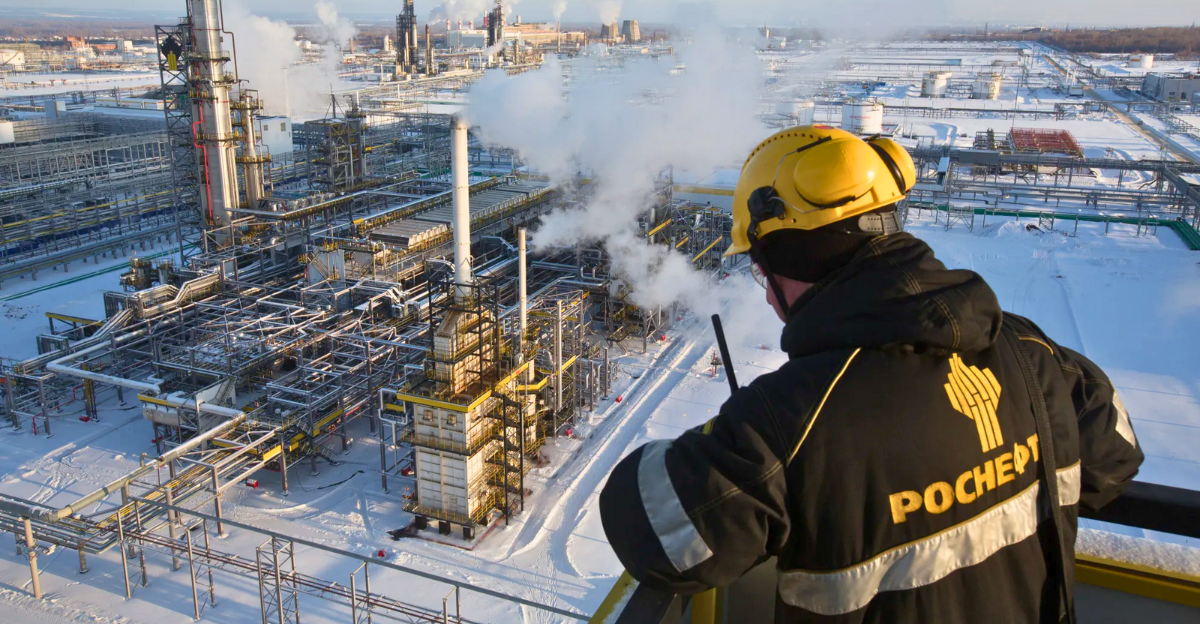
There is a risk of supply shocks due to the deterioration of Russian refining capacity, which affects the world’s oil and diesel markets. Price pressure is increased by Western sanctions and the strikes in Ukraine, which may lead to inflationary effects that extend well beyond Europe.
Disrupted Russian exports could change long-term energy geopolitics by hastening global energy diversification and the shift to renewable energy sources. Furthermore, a protracted fuel crisis in Russia could lead to refugee flows and economic instability in nearby countries. This intricate interaction serves as an example of how localized conflict innovations can spread into international humanitarian and economic spheres, necessitating extensive strategic consideration.
Russia’s War Machine Is Starved by Ukraine’s Strategy
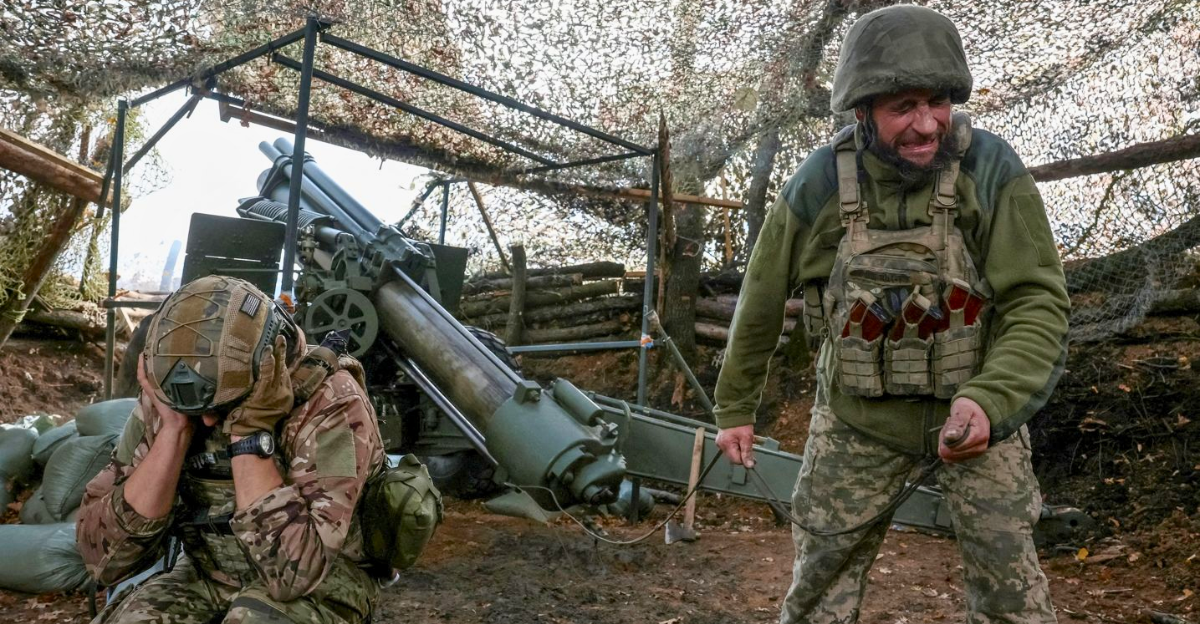
The strategic launch of more than 1,000 long-range strikes by Ukraine each month is a deadly combination of economic warfare, civilian industrial mobilization, and technological innovation. Ukraine has deprived Moscow’s war machine of vital fuel and money by destroying almost half of Russia’s refining capacity and imposing export restrictions.
This campaign, which is backed by billions of euros in European funding and accepted as an example of contemporary asymmetric warfare, transforms traditional conflict frameworks. Before Russian countermeasures develop, the war’s future depends on maintaining this kinetic economic pressure. Ukraine’s strategy heralds a new era in which war outcomes are determined by precision strikes on economic arteries rather than just battlefields.