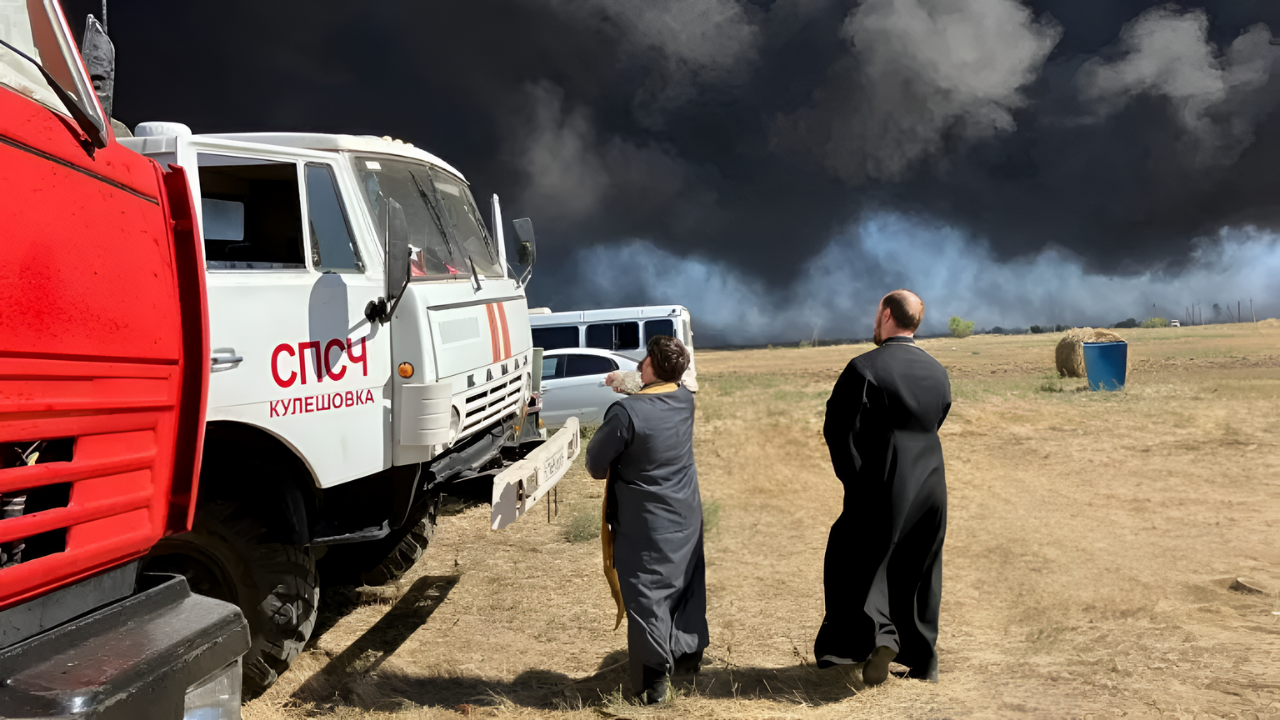
Flames pierced the predawn sky near Usman in Russia’s Lipetsk Oblast on January 6, 2026, as explosions rocked an industrial site. Videos captured by residents revealed a massive blaze at the Usmanskaya Oil Depot, 236 kilometers from the Ukrainian border, signaling the start of a widespread assault deep inside Russian territory.
The Usman incident formed part of a larger operation spanning several hours. Reports emerged of explosions and fires in Penza, Kostroma, Yaroslavl, Bashkortostan, Belgorod, and Tver regions. Russian authorities confirmed a mass drone attack lasting about eight hours, with strikes hitting targets hundreds of kilometers from front lines. This marked one of the war’s most extensive coordinated deep-strike efforts across distant areas.
Air Defenses Overwhelmed
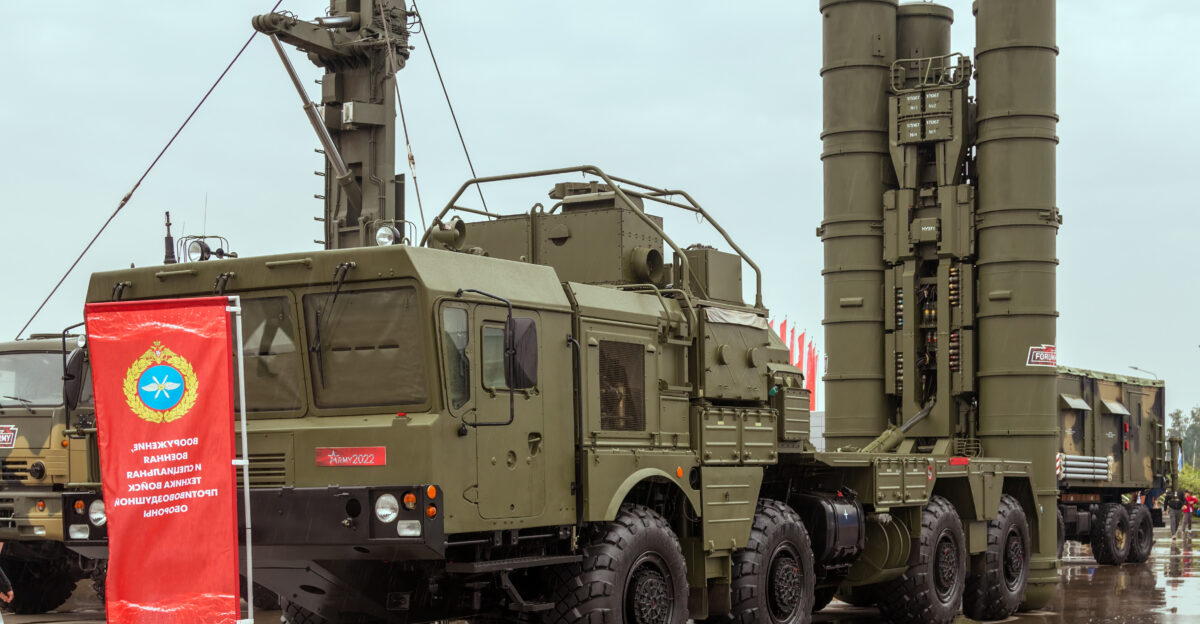
Russia’s Defense Ministry reported intercepting 129 Ukrainian drones during the overnight barrage. Despite these efforts, multiple sites sustained damage, highlighting vulnerabilities in Moscow’s defenses. Soviet-era systems and even advanced S-400 units struggle against slow, low-altitude drones covering vast expanses. The attacks underscored the challenges of safeguarding rear infrastructure on such a scale.
Ukraine’s Drone Strategy Evolves
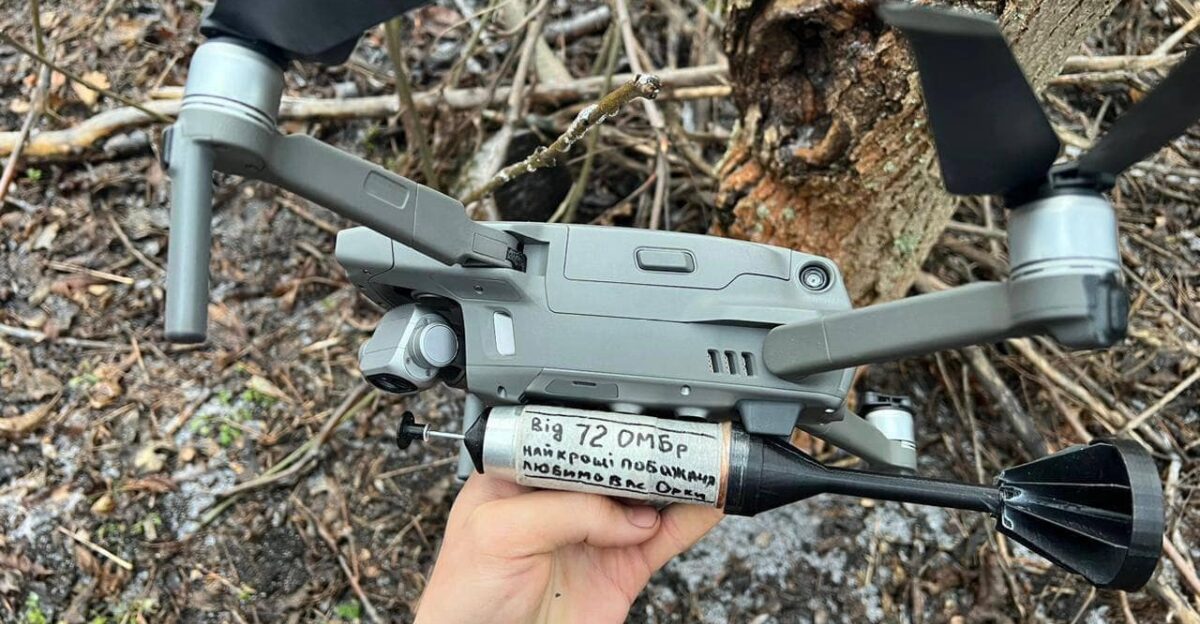
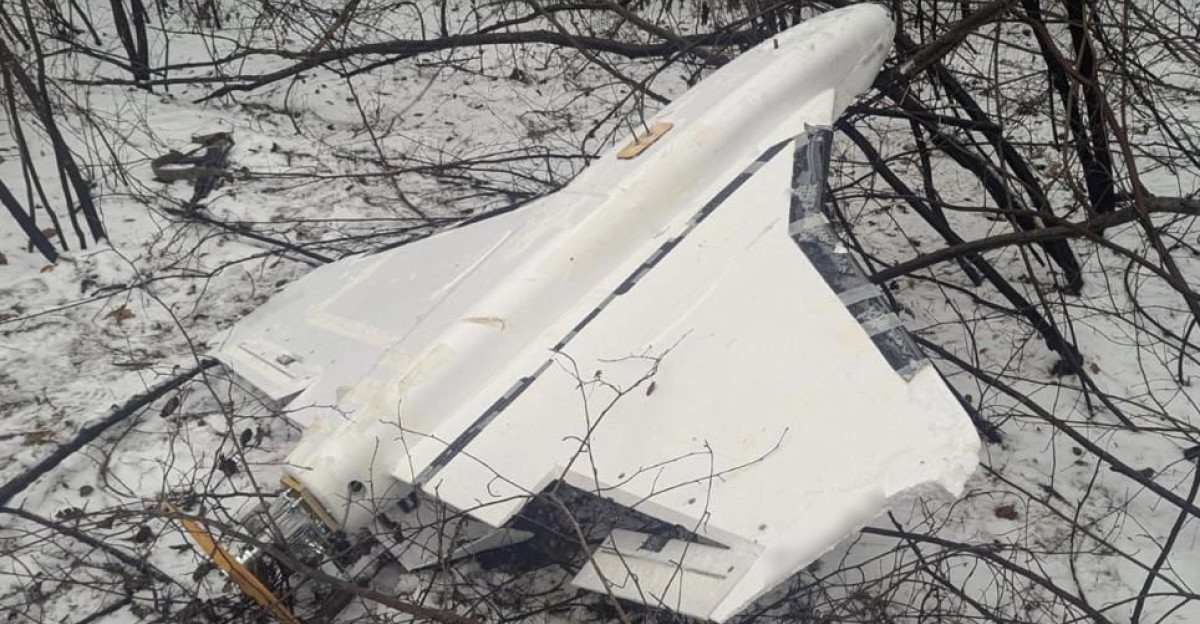
Kyiv has shifted toward homegrown long-range drones, moving away from pricier Western-supplied options. These unmanned systems, operated by units like those in the SBU, now reach up to 2,000 kilometers, with strikes confirmed even farther in 2025. This approach allows mass production of affordable weapons that evade Russian airspace, trading missile costs for scalable penetration.
Targeting Energy and Logistics Hubs
Ukraine prioritizes oil depots, refineries, and fuel storage as key nodes in Russia’s war machine. Energy exports generate about 40% of Moscow’s federal budget, fueling both civilian needs and military operations. Since 2024, over 200 such facilities faced strikes in 2025 alone, aiming to cut revenues, interrupt distribution, and hinder invasion sustainment. The Usmanskaya depot, run by LLC “Usmanskaya Neftbaza” near Streletskiye Khutora, supplies Lipetsk, Voronezh, and Tambov via its truck fleet, functioning as a vital western Russia logistics point.
Damage and Official Accounts
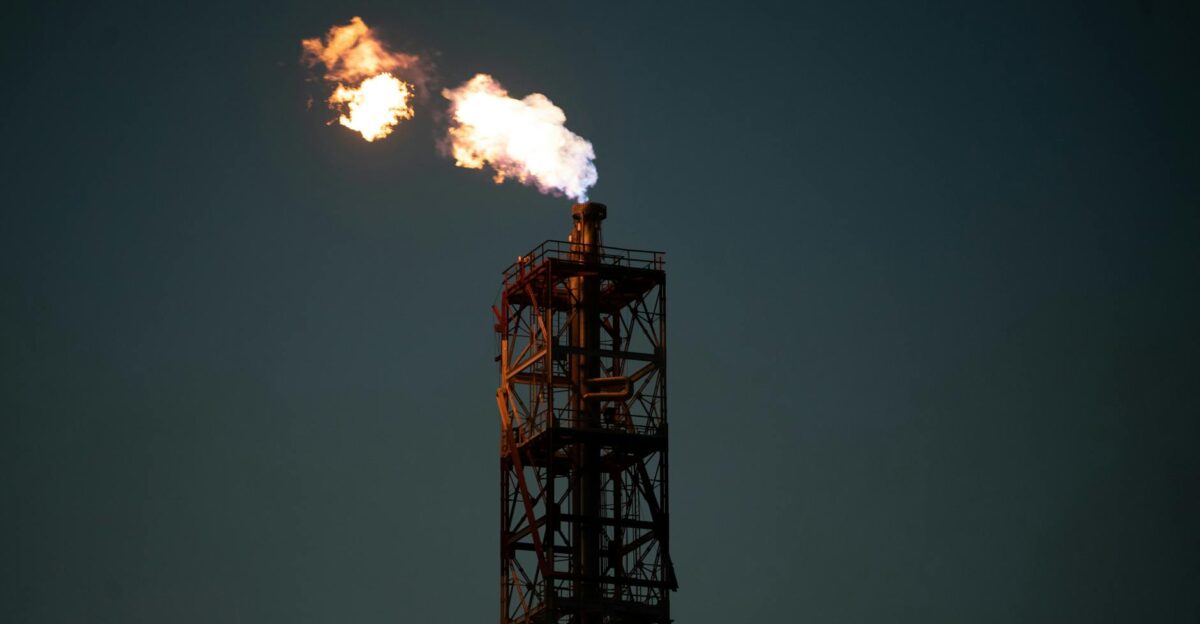
Eyewitness footage, verified by the ASTRA group, depicted towering flames engulfing the tank farm, with secondary explosions echoing for hours. Emergency teams fought the fire into January 6, but no official damage assessment followed. Lipetsk Governor Igor Artamonov described it as a fire at an industrial facility from a drone crash, confirming no casualties and ongoing response efforts, without admitting a deliberate attack.
Broader Disruptions Unfold
The depot’s outage rippled through regional fuel chains, affecting civilian transport, industry, and troops. Facilities like this serve dozens of clients within 50-150 kilometers, forcing reroutes and rationing that strain networks. Drones also hit the 100th Main Missile and Artillery Directorate arsenal in Kostroma, sparking powerful blasts. This dual focus on fuel and ammunition illustrated a layered tactic to cripple logistics.
Lipetsk’s position, beyond many air-defense layers, exposes gaps in Russia’s static protections against Ukraine’s mobile, low-cost strikes. Oil and gas revenues dropped 22% year-over-year in 2025, with December at a five-year low; up to 38% of refining capacity has been impacted since 2024, adding repair and insurance burdens. Ukraine aims for 30,000 long-range drones in 2026 production, claiming self-sufficiency to sustain operations without heavy Western reliance.
These strikes represent a pivotal evolution in the conflict, testing Russia’s adaptive capacity amid accumulating pressures. As Kyiv expands its reach, the balance tilts toward asymmetric warfare, with outcomes hinging on Moscow’s defensive innovations, economic resilience, and potential shifts toward negotiation.
Sources:
Ukrinform – Russia reports drone attack, oil depot on fire in Lipetsk region – January 5, 2026
Kyiv Independent – ‘Explosions rang out all night’ — SBU conducts fresh strikes on ammunition depot and oil facility deep inside Russia – January 5, 2026
Critical Threats – Russian Offensive Campaign Assessment, January 6, 2026 – January 5, 2026
The Moscow Times – Have Ukrainian Drones Really Knocked Out 38% of Russia’s Oil Refining Capacity – October 7, 2025
Kyiv Independent – Ukrainian drones can hit targets 2,000 km away, military intelligence claims – January 14, 2025