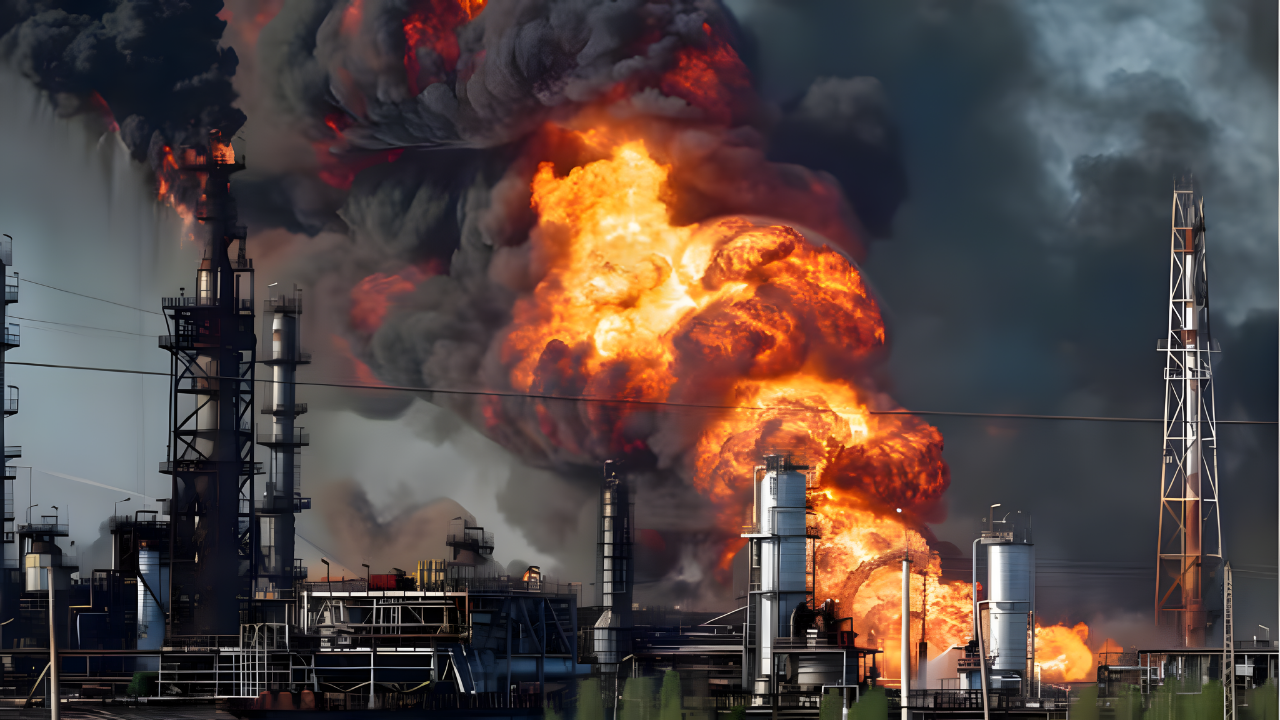
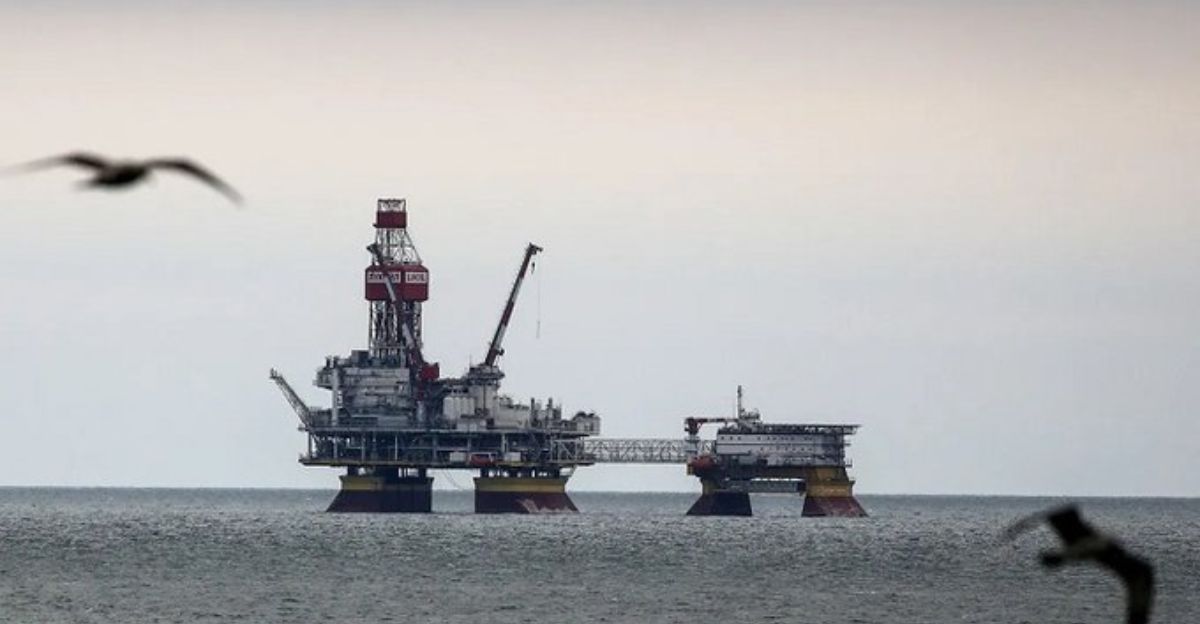
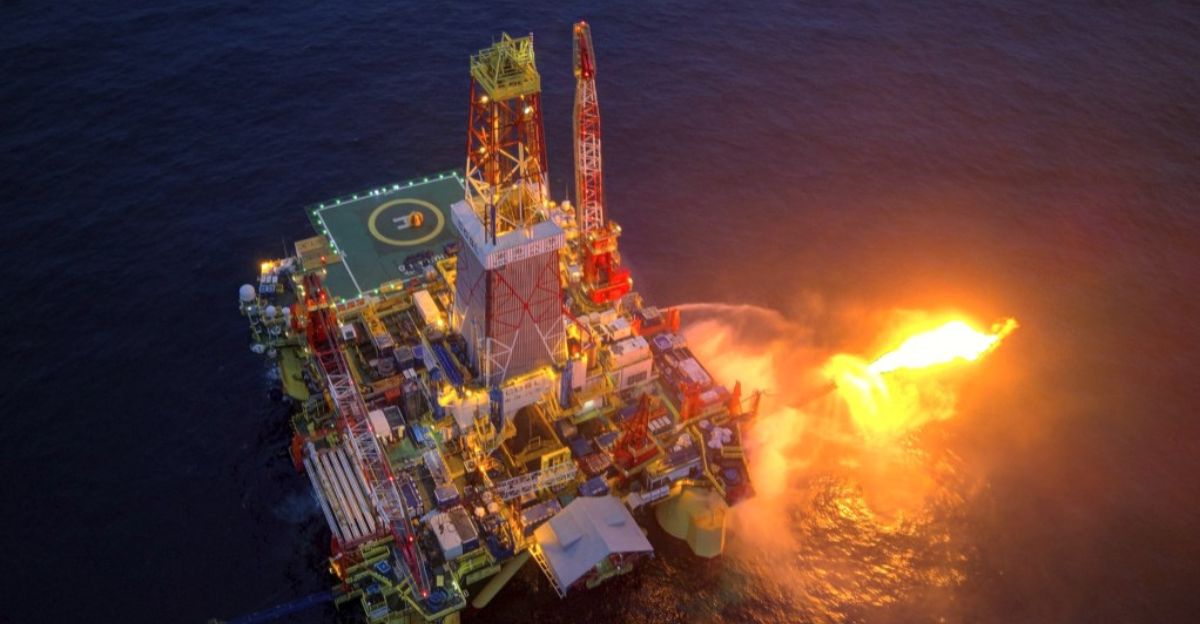
A low-profile oil platform sits against the flat gray of the Caspian Sea. Then four Ukrainian long-range drones arrive, skimming the water toward steel towers and flare stacks. Within minutes, production halts. On December 11, 2025, Russia’s largest offshore oil field—Vladimir Filanovsky—goes offline. More than 20 wells shut down at once.
Output drops to zero: 120,000 barrels per day erased, over 700 kilometers from Ukraine’s border.
A Strike Far Beyond the Front Lines
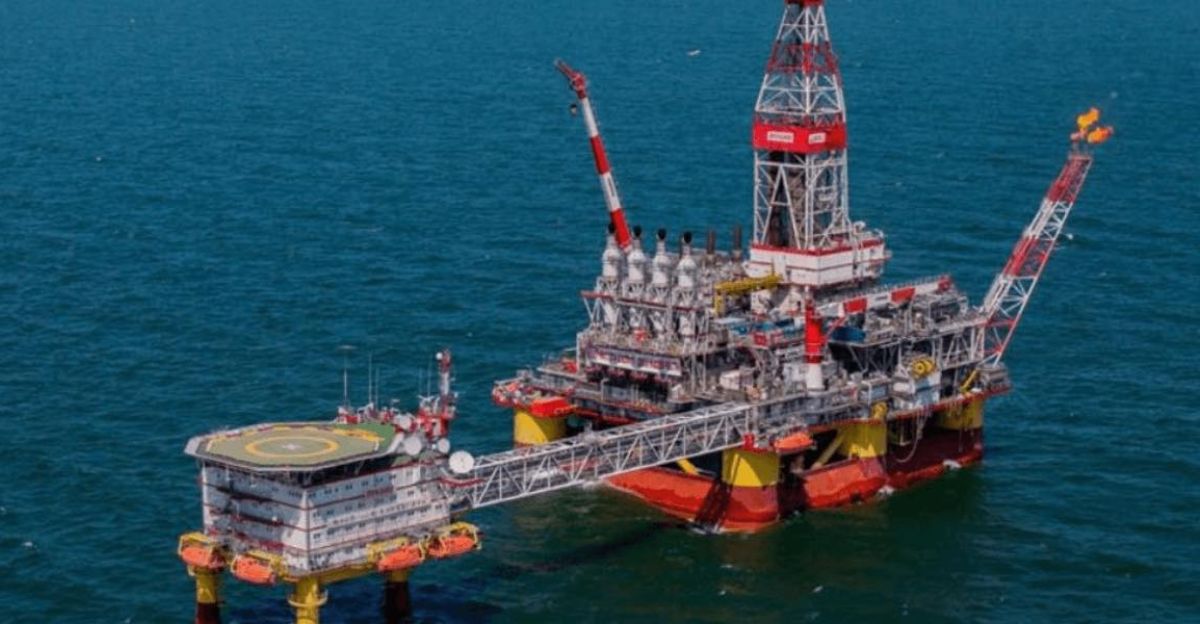
This was not a border raid or a Black Sea skirmish. Filanovsky lies deep in the Caspian Sea, long considered a safe rear area for Russia’s energy sector.
Ukrainian drones crossed more than 700 kilometers to reach it, marking the longest-range confirmed Ukrainian energy strike to date. The attack shattered assumptions about distance as protection and signaled a new phase of infrastructure warfare.
Three Attacks, One Week
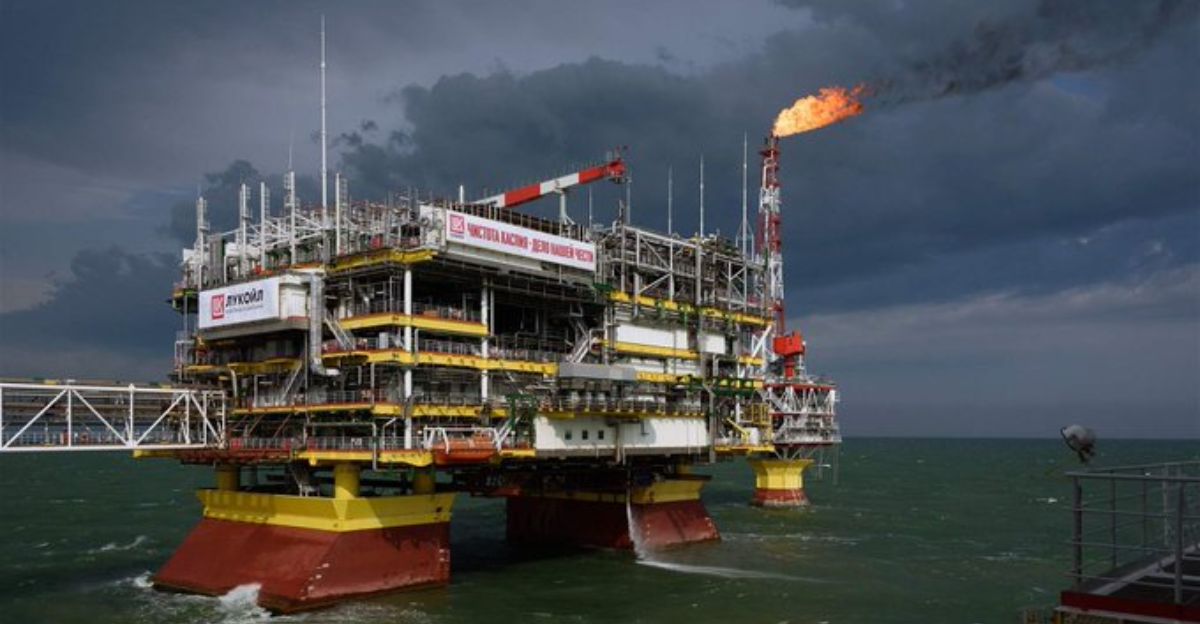
The Filanovsky strike was only the opening blow. Ukrainian drones hit Caspian targets three times in one week. After December 11 at Filanovsky, drones struck the nearby Korchagin oil and gas condensate platform on December 12—and again on December 15.
Each attack damaged critical equipment and forced shutdowns. The tempo was unprecedented for offshore energy assets in this region.
Why Filanovsky Matters
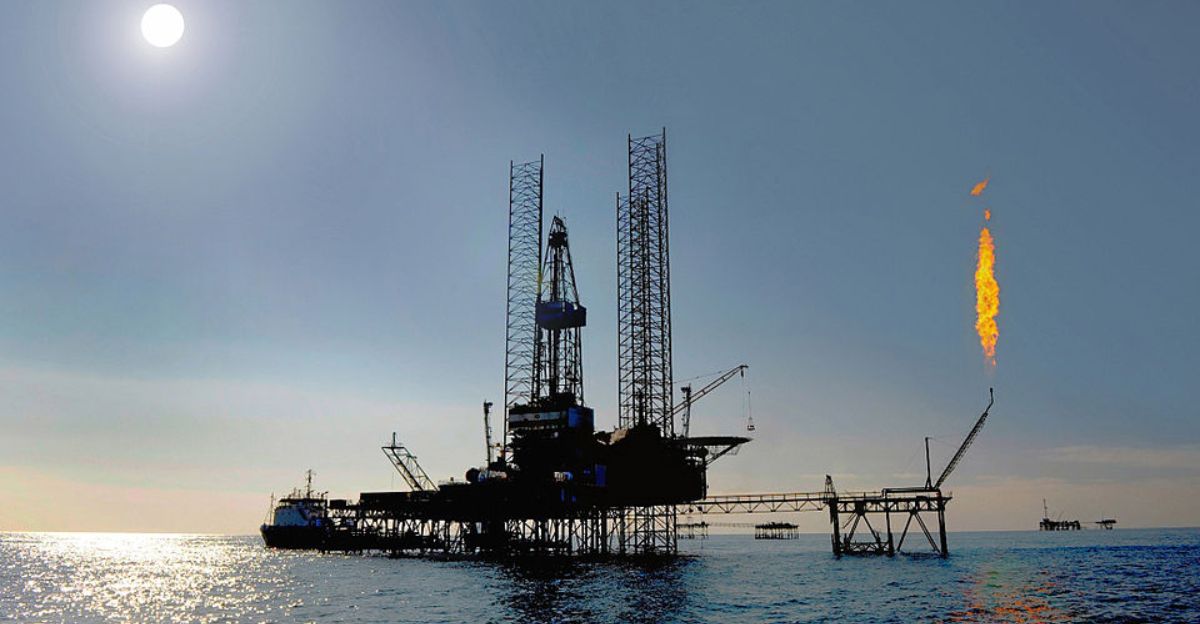
Vladimir Filanovsky is Russia’s largest offshore oil field by production. Operated by Lukoil-Nizhnevolzhskneft, it has produced roughly 120,000 barrels per day since 2016.
Discovered in 2005, it became a cornerstone of Russia’s post-Soviet Caspian strategy. Its reserves—129 million tonnes of oil and 30 billion cubic meters of gas—make it a crown jewel of Moscow’s energy portfolio.
The Alpha Unit’s Opening Blow
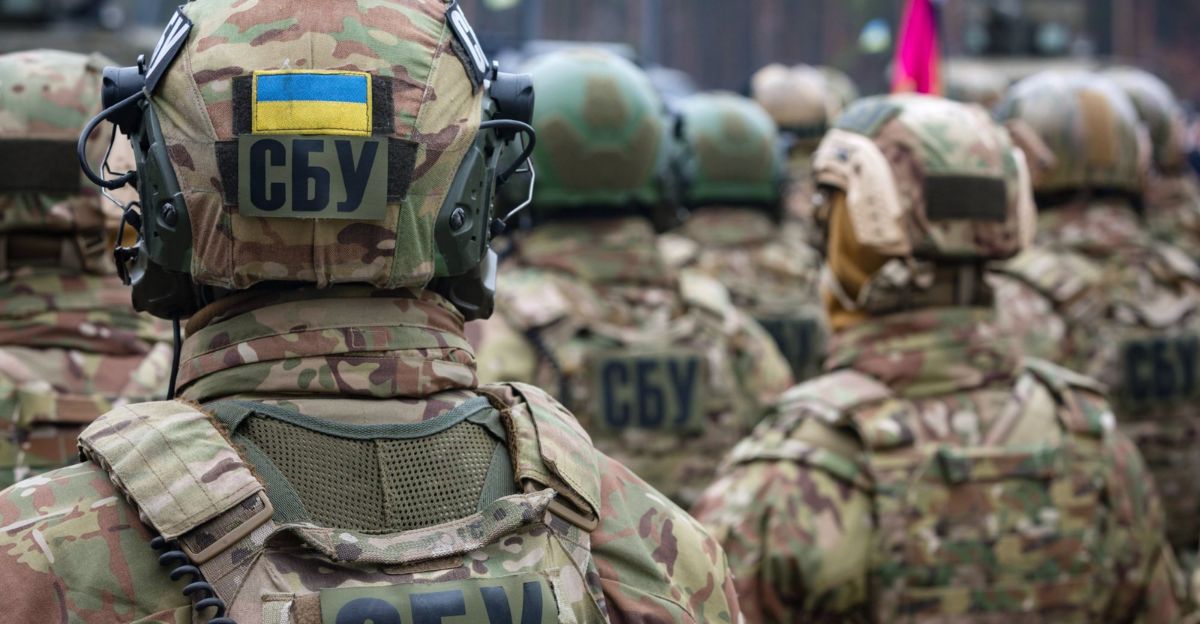
Ukraine’s Security Service (SBU) confirmed its elite Alpha special operations unit carried out the December 11 strike. Four long-range drones struck Filanovsky’s platform, damaging key systems and forcing the shutdown of more than 20 wells.
Production stopped completely. This was the first confirmed Ukrainian attack on oil and gas infrastructure in the Caspian Sea—an entirely new theater.
Production Falls to Zero
The immediate impact was stark. Filanovsky’s full output—about 120,000 barrels per day—ceased. That equals roughly 44 million barrels per year, or an estimated 1.3% of Russia’s total annual crude production.
Lukoil now faces estimated losses of $4–8 million per day, depending on prices. When Korchagin’s additional 20,000 barrels per day went offline, the disruption deepened.
Human and Operational Shock
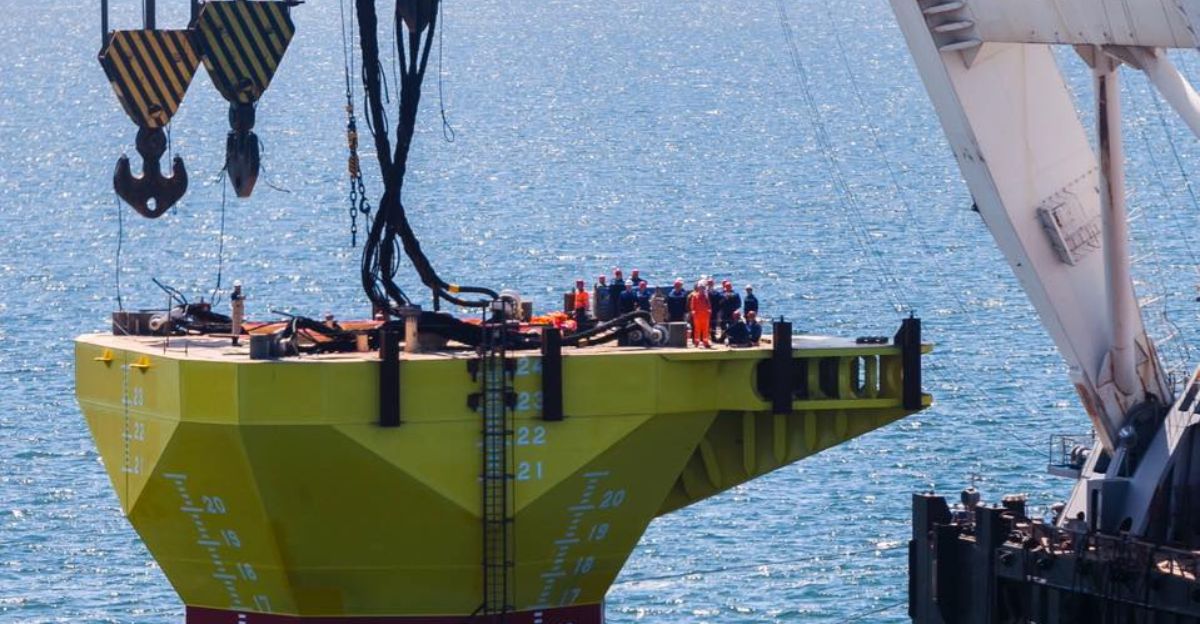
Platform crews were forced into emergency shutdown procedures as systems failed. Operators evacuated damaged areas and began rapid safety assessments.
Ukrainian sources reported heavy equipment damage but no casualties. These remote platforms, far from any battlefield, suddenly became front-line targets. For workers and operators alike, the strikes underscored how quickly the war can reach supposedly insulated infrastructure.
A Pipeline Under Pressure
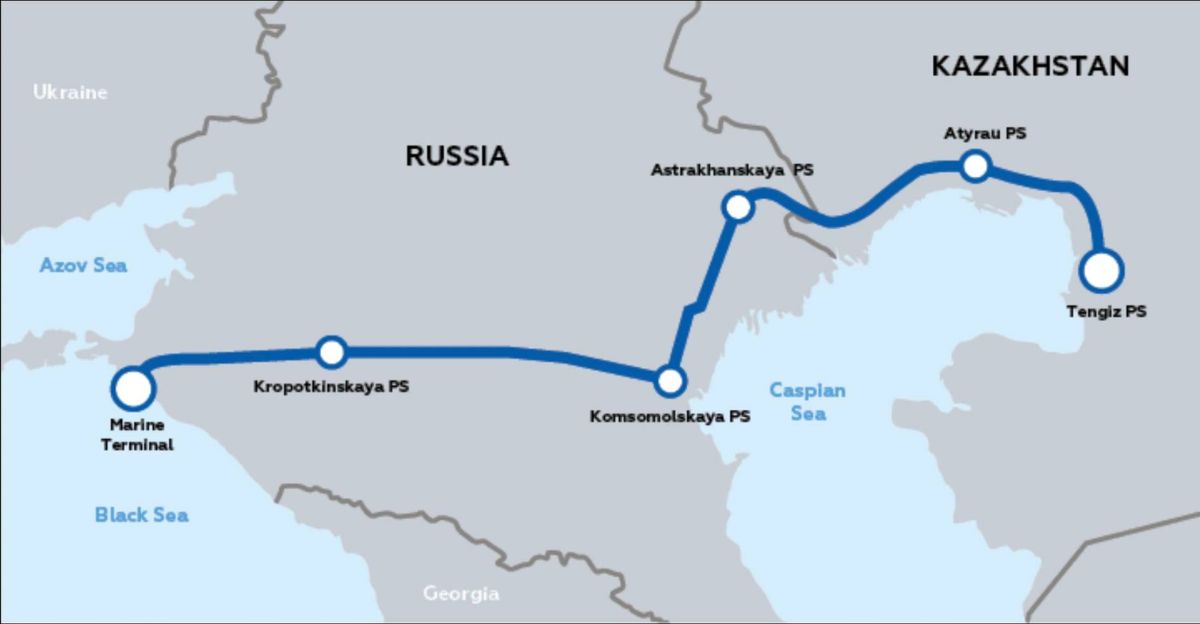
Oil from Filanovsky feeds into the Caspian Pipeline Consortium (CPC), a vital export route linking Kazakhstan and Russia to global markets via Novorossiysk. The CPC itself has already been targeted three times in 2025—at a pumping station in February, an office in September, and a mooring facility in November.
Platform shutdowns now add fresh strain to this fragile export artery.
Market Signals Turn Sharper
As strikes mounted, Russia’s flagship Urals crude price slid to $34.52 per barrel at Novorossiysk by mid-December—the lowest since the February 2022 invasion. Energy infrastructure attacks, sanctions, and shipping risks are converging.
Filanovsky’s outage amplifies buyer caution and logistical uncertainty, tightening pressure on Russian exporters already forced to sell at steep discounts.
Shadow Fleet Under Fire
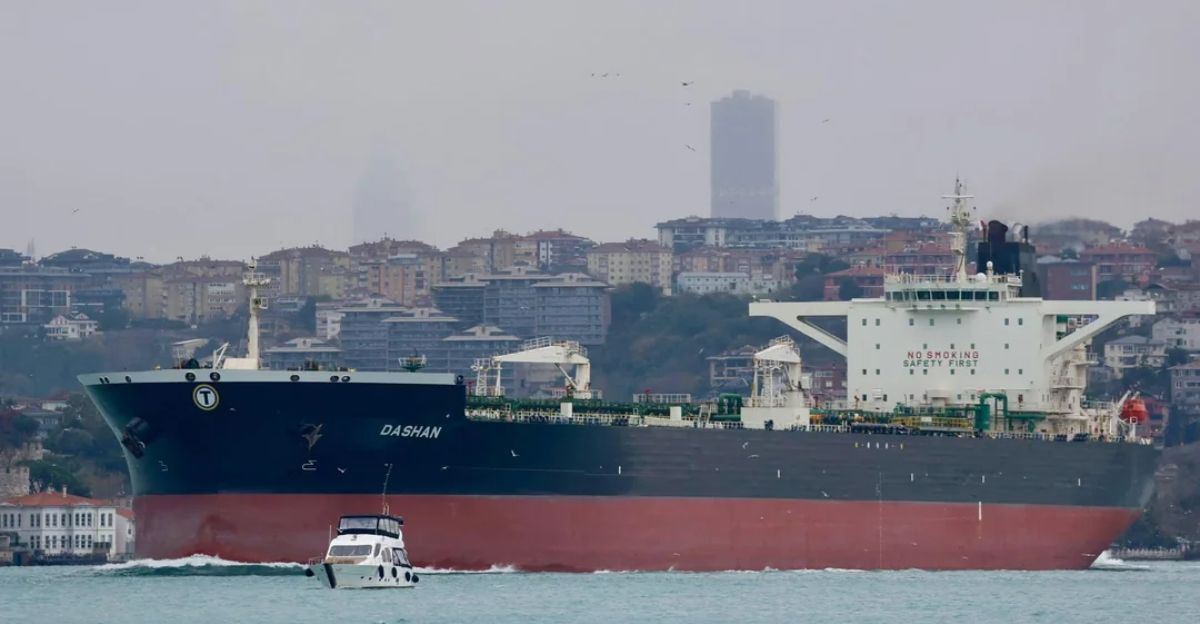
The Caspian strikes fit a broader Ukrainian campaign against oil revenues. In the Black Sea and Mediterranean, SBU drones recently struck three so-called “shadow fleet” tankers—Kairos, Virat, and Dashan—within two weeks.
Dashan alone carried an estimated $60 million in oil cargo. These vessels help Russia evade sanctions. Offshore platforms are now part of the same revenue-denial strategy.
Lukoil’s Growing Dilemma
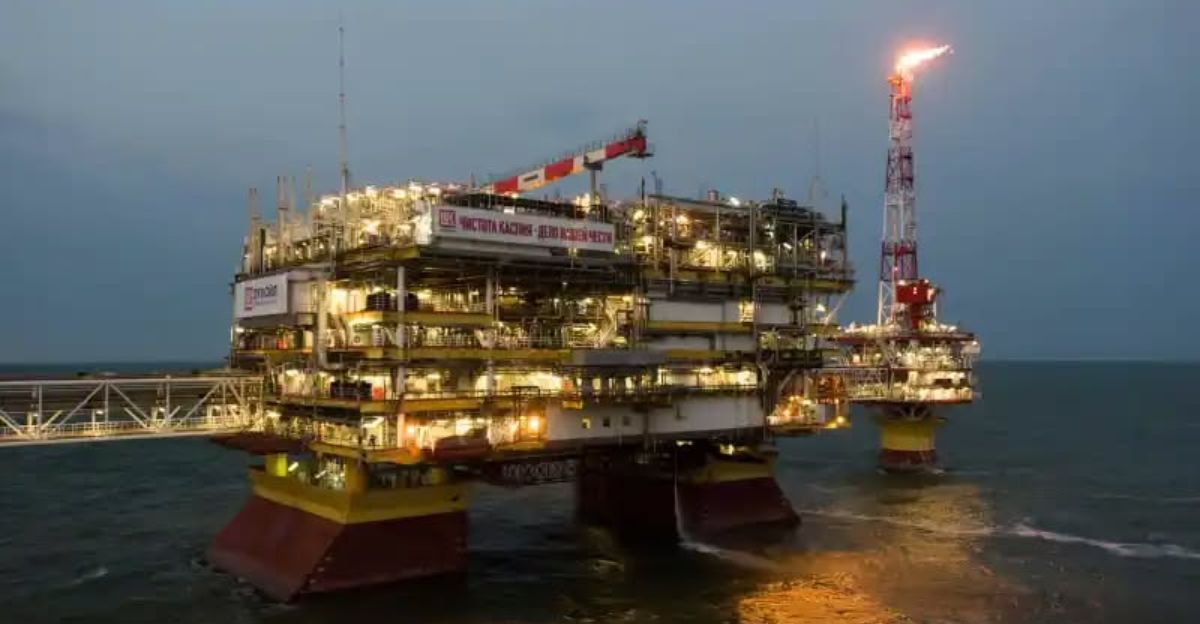
Lukoil-Nizhnevolzhskneft has not publicly detailed the damage, but internal assessments focus on more than 20 disabled wells and damaged critical systems. The company faces repeated strikes across multiple Caspian assets, all far from Ukraine.
Executives must now plan repairs while assuming further attacks are possible. The idea of a secure operational rear has vanished.
Repairs Under Threat
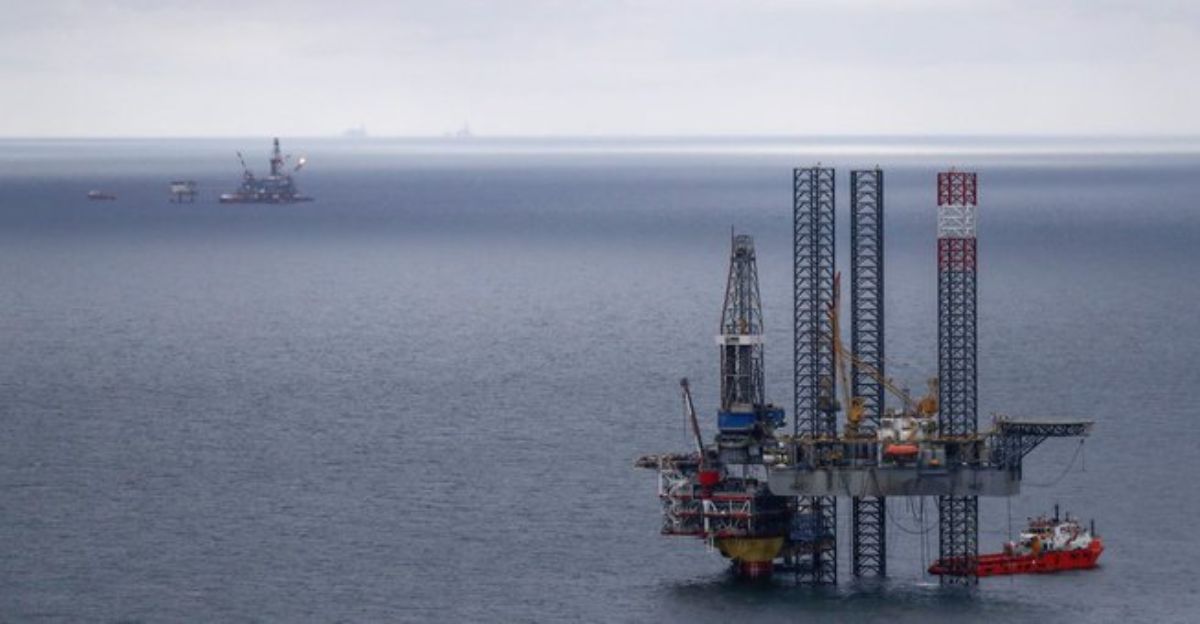
Emergency teams have been dispatched to Filanovsky and Korchagin, but repairs may take weeks. Analysts point to past refinery strikes where “critical equipment damage” led to prolonged outages.
Contingency plans include rerouting exports and limiting operations. Ukrainian signals suggest follow-up strikes are likely, raising doubts about how quickly full production can resume.
Strategic Ripples
Energy analysts warn repeated outages could affect fuel availability in Russia’s southern military districts. Offshore platforms are complex systems; repeated hits multiply downtime.
Even if reserves remain intact, extraction delays matter. Markets respond to uncertainty, not just lost barrels. Each day offline drains revenue Moscow uses to fund its war effort.
A New Energy Battlefield
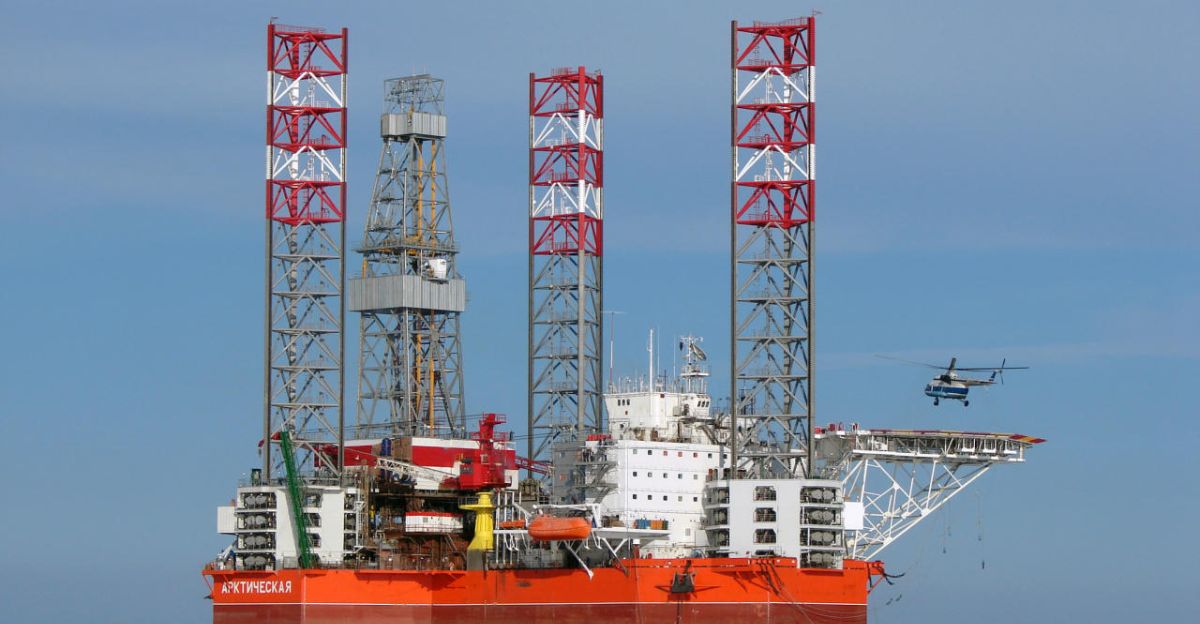
For decades, the Caspian Sea was a quiet engine of Russia’s energy power. Now it is a contested space.
This marks the deepest penetration yet into Russia’s energy heartland and the first time Ukrainian drones have struck infrastructure in a landlocked sea bordered by five countries.
Distance is no longer a shield.
“No Safe Haven”
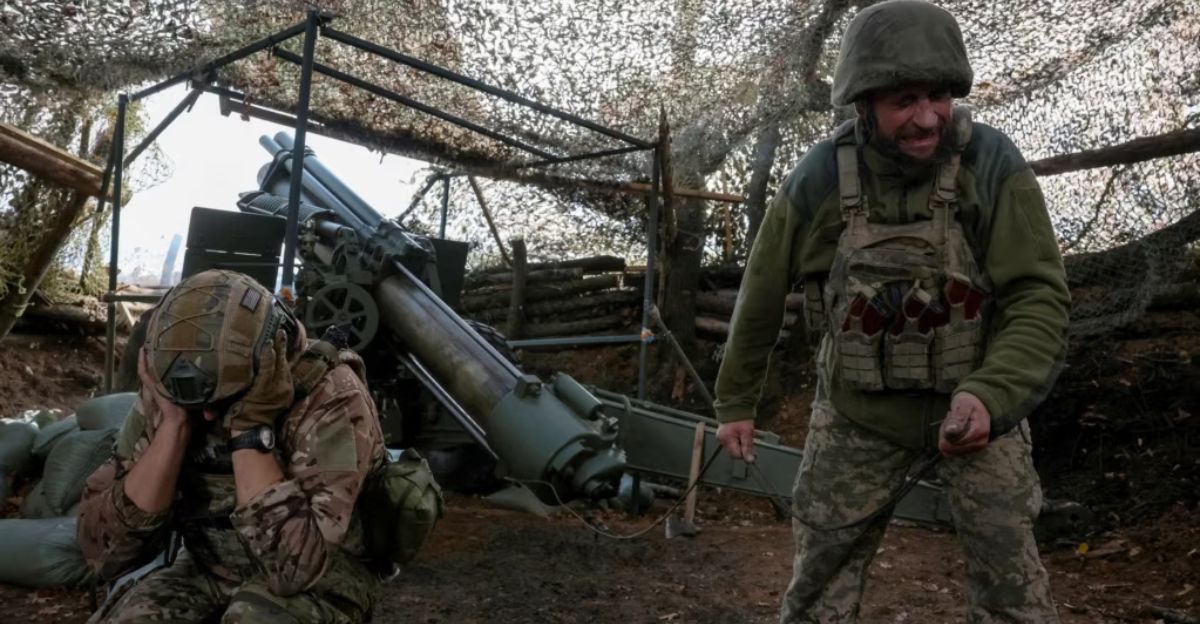
An SBU source summarized the message after the third strike: “No Russian facility working for the war is safe, regardless of its location.” With 120,000 barrels per day offline and repairs uncertain, the Caspian has become a warning.
As Ukrainian drones extend their reach, Russia’s energy lifeline faces a new reality—and the conflict’s economic front just widened again.
Sources:
OilPrice.com – “Ukraine Strikes Key Russian Oil Platform in Caspian Sea” (December 10, 2025)
The Moscow Times – “Lukoil Rig Halts Oil Production After Ukrainian Drone Attack” (December 11, 2025)
Ukrainska Pravda – “Ukrainian drones have struck Russian oil rigs in Caspian Sea for…” (December 15, 2025)
The Insider (RBC-Ukraine) – “Ukraine says it attacked a Russian ‘shadow fleet’ tanker…” (December 18, 2025)
The Moscow Times – “Russian Oil Prices Sink Below $35 Per Barrel” (December 19, 2025)
Carnegie Endowment – “Ukraine Risks Alienating Allies With Oil Infrastructure Attacks” (December 7, 2025)