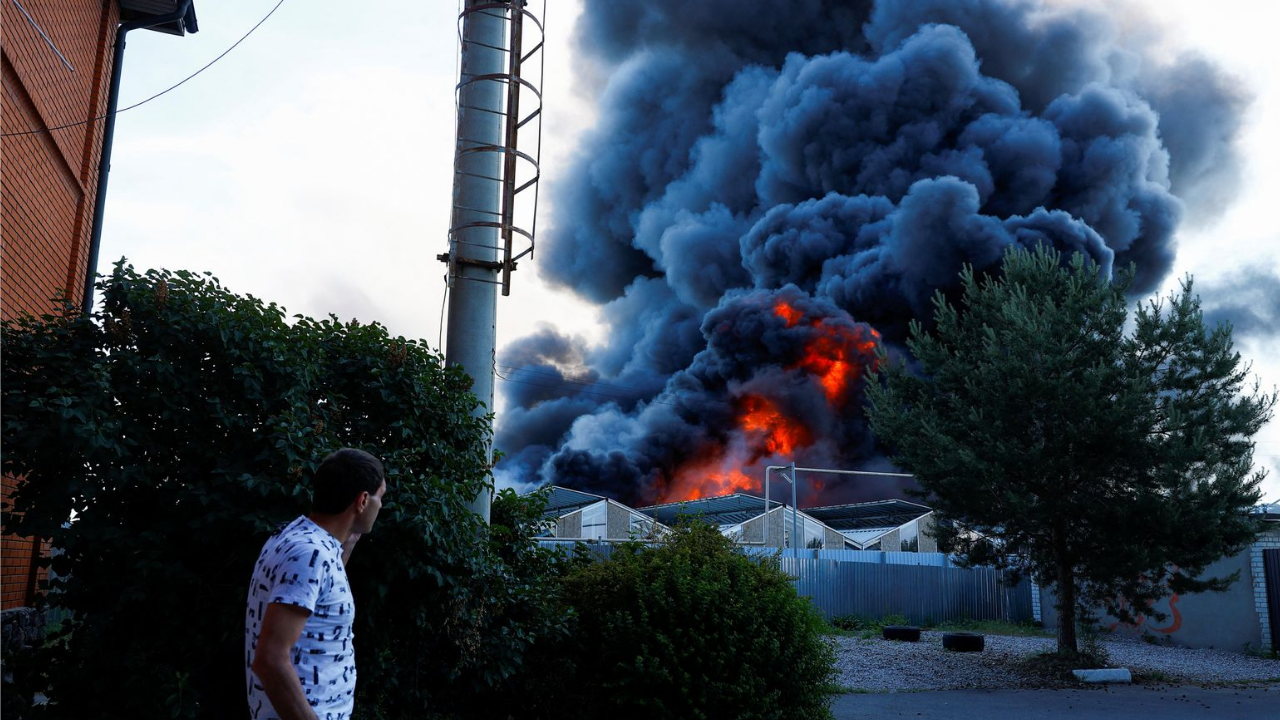
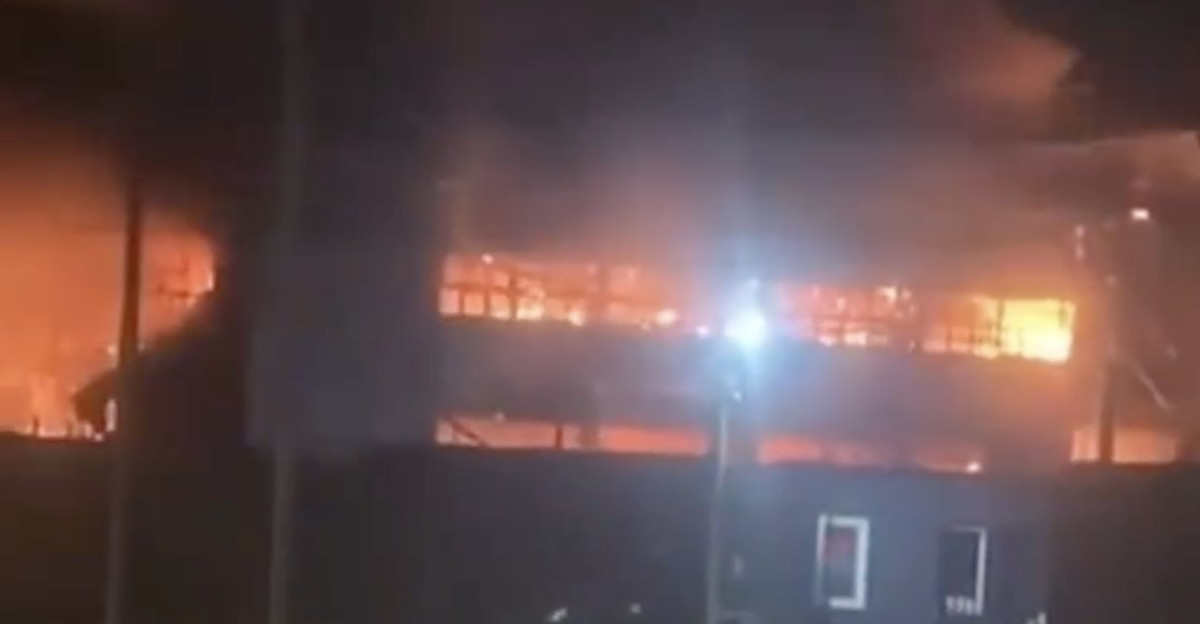
Explosions ripped through the freezing night in Kyiv, plunging the city into darkness as power grids failed under Russian drone and missile barrages. Hours earlier, across the border in Russia, flames engulfed an industrial complex, marking Ukraine’s latest deep strike on a key drone factory. These linked events highlight the intensifying drone war shaping the conflict’s trajectory.
Retaliation in the Skies
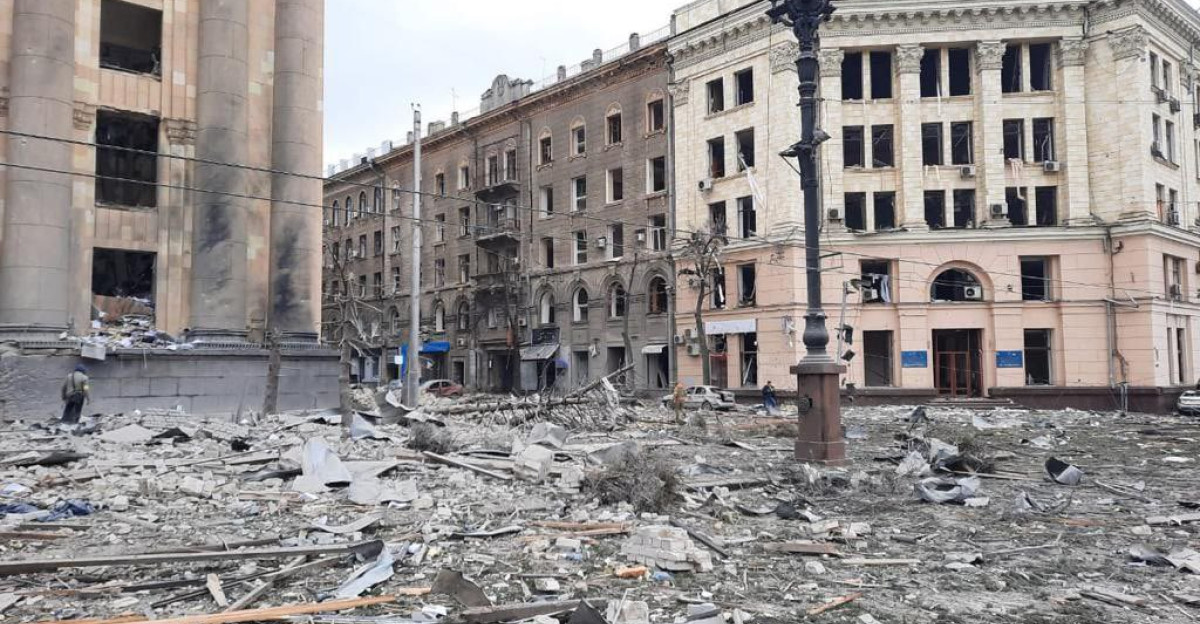
Russia responded swiftly to Ukraine’s incursion with nearly 300 drones and 25 missiles targeting eight regions. In a Kharkiv suburb, a strike demolished a Nova Poshta terminal, killing four civilians amid the wreckage. Fires smoldered as emergency teams sifted through debris.
Elsewhere in Kharkiv, a children’s medical facility sustained damage. In Kryvyi Rih, the assault cut power and heating to tens of thousands, with temperatures dropping far below freezing. These attacks underscore a pattern where civilian sites increasingly bear the brunt.
Civilian Toll Mounts
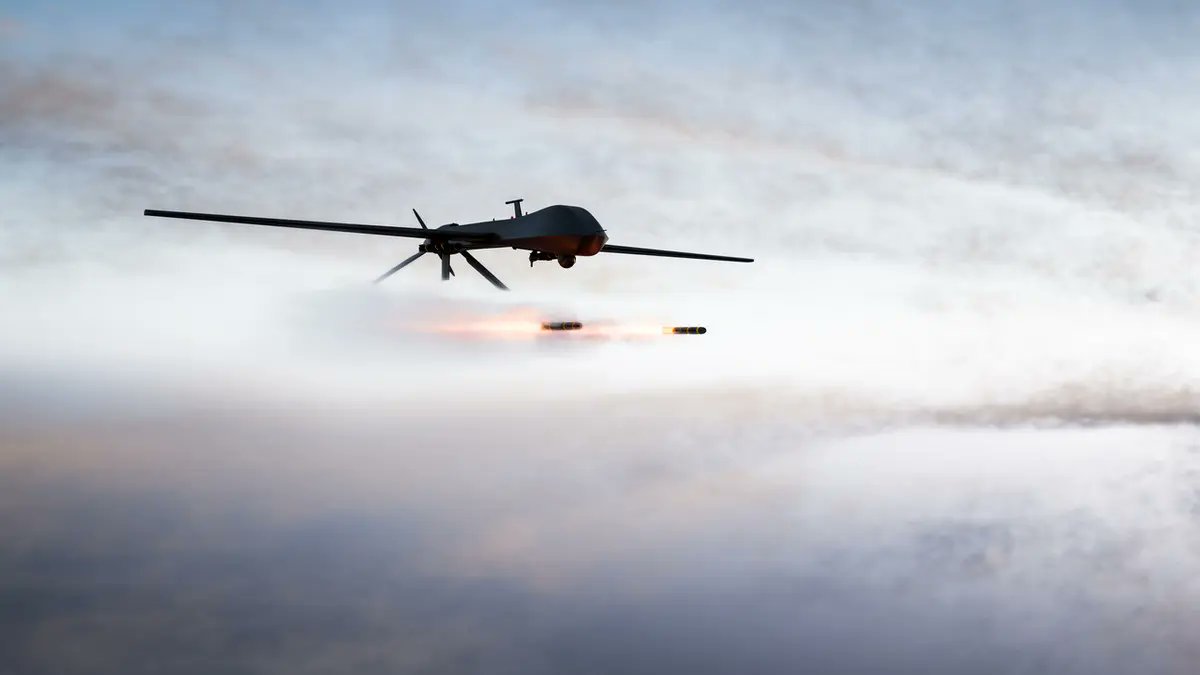
As the invasion nears its fourth year, civilian deaths in 2025 rose about 70% from 2023, according to United Nations data. Winter campaigns against energy infrastructure have worsened the crisis, transforming urban areas into de facto battlegrounds.
Power stations, mail facilities, and heating networks now face routine drone assaults. Families in Kharkiv mourned the terminal victims while crews assessed a damaged children’s sanatorium, illustrating the human cost of sustained aerial campaigns.
Escalating Drone Warfare
Since 2022, both combatants have ramped up drone production, prioritizing inexpensive, mass-deployable models to saturate defenses. Russia expanded output rapidly, while Ukraine developed extended-range capabilities. Factories have become prime targets, rivaling frontline positions in strategic value.
The proximity of these sites to the border amplifies their vulnerability, as Ukrainian operations demonstrate growing reach into Russian territory.
Strike on Taganrog
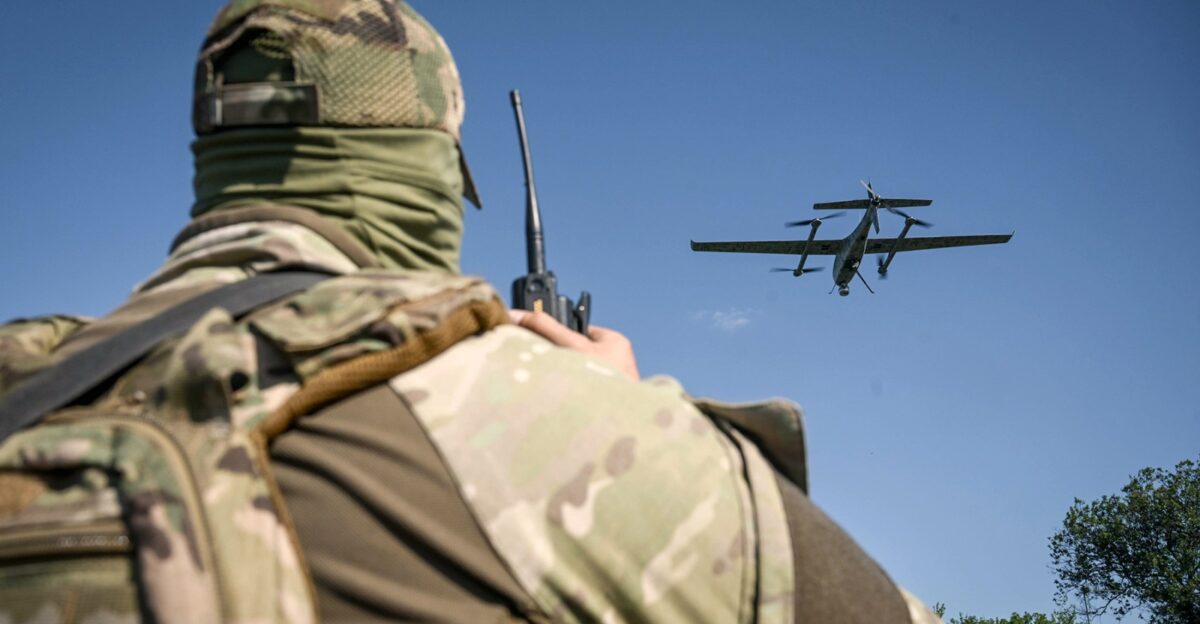
The January 13, 2026, attack targeted Atlant Aero in Taganrog, an industrial center 40-60 kilometers from Ukraine. This marked the second hit on the facility in mid-2025. Ukrainian Security Service Alpha units, alongside naval forces, struck production buildings, sparking widespread fires.
The plant manufactures Orion reconnaissance drones, Molniya attack drones, and FPV loitering munitions—essentials for Russia’s nightly barrages. Footage captured flames consuming assembly halls, with Ukrainian officials reporting multiple production lines crippled. Russian accounts confirmed the incident but downplayed effects.
Strategic Disruption
Atlant Aero runs a complete production cycle, from design to testing of strike-reconnaissance drones. Damage here threatens Russia’s drone supply chain, potentially curbing attacks on Ukrainian civilian targets. Regional officials in Rostov Oblast noted intercepted drones but faced criticism over site protections.
Russia may redistribute manufacturing, as done after prior strikes, though analysts debate recovery speed. Some predict the broader network will adapt; others highlight cumulative delays from repeated hits. Ukrainian intelligence maintains that fewer drones will reach cities, pending verification.
In Rostov, air defenses engaged multiple incursions, fueling internal frustrations. The cycle persists: factory blows prompt grid strikes, deepening winter hardships. As the war enters its fifth year, control of assembly lines could dictate endurance through harsh seasons and beyond, with implications for both sides’ operational sustainability.
Sources:
“Ukraine’s Security Service and Navy hit drone production facilities at Atlant Aero plant in Taganrog.” Ukrainska Pravda, 13 Jan 2026.
Russia attacks Ukraine with 25 missiles and 293 UAVs.” Ukrainska Pravda, 13 Jan 2026.
“2025 deadliest year for civilians in Ukraine since 2022, UN human rights monitors find.” UN Human Rights Monitoring Mission in Ukraine, 12 Jan 2026.
“Russian Missile Hits Nova Poshta Terminal in Kharkiv, Killing Four.” Scroll Media, 13 Jan 2026.