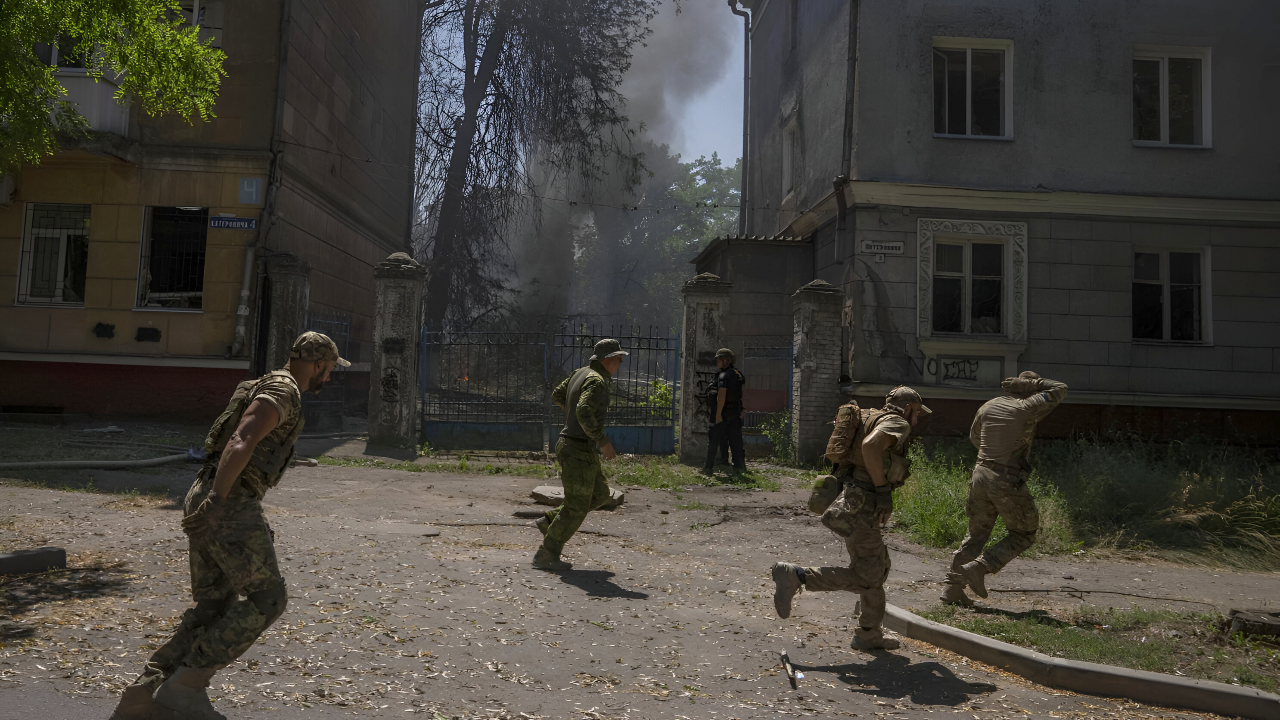
The quiet countryside of Oryol Oblast has erupted into chaos. Sirens wail, engines thunder, and soldiers shout orders as convoys of KamAZ trucks race through the night hauling away mines, shells, and explosives from one of Russia’s largest ammunition depots.
According to Defence-ua.com and NV.ua, partisans from the Atesh movement captured the frantic exodus from the 1962nd Military Storage Base near Maloye Dumchino. The sudden evacuation—urgent, unrelenting, and laced with fear—signals a chilling truth: even deep inside Russia, no one feels safe from Ukraine’s growing strike power.
Fear Sparks the Evacuation
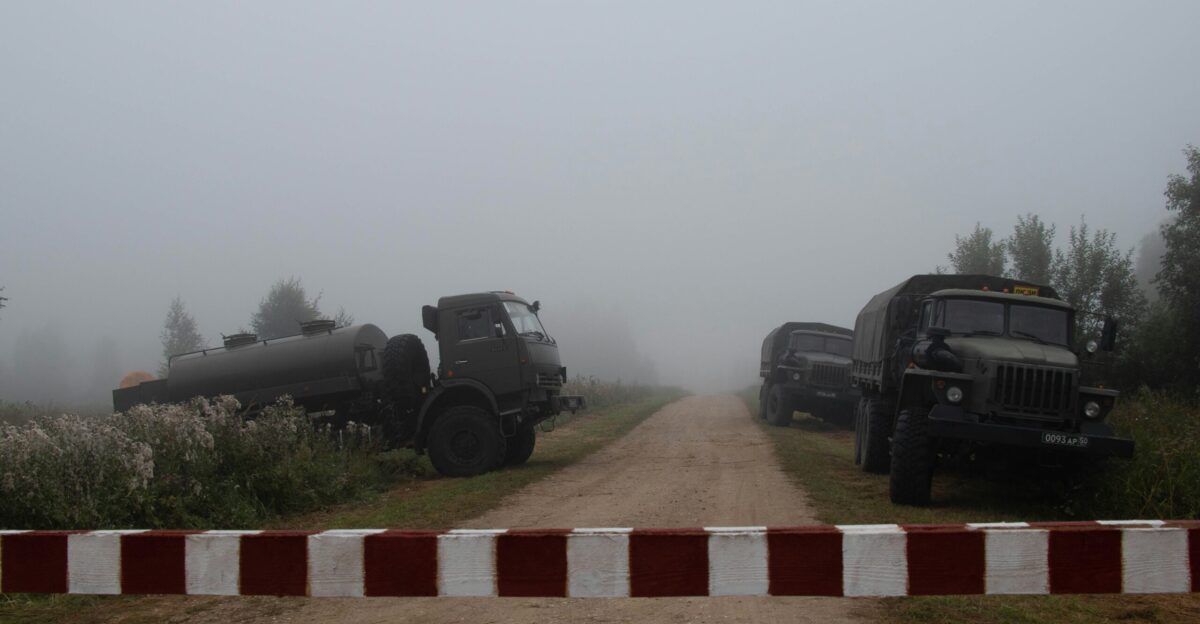
Atesh agents on the ground reported that Russian forces began urgently clearing the site after intelligence suggested Ukraine might target rear-area facilities. According to NV.ua, this rapid withdrawal revealed Moscow’s acknowledgment of its vulnerability even hundreds of kilometers from the front.
Defence-ua.com noted the evacuation’s speed and scale as clear evidence of a shift from confidence to crisis management within Russia’s military logistics network.
Inside the Partisan Network
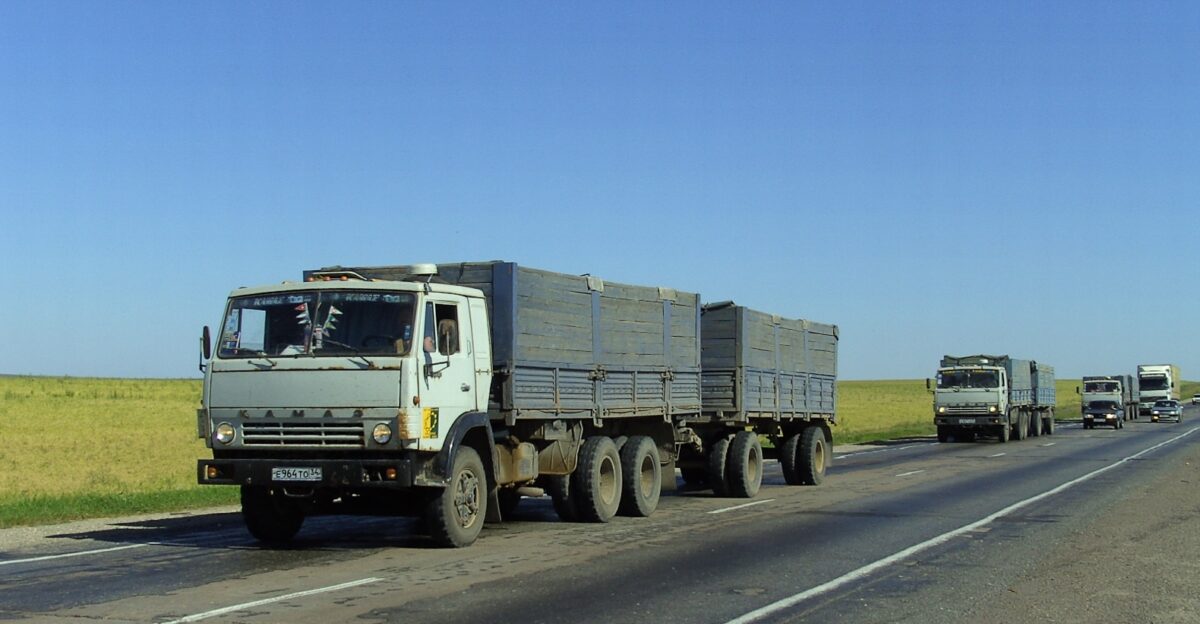
The Atesh partisan movement, operating covertly inside Russia, monitored and recorded the truck convoys in real time. According to the group’s Telegram channel, every movement and new storage location was relayed to Ukraine’s military for potential targeting.
“Fear of Ukrainian missiles is paralyzing the enemy’s supply chain,” Atesh declared in October 2025. Defence-ua.com reported that the movement’s agents continue to gather intelligence across multiple Russian regions.
Vulnerability Exposed
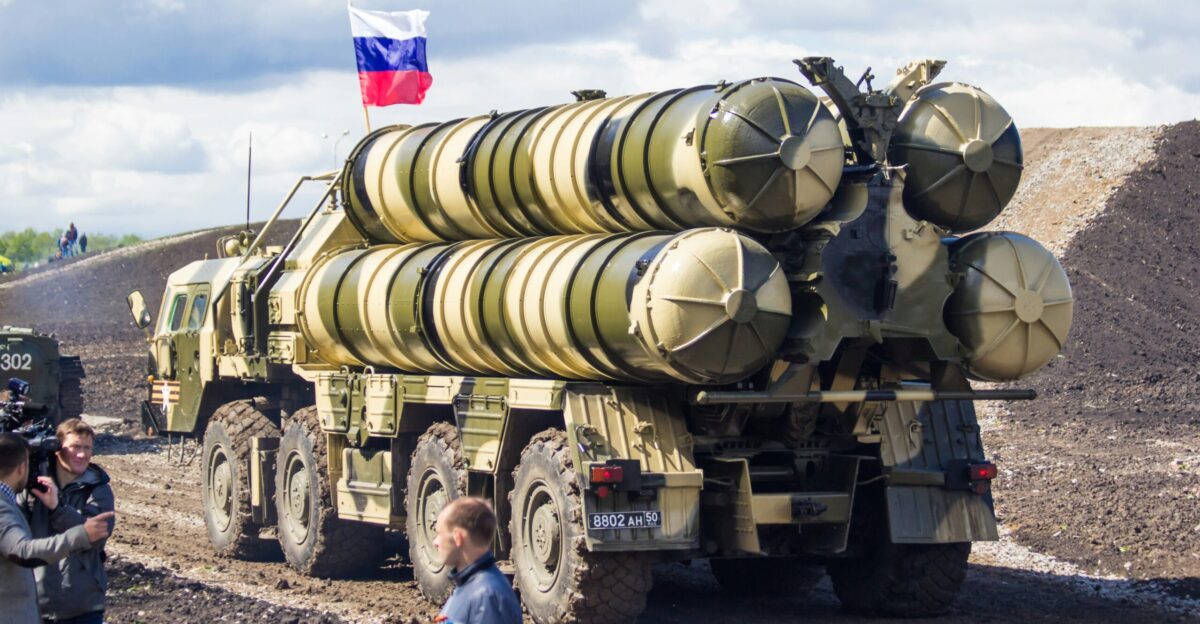
Analysts say the evacuation demonstrates Russia’s growing fear that Ukraine’s missile and drone capabilities can now reach deep into its interior. According to military observers cited by Defence-ua.com, this shift marks a psychological and operational turning point as rear-area bases, once deemed untouchable, now face real strike risk.
The relocation of hundreds of tons of explosives underscores how seriously Moscow takes the threat.
Round-the-Clock Relocation

Witnesses described continuous truck movements, 24 hours a day, hauling munitions from Oryol Oblast to undisclosed destinations. Atesh’s reconnaissance suggested that each KamAZ truck could carry seven to ten tons, implying that hundreds of tons of explosives were moved within days.
NV.ua reported that the evacuation reflected panic, not procedure, as drivers worked without pause under heightened military escort.
Ukraine’s Expanding Strike Reach
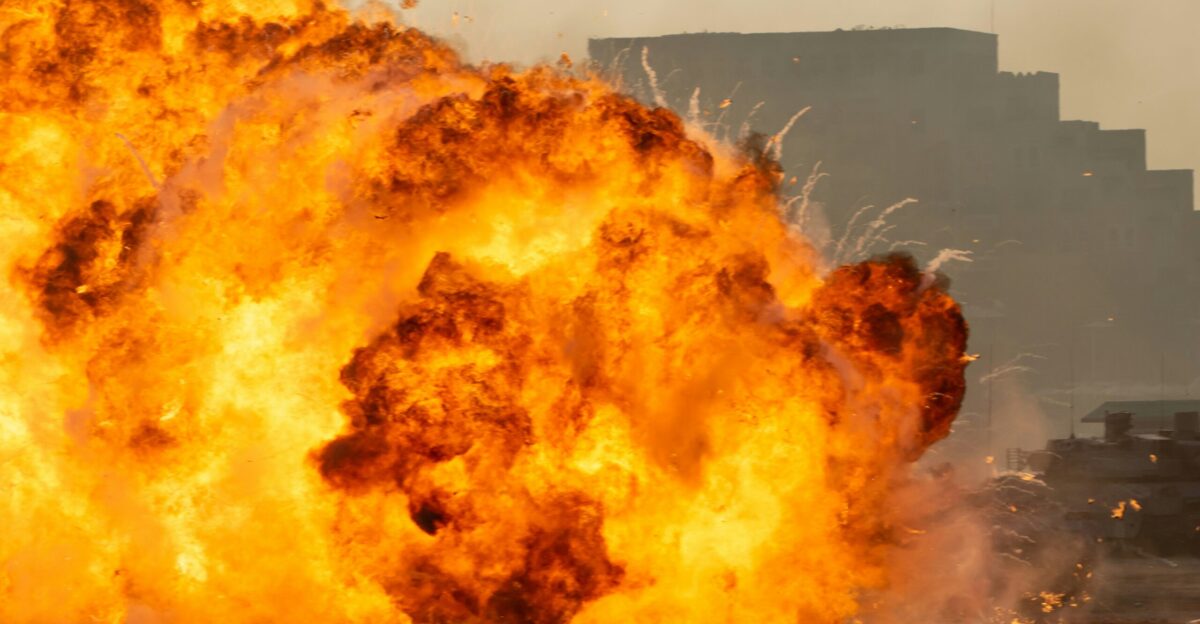
The evacuation coincided with Ukraine’s intensified deep-strike campaign targeting Russian industrial and military infrastructure.
According to Military.com, recent Ukrainian operations hit ammunition plants, oil terminals, and weapons depots across multiple regions, revealing a strike range now extending 300 to 400 kilometers—double the distances Russia once considered safe.
Partisan Reconnaissance in Oryol

Atesh agents also conducted reconnaissance near the Rudnevo settlement in Oryol Oblast. NV.ua reported that they observed an active kamikaze drone launch site under construction, with new infrastructure and defenses being built.
This suggests Russia anticipates further Ukrainian incursions into what used to be deep-rear zones.
Coordination with Ukrainian Forces
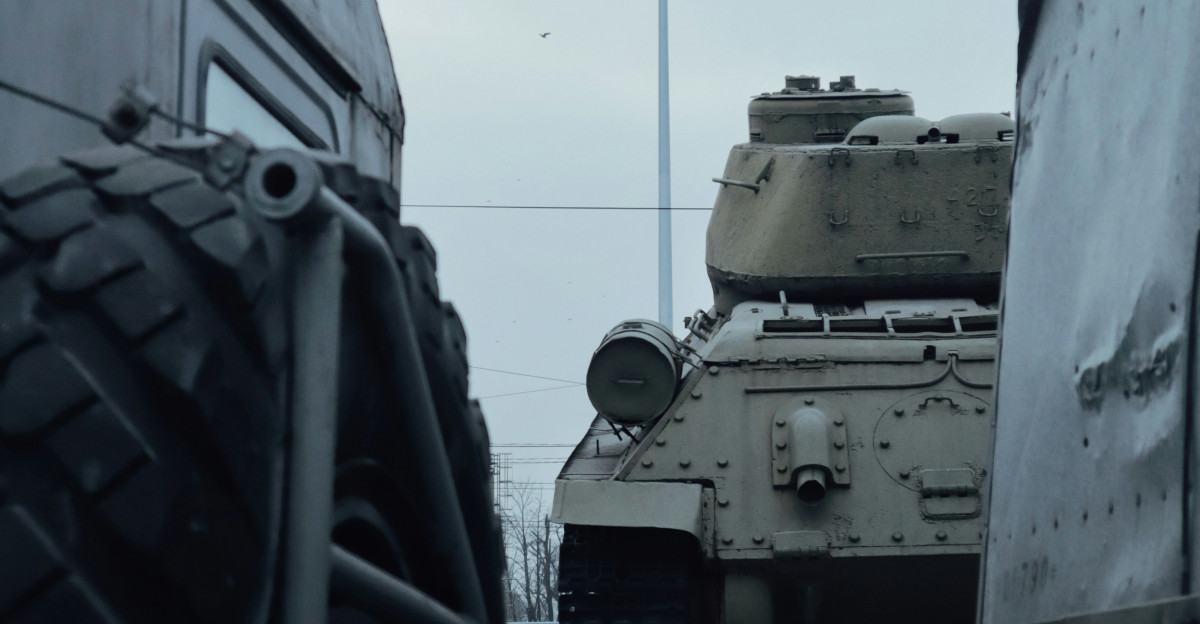
According to Defence-ua.com, the Atesh movement shares coordinates and movement data directly with Ukraine’s Defense Forces. This partnership allows Kyiv’s military planners to identify and track shifting storage locations in real time.
Analysts say this symbiotic intelligence loop enables Ukraine to pressure Russian logistics without firing a shot, but by forcing costly relocations.
Ripple Effects on Supply Lines

The hasty withdrawal from Oryol disrupted Russia’s already strained supply chains. According to NV.ua, moving such vast quantities of ammunition in panic undermines front-line resupply efficiency.
Experts told Defence-ua.com that every relocation consumes fuel, manpower, and time, resources Russia can ill afford during its ongoing defensive operations across multiple fronts.
Historical Firsts in Rear-Area Panic

Observers note that this is one of the rare documented cases of mass evacuation from a Russian ammunition depot located more than 300 kilometers from Ukraine’s border.
Military analysts told NV.ua that this kind of deep-rear disruption is historically unusual, signaling how Ukraine’s war strategy now targets the infrastructure sustaining Russia’s battlefield endurance.
Oryol’s Strategic Importance
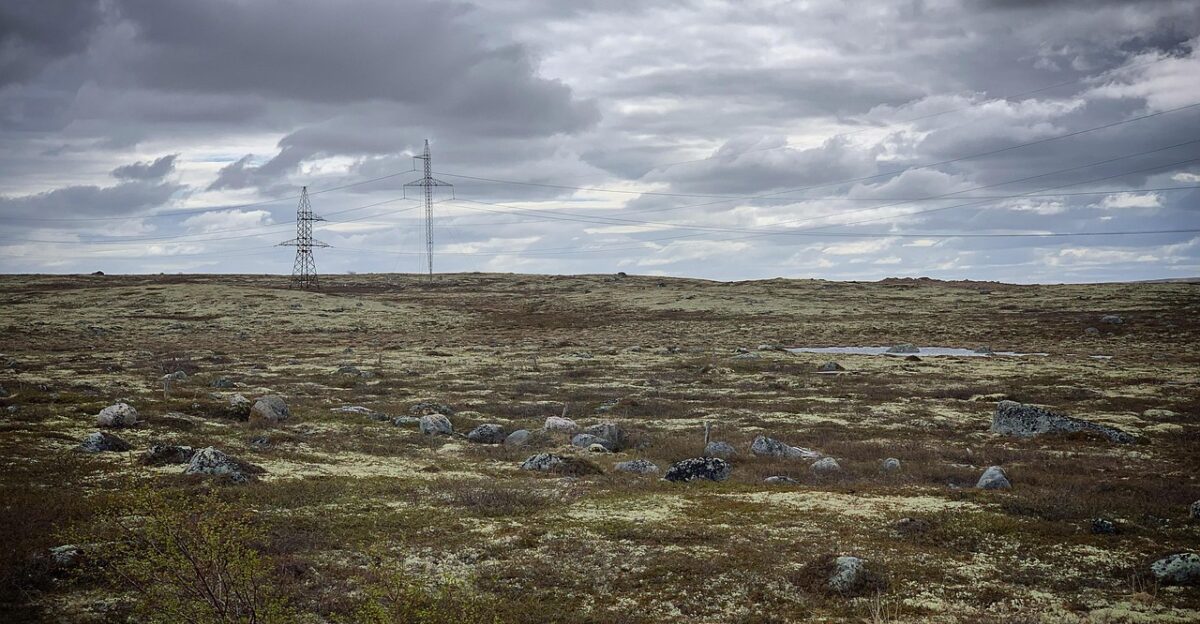
Oryol Oblast, about 360 kilometers from Ukraine, holds key logistical routes feeding Russia’s western and southern fronts. The relocation of explosives from such depth highlights the new reality that no part of Russia’s supply chain feels beyond reach.
According to Defence-ua.com, Oryol’s once-quiet depots have become flashpoints of strategic anxiety.
Drone Defenses Under Strain
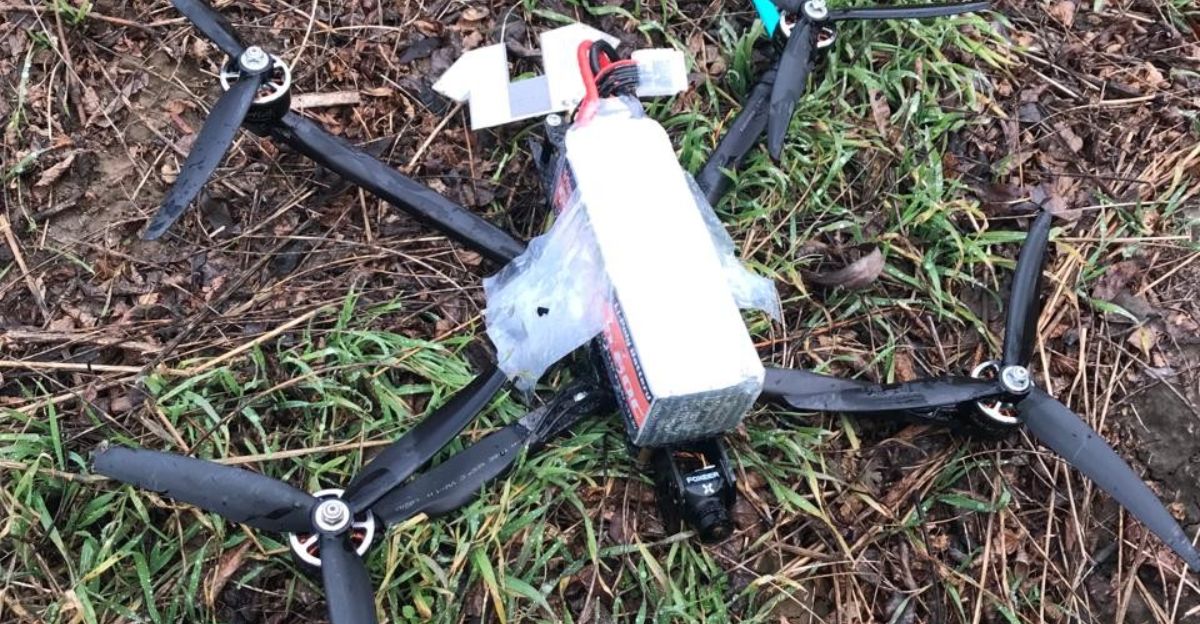
Despite repeated Russian claims of intercepting Ukrainian drones, attacks across multiple regions continue to succeed. Military.com and NV.ua report that defensive systems remain overstretched, leaving deep infrastructure vulnerable.
The frantic evacuation in Oryol illustrates how fear alone can trigger major logistical upheaval even with anti-air systems in place.
Expanding Partisan Footprint

Atesh stated that its intelligence network is growing “across all occupied territories and deep inside Russia.” According to NV.ua, the group operates reconnaissance cells near drone launch sites, railways, and depots, providing coordinates and damage assessments to Ukrainian forces.
Their deep penetration challenges Moscow’s claims of total territorial control.
Echoes of Previous Strikes
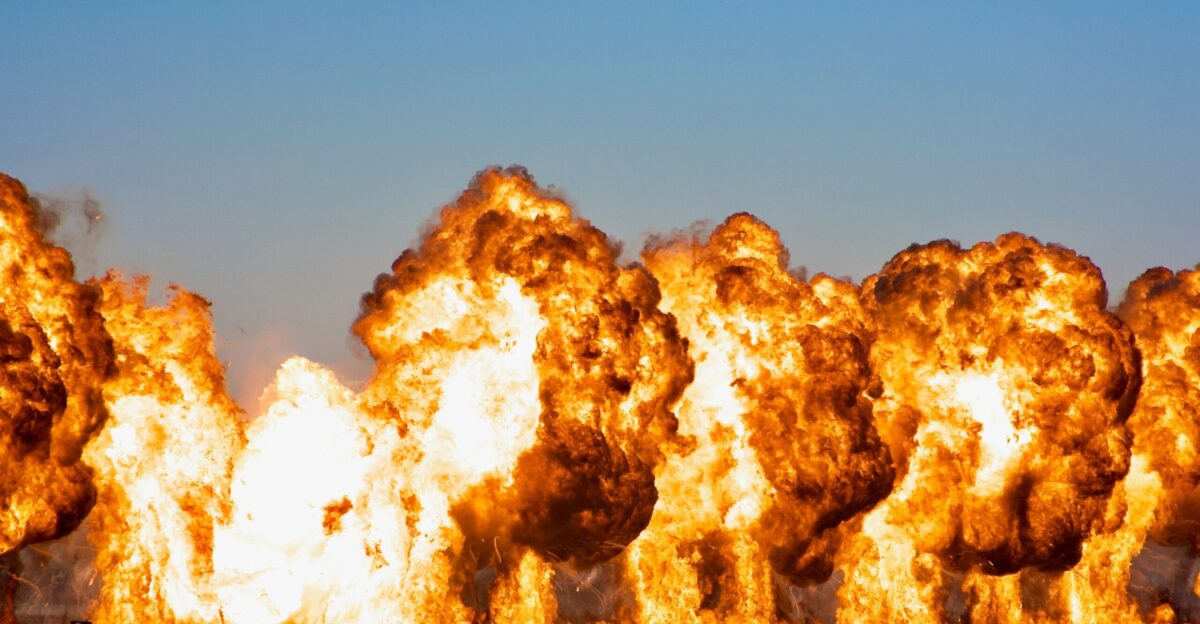
Oryol’s evacuation follows earlier Ukrainian attacks on key targets in Tver, Bryansk, and Krasnodar regions, which caused explosions visible for miles.
According to the Kyiv Independent, Ukraine also struck an oil depot and drone maintenance facility in Oryol in late 2024, severely curbing local operations. These patterns reinforce the belief that Ukraine’s reach keeps expanding.
A New Phase of the War

The panic-driven evacuation at the Oryol depot symbolizes a new phase in the conflict where deep-strike fear replaces static defense. According to Defence-ua.com and NV.ua, as partisans feed live intelligence and Ukraine sharpens long-range precision, Russia faces a logistical nightmare.
Its “safe zones” are shrinking, its ammunition on the move, and its confidence eroding under the unseen gaze of enemy eyes within.