
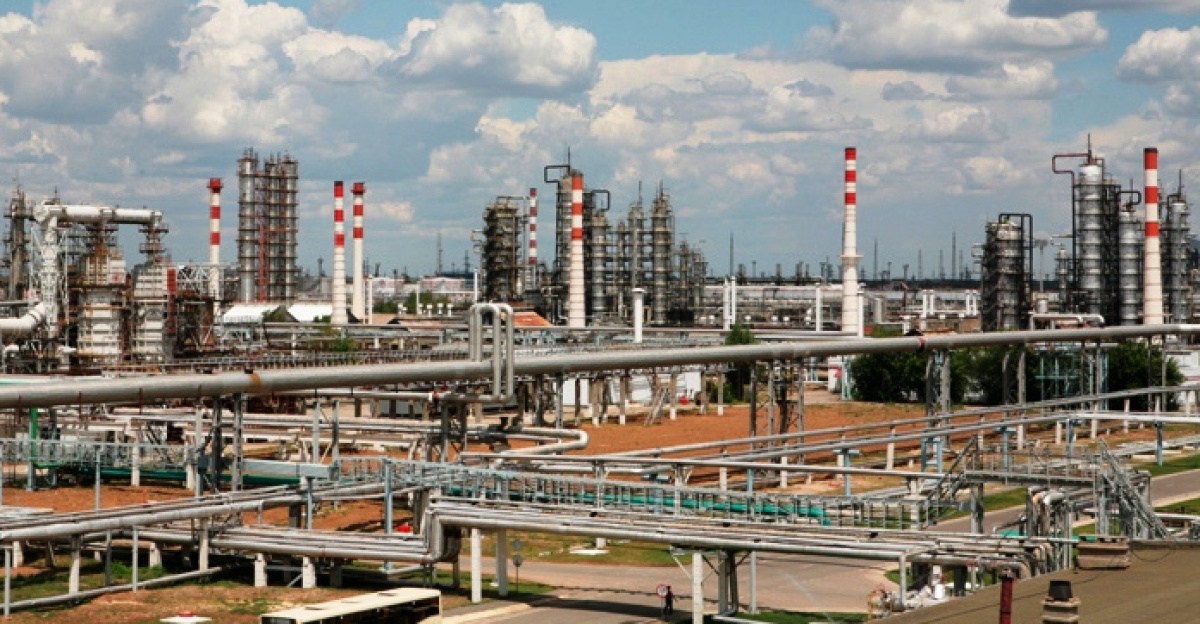
In the early hours of November 5-6, 2025, Ukrainian drone strikes targeted Russia’s largest oil refinery in Volgograd, forcing an immediate halt to operations. The Lukoil-operated Volgograd oil refinery, a sprawling industrial complex on the banks of the Volga River, became the focal point of Ukraine’s intensifying campaign against Russia’s energy infrastructure. The attack ignited massive fires and forced emergency response operations as thick smoke billowed over the city, instantly removing approximately 5% of Russia’s total fuel supply from the market. The incident marked one of the most significant disruptions to Russian energy infrastructure since the onset of the war, triggering immediate fuel shortages and cascading effects across southern Russia.
The aftermath of the explosions was felt far beyond the refinery’s gates. Airports across southern Russia, including Volgograd International Airport, suspended operations as authorities scrambled to assess the damage and contain the fires. Emergency crews worked through the night, but the shutdown of the Volgograd plant—owned by Lukoil and capable of refining up to 13.7 million tons of oil annually—sent shockwaves through transportation networks and industries dependent on its output.
Fuel shortages quickly spread throughout Volgograd and neighboring regions. Gas stations posted “out of service” signs, and supply chain disruptions deepened as prices soared. The city’s energy and transportation infrastructure, heavily reliant on the refinery, struggled to maintain basic services. Residents faced delays in emergency response, and the local economy braced for prolonged instability.
The Volgograd refinery attack specifically targeted critical units including the CDU-5 processing unit and the hydrocracker—both essential for converting crude oil into usable fuels. The destruction of these units forced an immediate and complete shutdown, representing one of the largest single-day losses of refining capacity since the conflict began.
Voronezh Thermal Power Plant Attack
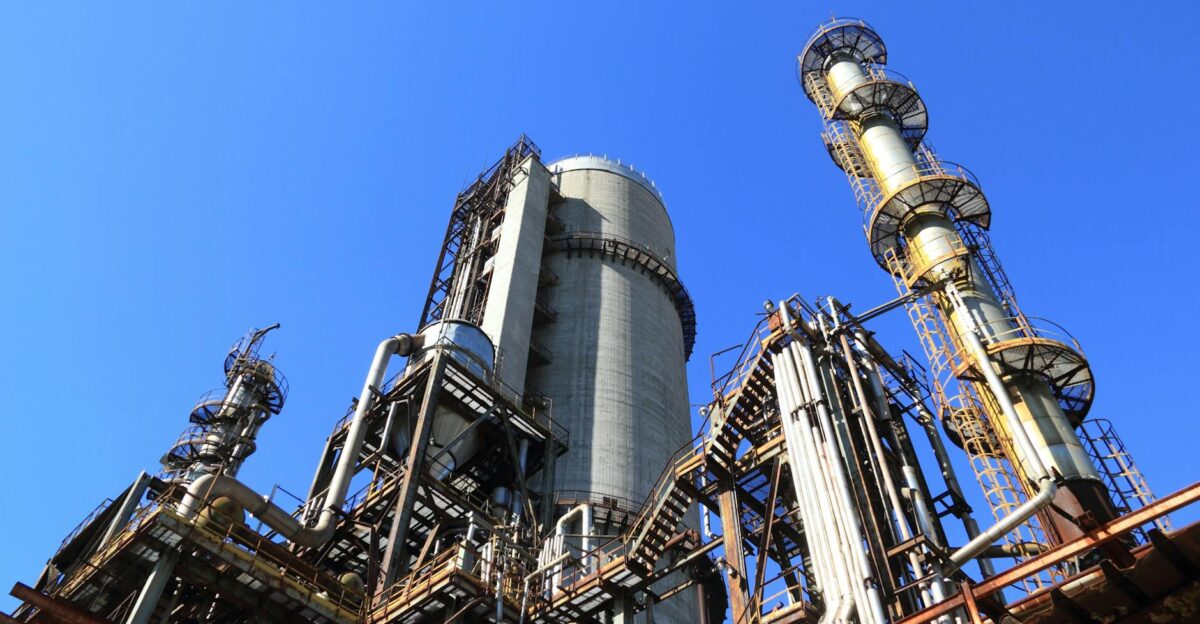
Two days later, on the night of November 8, 2025, Ukrainian drone strikes targeted major Russian energy infrastructure in coordinated operations. Among the primary targets was Voronezh’s Thermal Power Plant No. 1, the main supplier of heating for homes and more than a thousand businesses in Voronezh, a city of just over one million people. Ukrainian forces struck the facility with multiple missiles, hitting the heat generation building containing turbines and the boiler house. The attack damaged critical thermal equipment and forced emergency heating adjustments across residential districts.
Regional Governor Alexander Gusev confirmed that the strike caused temporary disruptions to central heating systems in residential buildings, with safety measures implemented to manage the reduced capacity. While officials worked to restore normal operations, the attack underscored Ukraine’s strategic focus on Russia’s winter infrastructure as the season advanced.
Cascading Regional Disruption
The drone strikes’ consequences extended beyond industrial damage. In the Krasnoarmeysk industrial zone near Volgograd, fires spread to nearby residential areas, damaging homes and disrupting daily life. A 48-year-old man was killed by shrapnel, and several families lost access to electricity and heating as winter temperatures dropped. The city’s district heating system, which depends on electric pumps to circulate hot water, faltered, leaving thousands of residents without reliable warmth.
In Voronezh, families experienced heating interruptions as the thermal power plant repairs commenced. Local officials confirmed casualties and pledged support for affected families. Images shared by residents revealed the scale of destruction, highlighting the personal toll of the attacks amid the broader conflict.
Escalating Energy Crisis: Follow-Up Strikes
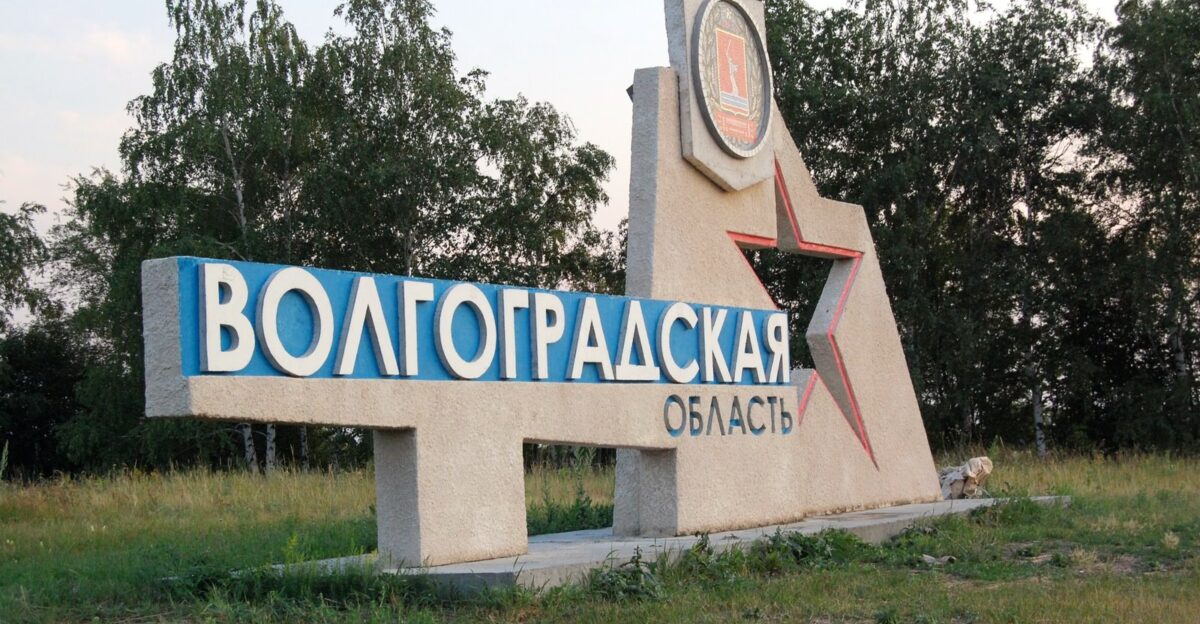
On the night of November 7-8, additional Ukrainian drone strikes targeted electrical substations across Volgograd Oblast. Governor Andrey Bocharov reported widespread power outages in multiple districts, compounding the refinery shutdown’s effects. The dual blow of lost fuel production and damaged power infrastructure left residents in multiple regions grappling with energy disruptions as winter set in.
Firefighters and emergency responders worked tirelessly to contain the blazes, but the damage extended into residential neighborhoods. Local business owners and franchisees voiced frustration over the prolonged outages and uncertainty about when normal operations might resume.
Strategic Target in a Broader Campaign
Both facilities’ strategic importance made them prime targets in Ukraine’s ongoing campaign to undermine Russia’s energy sector and military logistics. Throughout 2025, Ukrainian forces intensified their focus on Russian energy infrastructure, damaging more than 17 refineries and power plants by November. These facilities had already survived previous attacks, but the coordinated November strikes proved especially devastating.
Government and Industry Response
In the wake of the attacks, regional governors promised coordinated recovery efforts and support for those affected. At the federal level, Russian authorities launched a review of security protocols for critical energy infrastructure, seeking to prevent further strikes. Repair crews were dispatched to both the refinery and thermal power plant, but experts warned that restoring key units could take months.
Lukoil, the refinery’s operator, faced mounting scrutiny for its crisis response and lack of public communication. The pressure to resume operations grew as Russia confronted the prospect of a harsh winter with diminished fuel supplies and heating capacity.
Looking Ahead: Vulnerabilities and Uncertainty
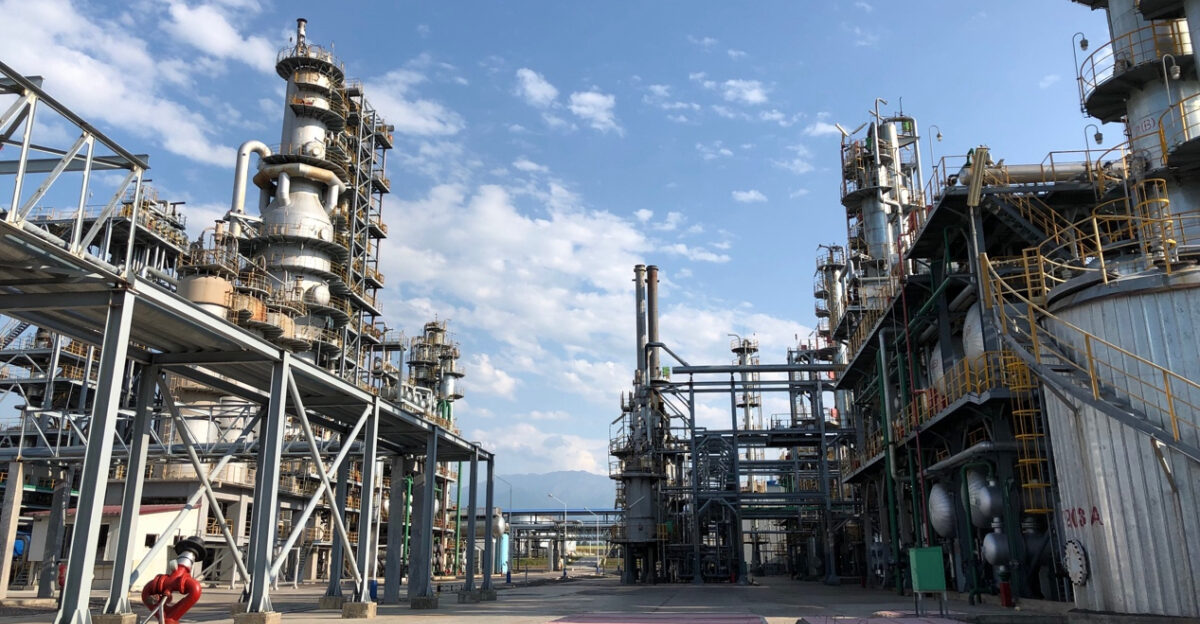
Repeated strikes on Russian refineries and power plants have exposed significant vulnerabilities in the country’s energy sector. Analysts warn that unless defensive measures are strengthened, further disruptions are likely as Ukraine continues to target strategic assets. The attacks have raised pressing questions about Russia’s long-term energy security and its ability to adapt to evolving threats.
As both sides escalate attacks on critical infrastructure, the stakes for regional stability and global energy markets remain high. The coming months will test Russia’s resilience and capacity to recover, with the outcome likely to shape the broader trajectory of the conflict.