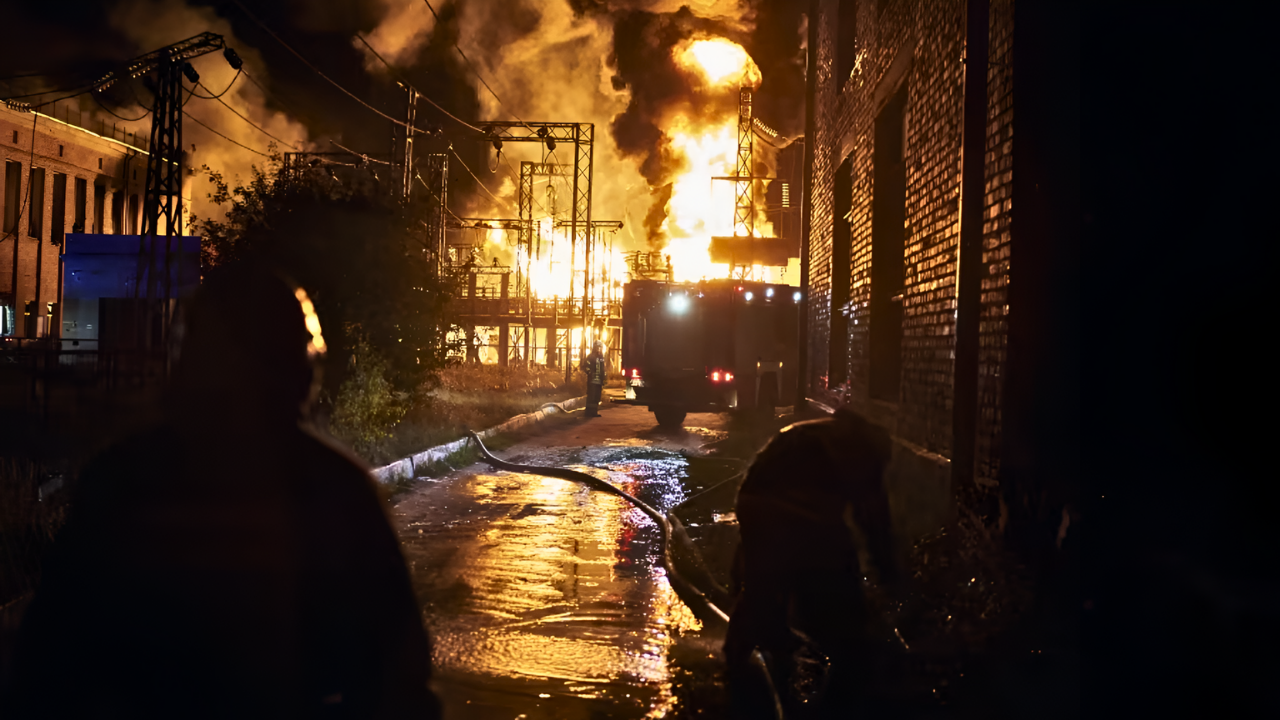
On November 18, 2025, Ukraine launched drone strikes against two major power plants in Russian-controlled Donetsk, the Zuivska and Starobesheve facilities. These critical plants provided electricity to numerous settlements in occupied Donetsk and supported Russian military operations. The strikes signified a marked escalation in Ukraine’s approach to the ongoing energy conflict with Russia.
Various reports confirm that these attacks were designed to severely impair Russian logistical and administrative capabilities in the region, while also highlighting the vulnerability of essential infrastructure during periods of armed confrontation. The situation garnered immediate international attention, with observers noting the broader implications for regional stability and civilian welfare.
Striking Back at the Occupiers
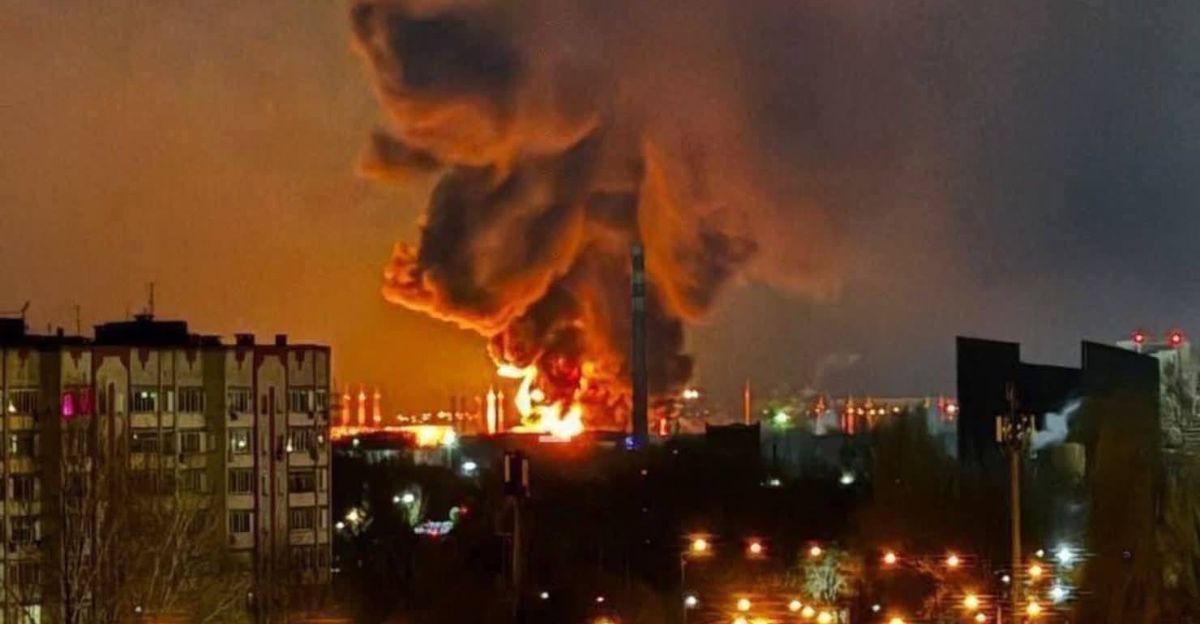
For months prior, Ukraine’s infrastructure had been subjected to persistent attacks by Russian forces, aiming to undermine the country’s energy availability. In response, Ukrainian authorities ordered the drone strikes. Ukrainian officials indicated that the choice of targets reflected a need to deny resources used for Russian military operations, directly affecting assets backing the occupation.
According to official statements, the goal was not indiscriminate destruction, but rather the impairment of enemy military logistics. This retaliation forms part of Ukraine’s broader strategic pattern to counter Russian advances and secure national survival amidst ongoing hostilities.
Footage and Strategic Message
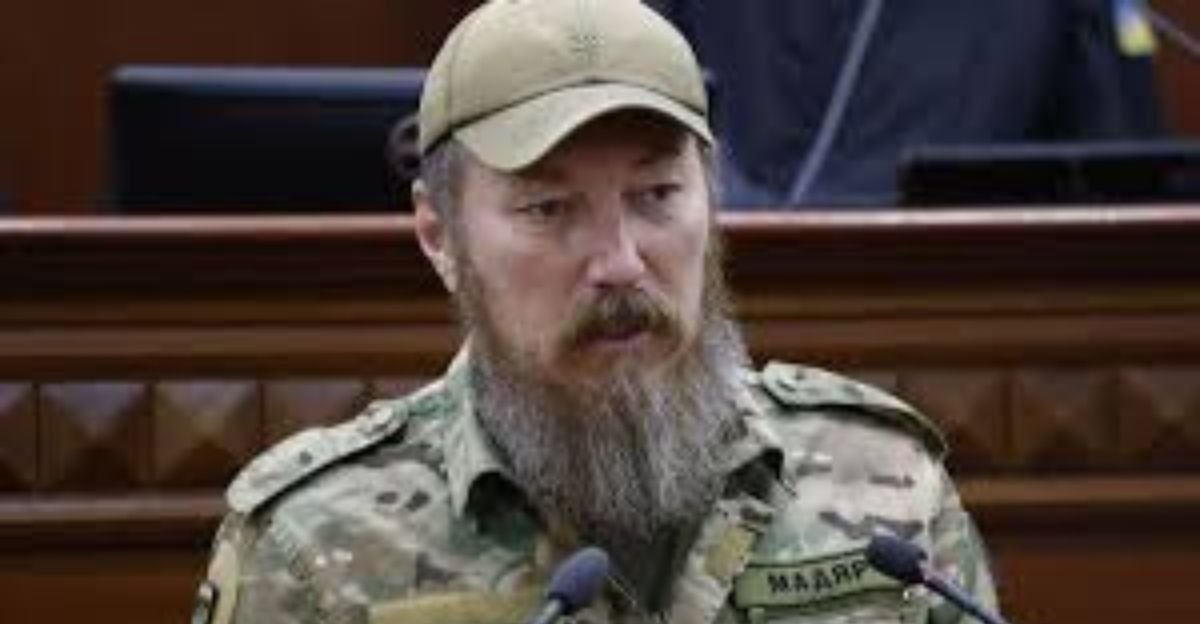
Robert “Magyar” Brovdi, commander of Ukraine’s Unmanned Systems Forces, presented video evidence depicting the drone attacks on the thermal plants. In his message, Brovdi referenced detailed planning and highlighted the tactical nature of the strikes, aiming to maximize operational disruption for Russian forces.
The footage quickly gained traction on social media and was independently reported by regional outlets, verifying the incident’s authenticity and reinforcing Ukraine’s strategic messaging around the operation. Analysts agree that the timing and execution demonstrate increased Ukrainian capability and resolve in defending occupied regions and sending a clear signal to Russian military leadership about the risks of continued occupation.
Widespread Blackouts

Substantial power outages followed the attack, as evidenced by credible international and local reports. Hundreds of thousands of residents in Russian-controlled Donetsk experienced a sudden loss of electricity, leaving many neighborhoods and critical infrastructure temporarily without service.
The blackout’s timing, with winter approaching, compounded humanitarian challenges for the population. Multiple sources reported vast areas plunged into darkness during repeated nights, indicating the serious consequences for both daily life and the ability of Russian administrators to function effectively in the face of large-scale utilities failure.
Immediate Impacts
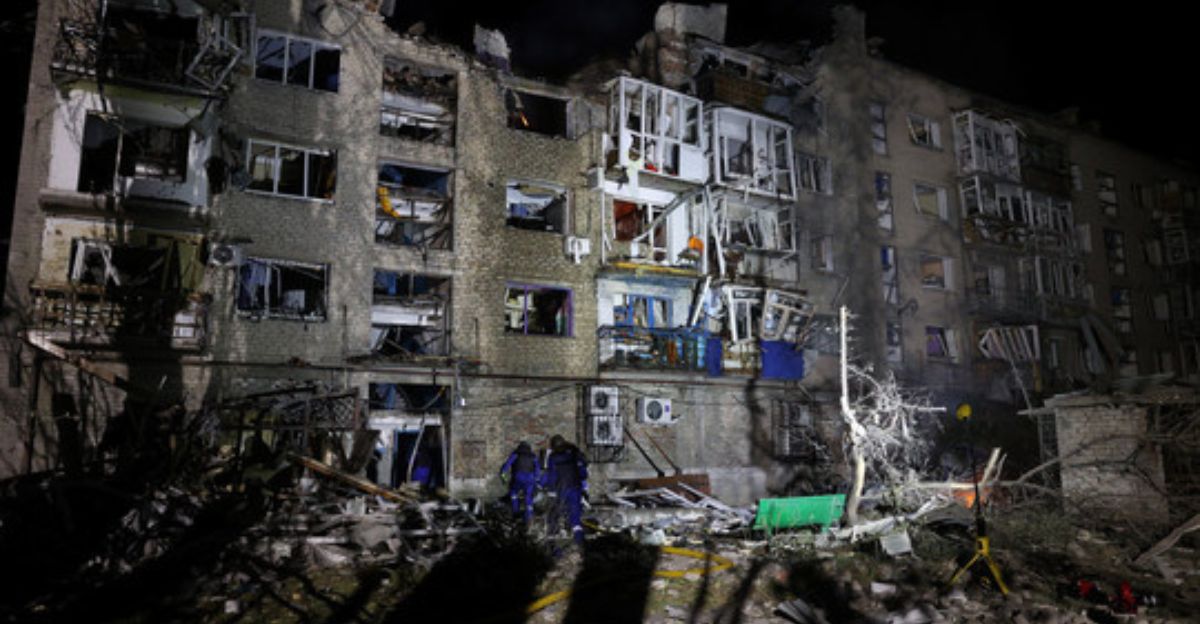
The abrupt power loss had significant effects across Donetsk: heating systems stopped functioning in numerous districts, water pumps failed in several settlements, and communication networks broke down, disrupting connectivity. Numerous intersections lost street lighting and traffic control, resulting in transportation difficulties and increased safety risks.
Local clinics and ambulance services reported acute operational challenges, with some medical interventions delayed. The situation, exacerbated by cold weather and uncertainty about restoration timelines, prompted authorities on both sides to issue emergency advisories and seek rapid solutions for essential public needs.
Economic Standstill
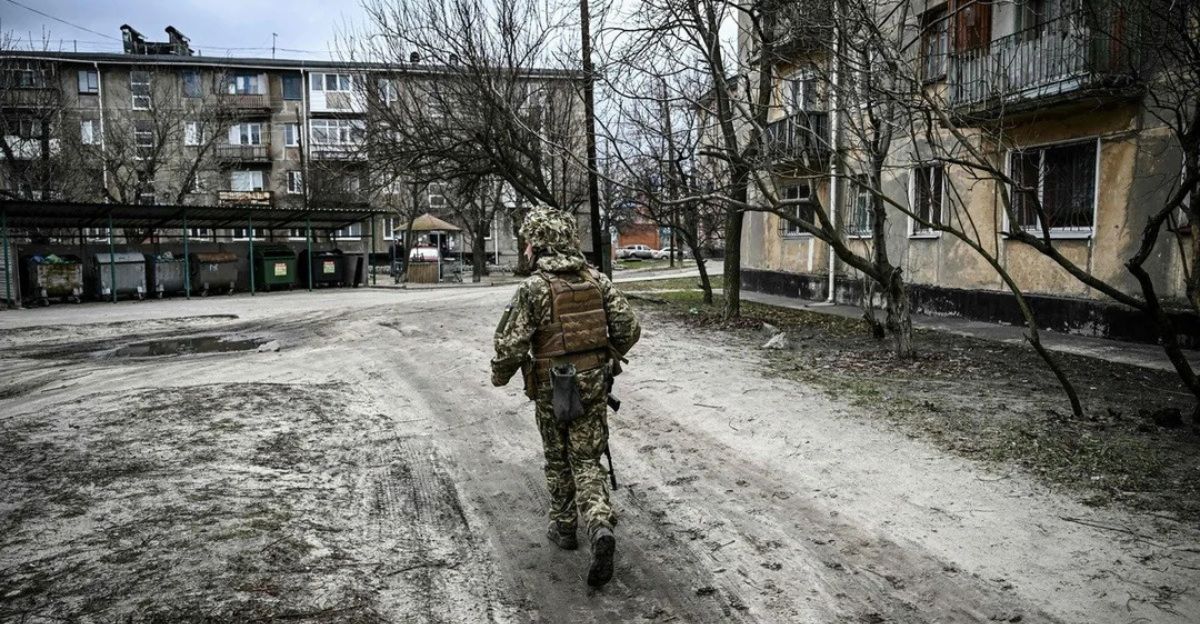
The blackout led businesses across the region to pause operations, halting manufacturing, distribution, and retail activity. Factories suspended production, and shops faced the risk of perishable goods spoilage due to refrigeration failures. Medical facilities reported additional complications, with routine procedures postponed and reliance on backup power growing.
Reports from local economic analysts show commerce in affected communities slowed markedly, reflecting the interconnected nature of civilian infrastructure and employment under occupation conditions. Both small enterprises and large companies faced similar challenges, affecting livelihoods throughout Donetsk.
Supply Chains Interrupted
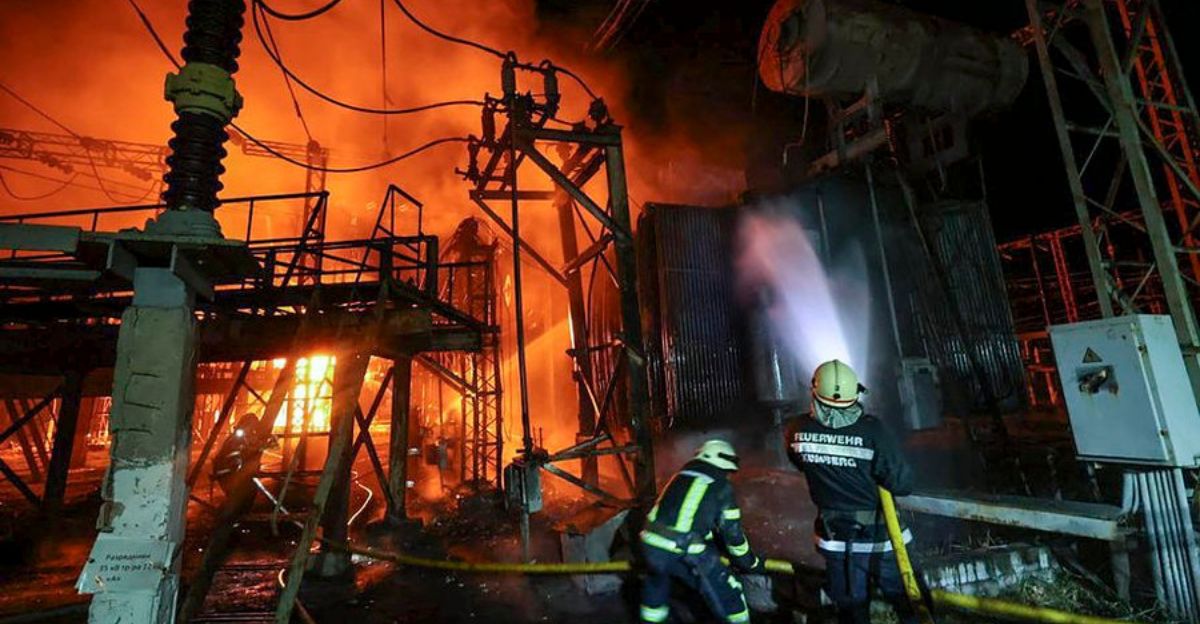
The disruption of power networks deeply affected supply chains and transport logistics, creating ripple effects across occupied Donetsk. Delivery of essential goods, including food and medicine, slowed as vehicle fueling and signaling infrastructure were impaired. Distribution hubs and warehouse operations faced interruptions, while local authorities struggled to coordinate relief efforts amidst confusion.
The need for alternative transport arrangements grew rapidly, with reports indicating some communities turned to manual methods for moving necessities. Analysts note that prolonged outages risk further destabilizing the supply of resources critical to both civilians and occupation forces.
Search for Alternatives
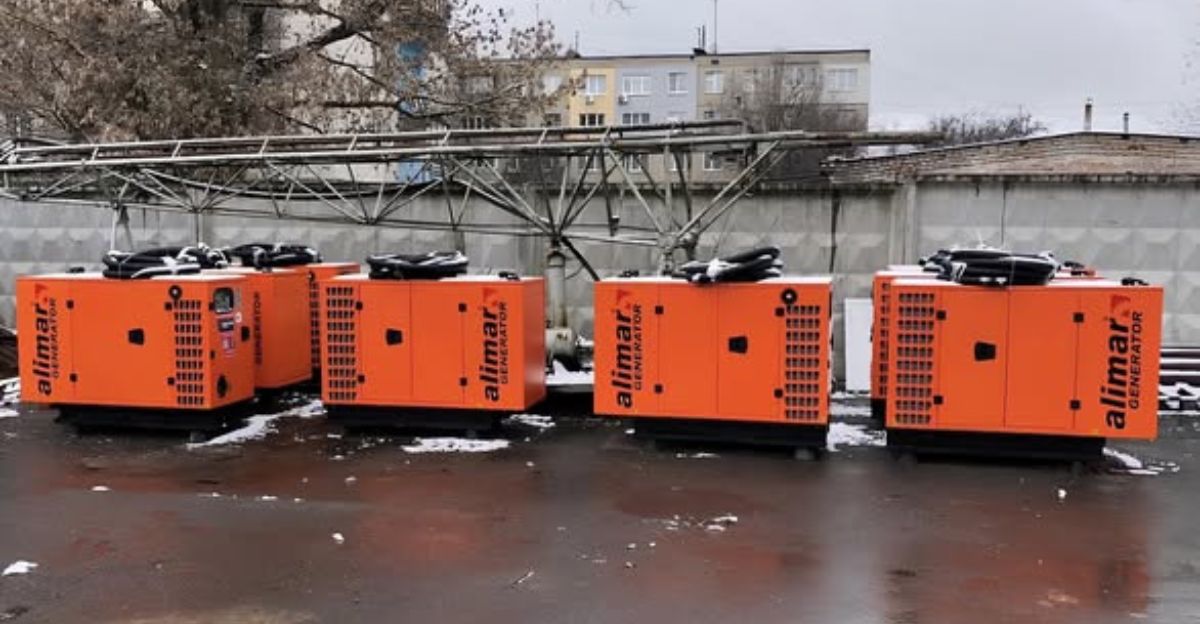
In the wake of the strikes, demand for diesel generators and portable power sources soared. Local markets reported rapid sell-outs of available inventory, and a spike in black market activity was detected. Fuel prices increased, and portable generators became increasingly expensive, making alternative power sources inaccessible to many.
Families with greater financial means secured backup power amid a general rush. Meanwhile, Ukraine and humanitarian groups attempted to prioritize support to those most at risk of extended outages, underscoring the immediate challenges faced by vulnerable populations within the conflict zone.
Inequality Worsens
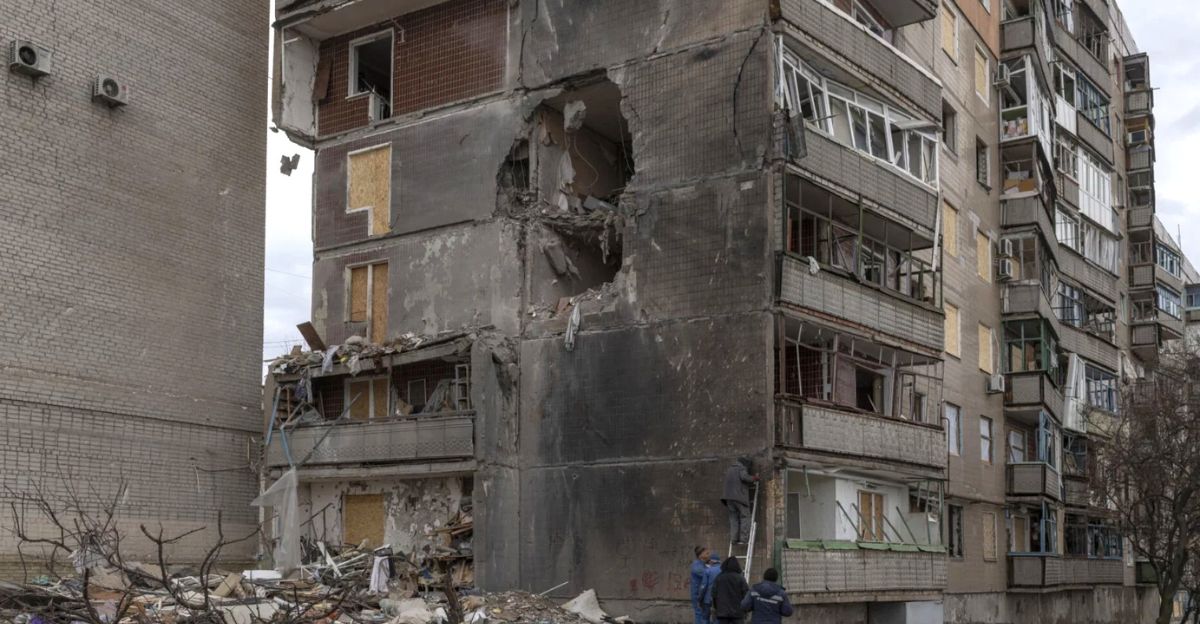
The energy crisis exacerbated disparities among Donetsk residents. Wealthier individuals could afford alternative supplies, temporary generator rentals, and imported fuels, while others contended with lengthy power cuts, cold weather, and food insecurity.
Community organizations raised concerns over worsening conditions for seniors and those dependent on medical devices. Despite mitigation efforts, local authorities acknowledged the uneven recovery as essential resources were distributed first to critical infrastructure, leaving households to endure hardship until repairs advanced. The blackout highlighted underlying social tensions in a region already marked by conflict and occupation.
Wider Regional Impact
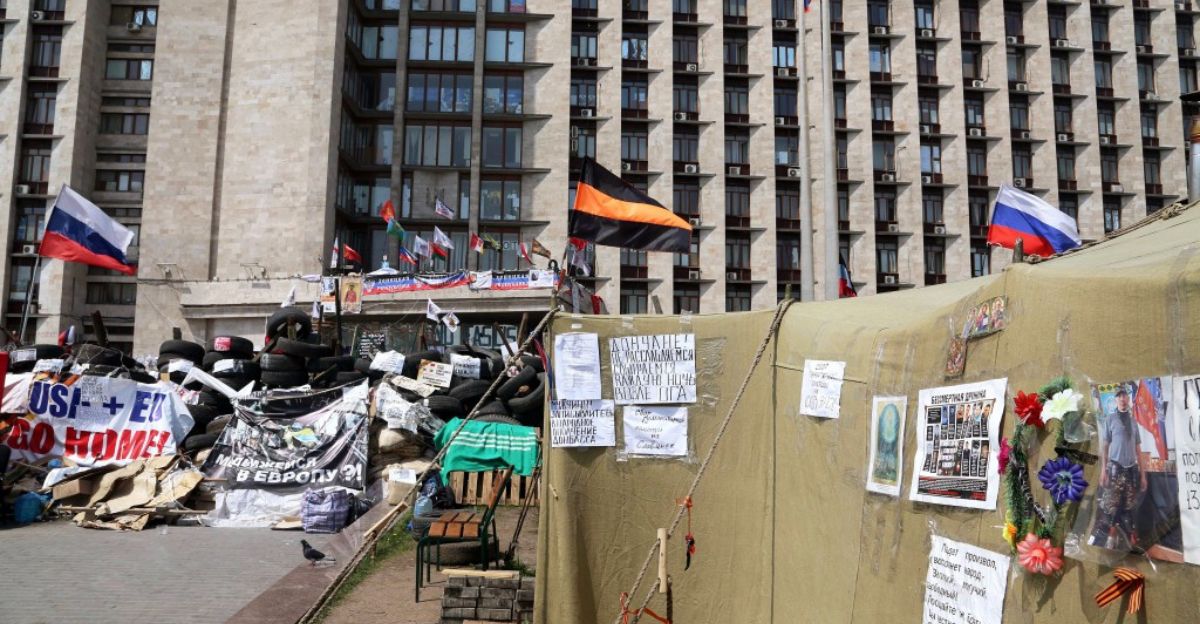
The blackout in Donetsk strained the power grids and neighboring regions. Cross-border energy traders noted increased market volatility as news of the disruption spread. Several adjacent provinces implemented emergency protocols to buffer potential knock-on effects. International observers monitored the outages closely, citing the incident’s broader implications for energy security and cross-frontline supplies.
Governments in neighboring countries expressed concern over possible surges in demand for imports or humanitarian assistance if power restoration efforts faltered, illustrating the interconnectedness of the regional energy landscape in wartime.
Workers Describe the Blackout
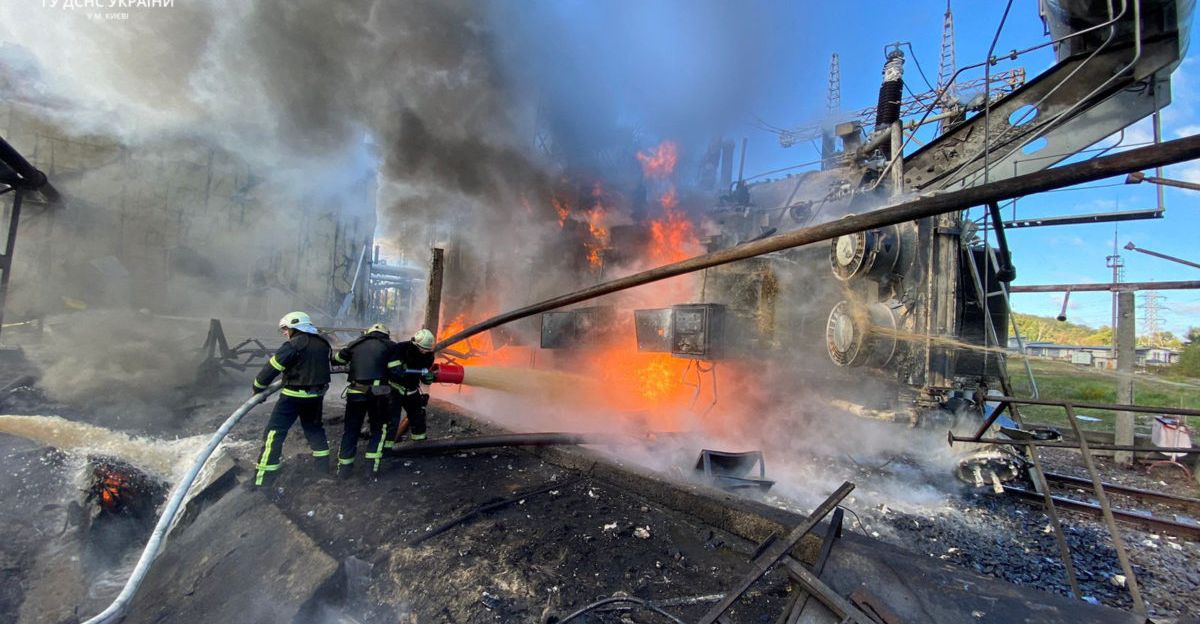
Personnel at the affected power plants recounted tense moments as strikes hit, describing immediate operational efforts to stabilize damaged equipment. Workers faced unprecedented challenges in managing the shutdown, navigating hazards associated with both technical failures and security threats.
Independent organizations, including the United Nations, later confirmed widespread reporting of temporary loss of power, water, or gas in Ukraine and occupied territories. Such firsthand accounts contributed to a comprehensive assessment of human and technical impacts, providing insight into the difficulties confronting those tasked with infrastructure management during a crisis.
Political Response
Russian and Ukrainian officials reacted quickly in public statements following the incident. Russian authorities condemned the strikes, blaming Ukraine for civilian suffering, while Ukrainian leaders defended the operation as a targeted response against infrastructure supporting occupation forces. Both sides acknowledged that the blackout had significant consequences for civilians and raised concerns in international forums regarding proportionality and ongoing security risks.
Diplomats called for restraint, while advocacy groups urged attention to humanitarian needs. This political exchange demonstrates the war’s evolving nature—with critical infrastructure increasingly at the center of strategic debate.
Market Effects

Commodity prices in Donetsk surged after the blackout. Fuel, bread, and other staples saw marked inflation, with prices of some basic goods doubling. Residents reported changes in local market dynamics, including shortages and increased demand for imported supplies.
Economic analysts attributed the volatility to uncertainty about power restoration and the impact on regional supply chains. Energy sector stocks were also affected, as investors speculated about continuing disruptions. The situation added further stress to family budgets, particularly for those already vulnerable due to prior economic challenges brought by the conflict.
Medical Challenges
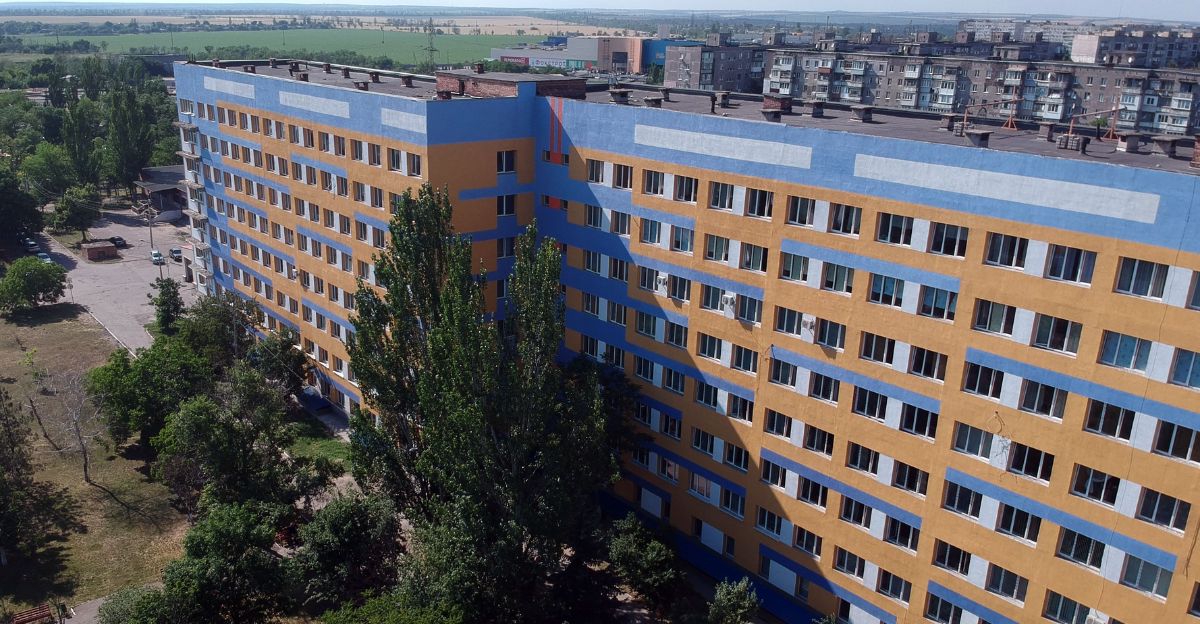
Healthcare services across Donetsk faced substantial difficulties as the loss of power interrupted electricity-dependent treatments, delayed procedures, and limited access to clean water and safe food. Hospitals and clinics implemented emergency protocols, relying on limited generator power and rationing supplies.
Medical staff expressed concern over the ability to maintain care for chronic illnesses and conduct emergency interventions. The blackout heightened urgency for humanitarian relief and technical assistance, with both Ukrainian and international organizations working to bridge gaps in services and coordinate medical aid for affected civilians.
The Future of Ukraine’s Energy War
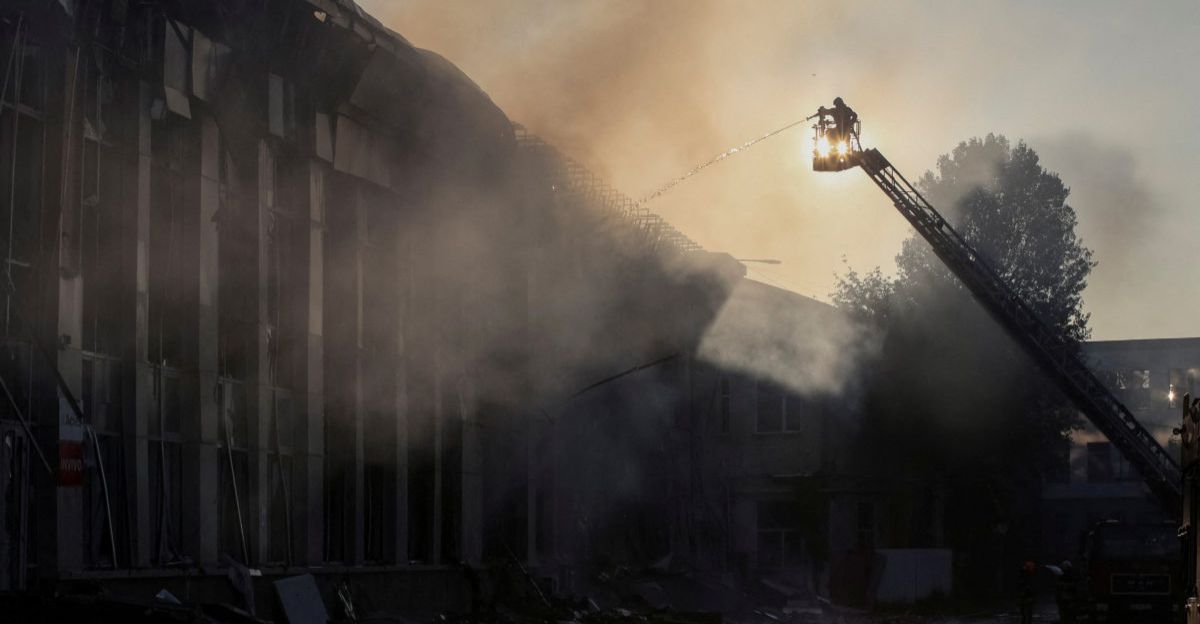
The November strikes in Donetsk established a new benchmark for escalation in the strategic contest over energy assets. Ukrainian initiatives aimed to weaken the occupation’s logistical backbone, even at a cost to their own infrastructure in captured regions.
Ongoing assessments suggest millions are directly affected by continued conflict and instability. As both sides consider next steps, observers anticipate further innovations and countermeasures in the evolving landscape of energy warfare.