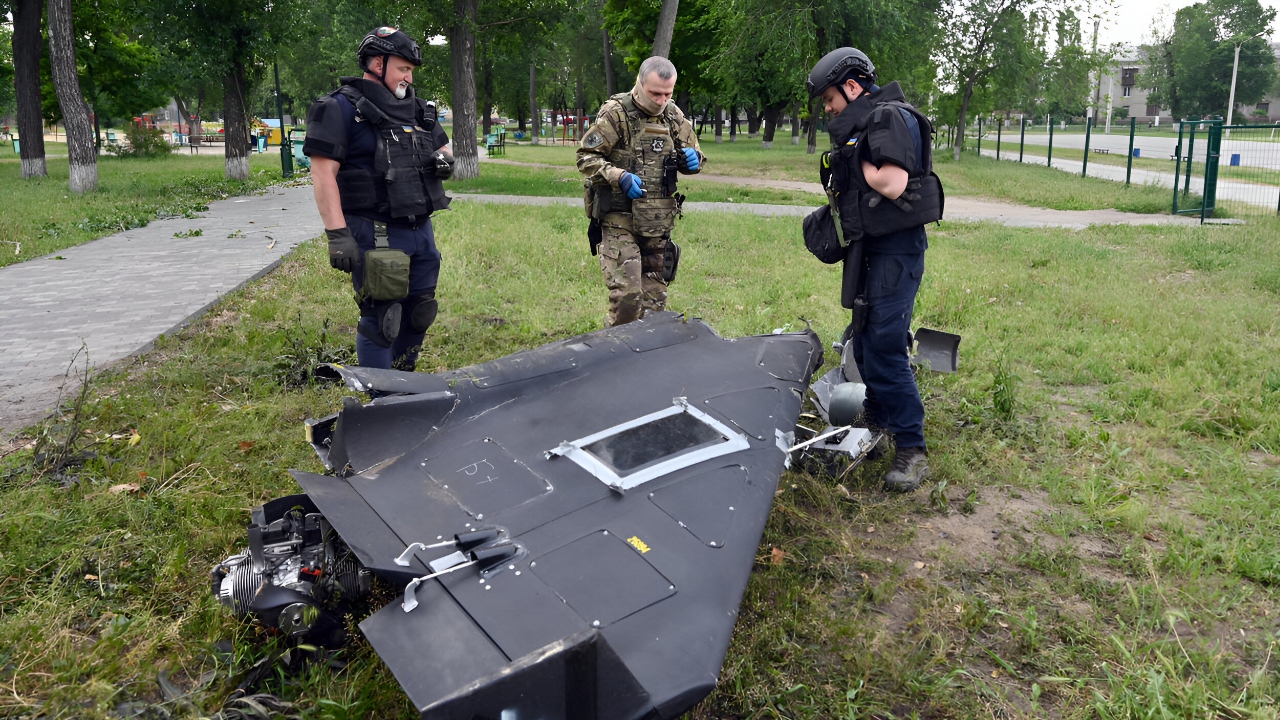
On November 5, 2025, Ukrainian forces launched a precision strike on a Russian drone warehouse at Donetsk airport, reportedly destroying up to 1,000 Shahed drones in a single operation. This attack, confirmed by satellite imagery and partially corroborated by Russian sources, marks one of the largest known losses of unmanned aerial vehicles (UAVs) at a single site in modern warfare. The event has drawn global attention, highlighting the rapidly evolving role of drones in contemporary conflict and signaling a shift in military tactics on both sides.
Escalating Stakes in the Drone War
The aftermath of the Donetsk strike revealed extensive destruction at the Russian facility, with satellite images showing widespread damage consistent with the detonation of munitions and fuel stores. Analysts estimate the financial loss at around $70 million, based on the typical cost of Shahed drones and the scale of the destroyed stockpile. Ukrainian sources report that over 90% of their missiles and drones hit their intended targets, demonstrating a high degree of operational precision.
This attack comes amid ongoing Russian missile and drone strikes against Ukrainian positions, underscoring the intensifying technological arms race between the two countries. The Donetsk operation not only inflicted material losses but also disrupted Russian drone operations in eastern Ukraine, forcing a reassessment of asset storage and protection strategies.
Ukraine’s Drone Revolution
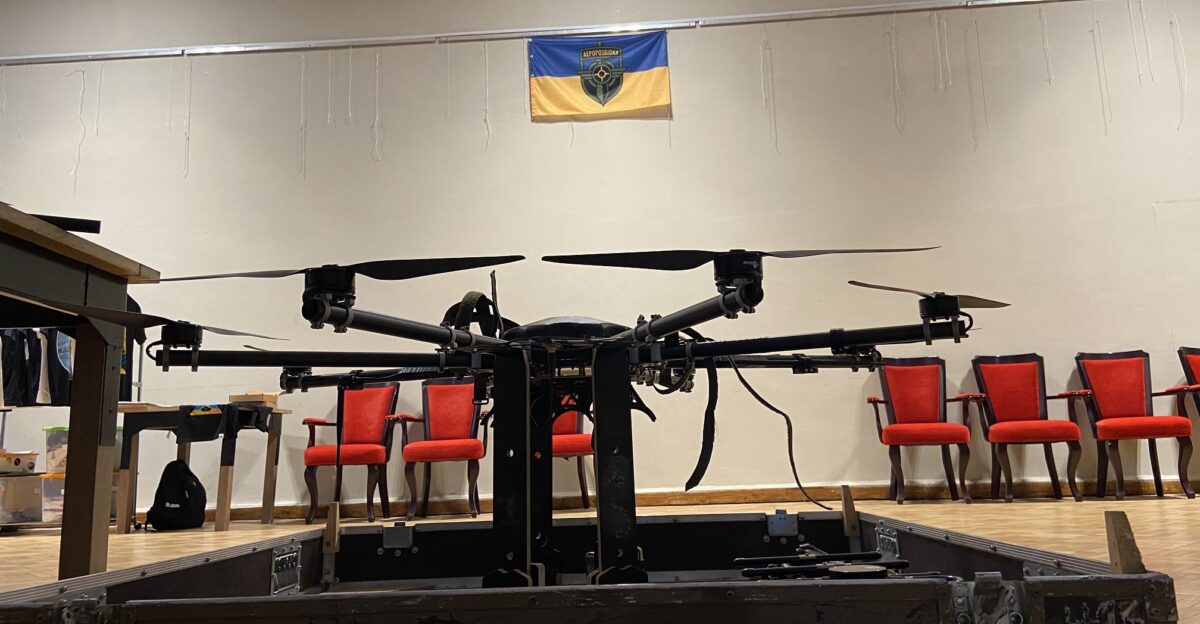
Ukraine’s embrace of drone warfare began in earnest in 2022, as a response to Russia’s overwhelming firepower. Since then, Ukraine has rapidly expanded its domestic drone production, supplementing its arsenal through international partnerships. Drones have become central to Ukraine’s defense strategy, enabling targeted strikes and real-time reconnaissance that offset traditional disadvantages in manpower and equipment.
The success of the Donetsk strike reflects Ukraine’s growing expertise in integrating intelligence, surveillance, and precision-guided munitions. By leveraging these capabilities, Ukrainian forces have managed to challenge Russian supply lines and disrupt the flow of critical military hardware to the front lines.
Russian Production and Vulnerabilities
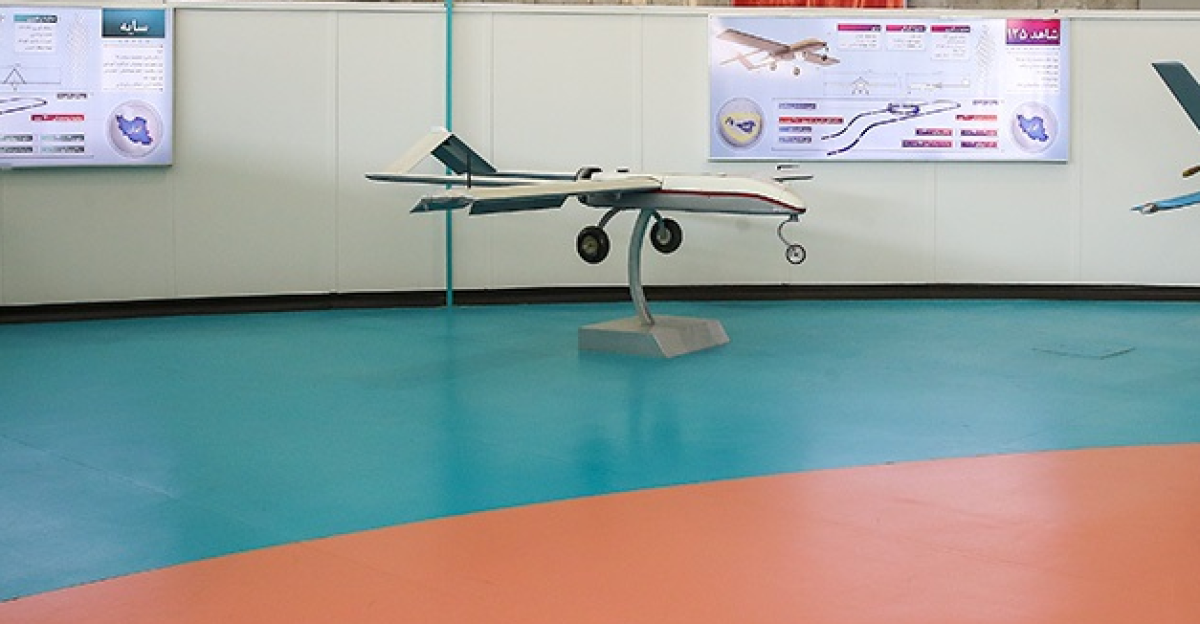
Russia’s drone fleet relies heavily on Iranian-designed Shahed models, produced both in Iran and at domestic facilities such as the Alabuga plant in Tatarstan. By 2025, Russian production had ramped up to an estimated 2,700 drones per month, fueling a surge in UAV deployments across the conflict zone. In response, Ukraine invested in countermeasures, including interceptor drones and advanced reconnaissance systems, to blunt Russia’s aerial advantage.
The Donetsk strike targeted a key node in Russia’s drone supply chain, demonstrating the vulnerability of concentrated military assets. The destruction of drones, ammunition, and fuel at the airport not only reduced Russia’s operational capacity in the region but also exposed the risks of centralized storage in a high-intensity conflict.
A Record-Breaking Operation
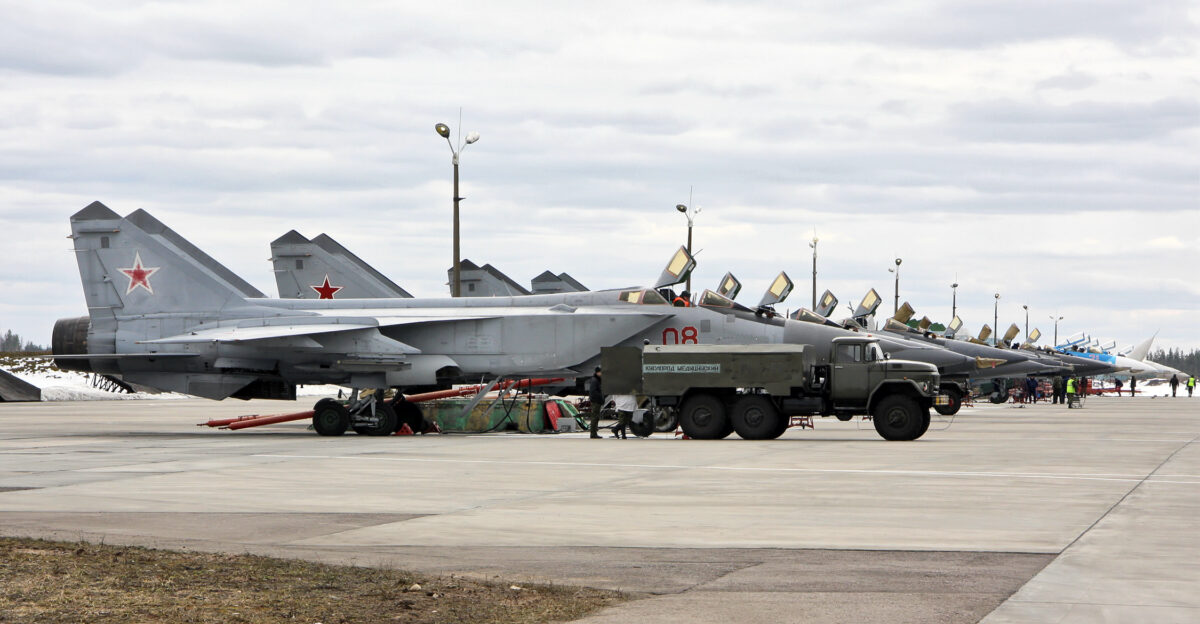
The scale and precision of the November 5 operation set it apart from previous attacks in the conflict. Ukrainian Special Operations Forces, using a combination of drones and missiles, executed a coordinated assault that destroyed a significant portion of Russia’s drone stockpile in a matter of hours. Satellite imagery confirmed the extent of the damage, with large sections of the Donetsk airport facility engulfed in flames.
This operation struck not only the drones themselves but also critical infrastructure supporting Russian operations, including ammunition depots and fuel reserves. The attack demonstrated Ukraine’s ability to plan and execute complex, high-impact missions, further shifting the tactical landscape of the war.
Implications and the Road Ahead
The destruction at Donetsk has had immediate operational consequences, disrupting Russian drone activity and prompting changes in deployment patterns. Military analysts note that the strike has forced both sides to reconsider the risks of asset concentration and the importance of force protection. For Ukraine, the operation has served as a morale boost and a proof of concept for its evolving drone warfare doctrine.
Looking forward, both Ukraine and Russia are investing heavily in next-generation unmanned systems, including longer-range drones, improved guidance technologies, and enhanced countermeasures. The Donetsk strike underscores the central role that drones now play in shaping the course of modern conflicts, with both sides racing to adapt their strategies and technologies in response to rapidly changing battlefield realities.
As the conflict continues, the lessons of Donetsk are likely to influence not only the tactics of the current war but also the broader evolution of military doctrine in the age of unmanned warfare. The balance between technological innovation, operational security, and strategic adaptation will remain at the heart of this ongoing contest.