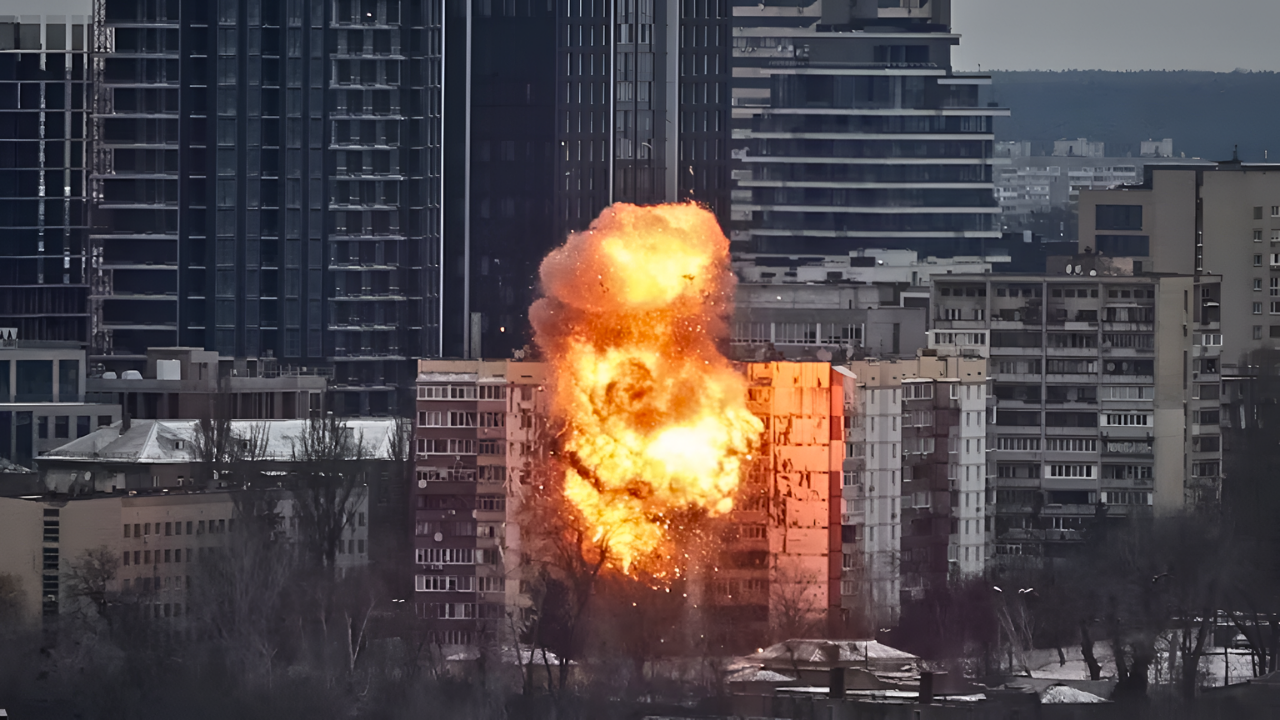
Just after midnight, streaks of light cut across the sky above Moscow. Air-defense systems fire again, the sound echoing across residential districts. According to Russia’s Defense Ministry, this scene has repeated every single day of 2026 so far.
Ukrainian long-range drones, officials say, have targeted the capital region daily since January 1. What was once unthinkable is now routine: Moscow under persistent aerial threat.
Capital Under Pressure
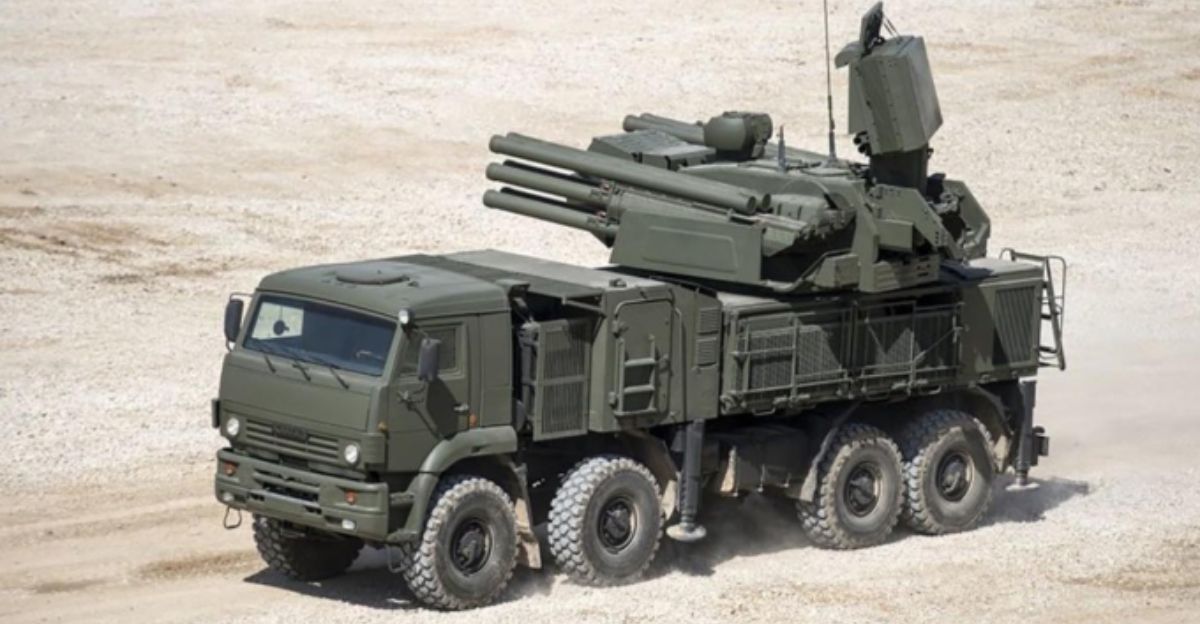
Russia now describes its capital as a frontline target rather than a distant observer. On January 5 alone, Moscow says air defenses shot down 57 drones over the Moscow region, part of 437 intercepted nationwide in one day.
Authorities temporarily closed Moscow’s airports during peak holiday travel, a visible reminder that drone warfare is no longer confined to distant battlefields—it is disrupting daily life deep inside Russia.
From Sporadic To Sustained
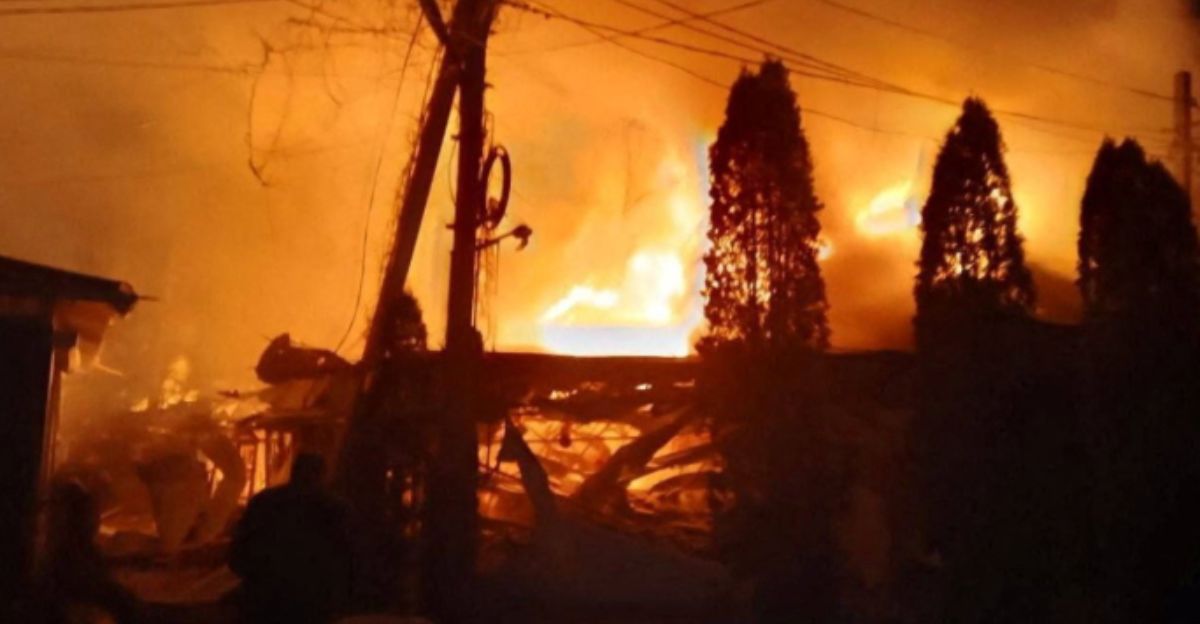
Earlier in the war, drone strikes near Moscow were rare and symbolic, often timed to send political messages. Reporting now frames the pattern differently: a shift from occasional attacks to a near-daily pressure campaign.
Reuters describes the change as an escalation, marking a transition from isolated incidents to sustained operations designed to force constant defensive readiness in Russia’s heartland.
The Long-Range Drone Race
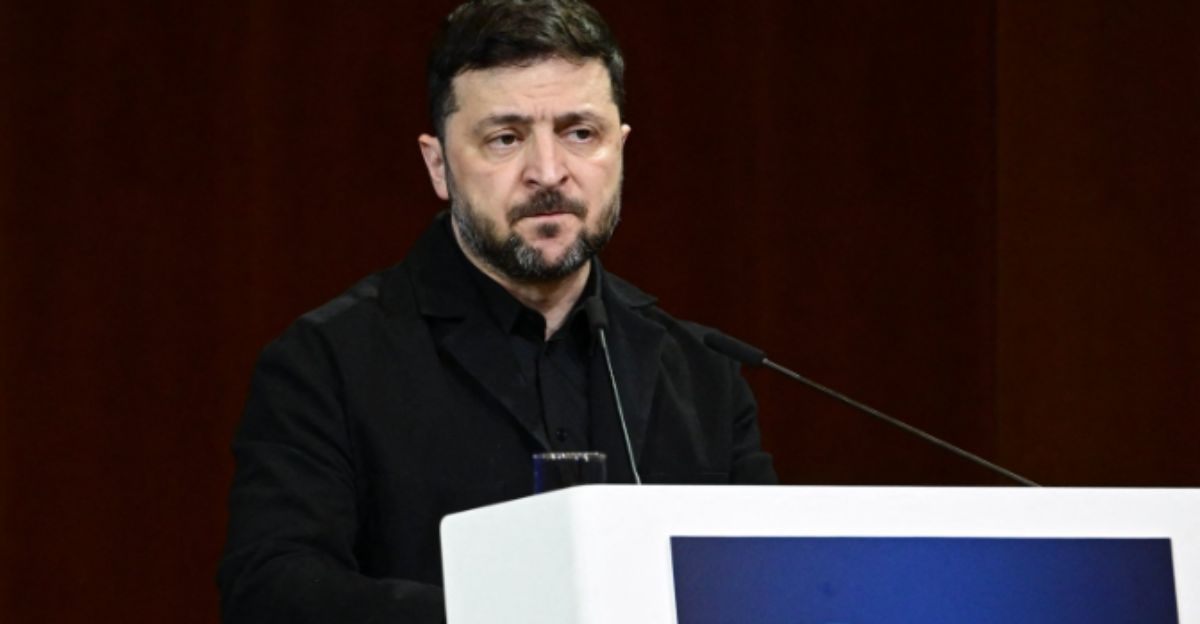
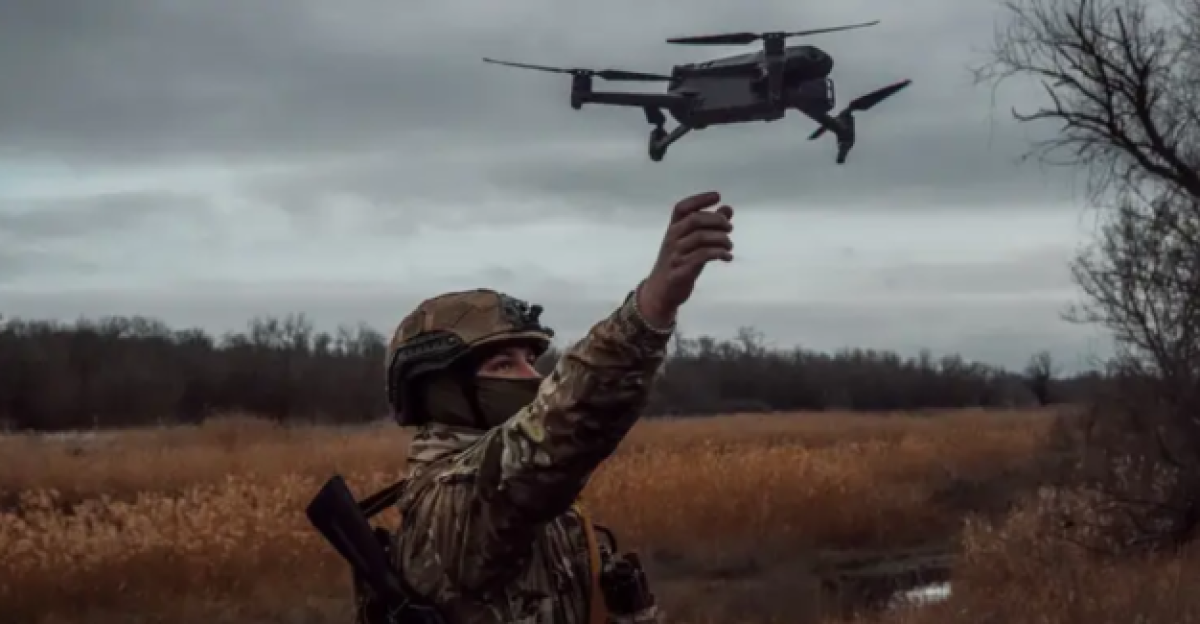
Both sides have turned long-range drones into core weapons. Ukrainian officials say unmanned systems now “go into battle first,” offsetting manpower shortages with mass-produced, relatively low-cost platforms.
Open-source and media reporting point to a sharp rise in cross-border drone strikes through 2025, targeting energy, industrial, and military infrastructure. This accelerating arms race set the conditions for today’s daily attacks on Moscow.
Week-One Numbers

Russia’s Defense Ministry, via state agency RIA, claims air defenses intercepted 1,548 Ukrainian drones over Russian territory and Crimea during the first week of 2026 alone.
The figure represents one of the highest weekly totals reported since the war began nearly four years ago. By midnight Sunday, officials said 437 drones had been downed nationwide. These figures cannot be independently verified.
Moscow’s New Front Line
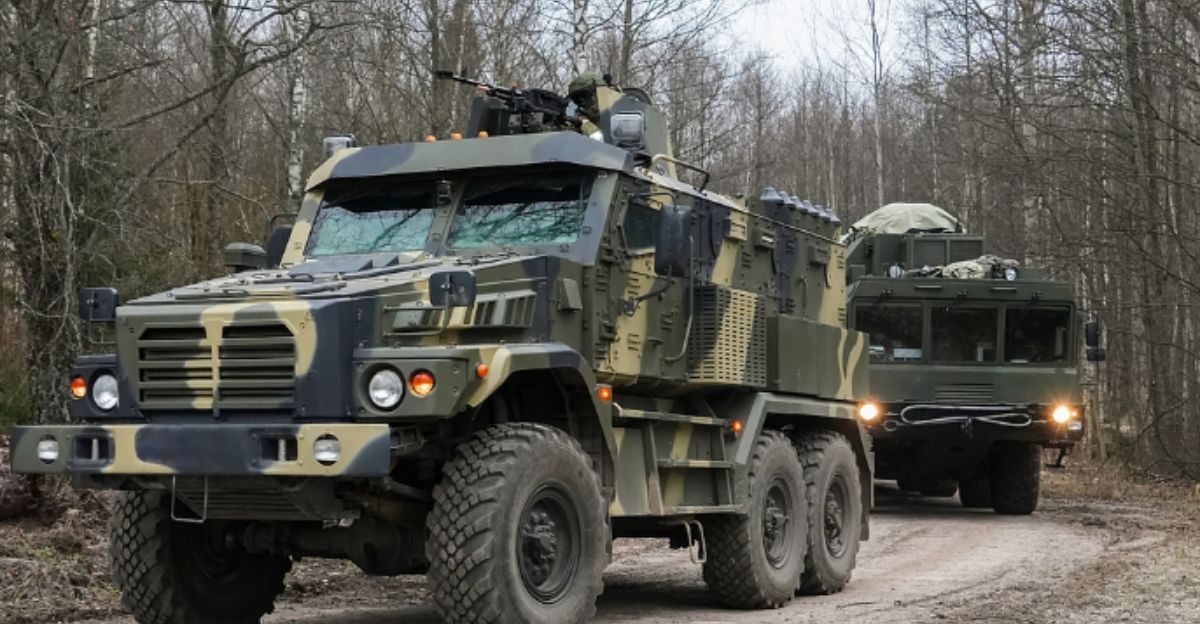
With repeated interceptions reported over the Moscow region, the capital’s airspace has effectively become a new frontline. Russian authorities say drones have been engaged over the region on multiple consecutive nights.
For the roughly 12 million people living in the wider metropolitan area, the war now arrives as alerts, explosions from air defenses, and the risk of falling debris—sensory reminders that distance from the front no longer guarantees safety.
Travel Chaos And Holiday Disruption
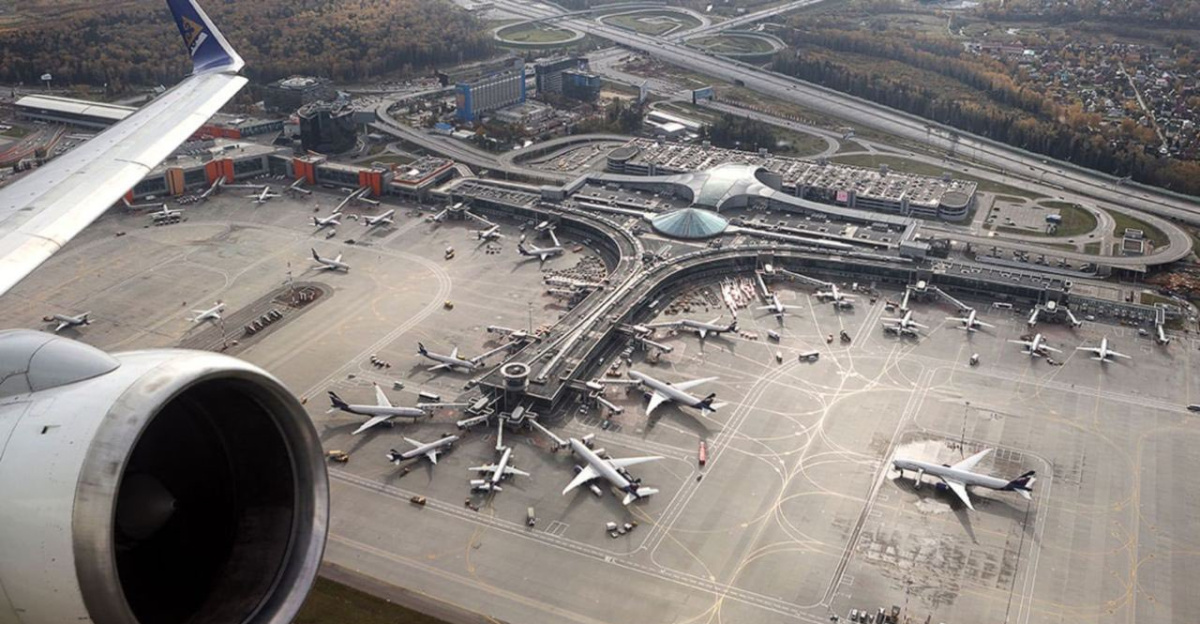
Russia’s aviation watchdog Rosaviatsiya confirmed that Moscow’s airports—and scores of others nationwide—were temporarily closed due to drone threats and air-defense operations.
The disruptions hit during Russia’s busiest travel window, the New Year and Orthodox Christmas holiday period lasting through January 9. Flights were delayed, diverted, or canceled, showing how unmanned aircraft operating far from terminals can still paralyze civilian travel.
Inside Ukraine’s Drone Doctrine
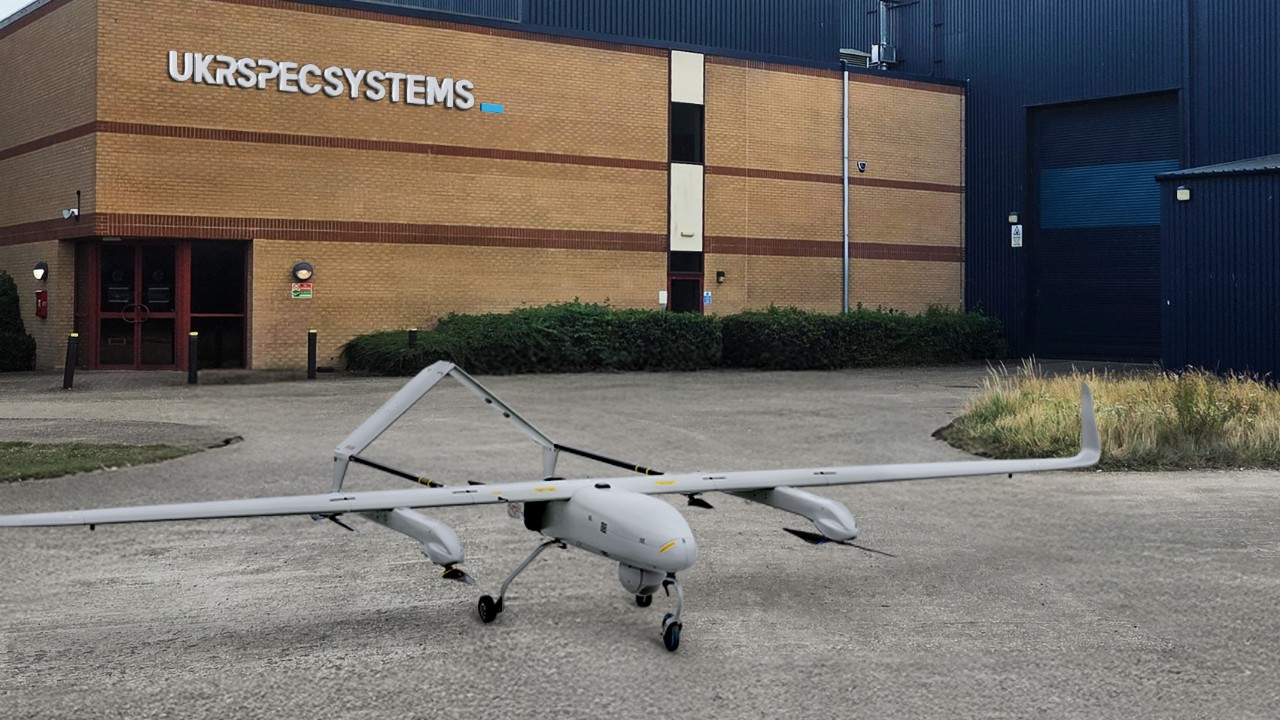
Ukrainian officials say long-range drone strikes aim to degrade Russian logistics, energy facilities, and command infrastructure while raising the economic cost of the war.
Kyiv has invested heavily in domestic drone production, fielding everything from short-range FPV systems to long-range strike platforms. Leaders argue drones help offset Russia’s larger population and mobilization base by inflicting equipment losses at comparatively low cost.
Escalating Drone Statistics
Russian officials report Ukrainian drone activity rising sharply through late 2025. Moscow claims 3,641 drones were shot down in October, 3,392 in November, and more than 4,300 in December—an average of about 141 per day.
Ukrainian sources report similarly high Russian drone and missile use. While none of these figures can be independently verified, they indicate an accelerating long-range drone war.
Hidden Costs And Uncertain Data
Neither side releases full, verifiable data on drone launches, interceptions, or damage. Analysts caution that successes may be overstated while losses go unreported.
What is known is that intercepted drones often scatter debris, damaging buildings and causing casualties. Repeated strikes on refineries, depots, and power infrastructure also carry long-term economic costs.
Competing Narratives
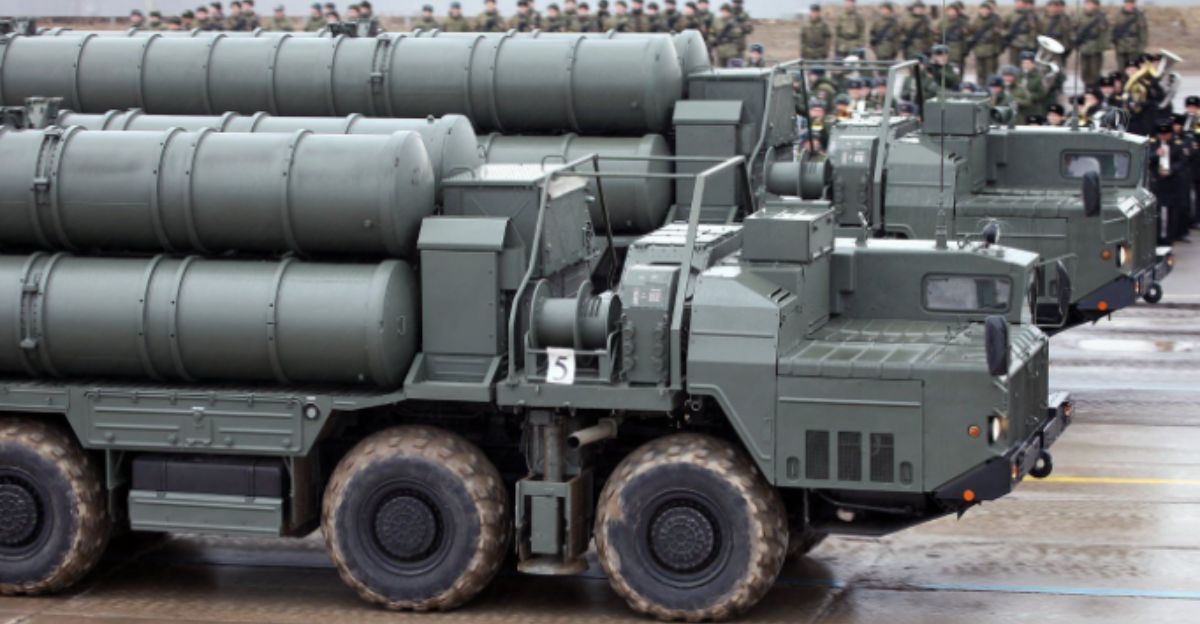
Moscow frames daily interceptions as proof its air defenses are effective and Ukraine is escalating recklessly. Kyiv presents the same strikes as a justified response to Russia’s intensive missile and drone attacks on Ukrainian cities and energy systems.
Both governments deploy drone statistics to reinforce domestic support and signal resolve abroad, even as independent observers struggle to verify the competing claims behind the numbers.
Crimea And Deep Strikes
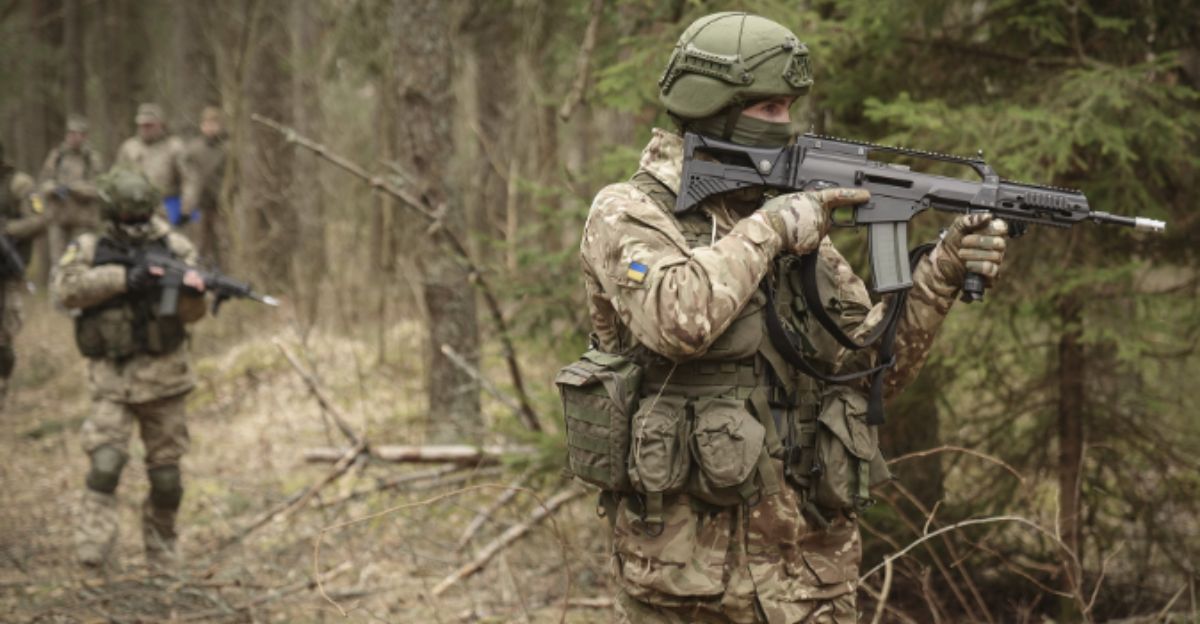
Russia’s weekly interception totals explicitly include Crimea, which Moscow annexed in 2014 and treats as its own territory.
Ukrainian forces have repeatedly targeted military and logistical facilities there, seeking to weaken Russia’s Black Sea operations and supply lines. Including Crimea in the 1,548-drone figure underscores the campaign’s geographic breadth.
War Enters 2026 On Both Fronts
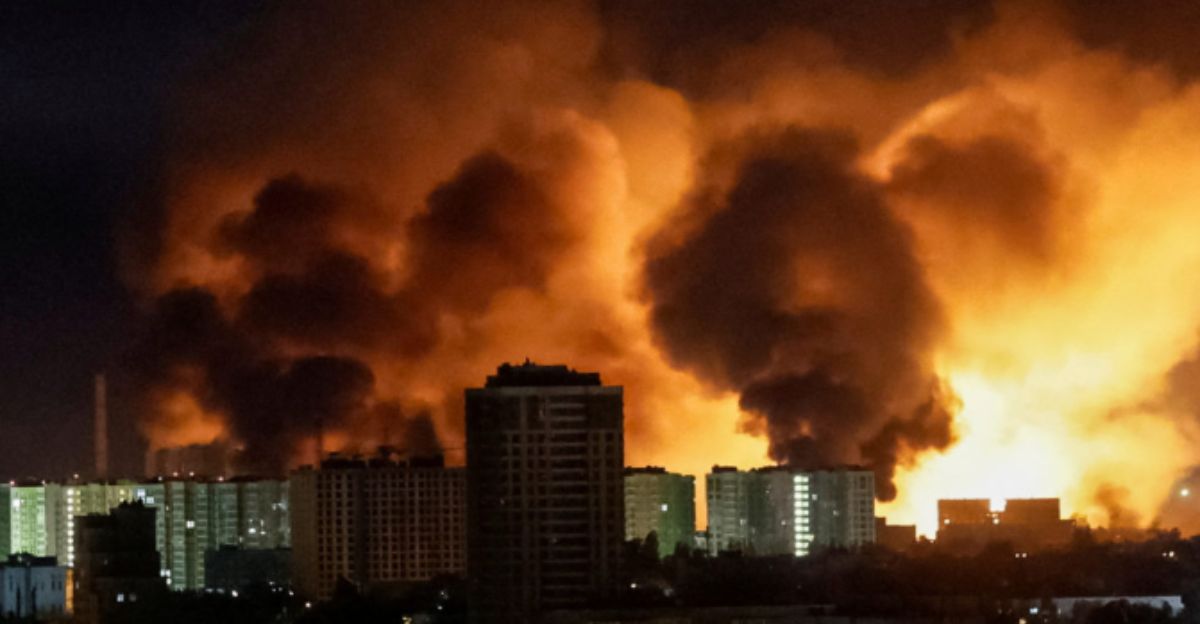
Even as Russia reports daily interceptions at home, it continues large-scale drone and missile attacks on Ukraine. Around New Year’s Day, Ukrainian officials said Russia launched more than 200 drones.
The strikes hit energy infrastructure and left over 100,000 people without power in one region. The mutual barrage shows drones are central to both sides’ 2026 strategies, with civilians frequently caught in between.
Strategic Risks For Moscow
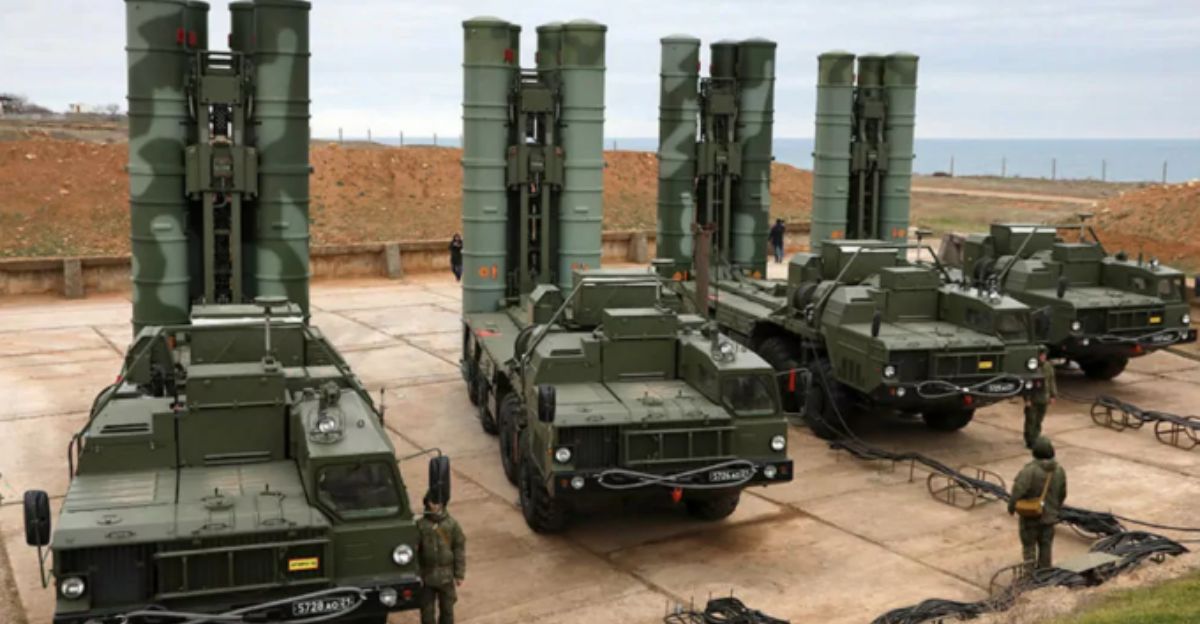
Sustained drone pressure could force Russia to divert air-defense assets away from the front, strain logistics, and increase economic losses from repeated hits on energy and industrial targets.
Ukrainian officials have stated an ambition to raise drone-inflicted Russian losses to 50,000–60,000 personnel per month in 2026. Whether Moscow can sustain its current defensive posture remains uncertain.
A Capital Under Constant Threat
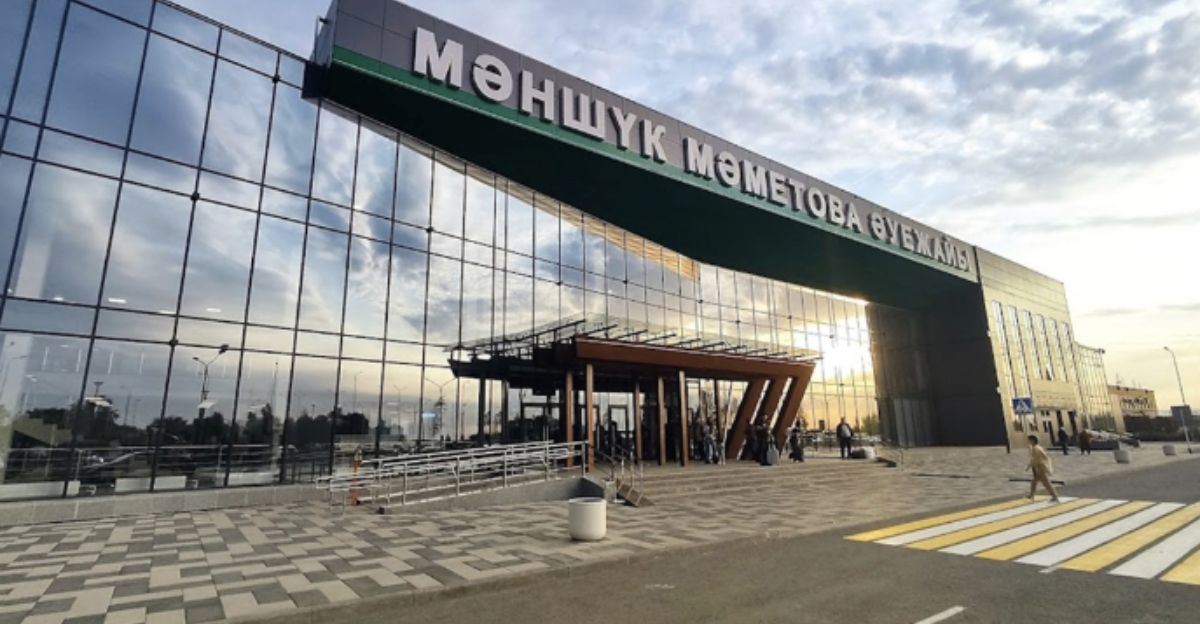
With Russia claiming Ukraine has targeted Moscow every day of 2026 so far, the capital now lives under a persistent, low-intensity air campaign.
Airports close, residents hear air defenses nightly, and interception totals reach into the thousands in a single week. If this tempo continues, it may reshape Russian public perception and leadership decisions on both sides.
Sources:
TRT World – Russia says Ukraine drone attacks targeted Moscow daily since start of 2026 – January 5, 2026
The Straits Times – Ukraine targets Moscow daily with drones in 2026, Russia says in apparent escalation – January 4, 2026
ABC News – Russia downs 4,300 Ukrainian drones in December, setting new monthly record – December 31, 2025
Ukrinform – Moscow airports shut down as drone attacks disrupt nearly 200 flights – January 3, 2026
Al Jazeera – Russian war deaths are rising to unsustainable levels, says Ukraine – January 8, 2026
Yahoo News – Russia carries war into 2026 with over 200 drones – January 1, 2026