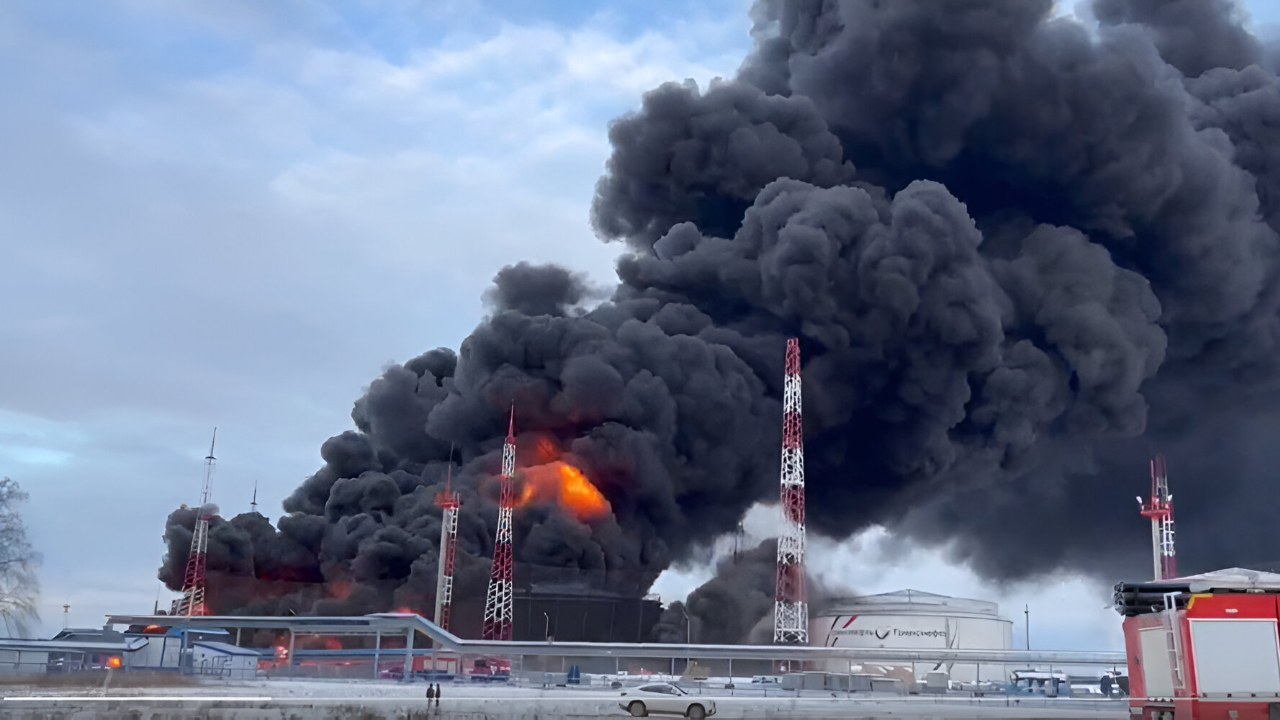
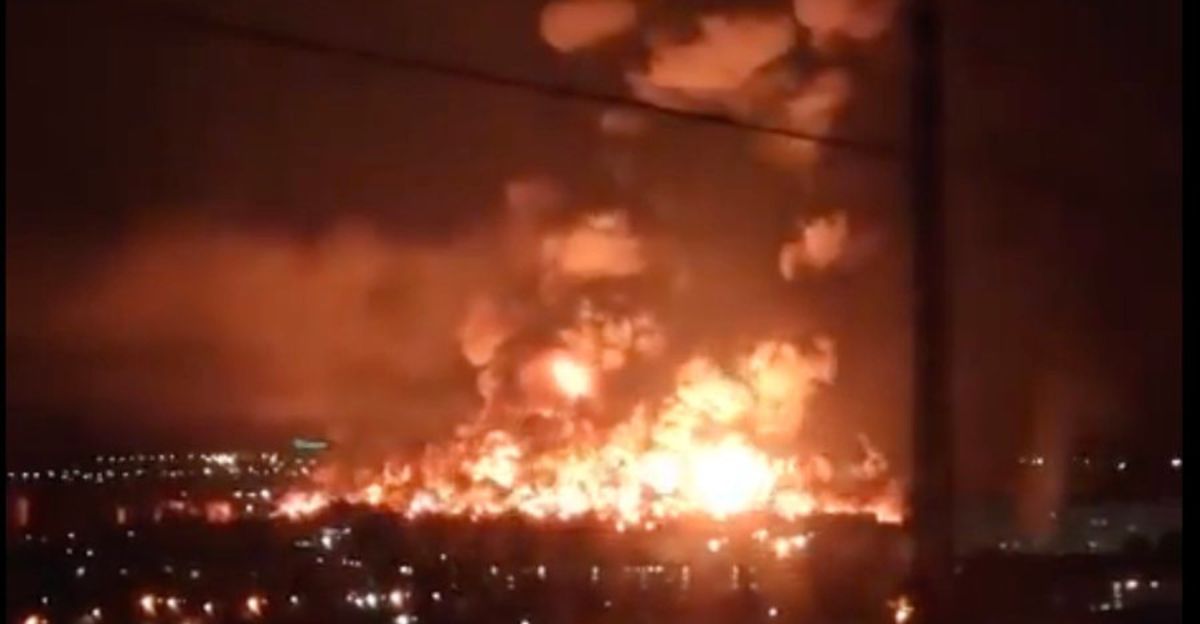
On the night of November 9, 2025, powerful explosions rocked an oil depot near the village of Hvardiiske in Crimea, which is under Russian control. Videos posted online showed huge flames lighting up the night sky.
Independent and Russian sources reported that Ukrainian drones struck key fuel sites, likely as part of Kyiv’s ongoing strategy to cut off Russian military supplies. This latest strike fits into a well-documented pattern of Ukrainian attacks aiming to weaken Russian infrastructure over time.
Targeting the Fuel Network
In recent months, Ukraine has stepped up drone attacks on Russian fuel depots across Crimea. The Hvardiiske depot was previously hit in October 2025, according to outlets like Reuters and the Institute for the Study of War.
Analysts believe these repeated strikes are meant to choke off the flow of fuel to Russian troops and aircraft. Fuel shortages could slow down logistics, vehicle movements, and even air operations.
Why Crimea Matters
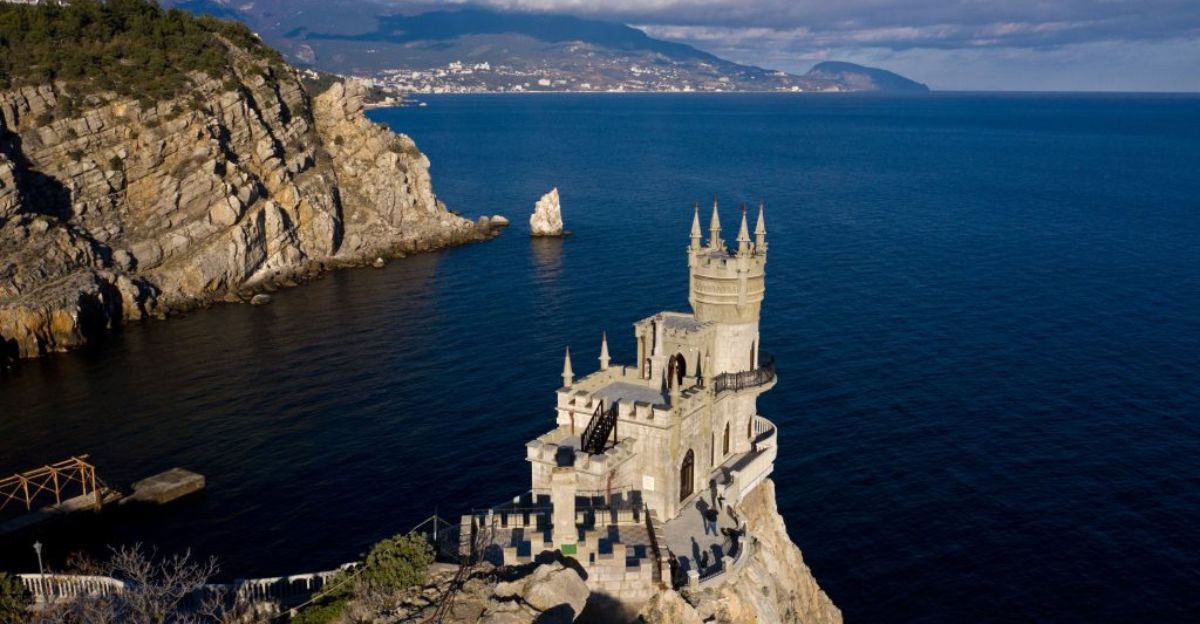
Since Russia seized Crimea in 2014, the peninsula has become a major military hub. It serves as a launch point for attacks across southern Ukraine and as a refueling base for planes and ships. The fuel depots near Hvardiiske power armored vehicles and air fleets that support front-line operations.
“Crimea’s logistical importance cannot be overstated, it’s Russia’s operational lifeline in the south,” said the Royal United Services Institute in a September 2025 assessment. Losing or damaging these depots puts extra pressure on Russian supply chains stretching back to mainland Russia.
Gaps in Russia’s Defenses
Russian officials claimed their air defense systems destroyed most of the drones during the November 9 strike. However, images shared by locals and satellite checks proved that at least one oil depot caught fire. Videos showed thick smoke columns and blazing storage tanks through the night.
These scenes suggest that, despite heavy investments in anti-drone systems, Russia still struggles to fully protect critical infrastructure.
One of Crimea’s Biggest Fires
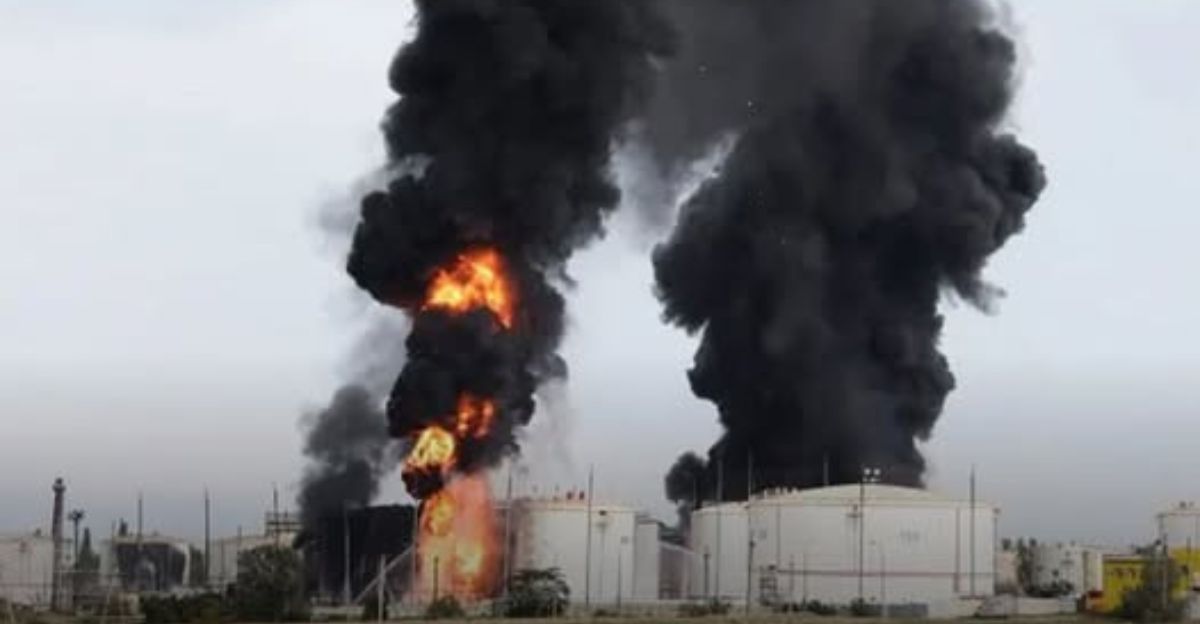
Witnesses and analysts called the fire one of the largest seen in Crimea for years. Massive plumes of smoke were visible from miles away. Though confirming precise rankings is hard, reports from 2023 and 2024 show multiple large-scale depot fires.
The November strike marked at least the third drone-related oil fire that month. This intensity highlights a shifting battlefield where smaller, cheaper drones can create major logistical setbacks.
Fuel Supplies Interrupted
The damage had immediate consequences for the Russian army’s fuel distribution in Crimea. Russian occupation officials admitted that military units temporarily faced fuel shortages following the blaze.
Emergency teams worked around the clock to stop the fire from spreading to nearby tanks. The attack underscored how even a limited drone strike could ripple across entire supply networks.
Fear Among Local Residents
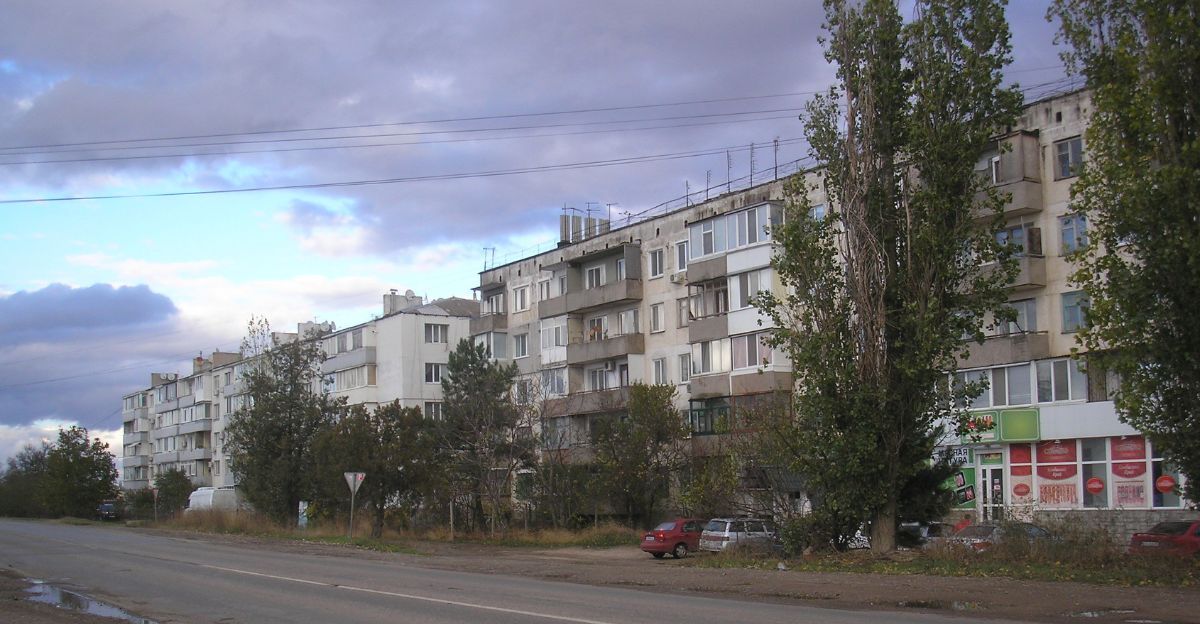
People living near Hvardiiske described the night as terrifying. Loud explosions rattled windows, and many residents feared additional strikes. Although no injuries were officially reported, locals told independent media that panic spread quickly. Similar past incidents led to short-term evacuations and warnings for people to stay indoors.
Moscow’s Defense Promises
Following the attacks, Russian government representatives announced new plans to strengthen air defense systems in Crimea. However, critics inside Russia questioned whether these promises would lead to real improvements.
Lawmakers in Moscow held emergency briefings about the vulnerability of infrastructure to Ukrainian drones. The government vowed more radar coverage and faster repair teams moving forward.
Ukraine’s Drone Campaign Widens
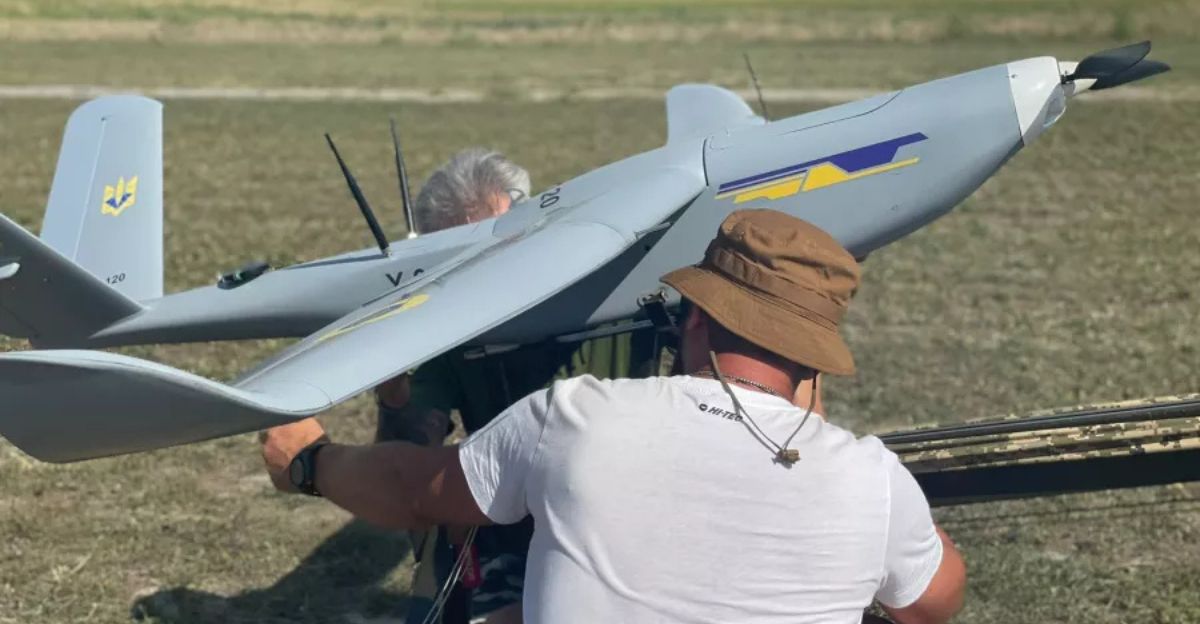
Ukraine’s drone operations have expanded beyond Crimea, striking oil and gas sites deeper inside Russia. Reports from The Moscow Times and Bloomberg linked some of these attacks to local fuel supply shortages and rising pump prices.
The strategic goal, experts say, is to strain Russia’s war economy by forcing it to spend more on repairs and security.
Civilian Hardships Grow
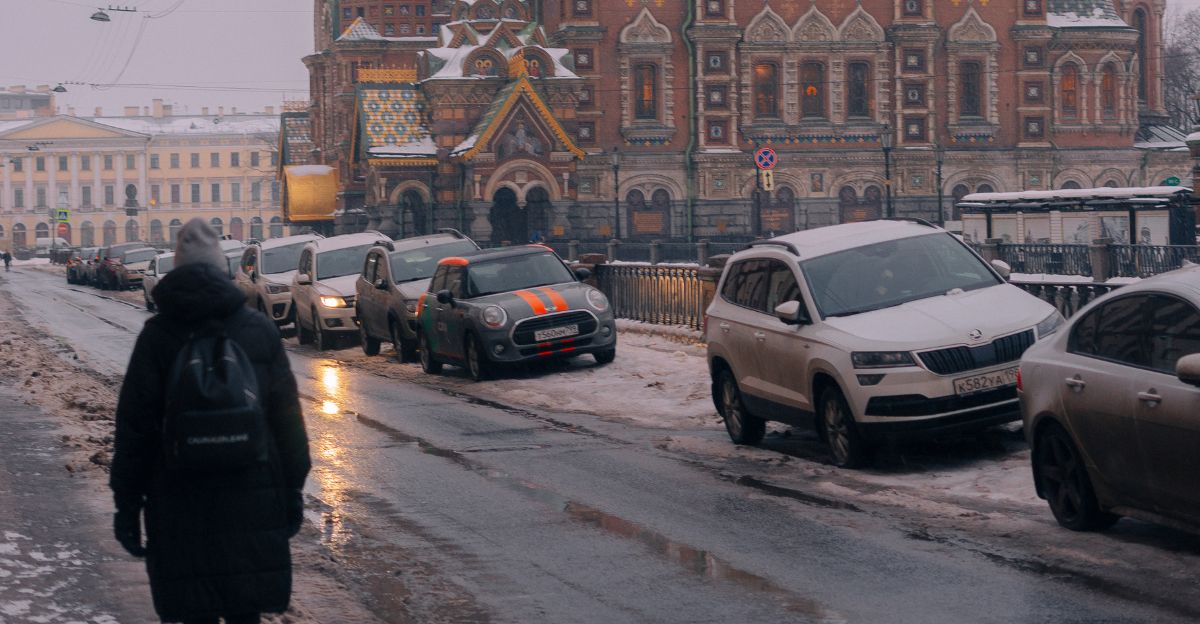
For Russian and Crimean civilians, the ripple effects are becoming clear. Regional news outlets have documented spikes in fuel prices and longer lines at gas stations after major depot attacks. Some areas even faced short delays in heating fuel deliveries.
Although the government plays down these issues, energy experts warn that strategic vulnerability always trickles down to ordinary lives. Public frustration over prices has begun to appear across social media forums, particularly in border regions.
Leaders Push for Better Security
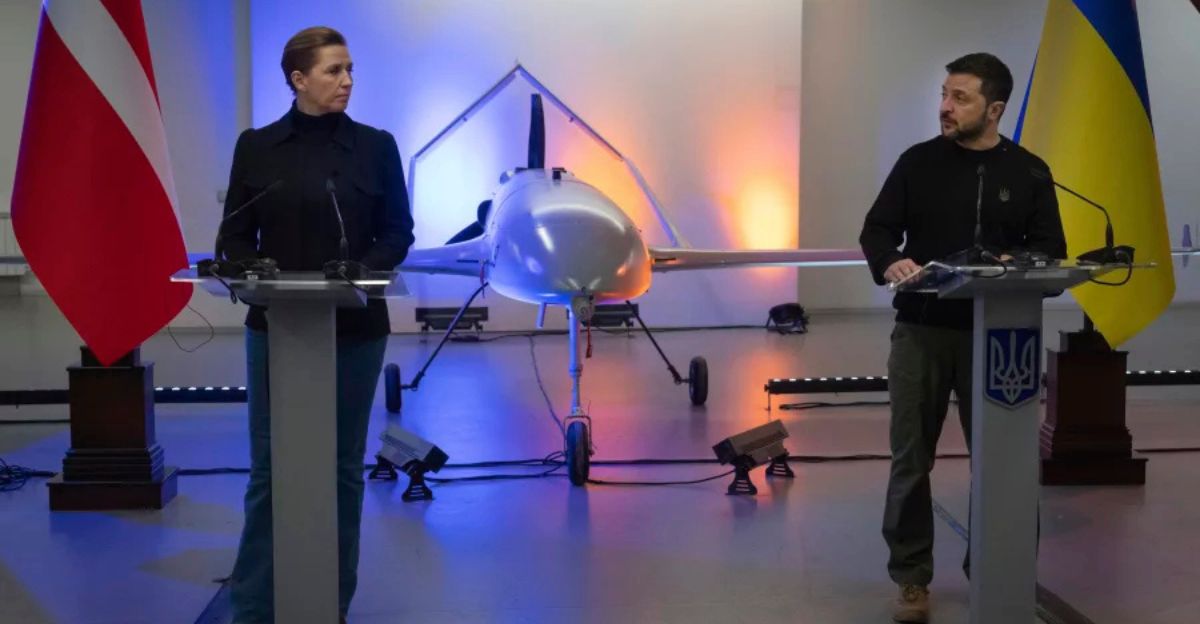
In the wake of continued strikes, Russian leaders demanded accelerated efforts to secure vital energy and transport sites. Reports from Interfax quoted officials calling for the full modernization of Crimean defense zones by early 2026.
Many warned that complacency had allowed attackers to exploit weak points. The government also promised more investment in rapid repair teams, drone-jamming systems, and detection networks. However, progress on these promises remains uneven across the peninsula.
Command and Strategy Under Review
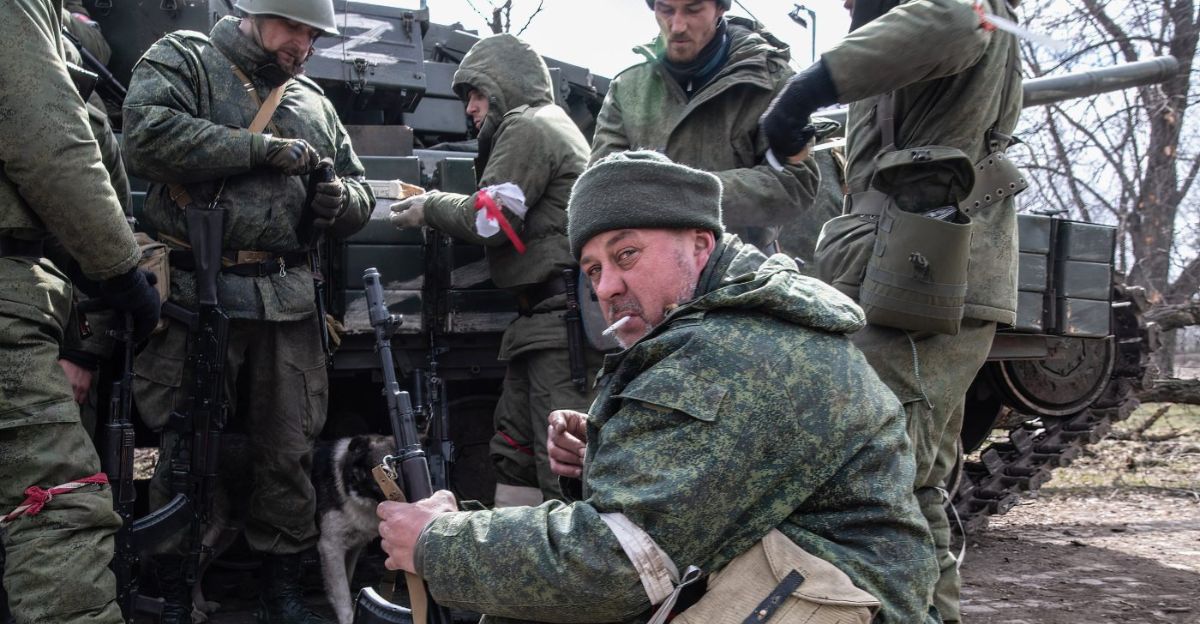
The repeated depot attacks have reignited debates inside Russia’s defense leadership. Some high-profile military commentators are urging new tactics to defend against evolving Ukrainian drone technology.
Analysts outside Russia also note signs of internal pressure building among commanders responsible for protecting the peninsula.
Containing Damage and Moving Forward
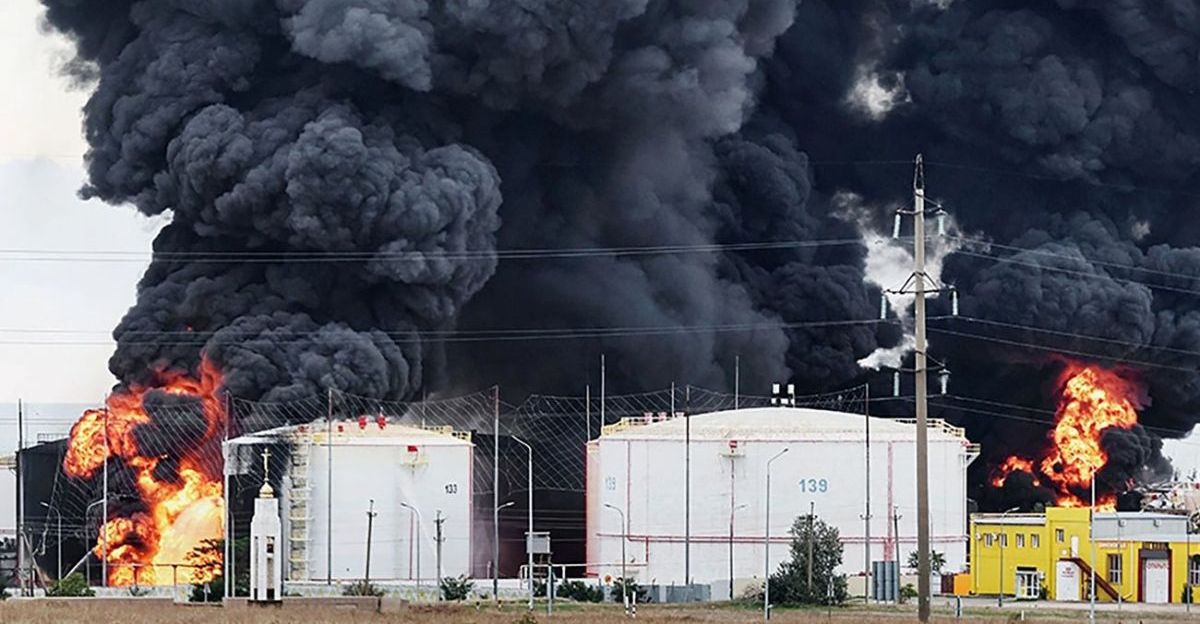
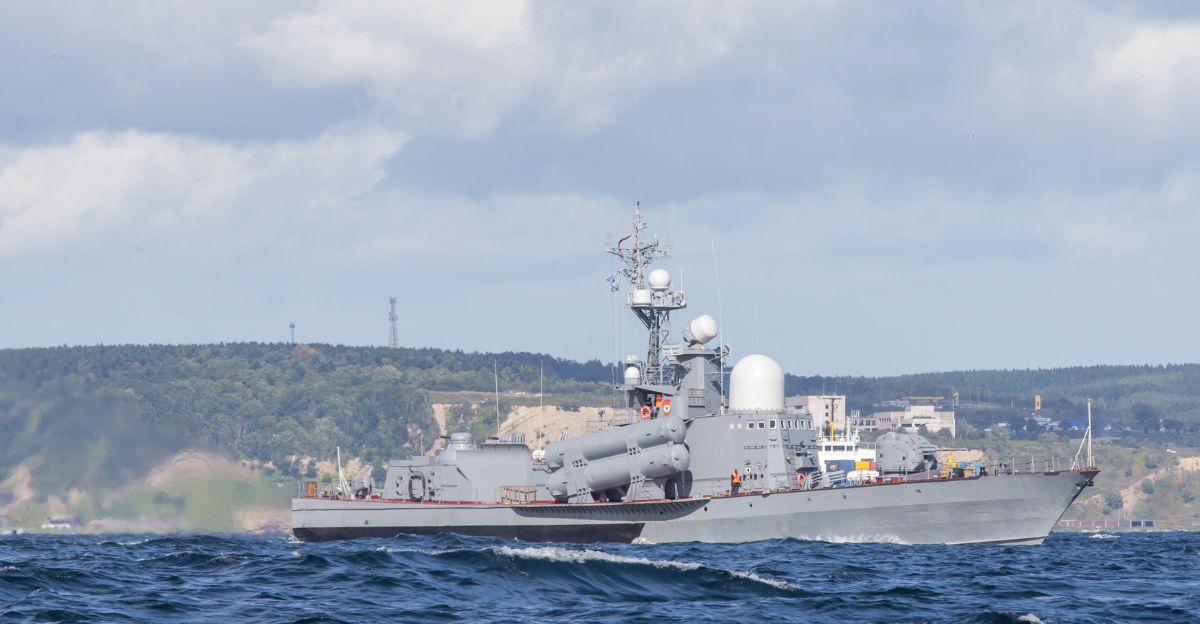
After firefighters finally controlled the Hvardiiske blaze, Russian emergency services quickly began cleanup and limited fuel delivery operations. Moscow-installed authorities stated that they were prioritizing critical supplies for the air force and the Black Sea Fleet. Engineers began examining drone entry points and weaknesses in depot shielding.
Officials claimed the damage would be repaired within weeks, though similar statements have proven optimistic in the past.
New Challenges Ahead
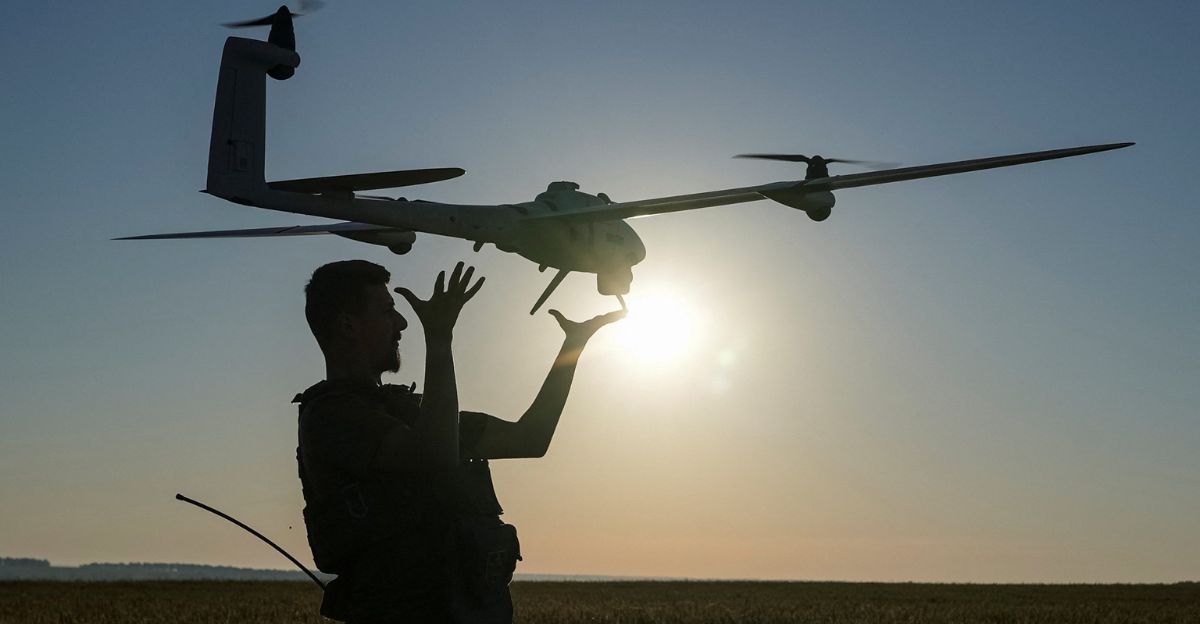
Experts believe Ukraine’s drone operations will continue to outpace Russia’s current defenses. Even with more radar coverage, drones flying at low altitudes remain difficult to intercept.
Crimea’s geography, surrounded by sea and with limited supply corridors, makes it particularly exposed to these long-range drone attacks.
What This Means for the Future
The November 9 attack is part of a continuing struggle for control of Crimea’s energy and logistics backbone. Ukraine’s ongoing strategy shows determination to make the peninsula less reliable for Russian operations.
For Russia, maintaining authority over Crimea means investing heavily in both repair and defense. More strikes and defensive shifts seem inevitable as the winter campaign intensifies.