
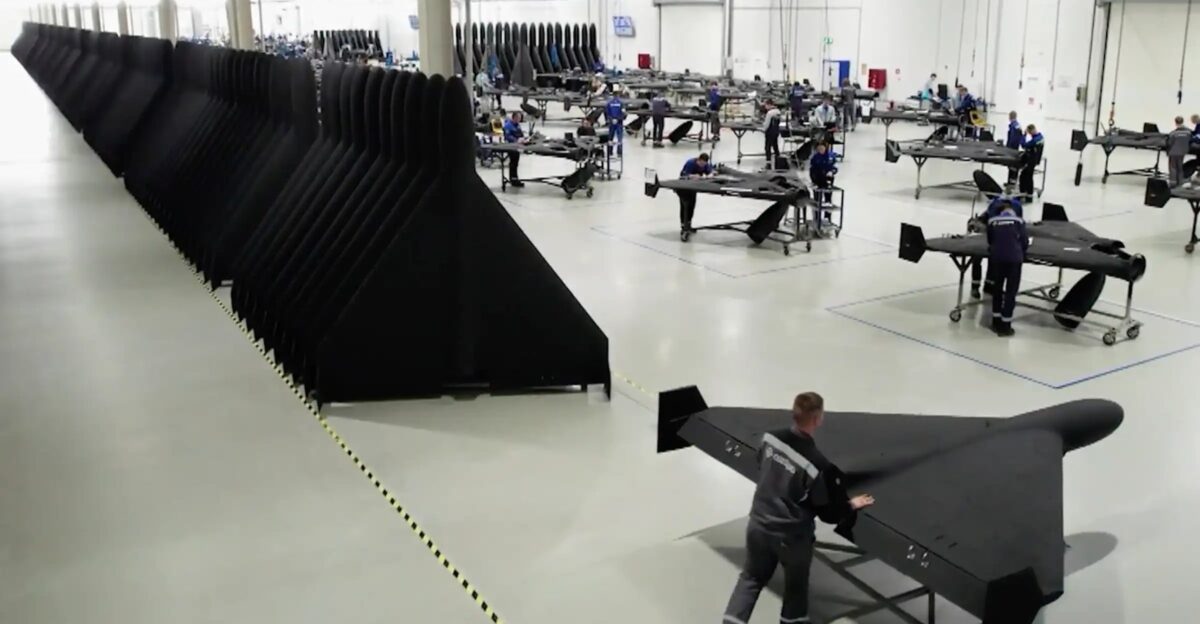
Ukraine carried out one of its deepest strikes of the war by targeting a Shahed-type drone production facility in Russia’s Tatarstan region, more than 1,300 kilometers from Ukrainian territory.
The attack used long-range drones attributed to Ukraine’s Security Service and caused visible damage and disruption at the site. The strike challenged Russia’s belief that key military-industrial facilities far from the front lines were effectively shielded from attack.
Why Ukraine Targeted a Rear-Area Facility

Kyiv has increasingly focused on Russia’s Shahed drone supply chain, arguing these systems are used extensively against Ukrainian cities, energy infrastructure, and civilian targets.
Facilities in Tatarstan, including the Yelabuga/Alabuga complex, are central to assembling and adapting Iranian-designed drones for Russian use. By striking rear-area factories, Ukraine aims to reduce Russia’s ability to sustain large-scale drone attacks over time.
Staffing Problems After Repeated Strikes
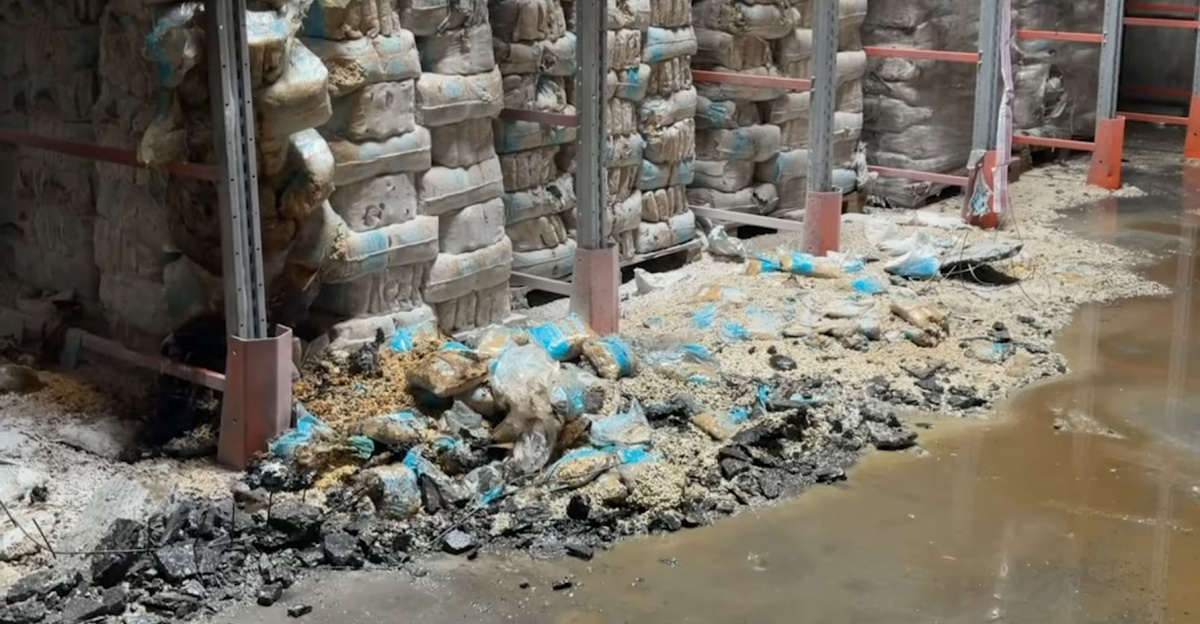
Following multiple Ukrainian strikes, reports indicate that Russia’s largest Shahed assembly facility is struggling to maintain staffing levels. Workers and technicians reportedly view the site as unsafe, with some refusing to return due to fear of further attacks.
These labor shortages complicate efforts to maintain consistent drone output and highlight how deep strikes can disrupt production not only through damage, but also through workforce reluctance.
Broader Pattern of Defense Facility Attacks

The Tatarstan complex is not the only Russian defense facility targeted. Plants such as the Kupol Electromechanical Plant in Izhevsk, which produces air-defense systems and drones, have also been struck.
Some attacks resulted in injuries to workers, underscoring the risks faced by employees at military-industrial sites. Together, these strikes show a widening Ukrainian campaign against Russia’s defense manufacturing base.
Pressure on Russia’s Drone Supply Chain

Ukraine’s campaign extends beyond factories to logistics nodes supporting drone production. Earlier strikes targeted facilities linked to the import and launch of Shahed drones, including Caspian Sea ports and airfields used for drone operations.
Disrupting storage, transport, and assembly creates cumulative strain on the supply chain, increasing delays, costs, and uncertainty for Russia’s drone program.
Parallel Attacks on Energy Infrastructure
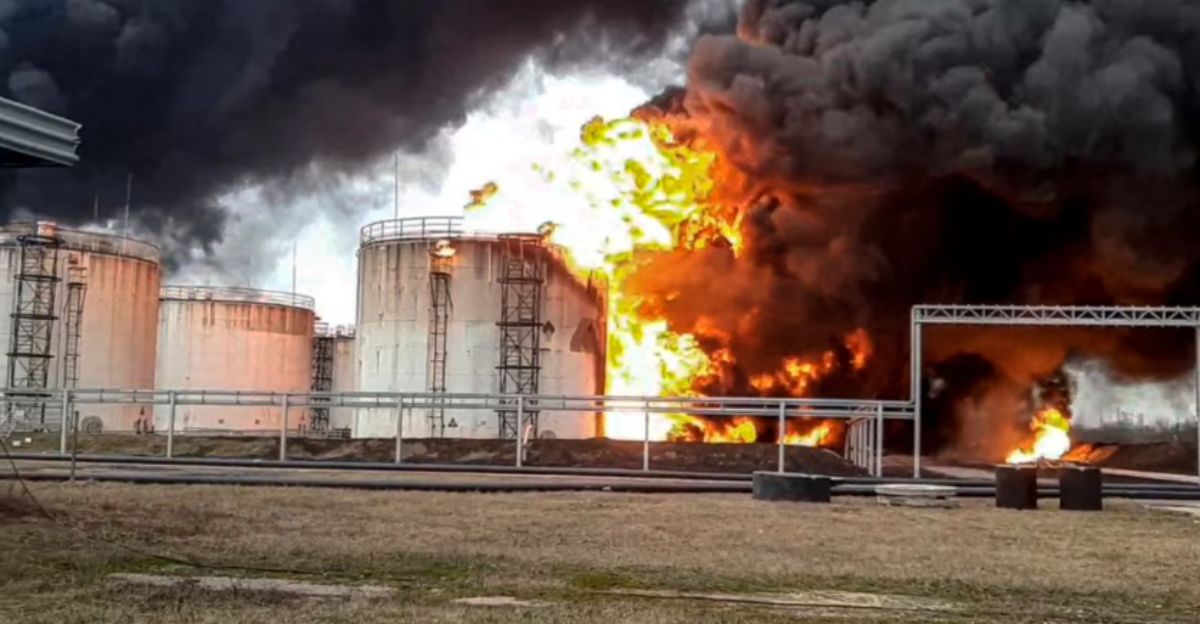
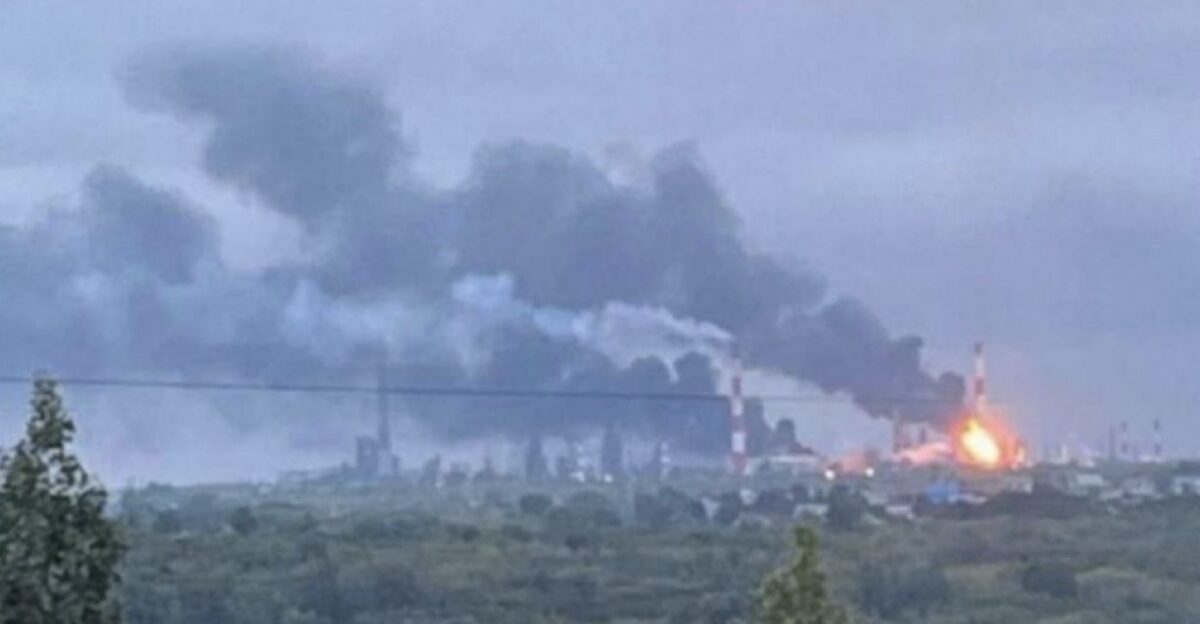
Alongside defense plants, Ukraine has repeatedly struck Russian oil refineries and fuel depots using long-range drones.
By early 2025, these attacks reportedly knocked out a notable share of Russia’s refining capacity. Combined with international sanctions and pressure on Russia’s shipping networks, the strikes aim to reduce revenues that help fund military production, including drone manufacturing.
Human Impact on Industrial Workers
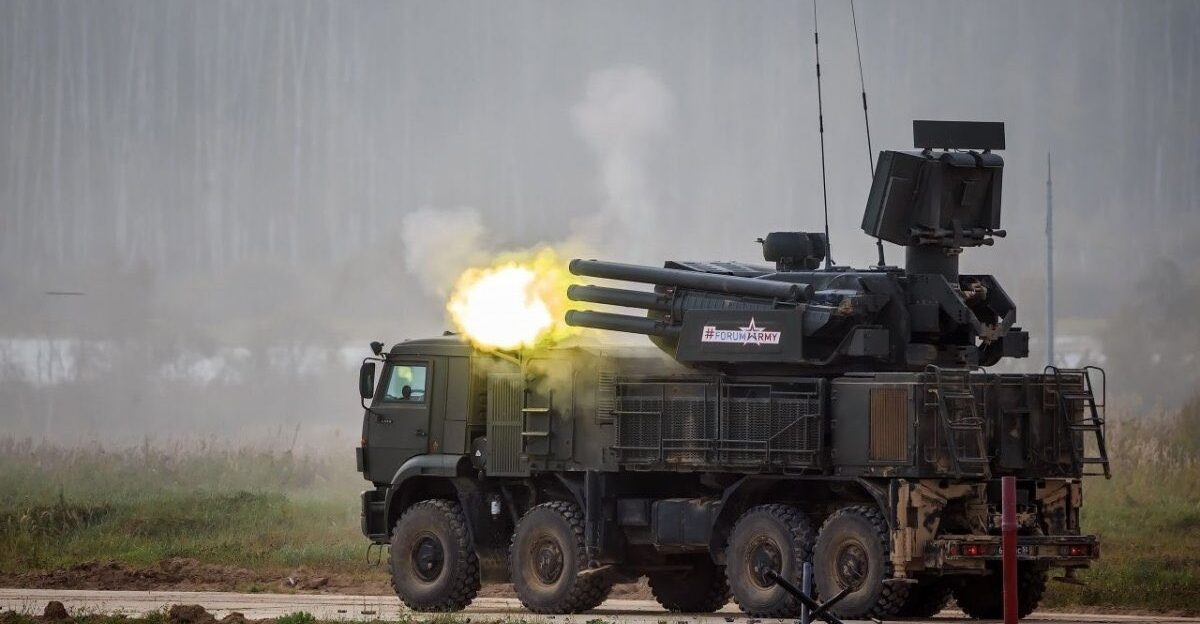
While facilities are military-linked, the workers affected are civilians employed in industrial roles. Attacks on plants like Kupol caused dozens of injuries, and fear has spread among workers in regions previously considered safe.
Reports from Tatarstan describe technicians reassessing whether deep-rear industrial jobs are worth the risk, revealing a growing human cost within Russia’s industrial workforce.
Moscow’s Security Reassessment
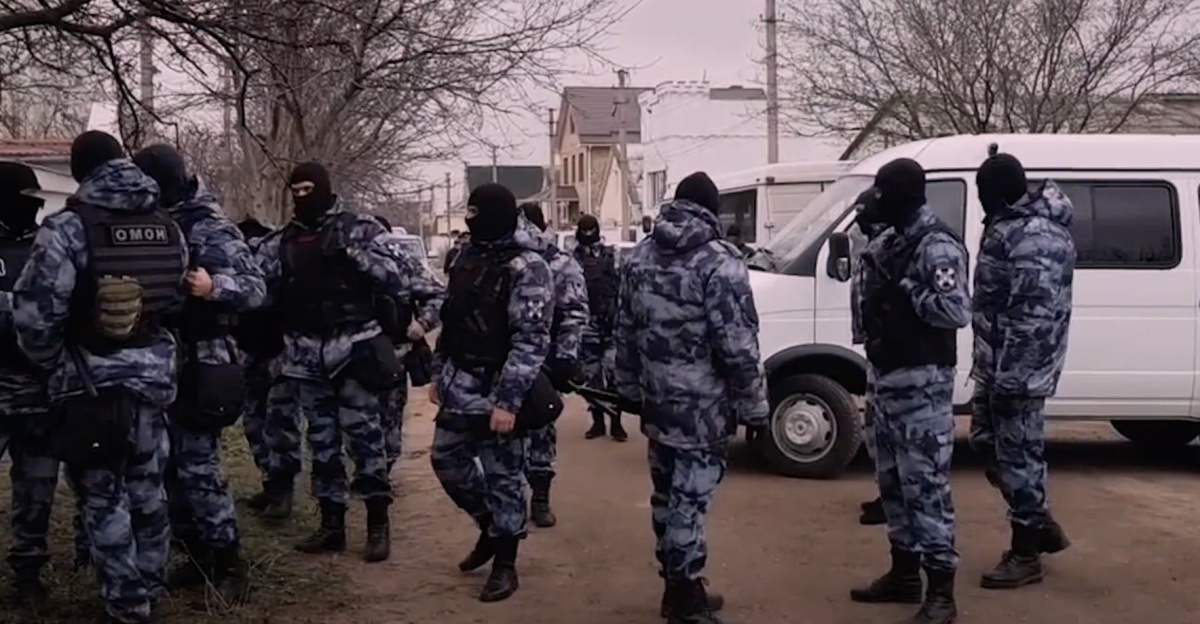
Ukraine’s ability to reach regions like Tatarstan has forced Russian planners to reconsider air-defense priorities. Systems once concentrated near the front or major cities are increasingly needed to protect factories, refineries, and logistics hubs.
This redistribution stretches defenses thinner and raises difficult trade-offs about which assets receive protection, undermining the idea of a secure Russian rear area.
Economic Stress from Infrastructure Damage
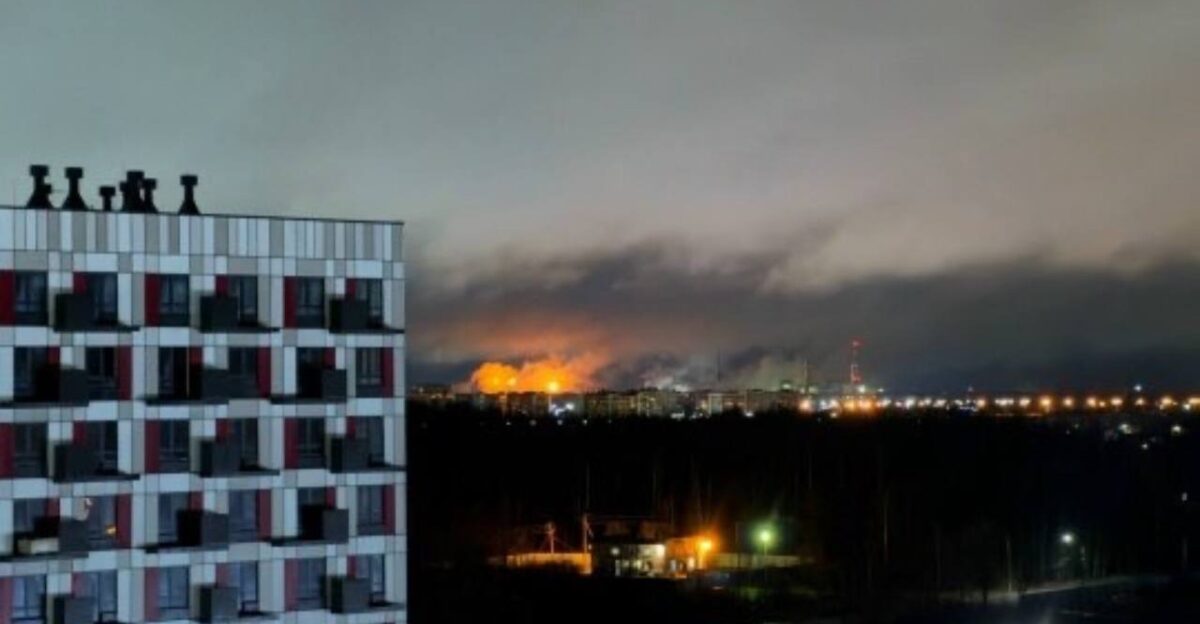
Damage to drone plants, refineries, and ports adds to broader economic pressure. Refinery outages can reduce export capacity and raise domestic fuel costs, while repairs and increased security require additional spending.
Analysts note that even temporary shutdowns ripple through supply chains, affecting production schedules, government revenues, and the overall cost of sustaining the war economy.
Changing Risk Perceptions Inside Russia
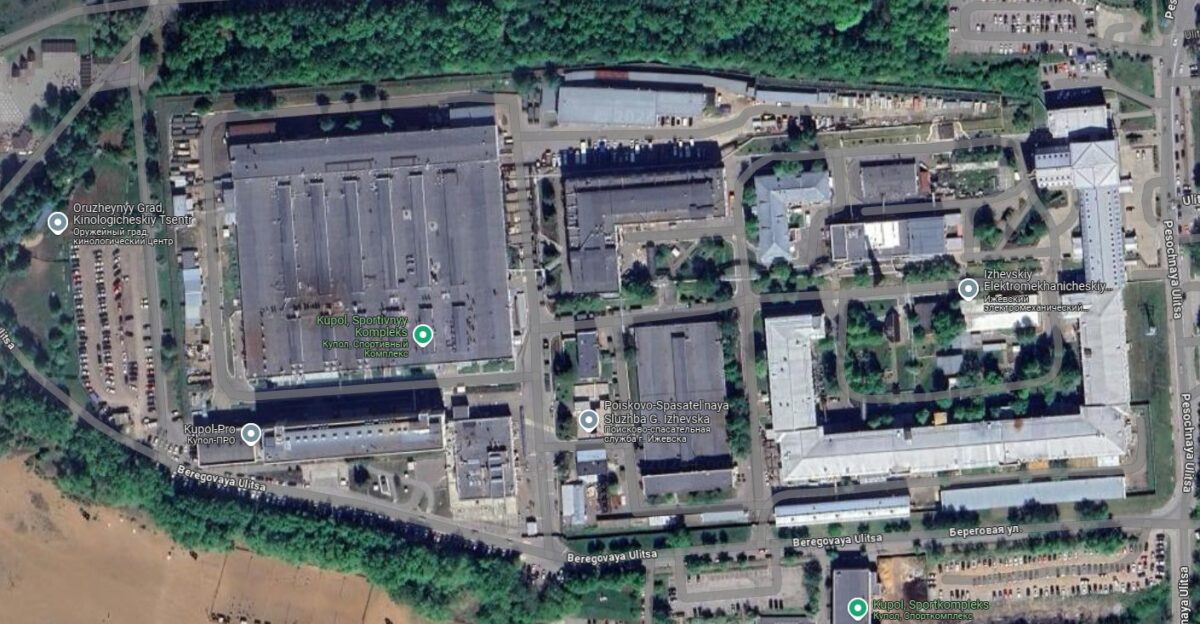
Communities near industrial zones in Tatarstan, Izhevsk, and other regions have faced explosions, emergency responses, and heightened security measures. Residents are increasingly aware that military-linked facilities nearby may attract attacks.
This shift in perception erodes the sense of safety once associated with Russia’s interior and adds social pressure on local authorities and factory management.
Legal and Moral Debate Over Targets
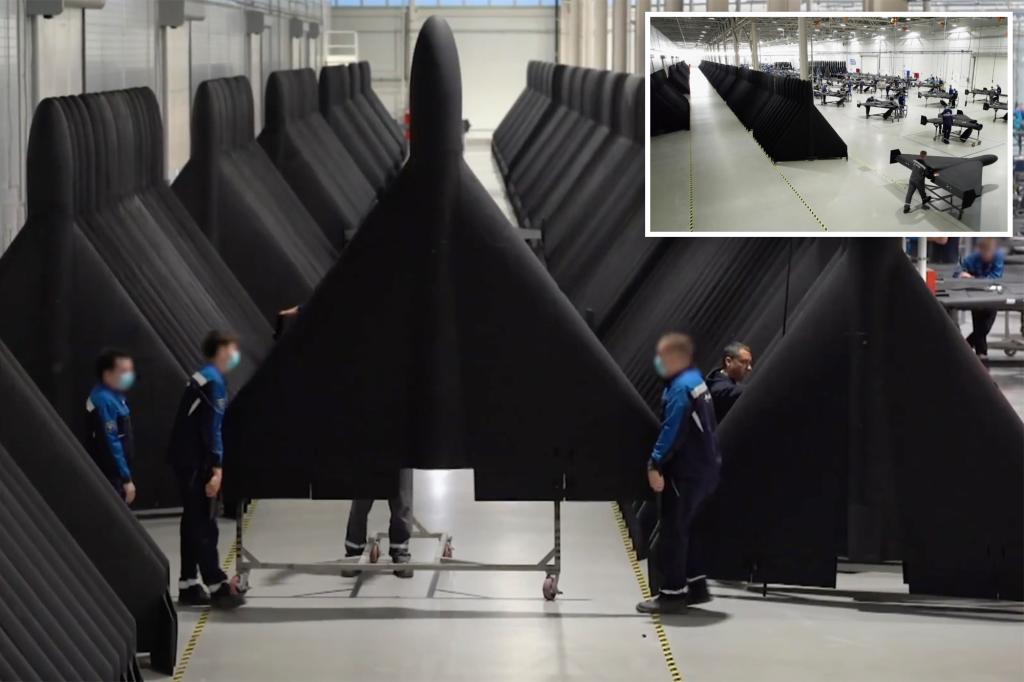
Ukraine maintains that drone factories and related infrastructure are legitimate military targets because they directly support attacks on Ukrainian territory. Russian officials reject this, labeling the strikes as terrorism against civilian industry.
Analysts debate where lines are drawn between civilian and military assets in modern warfare, especially when factories serve dual-use or defense-focused roles.
Global Signal on Rear-Area Vulnerability
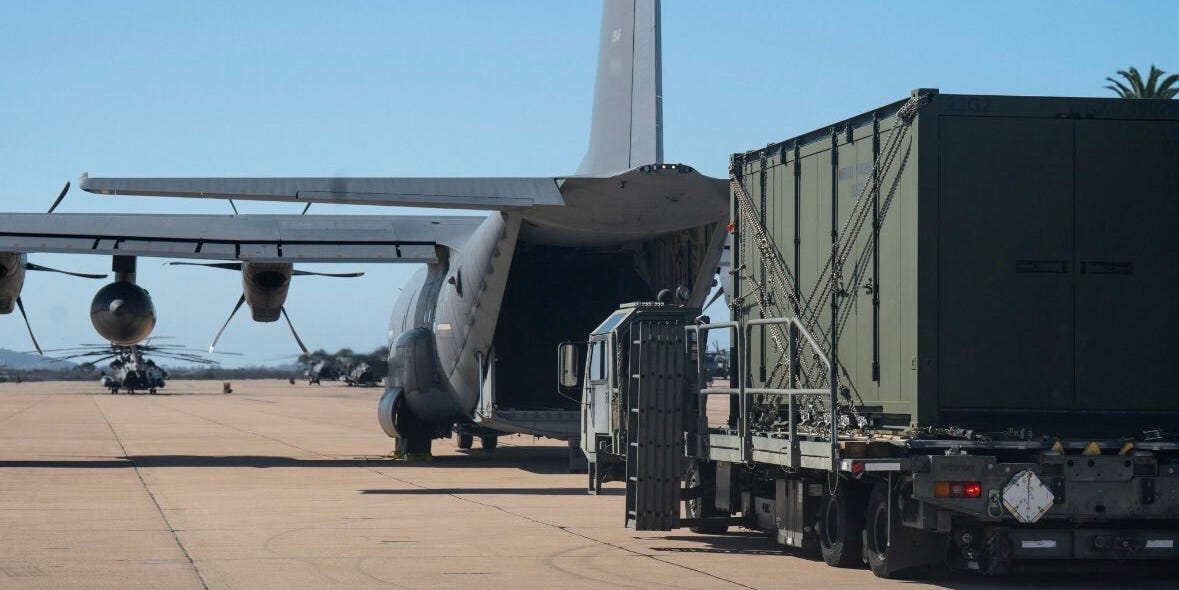
The strikes send a broader message beyond Russia and Ukraine: rear-area sanctuaries are no longer guaranteed in modern conflicts.
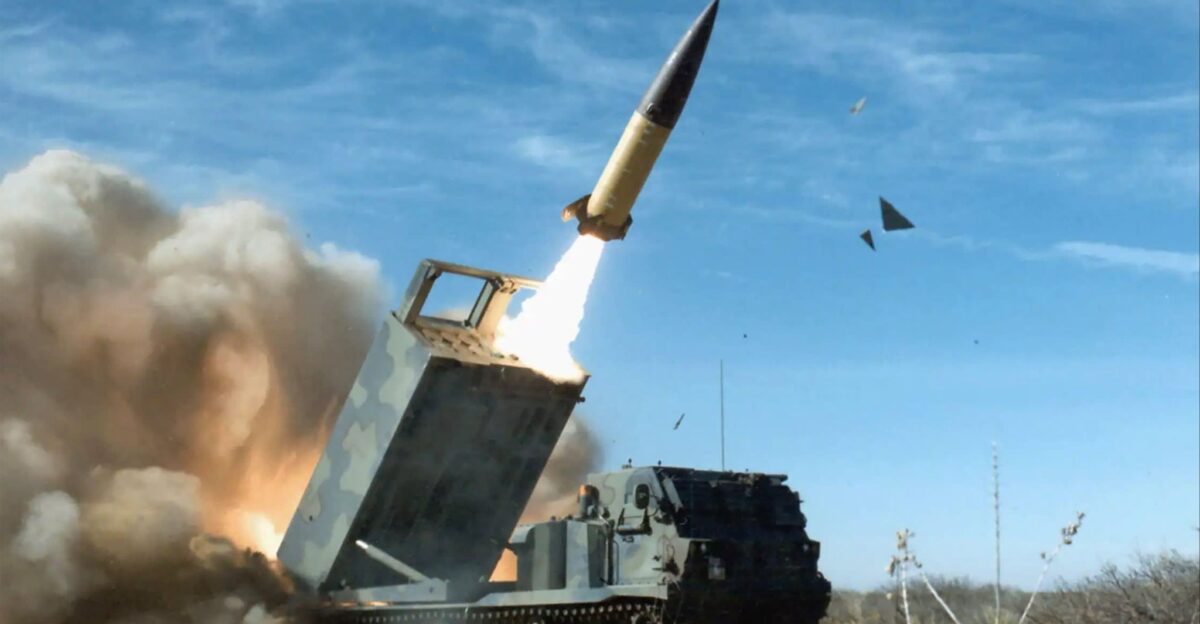
Ukraine’s growing long-range drone capabilities, supported by domestic production and specialized security units, demonstrate how relatively low-cost systems can impose strategic costs without resorting to conventional missiles or nuclear deterrence.
Effects on the Defense Technology Sector
Ukraine’s expanding drone program has attracted investment and accelerated innovation in long-range systems.
For Russia, defending and repairing facilities drives up costs and diverts resources. The situation may also increase demand for air-defense systems and protective infrastructure globally, as other countries reassess vulnerabilities in their own industrial and military installations.
Implications for Markets and Consumers
Analysts advise monitoring Russian energy exporters, logistics firms, and defense suppliers for disruptions linked to deep strikes. Refinery damage can influence fuel supply and pricing, while transport bottlenecks affect trade flows.
The broader lesson for critical infrastructure worldwide is the growing need for layered defenses against increasingly capable long-range drone threats.
A Continuing Campaign on the Industrial Heartland
As Ukraine refines its long-range strike capabilities, attacks on Russia’s industrial heartland are likely to continue.
For Russian factory managers, ensuring worker safety, strengthening defenses, and maintaining morale have become urgent challenges. The erosion of once “untouchable” zones marks a significant shift in how the war is being fought—and where its effects are felt.
Sources:
Euromaidan Press, 27 Aug 2025: “Russia’s largest Shahed drone factory in Tatarstan too dangerous to staff after repeated Ukrainian strikes”
Independent reporting on Kupol strike, 2 Jul 2025: Coverage of Ukrainian drone strike on Kupol Electromechanical Plant in Izhevsk (various outlets including Reuters, Kyiv Independent)
Reuters via Atlantic Council, early 2025: “Russia’s war economy under strain: Drone strikes and sanctions hit energy sector” (Atlantic Council analysis)
Major Western outlet, 2024–2025: General reporting from BBC, Reuters, The Guardian on Ukraine’s deep strikes (e.g., “Ukraine’s drones reach deep into Russia”)
Independent outlets, 2024: Reports on strikes at Port Olya and Primorsko-Akhtarsk (e.g., Kyiv Post, OSINT sources)
Ukrainian security service statements, 2024–2025: SBU announcements on operations (official SBU channels)