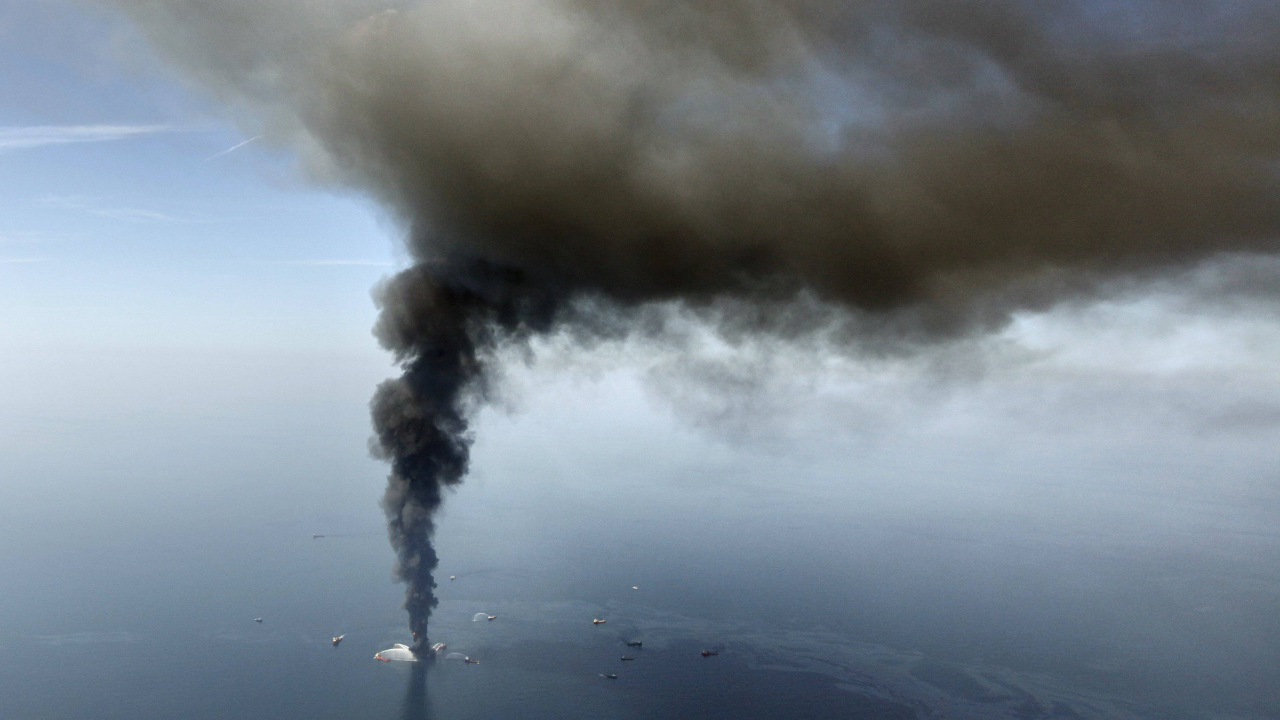
In the predawn hours of January 11, 2026, Ukrainian long-range drones sliced through darkness over the Caspian Sea, more than 1,000 kilometers from Ukraine’s front lines. Their targets: three offshore oil platforms operated by Lukoil, one of Russia’s largest petroleum companies. Released footage shows silhouettes of the installations rising from calm water moments before impact—strikes that continued Kyiv’s systematic campaign against the Kremlin’s energy revenue streams.
The platforms—V. Filanovsky, Yuri Korchagin, and Valery Grayfer—hold combined design capacities exceeding 190,000 barrels per day, though operational production levels and actual disruption from the strike remain unconfirmed. Ukraine’s Special Operations Forces confirmed direct hits, stating the facilities support Russian armed forces. These same installations had endured multiple Ukrainian strikes throughout December 2025, with a December 11 attack on Filanovsky reportedly halting production from more than 20 wells.
Striking the War Economy
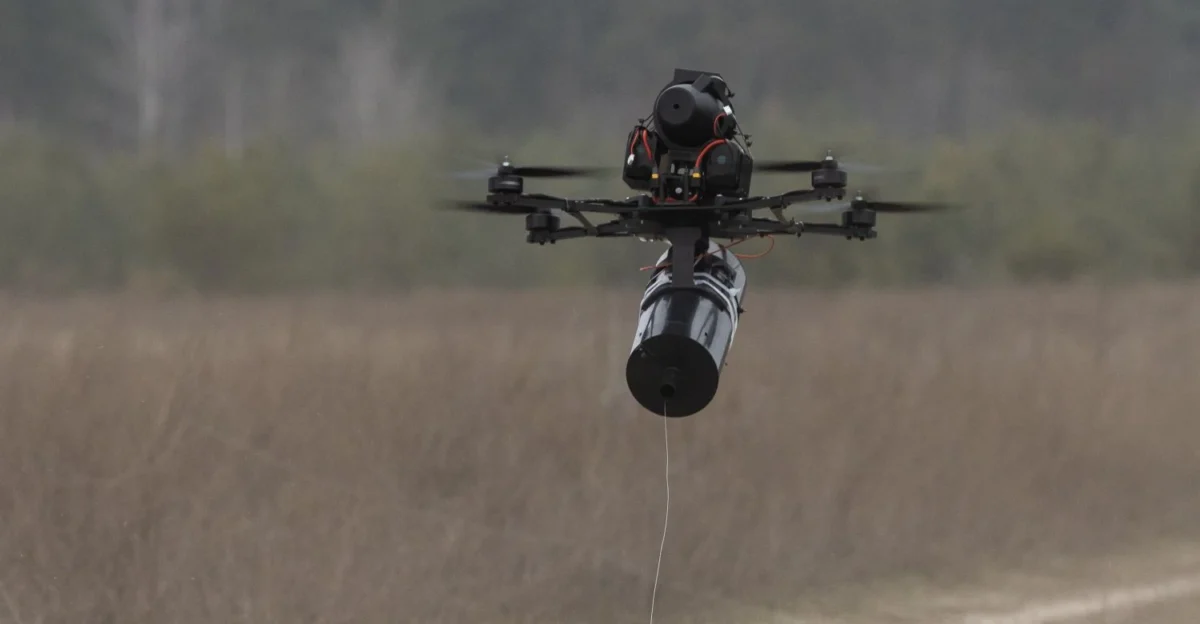
Ukraine’s drone operations have evolved from border skirmishes to precision strikes targeting Russia’s economic foundation. Hydrocarbons generate roughly 23 to 30 percent of Russia’s federal budget in recent years, down from approximately 50 percent several years ago. By reaching assets so distant from traditional battlefields, Kyiv signals determination to erode revenue streams that sustain Moscow’s military operations.
Russian Finance Minister Anton Siluanov reported that oil and gas contributions dropped from around 30 percent of federal revenue in 2024 to approximately 23 percent in 2025. State energy income fell by 22 to 35 percent year-over-year in late 2025, compounding fiscal pressure on a wartime budget. Each disruption narrows Moscow’s margin for sustaining prolonged conflict.
The three targeted platforms represent a notable portion of Lukoil’s total output of approximately 2.1 million barrels of oil equivalent per day. Filanovsky, the largest Russian offshore field in the Caspian, maintains design capacity of 120,000 barrels per day but may operate at reduced levels. Korchagin, Lukoil’s first Caspian platform launched in 2010, holds peak capacity near 50,000 barrels daily. Grayfer, commissioned in 2023, targets plateau production of 24,000 barrels per day.
Neither Lukoil nor Russian authorities disclosed operational status or damage assessments from the January 11 strike. This silence mirrors earlier incidents where acknowledgment emerged only after prolonged outages appeared in export data. A December 14 attack on Grayfer stopped production from 14 wells, according to Ukrainian military reports. The cumulative impact adds incremental strain to a war-driven budget already under pressure from sanctions, equipment shortages, and transport constraints.
Synchronized Multi-Target Operation
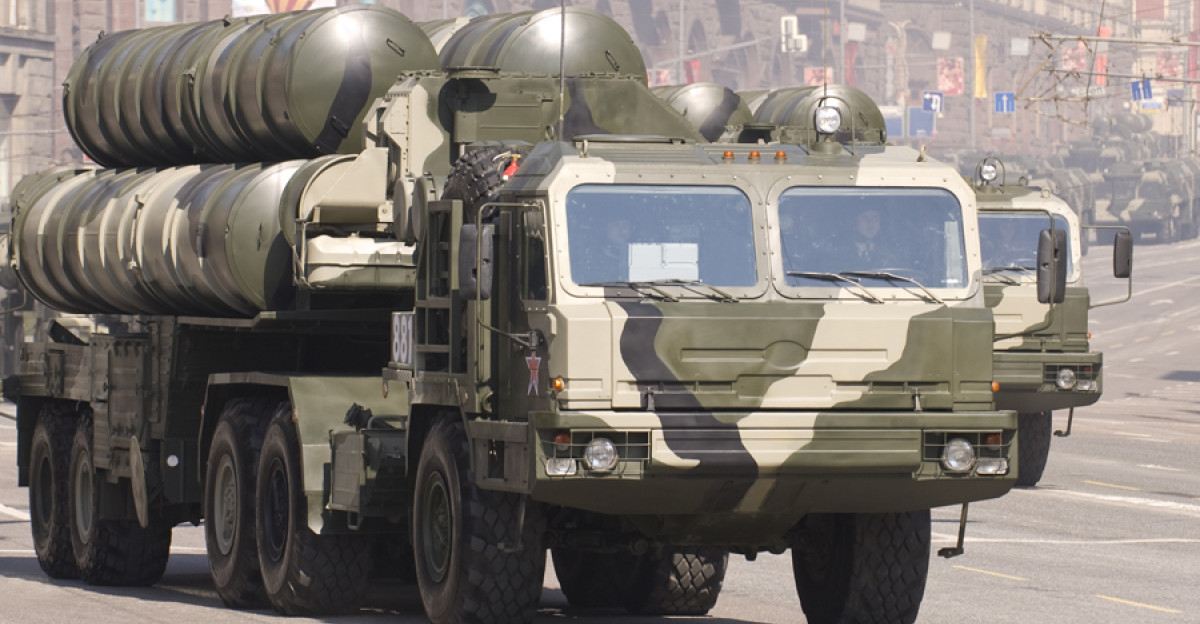
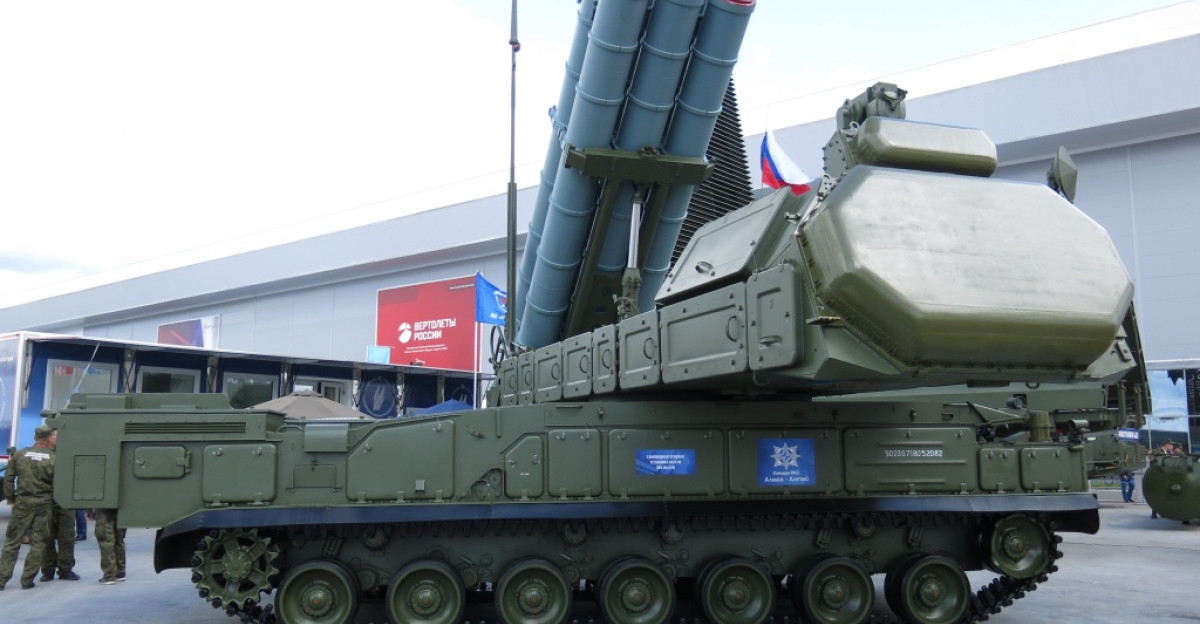
The Caspian strike formed part of a broader coordinated mission. Ukraine’s General Staff reported the same operation destroyed a Buk-M3 air defense system near Baranycheve in occupied Luhansk Oblast and struck a logistics depot of Russia’s 49th Army in Kherson region. The operation blended economic and battlefield objectives, demonstrating Ukraine’s capacity to synchronize long-range attacks across multiple regions in a single operational window.
The coordinated assault underscores Kyiv’s expanding toolkit for economic warfare. Throughout 2024 and 2025, Ukrainian forces damaged refineries and fuel depots across Russia while targeting vessels linked to Moscow’s shadow fleet in the Black and Mediterranean Seas. Caspian neighbors including Kazakhstan, Azerbaijan, and Turkmenistan now face growing concerns over energy security, insurance risks, and stability of a sea serving as critical trade corridor. Previous Ukrainian attacks on Caspian Pipeline Consortium infrastructure prompted diplomatic protests.
Widening Front in Energy Conflict
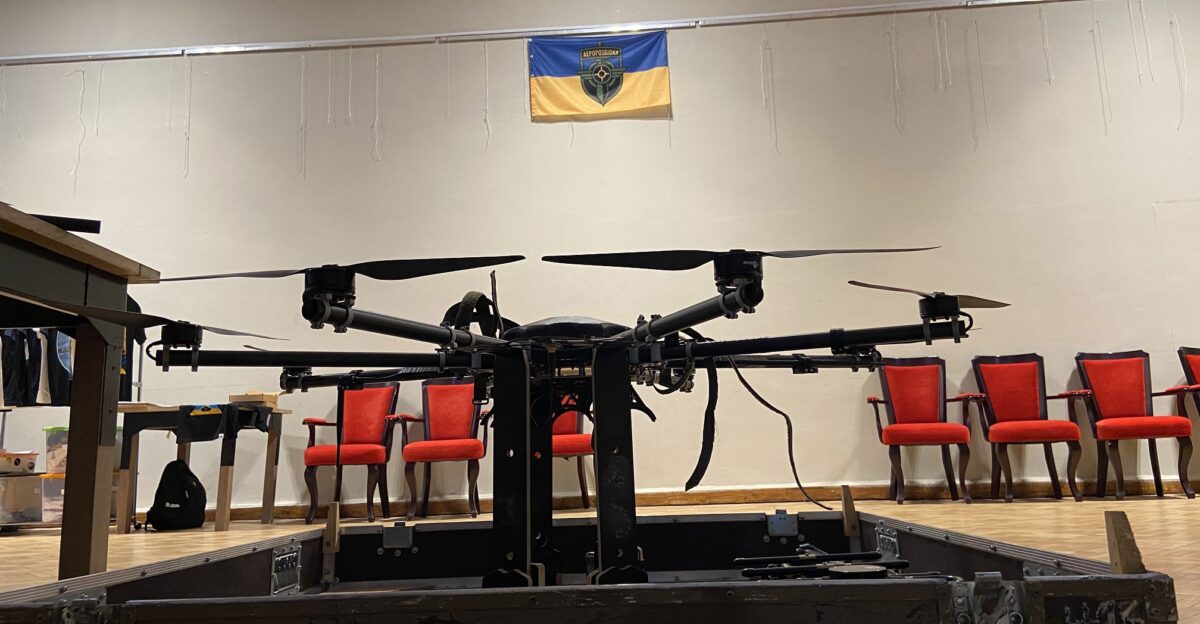
The Caspian raid signals expansion of Ukraine’s economic warfare strategy beyond traditional battlefields. Offshore repairs are neither swift nor inexpensive under sanctions, with damage assessments alone consuming days while replacement parts grow scarcer. Repeated strikes erode confidence in the Caspian as a secure production zone, introducing uncertainty into regional supply calculations and long-term investment planning.
Russia has moved to reinforce defenses around offshore assets, deploying additional patrol vessels and air defense systems near Caspian platforms following earlier attacks. Yet Ukraine’s destruction of a Buk-M3 system during the same operation underscores the difficulty of fully shielding widely dispersed energy installations. Whether Moscow can adapt its defenses faster than Kyiv evolves its drone capabilities remains uncertain. What is clear: the Caspian Sea, once considered relatively insulated, has become an active front in a widening conflict that increasingly targets the economic pillars sustaining Russia’s war effort.
Sources:
Bloomberg, Ukraine Strikes Russian Oil Drilling Platforms in Caspian Sea, January 11, 2026
Critical Threats, Russian Offensive Campaign Assessment, January 11, 2026, January 10, 2026
Bloomberg, Ukraine Says It Hit Another Lukoil Field in Caspian Sea, December 17, 2025
Interfax, Russian federal budget deficit expected to be within planned parameters in 2025, December 29, 2025
Rigzone, Ukraine Attacks Russian Offshore Oil Field, December 10, 2025