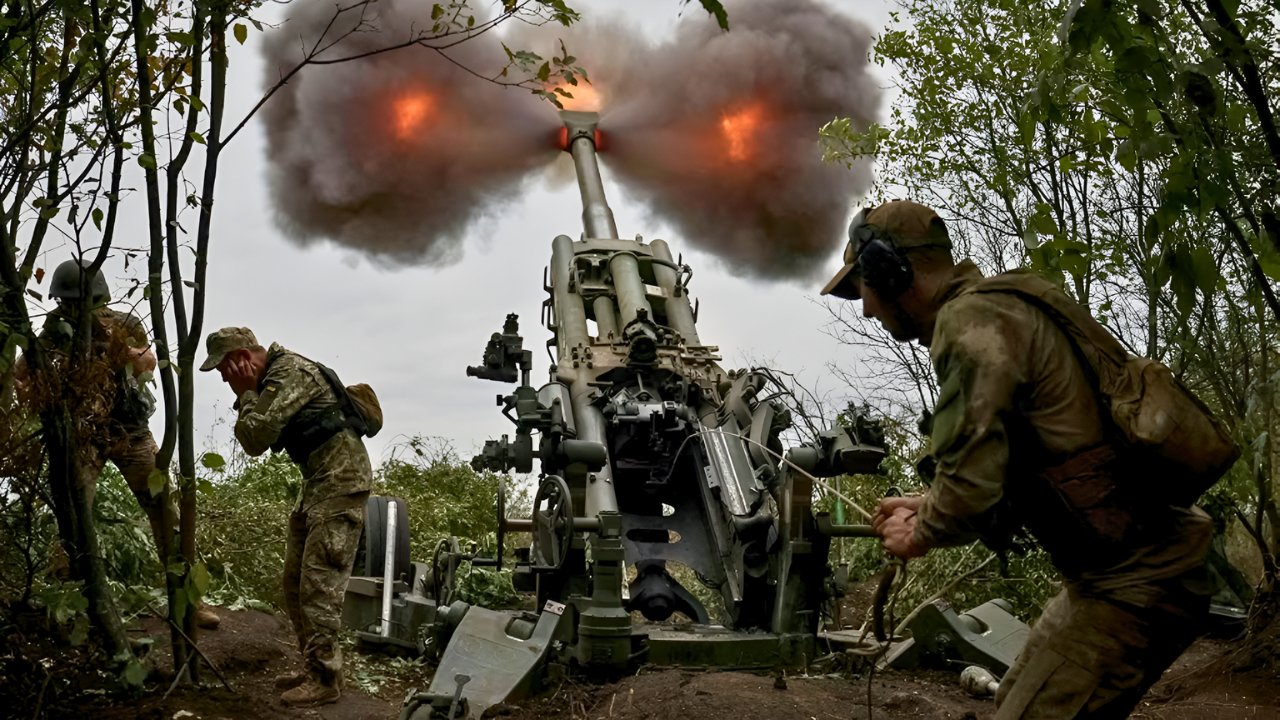
Smoke curls upward in the night feed—then a flash. Within seconds, Russia’s newest Buk-M3 air defense system, worth $45 million, erupts into flames.
The strike, captured by Ukraine’s “Chornyi Lis” (Black Forest) brigade, marks the destruction of one of Russia’s most advanced anti-aircraft weapons. Released video shows the obliterated remains still smoldering as Ukrainian operators confirm another hit on October 26, 2025.
The $45 Million Target
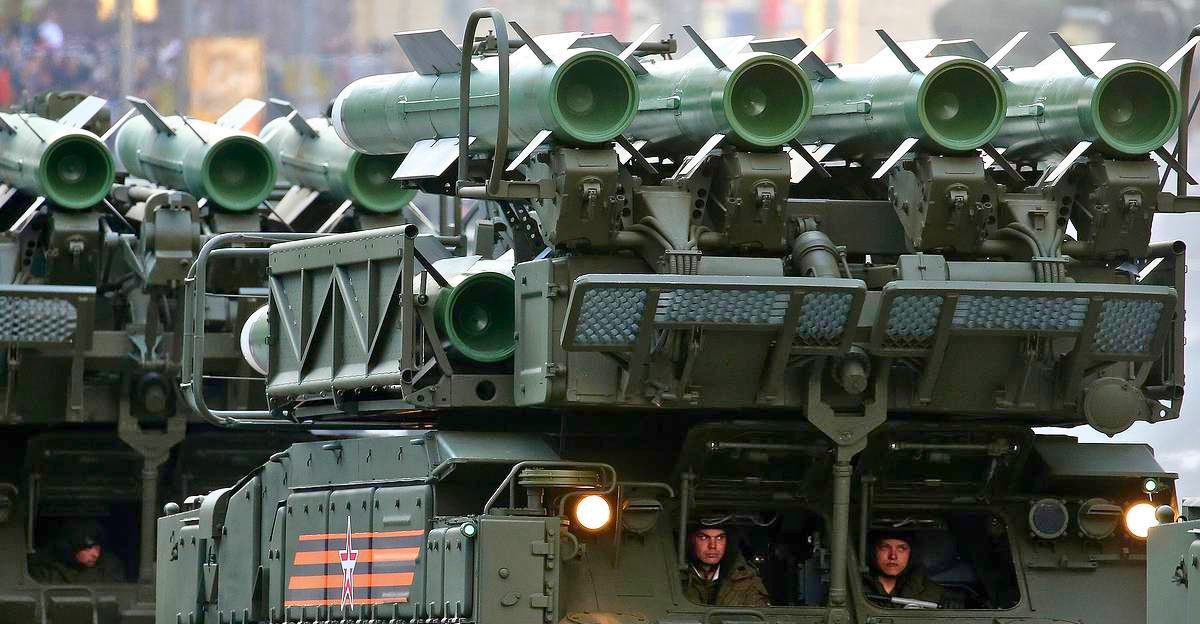
The Buk-M3, a centerpiece of Russia’s medium-range air defense, can track 36 targets and intercept aircraft, drones, and missiles up to 70 km away. Designed to protect strategic positions, it’s one of Moscow’s most prized systems.
Its destruction by the Chornyi Lis brigade underscores how Ukraine’s precision intelligence and drone coordination can erase even the most “invincible” weapons in seconds.
A Systematic Campaign
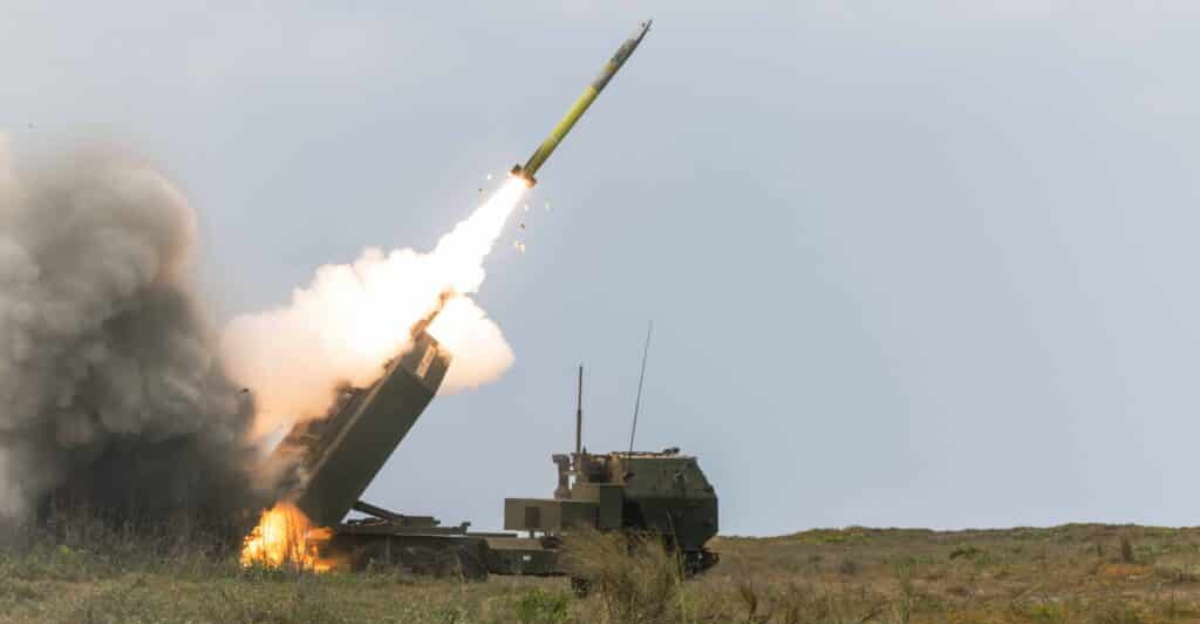
The Buk-M3 strike wasn’t an isolated success. Between October 23–27, Ukrainian forces targeted at least seven high-value Russian air defense systems across multiple fronts—including Nebo-SVU radars and S-400 components.
The strikes reflect a deliberate campaign: Ukraine is methodically dismantling Russia’s integrated air defense network, creating openings in once-protected skies.
Eyes of the Sky Blinded
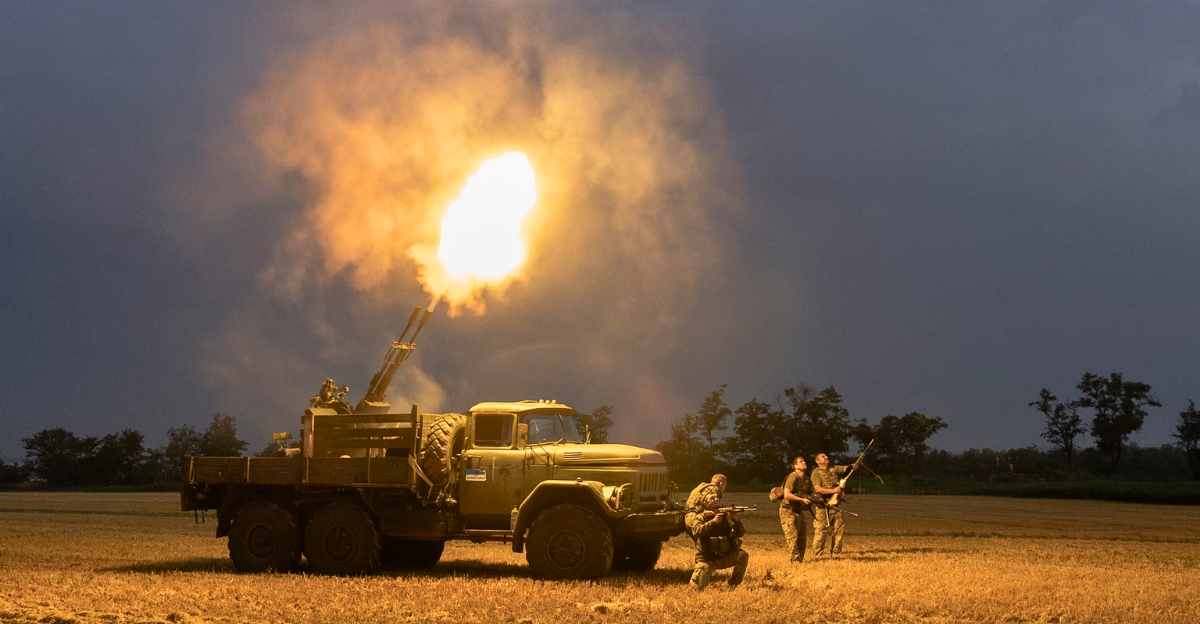
By destroying radars like the Nebo-SVU and P-18, Ukraine has punched holes in Russia’s surveillance grid. Analysts note significant coverage gaps across parts of occupied Crimea and southern Ukraine following the systematic destruction of radar systems.
These gaps limit Russia’s ability to detect Ukrainian drones, missiles, or approaching F-16 sorties—an operational setback that could shift the air advantage.
Tactical Shockwaves
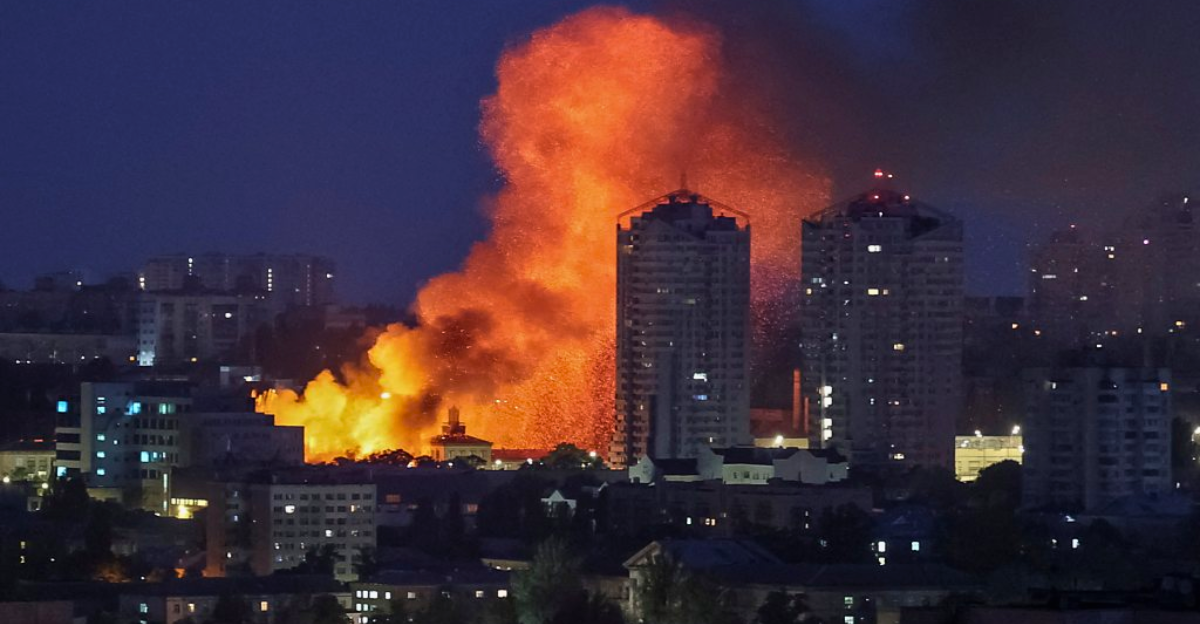
The impact reaches beyond one explosion. Each destroyed radar weakens overlapping defenses, forcing Russian commanders to redeploy remaining assets.
Ukrainian officials say the loss of several systems in under a week significantly degraded Russian surveillance capabilities, enabling deeper drone and missile strikes. The campaign shows that precision, not scale, now defines modern air combat.
Cracks in Crimea’s Shield
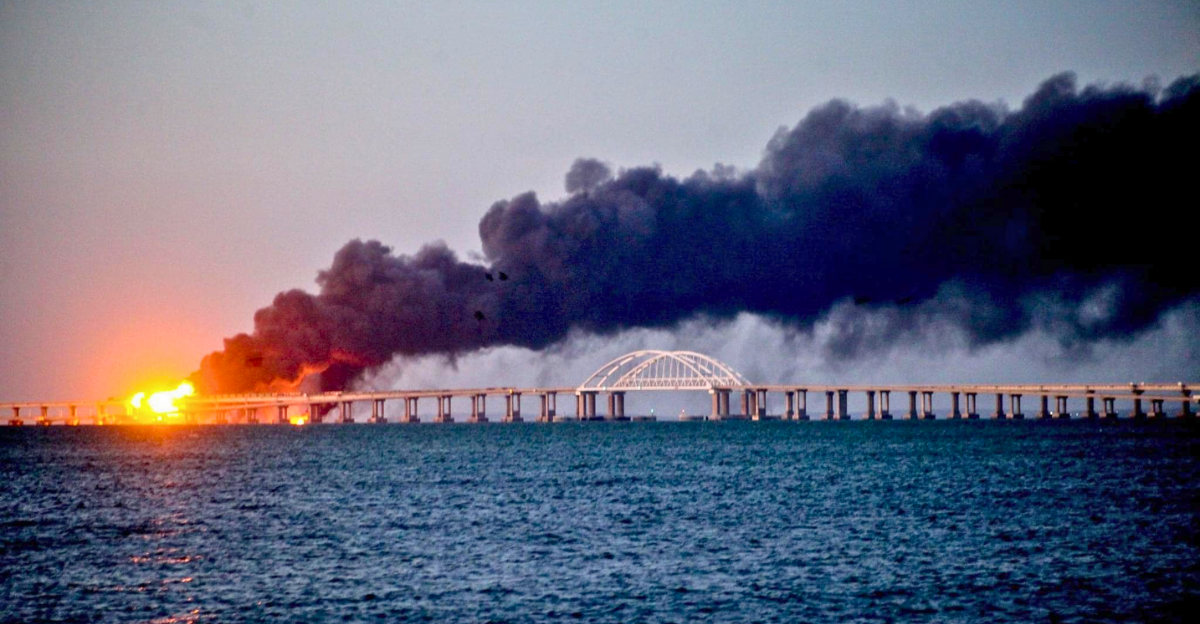
Crimea’s once formidable air defense network has taken repeated hits. Following the Buk-M3’s destruction, a Pantsir-S2 system—valued at roughly $20 million—was wiped out on October 29.
Analysts say these successive strikes have left logistical corridors, fuel depots, and ammunition sites increasingly exposed to Ukrainian attack. Russia is scrambling to plug the gaps.
The Hunters’ Strategy
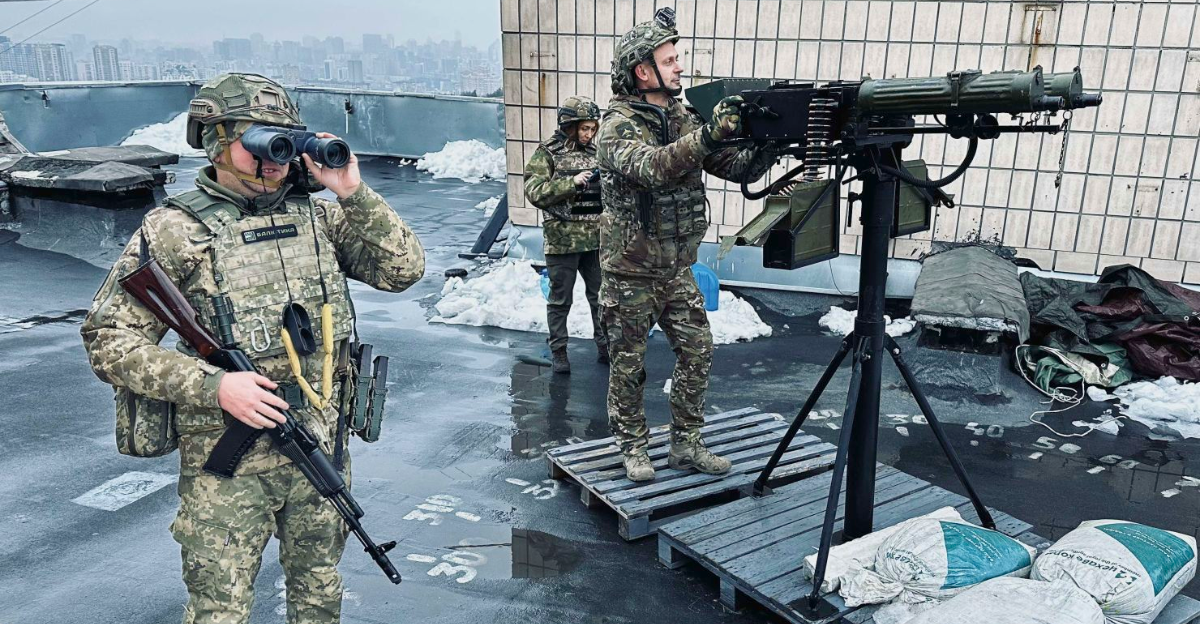
Behind these victories lies precision planning. Ukrainian scouts locate mobile air defense systems using thermal imaging, electronic surveillance, and satellite data. Once targets are fixed, coordinated artillery or drone strikes follow.
The approach, called a “systematic degradation strategy,” reflects a shift toward intelligence-driven warfare—an area where Ukraine now holds a distinct edge.
Moscow’s Countermoves

In response, Russian forces have increased the use of mobile radar platforms and intensified electronic warfare operations. Moscow has also formed additional defensive rings around the capital itself, with open-source intelligence confirming concentrated air defense deployments protecting the city in recent weeks.
The redeployments come as Russia faces an impossible dilemma: replace destroyed Crimean systems by pulling assets from other regions—including Moscow’s perimeter—or accept widening coverage gaps. Yet these quick fixes can’t offset the loss of advanced systems like the Buk-M3. Each replacement demands months of production and millions in funding, highlighting Russia’s growing struggle to sustain its defensive layers under constant pressure.
Counting the Costs

Between October 23 and 27 alone, Russia lost over $425 million in air defense assets—Buk-M3s, Nebo radars, and S-400 components among them.
The cost-exchange ratio favors Ukraine dramatically: drones costing tens of thousands have neutralized equipment worth hundreds of millions. Each success compounds the strain on Russia’s military-industrial complex.
Domino Effects
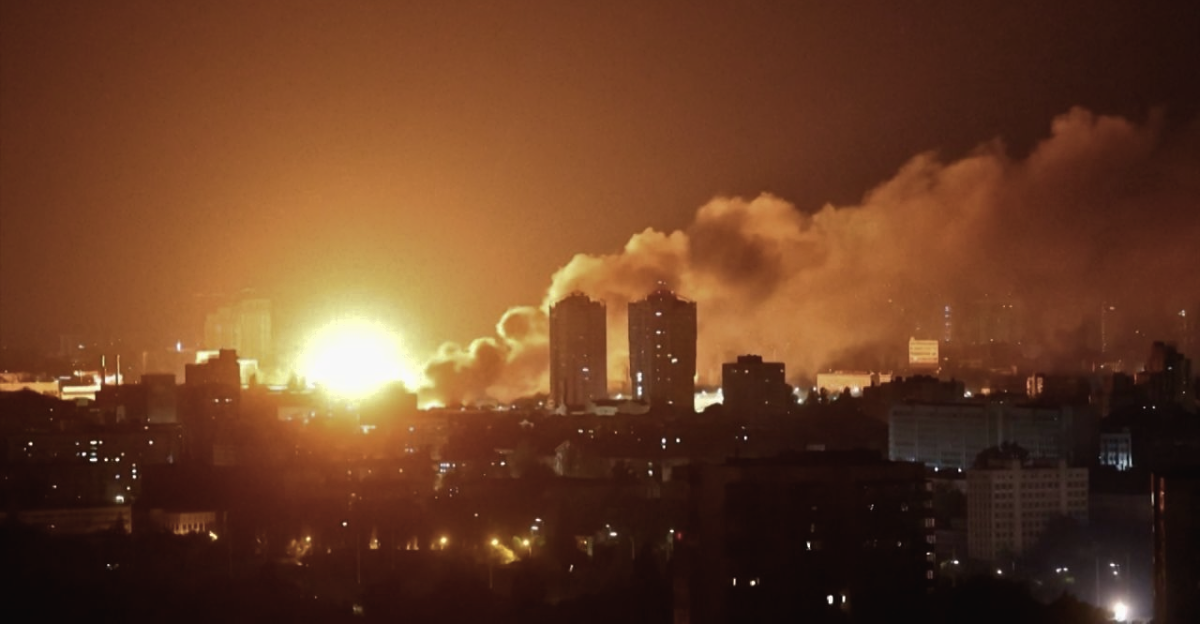
As radar coverage thins, Ukrainian drones are striking deeper. Between October 26-29, Ukraine launched massive drone strikes on Moscow for three consecutive nights, penetrating Russia’s air defense network and forcing closure of multiple airports. Over 100 drones targeted the capital region, with strikes reaching industrial facilities and oil depots—demonstrating how systematically degraded air defenses in Crimea create exploitable vulnerabilities extending toward Moscow itself.
Recent attacks on Russian logistics hubs and fuel depots illustrate how air defense collapses ripple across the battlefield. Deprived of early warning, Russian convoys and bases become easier prey. Ukraine’s evolving strike doctrine now turns each destroyed radar into an opening for follow-up attacks.
Command in Crisis
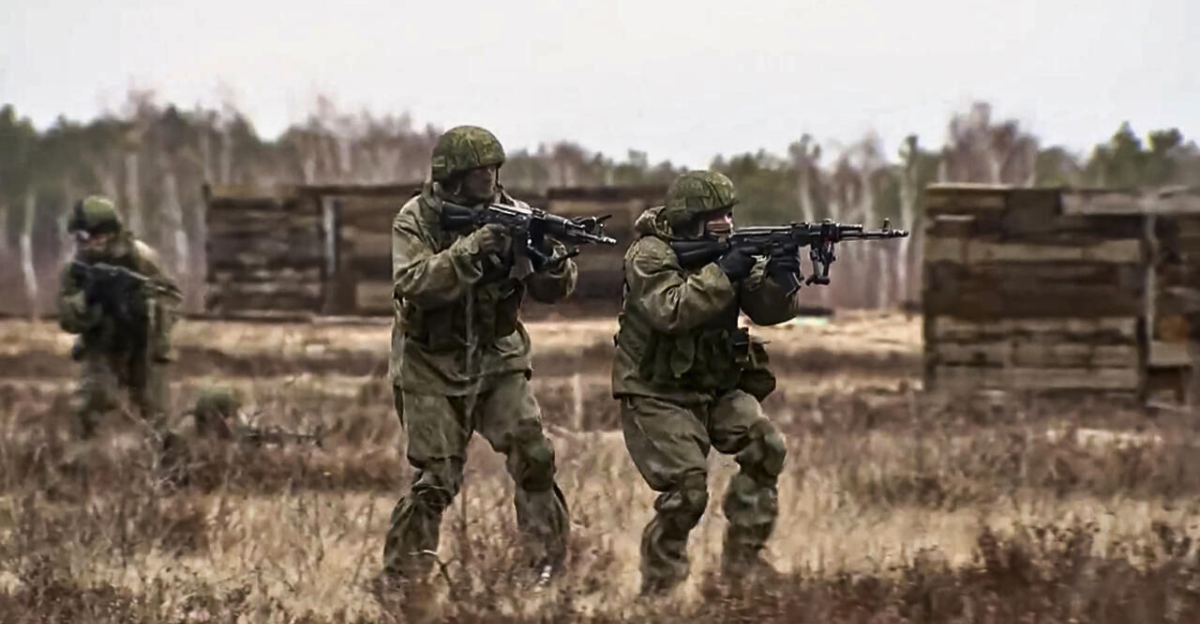
The rapid succession of losses has forced emergency redeployments and triggered internal operational reviews as Russian command faces a complex dilemma: protect key assets or preserve wide-area coverage.
Multiple losses in rapid succession have forced emergency redeployments and increased operational pressure within Russia’s defensive hierarchy.
Lessons and Adaptations
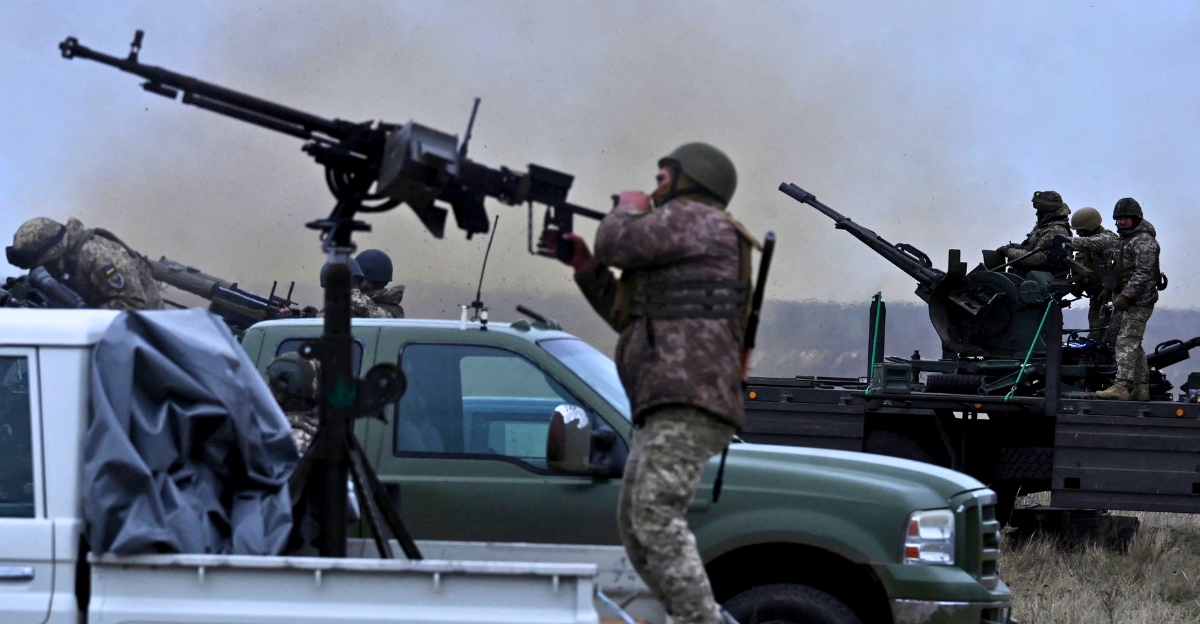
In the aftermath, Russian units have begun fortifying radar stations with decoys, camouflage nets, and mobile launchers. But analysts warn these measures may only slow Ukraine’s precision campaign. Drone operators are adapting faster, leveraging live intelligence and AI-assisted targeting to bypass new defenses. The technological cat-and-mouse game intensifies daily.
Drone vs. Missile: The Cost Revolution
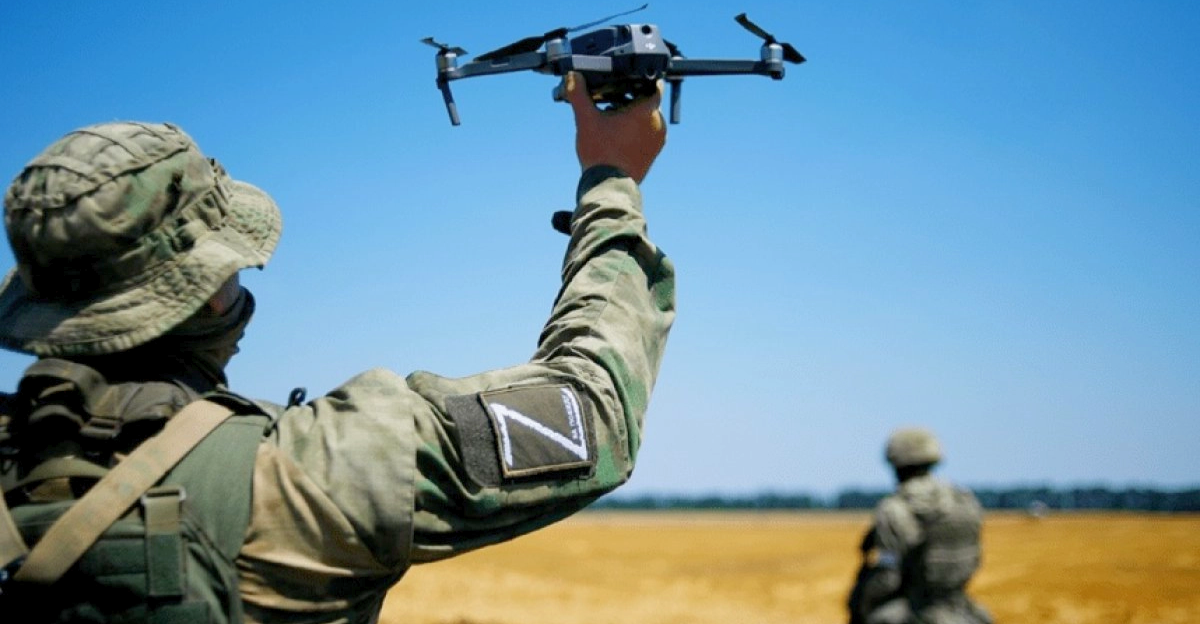
The $45 million Buk-M3 destroyed by a drone worth a fraction of that highlights a defining reality of this war: cost no longer guarantees survival.
Ukraine’s ability to field cheap, precise systems against high-end Russian equipment represents a new era in asymmetric warfare—one where agility and intelligence trump sheer firepower.
Strategic Implications
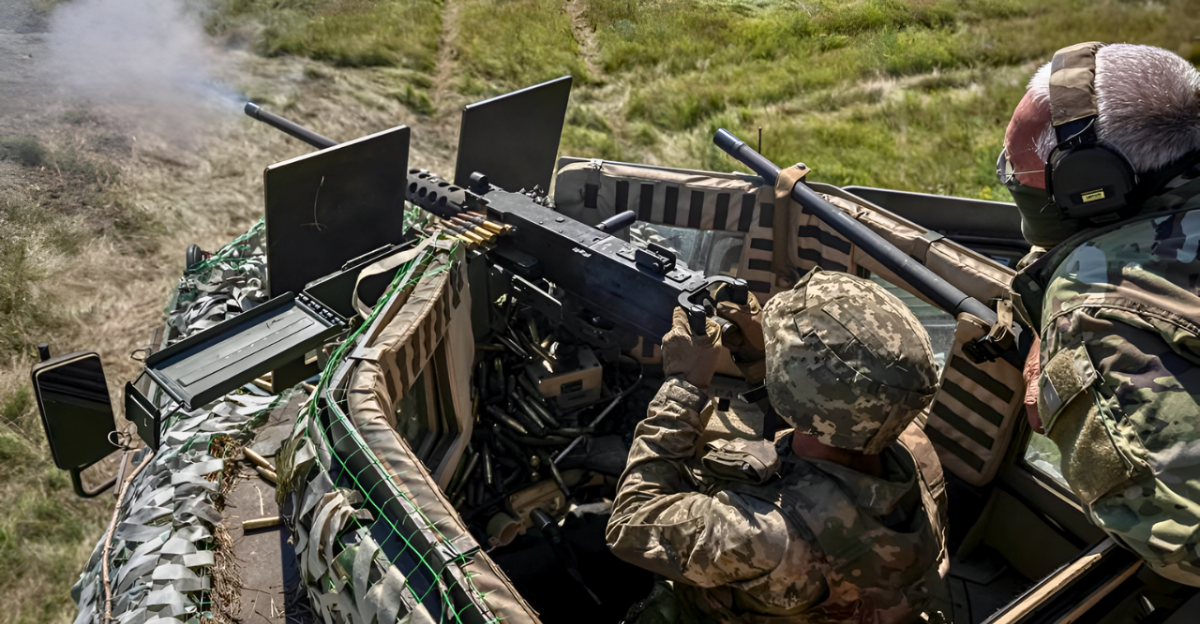
Military analysts have described coordinated strikes on Russian air defense infrastructure as strategically significant. Ukrainian intelligence has noted that the destruction of multiple radar systems narrows Russia’s situational awareness and creates operational opportunities.
Defense analysts warn the trend enables deeper Ukrainian strikes into Russia’s heartland. With F-16s now operational and capable of exploiting air defense gaps, Ukraine’s enhanced strike capability—combined with systematically degraded Russian radar coverage—creates what military strategists call “offensive corridors.”
While Moscow remains heavily defended, the resource drain from defending Crimea while replacing destroyed systems leaves Russia’s defensive depth increasingly vulnerable to sustained pressure. With air defense layers thinning, Ukrainian planners can shape new offensive strategies—potentially paving the way for expanded aerial and ground operations before winter sets in.
The War Above Continues
As October ends, Ukraine’s air defense offensive shows no signs of slowing. The destruction of the Buk-M3 and other high-value targets underscores Kyiv’s growing mastery of intelligence-led drone warfare. Russia, meanwhile, races to adapt.
The skies over Crimea and southern Ukraine remain a contested frontier—where every signal, every drone, every radar pulse counts.