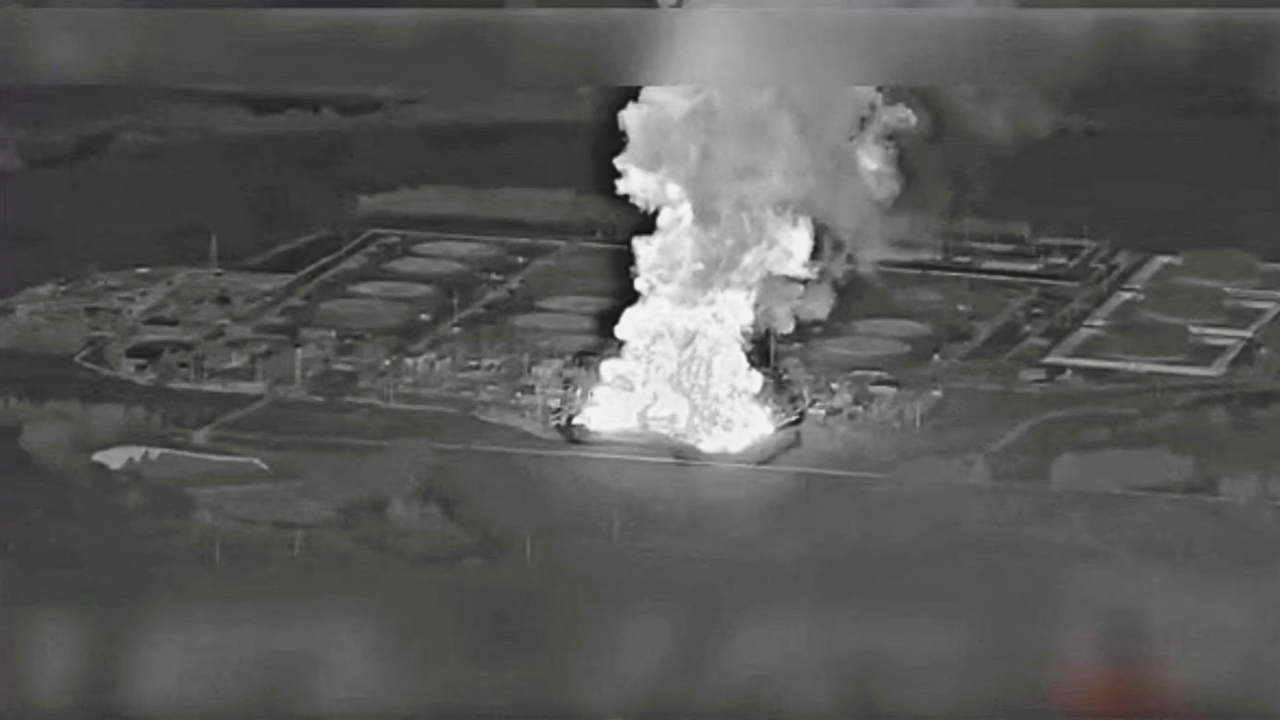
Flames lit up the night sky over Moscow on October 31, 2025, as Ukraine’s military intelligence destroyed the Koltsevoy fuel pipeline—the largest dedicated military fuel pipeline destroyed in a single operation during the Ukraine-Russia conflict. Stretching 400 kilometers, the pipeline carried gasoline, diesel, and jet fuel to Russian forces. Within hours, all three lines were obliterated, halting the flow of 60 million barrels of fuel annually.
The strike coincided with unprecedented Western sanctions: on October 23, 2025, the US Treasury sanctioned Russia’s two largest oil companies, Rosneft and Lukoil, which account for 90% of Russia’s seaborne crude exports. Secondary sanctions threats triggered an immediate response—China’s state oil companies suspended Russian purchases, India’s refiners began eliminating Russian crude by the November 21 compliance deadline, and Turkey shifted to alternative suppliers. Russian tankers became stranded at sea, and exports plunged to their lowest levels since January 2024, effectively shutting down all legitimate Russian oil exports to compliant international buyers indefinitely.
“Our strikes have had more impact than sanctions. It’s just a mathematical truth,” said Kyrylo Budanov, Head of Ukraine’s Military Intelligence, marking a historic blow to Russia’s war machine.
Why Ukraine Targeted the Koltsevoy Pipeline
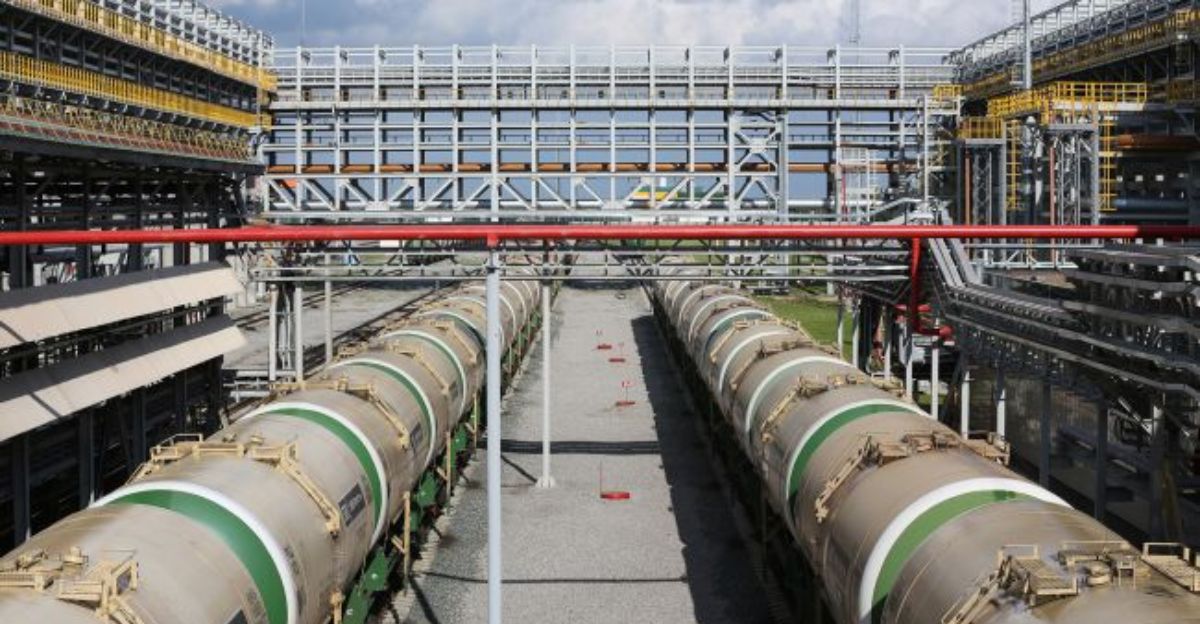
Ukraine’s objective was clear: cripple Russia’s military logistics and economic resilience. The Koltsevoy pipeline feeds frontline forces and powers 90% of Russia’s defense operations, making it a prime target.
This strike was part of a broader campaign of nearly 160 attacks on Russian energy infrastructure in 2025. Kyiv officials argue these operations inflict more immediate damage than international sanctions, directly limiting Moscow’s ability to sustain its offensive in eastern Ukraine and beyond.
Russia’s Growing Fuel Shortages

By late October, Ukraine’s sustained campaign had pushed Russia to a domestic fuel shortage of nearly 20%. Gasoline, diesel, and jet fuel dwindled across the country, causing long lines and rationing in more than 20 regions.
The Koltsevoy pipeline strike alone disrupted the flow of 60 million barrels of fuel, enough to fuel hundreds of thousands of vehicles for weeks. Civilians struggled to commute, heat homes, and maintain daily routines, intensifying the crisis and bringing the war’s impact directly to Russian households.
Businesses Scramble & Market Pressures

Russian logistics and manufacturing firms faced an immediate crisis. With pipelines offline, fuel transport shifted to rail and trucks, increasing costs and causing widespread delays. Supply chains slowed, operational productivity dropped, and many companies reported financial strain, forced overtime, or layoffs.
Alternative fuel sources were overwhelmed. Rail networks became congested, trucking costs surged, and black-market fuel prices soared. Neighboring countries, especially Belarus, increased exports to meet Russian demand, creating regional ripples across Eastern Europe’s fuel network.
Export Restrictions Shake Global Trade
In response to mounting damage, Russia banned gasoline exports and restricted diesel through year’s end. Combined with comprehensive Western sanctions on Russian oil companies, international markets felt the shock immediately, forcing countries to scramble for alternatives.
Shipping routes adjusted to new realities, and energy traders anticipated further disruptions. Analysts warned that even small fluctuations in Russia’s fuel flow could trigger global price spikes, underscoring the strategic impact of Ukraine’s campaign and Western sanctions beyond their borders.
Workers, Families & Daily Life

Fuel production cuts caused layoffs and reduced hours for refinery and transport employees. Families dependent on these industries faced financial uncertainty, while rural communities struggled with access to heating and fuel for agriculture.
Reduced fuel availability forced Russians to limit travel, rely on public transport, and work remotely. Hospitals reported emergency delays, while winter approached with limited heating in some regions. Communities faced difficult choices between mobility, work, and warmth as public health risks increased.
Moscow Responds with Emergency Measures
The Kremlin scrambled to contain the crisis. Fuel rationing, price controls, and increased security at surviving energy facilities were implemented across 20+ regions.
Government officials blamed Ukraine and Western allies, while opposition voices criticized poor planning and lack of transparency. These emergency measures revealed how dependent Russia is on centralized infrastructure. Domestic fuel stability became a higher priority than battlefield operations in some regions.
Inflation and the Economic Ripple

Fuel shortages fueled inflation throughout Russia. Gasoline prices surged 40–50% from January to September, and the cost of food, transport, and consumer goods rose sharply.
Households felt the pinch as purchasing power dropped, and central banks weighed emergency interventions. Ukraine’s strikes show that targeting energy systems can have a multiplier effect, straining both military operations and civilian economies simultaneously.
Cultural and Environmental Debate

The strikes reignited discussions about energy security and environmental planning. Critics questioned reliance on centralized pipelines, while some called for investment in decentralized or renewable infrastructure to prevent future crises.
Ukraine’s campaign indirectly forced Russia to confront long-term structural weaknesses in energy management. The debate extends beyond the battlefield, raising questions about sustainability, resilience, and civilian safety in a nation heavily dependent on oil for both defense and daily life.
Global Perception & Market Effects

International observers viewed Ukraine’s systematic targeting of Russian fuel infrastructure as a turning point in the war. The attacks highlighted vulnerabilities in Russia’s energy-dependent military strategy, forcing governments worldwide to reassess their own energy security.
Alternative fuel suppliers and rail transport companies in Russia benefited from increased demand, while pipeline operators and oil exporters faced major losses. Belarus capitalized on higher sales to Russia, while some neighboring nations experienced shortages. Ukraine’s strategy created asymmetric effects: some gained financially, others lost operational stability.
Market Volatility and Consumer Strategies

Global energy markets fluctuated in response to Ukraine’s strikes and Western sanctions. Investors speculated on prolonged supply disruptions, prompting advice for consumers to conserve fuel, monitor local prices, and explore alternative transport.
Businesses were urged to diversify supply chains and hedge against further shocks. The campaign underscored the economic power of targeted strikes and comprehensive sanctions, forcing both markets and everyday citizens to adapt rapidly to unpredictable energy shortages.
Military Implications: Fuel and Force
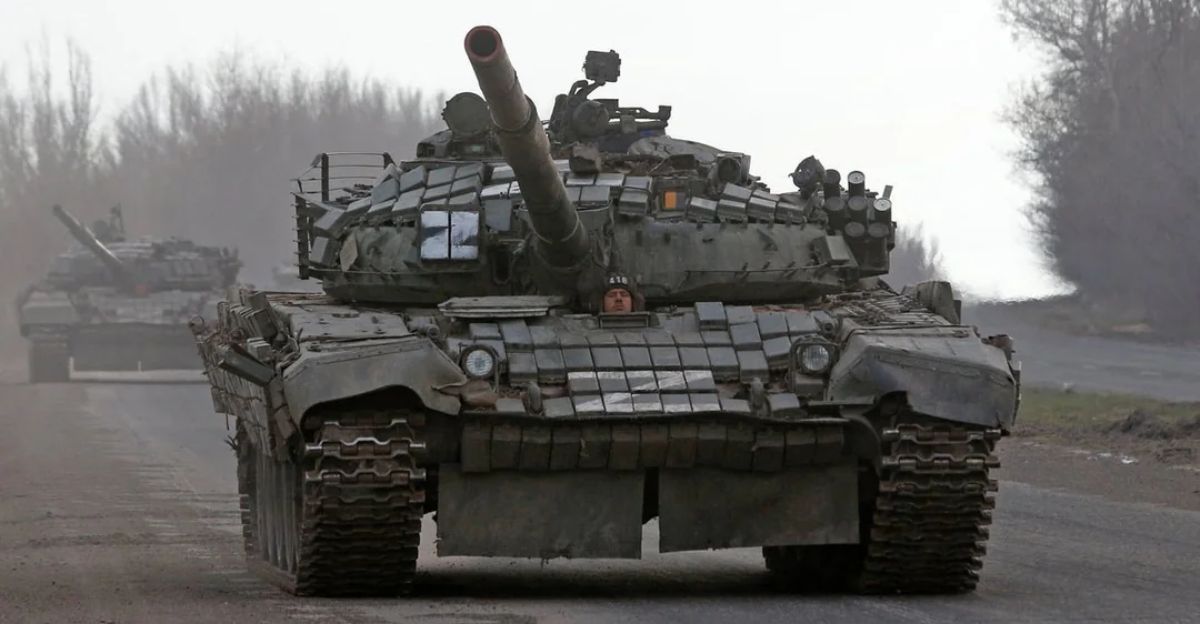
The Koltsevoy pipeline supplied fuel for Russian military operations in eastern Ukraine, supporting operations in Donetsk and Luhansk. Its destruction disrupted potential troop mobility and resupply, slowing offensive momentum.
Even with 99% of Luhansk and 72% of Donetsk occupied, Russia’s frontline capacity became vulnerable to fuel shortages. Ukraine’s strategy effectively turned energy into a tactical weapon, constraining military options without direct combat on the front lines.
The Math Behind the Strike & Unprecedented Scale
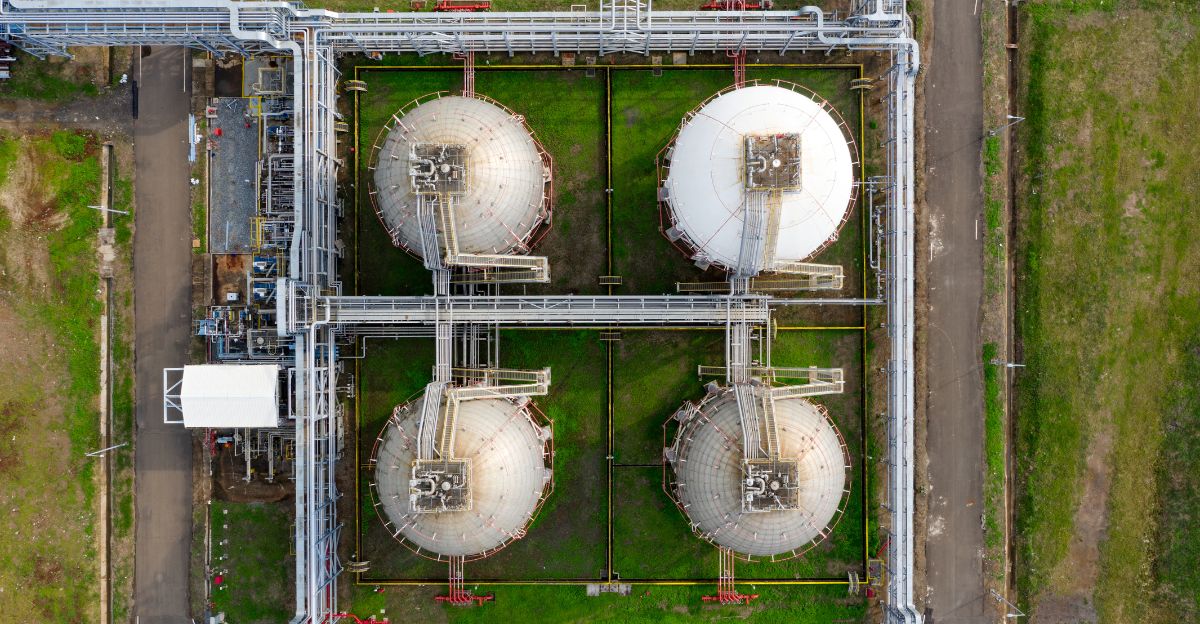
Ukraine destroyed roughly 60 million barrels of fuel capacity in one night, equivalent to ~$3.6 billion in lost capacity. At peak pipeline flow, the strike halted enough fuel to refill approximately 850,000 military vehicles weekly. With 90% of Russia’s defense budget tied to oil and refining, the attack threatened the financial lifeline of Moscow’s war effort.
This was the first major strike on Moscow-region military fuel infrastructure since the war began. Ukraine’s 2025 campaign has executed nearly 160 successful strikes on oil facilities, making the Koltsevoy attack the largest single destruction of military fuel pipeline capacity in the conflict. Striking 250 miles into Russia’s backyard underscores the tactical innovation and risk tolerance of Ukrainian forces.
Strategic Uncertainty Ahead
With export restrictions through December and ongoing vulnerability to further strikes, Russia faces continued logistical and economic challenges. Western sanctions with no specified end date compound the pressure. Global markets adjust to potential instability, while military planners weigh fuel limitations in strategy.
Ukraine’s infrastructure campaign has reshaped the war’s trajectory, emphasizing energy control as a decisive factor. The next months will test both sides’ adaptability, with fuel shortages influencing frontline operations, political decisions, and international negotiations. Behind every fuel shortage is a human story—families ration heat and transportation, workers face uncertainty, and communities prepare for a harsh winter.
What This Means Globally

Ukraine’s precision targeting of Russian fuel infrastructure reshapes how conflicts may be waged in the future. Energy systems are now frontline assets, and infrastructure vulnerability is a strategic tool.
Countries worldwide are reassessing supply chains, emergency reserves, and military dependencies on fuel. The Koltsevoy pipeline destruction demonstrates that a single calculated strike can ripple across markets, militaries, and households, signaling a new era where energy security is inseparable from national and global stability.
Modern warfare is not only fought with bullets and missiles but also through economic and infrastructural leverage. Civilian endurance has become a critical front alongside battlefield success.