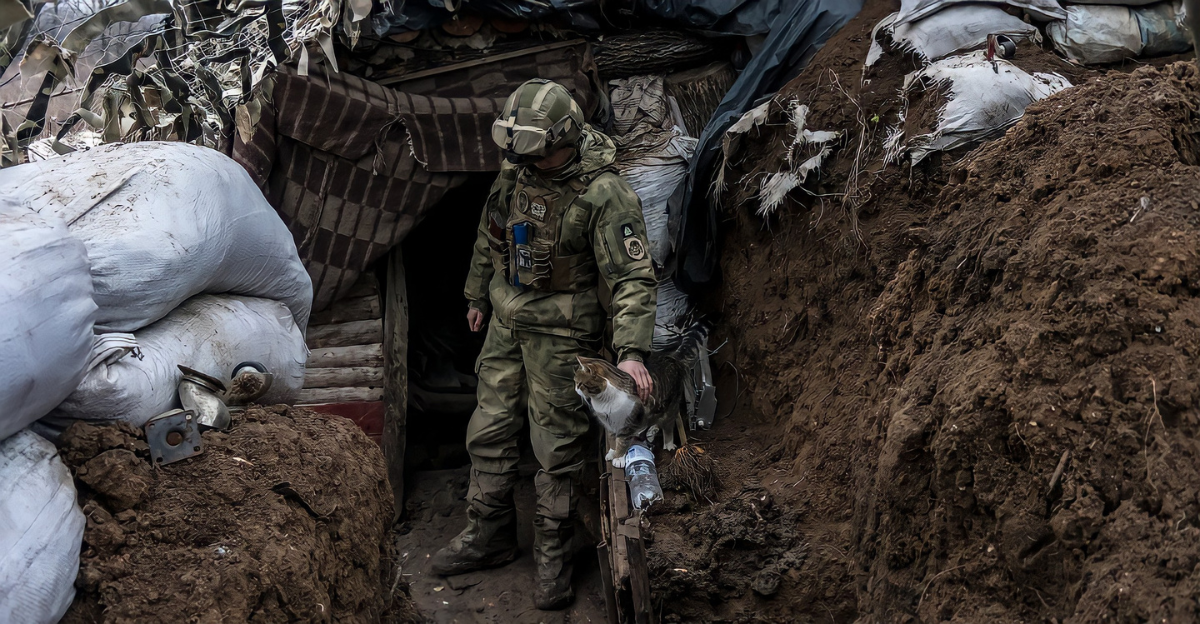
Russia’s war economy is reeling as Ukraine hammers its key supply routes. Business Insider finds Moscow’s oil revenue plunged 27% in July 2025, and Reuters reports over a third of its strategic bombers were damaged by Ukrainian drone strikes. Putin’s forces now grapple with coordinated hits on both funding networks and production sites that sustain his frontline campaign.
Ukraine’s Covert Strikes Span the Globe
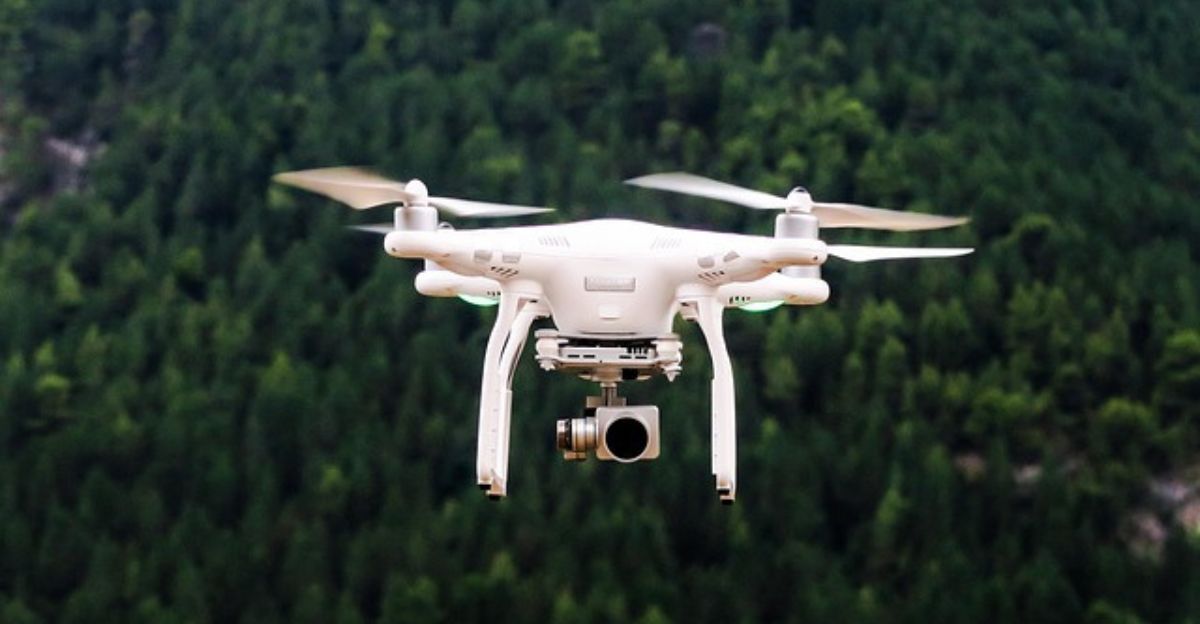
Since January, Kyiv has conducted more than 100 covert operations on five continents, targeting everything from oil tankers docked in Libya to factories near Moscow. The Kyiv Post notes these strikes blend naval drones, limpet mines, and sabotage teams. Each carefully planned mission expands Ukraine’s asymmetric edge, exposing vulnerabilities that conventional Russian units struggle to defend.
The Shadow Fleet Enabled Putin’s War Chest
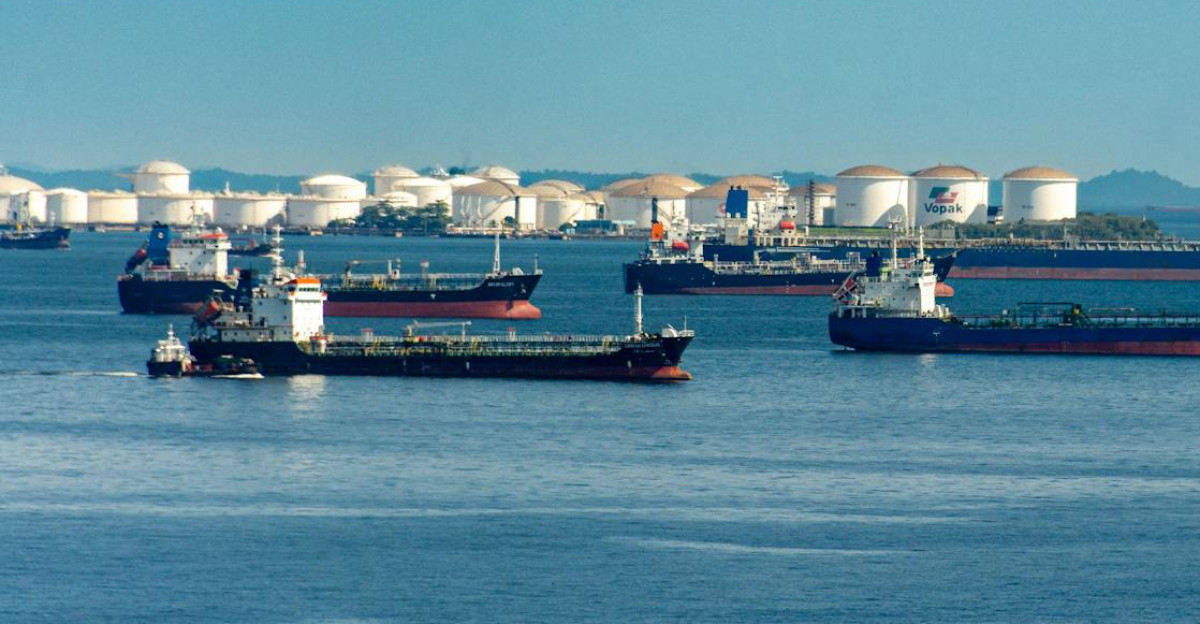
Energy and Clean Air Research shows Russia’s “shadow fleet” of 400–600 unmarked tankers moved over $610 billion in oil exports since early 2022, accounting for roughly 70% of its seaborne trade. These vessels, flagged to shell companies, skirted Western price caps and sanctions. Ukraine’s recent naval sabotage, hitting five tankers between January and June 2025, struck directly at this covert revenue source.
EU Sanctions Tighten but Gaps Remain

The EU’s 18th sanctions package in July 2025 blacklisted 105 more shadow‐fleet vessels, reports the Atlantic Council. A new price cap limits Russian oil to 15% below world rates. Yet Reuters notes loopholes and delayed enforcement have let Moscow continue to bypass controls — until Ukraine escalated from sanctions to targeted maritime strikes.
Ukrainian Forces Hit Moscow‐Area Chemical Plant

On July 7, 2025, Ukraine’s military confirmed a drone strike on the Krasnozavodsk Chemical Plant, a facility making explosives and ammunition near Moscow, Reuters reports. Open‐source images and Ukrainian General Staff statements describe explosions, fires, and emergency crews at the scene. Russian officials ordered safety inspections at regional defense factories in its aftermath.
Chemical Plant Strike Forces Emergency Response
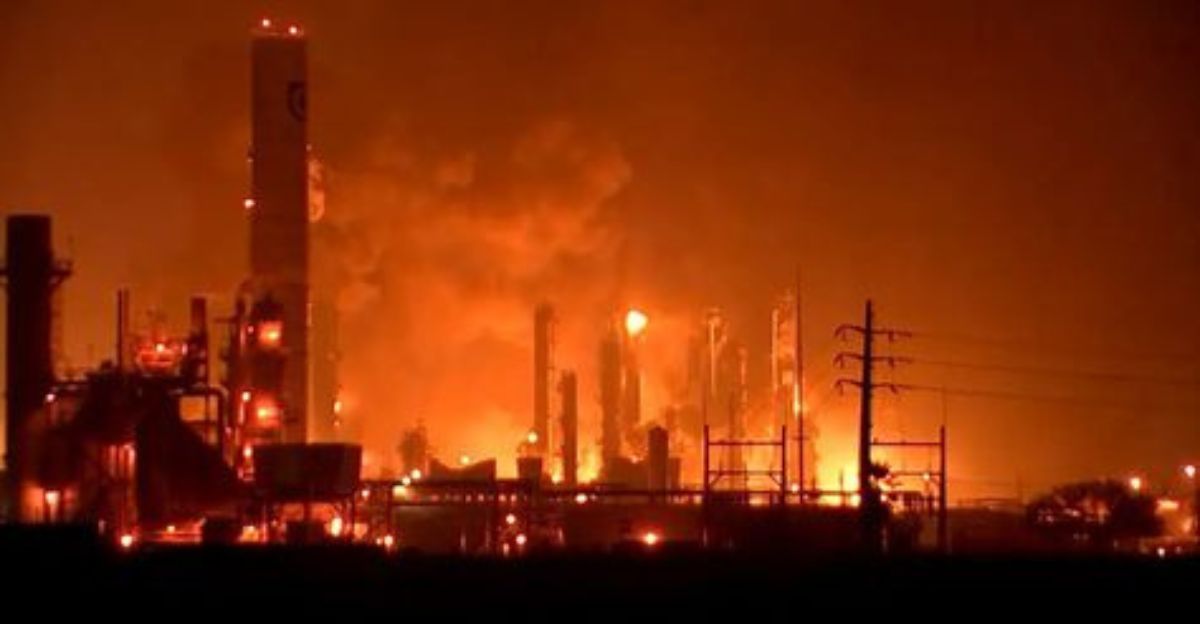
State media acknowledges the Krasnozavodsk blast prompted local evacuations and hospital treatment for several workers, Ukrinform states. Authorities temporarily closed neighboring industrial plants for safety checks. While the full extent of damage remains under official review, the attack underscores Ukraine’s ability to reach deep into Russia’s military‐industrial heartland.
Ukraine Signals It Can Strike Deep Behind Front Lines
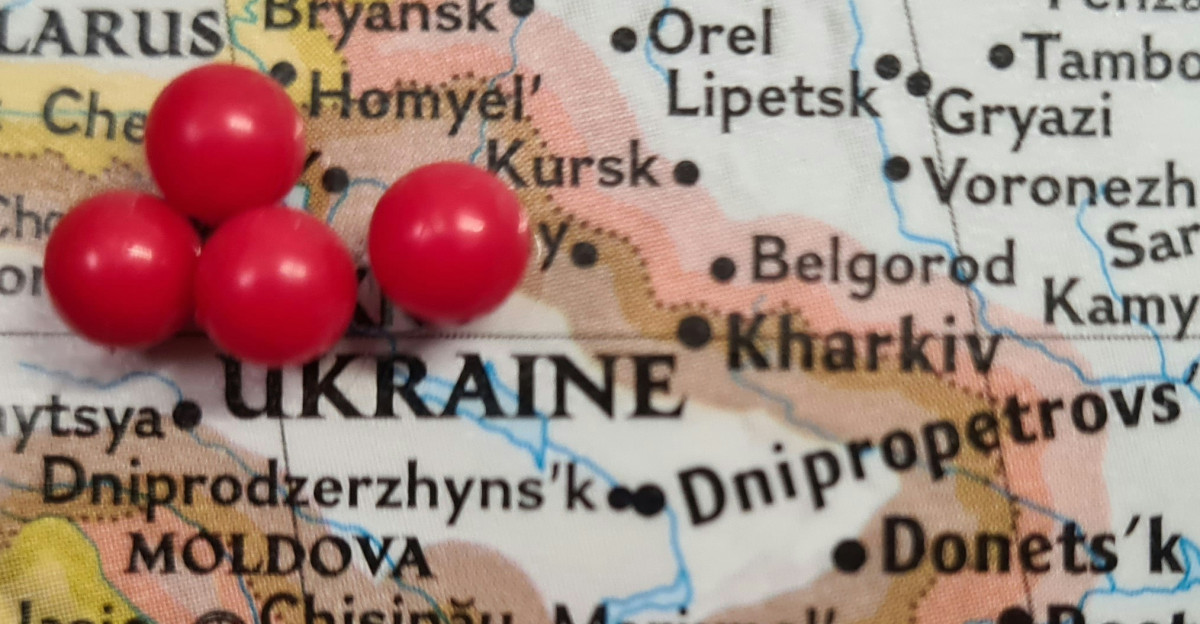
Colonel Oleksii Hromov of Ukraine’s General Staff told United24Media the plant attack “demonstrates our reach against vital targets.” Workers and analysts alike note the strike came more than 350 km inside Russian territory, marking one of Kyiv’s boldest raids. The Kremlin’s protective measures now face fresh questions about their effectiveness.
Missile Production Faces New Supply Strains
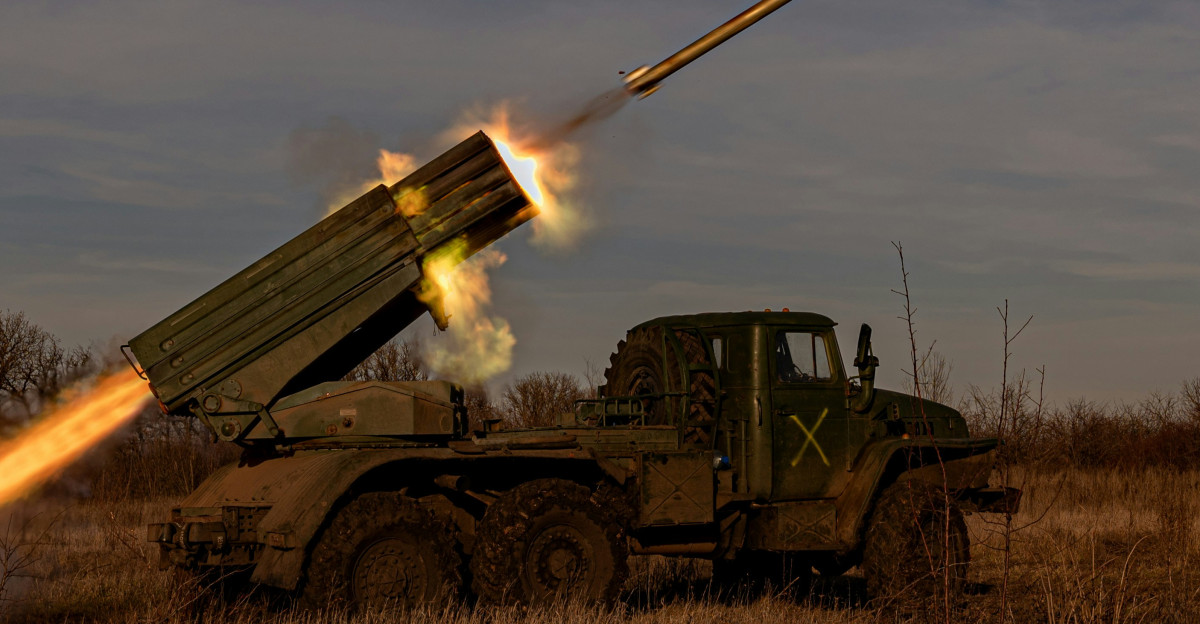
Defense analysts warn that Krasnozavodsk’s output halt could disrupt propellant supplies for multiple munitions lines, including artillery shells and drone warheads, Euronews notes. Plants in Votkinsk and Perm that depend on this feedstock may see delayed deliveries. That bottleneck could force Russia to reallocate scarce resources, potentially slowing down its missile launches.
Maritime Sabotage Campaign Shuts Down Tankers
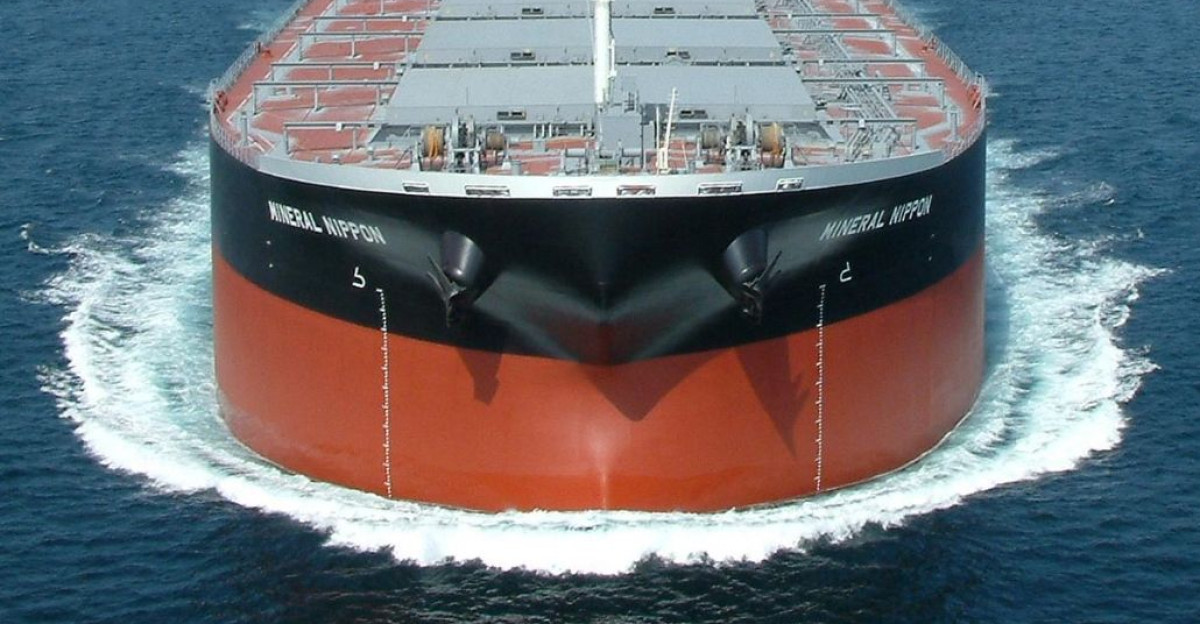
Ukraine carried out precision limpet‐mine attacks on five shadow‐fleet tankers — Sea Charm, Grace Ferrum, Seajewel, Koala, and Vilamoura — between January and June 2025, the Kyiv Post reports. Each ship was rendered immobile in port or coastal waters of Turkey, Italy, Russia, Libya, and Malta. No major spills or civilian casualties occurred, highlighting the surgical nature of the campaign.
Operation Spiderweb Hits Russian Airfields
On June 1, Ukraine deployed over 100 improvised drones to strike five Russian airbases from the Arctic to Siberia, BBC News documents. The coordinated raid damaged strategic bombers and fuel depots, slowing Russia’s aerial response. Analysts say it marks one of the deepest and most complex drone operations launched by Kyiv to date.
Russian Bases No Longer Safe Havens

Al Jazeera reports Russia scrambled to relocate bombers from exposed bases after Operation Spiderweb. Despite building new shelters at Kursk and Severodvinsk, military insiders admit no site feels fully secure. The shift underscores a growing recognition within Russian ranks that Ukraine’s reach extends well beyond the front lines.
Kremlin Rushes to Harden Air Defenses
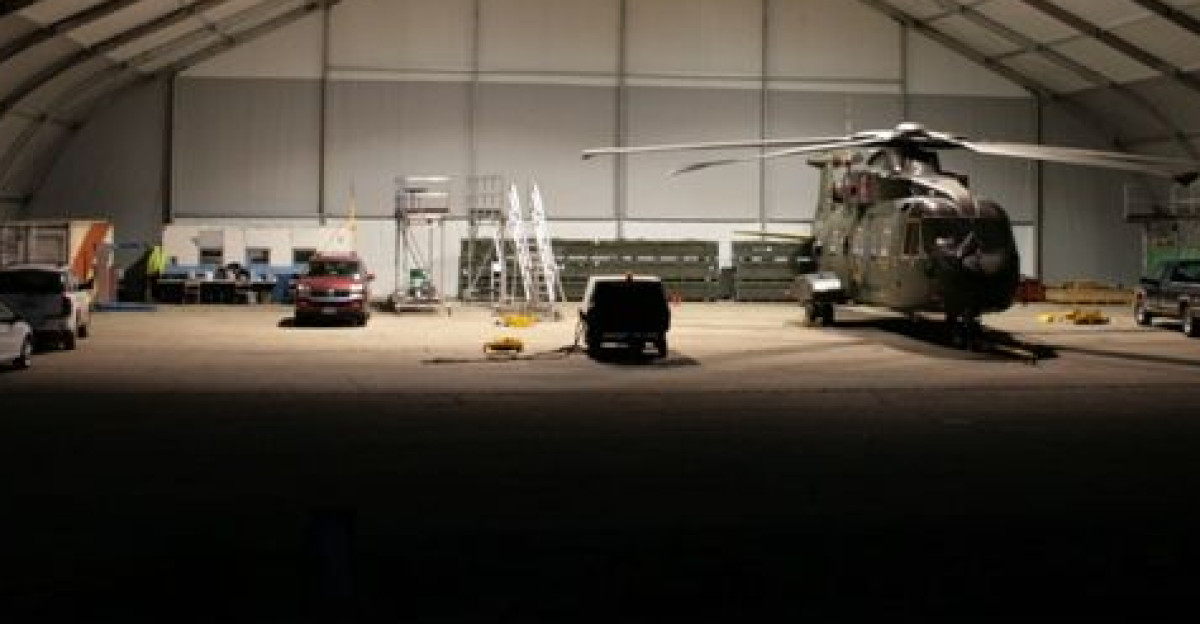
Satellite imagery shared with OSINT groups shows extensive construction at former front‐line airfields, building new revetments and shelters. Strategic bombers moved closer to civilian areas, Reuters notes. This abrupt doctrinal change signals Moscow’s concern over its aging air bases and dwindling safe zones.
Ukraine’s Forces Evolve From Defense to Offense

Sources cited by the Washington Post describe how Ukraine’s Security Service (SBU) and Main Intelligence Directorate (HUR) coordinate deep strikes and maritime sabotage. Their efforts on land, sea, and air reflect a strategic shift: turning asymmetric tactics into offensive tools that impose costs on Russia far from Ukraine’s own borders.
Experts Praise Ukraine’s Tactics
The Conversation highlights commentary from former U.S. officers calling these operations “innovative” for neutralizing high‐value targets with limited resources. Cheap drones versus expensive bombers illustrate how Kyiv is rewriting the rules of engagement. This evolving playbook is already influencing Western military thinking.
Putin’s War Strategy Faces Serious Questions
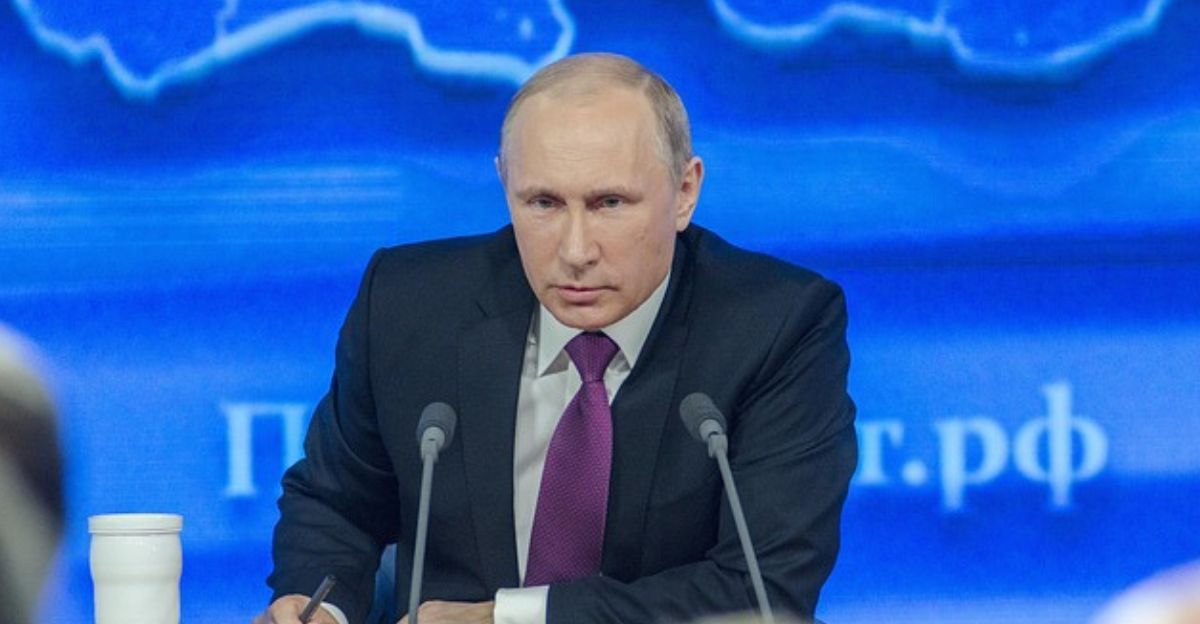
United24Media analysis suggests Russia’s war costs now exceed $1 billion per day, while energy revenues and munitions supplies dwindle. Losses in the shadow fleet and damage to critical factories force the Kremlin to weigh resource allocation between Ukraine’s front and homeland defense, stretching its capabilities thin.
Europe Quietly Backs Kyiv’s Bold Moves

European intelligence officials confirm, via anonymous leaks reported by Politico, that they provided satellite data and technical advice for maritime drone designs. Despite official sanction only, many EU capitals privately applaud Ukraine’s precision strikes as the most effective enforcement of sanctions so far.
Beijing Takes Note of Russian Weaknesses

Analysts at Jane’s report China is studying Russia’s defensive failures. Taipei’s military planners also follow these developments closely, recognizing that small, cost-effective assets can threaten larger forces. The conflict’s lessons are reshaping defense priorities across Asia.
Legal Debates Emerge Over Ukraine’s Tactics

Maritime Law Review discusses how attacks on unflagged vessels in international waters blur legal lines. Similarly, strikes on military‐industrial sites deep inside Russia raise questions about proportionality and sovereignty. International law experts now debate whether these moves fall within accepted wartime conduct.
Military Schools Rewrite Textbooks

Military Strategy Review finds academies in Europe and North America updating curricula to include Ukraine’s asymmetric campaigns. Case studies on shadow fleet sabotage and deep drone strikes illustrate how technology and creativity can offset numerical disadvantages, potentially guiding future force development.
A New Era of Asymmetric Warfare
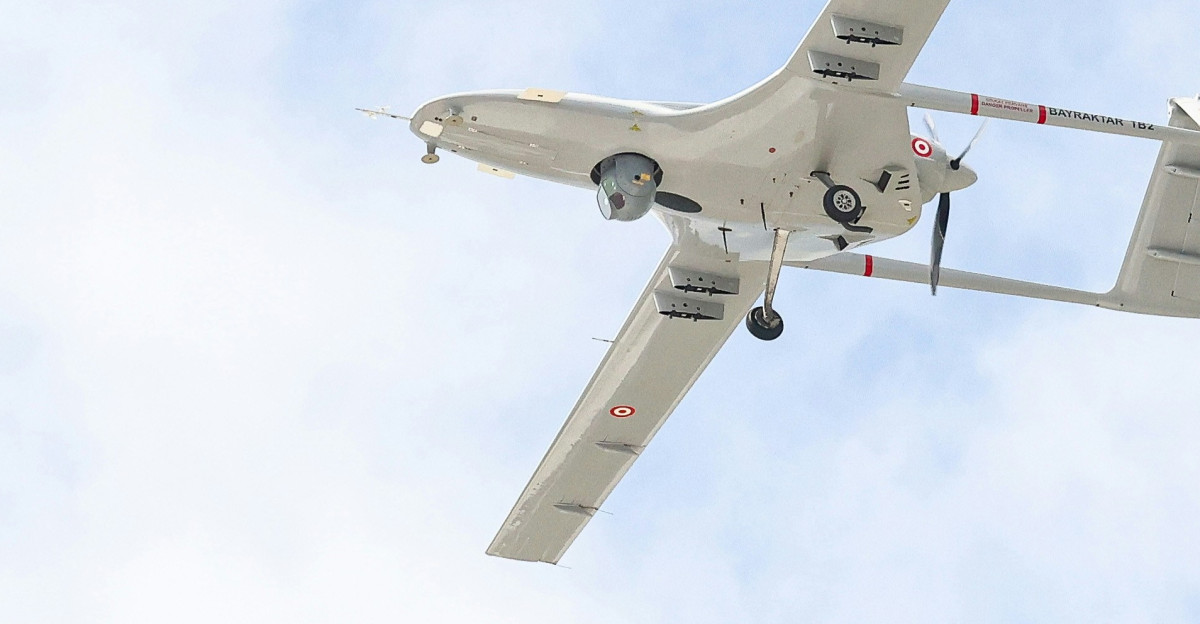
Strategic Assessment Review concludes that Ukraine’s blend of maritime, aerial, and covert operations represents a watershed moment in modern conflict. By targeting both revenue streams and production hubs, Kyiv undermines Russia’s war machine like never before. This approach may become the blueprint for underdog nations in battles against larger powers.