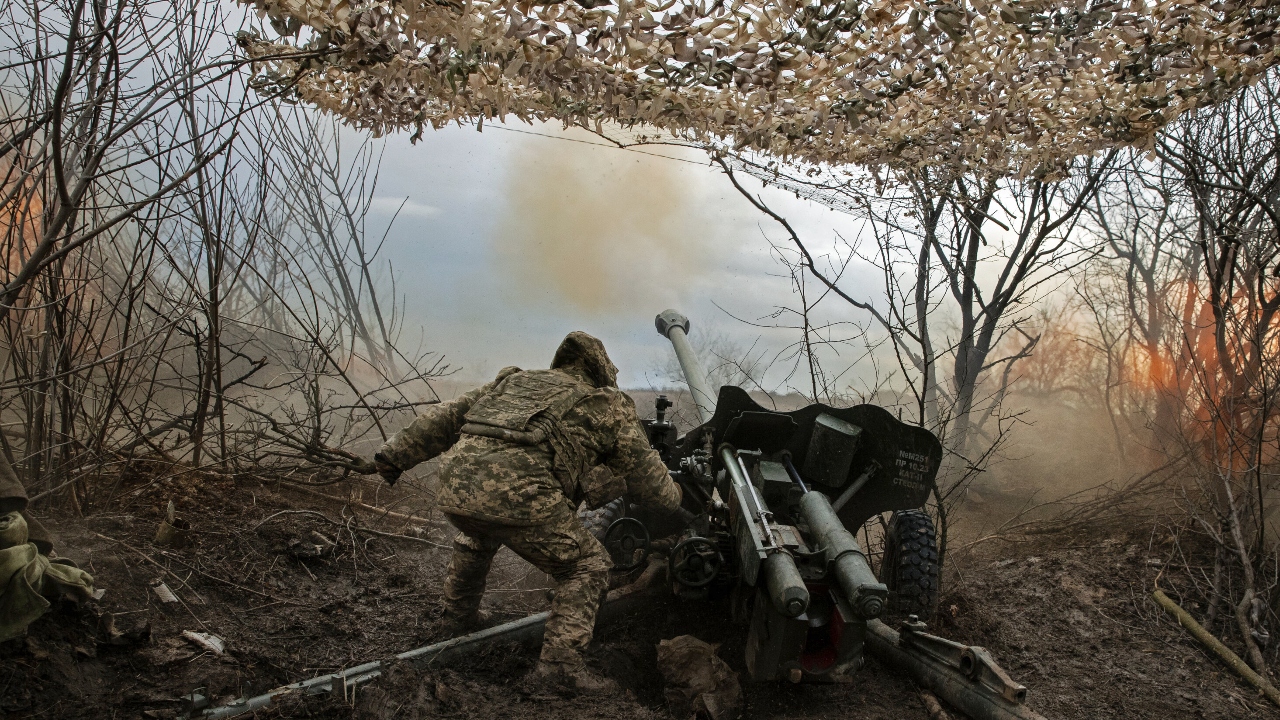
October 2025 marked a turning point in Ukraine’s war effort, as unmanned forces achieved a record-breaking month of confirmed Russian casualties. Bolstered by gamified incentives and rapid technological advances, Ukraine’s drone campaign intensified battlefield attrition while striking deep into Russian industrial and energy infrastructure.
President Volodymyr Zelenskyy announced 25,000 confirmed Russian deaths on November 6, emphasizing the rigor of Kyiv’s verification system. This surge highlights the increasing influence of unmanned systems on the battlefield. Here’s what’s happening…
Unmanned Warfare Reaches New Heights
Ukrainian forces confirmed 25,000 Russian soldiers killed in October 2025, all verified through video under strict Kyiv protocols. An additional 2,000 to 3,000 deaths remain unverified. This record toll reflects expanded drone use across military branches and centralized confirmation procedures, creating transparency and increasing pressure on Russian manpower and logistics.
The Ukrainian Unmanned Systems Forces, a branch established in 2024, led the campaign. Commander-in-Chief Oleksandr Syrskyi reported strikes on 77,000 enemy targets that month. Special Operations Forces also contributed through deep-strike missions targeting Russian infrastructure.
The scale of these operations marks the highest monthly drone-caused casualty toll since February 2022, highlighting unmanned systems’ growing role in shaping the battlefield.
Gamification and the ‘Army of Drones’
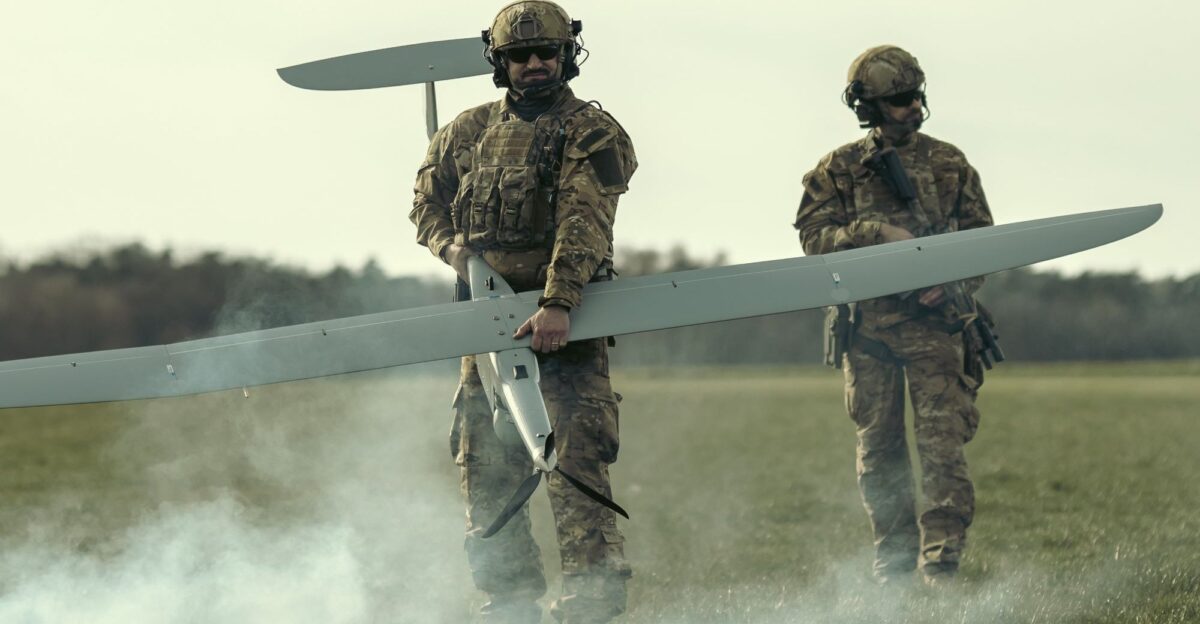
The “Army of Drones: Bonus” system, launched in July 2025, gamifies combat by awarding points for verified strikes. Operators earn points for destroying enemy equipment or eliminating personnel, which are redeemable on the Brave1 Market, a government-backed platform offering thousands of products, ranging from surveillance drones to long-range systems. The more effective a unit, the faster it gains new equipment, reinforcing operational self-sufficiency.
Officials reported that over four billion hryvnias have been spent through the program in recent months. Increased rewards for infantry-focused strikes in September caused a spike in such operations, boosting confirmed kill counts. Analysts note the system transformed drone warfare from a supplemental tactic into a primary mechanism, with units competing for upgrades through battlefield performance.
Strikes Deep Inside Russia
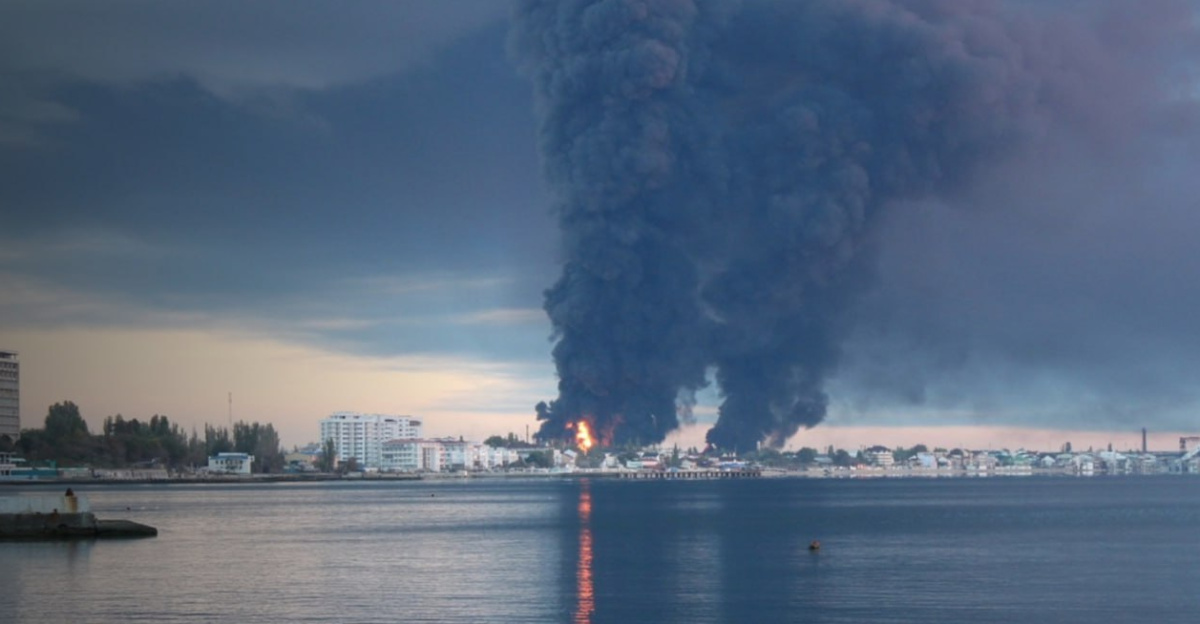
Ukrainian drones have extended strikes far beyond front lines. On November 5–6, Special Operations Forces hit an oil depot near Hvardiiske in occupied Crimea, destroying a major storage tank. Video footage captured secondary explosions and massive fires engulfing the facility.
The next day, drones struck the Sterlitamak Petrochemical Plant in Bashkortostan, over 1,000 kilometers from the border. Russian authorities confirmed damage while downplaying its scale. These operations complement long-range strike developments, with Ukrainian drones reaching targets up to 2,000 kilometers inside Russia, including refineries in Tyumen and Ukhta. The Firepoint FP-1 drone, with a 1,500-kilometer range, enables widespread disruption of the Russian industry.
Impact on Russian Infrastructure and Manpower
Persistent strikes have shut 16–17 percent of Russia’s refining capacity, causing fuel shortages across fifty regions. Attacks on major facilities, such as Syzran, Volgograd, and Lukoil-Nizhegorodnefteorgsintez refineries, have prevented timely repairs, raised costs, and disrupted both civilian and military fuel supplies. Repair timelines now extend into 2026.
On the battlefield, Russian personnel losses reached nearly 1.15 million since February 2022, with daily October averages exceeding 1,000 killed or wounded. UK Defence Intelligence corroborates these figures, reflecting a growing strain on Russian recruitment. Ukrainian Foreign Minister Andrii Sybiha revealed in November 2025 that 1,436 citizens from 36 African countries were fighting for Russia, often under deceptive recruitment, highlighting the conflict’s international dimension.
Civilian Toll and Winter Pressures
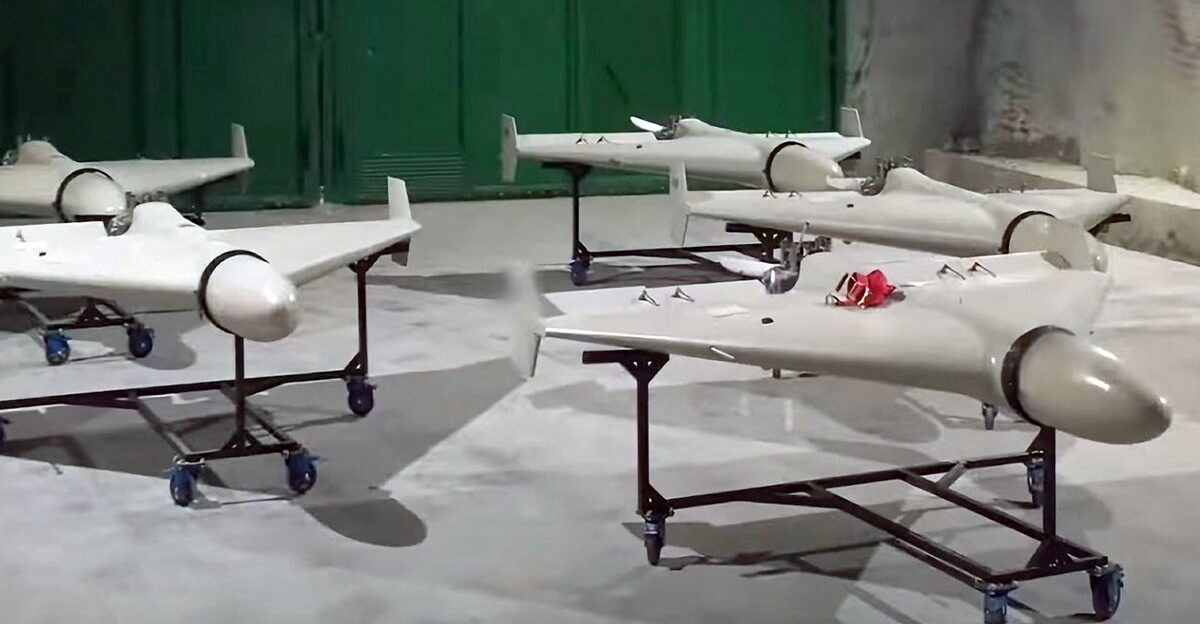
Russian attacks on Ukrainian energy infrastructure escalated as drone campaigns intensified. In September 2025, 214 civilians were killed and nearly 1,000 were injured, targeting power and heating systems, according to UN monitors. Kyiv warned Moscow sought to “weaponize winter,” testing social resilience with systematic infrastructure attacks.
Ukraine’s verification system requires video confirmation for both public announcements and gamified rewards. Military officials state only strikes with clear documentation qualify for points, ensuring operational credibility. This rigorous monitoring has become a hallmark of Ukraine’s approach, blending transparency, technology, and battlefield effectiveness in a rapidly evolving conflict.
Looking Ahead
Ukraine projects a defense production capacity of $35–60 billion for 2026, focusing on long-range weapons, domestic manufacturing, and the expansion of the Brave1 marketplace. Deputy Minister Hanna Hvozdiar stated long-range strike capabilities alone could reach this production level. Over 3,300 new developments and 1,500 manufacturers now contribute, accelerating the deployment of battlefield-tested products.
As winter approaches, Ukraine’s data-driven, technology-enabled tactics continue shaping the conflict. Questions remain about Russia’s ability to maintain forces and refinery operations under persistent pressure. Meanwhile, debates over gamified warfare and the ethical implications of drone combat are intensifying, hinting at long-term shifts in military strategy, international policy, and the future of conflict.