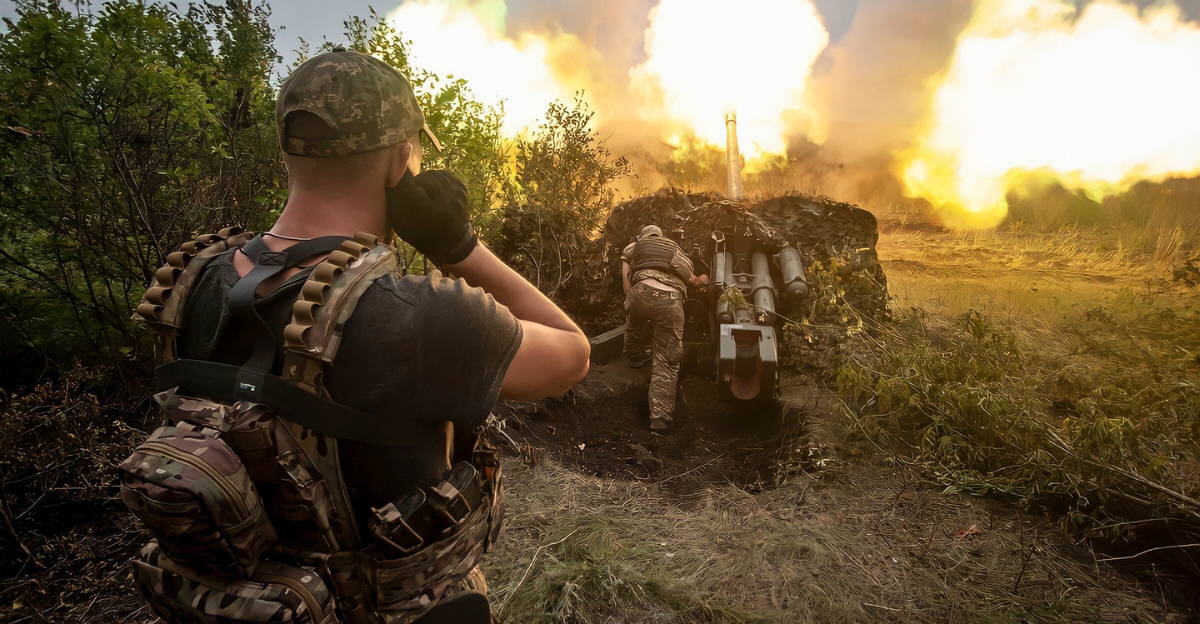
Ukrainian special forces have conducted operations that target locations deep within Russian territory, signifying a notable escalation in the ongoing conflict. These missions, referred to as “deep penetration raids,” have focused on disrupting logistics and command centers, highlighting Ukraine’s strategic capabilities and adaptability as the war progresses. This development underscores Ukraine’s growing ability to impact enemy operations at significant distances from the front lines.
Operation Spiderweb and the Evolution of Deep Strike Tactics
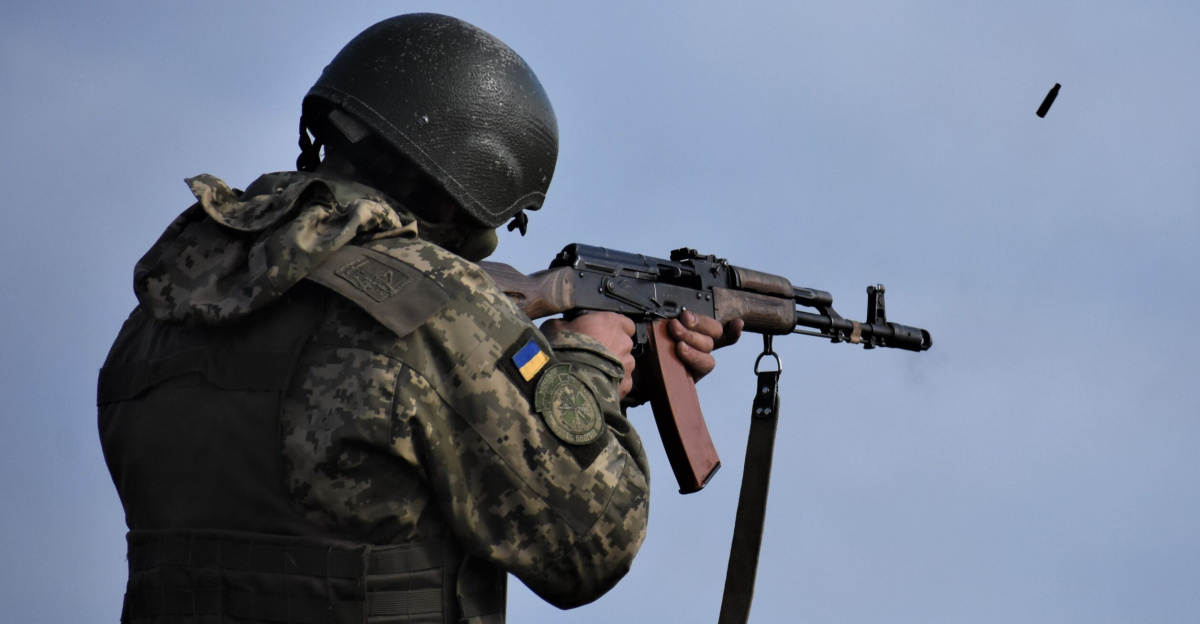
The roots of Ukraine’s innovative military operations can be traced back to the early days of the full-scale invasion, when the military began employing asymmetric tactics in response to overwhelming challenges. Recently, Ukrainian special operations forces (SOF) have focused on small, elite units for raids and reconnaissance beyond the front lines. In June 2025, Ukraine’s Security Service conducted “Operation Spiderweb,” targeting five Russian airfields. U.S. officials reported that the operation destroyed approximately 10 to 11 strategic bombers and caused damage to up to 20 aircraft, which is a revision from earlier claims of over 40 aircraft hit.
In September 2025, Ukrainian military operations targeted Russian logistics and command centers in occupied territories. On September 18, Special Operations Forces successfully struck the logistics hub of Russia’s 810th Separate Marine Brigade in the Kursk region, destroying ammunition depots and supply facilities. Official statements and video evidence from Ukraine’s military intelligence confirm the effectiveness of these coordinated strikes against Russian positions.
Strategic Impact and Future of Modern Warfare
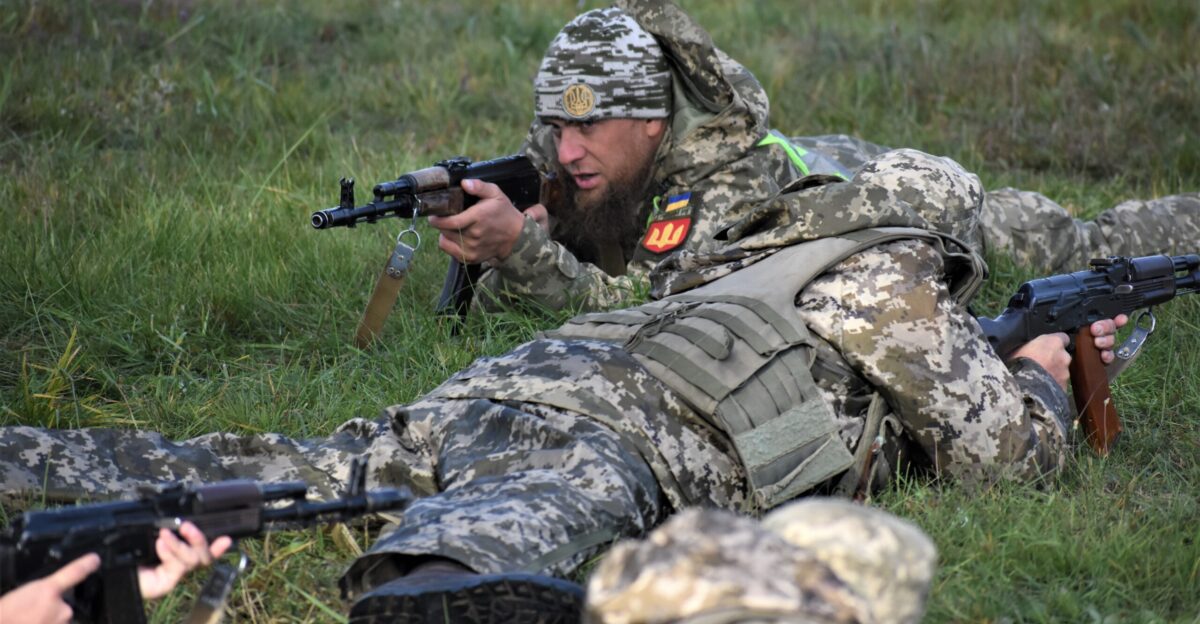
Ukrainian special forces have launched helicopter-deployed raids in the Kharkiv region, targeting Russian logistics facilities, ammunition depots, and river crossings. These operations have led to confirmed Russian casualties and equipment losses, though exact numbers can vary.
Ukrainian Special Operations Forces have significantly impacted Russian military operations by targeting supply lines, fuel depots, and command centers. This has forced Russian forces to divert resources for rear-area security and rethink their strategies. Recent strikes on Russian fuel trains in the occupied Zaporizhzhia region have disrupted essential supply lines for frontline units.
Ukrainian operations have provided a rare sense of initiative amidst the ongoing war of attrition. The Special Operations Forces (SOF) emphasized their commitment to executing high-stakes missions with precision. Meanwhile, Russian officials, including Kremlin spokesperson Dmitry Peskov, have minimized the damage inflicted by these operations, stating that Russia will respond as deemed appropriate. In June 2025, President Putin labeled Ukraine’s actions as “terrorism” and questioned negotiations with what he described as terror-centric groups.
Ukraine’s deep raids have broader implications beyond the conflict itself. Western defense experts and NATO officials suggest that combining unmanned systems, like drones, with traditional special operations tactics has set a new standard for modern warfare. Reports indicate that U.S. special operators training Ukrainian forces view Ukraine’s asymmetric strategies as potential models for future conflicts with peer adversaries.
As the conflict evolves, Ukraine’s ability to execute operations behind enemy lines may significantly impact battlefield dynamics and strategy. The advancement of special operations—marked by boldness, creativity, and intelligence—will be vital in Ukraine’s pursuit of sovereignty.