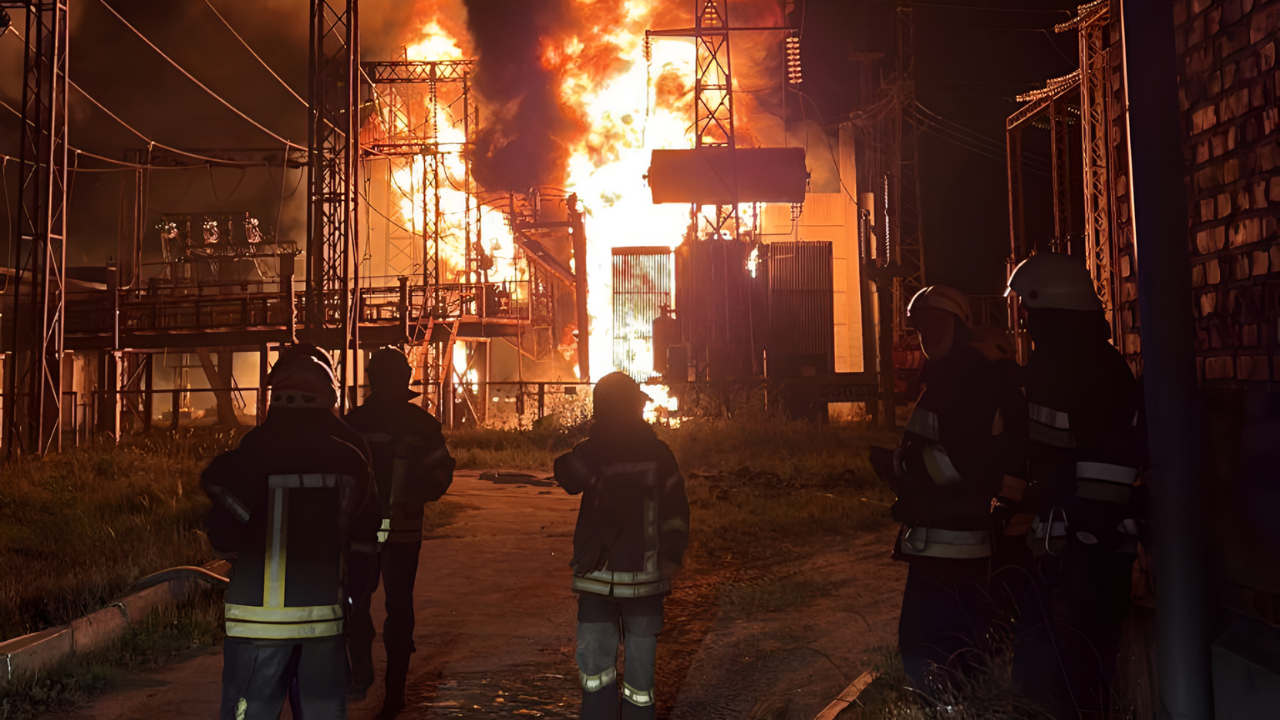
On November 20, 2025, Ukraine struck Russia’s Ryazan oil refinery, 180 km southeast of Moscow. The facility, Russia’s fourth-largest, processes approximately 260,000 barrels of crude daily, representing roughly 5% of Russia’s refining output, and produces approximately 1 million tons of jet fuel annually, including TS-1 aviation fuel for Russia’s Aerospace Forces.
The attack, part of Ukraine’s long-range drone campaign, left the refinery largely idle, compounded by previous strikes in October and November. Moscow swiftly banned gasoline exports, signaling the domestic energy crisis and the strategic shift from battlefield gains to economic warfare.
Ryazan: Strategic Vulnerability
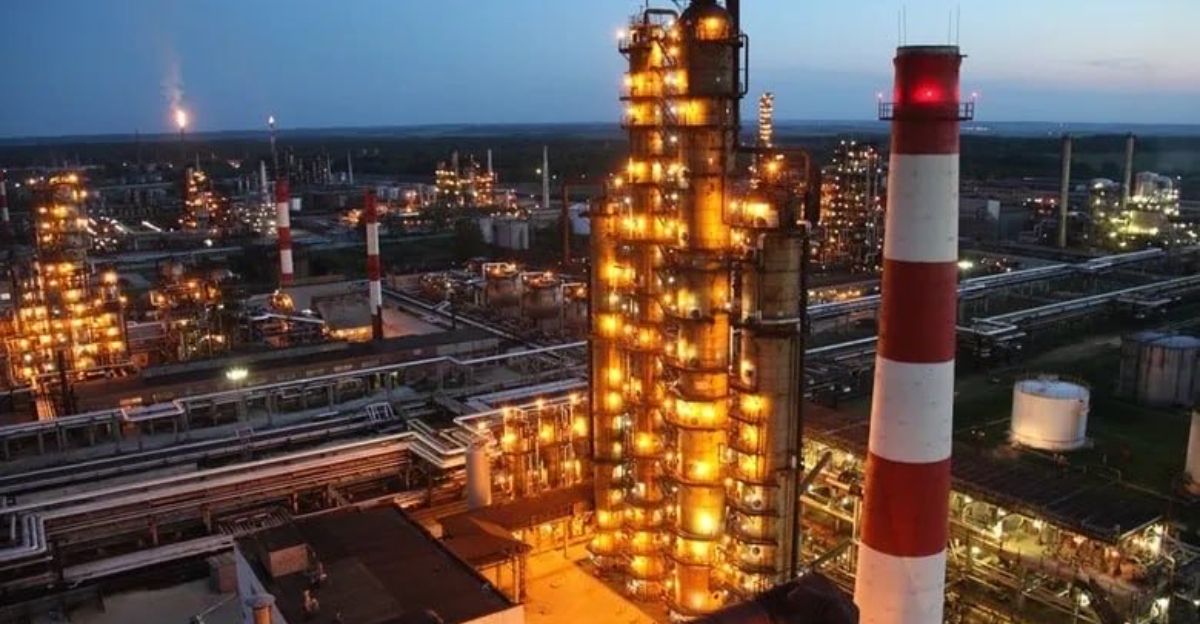
Ryazan refinery’s main crude distillation unit, responsible for nearly half of output, was struck multiple times this year. Repairs from October remain incomplete, leaving production stalled. Ukrainian drones penetrated deep into Russian territory despite Russian air defense responses, according to Ukrainian military assessments.
The strike underscores systemic vulnerabilities: even refineries far from the frontlines are at risk. Ukraine’s campaign demonstrates how precision attacks on industrial infrastructure can impose outsized strategic and economic effects.
Ukraine’s Strategy: Targeting the War Machine
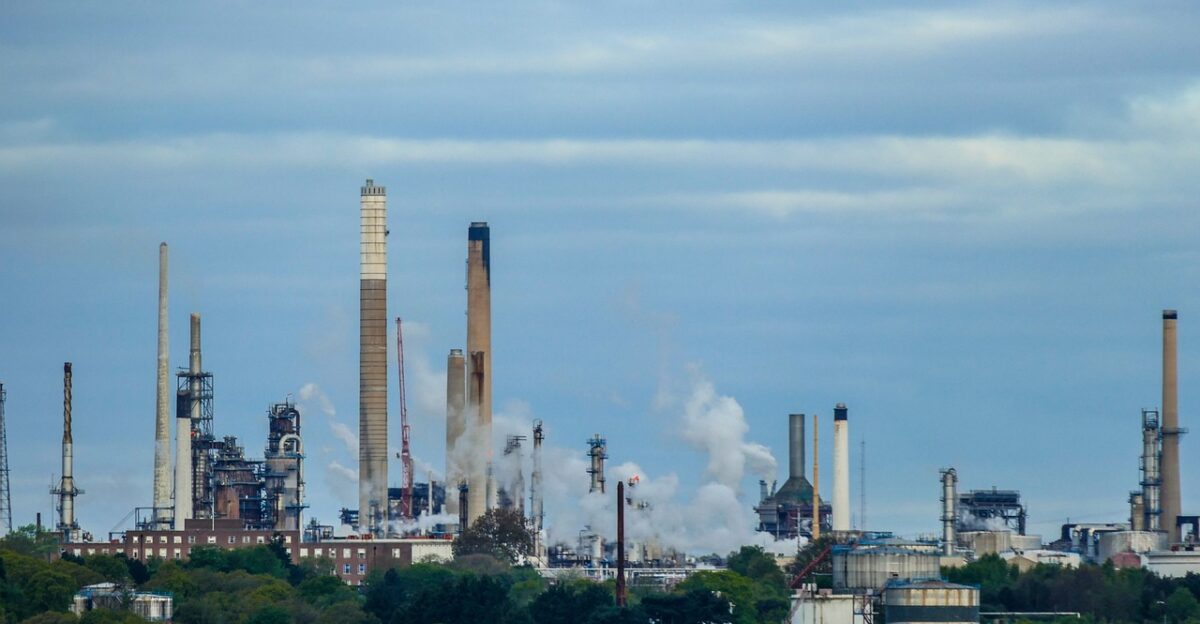
Ukraine targets refineries to reduce fuel for military operations and domestic consumption. Since August 2025, coordinated strikes disabled approximately 20% of Russia’s refining capacity at peak, though overall refining output fell only 6% as Russia activated reserve capacity, hitting sites in Saratov, Volgograd, Samara, and Novorossiysk.
By focusing on energy infrastructure, Ukraine applies economic pressure in parallel with frontline operations. Each refinery hit forces Russia to adapt with costly repairs, inefficient conversions, and emergency measures, demonstrating that modern warfare increasingly leverages economic disruption as a force multiplier.
Domestic Fuel Shortages and Price Surge

Fuel prices in Russia jumped over 10% following refinery strikes. More than 20 regions, from Sakhalin to Nizhny Novgorod, face shortages.
Gasoline and diesel production fell, while aviation fuel supply for domestic flights and military operations declined. Export bans signal Moscow’s efforts to stabilize internal supply. Consumers experience long queues and rationing, particularly in remote areas. Ukraine’s campaign illustrates how precision strikes on energy infrastructure can ripple nationwide, disrupting both civilian life and industrial logistics.
Corporate Responses: Defense Measures
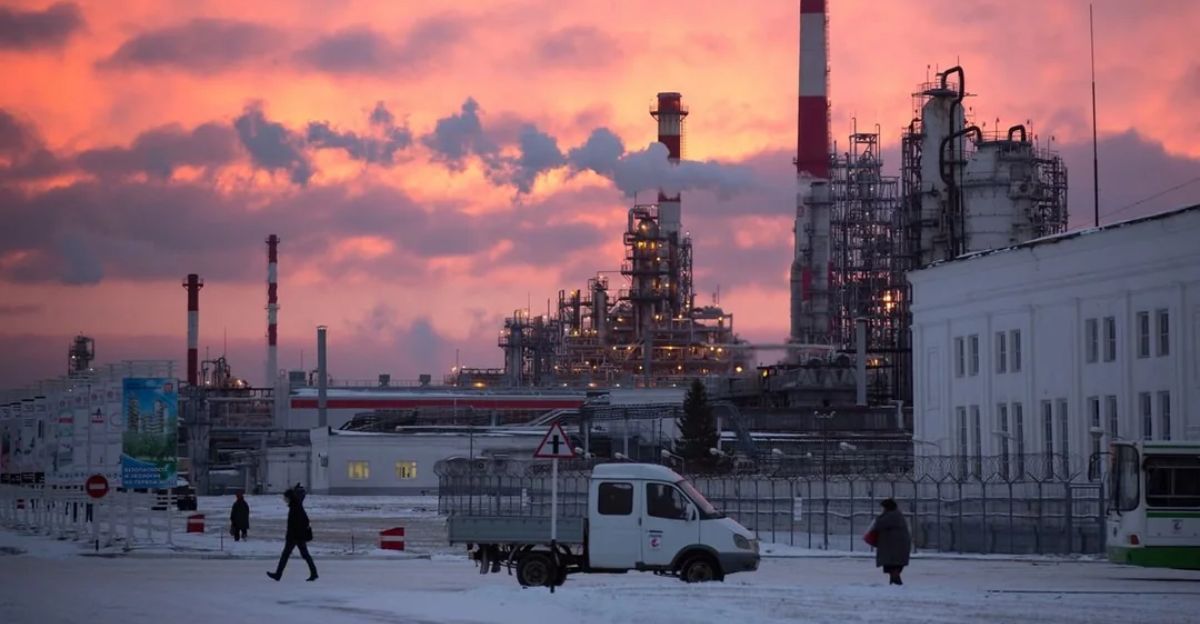
Russian refineries deploy anti-drone defenses, including netting and coverings over critical units. Volgograd refinery partially recovered from repeated strikes, yet repair capacity is strained by Western sanctions.
Lukoil Nizhegorodnefteorgsintez, supplying 30% of Moscow region gasoline, experienced extended downtime post-November strikes. Rapid repair and defense coordination are vital for survival, but persistent drone attacks expose the limits of conventional industrial defenses, highlighting structural weaknesses across Russia’s refining network.
Naphtha Conversion as Workaround

To offset refinery losses, Russia converts naphtha into Euro-3 gasoline, potentially covering 60% of demand. This process is costlier and less efficient than normal refining and stresses secondary treatment units.
The reliance on temporary solutions reveals structural fragility in Russia’s refining sector. Ukraine’s campaign systematically exploits these weaknesses, ensuring that substitute production cannot fully replace lost capacity. Long-term, the cumulative effect of strikes, sanctions, and repair bottlenecks compounds Russia’s energy vulnerability.
Export Ban and Global Impact
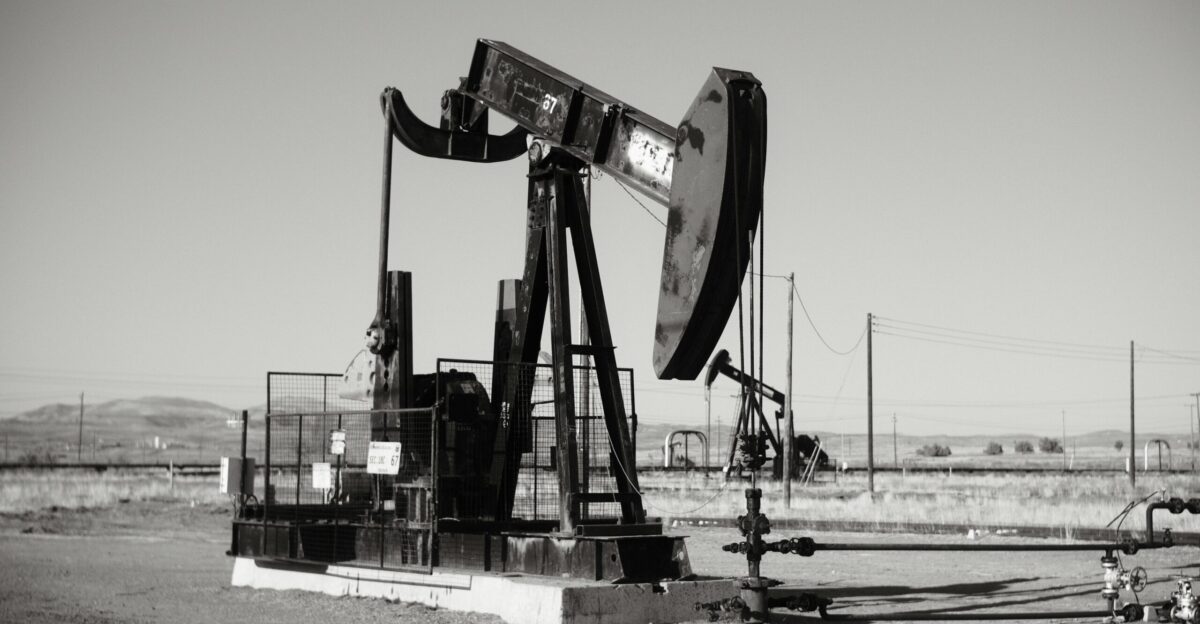
Moscow’s November 2025 gasoline export ban removes a major supplier from Europe and Asia. Previously exportable surpluses are now absorbed domestically due to refinery damage. Oil revenues fell to approximately $1.22 billion weekly—the lowest level since March 2023.
Global markets face upward price pressure, while Middle Eastern and North American producers expand share. Ukraine’s campaign demonstrates that infrastructure strikes can reverberate globally, creating economic consequences far beyond the immediate conflict zone and reshaping trade and energy geopolitics.
Human Cost: Workers Under Pressure

Refinery employees face layoffs, wage freezes, and mental stress from repeated drone threats. Sterlitamak plant in Bashkortostan suffered partial water purification collapse on November 4, 2025. While no immediate injuries occurred, repair crews operate under ongoing risk.
Families in single-industry towns confront economic uncertainty, compounded by weak union representation. Ukraine’s strikes demonstrate how energy warfare extends human costs beyond military and industrial damage, affecting livelihoods and local economies.
Policy Response: Air Defense and Imports
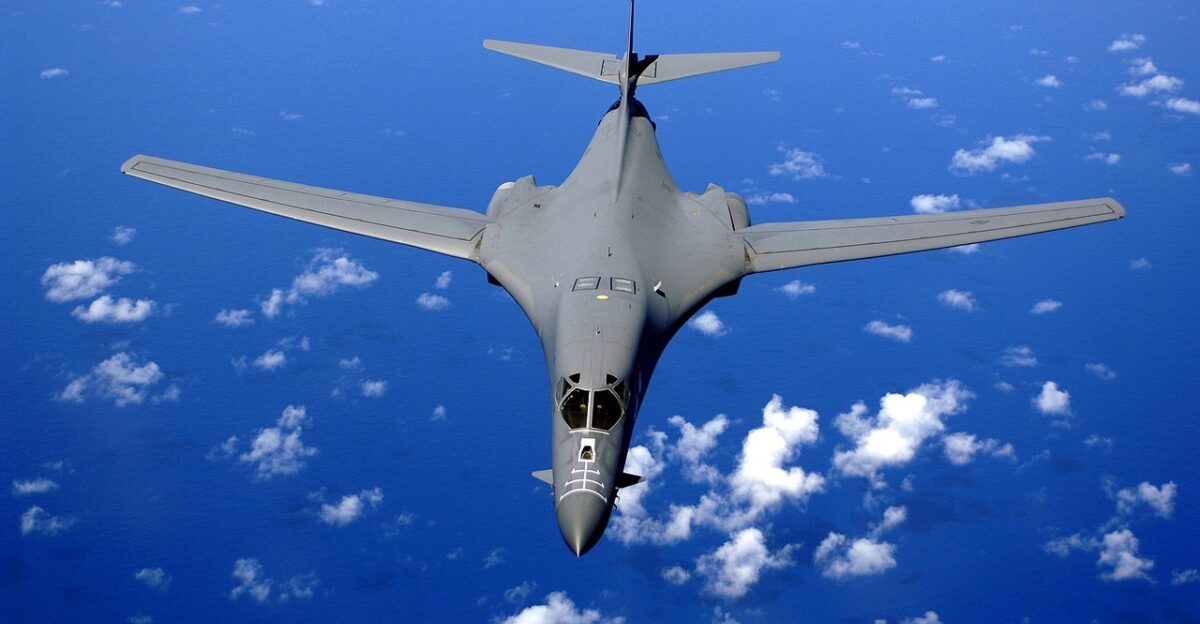
Russia deploys S-400 and Pantsir-S1 air defense units to protect refineries while claiming nightly drone intercepts. Domestic gasoline bans and fuel import planning reflect a dramatic reversal of prior energy self-sufficiency claims.
Defense gaps persist, exploited by Ukraine. Policy responses reveal Moscow’s concern over energy security, illustrating how precision strikes on industrial infrastructure exert political and strategic pressure at the state level.
Inflation Ripple Effects
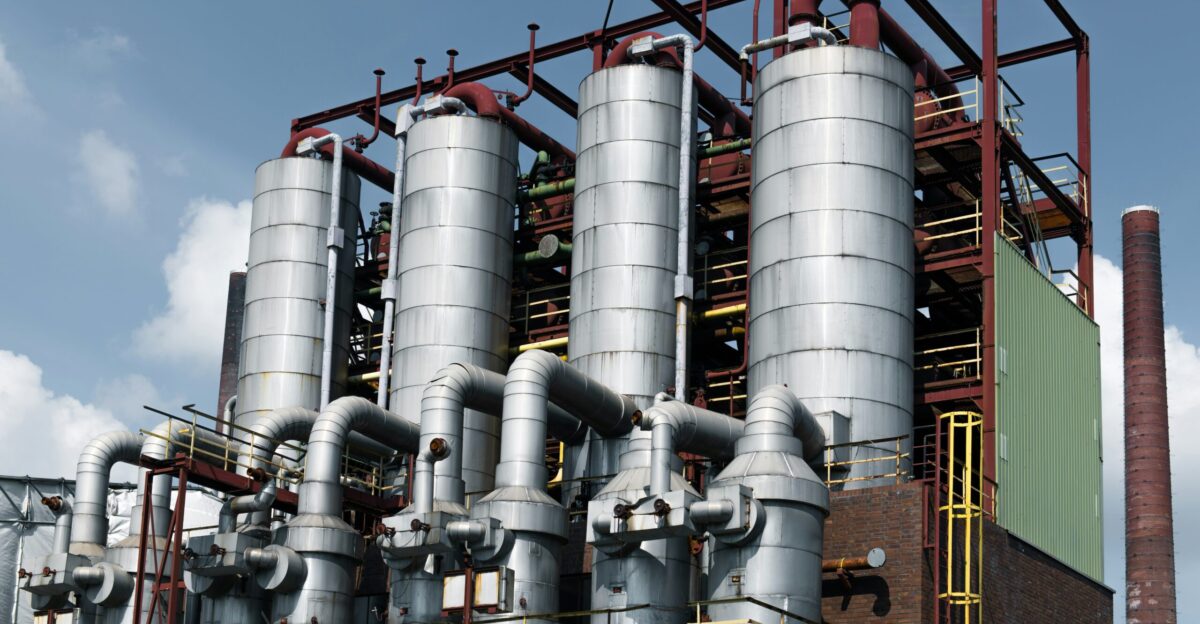
Reduced refining capacity drives rising energy costs, affecting transportation, industrial production, and consumer goods. Higher logistics costs increase food and service prices, while the ruble weakens due to declining energy revenues.
Households face growing pressure on essentials, and central bank interventions struggle to stabilize the currency. Ukraine’s energy strikes show how targeting a single sector can generate nationwide economic ripple effects, amplifying strategic outcomes beyond the battlefield.
Societal Shifts: Rationing and Adaptation

Russian citizens adapt to scarcity: increased carpooling, remote work, and public transit use. Rural regions face long queues, and domestic flight cancellations rise due to aviation fuel shortages. Energy constraints reshape daily life, particularly in energy-dependent areas.
Ukraine’s campaign illustrates that precision attacks on infrastructure can disrupt society broadly, enforcing behavioral change while stressing economic and military systems simultaneously.
Environmental and Strategic Paradox
Reduced refinery activity unintentionally lowers emissions, but military-related environmental costs offset gains. Russian environmental groups remain constrained by censorship. Western observers face ethical dilemmas: supporting Ukraine while acknowledging environmental consequences.
The campaign highlights the intersection of warfare, energy security, and sustainability, revealing how modern conflicts can influence environmental and industrial policy, even unintentionally, while imposing strategic costs.
Market Winners and Losers
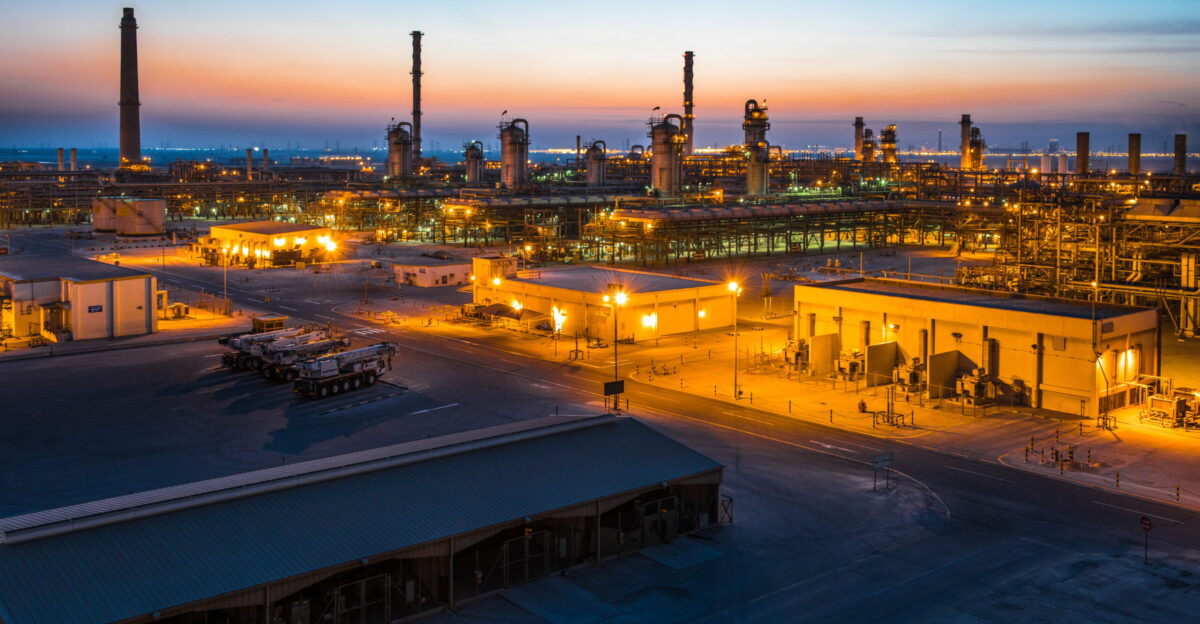
Middle Eastern producers, especially Saudi Aramco and UAE refineries, gain market share and higher prices. European refiners benefit competitively, while Russian companies such as Lukoil and Gazprom see revenue collapse.
Shipping companies profit from extended supply routes, and oil speculators capitalize on volatility. Ukraine’s strikes create stark geographic and political winners and losers, showing how energy infrastructure targeting influences global economic hierarchies.
Strategic Lessons: Drones as Force Multipliers
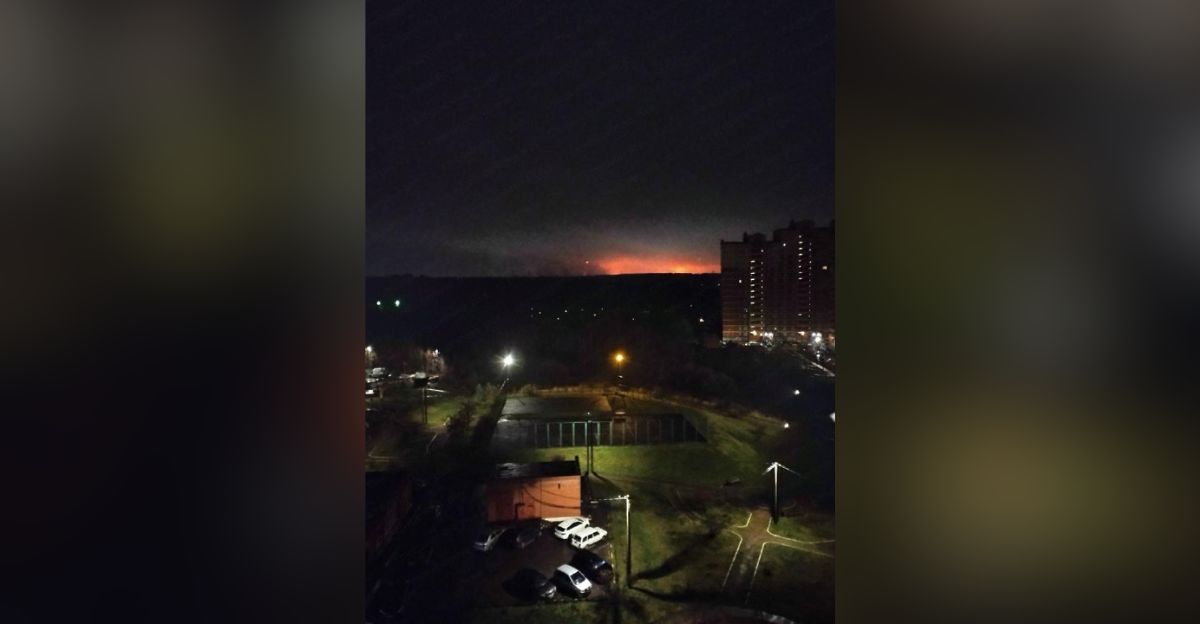
Precision drone strikes demonstrate that targeting economic infrastructure can rival battlefield impact. Ryazan and other refineries illustrate vulnerabilities despite distance and defenses.
Long-range strikes influence military readiness, economic stability, and civilian life. Ukraine’s approach signals a paradigm shift, where energy security and industrial resilience are central to modern conflict strategy, and economic warfare becomes a core component of statecraft and military operations.
The New Era of Energy Warfare
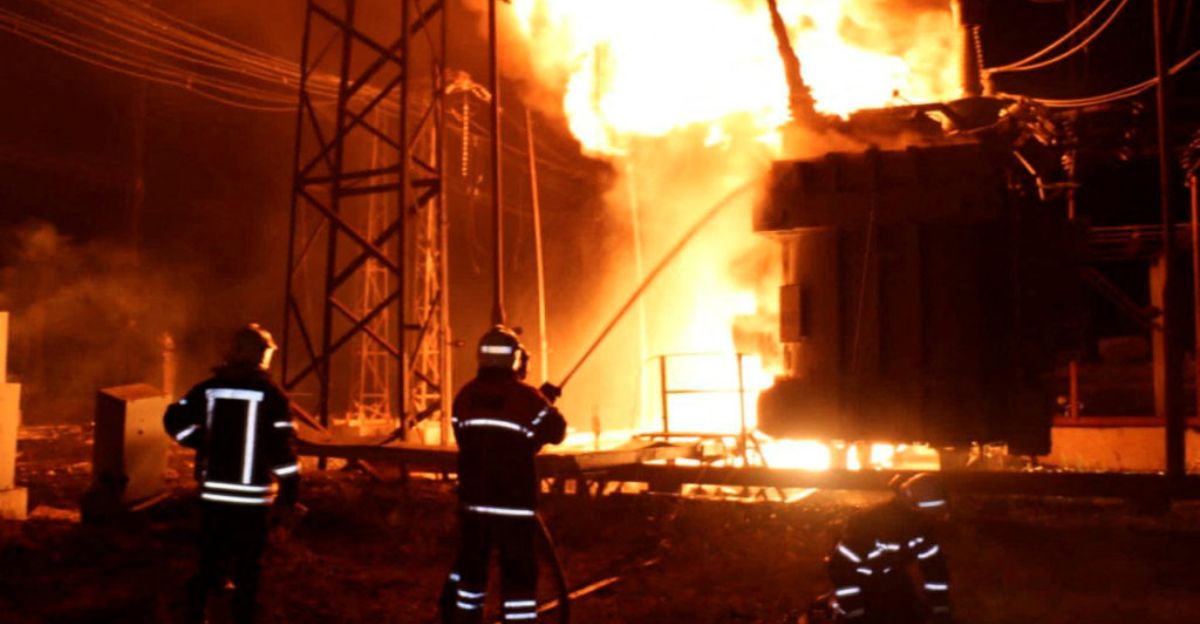
Ukraine’s 2025 campaign fundamentally reshapes conflict strategy. Precision strikes on refineries like Ryazan disrupt fuel supply, revenues, and military readiness. Global energy markets face uncertainty as drone technology proliferates.
Ukraine has shown that economic infrastructure can be a decisive battlefield, making energy security a critical vulnerability in modern warfare. Future conflicts will likely combine conventional military action with targeted economic disruption, emphasizing that controlling energy flow is as strategic as controlling territory.
Sources:
Kyiv Independent. “Ukraine confirms drone strikes on key Russian oil refinery, petrochemical plant.” November 4, 2025.
Kyiv Post. “Drones Hit Russian Oil Refinery, Power Plant in Overnight Strikes.” October 2025.
UNITED24 Media. “Revealed: Full List of Russian Sites Hit by Ukraine’s FP-1 and FP-5 in 2025 Deep Strikes.” 2025.
Carnegie Endowment. “Have Ukrainian Drones Really Knocked Out 38% of Russia’s Oil Refineries?” October 2025.
Moscow Times. “Ukrainian Drones Hit Major Russian Oil Refinery, Chemical Plant.” October 3, 2025.
Euronews. “Built in the shadows, launched at night: Ukraine’s long-range drone strikes on Russian refineries.” November 3, 2025.