On May 2, 2025, a Ukrainian MAGURA V7 naval drone controlled by Group 13, a specialized unit within Ukraine’s Main Directorate of Intelligence, locked onto a Russian Su-30 fighter jet near Novorossiysk and fired an AIM-9M Sidewinder missile, destroying the aircraft. Ukrainian intelligence officials declared the strike historic—the first time a maritime drone has taken down a fighter jet in the history of warfare.
This achievement represents a significant evolution in naval drone capabilities. Ukraine had previously used the MAGURA V5 to destroy two Russian Mi-8 helicopters on December 31, 2024, marking the first-ever aircraft destruction by a naval drone, but the May 2 strike represents the first successful engagement of a high-performance combat fighter jet by a maritime platform.
The engagement represents a dramatic shift in Black Sea naval operations, where inexpensive autonomous platforms are now challenging Russia’s air superiority and forcing military strategists to reconsider assumptions about maritime security.
The Supersonic Target
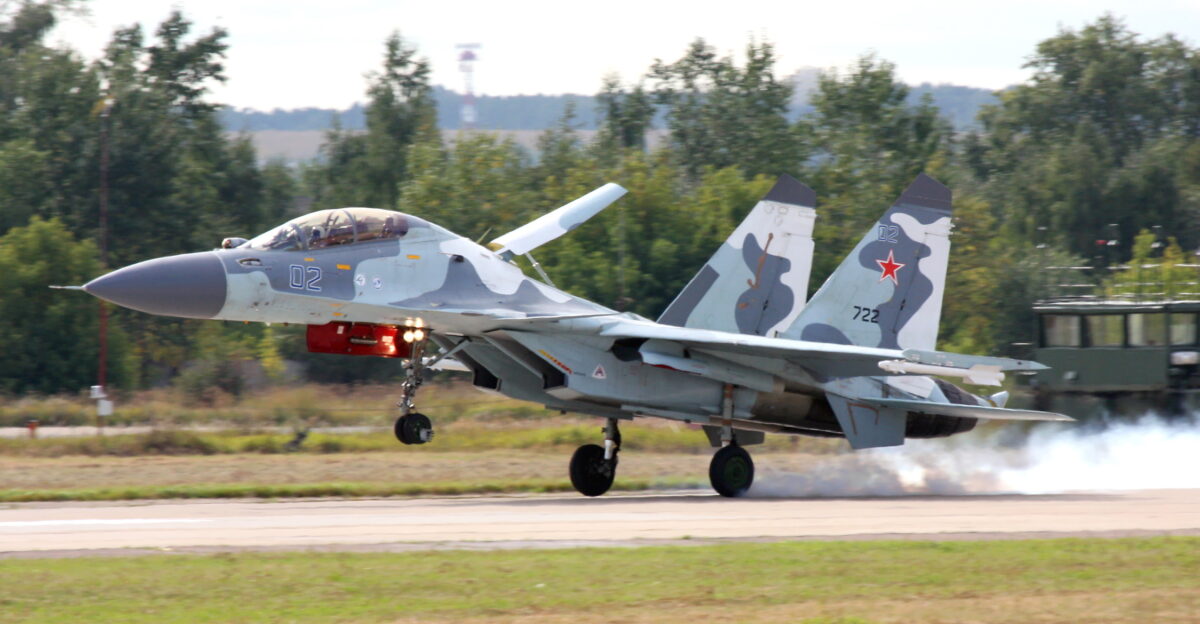
The Su-30 multirole fighter measures 72 feet in length with a 48-foot wingspan, reaches speeds exceeding Mach 2 at altitudes above 56,000 feet, and costs approximately $50 million per unit according to defense analysts. The aircraft belonged to Russia’s Black Sea Fleet naval aviation and was conducting operations near what Russian commanders considered a secure rear area. The loss adds to mounting casualties for Russia’s high-value combat fleet in the region, with previous MAGURA strikes destroying nine Russian vessels since November 2023, including the missile corvette Ivanovets in early February 2024 and the patrol ship Sergey Kotov in early March 2024.
The Advanced Platform
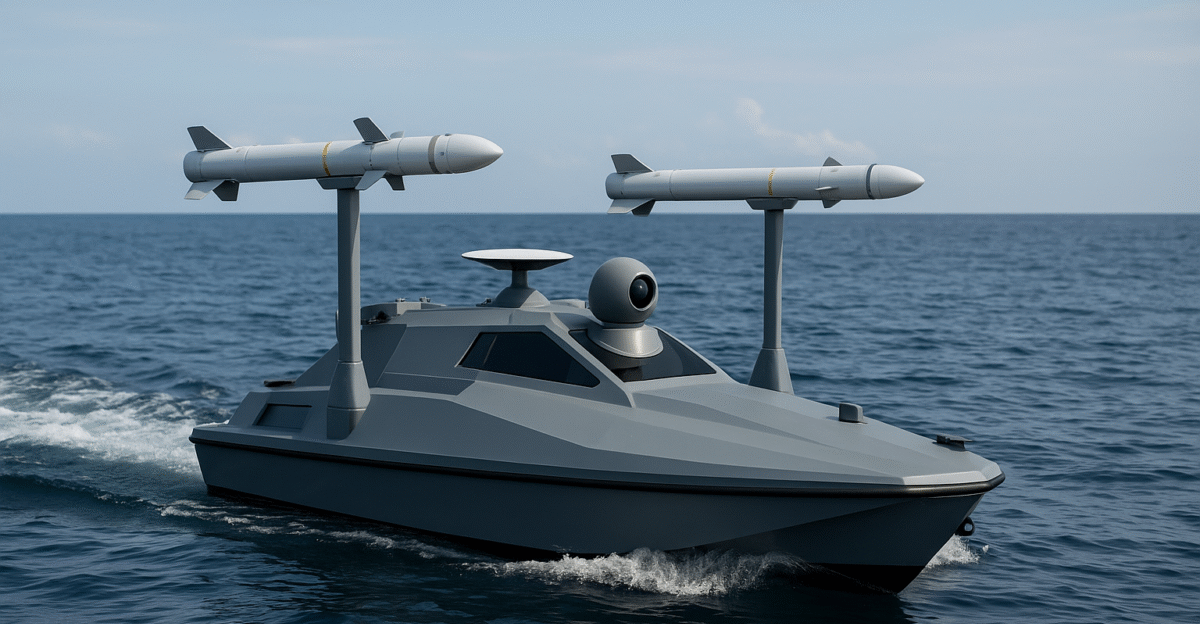
The MAGURA V7 Maritime Autonomous Guard Unmanned Robotic Apparatus measures approximately 8 meters (26 feet) in length—double the size of the V5—and weighs 3,400 kilograms. The larger hull provides improved seaworthiness, enabling operations in up to 3-point wave conditions compared to the V5’s 2-point limit. The drone cruises at approximately 40 kilometers per hour and features a diesel engine rated at 270 horsepower working with expanded 1,200-liter fuel tanks. The V7 operates with an operational range of up to 800 nautical miles (approximately 1,500 kilometers) and can conduct missions autonomously for 48 hours, or up to 7 days when paired with a generator. The drone carries a 650-kilogram payload and operates autonomously far from Ukrainian coastlines, equipped with advanced targeting systems that include a gyrostabilized turret with dual-channel optical modules (thermal and daylight) and fixed launch rails for air-to-air missiles, enabling precise tracking of fast-moving aerial targets.
The Weapon System
Ukrainian engineers adapted the AIM-9M Sidewinder air-to-air missile for sea launch from the MAGURA V7. The missile features an infrared seeker capable of engaging targets up to 60-67 degrees off-boresight. Ukraine mounts two aviation-type launch pylons on the drone for deploying these missiles, with targeting performed by rotating the drone body for horizontal aiming. In contrast, the missile’s infrared seeker handles vertical tracking. The cost-exchange ratio heavily favors Ukraine—a MAGURA V7 valued at approximately $250,000 to $1 million (depending on configuration), destroying a $50 million fighter jet represents a significant asymmetric advantage. The Magura V7 can alternatively be configured with Soviet-made R-73 air-to-air missiles in what Ukraine designates as “Sea Dragon” configuration.
Group 13’s Operational Record
Group 13 has operated MAGURA drones since 2023 under the command of an officer with the call sign “Thirteenth.” The unit’s commander told the Kyiv Post that his team started from zero but built something that fundamentally changed warfare at sea. Ukrainian intelligence estimates total Russian asset losses from MAGURA strikes at approximately $400-500 million. The unit has claimed nine Russian vessels destroyed and now adds fighter jets and helicopters to its operational record, demonstrating the platform’s evolution from reconnaissance capability to an active air defense system.
Strategic Implications
Military analysts note that the engagement likely occurred when the Su-30 flew low to intercept the drone with cannons or rockets, placing the fighter within the missile’s effective range. The successful strike challenges Russian assumptions about air superiority and forces commanders to reconsider operational patterns over previously secure areas. Novorossiysk, which serves as a critical logistical hub for the Black Sea Fleet, is no longer considered safe from autonomous threats.
Following the attack on May 2-3, Russian authorities reported that five people had been injured in the region, with reports of damage to multiple apartment buildings and a grain terminal in Novorossiysk. A state of emergency was declared in the city by local officials.
Evolution of Drone Capability
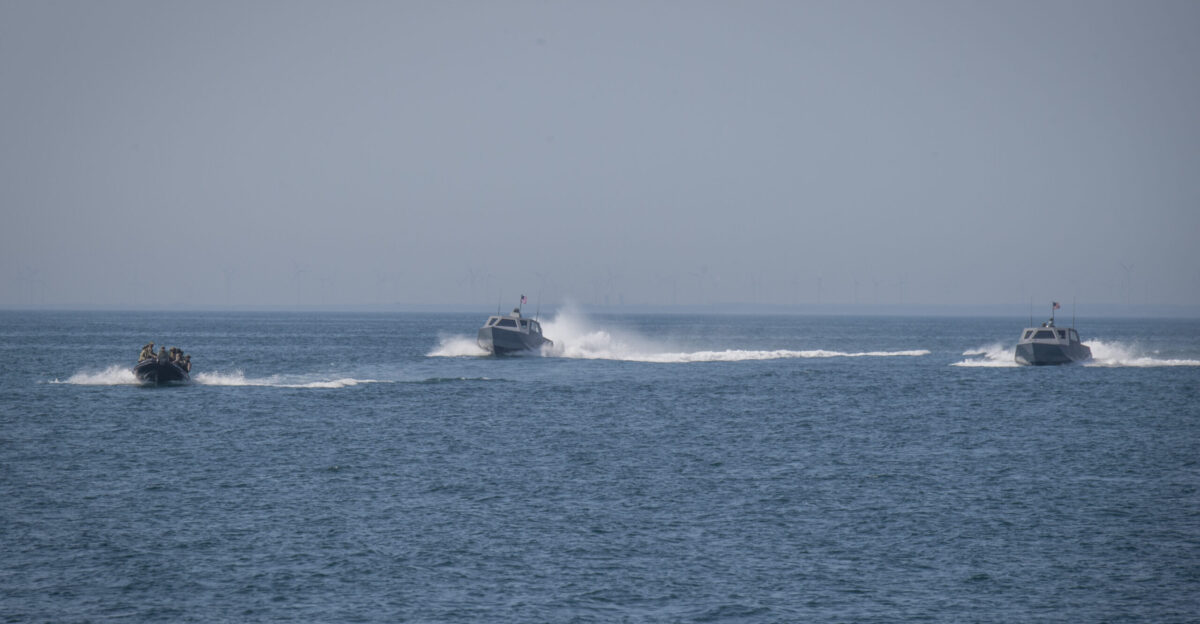
The May 2 strike represents a significant advancement in Ukraine’s drone warfare capability. Ukrainian intelligence reports indicate that cumulative losses over the operational period have reduced Black Sea Fleet operational capacity by an estimated 15 to 20 percent. Russia’s inability to develop effective countermeasures suggests the technological advantage may persist. Ukraine’s drone fleet continues to expand, with multiple MAGURA systems supported through United24 fundraising campaigns. Group 13’s commander has indicated that his unit is continually developing new tactics, potentially including configurations that could enhance combat effectiveness against multiple targets simultaneously.
Sources
Defence Intelligence of Ukraine (HUR) Official Statement May 2–3, 2025
Reuters Reporting on May 3, 2025 incident
Kyiv Independent May 2, 2025 Su-30 engagement
Naval News Technical analysis of Magura V5 platform
BBC Reporting on Group 13 operations, commander interviews
United24 Media / Ukrainian Government Documentation of MAGURA V5