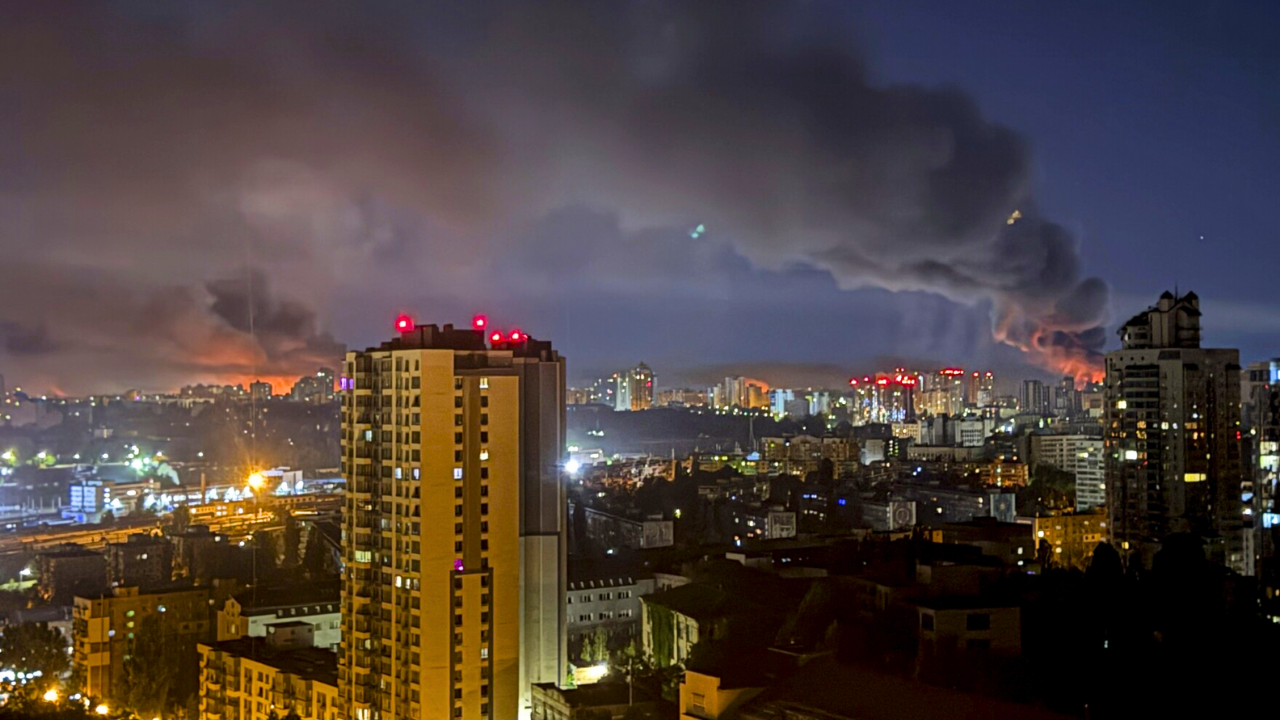
Residents of Moscow were jolted awake in the early hours of December 15 by a series of loud explosions, as Ukrainian drones mounted what Russian officials described as a major aerial attack on the capital spanning the nights of December 14–15. The overnight barrage marked a new escalation in a campaign of long-range strikes that has brought the conflict deep into Russia’s interior and turned the skies over its largest city into an active war zone.
Skies Exposed Over The Capital
Russian air defenses moved quickly, with Moscow Mayor Sergey Sobyanin announcing that several unmanned aerial vehicles had been shot down before reaching central districts. Yet the scale of the attack underscored that even heavily defended airspace is not impenetrable. The drones reached areas well within the Moscow region, highlighting persistent gaps in the city’s protective shield.
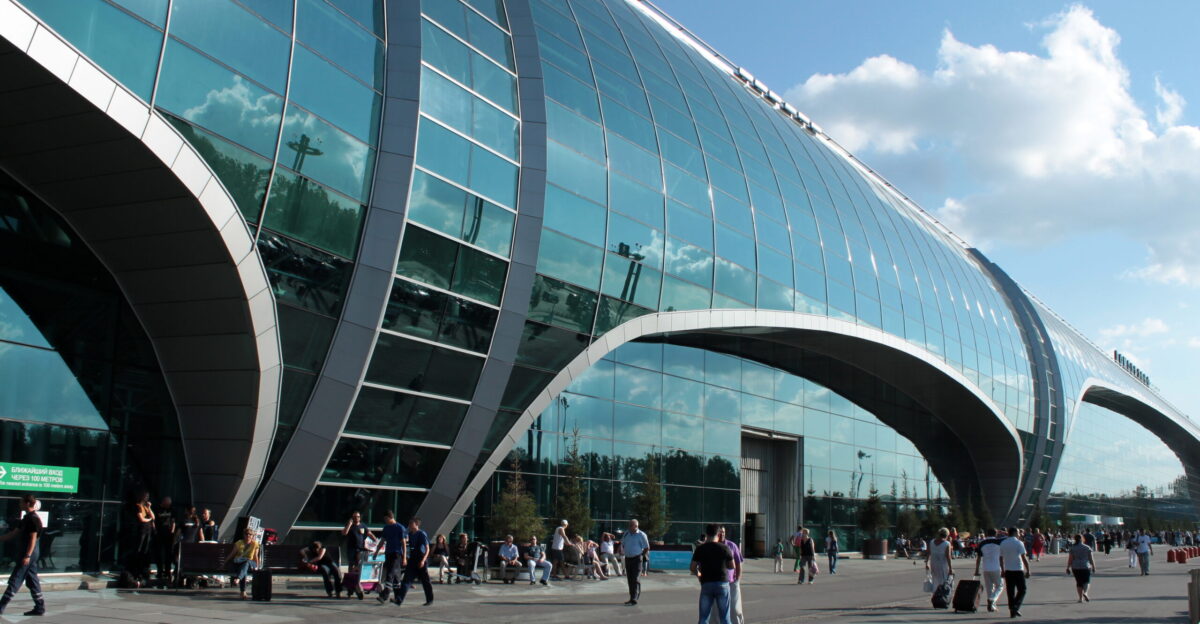
Authorities temporarily halted operations at key airports, including Zhukovsky and Domodedovo, as airspace around the capital was restricted during the interceptions. Even brief closures pointed to the seriousness of the perceived threat: any object approaching Moscow’s skies now triggers a complex response involving fighter jets, surface-to-air systems, and emergency services on the ground.
Officials reported no casualties from the latest wave, but the message was clear. The war is no longer confined to front-line regions hundreds of kilometers away; it now routinely tests the defenses of Russia’s political and economic center.
Ukraine’s Expanding Drone Reach
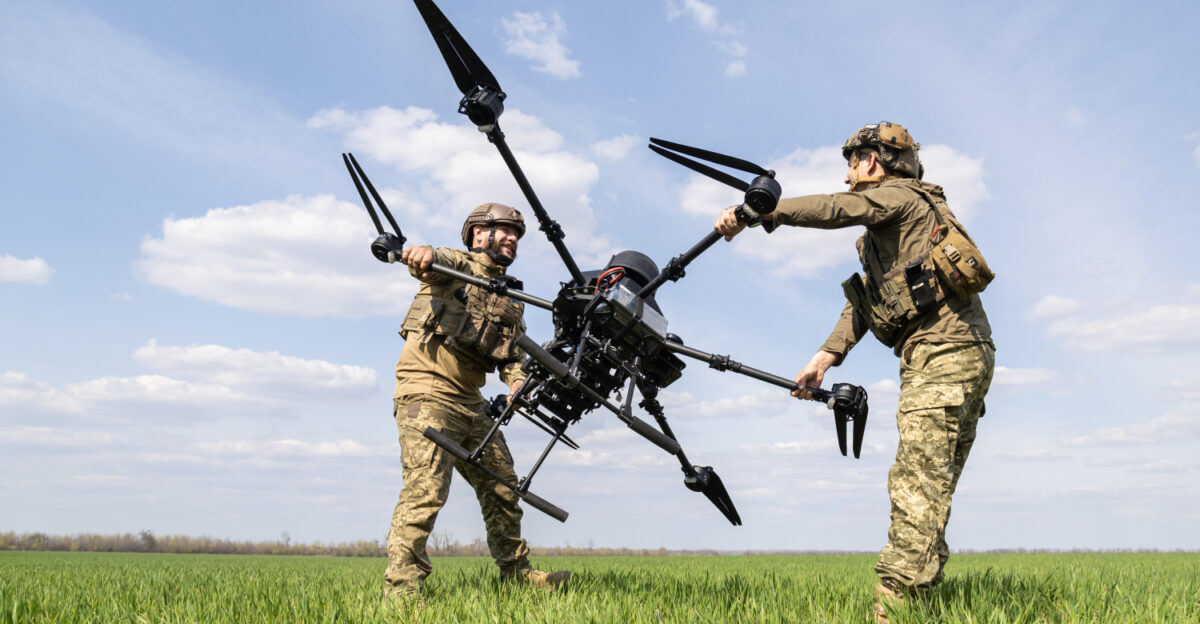
Ukraine has steadily developed long-range unmanned systems into a central element of its strategy, using them to hit oil facilities, industrial plants, and military infrastructure across Russia and Russian-occupied territory. Recent strikes have reportedly included facilities such as the Afipsky oil refinery in Krasnodar Krai and fuel depots in Crimea, aiming to disrupt logistics and reduce Russia’s capacity to sustain operations.
Kyiv maintains deliberate ambiguity over responsibility and targeting decisions, but Ukrainian officials have openly described deep strikes as a legitimate response to Russia’s own attacks on Ukrainian cities and energy grids. The December 14–15 assault on the Moscow region followed another large drone wave on December 10, when more than 30 drones targeted the capital and surrounding areas. Taken together, the operations suggest a campaign designed to stretch Russian air defenses, force them to disperse, and impose mounting economic and psychological costs.
Each new wave also reflects an evolving playbook. Ukrainian forces have been launching drones from multiple directions and at varying altitudes, complicating tracking and interception. For Russia, the need to engage dozens of relatively inexpensive drones with costly interceptor missiles risks becoming a long-term strain on both matériel and personnel.
Life Under Repeated Alerts
For many Muscovites, the conflict has shifted from televised images to an unsettling daily reality. In districts such as Istrinsky, roughly 40 kilometers from the city, as well as in the southern areas of Kashira and Kolomna, residents reported hearing explosions and seeing flashes in the sky as air defense units engaged incoming drones. Local messaging channels quickly filled with accounts of blasts and falling debris, even as official statements emphasized that no fatalities had occurred.
Emergency crews were dispatched to inspect impact sites and remove remnants of downed drones. While damage reports were limited, the psychological effect has been cumulative. Nighttime sirens, sudden airport closures, and intermittent booms have become part of the backdrop of life in a metropolis of roughly 21.5 million people in the Moscow metropolitan area.
The risk of collateral damage from debris remains a constant concern. Even successful interceptions can send fragments onto residential areas, industrial zones, or transport infrastructure sprawling across the Moscow region. The proximity of strategic targets to densely populated districts magnifies that risk with each new round of attacks.
Strain On Airspace And Infrastructure
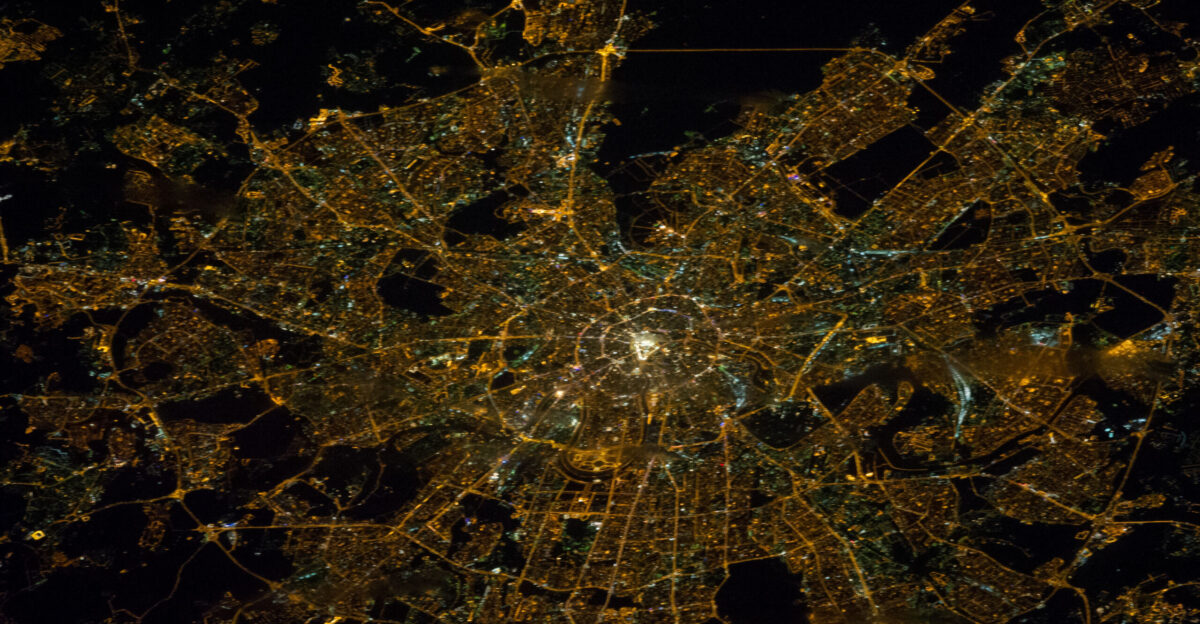
The repeated drone incursions are imposing less visible but significant pressures on Russia’s transportation and security systems. Moscow’s airports, which handle thousands of flights daily, have faced recurring disruption as authorities close or restrict segments of airspace during attacks. Earlier drone waves led to extensive delays and cancellations, affecting both domestic routes and international connections.
Airlines must reroute flights, keep aircraft on the ground longer than planned, and absorb higher fuel and staffing costs when schedules are thrown off. Passengers are left facing missed connections and extended waits. Over time, these interruptions can erode Moscow’s position as a major aviation hub and complicate logistics for businesses that rely on predictable air links.
Behind the scenes, air defense crews and emergency services are working at a sustained tempo. Each alert requires radar tracking, target identification, and coordinated responses across multiple units. Officials continue to report high interception rates, but the steady cadence of attacks raises questions about how long such an intensive posture can be maintained across Russia’s extensive territory.
A Conflict Redrawn In The Air
The December 14–15 attack signals a broader shift in how the war is being fought. Moscow, once perceived as insulated from direct blows, has become a recurring target in a long-range contest that now includes oil facilities, refineries, depots, and urban regions hundreds of kilometers from the front line. For Ukraine, drones offer a way to reach deep into Russia’s rear and pressure its war economy; for Russia, they present a persistent challenge to the credibility and capacity of its air defenses.
As Ukrainian tactics adapt and Russian countermeasures evolve, the airspace over and around Moscow is likely to remain contested. Future developments in drone technology, electronic warfare, and air defense systems will shape how this phase of the conflict unfolds. For residents, the main questions are how effectively their city can be shielded, and whether the frequency and intensity of aerial attacks will continue to rise as both sides seek new ways to gain advantage.
Sources:
Kyiv Independent – “Wave of Ukrainian drones targets Moscow in reported overnight strike” (December 14, 2025)
UNN (Ukrainian News Network) – “Moscow attacked by drones: explosions heard, local airports suspended operations” (December 15, 2025)
Evrimagaci – “Ukrainian Drone Strikes Hit Moscow And Russian Oil Sites” (December 14, 2025)