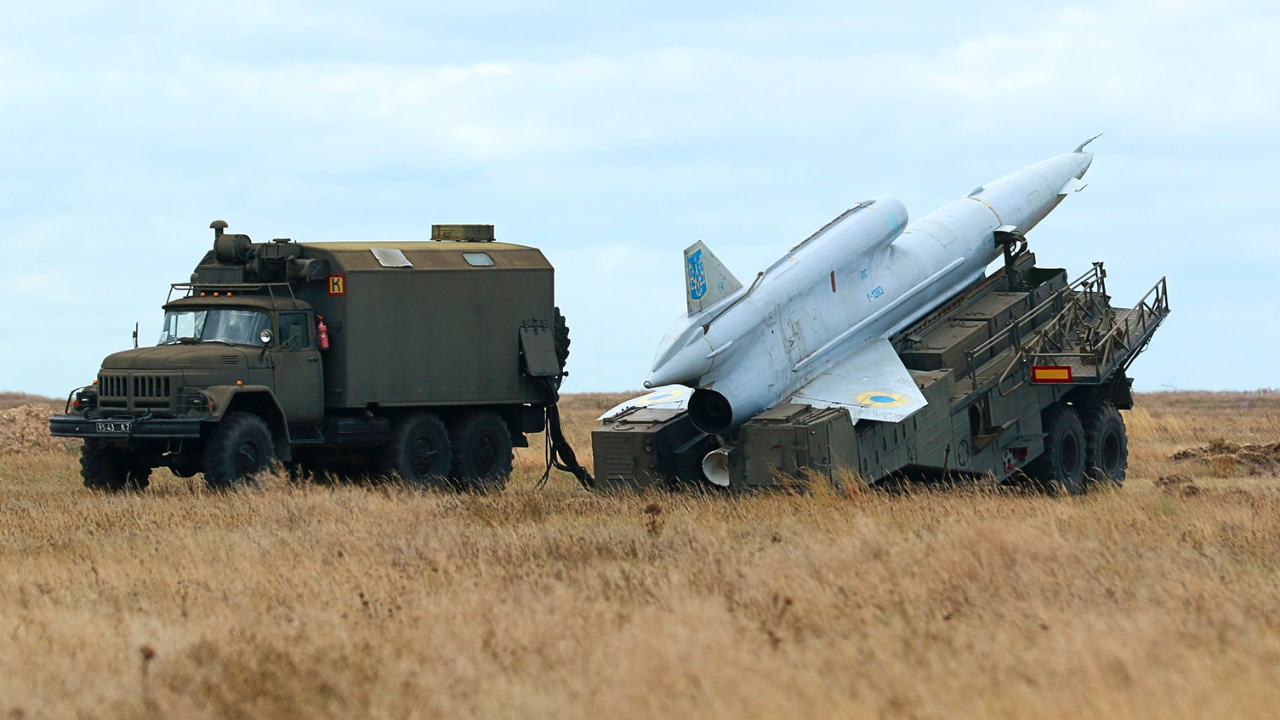
The night sky over occupied Crimea lit up with explosions on November 13, 2025, as Ukraine launched its most ambitious coordinated strike yet. Fireballs erupted across multiple Russian military installations simultaneously, marking the battlefield debut of the Flamingo cruise missile—Ukraine’s homegrown answer to Western Tomahawks.
Carrying 1,150 kilograms of explosives per warhead and capable of reaching targets up to 3,000 kilometers away, the Flamingo announced a new reality: Russia’s rear positions were no longer safe.
Command Posts Destroyed in Zaporizhzhia Oblast

Ukrainian forces struck deep into Zaporizhzhia Oblast, hitting command posts of Russia’s 5th Combined Arms Army and the 127th Motor Rifle Division. The General Staff confirmed these precision strikes disrupted Russian command and control systems in the southern theater, undermining their operational effectiveness.
For military analysts, the value of these strikes goes beyond the physical damage. Taking out command posts degrades Russia’s ability to coordinate defenses and launch counterattacks.
Oil Terminal and Airfield Infrastructure Hit Hard in Crimea

The Morskoy Neftyanoy Terminal, a major oil storage facility in Crimea, was set ablaze as Ukrainian missiles found their marks. At the same time, Kirovske airfield took heavy damage, with strikes destroying helicopter parking areas and drone storage facilities. These weren’t random targets—they were carefully chosen to strike at the logistical backbone of Russian operations in occupied Crimea.
Fuel depots and airfields are the arteries that keep military operations alive, and their destruction forces Russia to scramble for alternatives while limiting their ability to resupply and project force across the region.
Ukraine Unveils the Flamingo
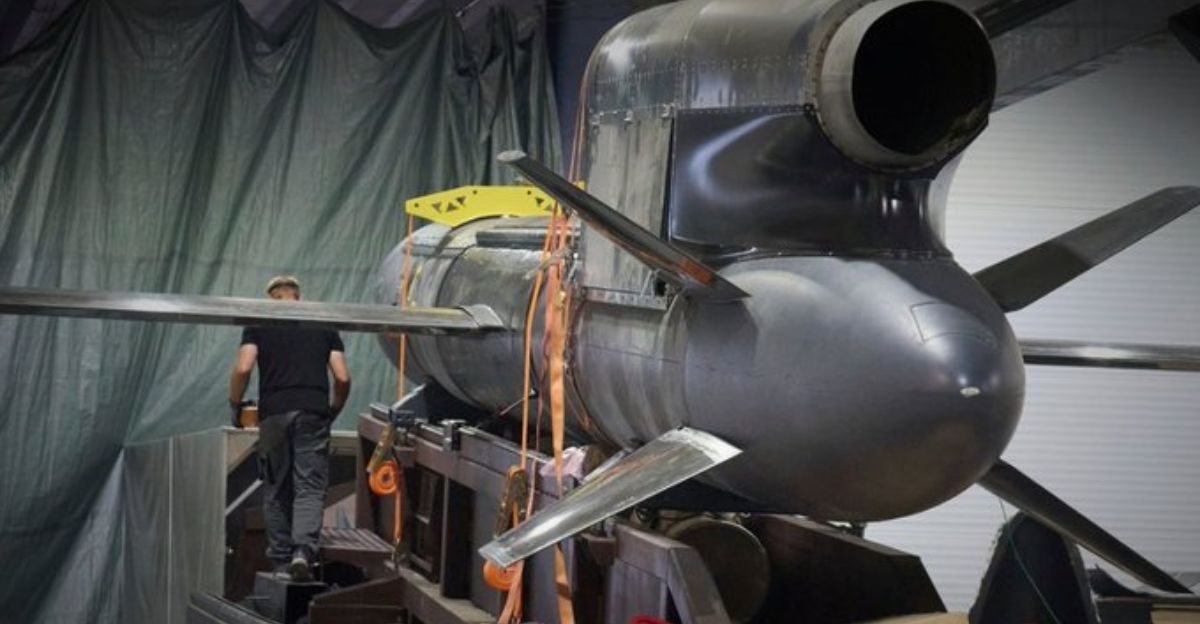
President Zelensky first revealed the Flamingo missile in August 2025, calling it one of Ukraine’s most successful military assets. With a one-ton warhead and the ability to reach targets deep inside Russia—including major cities—the Flamingo represents a major leap in domestic defense capability.
It’s not just about having a powerful weapon; it’s about Ukraine gaining the ability to strike on its own terms, without waiting for Western approval or supplies.
First Multi-Front Barrage
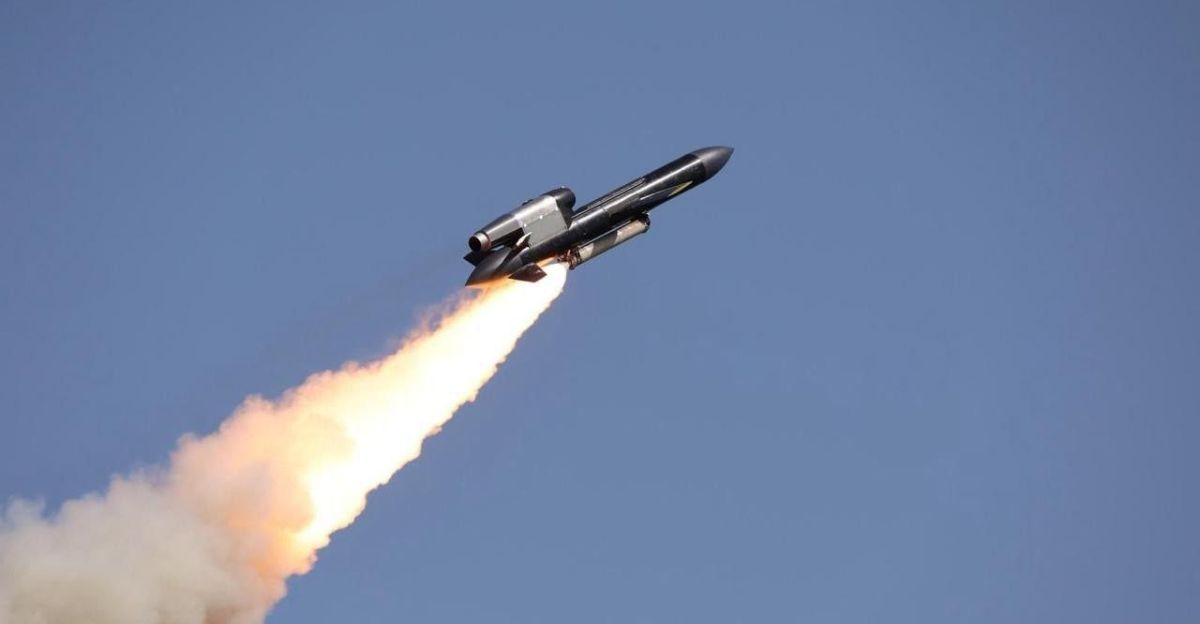
This operation marked the Flamingo’s first deployment across three separate zones: Crimea, Zaporizhzhia Oblast, and targets inside Russia itself. Ukrainian forces combined Flamingo missiles with Bars missiles and Liutyi loitering drones in what the General Staff described as “complex, multi-vector attacks.”
The strategy was designed to overwhelm Russian air defenses by spreading their resources thin and preventing them from mounting effective countermeasures.
Full Damage Assessment Still Underway

Ukraine’s General Staff confirmed that the scale of damage is still being assessed. Communication delays, ongoing combat operations, and security constraints mean comprehensive destruction reports aren’t immediately available.
Early confirmation of fires and explosions at infrastructure sites suggests significant material losses; however, the whole picture will require time to develop through satellite imagery and on-the-ground intelligence.
Explosions Reported Deep Inside Russia’s Oryol Region
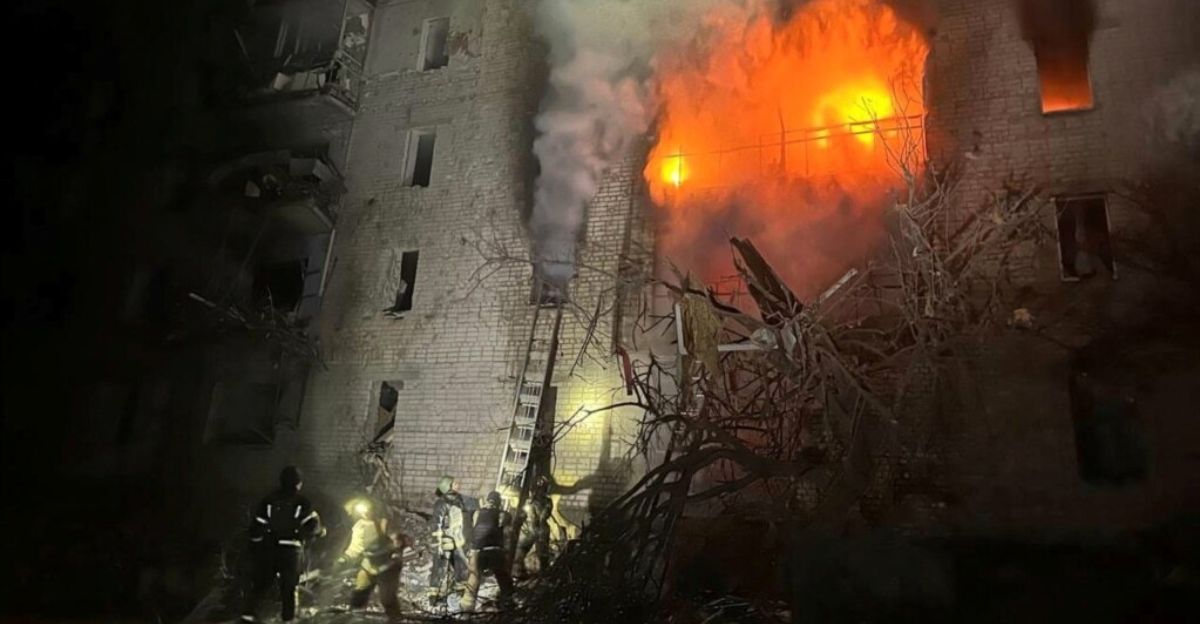
Explosions in Russia’s Oryol region sent a clear message: Ukrainian forces can now reach deep into Russian territory. Local media and Telegram channels shared footage of blasts and falling debris in residential areas. Ukrainian forces confirmed these strikes, demonstrating an ability to threaten Russia’s heartland far beyond the frontlines.
The psychological impact of attacks inside Russia proper adds a new dimension to the conflict, shifting the narrative from a distant war to something that touches ordinary Russian citizens.
Nearly 2,500 Pounds of Explosives
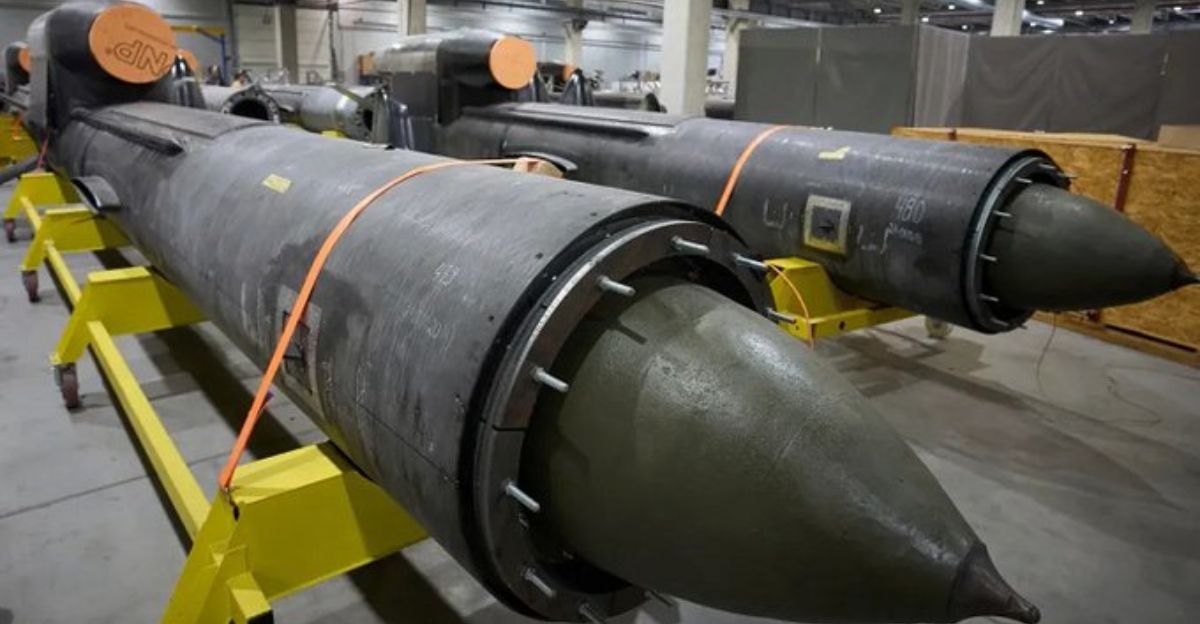
Every Flamingo missile packs a 1,150-kilogram warhead—nearly 2,500 pounds of explosives adapted from Soviet-era aerial bombs but guided by modern satellite navigation. Flying at speeds between 850 and 950 km/h and at altitudes as low as 50 meters, the Flamingo can evade radar detection and deliver devastating strikes.
This capability is the result of years of Ukrainian engineering work during the ongoing war, which combines old and new technologies in innovative ways.
Radar Station Destroyed
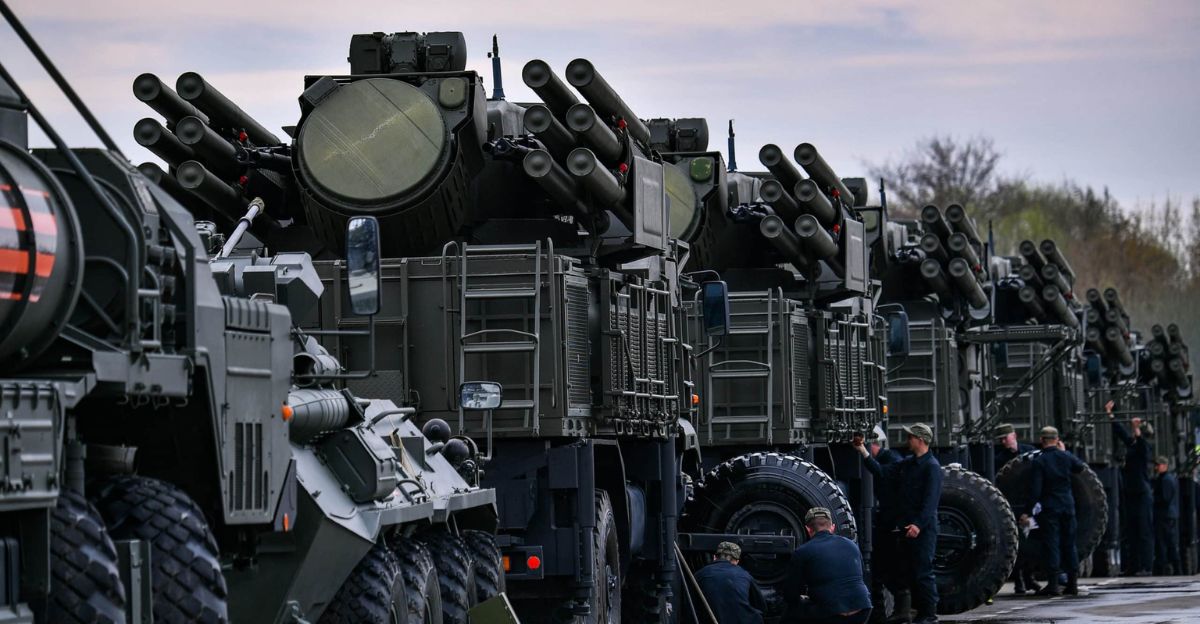
A radar installation near Yevpatoriya in Crimea was destroyed in the strikes, degrading Russian air-defense coverage across the region. According to the General Staff, losing this early-warning system removes critical detection and fire-control functionality, making Russian assets more vulnerable to future attacks.
Radar stations are the eyes of air defense systems, providing advanced warning and targeting data. Without them, Russia’s ability to counter incoming missiles and drones is significantly compromised, creating gaps that Ukrainian forces can exploit in subsequent operations.
Berdyansk Engulfed in Flames

Ukrainian strikes on an oil depot near Berdyansk created massive fires and thick black smoke visible for miles. The General Staff reported these facilities were supporting forward-deployed Russian units, making them critical links in the supply chain. Their destruction disrupts fuel supplies and hinders Russia’s ability to maintain operations along the southern front.
Targeting logistics infrastructure is a calculated strategic move designed to degrade Russian operational mobility over time, making it harder for them to sustain offensive operations or mount effective defenses.
Ukraine Built This Weapon

Fire Point, a private Ukrainian defense contractor established in 2022, manufactures Flamingo missiles under strict secrecy. Powered by a repurposed Ivchenko AI-25TL turbofan engine and equipped with modern navigation technology, the Flamingo gives Ukraine strike independence, freeing it from reliance on Western systems and the policy restrictions that come with them.
This engineering achievement highlights Ukraine’s capacity for indigenous weapon development under intense wartime conditions. It’s a reminder that Ukraine isn’t just fighting with borrowed weapons—it’s building its own defense industry from the ground up.
Production Up to Three Missiles Per Day
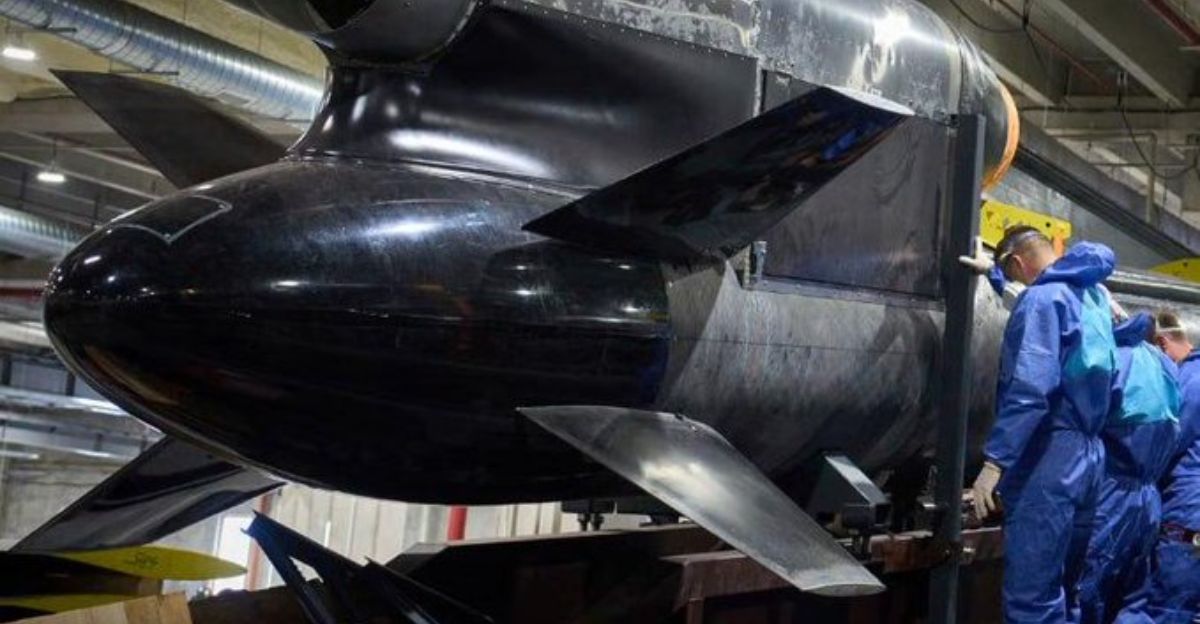
Industry sources report that Fire Point produces two to three Flamingo missiles daily, at a cost of approximately $500,000 per unit. This production rate makes Flamingo significantly cheaper than many Western alternatives while offering competitive capability. President Zelensky announced plans to ramp up production to 210 units per month by year’s end—a tenfold increase that reflects growing confidence in the system’s battlefield value.
The ability to mass-produce these weapons domestically changes the calculus for Ukraine, giving them a sustainable supply of long-range strike capability.
Corruption Probe

Despite the Flamingo’s battlefield success, Fire Point faces investigation by Ukraine’s National Anti-Corruption Bureau for allegedly inflating component prices and misleading the government on deliveries. The probe is examining whether Timur Mindich, a former business associate of President Zelensky, is an undisclosed beneficiary of the company.
These inquiries highlight ongoing challenges around Ukraine’s defense procurement and raise questions about transparency and oversight. Fire Point denies any wrongdoing and has commissioned an international audit to address concerns about its financial practices, but the investigation continues.
Anti-Corruption Efforts Complicated

Strict wartime security protocols around arms production complicate investigators’ efforts to scrutinize financial flows and verify pricing accuracy. Ukrainian officials acknowledge that secrecy limits independent investigation, raising risks of cost inflation or abuse even as it protects sensitive military information.
It’s a tricky balance—maintaining operational security while ensuring accountability and preventing corruption. Fire Point maintains that it operates transparently within the constraints of martial law, but critics argue that the opacity creates opportunities for financial misconduct that require closer examination.
Multi-System Coordinated Attack
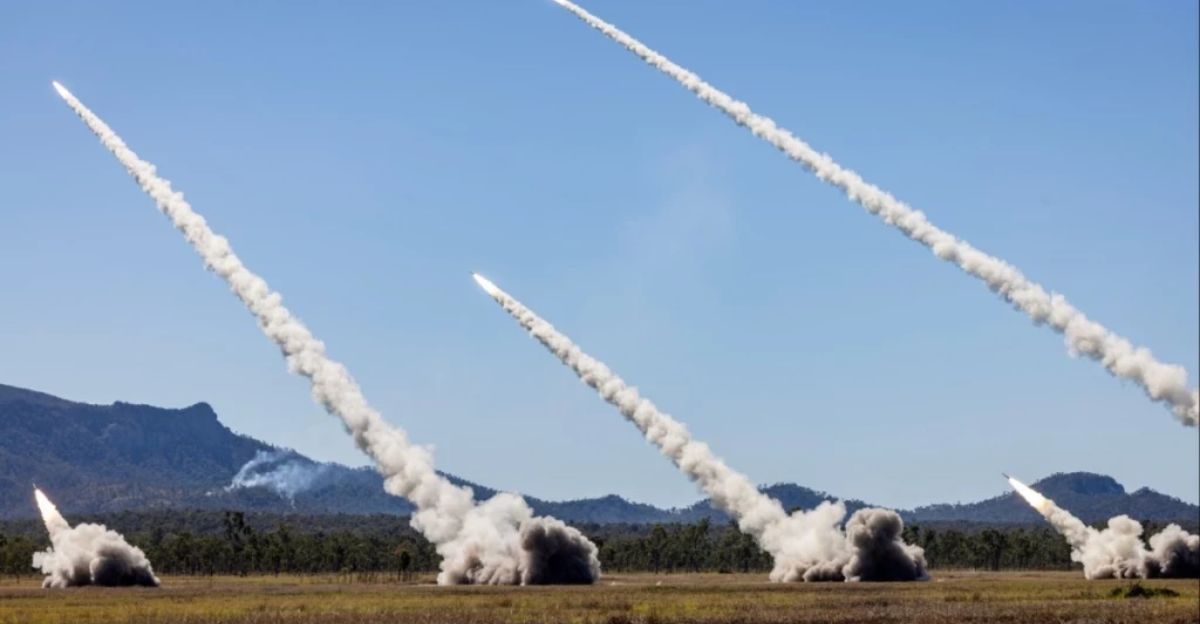
When Ukraine’s General Staff announced a coordinated assault, the war entered a new chapter. Attack drones, loitering munitions, and long-range missiles—including the homegrown Flamingo, Bars, and Liutyi systems—struck simultaneously across three fronts, each weapon system perfectly timed to amplify the impact of the others.
What unfolded wasn’t just another military operation; it was a masterclass in integrated warfare, proof that Ukraine’s defense industry has matured from desperate improvisation to calculated precision. The balance of power had shifted, and Moscow now understood what Kyiv already knew: Ukraine was no longer just surviving this war. It was reshaping the battlefield on its own terms