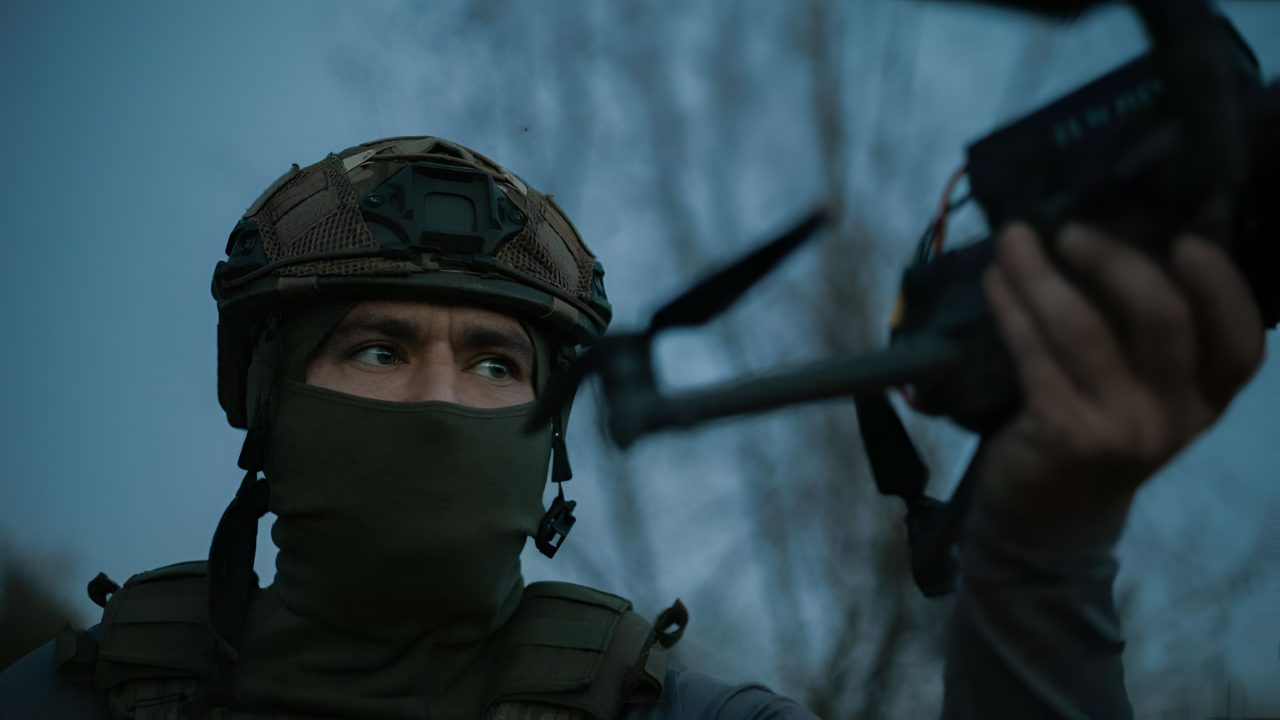
On December 26, Ukraine’s drones struck Russia’s 14th GRU Special Forces headquarters near Mariupol while families celebrated. By dawn, 51 elite Russian operatives lay dead. Another 76 were wounded. The hunters became the hunted in a single coordinated nighttime assault.
The Unmanned Systems Forces had just executed what military analysts call a generational loss for Moscow’s most secretive military intelligence unit.
The Drones That Changed Everything
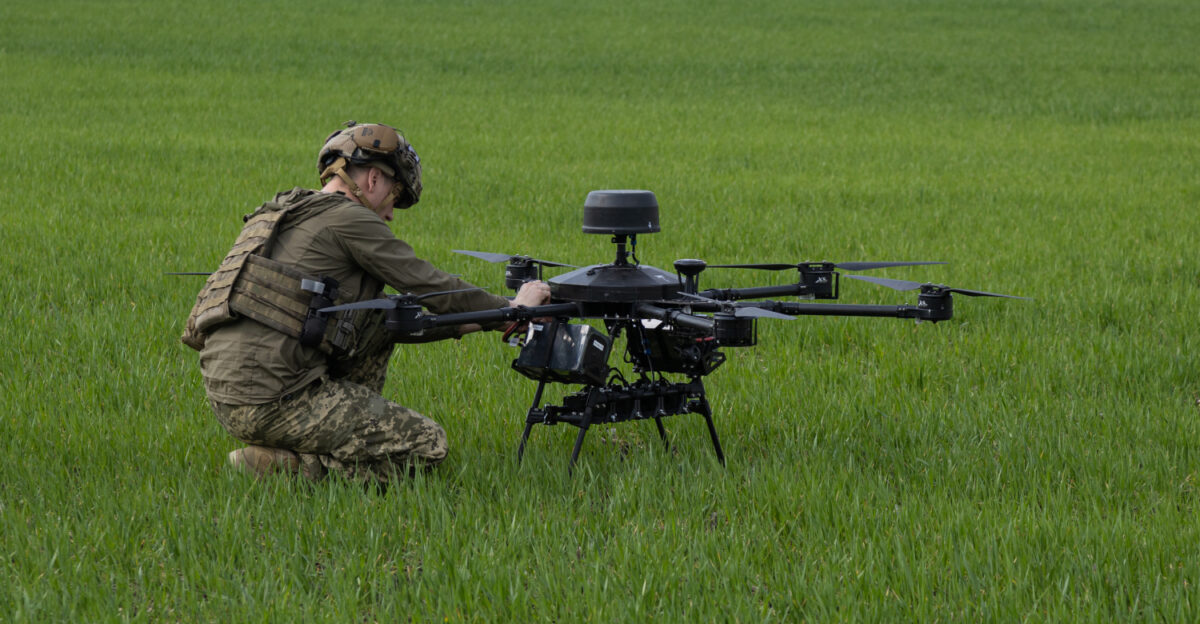
Meet the Vampire—Ukraine’s homegrown heavy bomber drone nicknamed “Baba Yaga” after the Slavic witch who flies through darkness. Each costs roughly $20,000. Each carries a payload of 9 to 18 kilograms of explosives. These machines operate exclusively at night, using thermal imaging, transforming Russian darkness into their tactical playground.
A single Baba Yaga drone is unremarkable. But flying coordinated swarms? They become a nightmare that Moscow’s generals cannot stop.
Commander Madyar Rises from Conscript
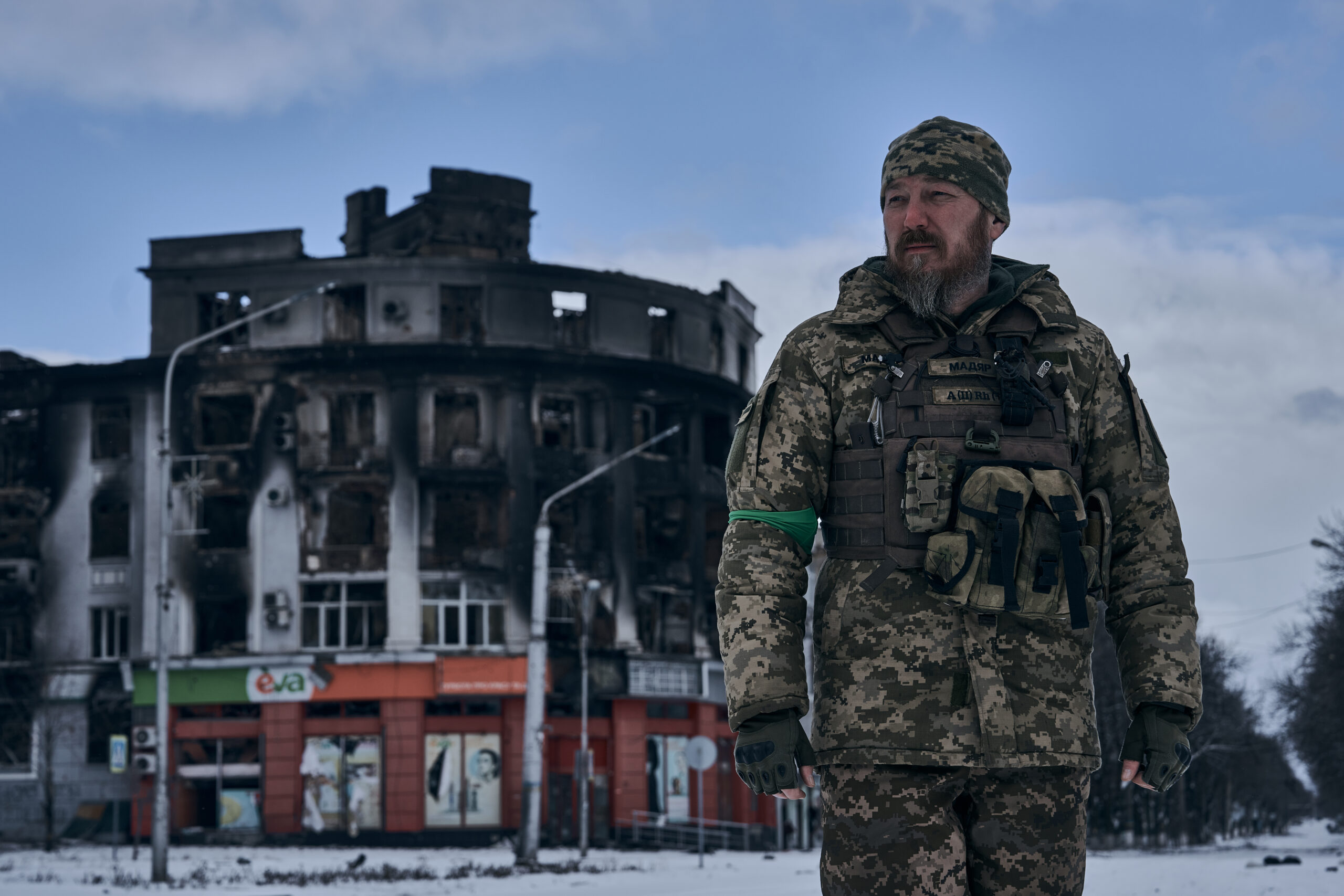
Robert Brovdi was a grain trader before the war. When Russia invaded in February 2022, he was conscripted. Within three years, the 49-year-old Hungarian-Ukrainian rose to command Ukraine’s entire Unmanned Systems Forces, comprising over 50,000 drone operators.
His callsign is Madyar, Ukrainian for “Magyar.” He represents a new generation of commanders: social media-savvy, innovative, and utterly relentless in pursuit of Russian targets across occupied territory.
The Intelligence That Made the Strike Possible
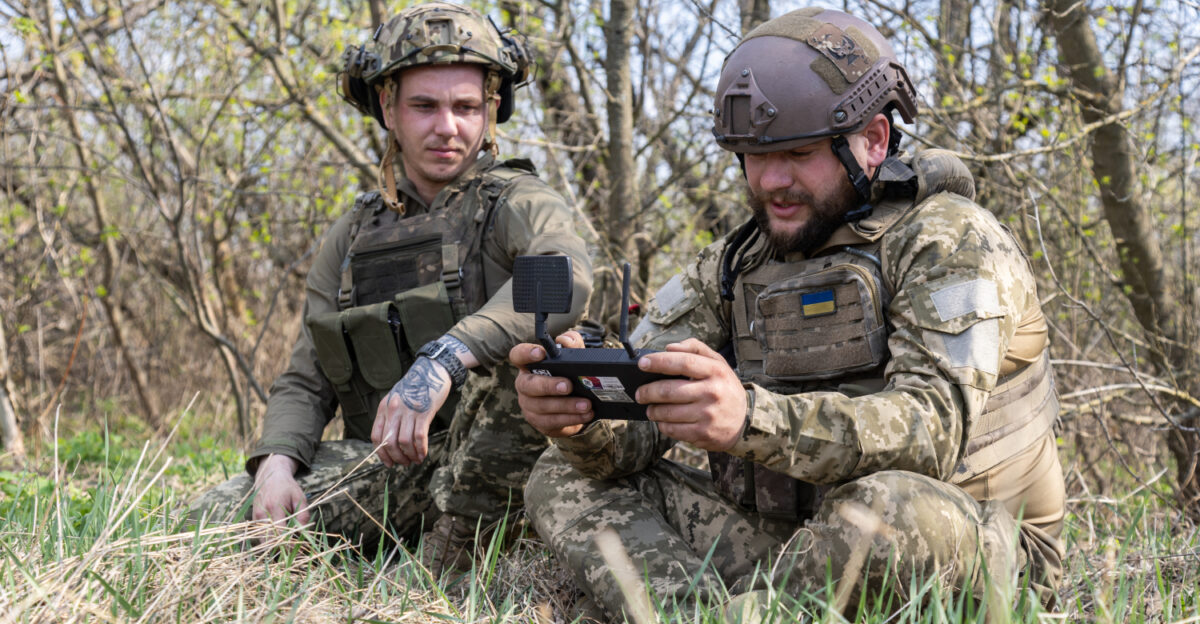
How did Ukraine know exactly where to strike on Christmas night? The operation reveals sophisticated intelligence networks operating inside Russian-held territory. Ukrainian spotters maintained persistent surveillance over the GRU headquarters compound in Berdyanske settlement.
Real-time imagery from reconnaissance drones confirmed troop movements. Body counts afterward were video-verified. The information flow suggests Ukraine’s military intelligence penetrates deeper into Russian operations than Moscow understands.
The Moment the Drones Came
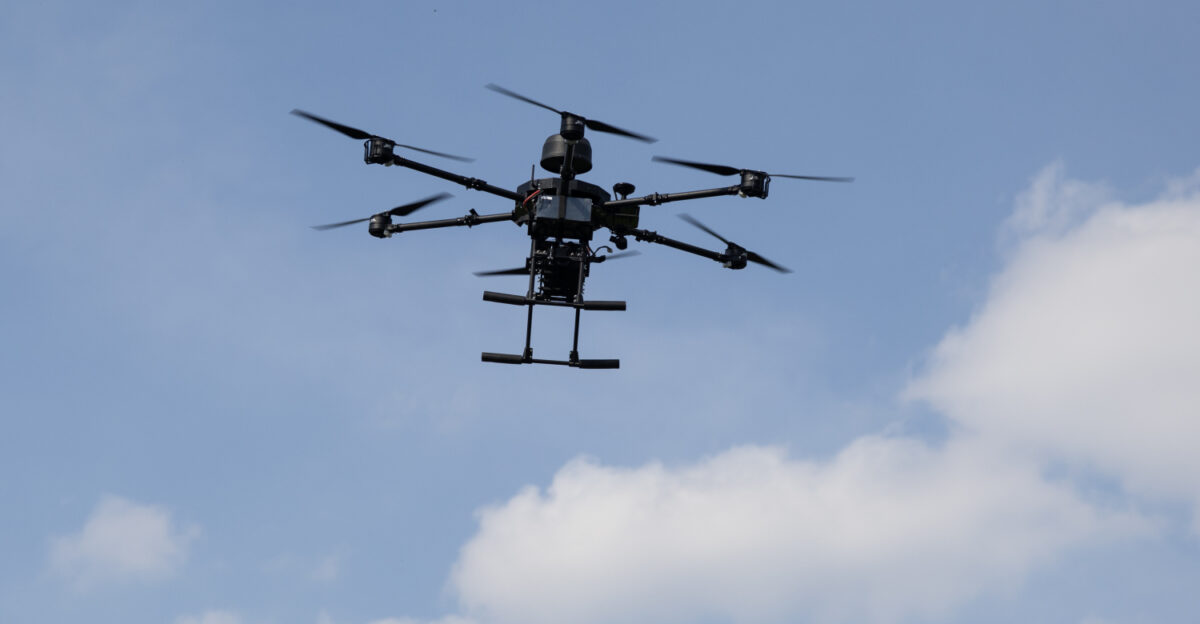
Russian soldiers heard them first—the deep mechanical thrum of approaching Vampire hexacopters cutting through December darkness. Thermal cameras locked onto the position. No escape routes available. No air defense nearby. Just the sound growing louder, louder, then the impacts that erased 120 Russian elite operatives from the battlefield.
Veterans report that the psychological terror of that sound still haunts their dreams. Drones have become the most feared weapon in occupied Ukraine.
Numbers That Shock the Military World
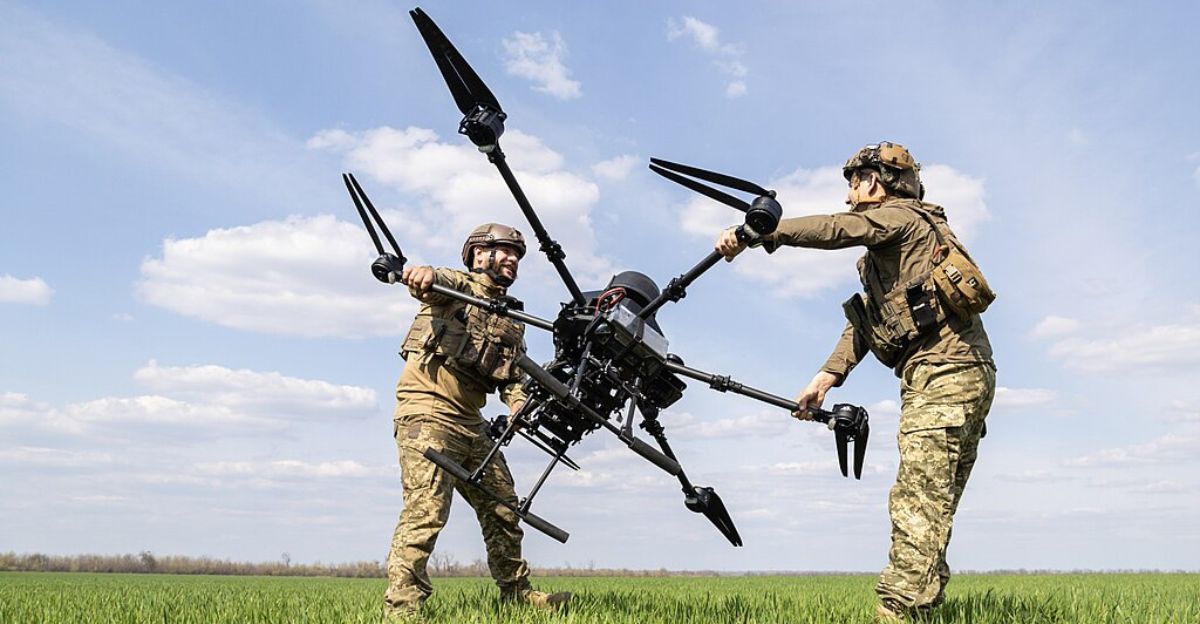
Ukraine’s drone forces comprise just 2% of personnel. Yet they cause one-third of all Russian casualties. Think about that mathematical reality: fewer than 1,000 drone operators have wounded or killed more Russian troops than entire brigades of conventional infantry.
By December 2025, these operators neutralized 33,000 Russian troops in a single month alone. Force multiplication at this scale has never existed in modern warfare.
The 14th GRU: Russia’s Most Elite, Now Decimated
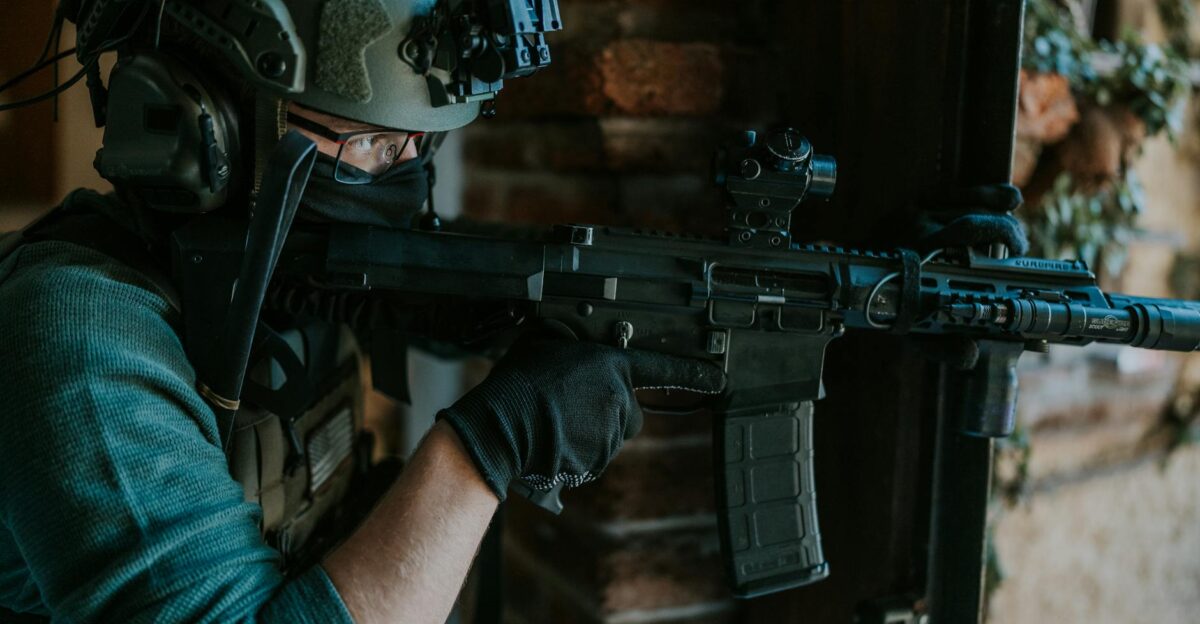
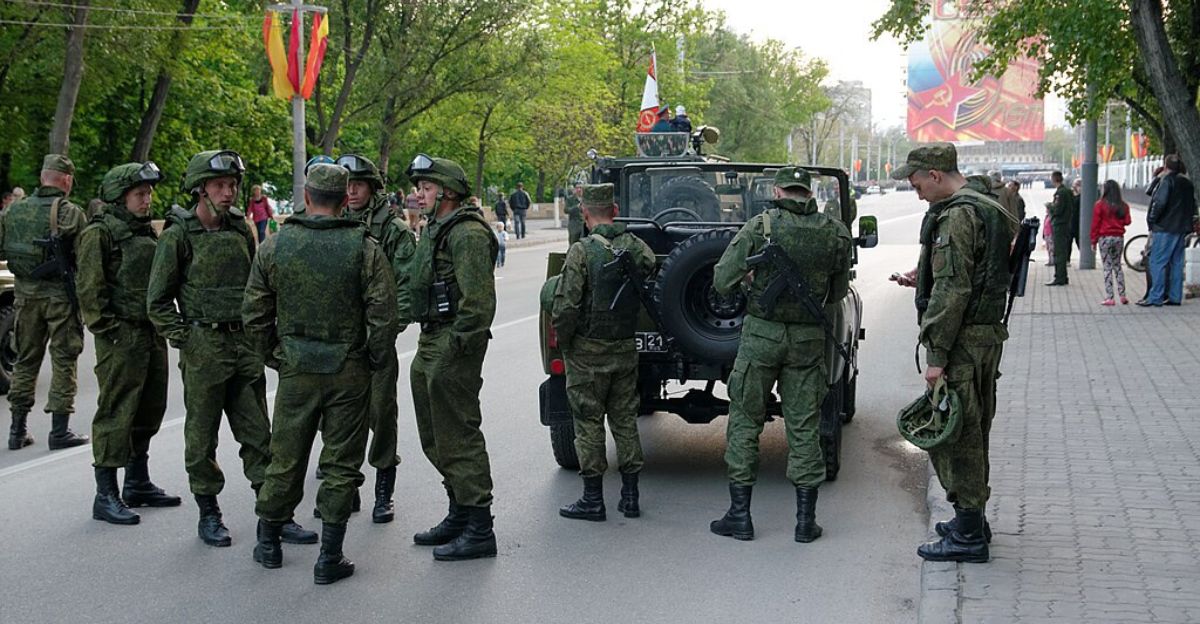
These weren’t conscripts. The 14th Guards Special Purpose Brigade represents Russia’s finest military intelligence operatives—spetsnaz trained for complex reconnaissance and covert operations. Based in Russia’s Far East, the unit fought in Soviet Afghanistan, both Chechen wars, and Syria before deploying to Ukraine.
Yet Christmas night proved that elite training offers zero protection against drones hunting at night. No tradition matters when hunters become hunted.
More Than Elite Soldiers Die That Night
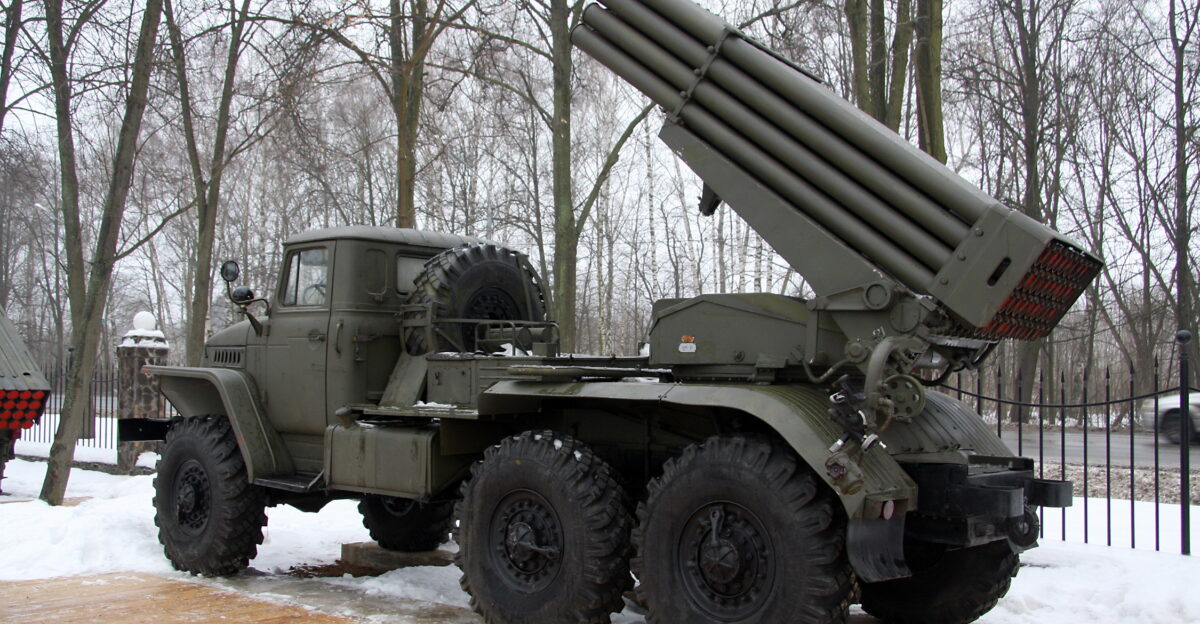
The strike extended beyond the GRU headquarters. Simultaneous drone assaults hit logistics depots near Starobeshevo and Volnovakha. Two Grad MLRS systems—capable of striking targets 20 kilometers away—were destroyed. Each launcher carries roughly 40 rockets.
Russia lost approximately 80 rounds of artillery firepower in a single coordinated operation. The damage extends far beyond the immediate casualties, disrupting Russian logistics networks for weeks to come.
The Psychological Warfare Component
Ukraine deliberately weaponizes drone footage for psychological impact. After each major strike, videos circulate showing nighttime thermal imagery of impacts, explosions, and confirmed kills. Russian soldiers watch these videos.
They understand that nowhere is safe—not at night, not in rear areas, not even in supposedly secure compounds. This psychological effect compounds the physical toll, driving attrition rates through combat stress and post-traumatic stress disorder.
Madyar’s Birds: A Unit Born From Chaos
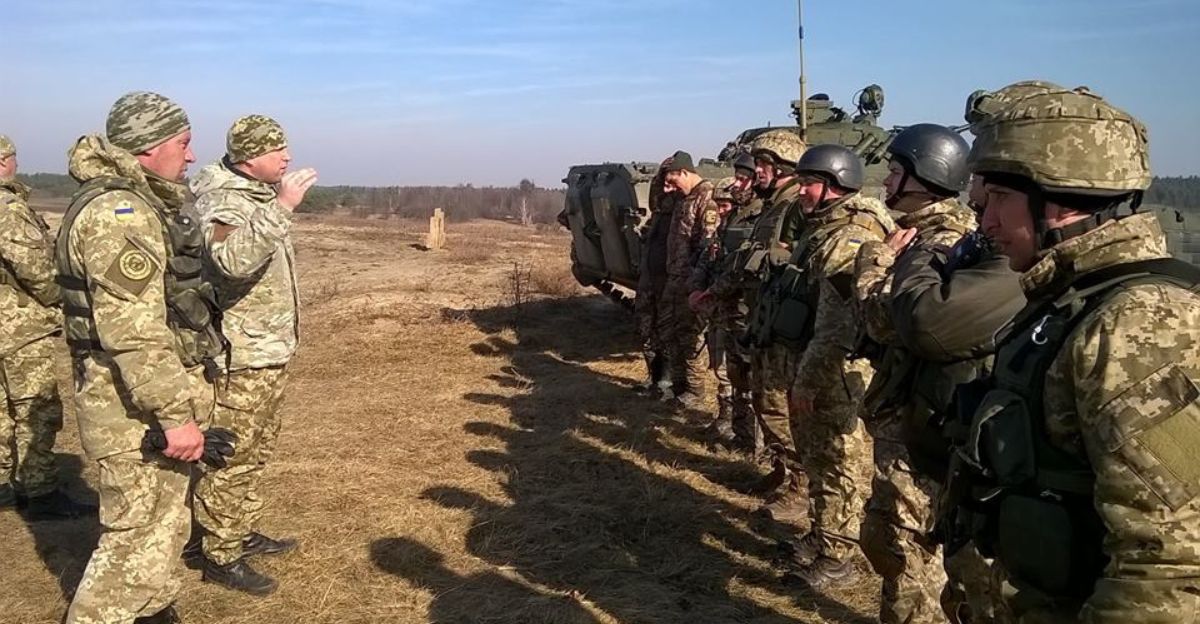
The 414th Brigade started as a platoon in 2022. Madyar and soldiers improvised by attaching grenades to commercial drones purchased with personal funds. The unit grew to company strength, then battalion, then regiment.
By June 2025, Brovdi commanded the entire branch. His unit alone eliminated over 3,000 Russian troops by October. Innovation born from desperation transformed into doctrine that Russia cannot counter effectively.
December’s Unprecedented Offensive
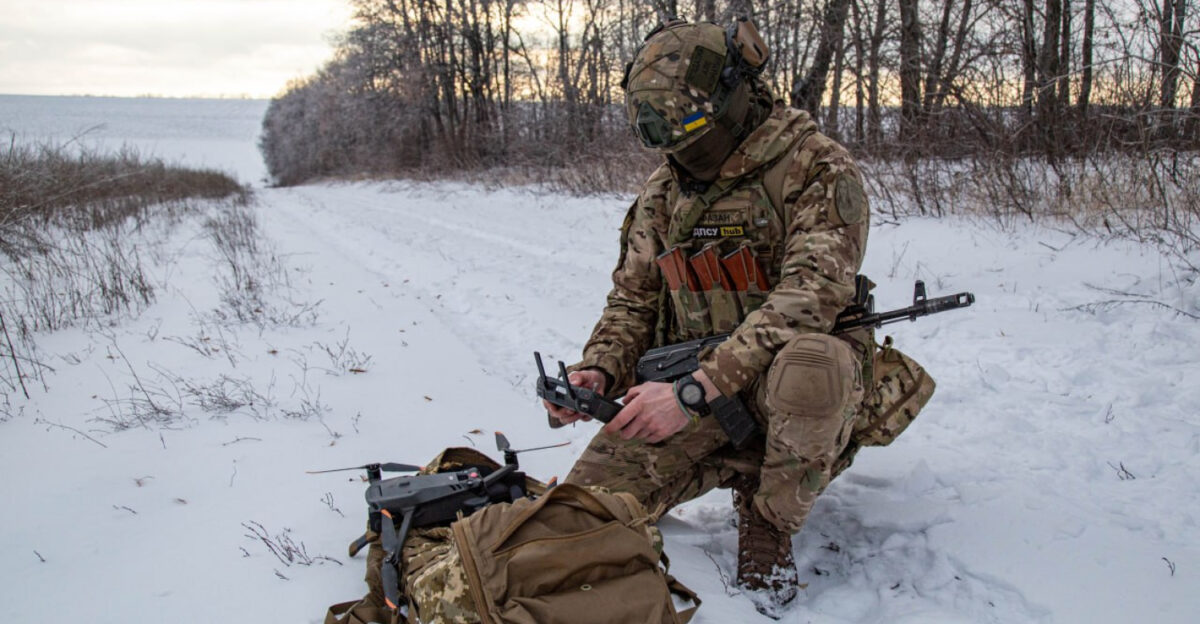
In December alone, Ukraine’s drone units struck 33,019 separate Russian targets—the highest monthly total since these forces were established. The escalation reflects both increased production capacity and refined operational tactics. Ukrainian drone operators have become masters of rapid targeting, combining near-real-time intelligence with autonomous swarm capabilities.
Russia has publicly acknowledged falling behind in heavy drone development, a gap widening monthly as Ukrainian technology advances.
The Math That Threatens Russia’s War Effort
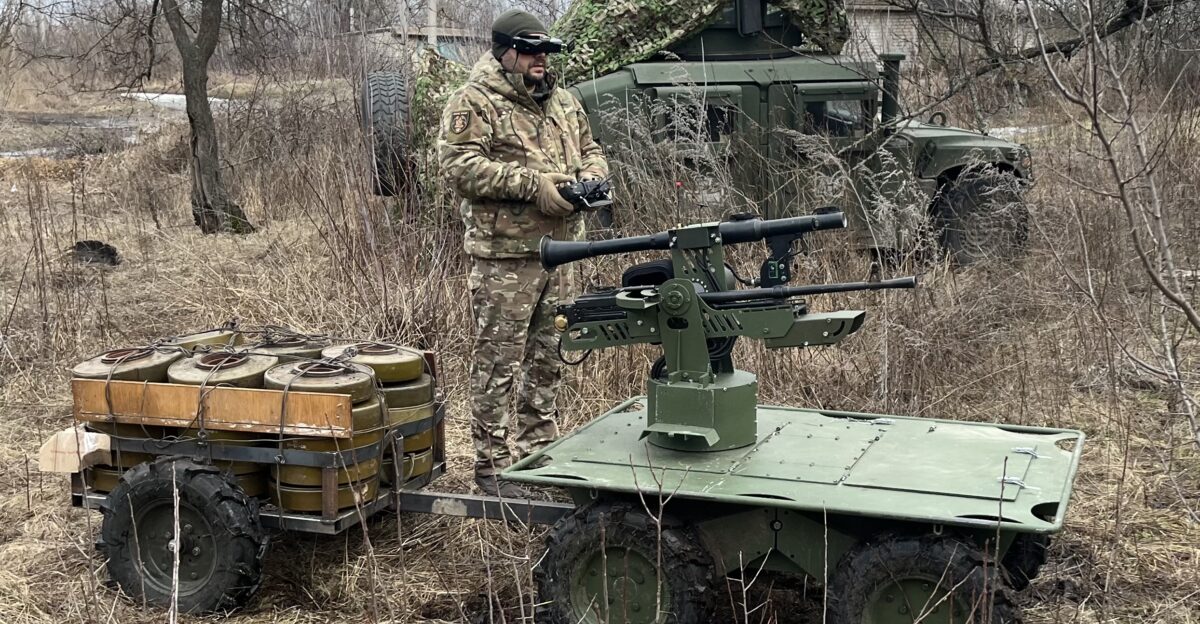
Ukrainian commanders openly state 2026 targets: 50,000 to 60,000 Russian casualties monthly from drone operations. That extrapolates to 600,000 to 720,000 annual casualties. Russia’s entire force grouping in Ukraine numbers approximately 700,000 troops.
Sustaining those casualty rates for a full-year duration would mathematically devastate Moscow’s operational capability and manpower reserves. Whether achievable or not, the target demonstrates Ukraine’s strategic confidence in drone dominance.
The Global Military Implications
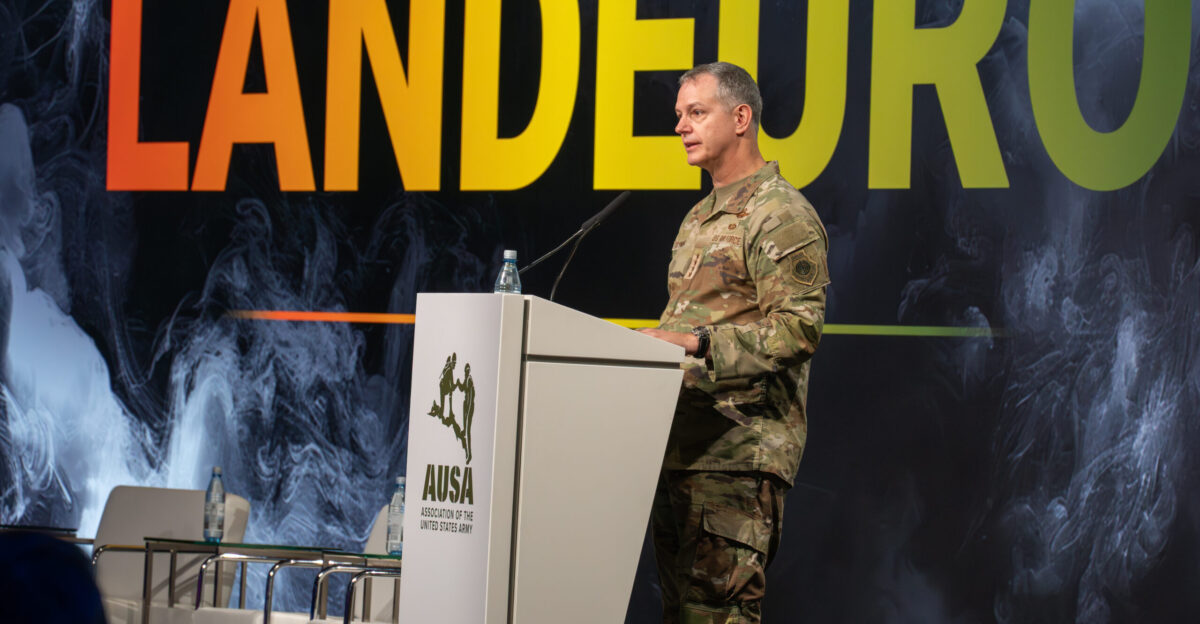
NATO commanders visited Brovdi in July 2025 and received a briefing on the capabilities of drones. One exchange revealed dangerous implications: Brovdi suggested Ukrainian drones could theoretically neutralize NATO’s Wiesbaden command center in 15 minutes using cheap, accessible components.
The statement wasn’t a threat but a stark warning that the technologies Ukraine weaponized are globally accessible now. Every nation must reckon with asymmetric drone warfare as the new reality.
From Folklore to Battlefield Reality
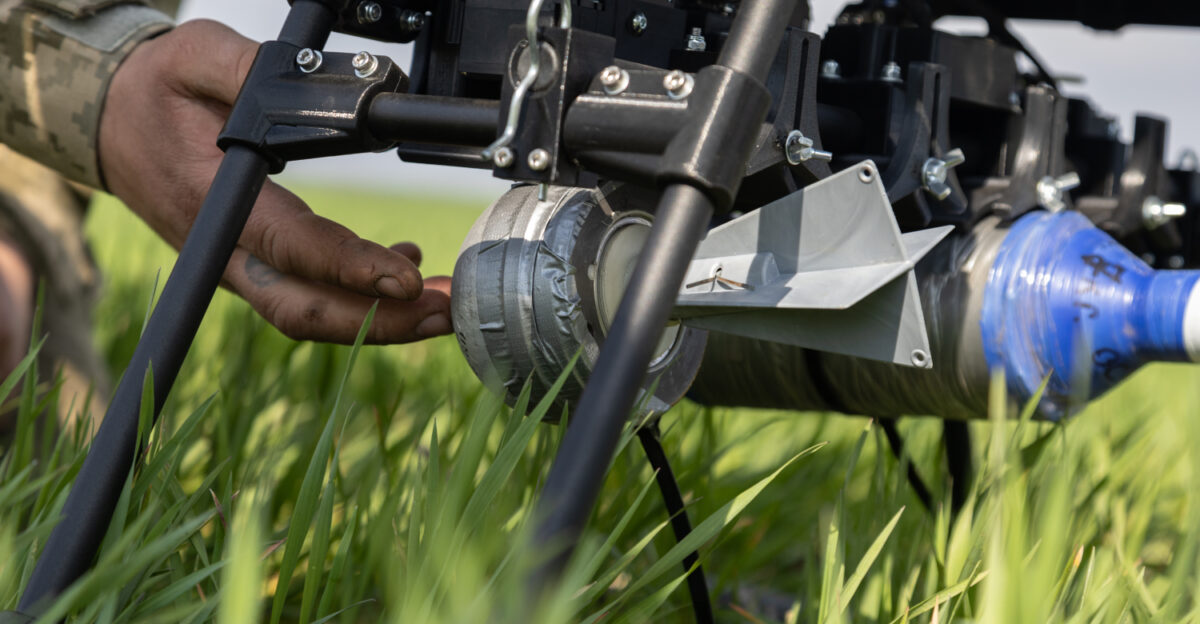
The Baba Yaga is no longer a myth. She’s real, she hunts at night, and she never forgets. Russian soldiers deployed in Ukraine now live with this modern terror—knowing drones can find them anywhere, anytime, with minimal warning.
The Christmas night strike that killed 51 elite Russian operators and wounded 76 more symbolizes a fundamental shift in warfare. Elite units, fortified positions, and traditional advantages matter far less when the enemy owns the darkness.
The War’s Future Is Unmanned
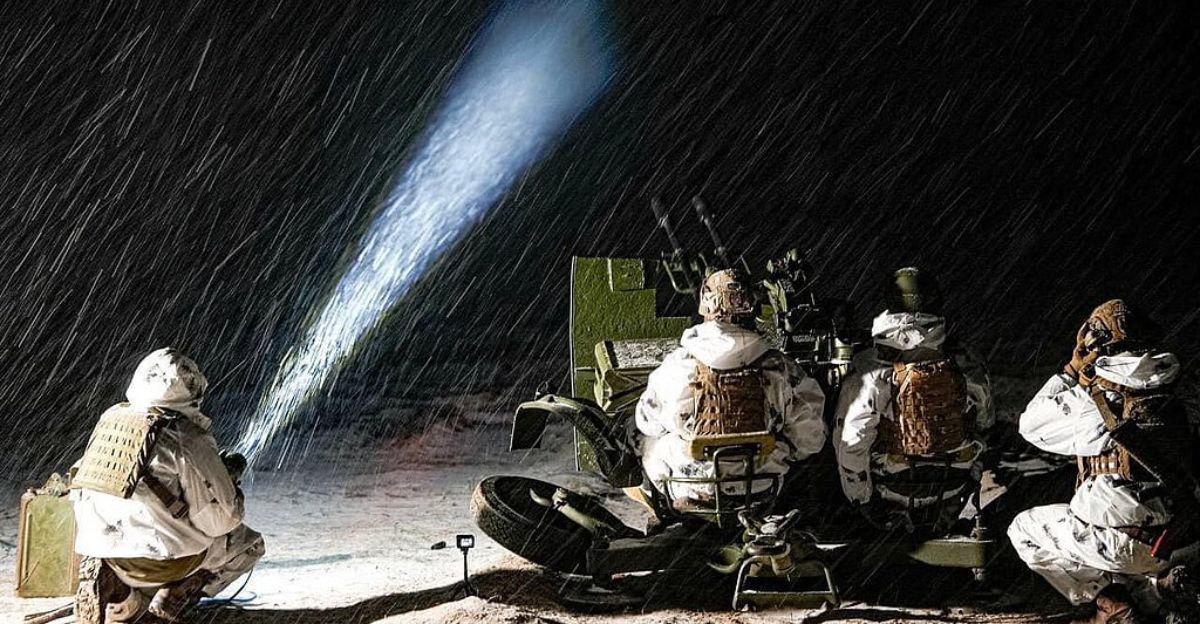
The 14th GRU Special Forces Brigade numbered roughly 1,200 troops at full strength. The Christmas night losses of 120 personnel represent 10% of the brigade’s combat capacity eliminated in hours. That’s the new calculus of modern warfare.
Affordable drones, operated by skilled and innovative commanders, can impose generational losses on traditional military forces. Ukraine’s drone revolution isn’t coming—it’s already here. And it’s rewriting how wars are won and lost.
Sources:
Ukraine’s Unmanned Systems Forces smash Russian special forces hub in Donetsk region – Ukrinform
Unmanned forces destroy Russian GRU elite unit in Donetsk region – RBC-Ukraine
Drone Systems Forces confirmed the defeat of the Russian GRU special forces in Donetsk region: video shown – UNN.ua