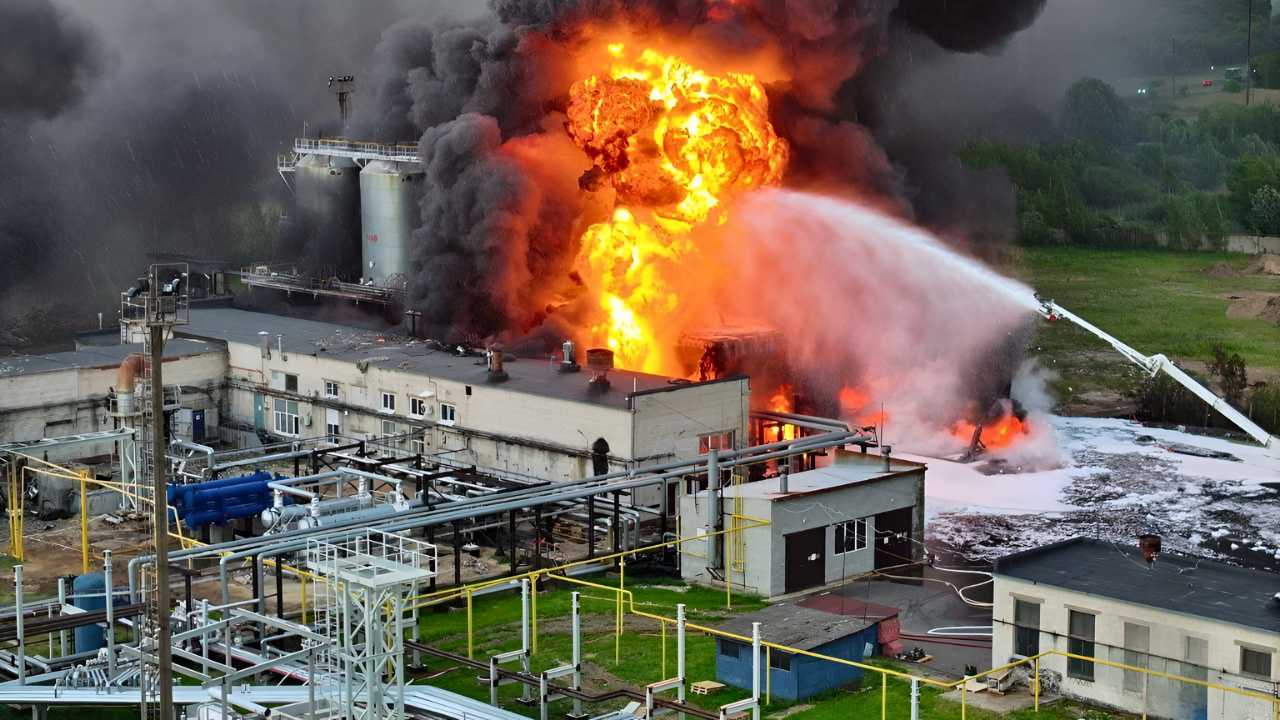
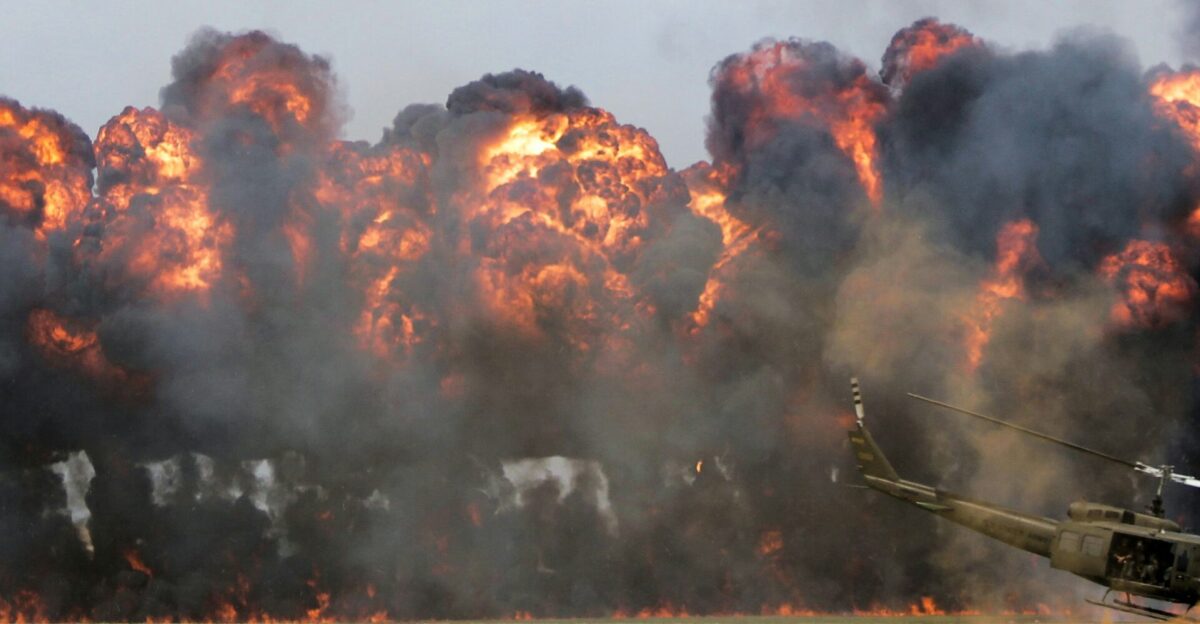
Alarms shriek across Novorossiysk at 2 a.m. on November 14. Families stumble into hallways. Then the sky ignites. A pillar of flame erupts from the harbor—orange and violent—climbing into the Black Sea darkness. Residents film on their phones, hands trembling.
What unfolds over the next hours will reshape the economics of Russia’s war. Ukrainian drones and missiles are here. The Sheskharis terminal—one of Russia’s crown jewels—is burning.
Ukraine Deploys Secret Weapons for the First Time
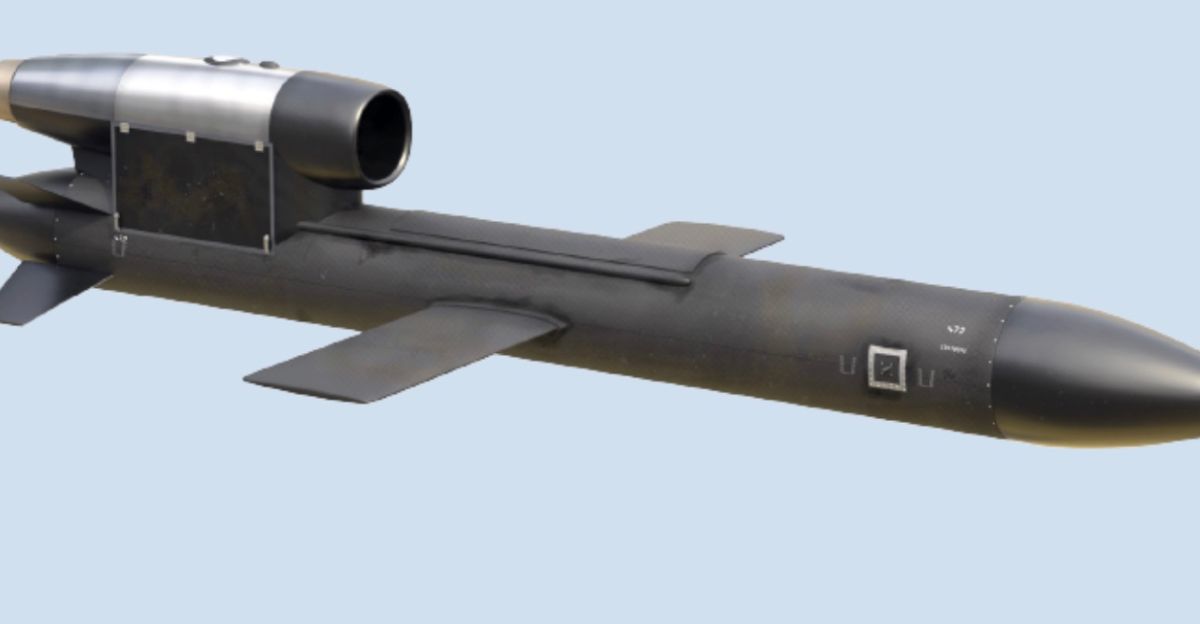
For months, Ukraine kept quiet about two new homemade systems: Flamingo and Bars. Tonight, they debut operationally. The Flamingo missile carries 1,150 kilograms of explosive force and can reach 3,000 kilometers—far enough to strike deep inside Russia. The Bars drone-missile adds precision punch from a different vector. Liutyi drones join the choreography.
For the first time in combat, Ukraine reveals that these weapons are not just theories—they’re real, they fly, and they hit targets. The message is clear: Ukraine is building its own arsenal.
A Terminal Blaze And Russia’s Oil Lifeline Falters
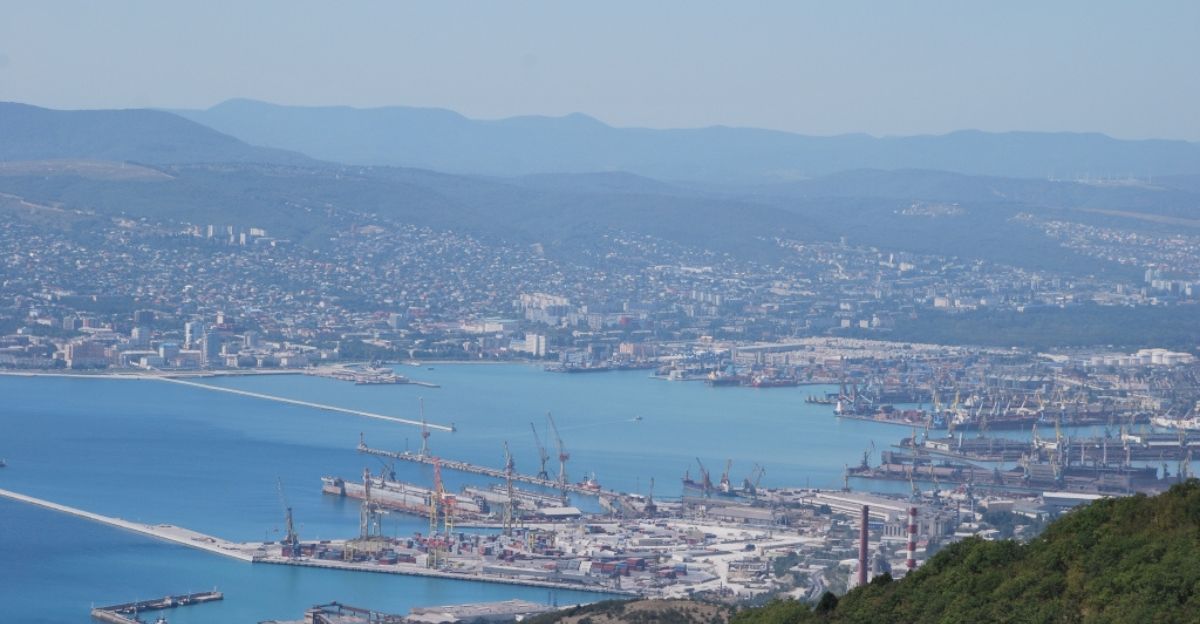
Sheskharis isn’t just any port facility. It transports millions of barrels of crude oil monthly—roughly 20% of Russia’s maritime crude exports. When Ukrainian missiles find the loading berths, pipelines rupture, and storage tanks ignite. By dawn, the terminal lies crippled. Satellite imagery shows no tankers docked where ships typically queue.
Russia’s Transneft pipeline operator halts crude deliveries immediately. The scale of disruption: 2.2 million barrels per day—2% of global maritime oil supplies—suddenly offline.
Russia’s “Invincible” S-400 System Lies in Ruins
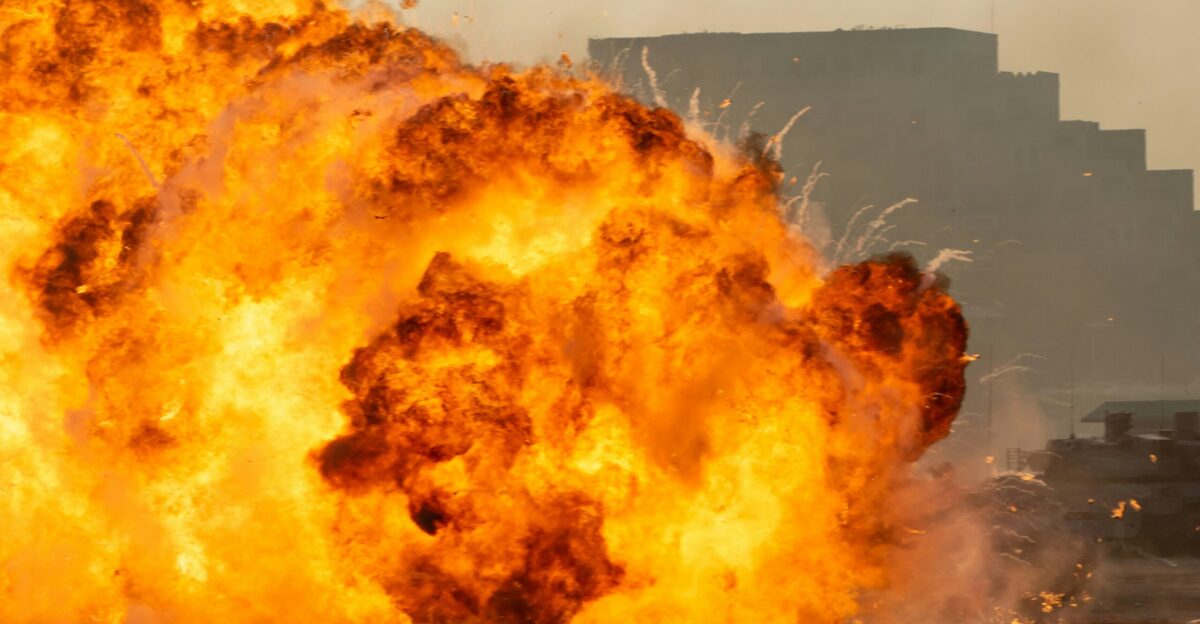
Thirty kilometers away, something equally stunning happens. A Russian military base hosts S-400 Triumph systems—the same “invincible” air defense platform Moscow has sold to allies worldwide. Four launchers are destroyed. Two critical radars—the early-warning “Cheese Board” and the target-engagement “Grave Stone”—go dark. The destruction is so complete that even one missing radar renders the entire battery useless.
An air-defense system designed to protect against threats fails to protect itself. Ukrainian sources confirm that twelve S-400 systems were deployed at the base; the scale of the strike suggests that multiple units sustained damage.
The Question Putin Can’t Answer: Why Didn’t It Work?
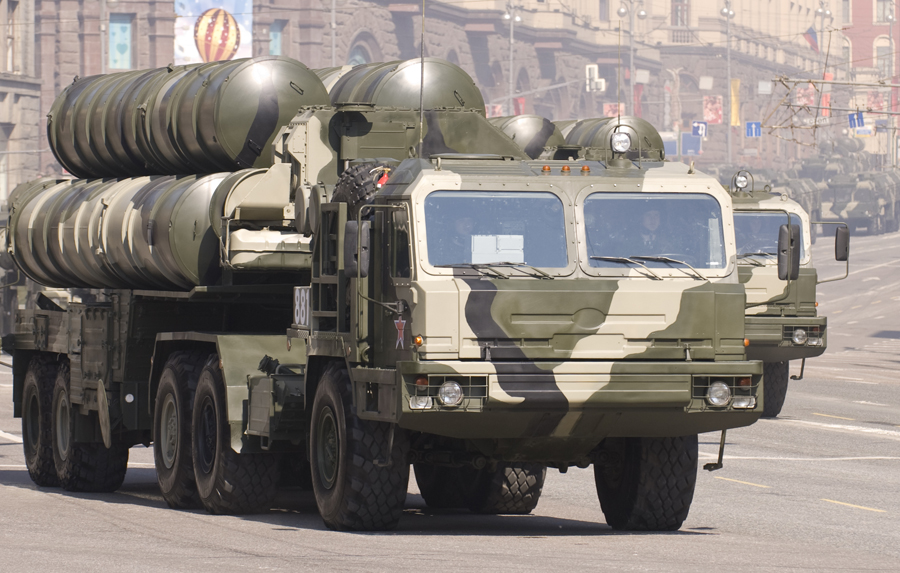
Military analysts struggle with an uncomfortable reality for Moscow. The S-400 is Russia’s most advanced air-defense system. It guards Russian command centers, missile bases, and airfields. Yet Ukrainian missiles got through. Some observers note the systems may be poorly positioned or inadequately maintained.
Others suggest Ukraine’s electronic countermeasures and drone swarms overwhelmed Russian radar coverage. What’s undeniable: a system meant to be untouchable proved vulnerable.
President Zelenskyy Owns the Moment—And Explains Why
Zelenskyy confirms every detail. Yes, Ukraine used Flamingo missiles. Yes, they hit the oil terminal. Yes, it worked. His message frames this as justice. Just hours before the strikes, Russia hurled 430 drones and 18 missiles at Ukrainian cities, killing civilians, destroying homes in Kyiv and elsewhere.
“Our missiles deliver increasingly significant results,” Zelenskyy states. “This is our entirely just response to Russia’s ongoing terror.” He’s humanizing the strike—not as aggression, but as symmetry. Ukraine targets oil; Russia targets apartment buildings. Ukraine strikes military infrastructure; Russia targets civilians.
The Economic Knife Twists Deeper
Moscow faces cascading economic pain. Today’s disruption stacks on top of $37 billion in lost oil and gas revenues throughout 2025 from prior Ukrainian strikes and international sanctions. Every oil terminal hit, every refinery damaged, means fewer dollars for Russia’s war machine. The math is brutal: less revenue equals fewer tanks, fewer missiles, fewer soldiers on payroll.
Ukrainian intelligence sources state this plainly: “Every oil refinery or terminal we hit means millions less for the Kremlin’s war budget. We will deprive them of resources until they lose the ability to wage this war.” It’s a strategy of economic strangulation—precise, deliberate, effective.
Chaos Spreads Across Russian Skies

Flight restrictions blossom across southern Russia like a horror blooming. Krasnodar airport shuts down. Gelendzhik follows—eleven airports grounded as Ukrainian missiles and drones swarm overhead. Passengers sit in terminals, phones buzzing with cancellations.
The civilian costs ripple outward—not deaths, but disruption, uncertainty, the everyday friction of war penetrating deep into Russian territory. By evening, most restrictions are lifted, but the message has been received: nowhere feels safe.
Civilian Lives Caught in the Crossfire
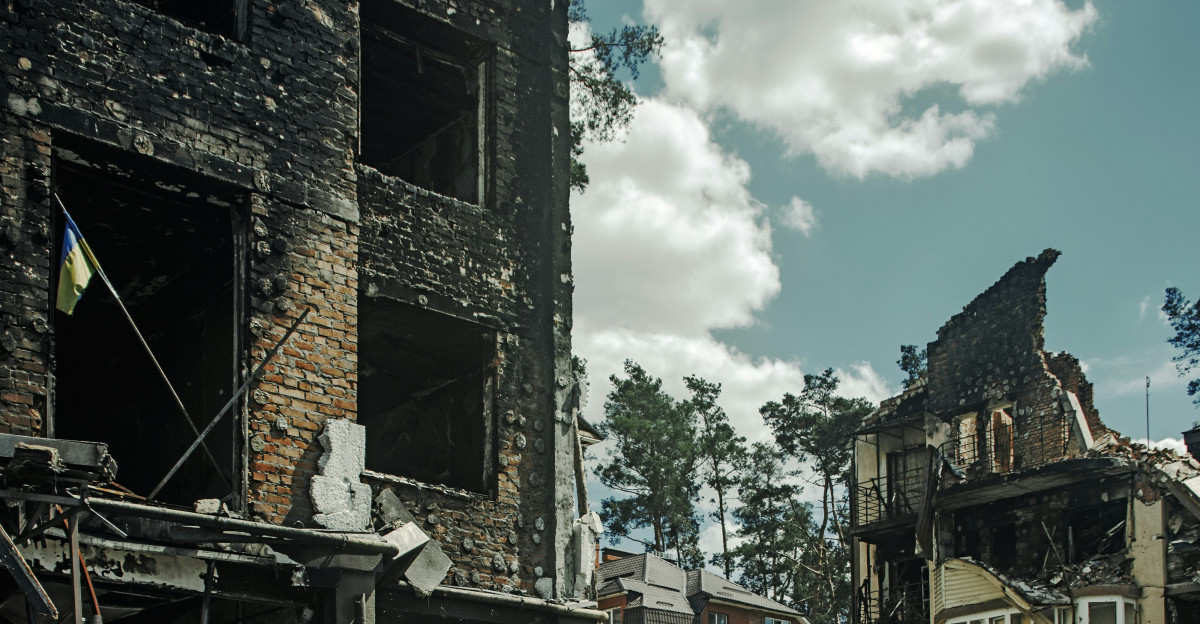
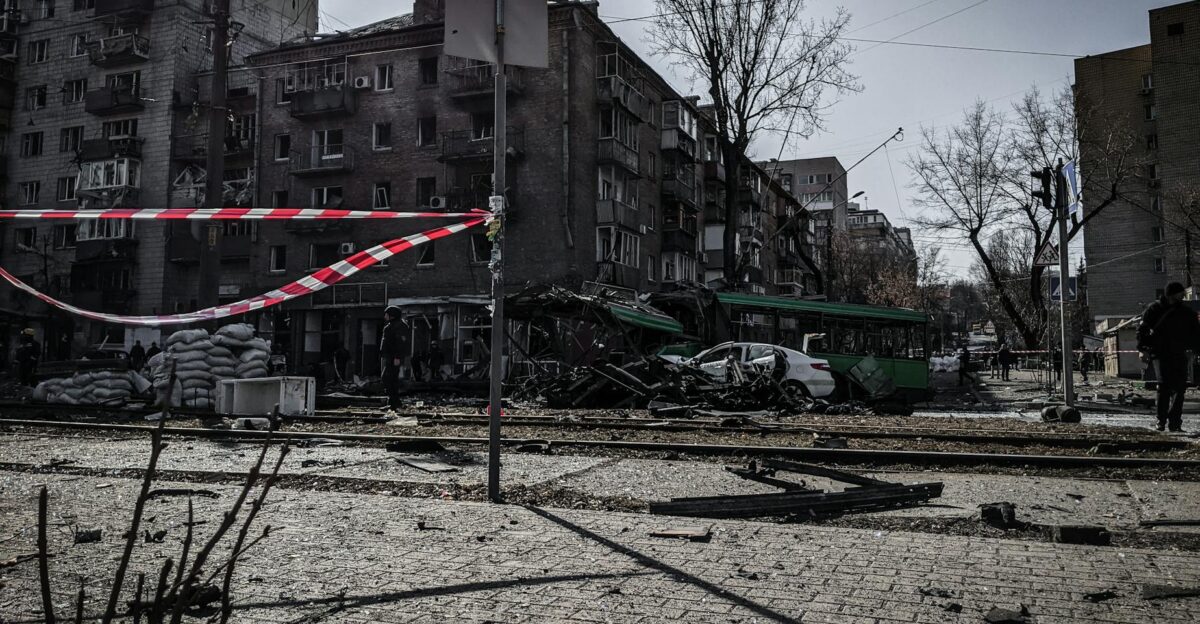
A container ship in the harbor takes shrapnel. Three crew members are injured and hospitalized. Apartment buildings in Novorossiysk sustain damage from falling debris. Residents emerge from shelters into uncertainty—their homes compromised, their city transformed into a war zone.
Local authorities declare a state of emergency. The consequences of the strike’s impact shouldn’t be overlooked: real people, real displacement, and real trauma. War isn’t abstract. Tonight, it’s your apartment building, your workplace, your neighbor.
What Did Russia Actually Claim It Shot Down?
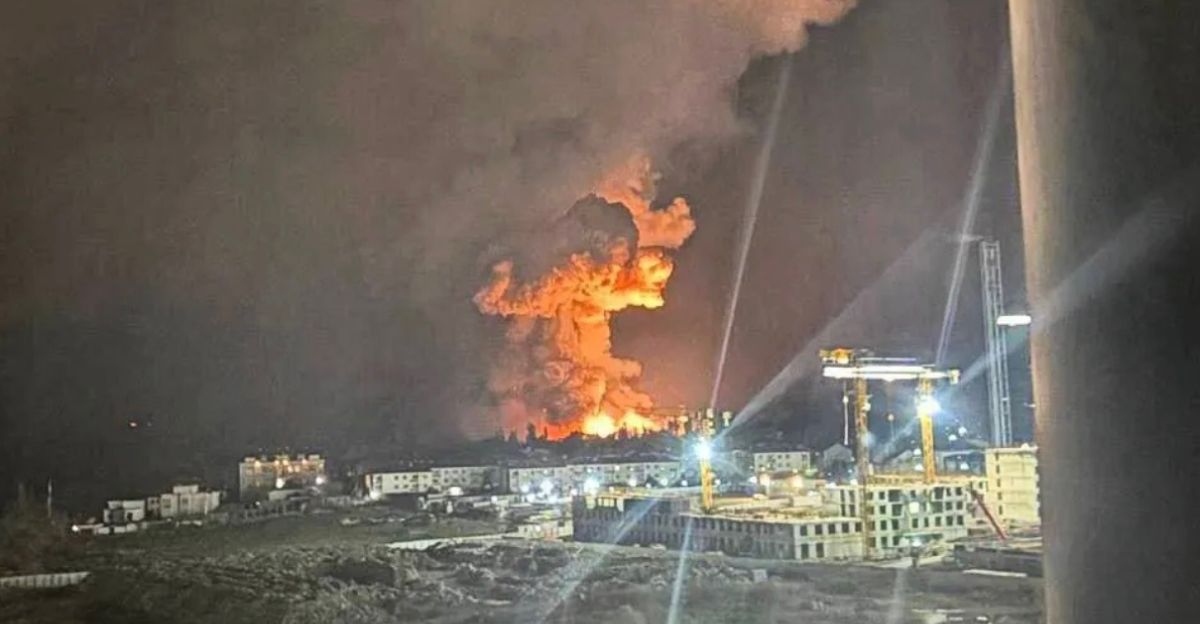
Moscow’s Ministry of Defense releases a statement: 216 Ukrainian drones intercepted nationwide, including 66 over the Krasnodar region and 59 over the Black Sea. The numbers sound reassuring—until you compare them to visible damage. Satellite images don’t lie. The Sheskharis’ terminal is genuinely ablaze. The S-400 position shows genuine destruction.
Ukrainian officials don’t dispute Russian air-defense activity; they note that significant Ukrainian weapons got through.
Commander-in-Chief Syrskyi Reveals the Breadth of Ukraine’s Campaign
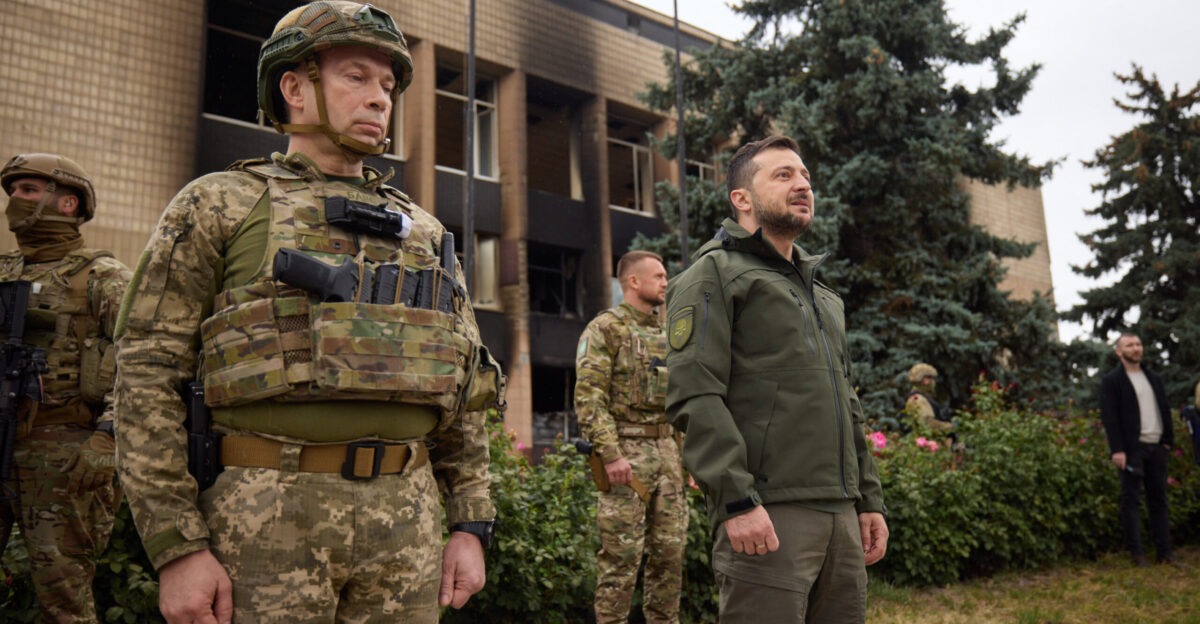
General Oleksandr Syrskyi, Ukraine’s top military commander, disclosed that since early November alone, Ukrainian forces have successfully struck 33 strategic-level targets and 41 operational-level targets—totaling 74 high-value hits in just two weeks. The Flamingo and Bars systems are central to this onslaught. Syrskyi indicates these domestically built weapons will continue driving “complex, multi-vector” strikes against Russian military and economic infrastructure.
The implication: this isn’t a one-off raid. It’s the opening phase of sustained Ukrainian deep-strike capability, powered by homegrown weapons Ukraine doesn’t need to beg allies for.
Ukraine’s Domestic Arsenal Reaches Maturity
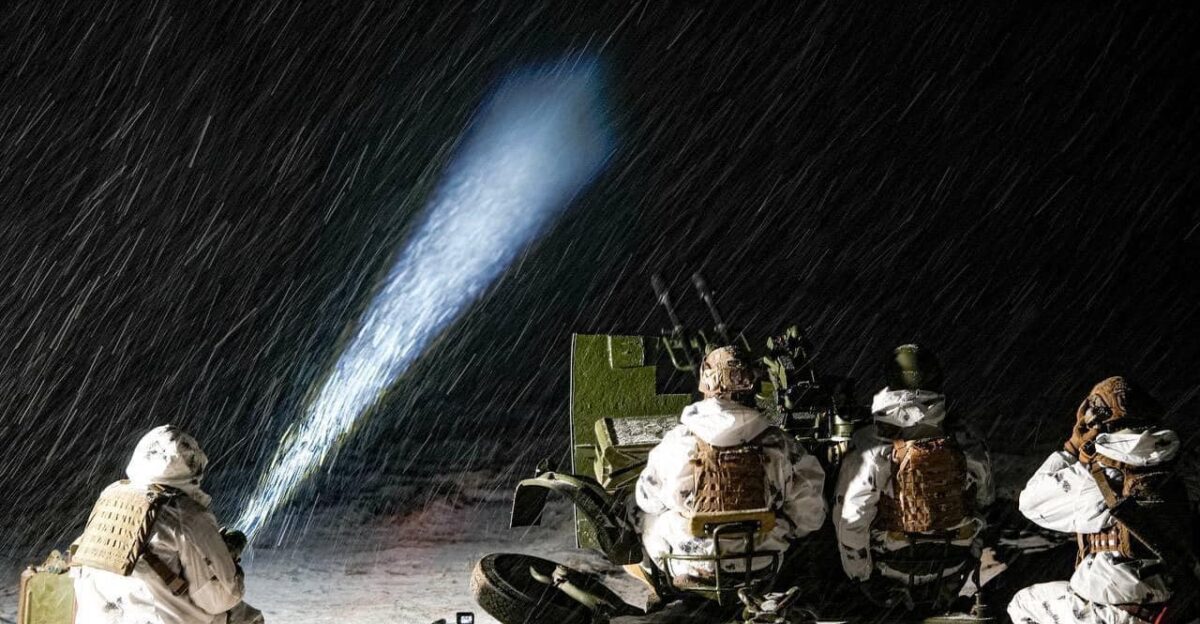
Flamingo missiles now roll off production lines—no Western dependency, no political strings attached. The Bars system proved itself in tonight’s combat strikes. The Liutyi drone platform evolves with each mission. For the first time, Ukraine is no longer relying on allies for long-range weapons. Ukraine builds them. Ukraine deploys them. Ukraine decides the targets.
This independence changes everything: no delays waiting for donor approval, no restrictions on where strikes land, no foreign power controlling Ukraine’s military timeline. It’s freedom born from survival.
A Multi-Service Orchestration Reveals Ukraine’s Sophistication
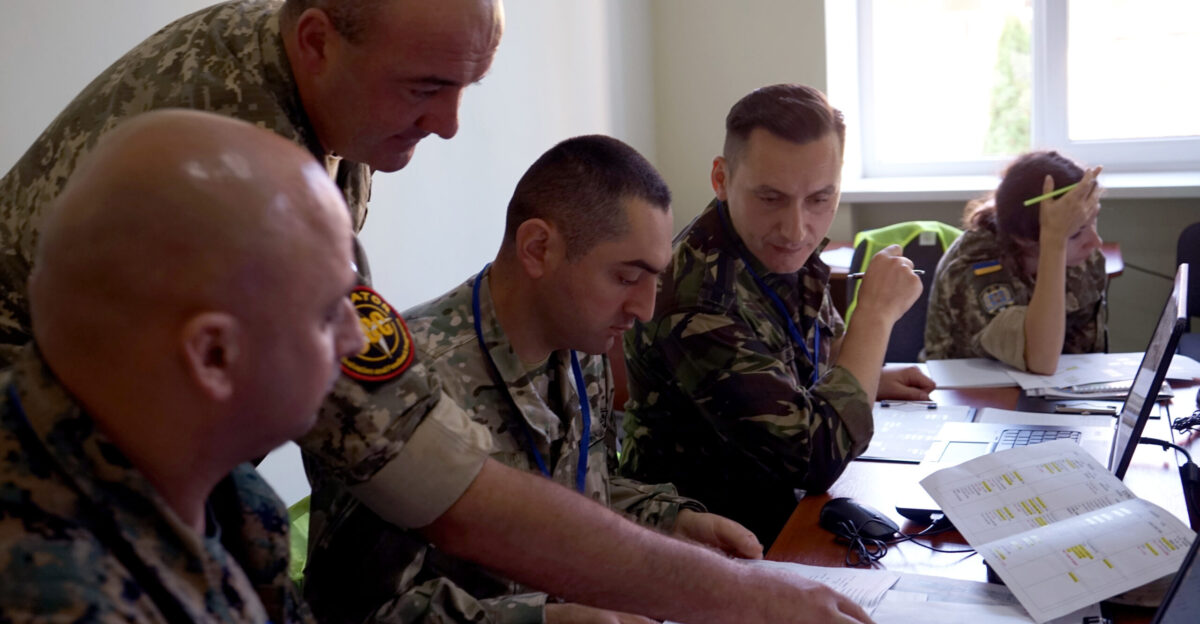
The strike involved unprecedented coordination: the SBU’s Alpha Special Operations Center, Defense Intelligence (HUR), the Armed Forces of Ukraine, the State Border Guard Service, and naval missile-artillery forces all choreographed simultaneously.
Simultaneous strikes across multiple targets, precise timing, weapon systems with different flight profiles arriving in the correct sequence. It reflects the significant maturation of Ukrainian operational planning since early 2022.
The War’s Economics Shift Beneath the Surface
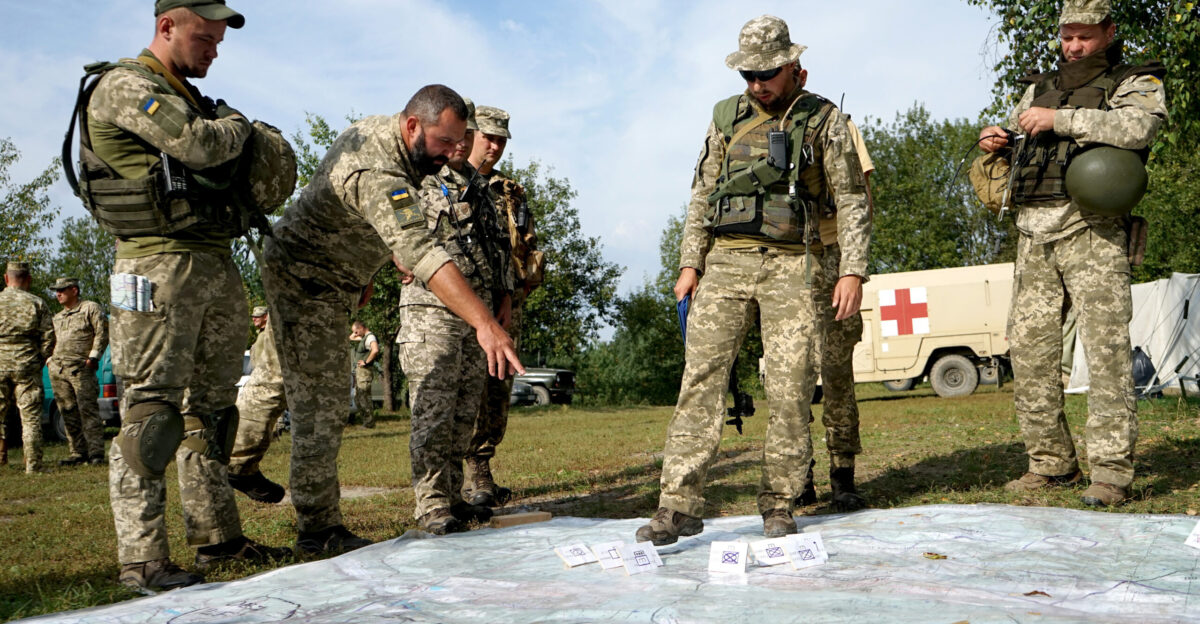
Ukraine’s strategy of targeting energy infrastructure is deliberately designed to undermine Russia’s war financing. Every oil export disrupted reduces Kremlin revenue. Every refinery hit delays equipment procurement. It’s not about military victory in traditional terms—it’s about making war economically unsustainable for Moscow.
President Zelenskyy has disclosed that Ukrainian strikes and international sanctions have cost Russia $37 billion in oil and gas revenue alone in 2025. That figure will grow now that the Sheskharis terminal is damaged. The pressure compounds daily.
What Happens Next—And Why It Matters
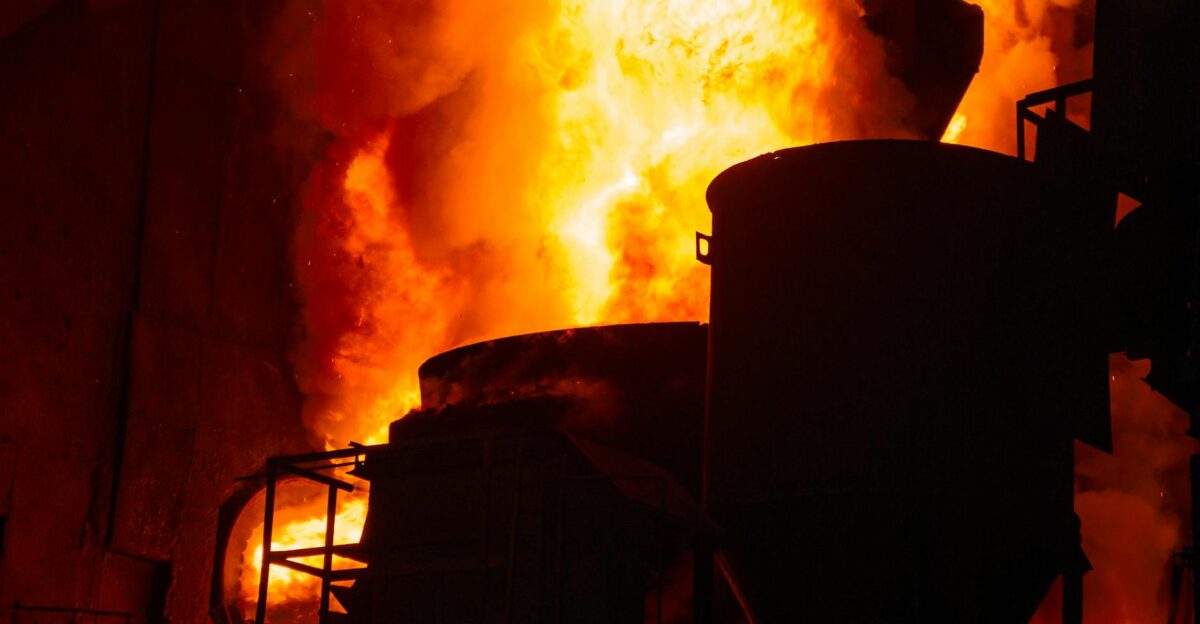
The November 14 strikes represent a threshold moment. Ukraine has proven it can strike deep, coordinate complex operations, and deploy weapons designed and built domestically. Russia’s most advanced air defense systems have proven to be fallible. Oil terminals—supposedly hardened targets—burn.
The psychological impact on both sides is profound: Ukrainians see hope in homegrown capability; Russians confront uncomfortable questions about their military’s invulnerability. The following weeks will reveal whether this is a turning point or a new normal. Either way, the war’s character has shifted