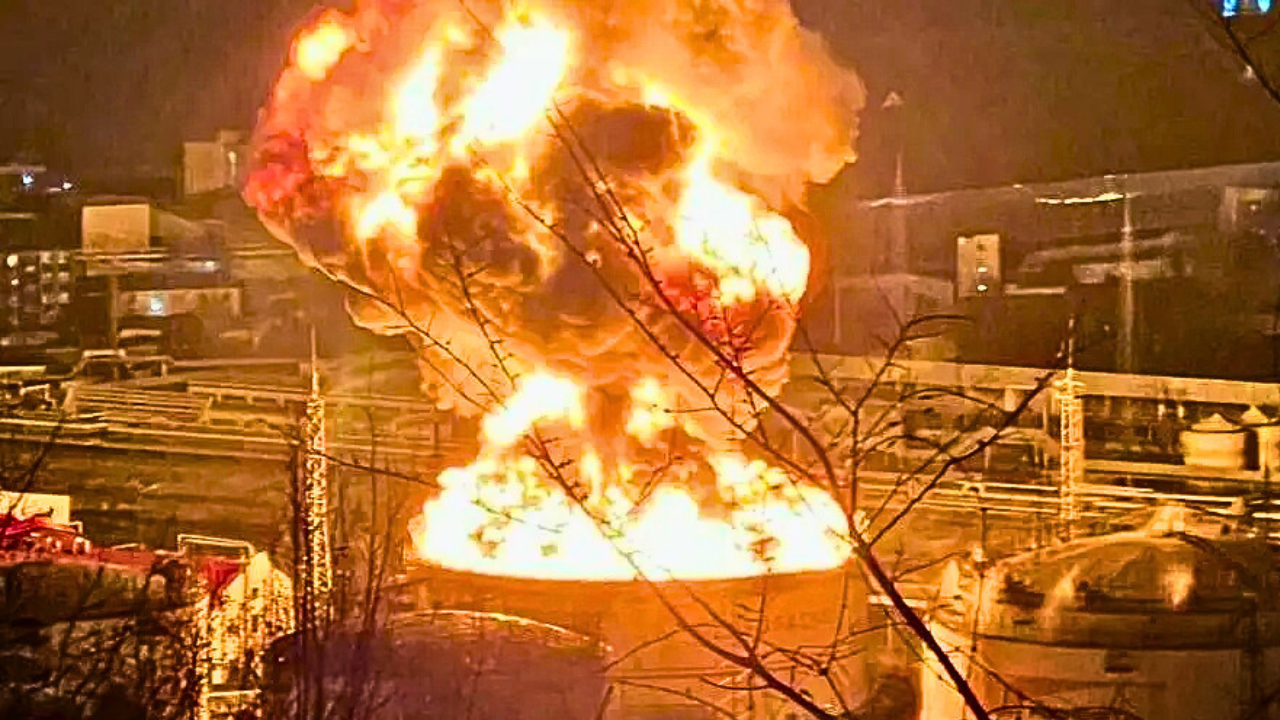
On October 31, 2025, Ukraine’s military intelligence executed one of the war’s most consequential operations, destroying Russia’s Koltsevoy fuel pipeline near Moscow. This 400-kilometer corridor supplied gasoline, diesel, and jet fuel from refineries in Ryazan, Nizhny Novgorod, and Moscow to critical military hubs.
According to Ukraine’s Main Intelligence Directorate (HUR), all three fuel lines exploded simultaneously, crippling a core Russian military lifeline serving the western theater.
Pipeline’s Military Significance
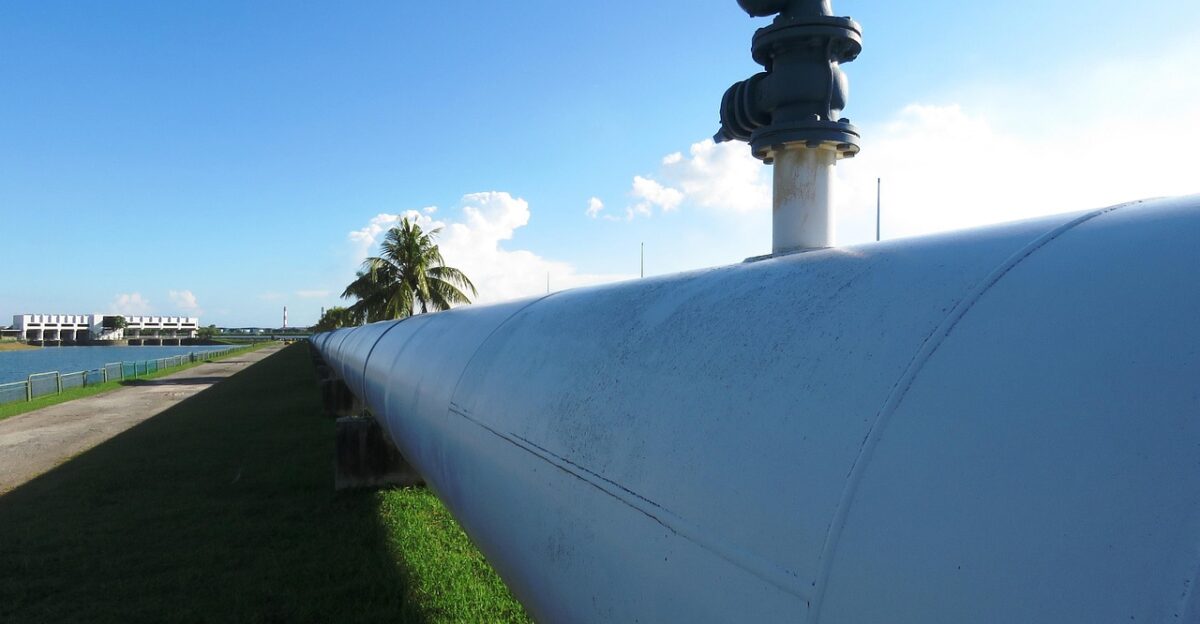
The Koltsevoy pipeline transported 7.4 million tons of fuel annually: 3 million tons of aviation fuel, 2.8 million tons of diesel, and 1.6 million tons of gasoline. This strategic corridor directly fed aviation fuel and diesel to military bases supporting operations in eastern Ukraine.
Located in Ramensky district—barely 50 kilometers from Moscow—the strike represented Ukraine’s deepest incursion into Russian logistics infrastructure to date, severing critical supply lines.
Unprecedented Drone Campaign
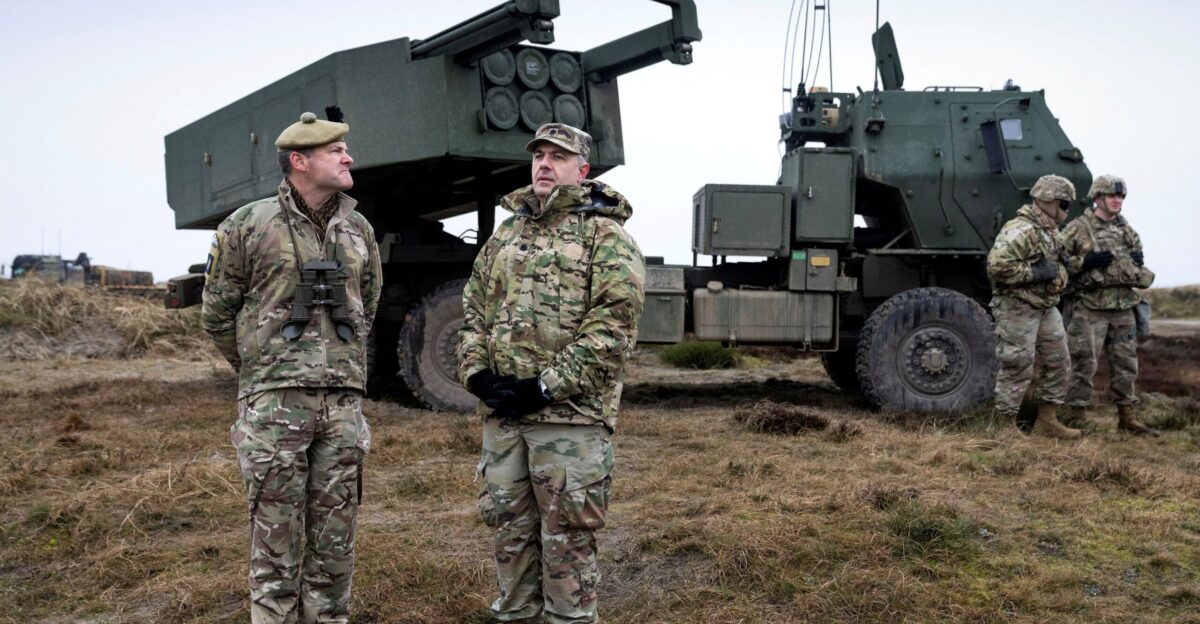
Ukraine’s long-range drone offensive transformed the battlefield throughout 2025. According to independent industry data reviewed by Reuters, at least 16 of Russia’s 38 refineries have been targeted and hit since August. By late August, Ukrainian drone assaults had disrupted up to 21 percent of Russia’s total refining capacity—approximately 1.4 million barrels per day were temporarily offline.
Kyiv’s strategic intent is to degrade Russia’s war economy and force political concessions through systematic energy targeting.
Tuapse Terminal Under Attack
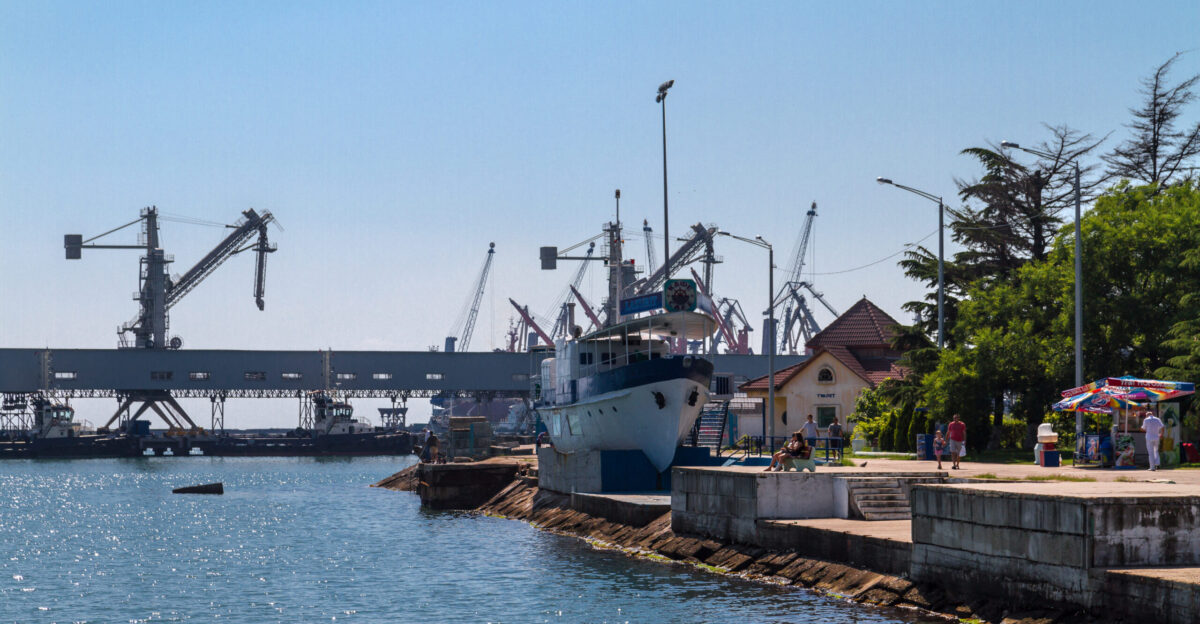
Just two days after the pipeline strike, on November 2, Ukrainian drones ignited major fires at the Tuapse oil terminal on the Black Sea. Regional emergency officials confirmed two foreign civilian ships were damaged in the coordinated attack.
The Rosneft-operated port processes around 240,000 barrels of oil daily—fuel destined mainly for China, Malaysia, Singapore, and Turkey. Firefighters eventually extinguished the flames, forcing temporary terminal shutdown operations.
Black Sea Exports Collapse
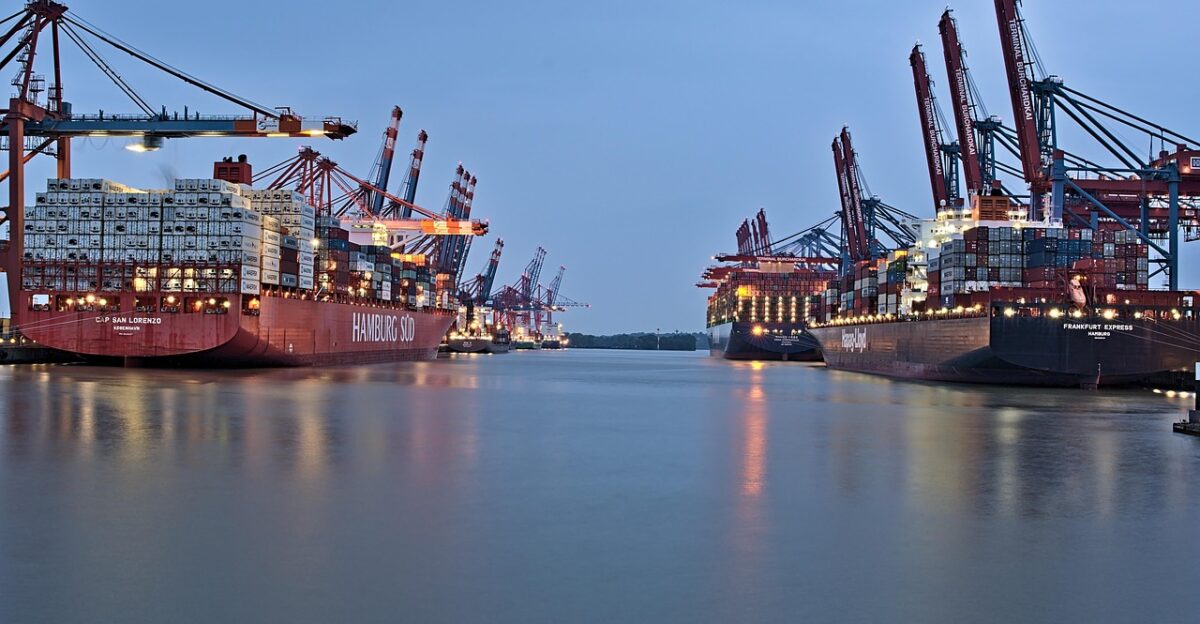
Russia’s fuel export figures reveal a system under siege. According to Reuters, fuel exports via Russia’s Black Sea and Azov Sea ports decreased by 23.2 percent in September, from August, to 2.52 million tons. Baltic ports, such as Primorsk, declined by 15 percent, while diesel exports from Primorsk specifically fell by 30 percent month-on-month.
Each disruption was traced directly to Ukraine’s relentless drone campaign, striking refineries, depots, and port terminals systematically.
Revenue Crisis Deepens
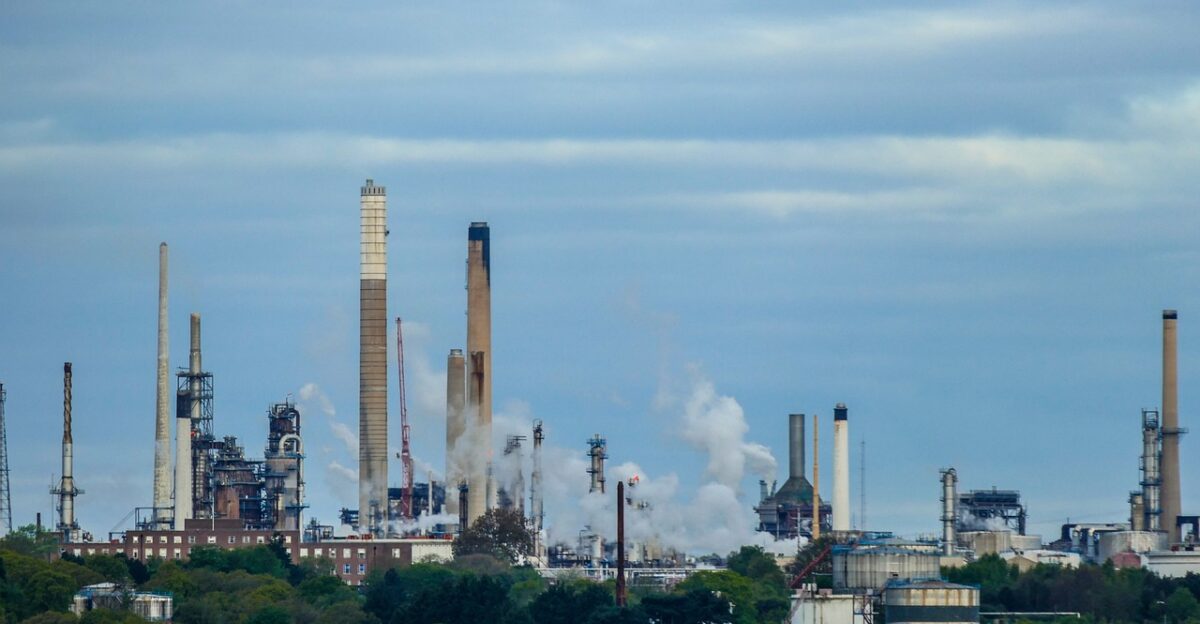
By September 2025, Russia’s fossil fuel revenue had reached its lowest level since the full-scale invasion began. Data published by the International Energy Agency showed daily earnings slipping to €546 million—a 4 percent monthly fall and 26 percent year-on-year decline.
With refineries damaged and ports idled, export volumes declined 13 percent in a single month. Economists highlighted Ukraine’s strikes as devastating Russia’s cash flow and direct war-funding capability, weakening military logistics.
Putin’s Export Ban Response
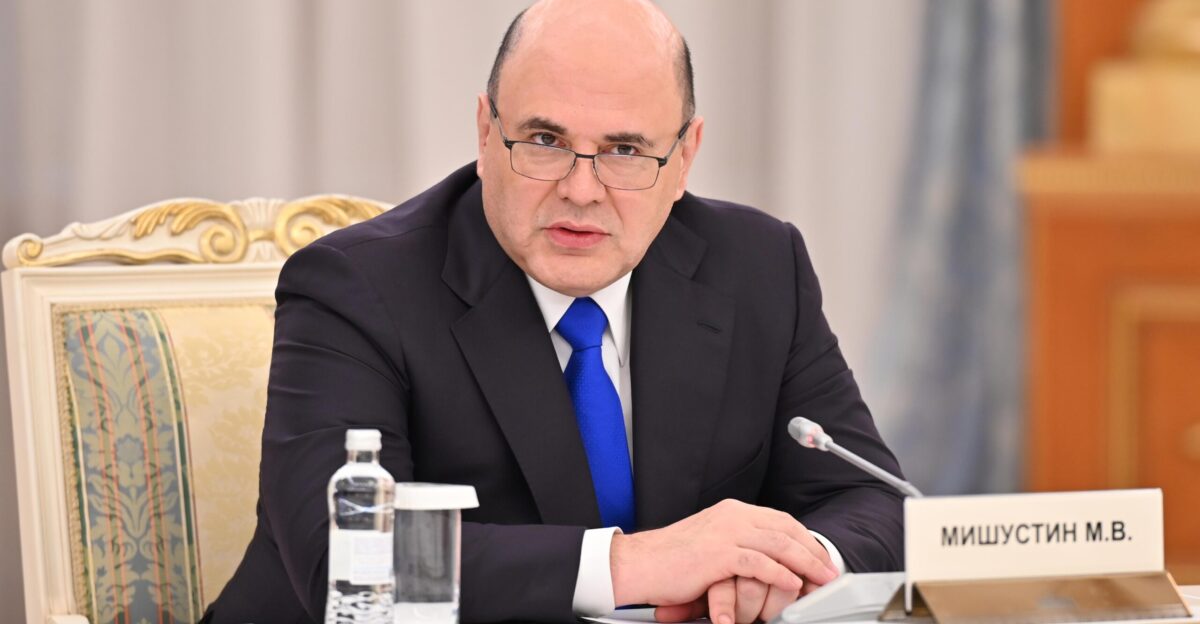
Facing cascading losses, the Kremlin moved to contain domestic panic. In late September, Russia extended its gasoline-export ban through December 31, 2025, and later expanded restrictions to diesel, marine fuel, and gasoil for non-producers, effective October 1.
Prime Minister Mikhail Mishustin signed the order following weeks of refinery damage and fuel shortages. Officials framed the move as a temporary market stabilization measure, but insiders called it a forced defensive measure.
Domestic Fuel Crisis

Across Russia, motorists faced rationing and long queues as supplies dwindled dangerously. Pro-Kremlin media reported stations in multiple regions limiting purchases per driver. In Crimea, annexed by Russia in 2014, fuel shortages were described as acute and worsening.
Agricultural demand combined with Ukrainian strikes left rural areas struggling to secure diesel ahead of winter. Retail fuel stations closed—2.6 percent of the national total—particularly in southern regions where closures reached 14 percent.
European Energy Pivot

In Brussels, the European Commission formally adopted its plan to end Russian gas imports by January 2028. According to the timetable, short-term contracts are set to expire in 2026, while long-term ones are scheduled to expire by 2028. The move cements Europe’s strategic separation from Moscow’s energy grip.
Russia’s European gas market share collapsed from approximately 45 percent in 2021 to roughly 18 percent by 2025, while oil market share dropped from 30 percent to 3 percent.
Western Sanctions Escalation
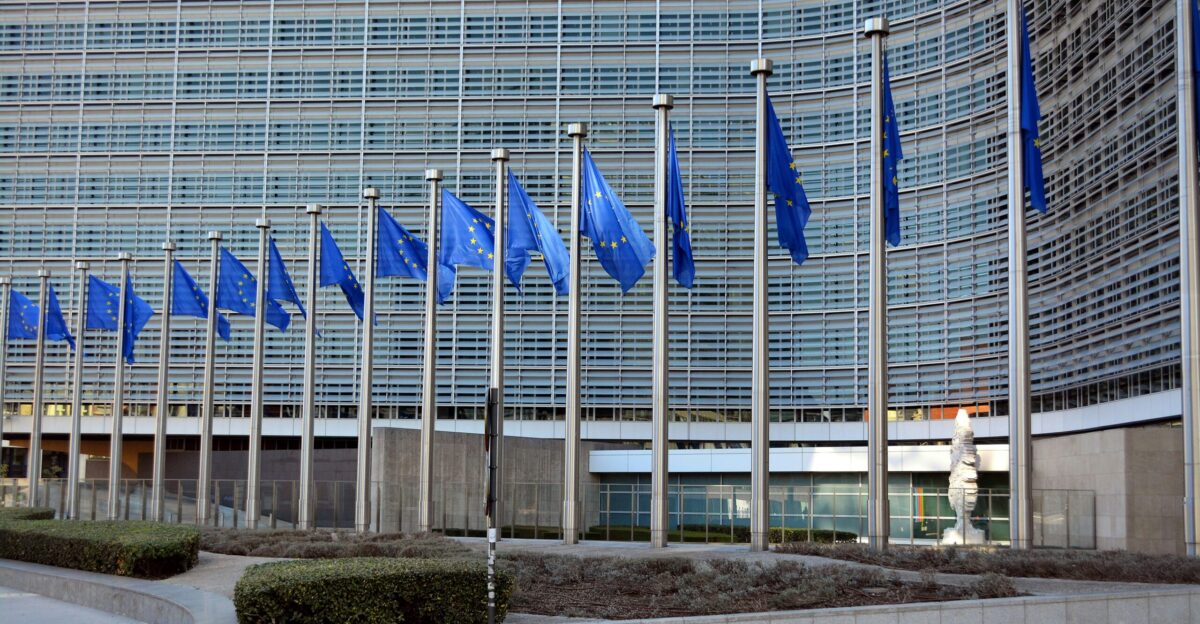
Western nations tightened pressure in October 2025. The United States blacklisted Rosneft and Lukoil, freezing assets and restricting transport. The UK followed on October 15 with ninety new sanctions targeting Russian oil infrastructure. Chancellor Rachel Reeves declared the measures aimed at taking Russian oil off the market.
The EU simultaneously closed loopholes that had allowed limited trade in refined fuels, squeezing Russia’s energy sector further than ever before.
China and India Step Back
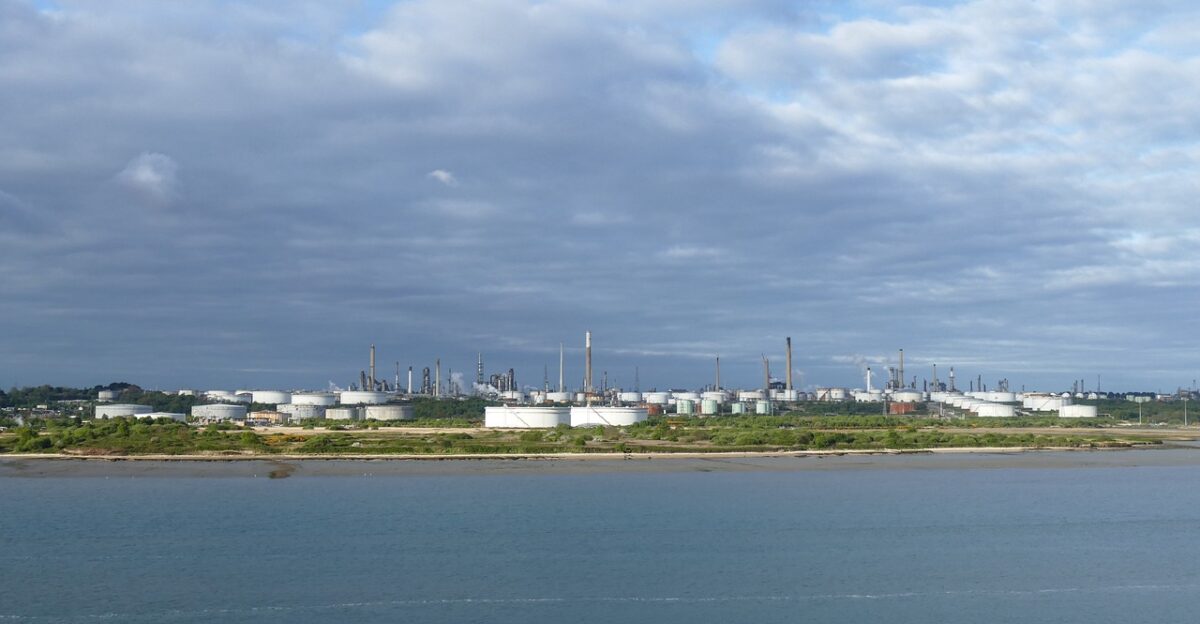
Major buyers began hesitating strategically. Reuters reported Indian refiners prepared to halt Rosneft and Lukoil purchases to avoid U.S. penalties. Chinese state-owned oil firms similarly paused seaborne imports, wary of secondary sanctions.
Between 2022 and 2025, China and India accounted for nearly 85 percent of Russia’s crude oil exports. Their strategic caution threatened to remove Moscow’s last reliable energy customers at a critical moment in the war.
Military Logistics Strained

The Koltsevoy pipeline’s destruction directly undermines Russia’s battlefield endurance. The line fed aviation fuel and diesel to bases supporting operations in eastern Ukraine. With all three fuel channels destroyed, repairs require full pipeline reconstruction.
Kyiv insists such targets are military, not civilian, framing attacks as legitimate wartime strategy against invasion infrastructure.
Economic Warfare Strategy

Ukraine’s approach blends military precision with strategic economic targeting of war-funding infrastructure. By striking oil facilities that fund the invasion directly, Kyiv seeks to drain the Kremlin’s war budget while signaling to Russian citizens the cost of aggression.
Ukrainian officials describe the drone campaign as a proportional response to Moscow’s attacks on Ukraine’s power grid, which repeatedly left millions without heat or light during the brutal winter months.
Winter Under Damaged Energy
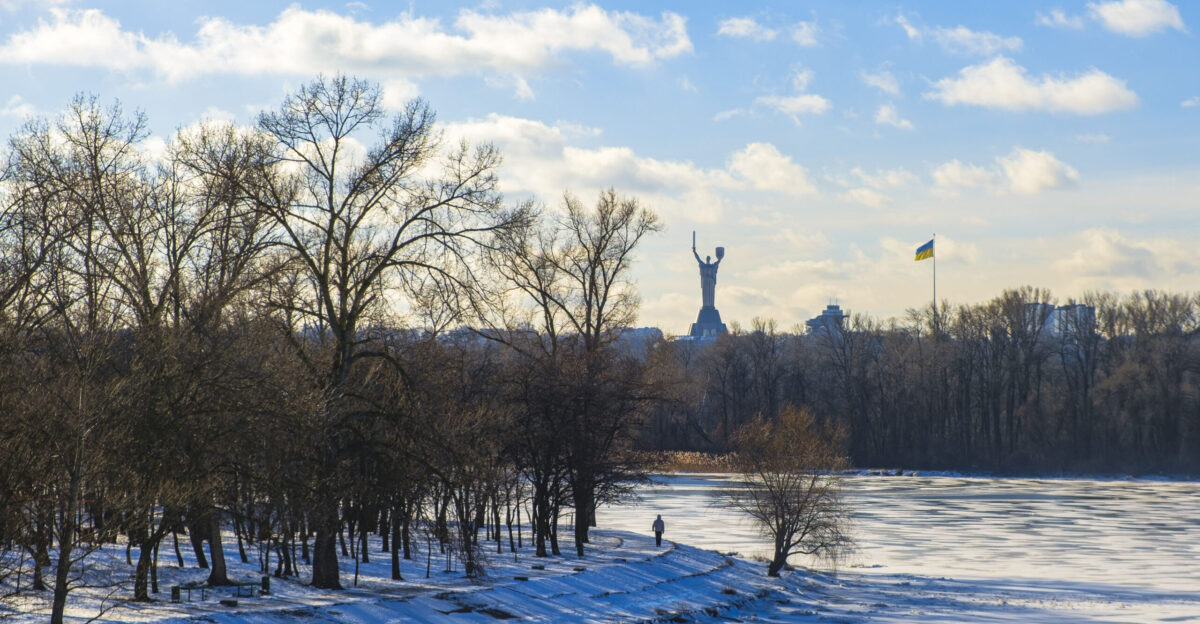
Both nations now brace for a punishing winter under severely damaged energy systems. Russia faces domestic shortages despite export bans, while Ukraine’s energy ministry warns that up to one-third of natural-gas output could be lost to continued shelling. Aid agencies prepare for potential blackouts and heating crises on both sides.
The war’s energy front, once hidden in economic charts, now directly shapes civilian survival and national resilience throughout the ongoing conflict.
Escalation Risks Mount
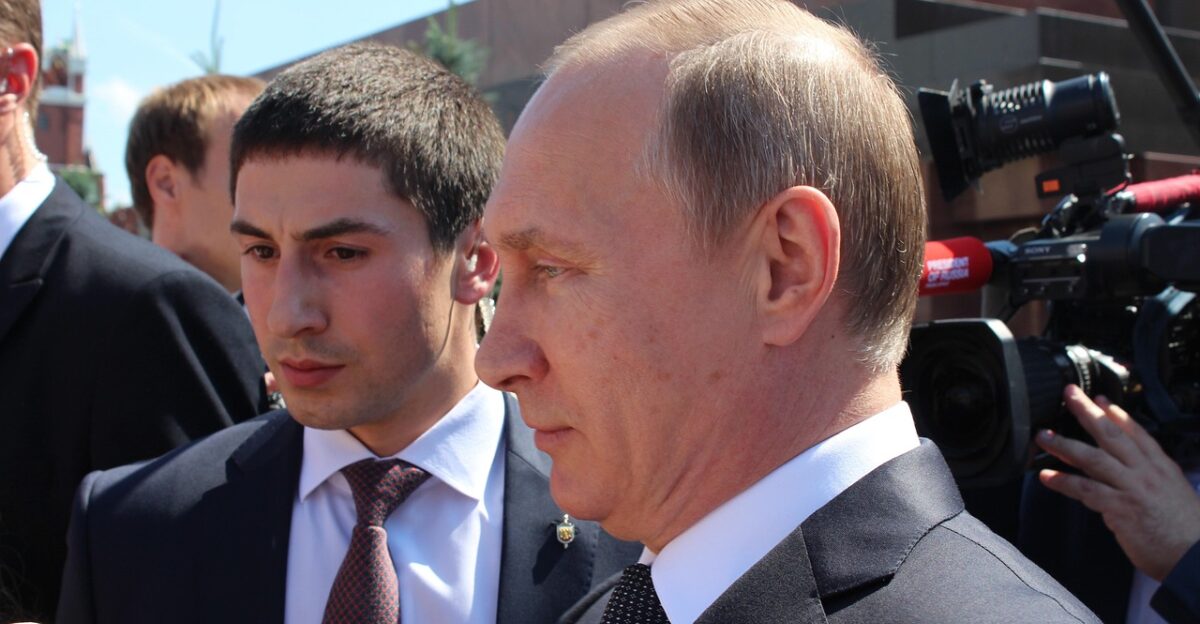
As 2025 draws to a close, the energy war shows no signs of easing or slowing down. Ukraine’s expanding drone reach, Western sanctions, and Asian buyer hesitancy have left Russia strategically cornered. Putin must choose between protecting domestic supply or reviving export revenue—either path carries significant political risk.
The Kremlin reportedly ordered heightened protection of refineries and ports, signaling expectations of more deep-strike operations inside Russian territory as the conflict intensifies.