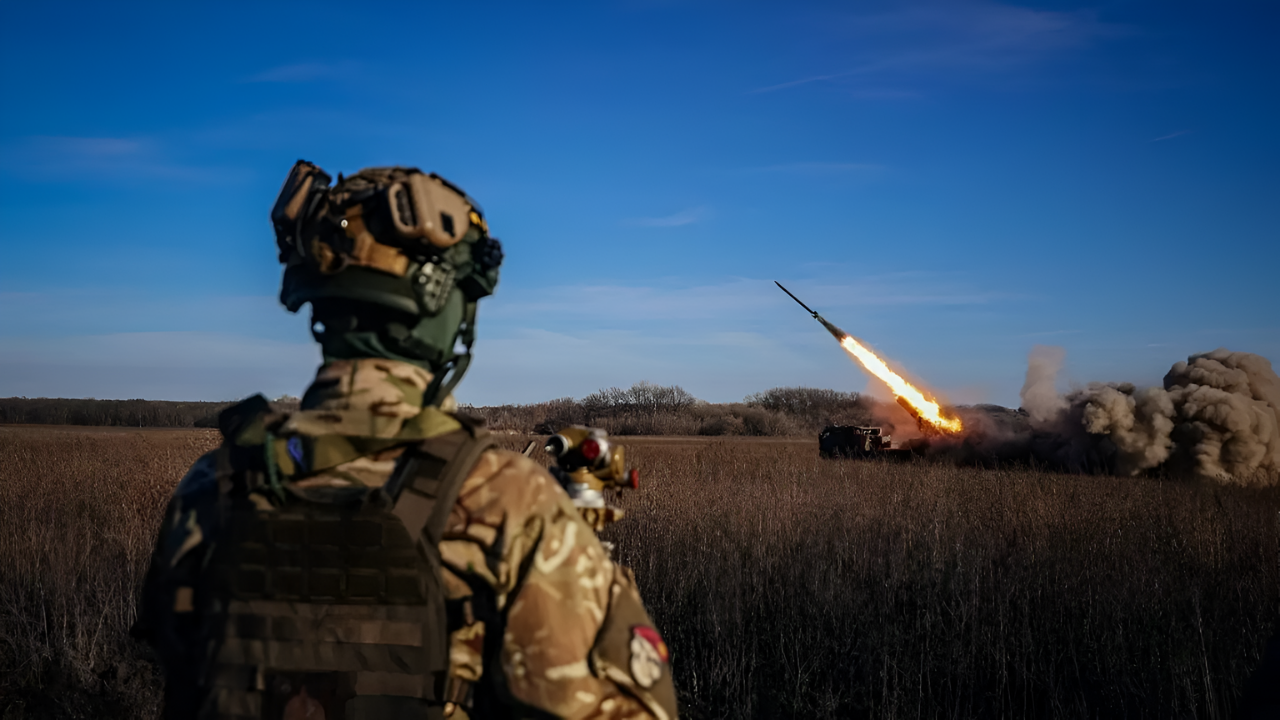
On November 18, 2025, Ukraine launched what experts describe as one of its most strategically significant ATACMS strikes on Russian military targets in Voronezh. Four U.S.-supplied missiles targeted Pogonovo training area—one of Russia’s central facilities for preparing soldiers before deploying them to Ukraine, where reports indicated significant troop presence—and Baltimor airbase complex. Russia claimed all missiles were intercepted by S-400 and Pantsir air defense systems; Ukraine’s General Staff confirmed the strikes as a “significant advancement” in operational capability.
This marks the first publicly confirmed ATACMS strike under the Trump administration and the most operationally significant use of the weapons program under this administration, with potential for substantial personnel losses still being evaluated. The high-stakes strike showcases Ukraine’s growing capability to strike far behind front lines as part of a broader strategy to weaken Russian forces deeper inside their territory, signaling a new phase in the war closely watched by the international community.
Why Did Ukraine Strike Now?
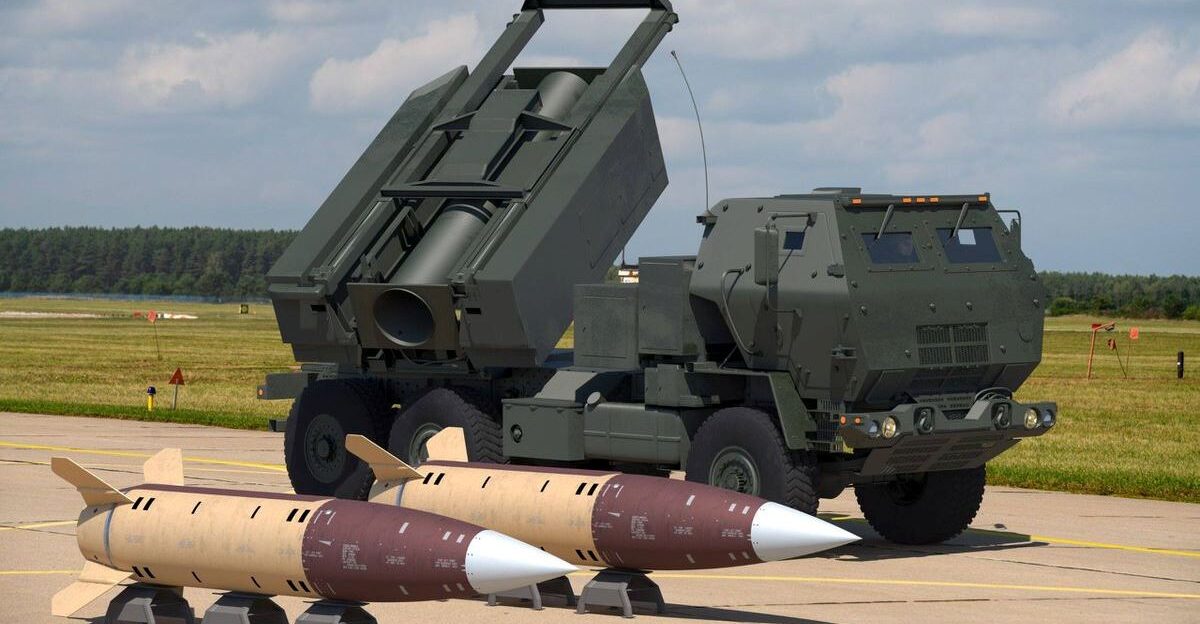
After escalating Russian attacks on Ukrainian cities, Kyiv responded with precision strikes. Biden lifted ATACMS restrictions in November 2024, but Trump’s administration re-blocked their use from spring 2025 onward through a policy review. In mid-November 2025, Trump lifted restrictions again, enabling the November 18 strike.
Trump signaled openness to lifting restrictions during a September 2025 meeting with Zelensky, according to The Wall Street Journal. He had previously stated in August 2025 that Ukraine had “no chance of winning” without striking Russian territory—while restrictions remained in place.
The November 18 strike targeted Pogonovo, one of Russia’s most critical troop preparation facilities, marking a strategic shift. Unlike previous ATACMS strikes on ammunition depots or airbases, this attack focused on a concentration point for Russian personnel before deployment to Ukraine. Military analysts noted that cluster ATACMS carrying 300-950 submunitions per warhead create vast kill zones ideal for disrupting troop concentrations, making this strike potentially more operationally devastating than previous attacks on fixed infrastructure.
Air Defense and Claims
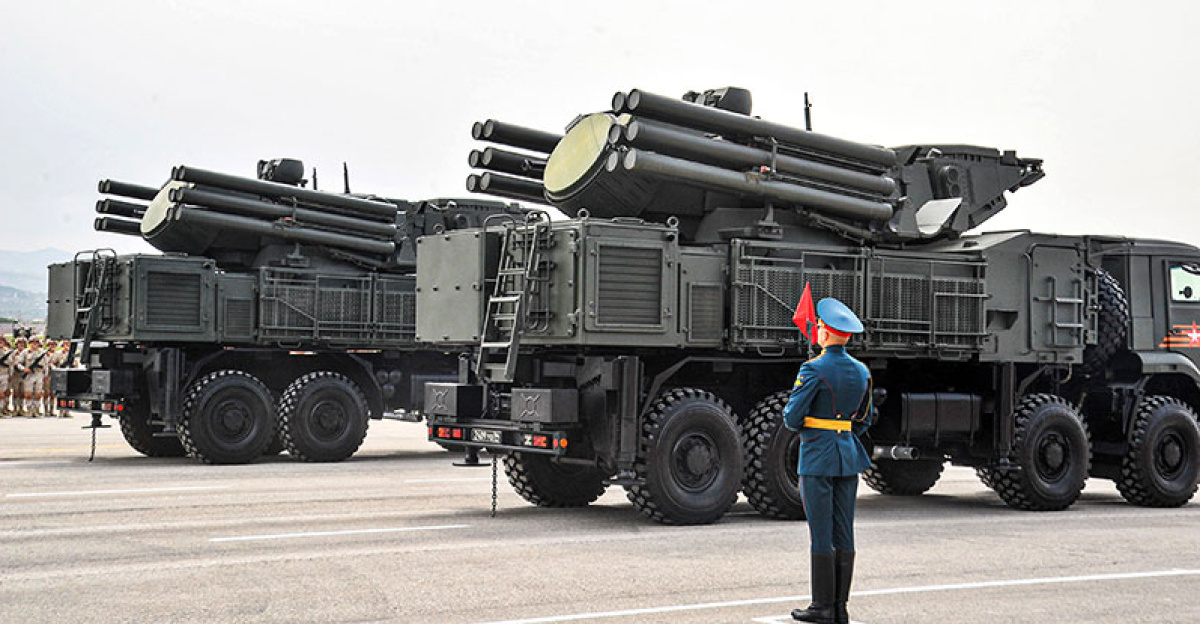
Russia’s air defense systems, including S-400 and Pantsir, claimed to intercept all missiles over Voronezh. However, damage reports indicated impact on civilian infrastructure, such as a retirement home and orphanage. Russia claimed these structures were damaged but acknowledged this through reports from the region. Ukraine did not disclose specific casualty figures. These claims remain partially verified through independent open-source analysis, which documented damage patterns consistent with missile impacts.
The unverified reports raise questions about the accuracy of Russia’s defense claims and the extent to which Ukraine’s ATACMS were able to penetrate or bypass Russian air defense systems.
Defense Contractors and Military Supply Chains
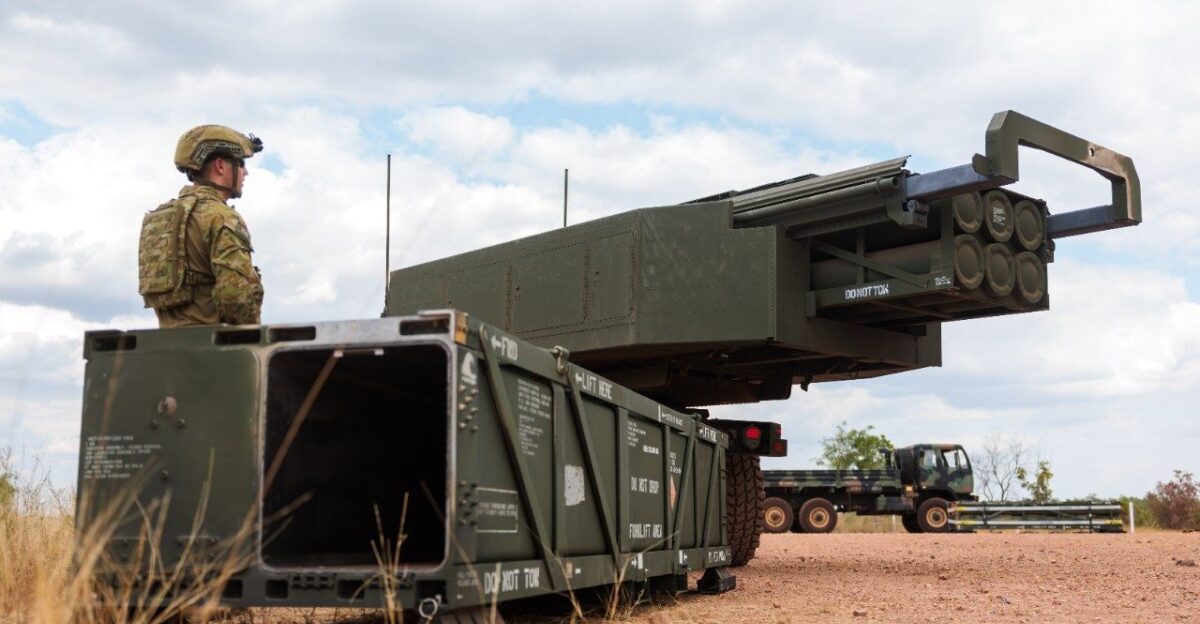
This strike revived interest in missile systems and air defense solutions. U.S. and European missile manufacturers, particularly those working on the Precision Strike Missile (PrSM), stand to benefit from Ukraine’s ongoing demand for long-range strike capabilities. Lockheed Martin announced in November 2025 it is ramping PrSM production to 400 missiles annually, citing increased demand for advanced long-range strike systems. In contrast, Russian defense contractors are now under increased pressure to enhance their defense technologies.
The development also highlights the increasing reliance on advanced missile technologies by both parties in the conflict. As the war continues to evolve, contractors on both sides may find themselves at the forefront of a booming market for next-generation military equipment.
Alternative and Adjacent Technologies
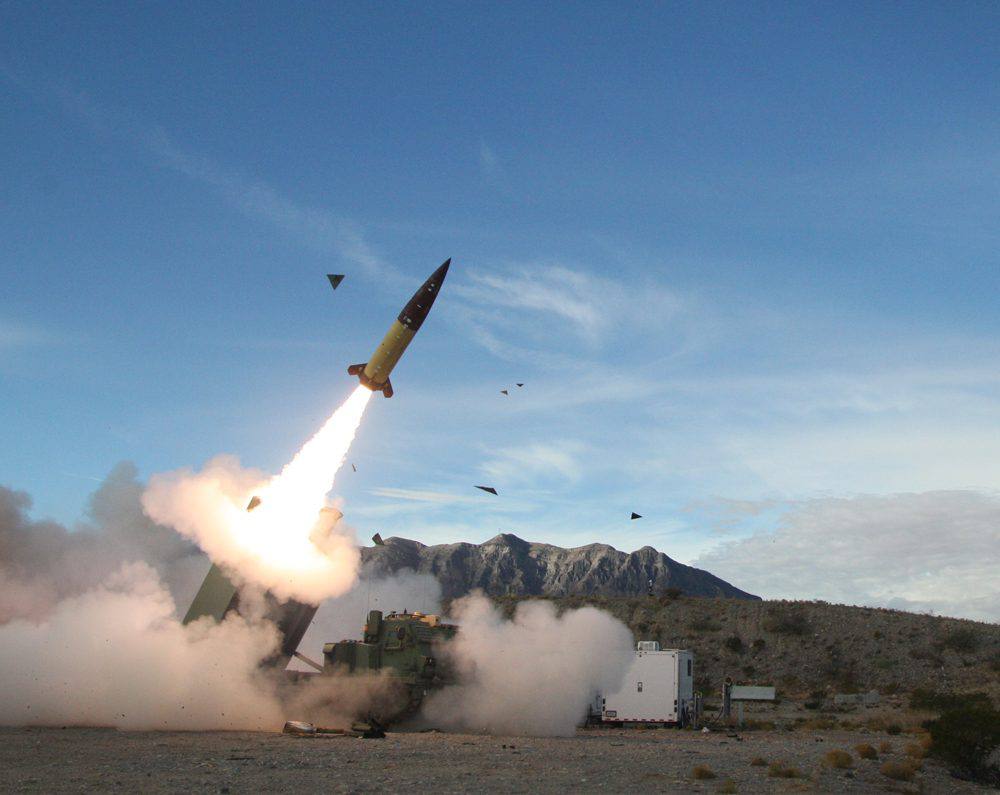
With ATACMS back in use, Ukraine’s missile and drone capabilities gained renewed attention. Alongside ATACMS, Ukraine’s domestic drone and cruise missile programs, plus the U.S. Army’s PrSM development, offer alternative strike options. Russia, meanwhile, has explored improving air defense systems and deploying more tactical dispersal techniques.
These technological alternatives are crucial for both countries, as they try to maintain their military edge in a rapidly shifting war. While Ukraine looks to expand its strike capabilities with more diverse systems, Russia is forced to invest heavily in countermeasures to stay ahead.
NATO and Export Controls
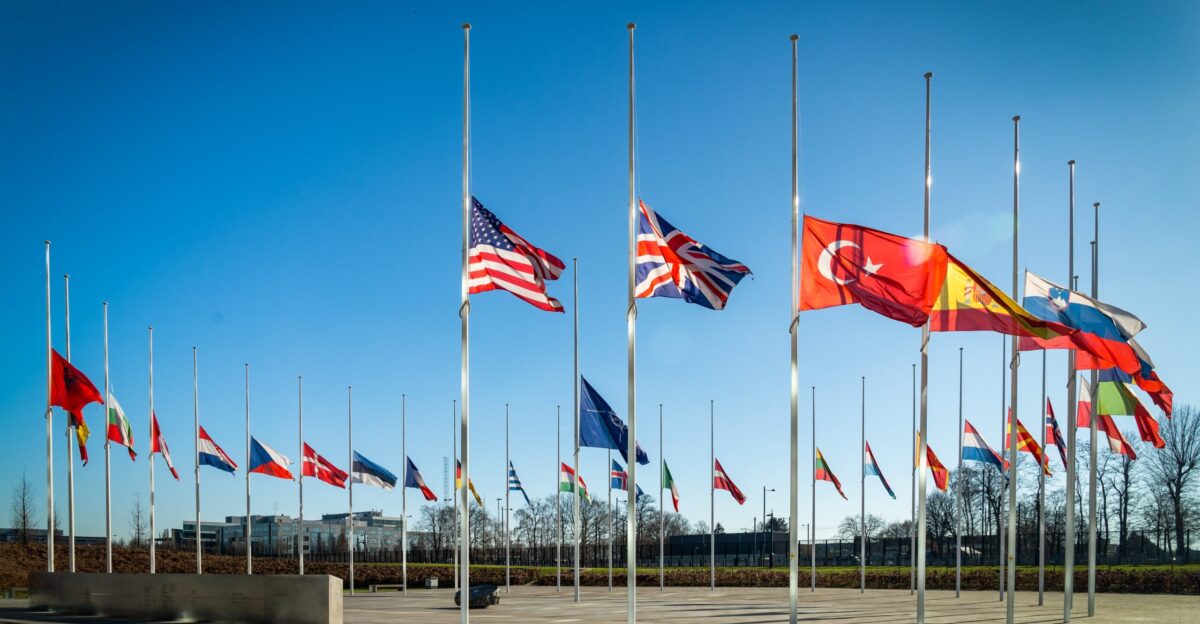
The strike reignited NATO’s discussions about arms export controls and the interoperability of long-range systems. While Russia denounced Western weapon supplies, citing violations of its stated “red lines,” no immediate military escalation followed beyond standard escalatory rhetoric. European allies continue to deliberate over further military support to Ukraine.
This development adds a layer of complexity to the international political landscape, as NATO and its allies wrestle with the implications of increased arms supplies to Ukraine. While the U.S. has committed to support, European nations are split on how far they should go in arming Ukraine against Russian aggression.
Soldiers and Civilians
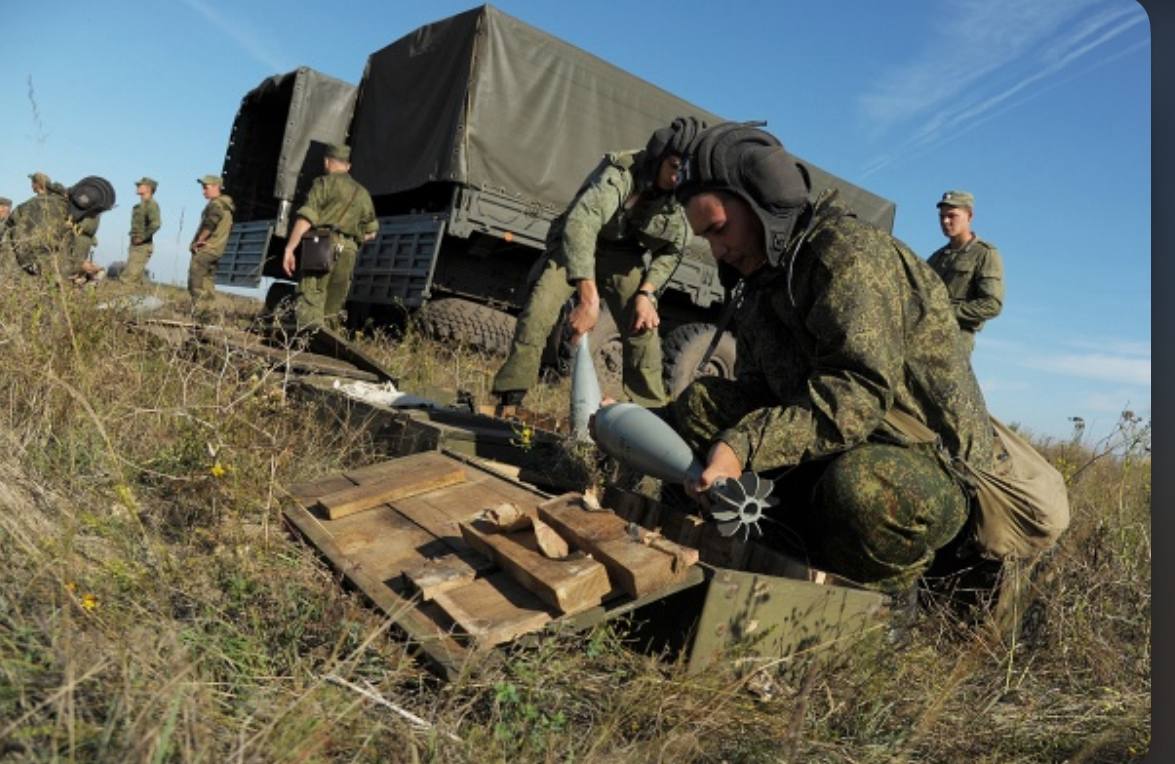
The Pogonovo training area in Voronezh serves as a concentration point for Russian military personnel preparing for deployment to Ukraine. The strike targeted this facility as a means to disrupt Russian force preparation operations. Similarly, the Baltimor airbase hosts the 47th Composite Guards Aviation Regiment operating Su-34 combat aircraft, according to open-source military intelligence reports.
Russia claimed all missiles were intercepted with no casualties; Ukraine did not disclose specific casualty figures. However, Ukrainian military sources reported that cluster warhead deployment was observed over the training area, and military analysts assess that Pogonovo’s documented concentration of Russian troops at the time of the strike suggests substantial potential casualties, making this likely one of the most consequential ATACMS strikes in terms of personnel impact, pending verification.
The attack underscored the military significance of these deep-strike capabilities. The Pogonovo training area strike was framed as a strategic move to degrade Russian combat effectiveness. Both Ukrainian and Russian military forces recognize the operational importance of these long-range capabilities. While Ukraine justifies the attack as a military necessity to disrupt Russian preparations, the reality of potential civilian risks in mixed-use areas continues to weigh on the conflict’s tactical and ethical considerations.
Trump’s Role

The ATACMS strike marked a pivotal moment in U.S. policy under President Trump. Trump’s administration, which had implemented a policy review in spring 2025 that effectively re-blocked Ukraine’s ATACMS use into Russian territory, lifted those restrictions by November, approving Ukraine’s use of these systems. Trump previously criticized Biden’s initial authorization of such strikes but ultimately approved resumed operations, marking a significant policy shift.
This change, however, raises questions about future U.S. involvement and whether continued support will escalate military aid as the conflict deepens. Ukrainian leaders argue that the use of long-range strikes is essential for deterrence and survival in the ongoing war.
Energy and Trade
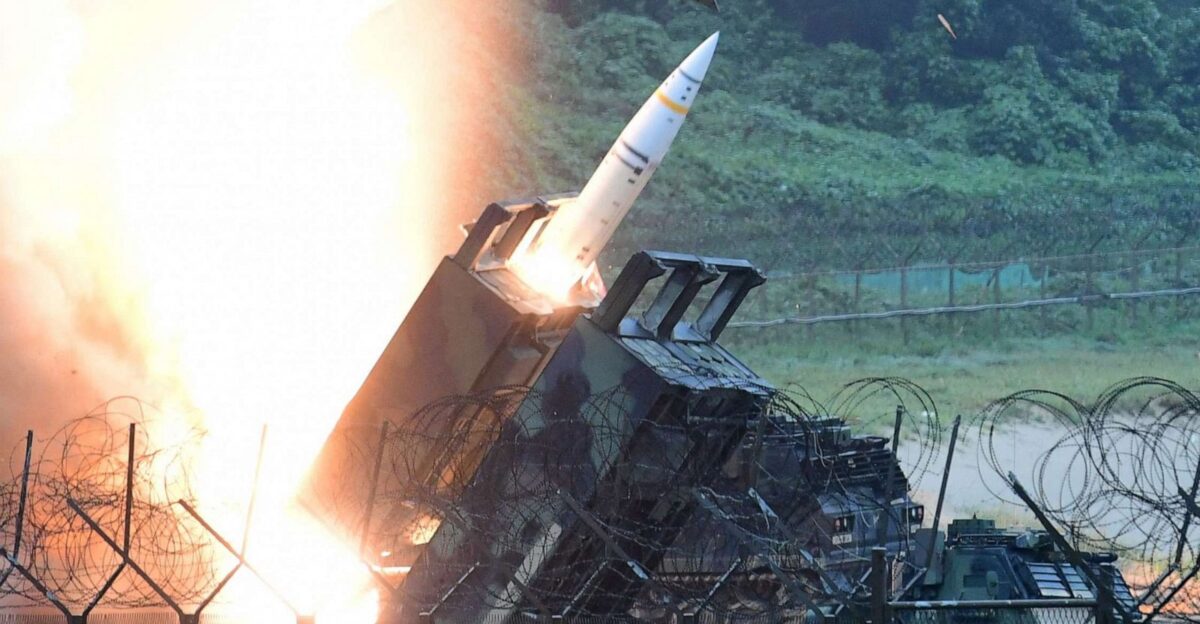
The intensified conflict and strategic use of ATACMS may have longer-term implications for regional economic stability. Broader regional instability has contributed to uncertainty in insurance rates and trade logistics affecting cross-border commerce in Eastern Europe. Some analysts suggest that as both countries leverage their respective military and economic capabilities in this high-stakes conflict, the global market may remain sensitive to the conflict’s trajectory.
Energy supply routes, trade logistics, and insurance premiums could be subject to fluctuations depending on the continued military escalation and territorial dynamics of the conflict.
Life in Voronezh
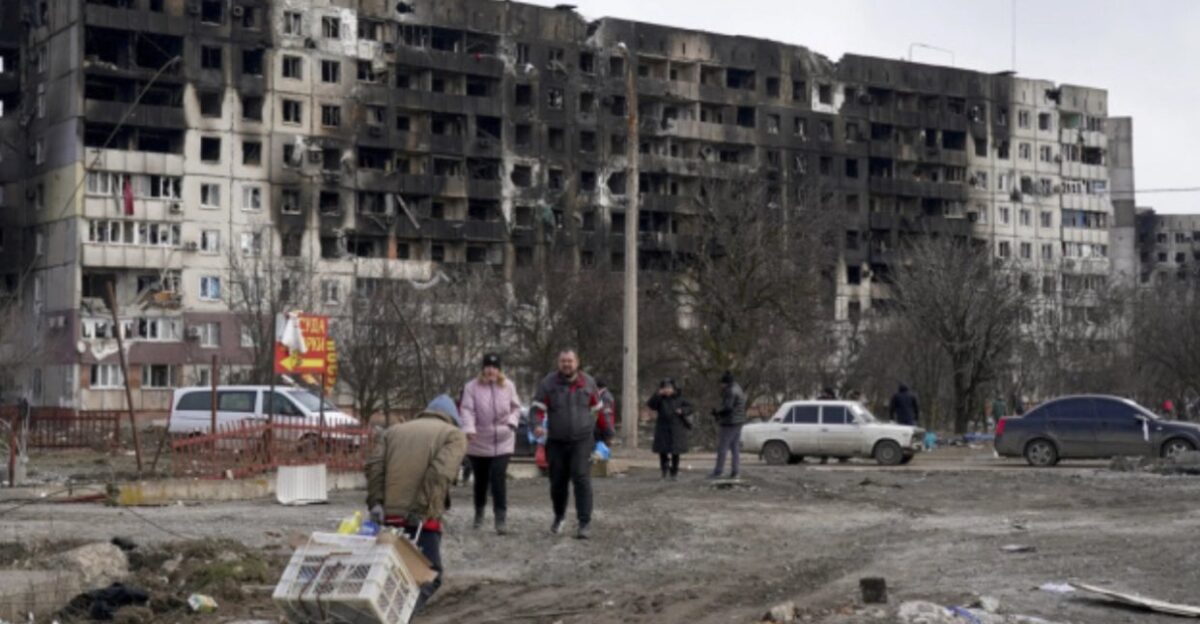
In the Voronezh region, residents faced heightened alerts and defensive measures as air defense systems were activated. Russia reported damage to civilian structures including a retirement home and orphanage. Independent verification of specific casualty claims remains pending. The strike underscored the dual nature of this conflict, where military objectives intersect with potential civilian risks.
The civilian experience in regions like Voronezh highlights the broader humanitarian impact of these military strikes. While the targeted facilities are military in nature, the proximity to civilian areas and potential collateral effects have contributed to growing humanitarian concerns surrounding the war.
Cluster Munition Concerns
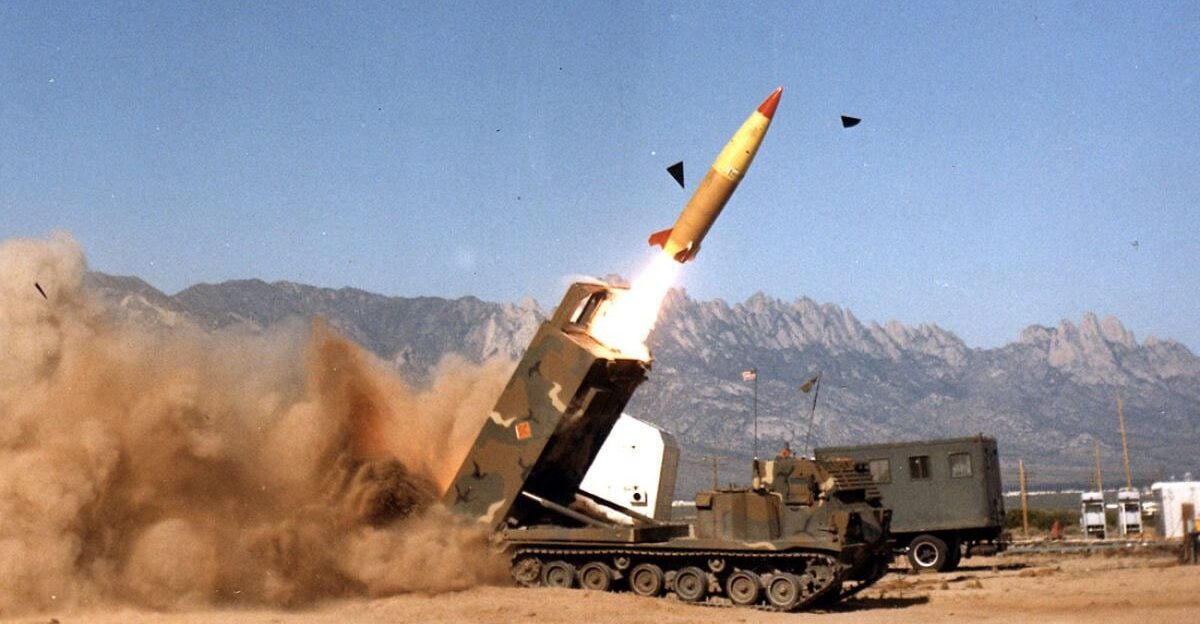
The ATACMS deployed reportedly included cluster munitions containing 300-950 submunitions per warhead, according to independent analysis of video evidence showing dispersal patterns consistent with cluster munition deployment. International humanitarian organizations have raised concerns over the use of such weapons, which can scatter submunitions across vast areas, potentially endangering non-combatants even after active conflict ends.
The use of cluster munitions in conflict zones continues to draw criticism for the lasting dangers they pose to civilians, particularly in post-conflict recovery and reconstruction. International law and humanitarian groups continue to scrutinize the deployment of such weapons, calling for greater transparency and accountability regarding munition types and deployment locations.
Investors and International Community

The escalation shifted global perspectives on the conflict. Media outlets highlighted the shift in U.S. policy, and international investors began reassessing regional risks. As the threat of wider escalation looms, regional instability continues to concern investors regarding energy supply reliability and long-term economic impacts in Eastern Europe and neighboring markets.
The global community watches these developments with mixed reactions. On one hand, there is an increasing awareness of the potential economic consequences of the conflict; on the other, some see it as an opportunity to support Ukraine’s defense efforts through military aid and investment.
Strategic Winners and Losers
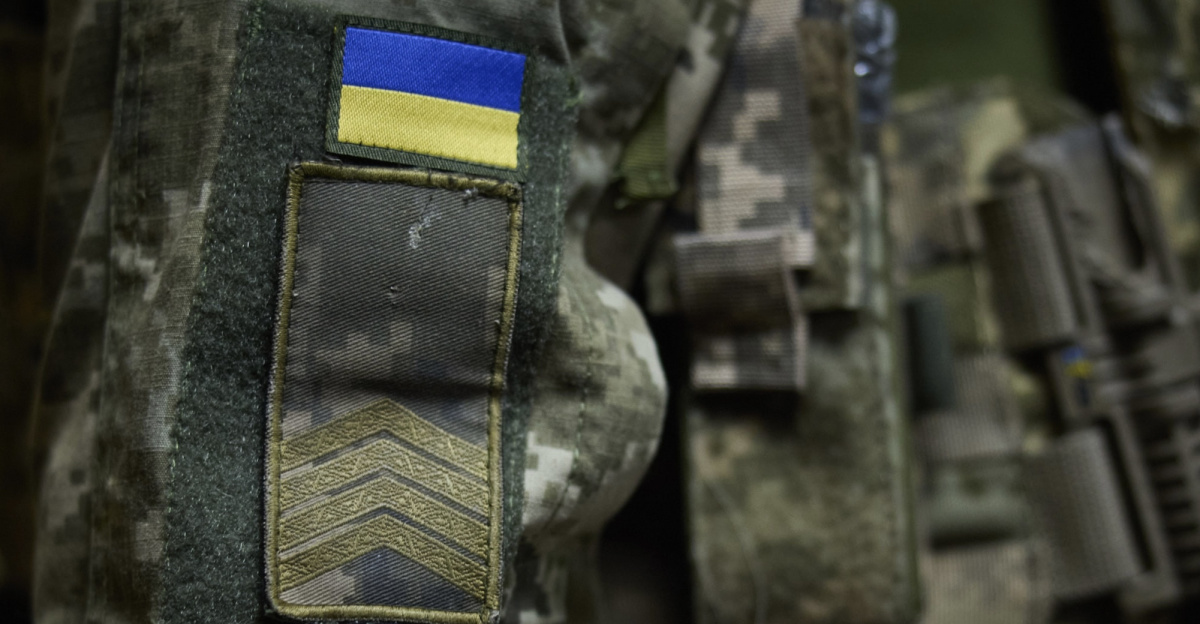
The defense technology sector, particularly missile manufacturers, stands to gain from continued demand for advanced systems. Meanwhile, industries like logistics and insurance are facing higher operational risks as regional tensions remain elevated. Ukrainian forces, buoyed by their ability to strike deep into Russian territory with authorized long-range systems, gain a psychological and operational edge in force preparation disruption.
For industries involved in military technology, the war represents both a challenge and an opportunity. While defense contractors benefit from the demand for weapons systems, other sectors are beginning to feel the pressure of an ongoing and unpredictable conflict.
Defense Stocks and Risk

The stock market response to the strike reflected cautious optimism in defense sectors, with defense stocks receiving renewed attention from investors. However, assets tied to emerging markets and regions at risk of escalation experienced mixed performance. Experts recommended diversifying portfolios and reviewing insurance policies for regions affected by the ongoing conflict, particularly in Eastern Europe.
As geopolitical tensions remain elevated, the financial markets are responding with careful assessment. Investors are urged to assess their exposure to risk in the region, with defense stocks potentially offering relative stability but other sectors facing uncertainty from market volatility.
The Road Ahead
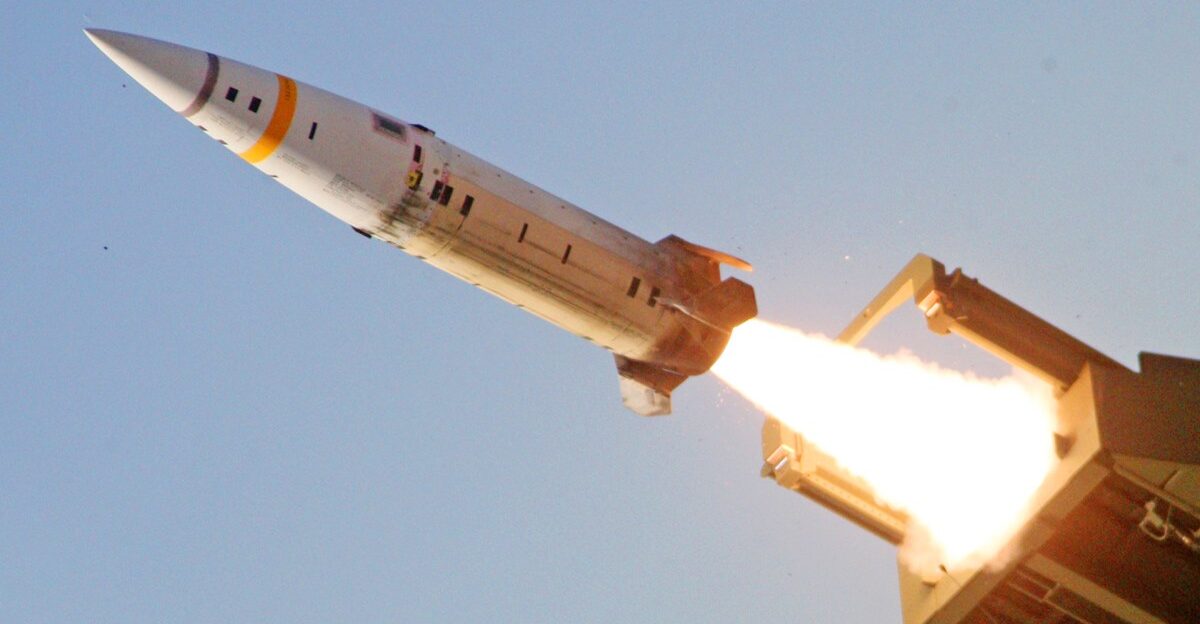
The ATACMS strike on November 18, 2025, signals a renewed phase in the Ukraine-Russia conflict, with significant implications for regional security and international arms control policy. As both nations adapt their tactics and the U.S. continues its support, the trajectory of the conflict will hinge on further U.S. policy decisions, Russian responses, and the potential for diplomatic breakthroughs.
The future of the conflict remains uncertain, but one thing is clear: the long-range strike capabilities that Ukraine now wields represent a pivotal factor in shaping the next phase of the war. With shifting policies and growing international pressure, the road ahead will test both military strategies and diplomatic efforts on multiple fronts.