
Ukrainian drones attacked the Belgorod Reservoir dam in Russia’s border region on October 26, 2025, flooding Russian military positions and civilian areas. The strike dropped the reservoir’s water level by over three feet and triggered emergency declarations on both sides of the border.
Russian Forces Cut Off by Floodwaters
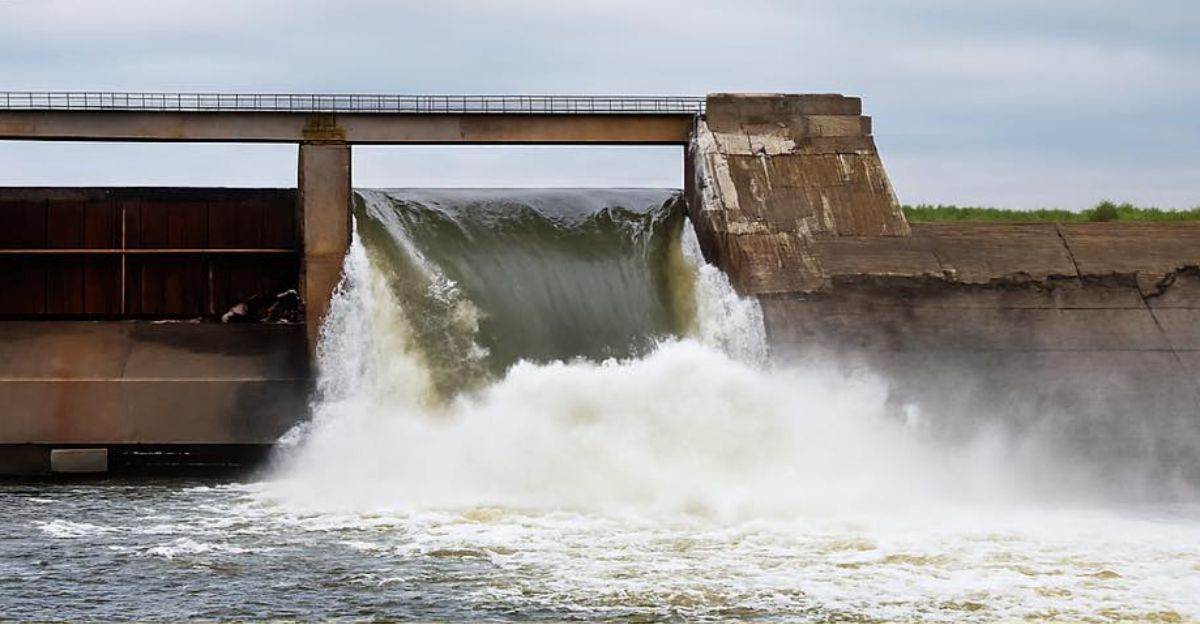
The attack hit four Russian brigades stationed along the Siverskyi Donets River near Vovchansk in Ukraine’s Kharkiv region. Major Robert “Madyar” Brovdi, commander of Ukraine’s elite drone brigade, confirmed his unit carried out the precision strikes. “Our drones can achieve what artillery cannot—disrupting entire enemy formations with a single blow,” Brovdi said.
Floodwaters poured into Russian bunkers and trenches, forcing soldiers to abandon their equipment and seek higher ground. Videos on Russian social media showed troops wading through waist-deep water as floodwaters swept away their supplies and ammunition. The flooding isolated approximately 1,000 Russian soldiers on the Ukrainian side of the river, cutting off their roads, supply lines, and escape routes.
Russian troops had recently crossed the river and established defensive positions near Vovchansk, expecting to hold these positions through winter. However, as autumn foliage thinned, their positions became visible to Ukrainian surveillance drones. The dam strike reversed Russia’s tactical advantage overnight, making previously safe river crossings impassable.
The Siverskyi Donets River has been a significant obstacle throughout the war. In May 2022, Ukrainian forces destroyed Russian pontoon bridges at this location, inflicting heavy casualties. By 2025, Russian commanders had adapted by waiting for the summer drought to lower water levels and using natural crossings.
Civilians Caught in Crisis

The flooding threatened nearly 1,000 civilians in Russia’s Shebekino district. “We woke up to water rushing through the streets—no warning, just chaos,” said resident Olga Ivanova. Russian authorities declared a state of emergency, though many residents complained about delayed communication and limited updates from federal agencies.
Ukrainian officials reported that Russian logistics west of the river had been severely disrupted. A Ukrainian military spokesperson said isolated Russian troops would face difficult choices as their positions became impossible to defend or resupply.
Broader Strategy and Historical Context
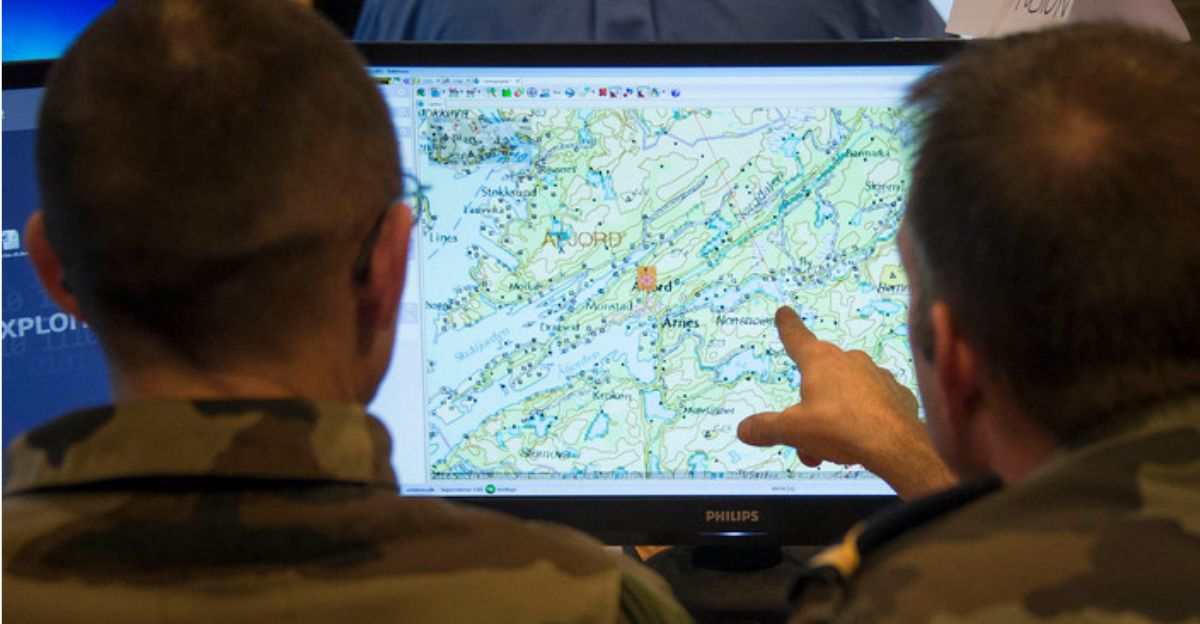
The dam attack reflects Ukraine’s broader strategy of targeting Russian infrastructure deep inside enemy territory. Earlier in 2025, Ukrainian drones destroyed significant portions of Russia’s oil refining capacity. The use of water as a weapon has historical precedents—British bombers targeted German dams during World War II, and Soviet forces destroyed their own Dnipro dam in 1941 to slow the Nazi advance. More recently, Russia destroyed Ukraine’s Kakhovka dam in 2023.
Ukrainian intelligence reports that Russia’s 82nd Airborne Brigade had already suffered heavy losses near Vovchansk before the flood. With battalions now stranded and understrength, Russian officials have announced plans to repair the dam, although experts warn that temporary fixes could take weeks and remain vulnerable to repeated attacks.
As winter approaches, the attack exposes challenges within the Russian military, including understaffed units and overextended supply lines. The strike demonstrates how drones and infrastructure attacks can rapidly reshape modern battlefields.