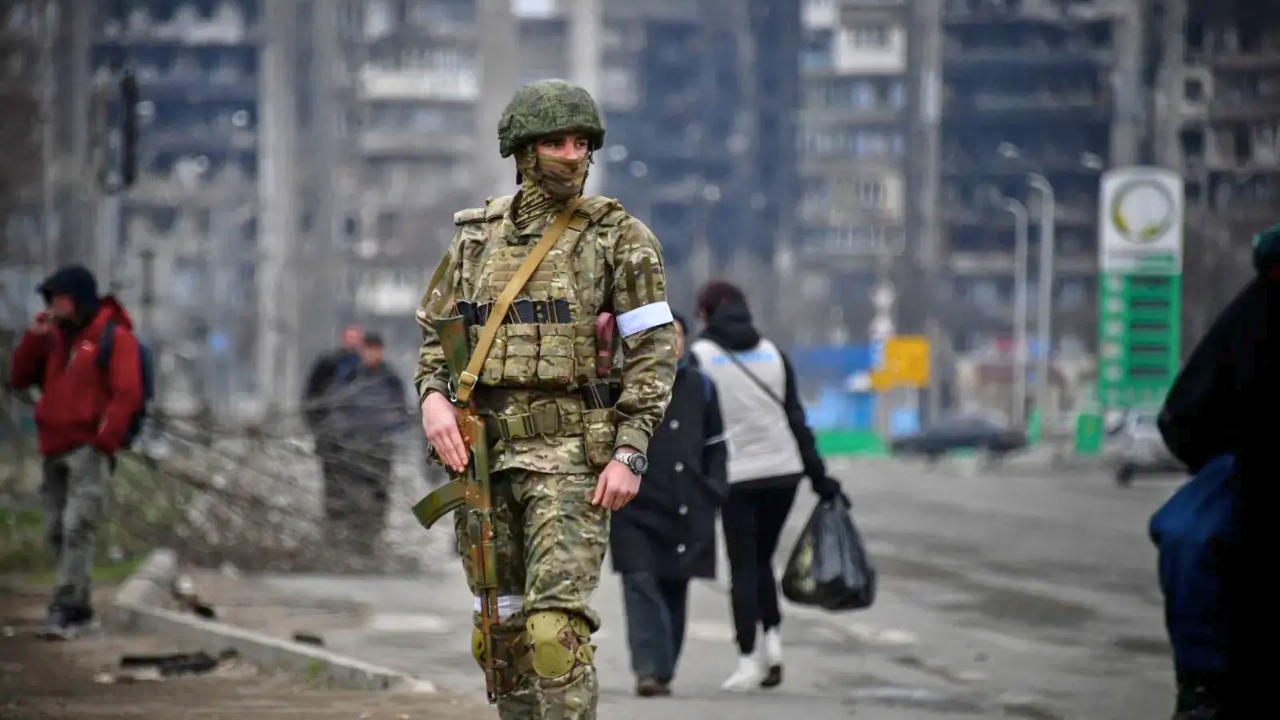
Pokrovsk, once a busy city of 60,000 people in eastern Ukraine, has become one of the most tragic symbols of the war. Over the past year, Russian troops have carried out repeated large-scale infantry attacks against Ukrainian defenders. These assaults, often called human wave attacks, have led to severe losses. Verified sources report that over 1,200 of Russia’s best-trained soldiers were killed in one recent failed assault, along with around $500 million worth of destroyed equipment.
The battle for Pokrovsk shows the extreme human and financial cost of urban warfare. What was once a thriving city is now mostly ruins. Almost all civilians have evacuated, leaving behind a lifeless urban battlefield where shattered buildings and wreckage tell the story of relentless fighting.
A City Turned Battlefield
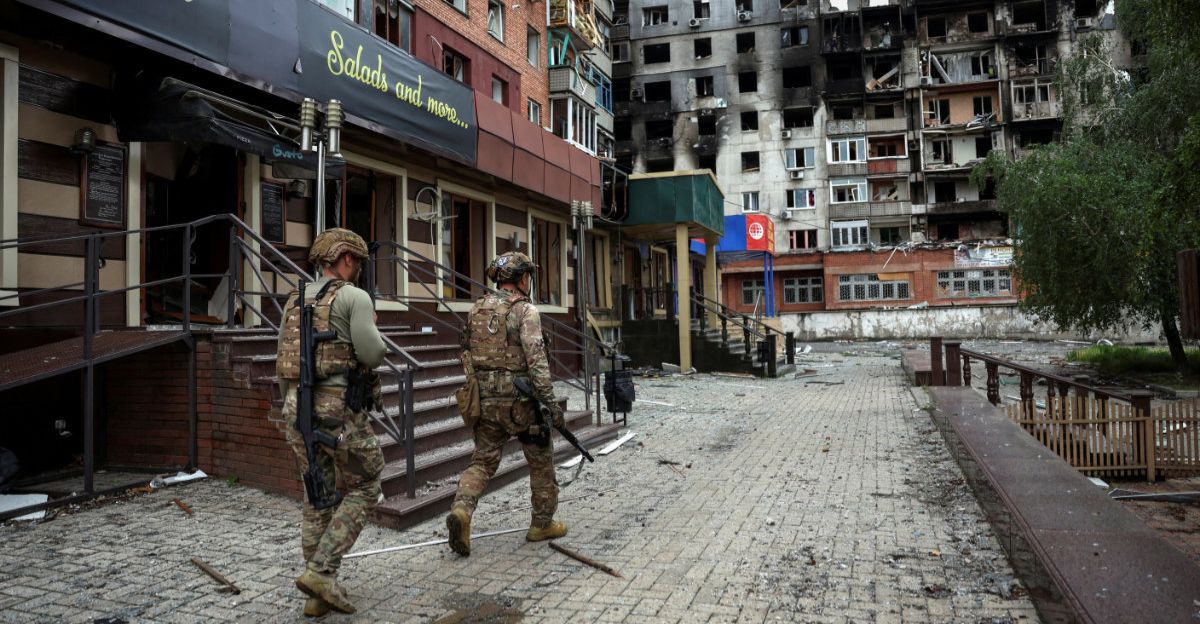
Pokrovsk’s siege has become one of the longest and hardest-fought battles of the war. Unlike the swift fall of Mariupol in 2022, Pokrovsk has resisted Russian forces for more than a year. Streets, homes, and public buildings have been turned into strongholds, fortified with trenches and barriers. The city has become a maze of destruction, echoing the scenes of famous battles like Stalingrad during World War II, but now shaped by drones, guided missiles, and modern surveillance technology.
Even though Russian officials claim to be advancing, their inability to capture Pokrovsk or any other major city since Avdiivka in early 2024 suggests their offensive power is wearing out. The siege has turned into a long test of endurance, where both sides struggle to gain ground while paying a heavy price in lives and resources. With both armies exhausted and neither able to fully dominate, the city has become a frozen example of how modern warfare can trap opponents in long, destructive stalemates.
The Cost of Human Wave Attacks
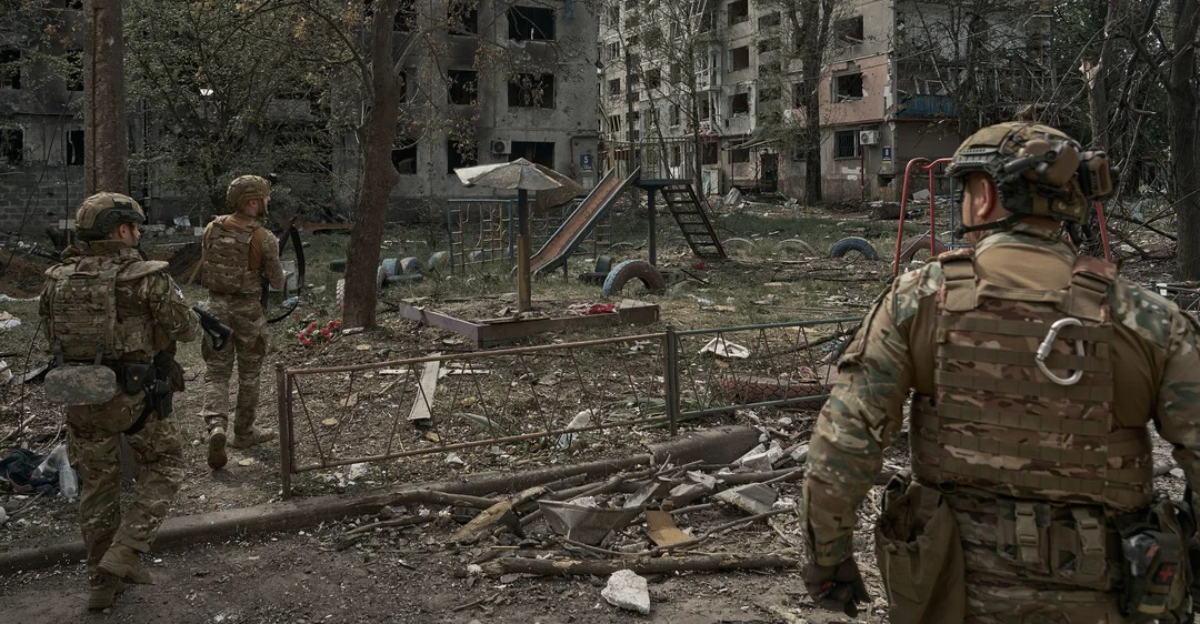
Russia’s main battle strategy in Pokrovsk has involved sending waves of infantry directly against heavily fortified Ukrainian defenses. This approach is similar to the brutal trench warfare tactics seen in World War I. Each Russian advance captures only a handful of buildings or streets, yet at the cost of many soldiers’ lives. The Russian Defense Ministry has claimed control over 35 buildings, but experts say these small tactical victories have not justified the enormous sacrifices required to achieve them.
Ukrainian troops, using a mix of underground tunnels, barricades, and ambush points, have managed to repel many attacks and maintain control of strategic sites. These defenders move quickly and adapt effectively, exploiting their familiarity with the terrain to make each assault costly for their attackers. The Russian strategy of throwing large numbers of troops into short-term offensives has failed to adapt to the realities of today’s high-tech, close-quarters combat.
This has taken a toll not just on Russian soldiers but on morale and logistics. Vehicles, weapons, and ammunition are being consumed at unsustainable rates. The staggering number of casualties highlights how rigid strategies can falter in modern urban conflicts, where technology and local knowledge often outweigh sheer numbers.
Stalemate and Sacrifice
As the battle continues, much of Pokrovsk has turned into what analysts call a grey zone. These are areas where neither side holds clear control. Fighting here shifts constantly, with control of individual streets or blocks changing daily. This chaos disrupts communication and resupply efforts for both armies, while placing constant psychological pressure on soldiers fighting in an unpredictable environment.
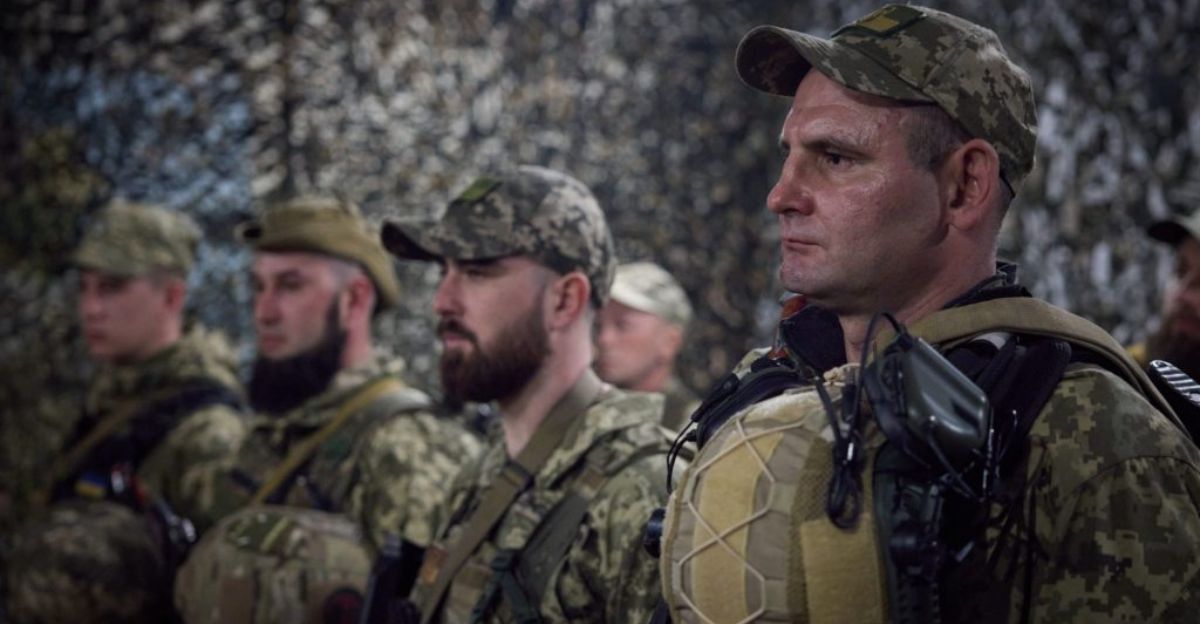
Ukrainian forces, including elite units such as the Azov Corps, continue to hold out despite intense bombardment. Their defense has become both a tactical success and a symbol of national resistance. President Volodymyr Zelensky’s visit to the front lines in November 2025 emphasized how important Pokrovsk remains, both for morale and for strategy. As long as Ukraine holds the city, it keeps key supply routes intact and prevents Russia from advancing deeper into Donetsk.
For Russia, failure to capture Pokrovsk after more than a year represents a significant setback. The siege has drained elite units, consumed massive resources, and damaged its image of momentum. For Ukraine, survival in Pokrovsk is both a moral and practical victory.
Beyond the military consequences, the human cost is staggering. Soldiers on both sides suffer daily from fear, exhaustion, and trauma. Civilians who once lived there have lost their homes, and many will return to find nothing left to rebuild. The continued use of mass infantry assaults in dense urban areas raises deep questions about modern warfare, its ethics, its planning, and its disregard for human life.