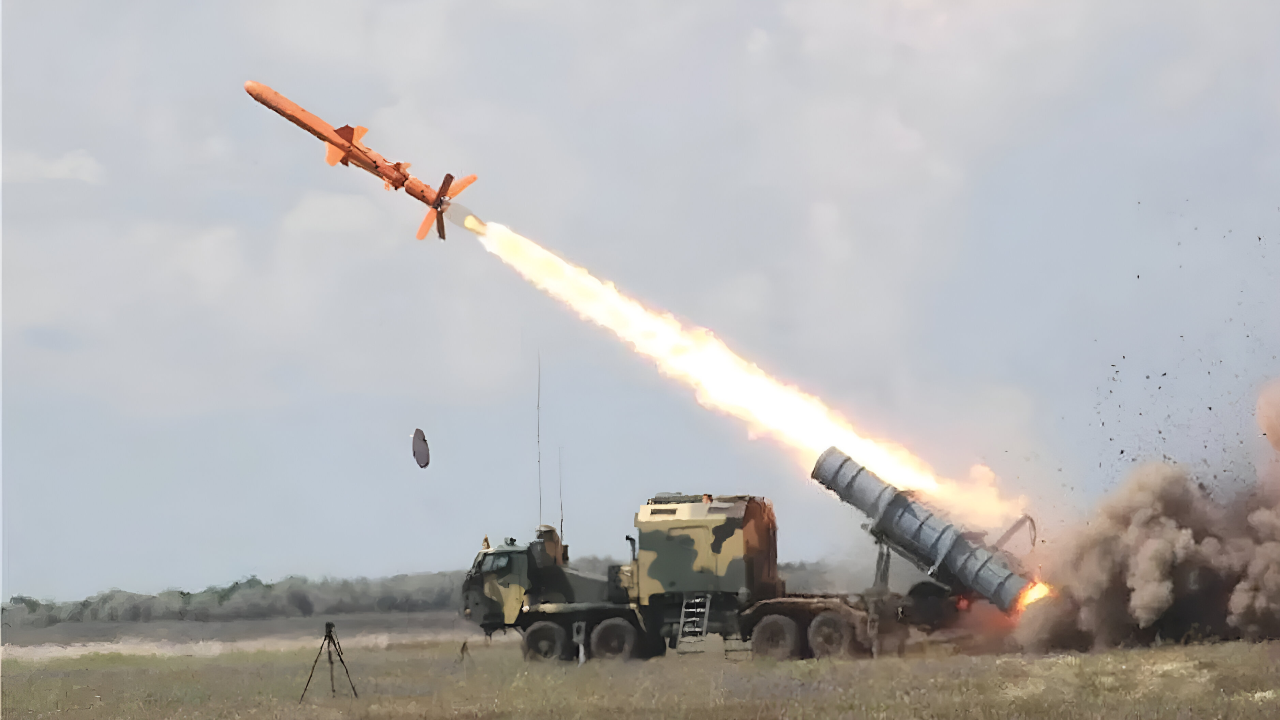
A plume of dust rose over Russia’s Black Sea coast as a Ukrainian drone plunged toward a cluster of S-400 air-defense launchers at the Kuban Red Banner Regiment base near Novorossiysk. In seconds, a flash and scattering debris marked not just a successful strike, but a pivotal moment in the evolving contest between advanced military hardware and agile, unmanned technology. The aftermath would ripple far beyond the blast zone, exposing vulnerabilities in Russia’s defenses and sending shockwaves through global energy markets.
Targeting Russia’s Black Sea Shield

Ukraine’s strike on the Novorossiysk base was a calculated blow against one of Russia’s most critical air-defense hubs. The base protects naval assets, radar stations, and vital infrastructure along the Black Sea, forming a defensive shield for the region’s military and economic lifelines. By destroying four S-400 launch vehicles and two sophisticated radars—the 96N6 “Cheese Board” for long-range detection and the 92N6 “Grave Stone” for tracking and engagement—Ukraine dismantled the core of Russia’s layered air-defense system at this strategic site.
This operation fits a broader Ukrainian strategy: targeting high-value, stationary systems that, while formidable on paper, are increasingly exposed to precision drone attacks. The loss of both launchers and radars not only reduced Russia’s ability to detect and intercept aerial threats but also left a critical gap in the region’s defensive network.
Economic Fallout: Oil Exports Disrupted

The military strike’s impact was felt almost immediately in the global energy sector. Russia suspended crude oil exports from the Novorossiysk terminal, a facility that typically handles about 2.2 million barrels per day—roughly 2% of the world’s oil supply. The halt, though temporary, underscored the close ties between military security and economic stability in the Black Sea region.
Damage to infrastructure near the naval base forced the pause in operations, highlighting how attacks on military targets can trigger far-reaching economic consequences. The incident served as a stark reminder of the fragility of critical infrastructure during conflict, with even brief disruptions capable of unsettling international markets.
S-400 System: A Costly Loss
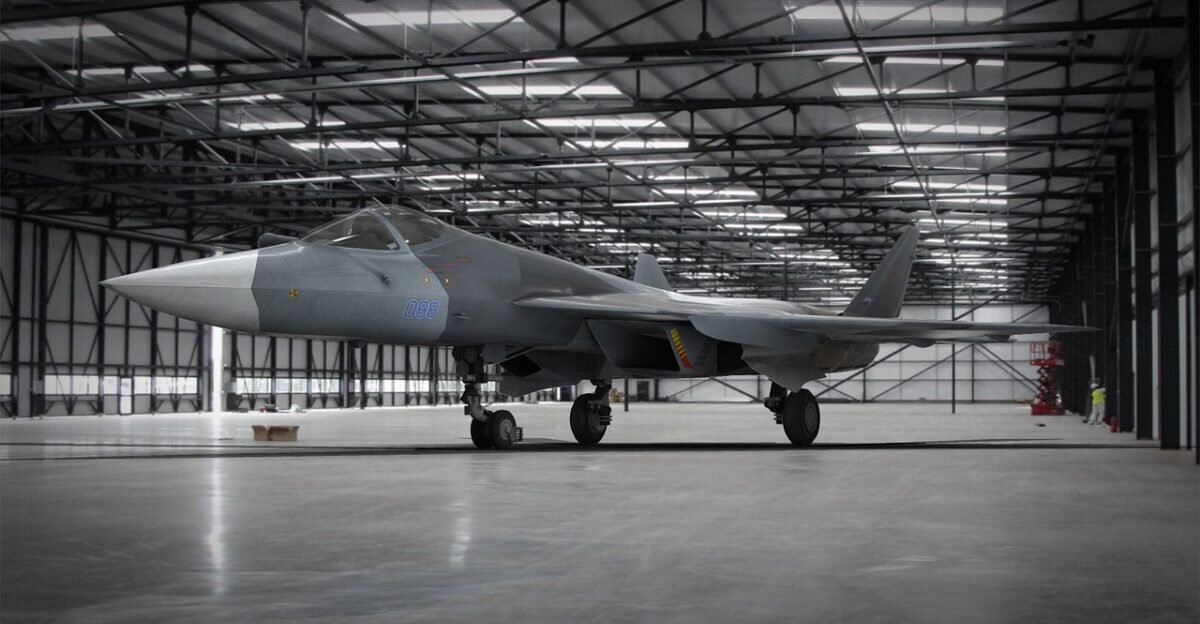
The S-400 system represents the pinnacle of Russian air-defense technology, designed to track and engage multiple aircraft and missiles simultaneously. The destruction of four 5P85 launchers and both the 96N6 and 92N6 radars at Novorossiysk dealt a significant blow to Russia’s defensive posture. Without these components, the base lost its ability to provide early warning and coordinated engagement against aerial threats.
Replacing such advanced systems is neither quick nor simple. Each launcher and radar requires extensive production, calibration, and integration. The loss forces Russian commanders to either redeploy similar assets from other regions—potentially weakening defenses elsewhere—or accept increased vulnerability along the Black Sea coast.
Operational Gaps and Strategic Lessons
The strike left Russian air-defense operators temporarily blind over the western Black Sea, forcing neighboring units to compensate and exposing gaps in command-and-control. The incident revealed the growing vulnerability of high-value, fixed air-defense systems to long-range, cost-effective drones. Ukraine’s use of domestically produced, precision-guided drones to strike deep inside Russian territory demonstrated a rapid evolution in its military capabilities.
Satellite imagery confirmed the destruction at the Novorossiysk base, providing independent verification of the operation’s scale and impact. The attack not only validated Ukraine’s claims but also served as a case study in how relatively inexpensive unmanned systems can neutralize some of the world’s most advanced and costly military assets.
Broader Implications for Regional Security
Novorossiysk is more than a military outpost; it is a logistical and operational hub for Russia’s Black Sea Fleet, supporting warships, coastal installations, and supply routes. The strike’s location amplified its significance, disrupting the protective layers that shield Russia’s naval and energy infrastructure.
The incident also raised questions about the effectiveness of Russian air defenses and operational security. The ability of Ukrainian drones to penetrate deep into Russian territory and strike a heavily defended base suggests gaps in radar coverage and early-warning systems. Such weaknesses, once exposed, often prompt a broader reassessment of defensive strategies and resource allocation.
Looking Ahead: Shifting Dynamics
The Novorossiysk strike marks a turning point in the contest between expensive, stationary defenses and agile, evolving unmanned systems. Russia now faces the challenge of restoring its air-defense network, potentially at the cost of weakening other fronts or leaving key assets exposed. For Ukraine, the operation signals a new phase in its ability to project power deep into Russian-held territory, leveraging innovation to offset traditional disadvantages.
As both sides adapt, the balance between military technology and economic stability in the Black Sea region remains precarious. The incident underscores a new reality: in modern conflict, the lines between battlefield tactics and global economic security are increasingly blurred, and the next strike may have consequences far beyond the immediate target.