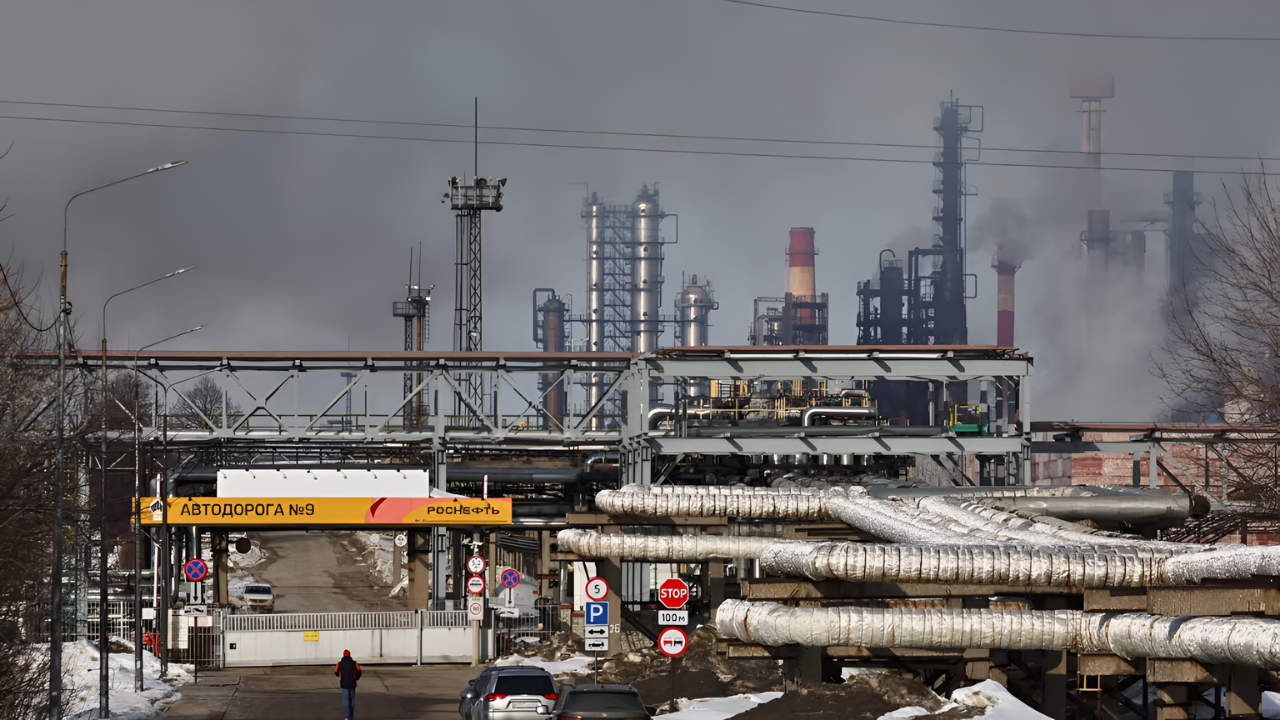
In a dramatic escalation of conflict, Ukrainian Special Operations Forces recently deployed low-cost drones to launch attacks deep within Russian territory. This unprecedented strategy targeted three major energy facilities, igniting massive fires at operations with significant processing capacities.
Both eyewitness accounts and official confirmations highlight the depth of this operation, raising serious concerns about Russia’s energy security. As the conflict enters a new phase, Ukraine’s drone campaign reveals not only tactical ingenuity but also sets a new precedent for asymmetric warfare in modern conflict. The stakes have dramatically escalated for all parties involved.
Energy Infrastructure Under Siege
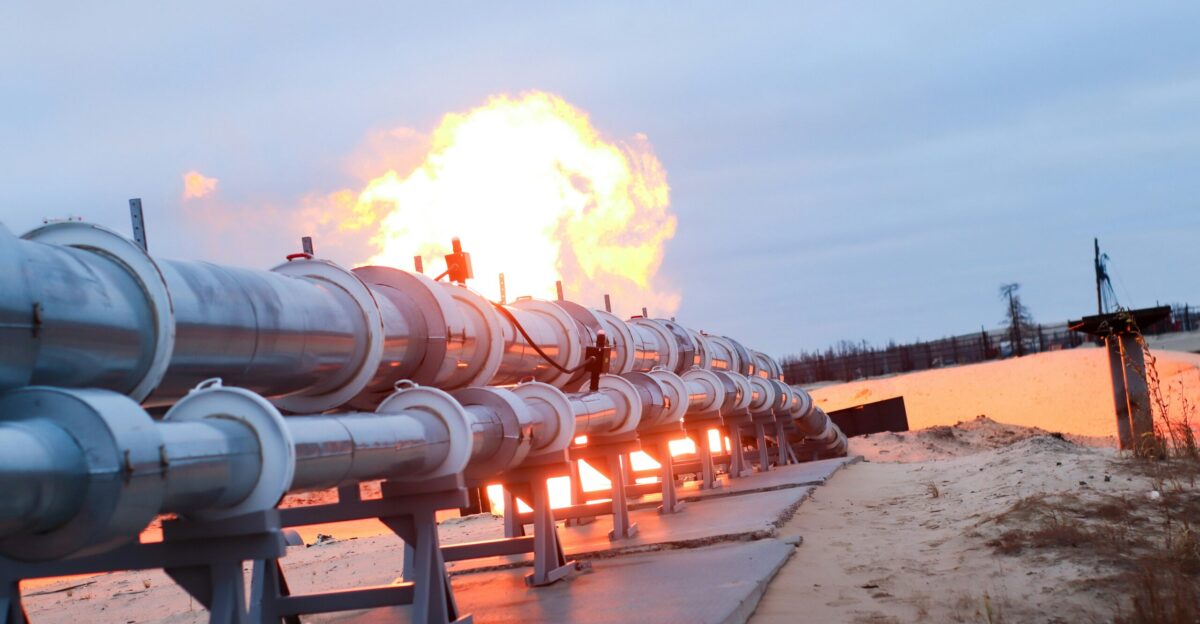
The recent strikes mark a pivotal moment in the ongoing war, representing the most coordinated Ukrainian assaults on Russian energy infrastructure to date. Local reports describe vivid images of flames and explosions at each targeted site, with credible testimonies from residents confirming the scale of the damage.
Officials have characterized this operation as a significant shift in military strategy, emphasizing the changing nature of the conflict. Resources that once seemed secure are now vulnerable, making Russia’s energy infrastructure the frontline in this evolving geopolitical battle. Expect continued repercussions as both sides adapt to the new realities of warfare.
A Look Back at 2025
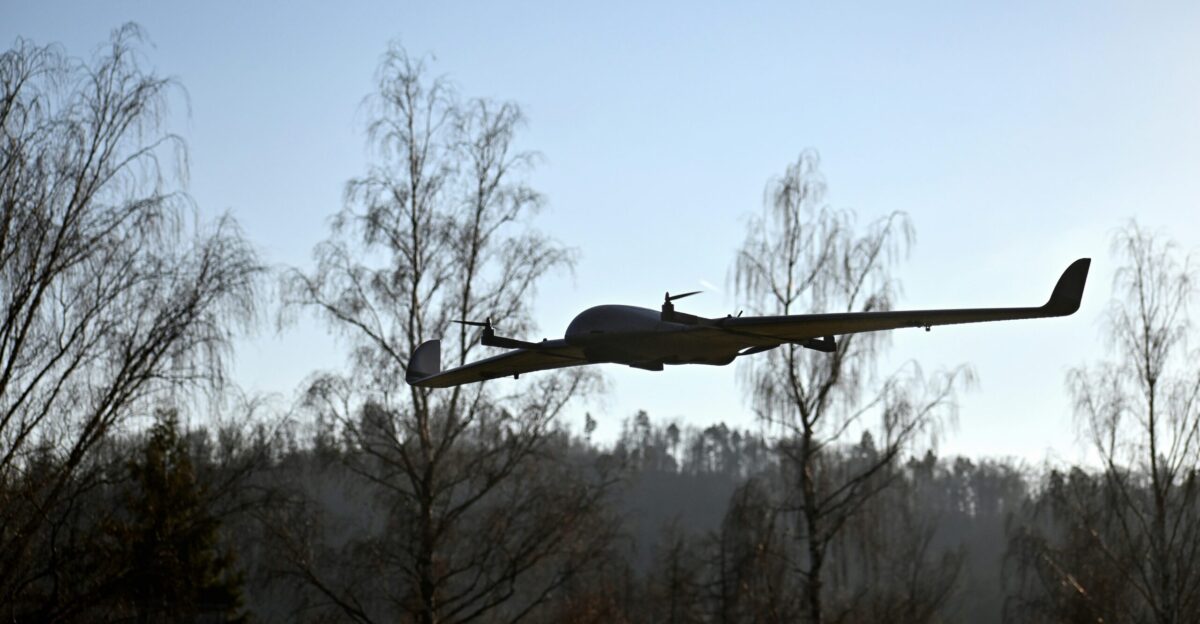
Throughout 2025, Ukraine’s drone campaign against Russian refineries has seen escalating intensity. Early attacks targeted facilities close to the Ukrainian border, but recent missions have launched strikes more than 1,000 kilometers into Russian territory. Analysts note that this shift illustrates Ukraine’s enhanced technical capabilities and its boldness in striking Russia’s economic lifelines.
The implications are profound, as Ukraine shows its resolve to disrupt the Russian economy at its core. Industry experts warn that the ongoing campaign will have lasting strategic and economic ramifications, reshaping the conflict landscape for the foreseeable future.
Russia’s Defensive Struggle
The frequency of Ukrainian drone attacks has forced Russia to respond by reallocating its air defenses and investing in makeshift anti-drone systems. Despite these adaptations, Ukrainian drones continue to breach Russian airspace with alarming success, revealing significant vulnerabilities in Moscow’s defense strategies.
Russian military leadership is under pressure to reassess defensive capabilities, which are now facing scrutiny from both government officials and the public. As Ukraine gains momentum in its campaign, Russia’s ability to maintain energy production and exports is increasingly strained, pushing the nation toward an economic reckoning.
The Paradigm Shift
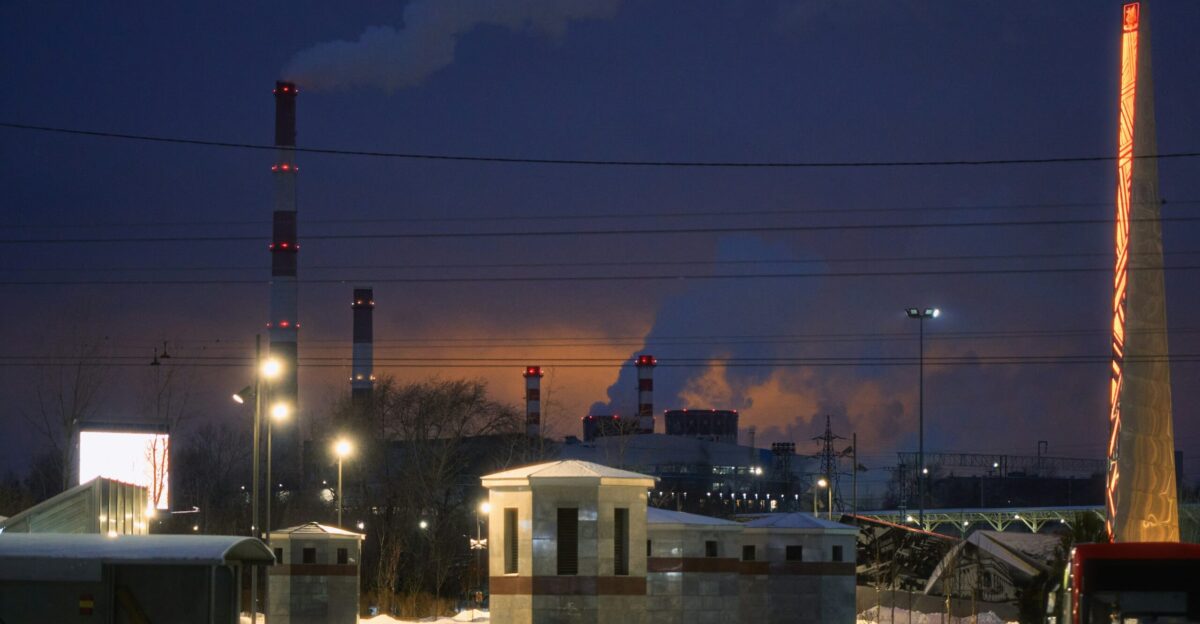
On October 28–29, 2025, Ukrainian Special Operations Forces implemented a bold coordinated drone assault targeting three critical sites: the Mari Oil Refinery, the NS-Oil Refinery, and the Budyonnovsk Gas Processing Plant. This operation resulted in major fires and explosions, crippling operations at these strategically located sites.
Residents and officials confirmed the events, reporting the scale of destruction that shattered Russia’s perceived immunity to attack. This significant use of low-cost drones has not only altered the operational landscape but has also fundamentally changed how we understand modern warfare in the age of technology.
Damage Assessment
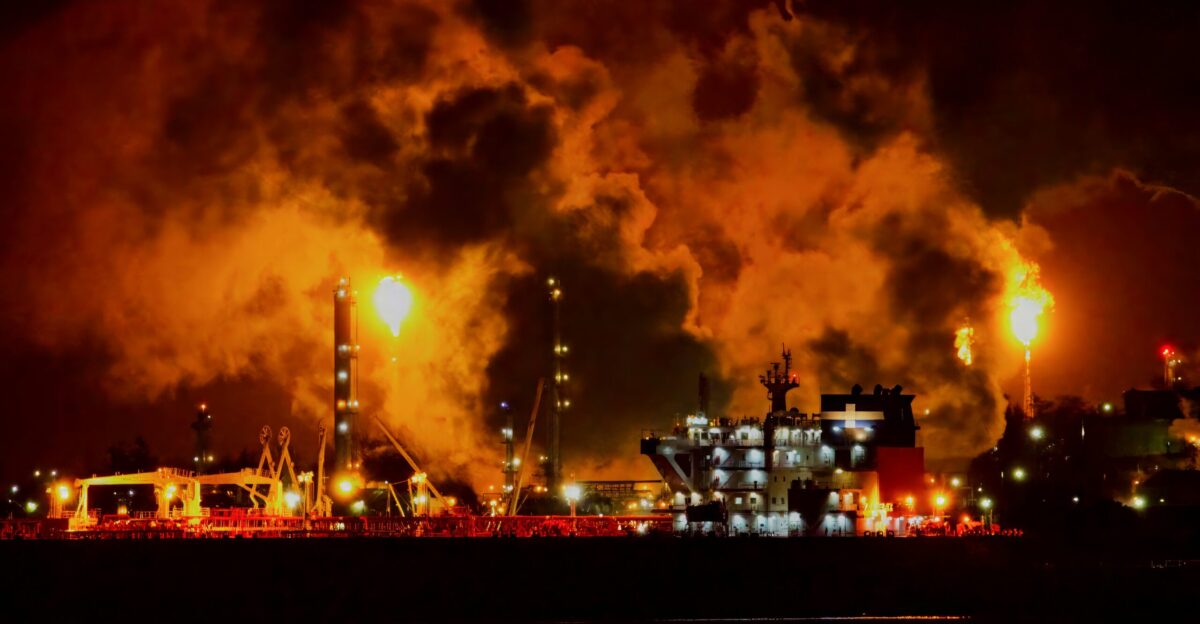
The Mari Oil Refinery in the Mari El Republic, with an annual capacity of 1.6 million tonnes, suffered extensive fire damage, marking a historic moment as the first confirmed Ukrainian strike in this particular region. Additionally, the NS-Oil Refinery in Ulyanovsk Oblast, which has a capacity of 600,000 tonnes per year, and the Budyonnovsk Gas Processing Plant in Stavropol Krai, with a design capacity of 2.2 billion cubic metres of gas annually, experienced significant disruptions, jeopardizing vital energy infrastructure across multiple Russian regions.
Together, these strikes dealt a heavy blow to Russian energy stability, igniting fierce debates over the reliability of its energy supply and illustrating the fragility of its critical infrastructure when facing innovative warfare tactics.
Community Voices
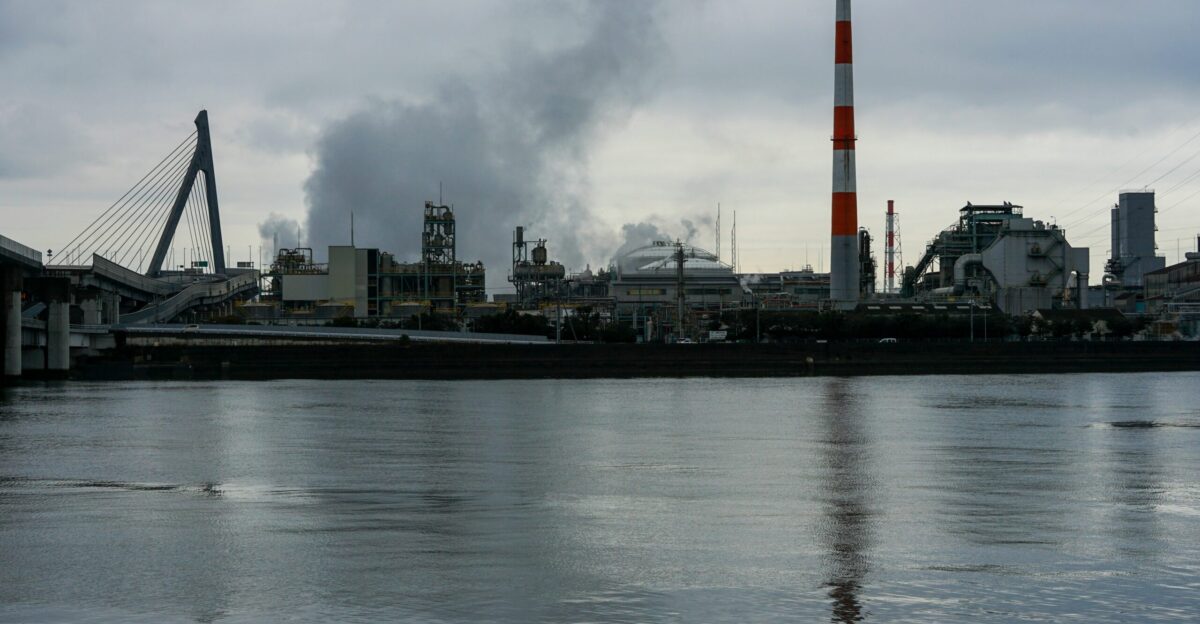
Residents are left grappling with the aftermath of the drone strikes. “We saw flames lighting up the night sky,” one resident of Mari El reported, illustrating the psychological toll of such widespread attacks. Eyewitness accounts detail dramatic scenes as communities far from the front line are thrust into the chaos of war.
Videos and photographs circulating online provide visual validation of these events, making it difficult for the Russian government to downplay the magnitude of the situation. These firsthand experiences not only capture the immediate impact but also underscore the far-reaching consequences for civilians.
Supply Chain Chaos
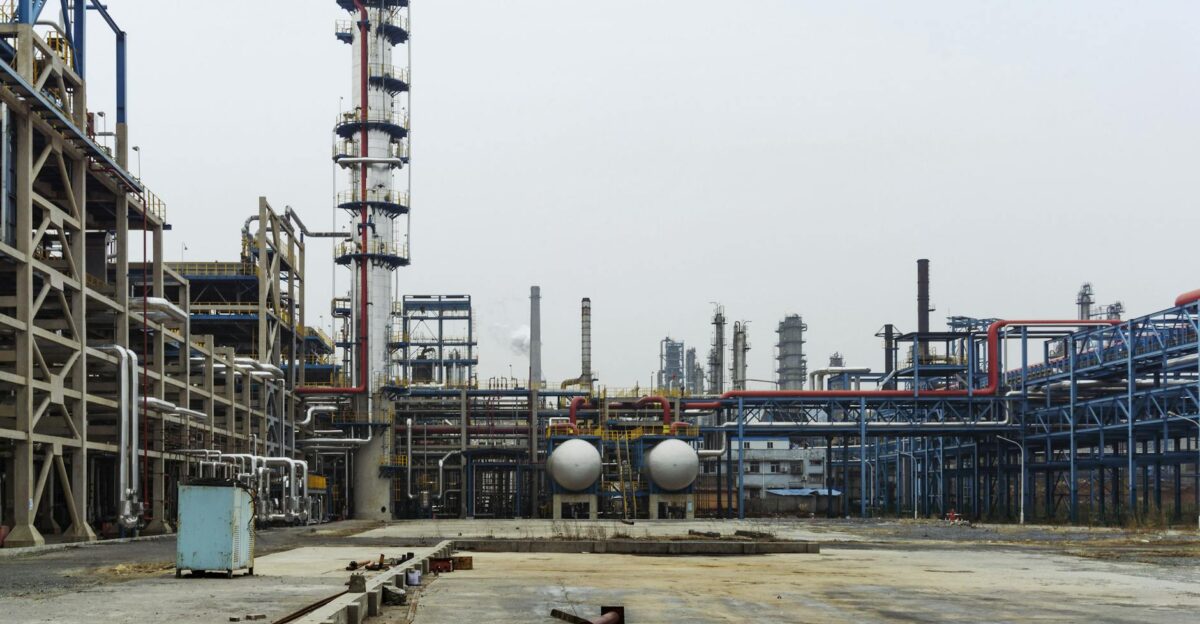
The attacks have led to substantial disruptions in Russia’s oil and gas supply chains, forcing several refineries to either operate at reduced capacity or halt production altogether. This fluctuation contributed to a 17% decline in Russian oil product exports in September, underscoring the cumulative impact of Ukraine’s relentless strikes.
Industry analysts assert that the ongoing assaults on energy facilities undermine not only local operations but also Russia’s overall economic stability. This loss has a direct impact on global markets, as the fallout ripples through international energy dynamics.
Economic Aftershocks

The ramifications of these drone strikes extend beyond local confines, contributing to gasoline shortages across Russia and introducing heightened volatility in energy markets. Domestic fuel prices have surged, with reports indicating gasoline production has decreased by approximately 10%.
With analysts warning of more instability to come, the ongoing damage could severely strain Russia’s export revenues and challenge its ability to manage domestic fuel demands. As energy markets respond to these developments, global energy prices are likely to continue fluctuating, highlighting the interconnectedness of modern economies.
Blackouts in Moscow Oblast
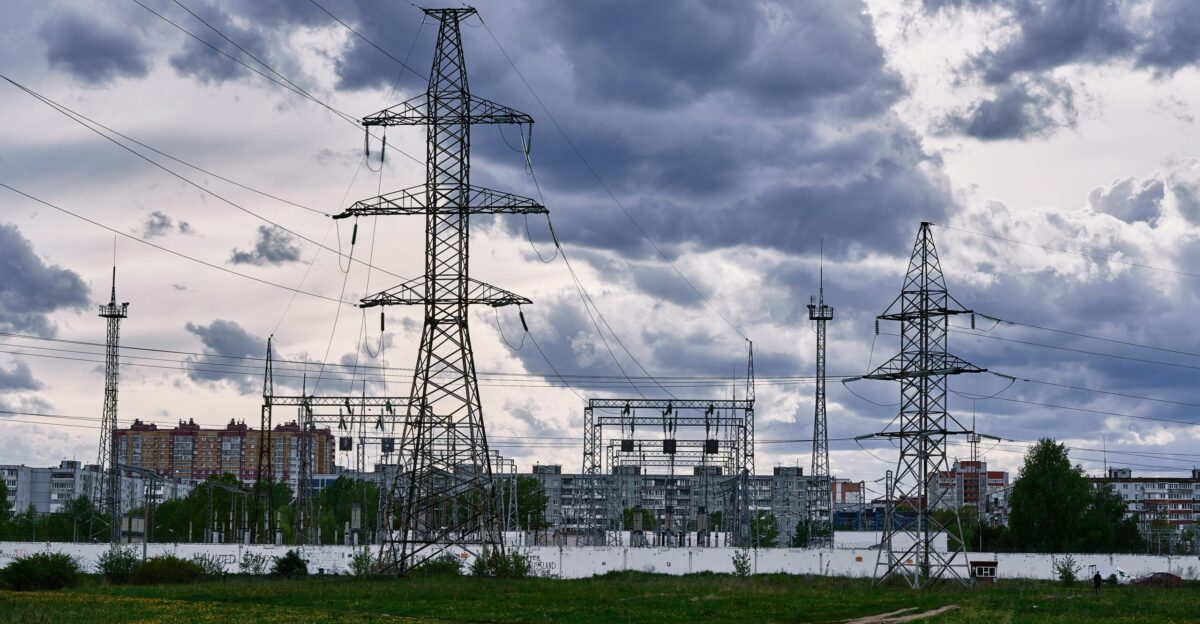
In an unexpected development, collateral damage from drone strikes on energy infrastructure has resulted in widespread power outages across the Moscow region. On October 31, 2025, reports indicate that significant blackouts affected Zhukovsky and surrounding areas in Moscow Oblast, located approximately 40 kilometers southeast of Moscow.
This incident highlights a critical vulnerability in Russia’s power grid and its susceptibility to targeted strikes, prompting urgent calls for increased security measures. With energy supply becoming a focal point in the conflict, the consequences are felt widely, impacting citizens’ daily lives and further complicating the operational landscape for the Russian government.
Internal Debates
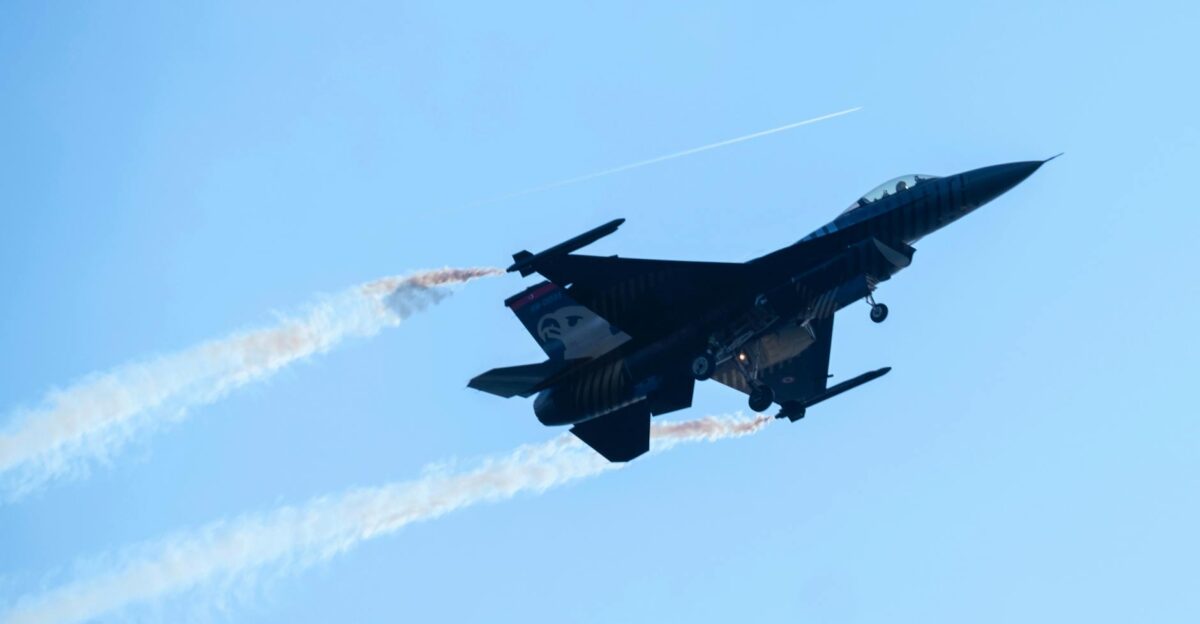
Frustration is brewing among Russian officials over the repeated breaches of air defenses that have allowed Ukrainian drones to target energy infrastructure. Some military leaders are advocating for urgent upgrades to current anti-drone systems, while others are questioning the effectiveness of existing intelligence and preparedness measures.
As internal debates intensify, concerns are raised about Moscow’s capacity to protect vital infrastructure. This fracturing of confidence reveals the depth of vulnerability within the Russian security apparatus, highlighting the challenges of maintaining control over critical assets amid escalating military threats.
Military Strategy Revisited
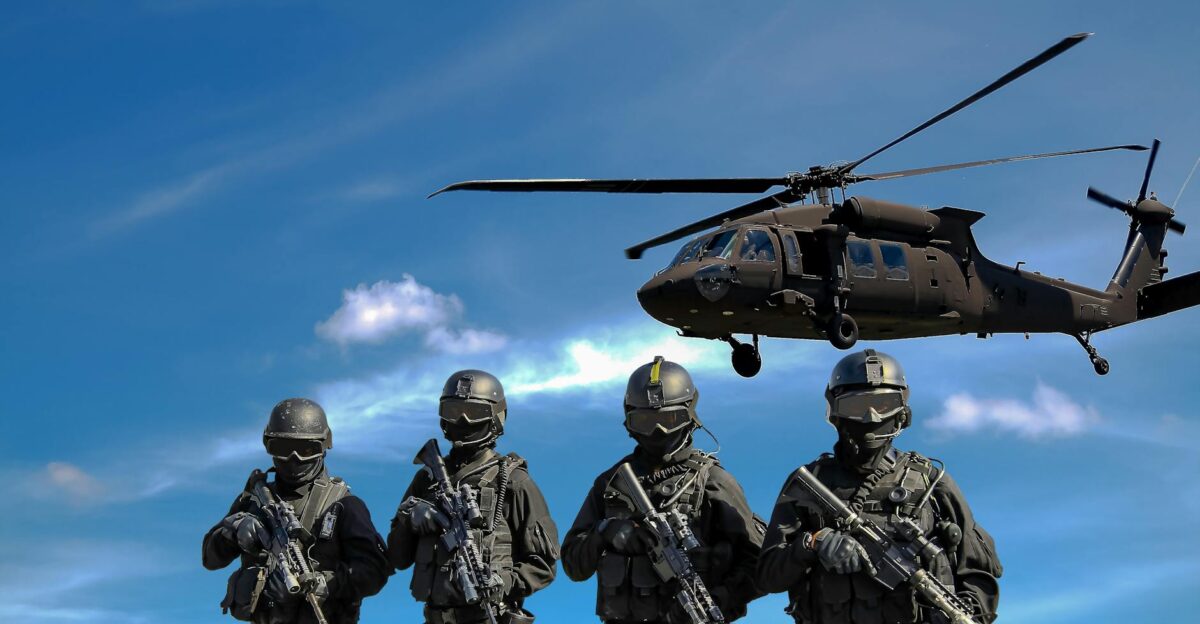
As the tactical landscape evolves, both Ukraine and Russia are compelled to reassess their military strategies. Ukraine’s drone operations mark a shift toward asymmetric warfare, utilizing low-cost technology to achieve high-impact results.
Conversely, Russia must adapt its defensive strategy to counteract this emerging threat. Military analysts forecast a continued escalation in tactics from both sides, as adaptability and innovation become crucial for survival in this prolonged conflict. These developments signal a transformative phase in which tactics, technology, and military doctrine are being scrutinized and redefined.
Global Implications

The effects of the drone strikes extend beyond the immediate regional context, influencing global energy markets and geopolitical relationships. As supply chain disruptions foster instability, international dependency on Russian oil and gas forces countries to navigate complex dilemmas.
Nations may be prompted to reassess their energy policies and alliances, as price volatility and supply fears grow. The international community is watching closely, as these events could have broader consequences that affect diplomatic relations and global energy security.
The Path Forward
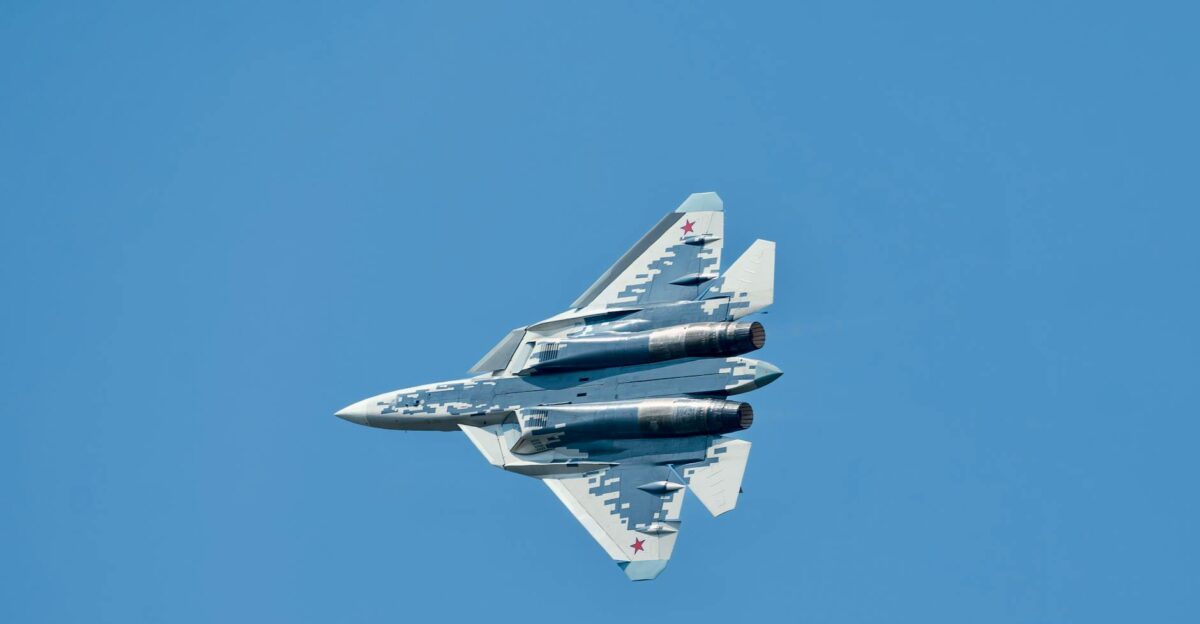
As we move forward, stability in the region hinges on both Ukraine’s tactical ingenuity and Russia’s response to new threats. The drone strikes signify more than just battlefield tactics; they reshape the conflict’s narrative in ways that could have enduring implications.
Future operations will likely focus on both defending and disrupting energy infrastructure, which is likely to lead to heightened tensions. As both sides adapt to this new reality, the global community remains on alert, anticipating a potential reshaping of regional and international relations.
A New Era of Warfare
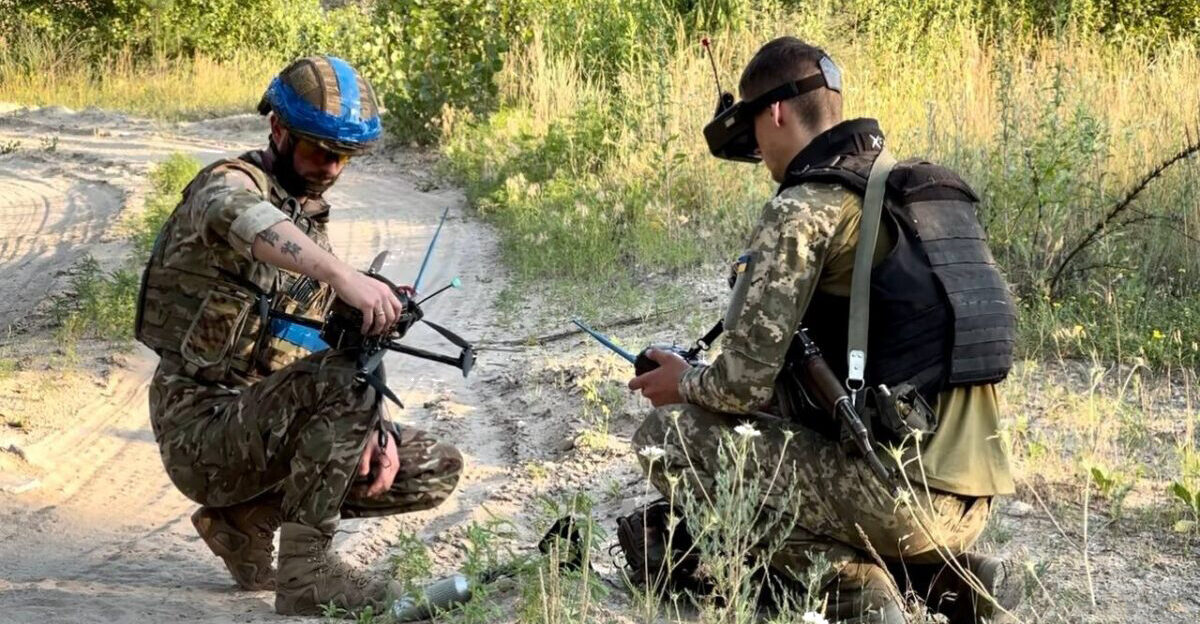
As Ukraine harnesses its technological advancements in drone warfare, the paradigm has shifted, presenting new challenges to conventional military approaches. The direct impacts felt, ranging from blackouts in Moscow Oblast to widespread economic turmoil, underscore how modern conflicts can reach far beyond traditional battlefields.
This situation serves as a learning moment, proving that the innovative use of technology can dramatically alter power dynamics. The war is evolving, and how both sides navigate this landscape will define future engagements and the overall trajectory of the conflict.