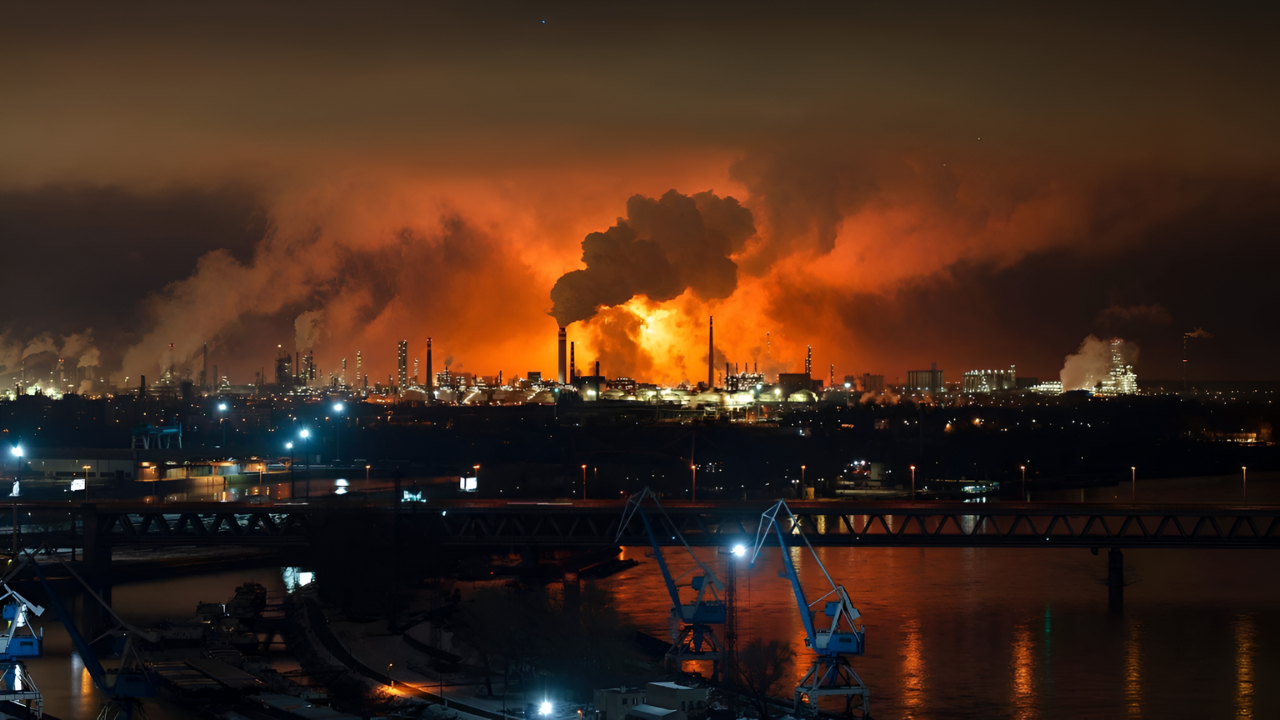
Ukraine’s November strike on Russia’s Ryazan refinery marks a new phase in the war, linking frontline combat, deep‑strike drone warfare, global energy markets, and political pressure on both Moscow and Kyiv.
The attack coincides with intensifying Russian strikes on Ukraine’s rail network, a corruption purge in Ukraine’s energy sector, and US sanctions that are forcing Serbia to unwind Russian control of its critical oil company NIS. Together, these developments show how energy infrastructure has become one of the central battlegrounds of the conflict.
A refinery in the firing line
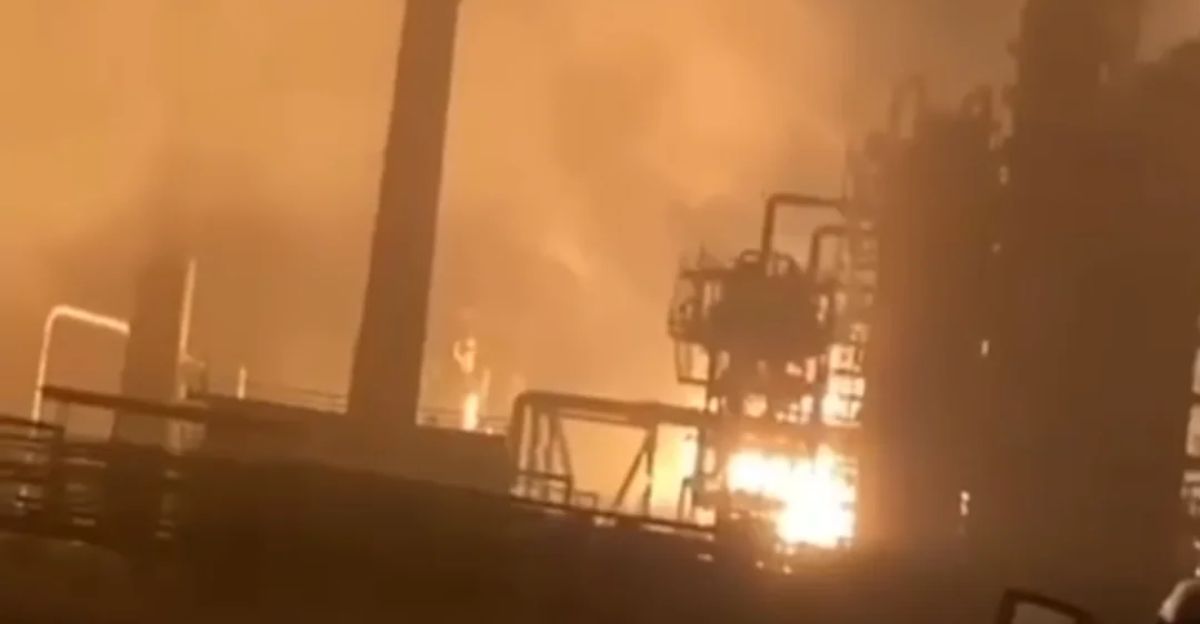
Ukrainian forces used long‑range drones to hit the Ryazan oil refinery in central Russia, triggering explosions and a significant fire at the site. The plant is one of Russia’s major refineries, located roughly 200 kilometers (about 125 miles) south‑east of Moscow, underscoring Ukraine’s ability to strike deep inside Russian territory.
Russian governor Pavel Malkov said air defenses shot down 25 drones over the region and claimed “falling debris” caused the blaze, while Ukrainian officials framed it as a deliberate strike on a key fuel hub supporting Russia’s war effort.
Escalating campaign against Russian energy
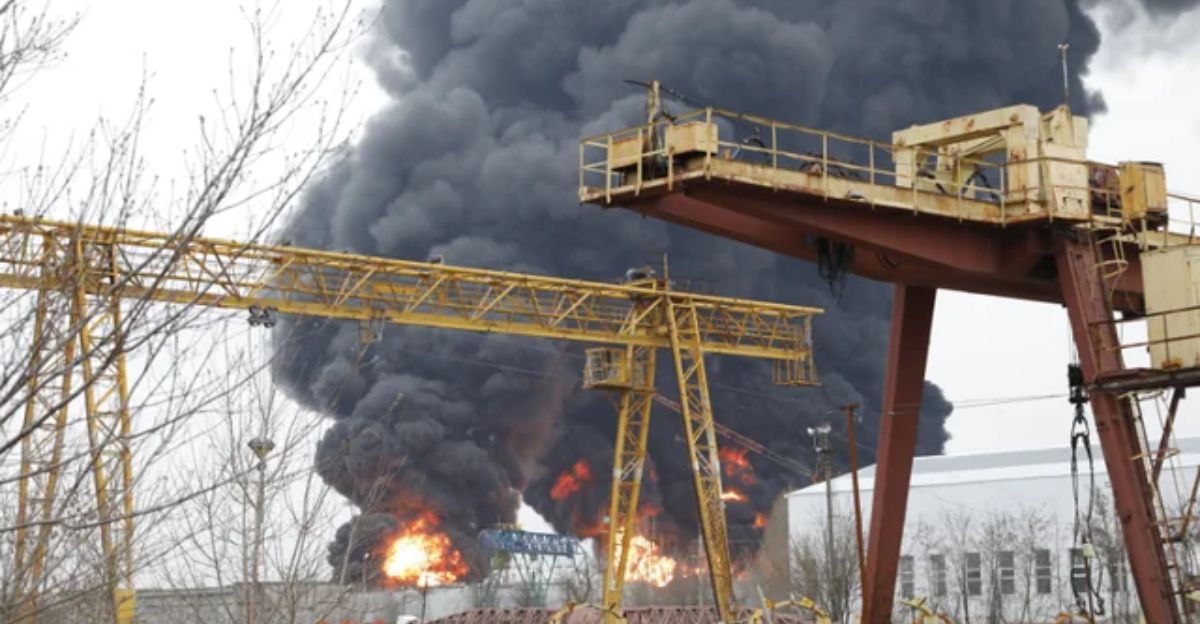
The Ryazan attack fits into a broader Ukrainian strategy of systematically targeting Russian oil refineries, ports, and storage sites to erode Moscow’s financial and military capacity.
Analysts and Ukrainian officials report dozens of successful hits on major facilities, including repeated strikes on refineries such as Ryazan, Tuapse, Volgograd, Saratov, and others since mid‑2025. This pattern shows a shift toward sustained pressure on energy infrastructure rather than one‑off symbolic attacks.
Drones, range, and Russia’s air defenses
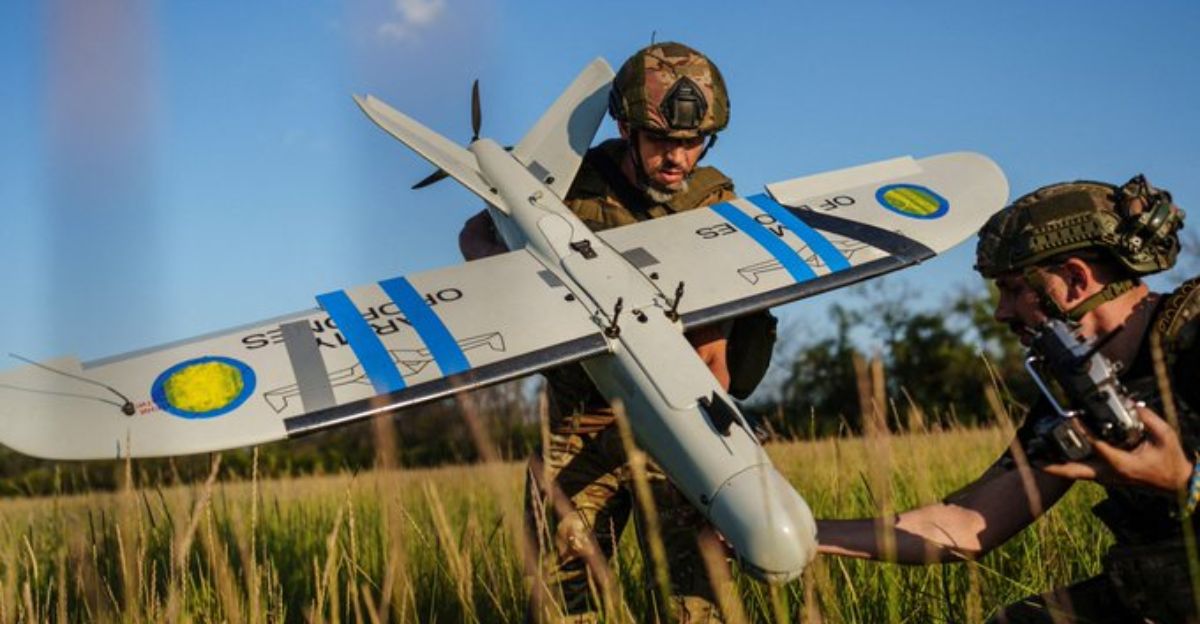
Ukraine’s growing fleet of long‑range drones has exposed gaps in Russia’s air defense network, even relatively close to the capital.
Strikes around 200 kilometers from Moscow raise questions about the reliability of the protective “ring” that the Kremlin has built around key political and industrial centers. Russia often insists drones are intercepted and that only debris causes damage, but repeated fires at high‑value facilities have fueled skepticism about how effective these defenses really are.
Human cost: civilians under fire
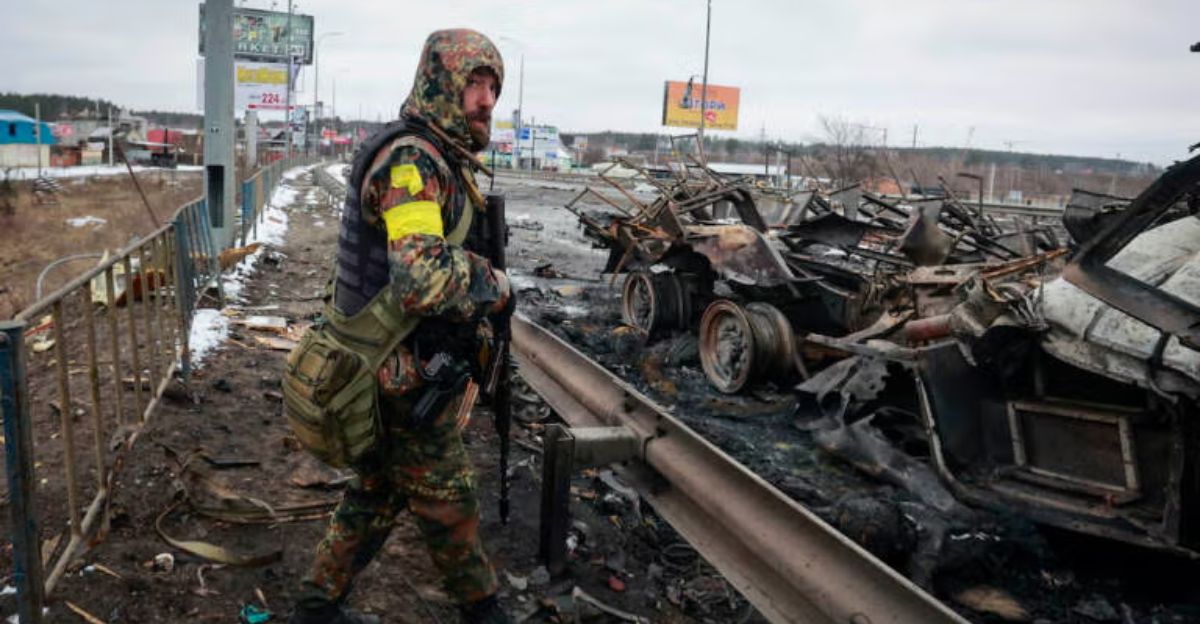
While Ukraine hits Russian energy assets, Russian forces continue to bombard Ukrainian cities and regions, killing civilians far from the front line.
On a single Saturday in November, Russian strikes killed four civilians in southern Ukraine, including three people in the Kherson region and one person in the Zaporizhzhia region, according to Ukrainian authorities. These attacks highlight the parallel reality that as energy infrastructure becomes a target, ordinary families continue to pay the highest price in lives and trauma.
Russian fuel markets under strain
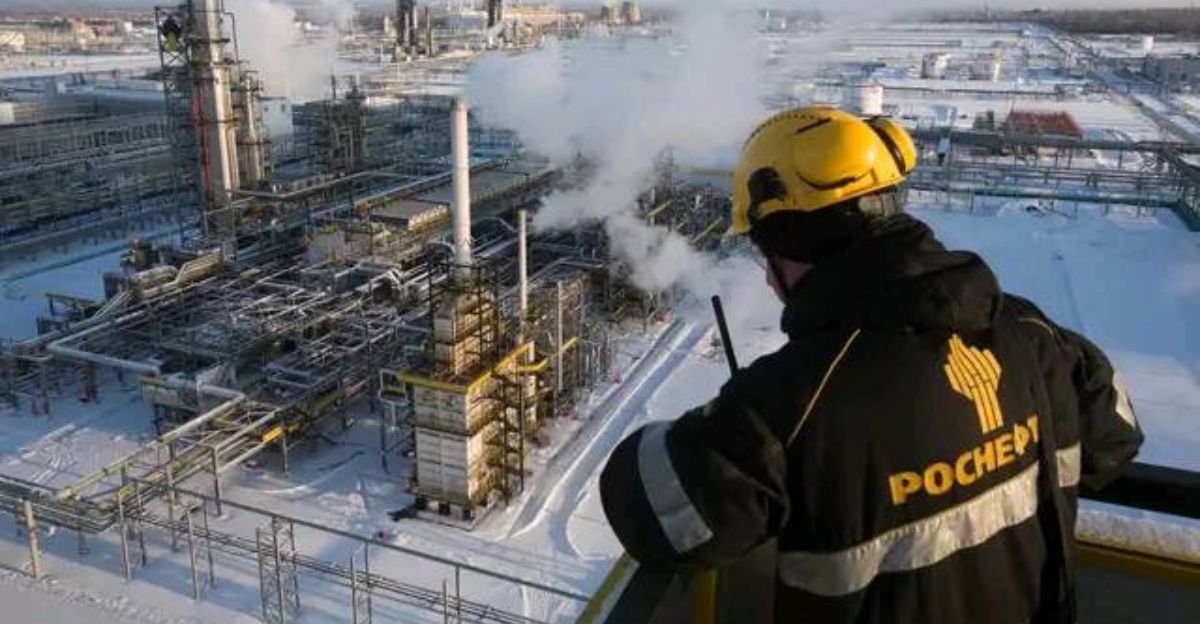
Drone strikes and maintenance outages have pushed Russian refinery throughput down to around 5.0–5.1 million barrels per day, compared with roughly 5.3–5.4 million barrels per day earlier in the year.
The decline of about 300,000–400,000 barrels per day represents a notable tightening of domestic fuel supply, even though Russia has used spare capacity to cushion the blow. As a result, analysts report localized shortages and rising prices for gasoline and diesel inside Russia, particularly during periods of concentrated attacks.
Global prices and Black Sea shocks
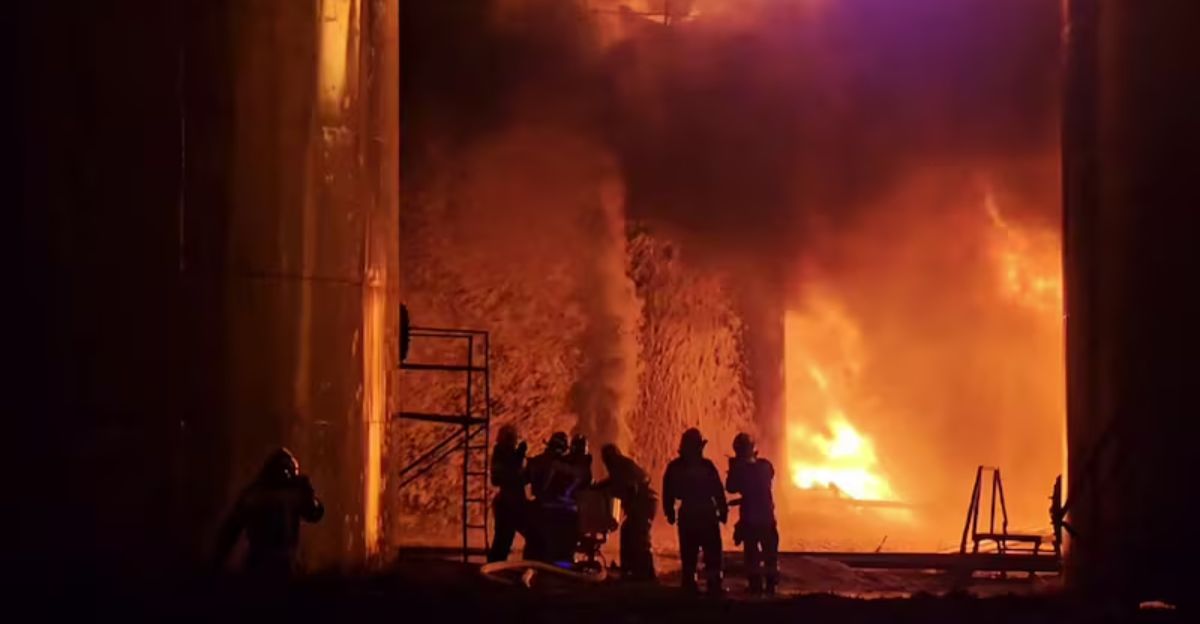
Markets now treat Ukrainian drone operations as a key factor in short‑term oil price moves. Strikes against the Sheskharis oil terminal in Novorossiysk and the Tuapse refinery on the Black Sea temporarily disrupted flows on the Caspian Pipeline Consortium route and helped push global prices higher.
Traders increasingly price in the risk of repeated stoppages at Russia’s coastal export hubs, adding volatility to crude and refined product futures.
Workers caught between war and economics
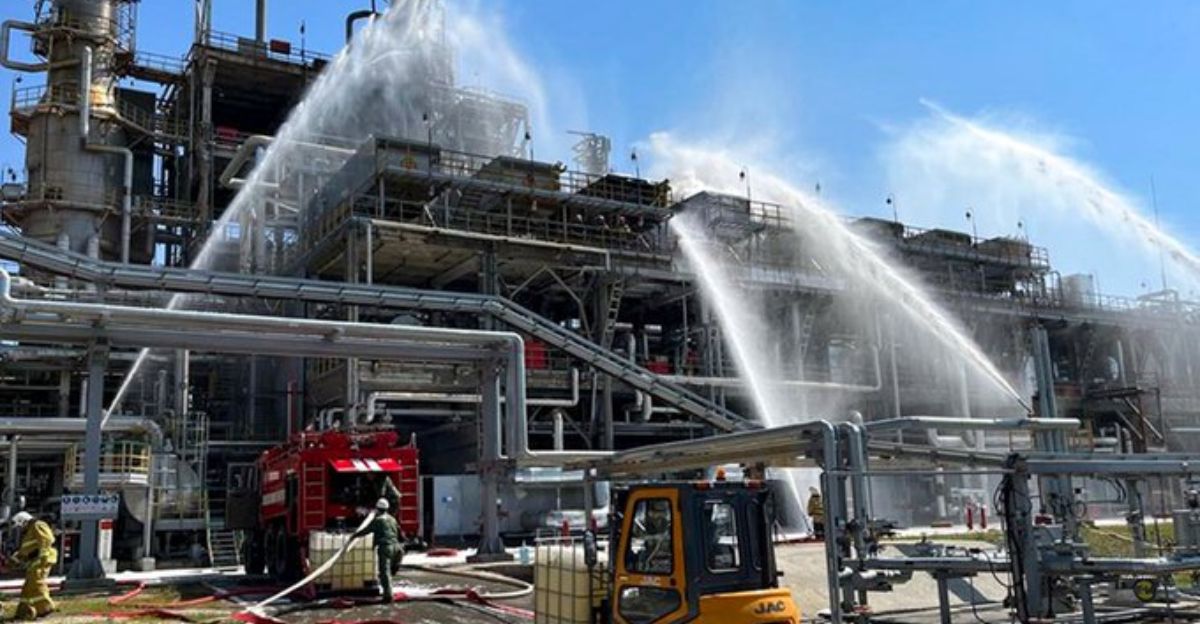
Refinery workers at Ryazan and other targeted plants face layoffs, reduced hours, and safety fears as facilities shut down for repairs after attacks.
Thousands of workers across Russia’s refining regions depend on these complexes for their livelihoods, and repeated shutdowns have prompted some to relocate or search for more stable employment. Their vulnerability illustrates how infrastructure warfare affects ordinary industrial communities well beyond the battlefield.
Air defenses: front line or fuel line?
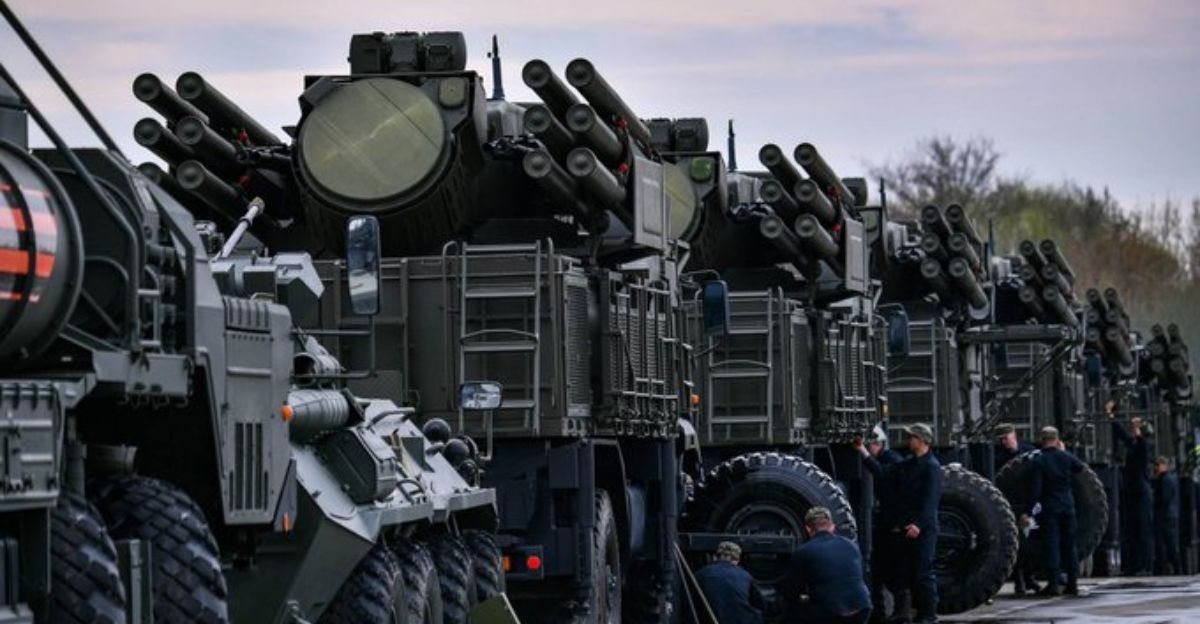
Each time Russia shifts air defense systems to protect refineries and export terminals, fewer systems are available to shield frontline troops and logistics hubs in Ukraine.
Ukrainian planners aim to force this trade‑off, betting that protecting energy infrastructure will leave gaps at the front that can be exploited with artillery, drones, and long‑range rockets. Moscow thus faces a dilemma: prioritize economic resilience or tactical protection, with no easy way to fully secure both.
Inflation at home in Russia

Reduced refinery output and logistical bottlenecks have fed broader inflationary pressures within Russia’s economy. Higher fuel and transport costs filter through to food prices and other consumer goods, squeezing household budgets and eroding living standards.
International monitors note that Russian oil and fuel export revenues in August dropped to some of their lowest levels since the start of the full‑scale invasion, limiting the Kremlin’s fiscal room for maneuver.
Railways: Ukraine’s second front under attack
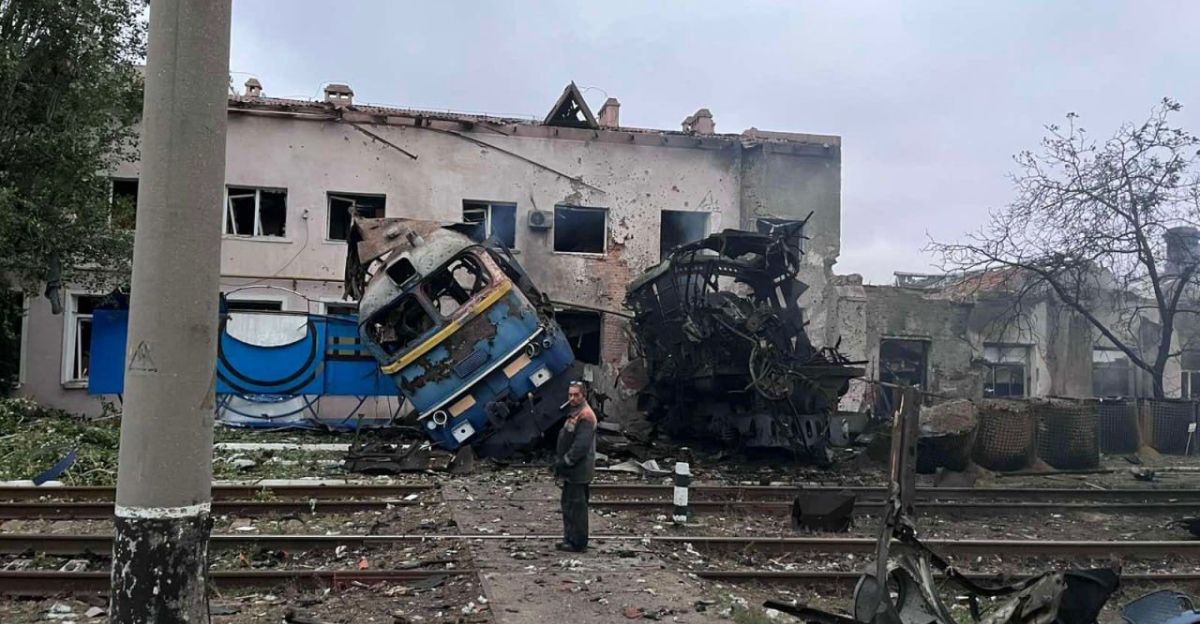
At the same time, Russia has sharply intensified strikes on Ukraine’s railway system, a vital backbone that carries roughly two‑thirds of the country’s freight and a large share of passenger traffic.
Ukrainian officials say attacks on rail infrastructure have tripled since July, with hundreds of strikes this year targeting tracks, substations, and stations. Deputy Prime Minister Oleksii Kuleba has warned that the pattern shows a deliberate effort to hit trains and even train drivers, turning civilian rail workers into front‑line targets.
Corruption shock inside Ukraine’s energy sector

While defending infrastructure and hitting Russian assets, Ukraine has also been rocked by a major corruption scandal within its own state energy companies.
Authorities allege that roughly $100 million was embezzled from entities including Energoatom, Ukrhydroenergo, Naftogaz, and the state gas network operator, prompting President Volodymyr Zelenskyy to demand ministerial resignations and rapid management overhauls. The scandal is one of the largest in wartime Ukraine’s energy sector and underscores the political imperative to demonstrate accountability even during a full‑scale war.
Serbia’s energy crossroads

Far from the front line, Serbia has become entangled in the conflict through US sanctions on its oil company NIS, which is 45% owned by Russia’s Gazprom Neft and partially controlled via an additional stake transferred to a Russian firm called Intelligence.
Washington has given Belgrade until February 13 to secure a “complete change of Russian shareholders” before sanctions are reconsidered, forcing Serbia to choose between Russian backing and closer alignment with Western policy. With NIS operating the country’s main Pancevo refinery and supplying most domestic fuel, the outcome will heavily influence Serbia’s energy security this winter.
Hidden economic stakes in Serbia
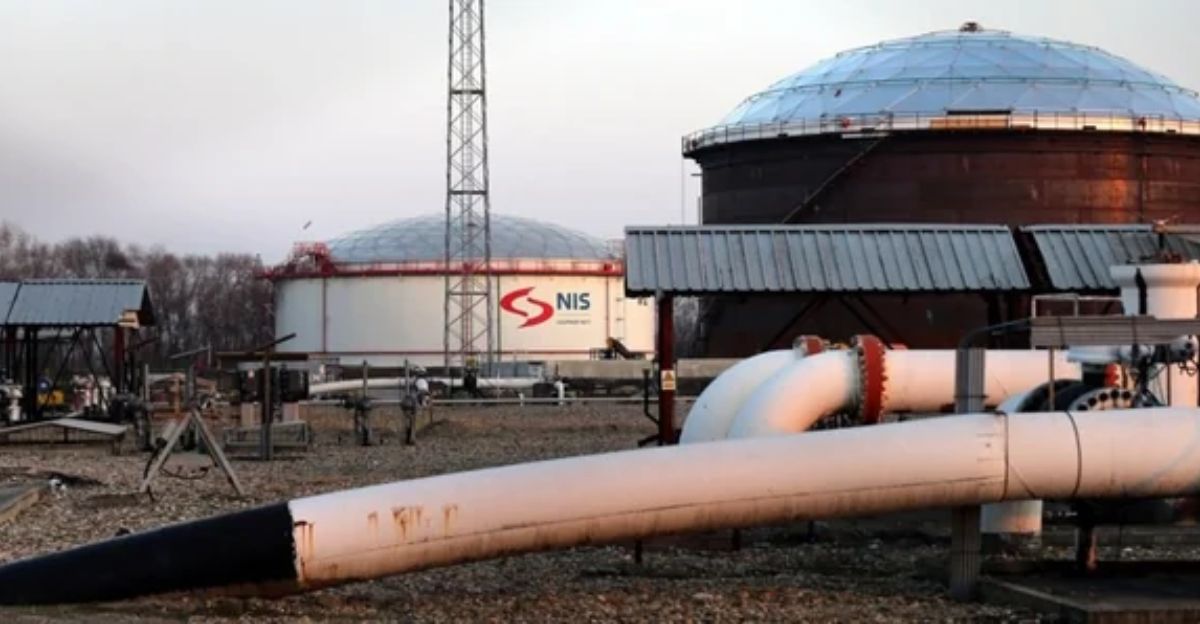
NIS generates billions of euros in annual revenue and employs more than ten thousand people, making it a cornerstone of Serbia’s economy.
Analysts warn that if sanctions or ownership disputes disrupt refinery operations, the hit to state finances and local jobs could be substantial, and neighboring markets that rely on Serbian fuel could also feel the strain. For ordinary Serbians, the stakes are concrete: higher prices, possible shortages, and uncertainty ahead of the coldest months.
Drone makers and defense industries surge
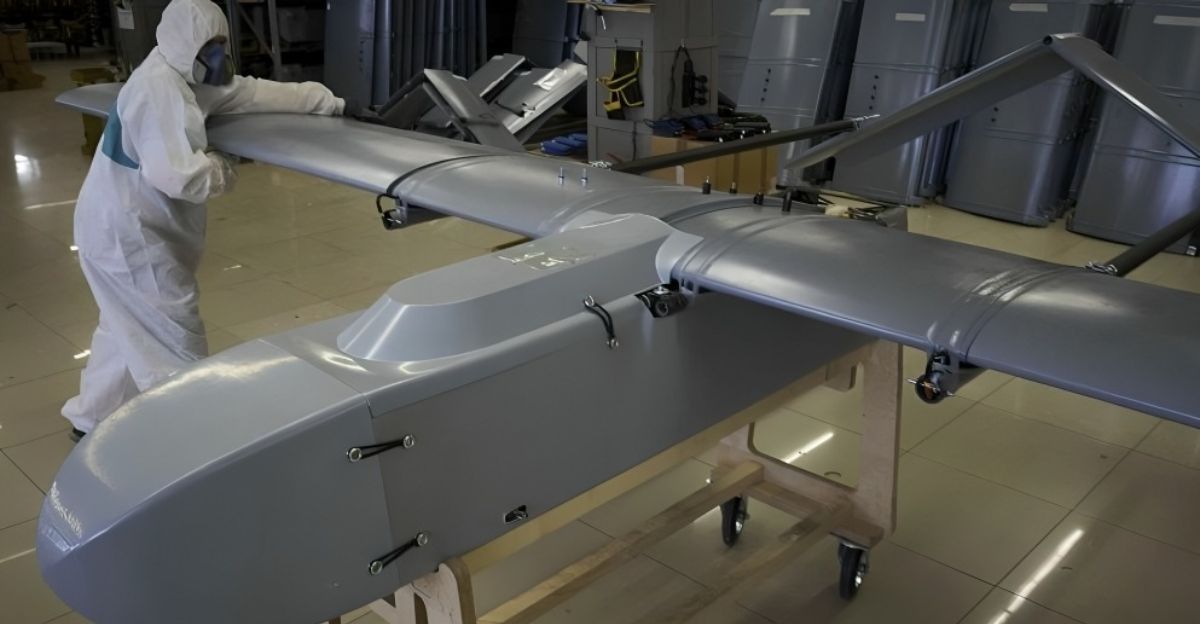
Ukraine’s deep‑strike campaign has turned domestic drone manufacturers into central players in the war economy.
Companies producing long‑range systems used against refineries and terminals report rising orders and investment, with executives signaling plans to scale up production of new strike and missile systems. On the other side, Russian air‑defense and electronic‑warfare firms face pressure to adapt quickly, feeding an accelerating technological arms race around drones and counter‑drones.
Energy risk for consumers and investors
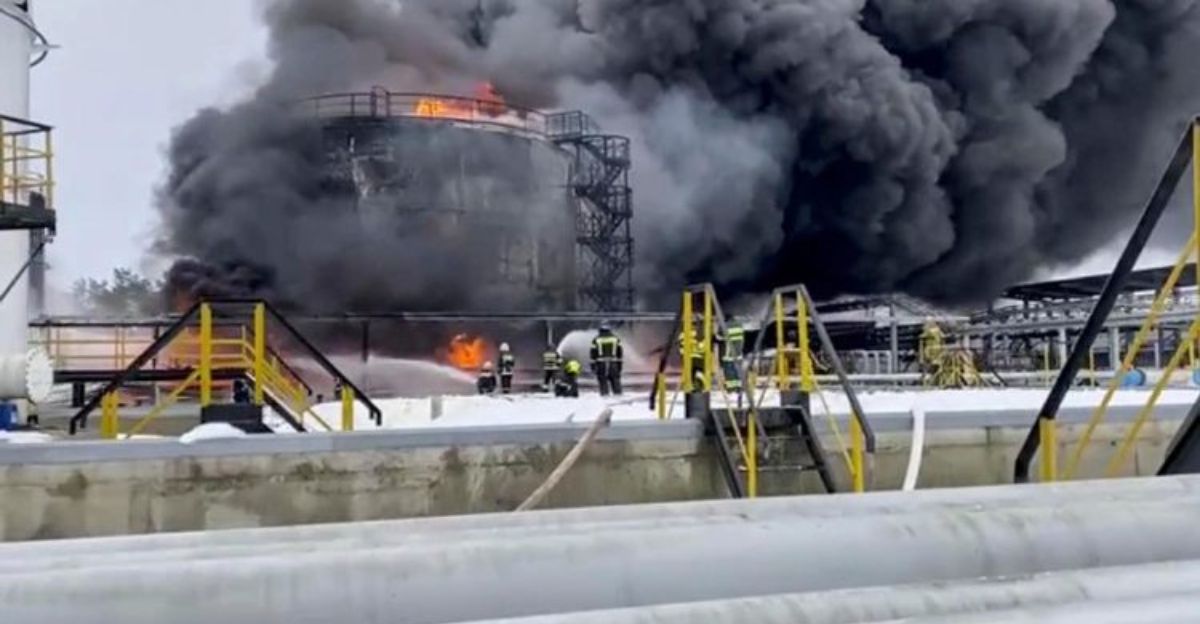
For global investors and households, the Ryazan strike and related attacks highlight how vulnerable energy systems are to geopolitical shocks.
Analysts recommend tracking Russian refinery throughput—currently hovering near 5 million barrels per day—as a leading signal for tightness in oil markets and potential price spikes. Consumers and policymakers looking to reduce exposure are turning toward efficiency, diversification of supply, and greater investment in renewables to buffer against future disruptions.
What Ryazan signals about future wars
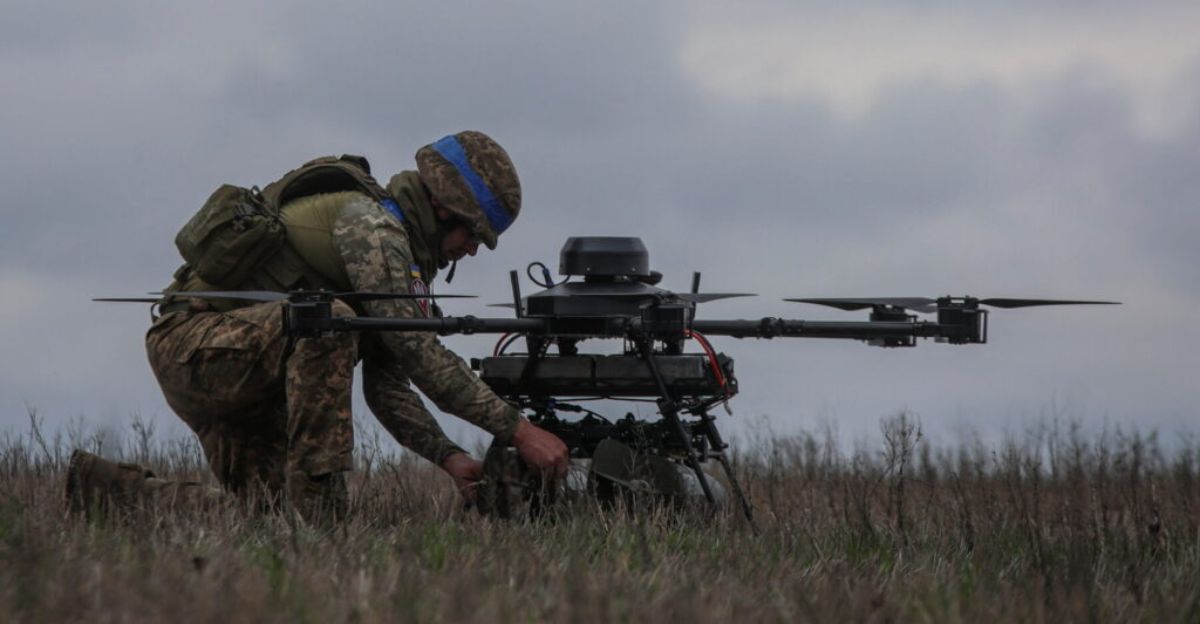
The attack on Ryazan shows that modern warfare now routinely targets energy infrastructure far behind the front line, with consequences that ripple through economies, alliances, and domestic politics.
Ukraine’s ability to sustain this campaign will depend on drone production, intelligence, and international support, while Russia’s response will hinge on repair capacity, air defenses, and its willingness to absorb economic pain. As similar tactics spread, governments worldwide are likely to harden refineries, power plants, and transport corridors, reshaping doctrines for both energy security and the laws and norms that govern war.
Sources
The Moscow Times – “Ukrainian Drones Strike Rosneft Refinery in Ryazan Region,” September 5, 2025
Kyiv Independent – “Oil refinery in Russia’s Ryazan Oblast hit in drone attack,” November 20, 2025
YouTube (Beyond Military) – “Ukrainian Drones STRIKE Russian Oil Refinery,” October 14, 2025
Carnegie Endowment – “Have Ukrainian Drones Really Knocked Out 38% of Russia’s Oil Refineries?,” October 2025