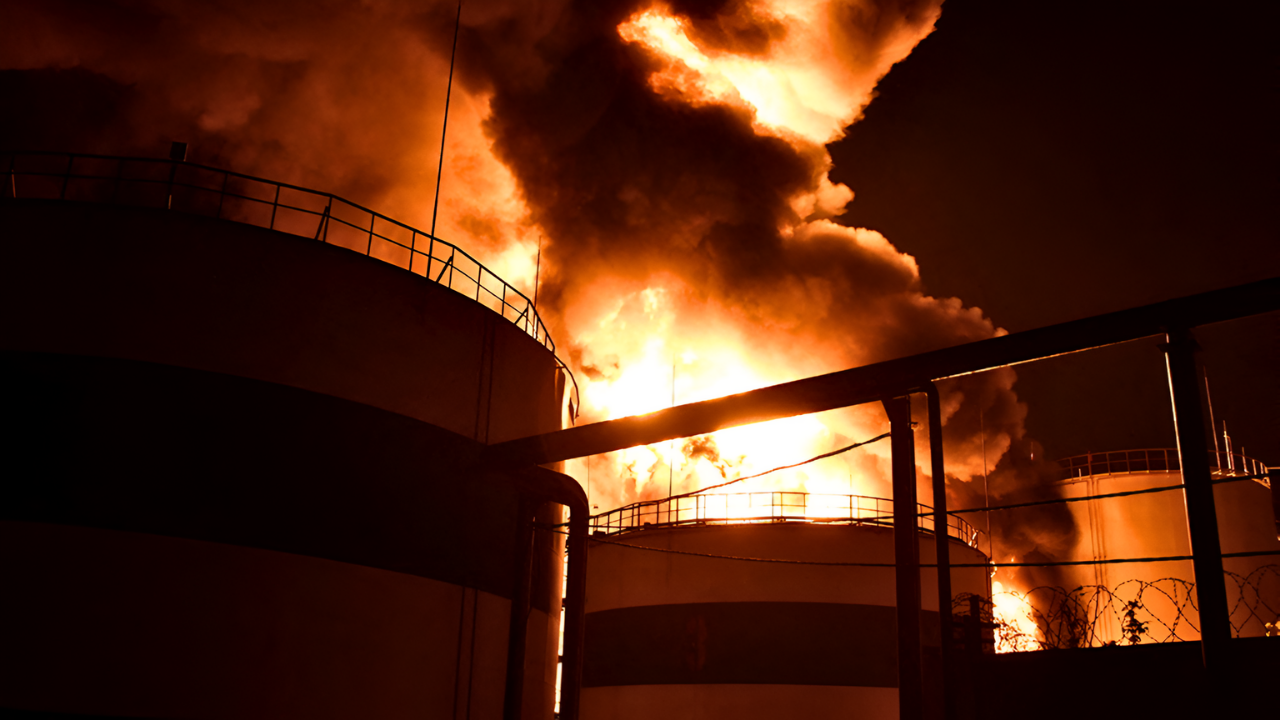
On November 11, 2025, Ukrainian forces conducted a coordinated assault on Russian energy infrastructure, striking the Orsk oil refinery 1,400 kilometers inside Russian territory. The attack, which damaged critical processing equipment, marked a significant escalation in Ukraine’s long-range strike capabilities and represents part of a broader campaign targeting Russia’s fuel supply chain—a linchpin supporting both civilian needs and military operations.
The Strategic Strike: 1,400 Kilometers Into Russian Territory
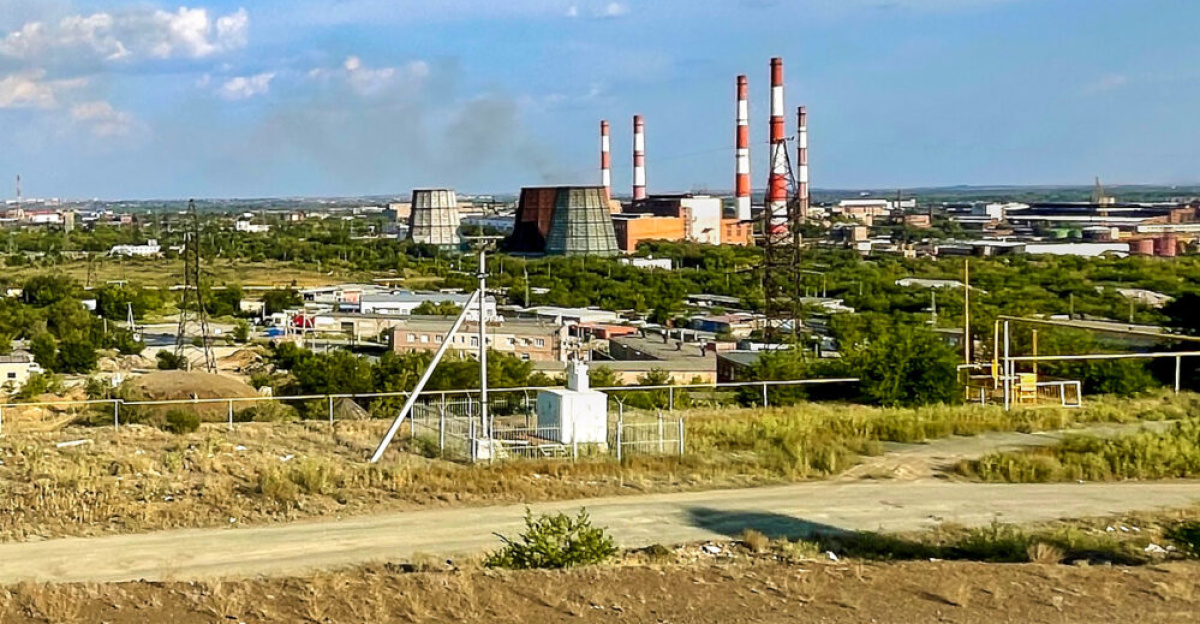
The Orsknefteorgsintez refinery in Orenburg Oblast experienced a direct hit on its AVT (atmospheric distillation) unit—the primary processing system for crude oil conversion. Ukrainian drones reached the facility, triggering explosions and fires that forced an emergency shutdown. The General Staff confirmed the operation’s success, emphasizing Ukraine’s evolving technical capabilities in conducting long-range precision strikes.
Orsk represents a crown jewel of Russian energy infrastructure. Processing 6.6 million tonnes of crude oil annually, the facility produces over 30 petroleum products including gasoline, diesel, aviation kerosene, and industrial lubricants. As a dedicated supplier to Russia’s military forces and key supplier to the economically vital Urals and Volga regions, Orsk’s disruption reverberated across Russian logistics and civilian fuel availability.
Ukraine’s November 11 operation did not limit itself to Orsk. The same coordinated campaign included strikes on the Saratov Oil Refinery (processing over 20 petroleum products, marking the fourth Ukrainian strike on the facility within a month) and the Sea Oil Terminal in Feodosia, occupied Crimea. These simultaneous attacks on multiple infrastructure nodes were designed to overwhelm Russian air defense and maximize cumulative damage.
Operational Scope: From October to November
Ukraine’s November 11 strikes represent the latest in an intensifying campaign. On October 3, 2025, Ukrainian drones had already struck Orsk—marking the first confirmed hit on the facility. The second strike just over a month later demonstrates Ukraine’s commitment to systematically degrading Russia’s energy capacity and signals that no Russian refinery lies beyond operational reach.
More broadly, Ukraine has conducted deep-strike operations exceeding 1,400 kilometers into Russian territory as routine practice. In August 2025, Ukraine achieved a record one-way drone strike exceeding 1,800 kilometers, targeting a Russian over-the-horizon radar station near Orsk itself. These extended-range capabilities reflect technological advances and operational doctrine adjustments that have fundamentally expanded the conflict’s geographic scope. The pattern of repeated strikes on Orsk itself—October 3 and November 11—reveals Ukraine’s operational doctrine: systematic degradation through repeated targeting designed to prevent full restoration.
Cascading Consequences: Regional and Military Impact
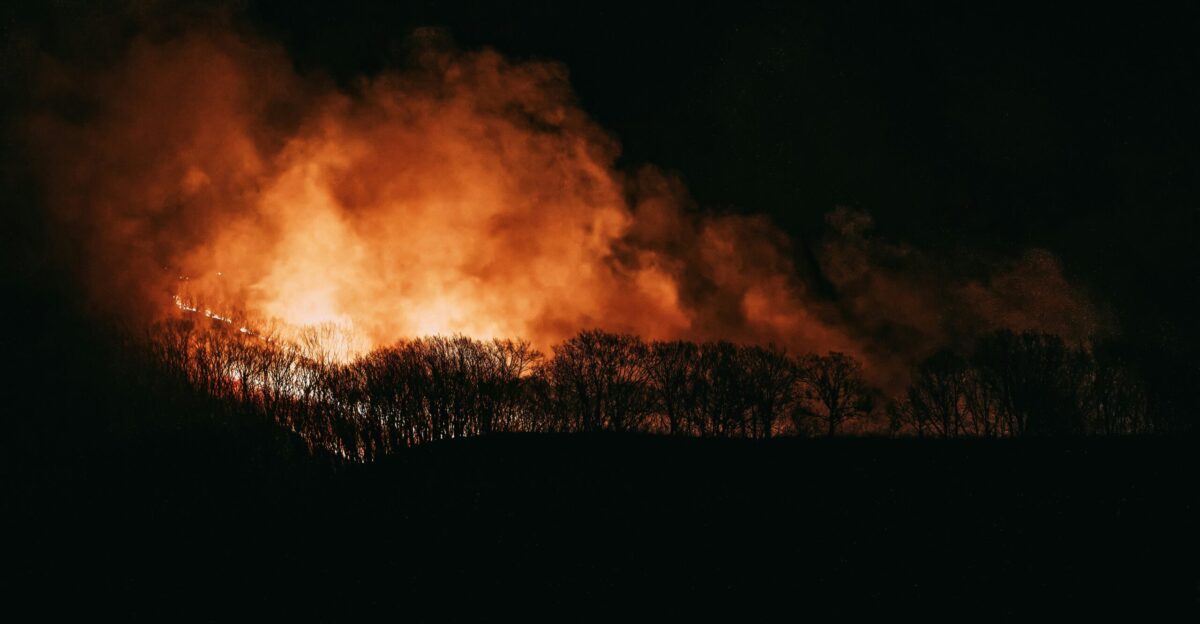
The strike on Orsk’s AVT unit created immediate cascading effects across Russian territory. Emergency services responded to fires visible for miles around the facility. Airport closures were declared in Orsk and nearby Orenburg as safety precautions. Residents reported powerful explosions that shattered windows, forcing evacuations and prompting emergency shelter protocols.
Orsk’s shutdown disrupted fuel supplies across the Urals and Volga regions, affecting local industries and civilian populations. Fuel prices spiked as local authorities attempted to reroute supplies through alternative networks. The psychological impact was significant—citizens in Russia’s Far Hinterland suddenly confronted the reality that distant warfare had direct economic consequences.
As a key supplier to Russian occupation forces, Orsk’s loss complicated military logistics across multiple fronts. The disruption forced authorities to allocate limited reserves to frontline forces, prioritizing military needs over civilian fuel requirements. This binary damage-shutdown dynamic makes refinery targeting extraordinarily effective; Ukraine need not destroy the entire facility to disrupt its output entirely.
Infrastructure Vulnerability and Long-Term Recovery Challenges
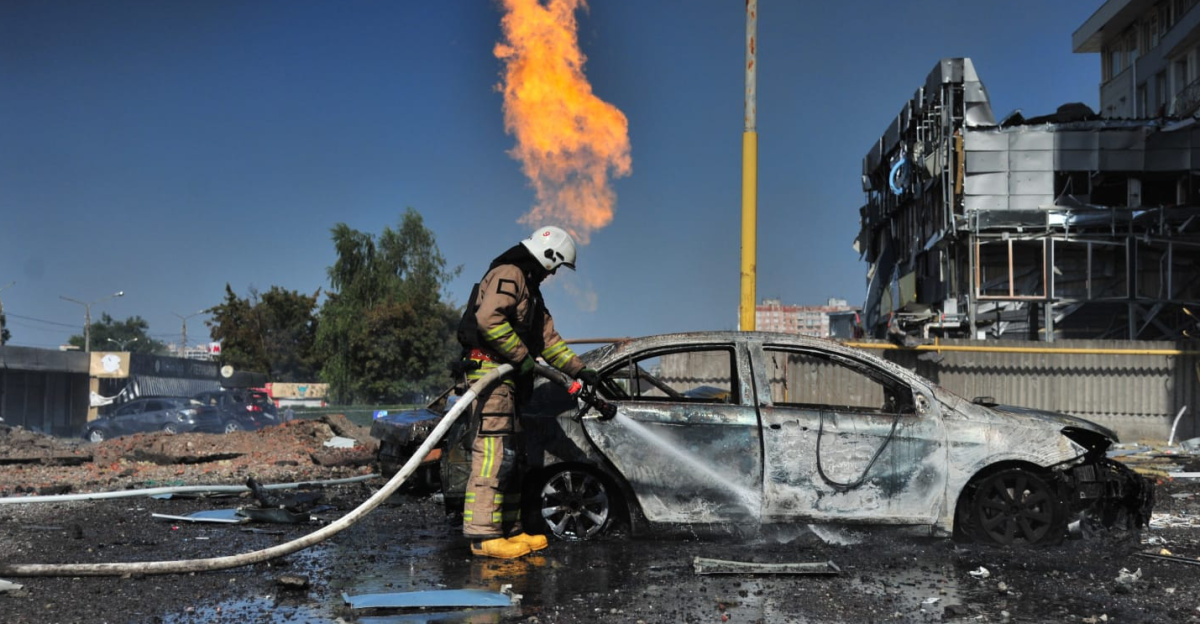
The Orsk facility is owned by ForteInvest, a subsidiary of the Safmar industrial group. Following the October 3 strike, repair crews faced extended recovery timelines—typically weeks to months for processing unit restoration. The November 11 attack, striking the same critical infrastructure, compounds recovery challenges exponentially.
Replacement components for advanced refinery distillation units require specialized manufacturing and sophisticated sourcing. Many components were traditionally sourced from Western suppliers, now restricted under international sanctions. Repair complexity extends timelines; full restoration could require months. The ongoing threat of further strikes complicates planning—any resources committed to repairs remain vulnerable to additional attacks.
Even partial damage to the AVT unit can render the entire refinery inoperable until repairs are complete. This vulnerability exposes a fundamental weakness in Russia’s energy infrastructure: its concentration in aging facilities designed without consideration for long-range strike threats. Recovery obstacles compound as each successive strike increases cumulative damage and extends reconstruction timelines.
Strategic Dimensions: Energy as Economic Warfare
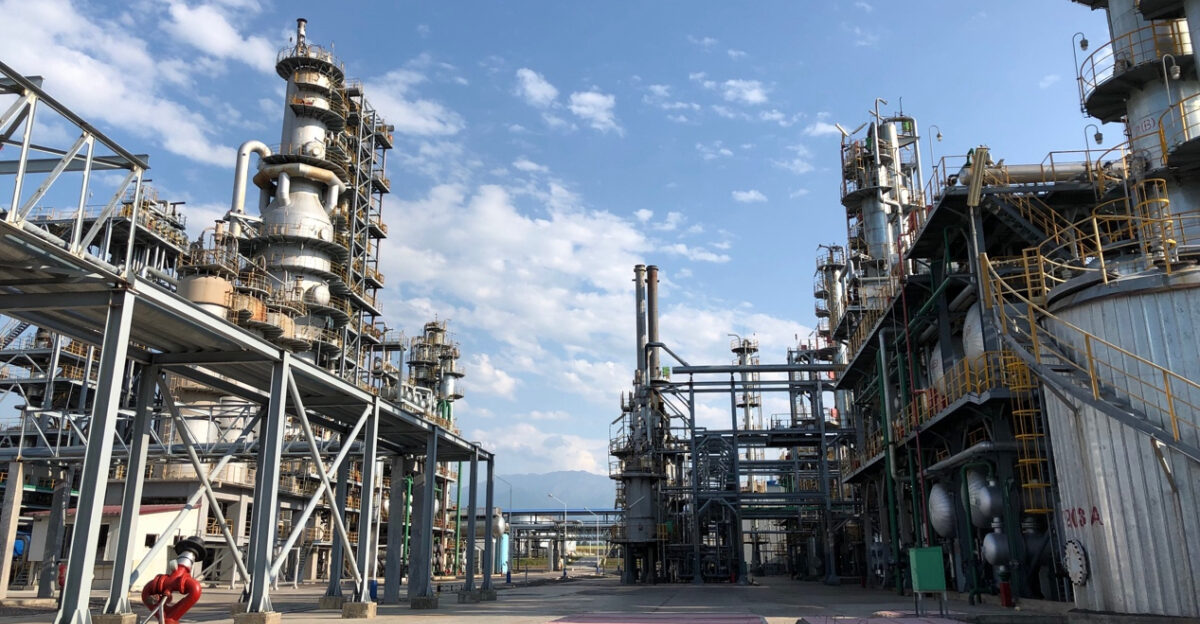
Ukraine’s refinery campaign achieves multiple strategic objectives simultaneously. Russia’s energy sector generates approximately 35-40% of federal budget revenues; each major refinery disruption reduces export capacity and forces substitution of crude oil exports for refined products—sacrificing value on international markets. Fuel shortages directly constrain Russia’s ability to sustain offensive operations, as tank columns, transport trucks, and aviation assets depend on steady fuel supply—a dependency Ukraine is systematically targeting.
The targeting of Orsk on October 3 and again on November 11 reveals Ukraine’s strategic vision: systematic degradation through repeated strikes designed to make reconstruction prohibitively expensive. Resources devoted to repair remain vulnerable to renewed attack, forcing Russian planners to calculate diminishing returns on infrastructure investment. Meanwhile, each successful strike advertises Ukraine’s evolving drone capabilities to international audiences, signaling that future strikes may reach even more distant facilities and that no Russian strategic asset can be considered secure.
As Ukraine continues its campaign against Russian energy infrastructure, both sides face evolving strategic challenges. Russia must defend vast, dispersed refinery networks across its territory—an impossible logistics problem given Ukraine’s long-range drone capabilities. The future of the conflict may increasingly hinge on energy infrastructure. Success in this domain could force Russia to fundamentally reconsider its strategic options, while failure to protect critical infrastructure further erodes Russian public confidence and complicates military operations. The Orsk strike exemplifies this new battlefield—where fuel supplies, not frontline combat, increasingly determine operational capacity and strategic sustainability.