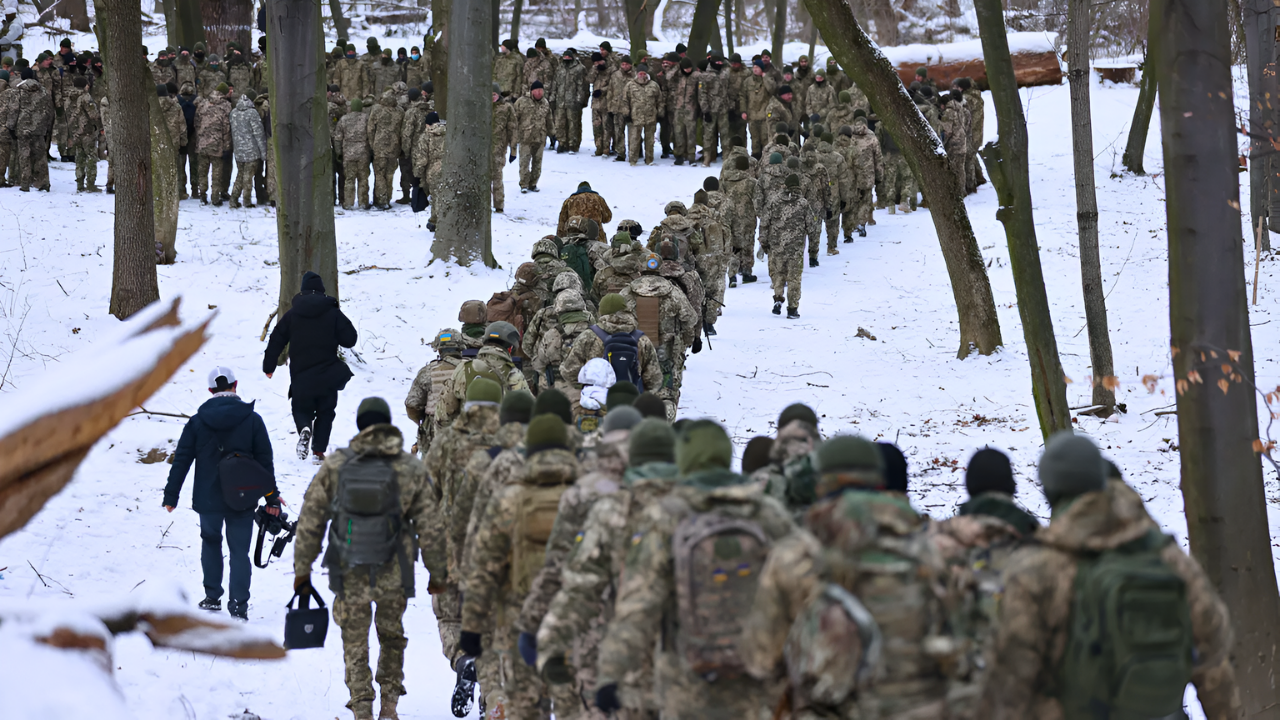
On November 20, 2025, Russian soldiers filmed themselves walking freely through Pokrovsk’s scorched streets. Russia claimed full control; Ukraine denied it, but maps told a grimmer story. President Volodymyr Zelenskyy admitted Ukrainian troops face eight-to-one odds.
Three years ago, Ukraine pulled off something it hasn’t repeated since: a five-day blitzkrieg that liberated thousands and destroyed an entire Russian army group. Today, that victory feels like a relic from another war entirely.
September 2022: When Deception Still Worked
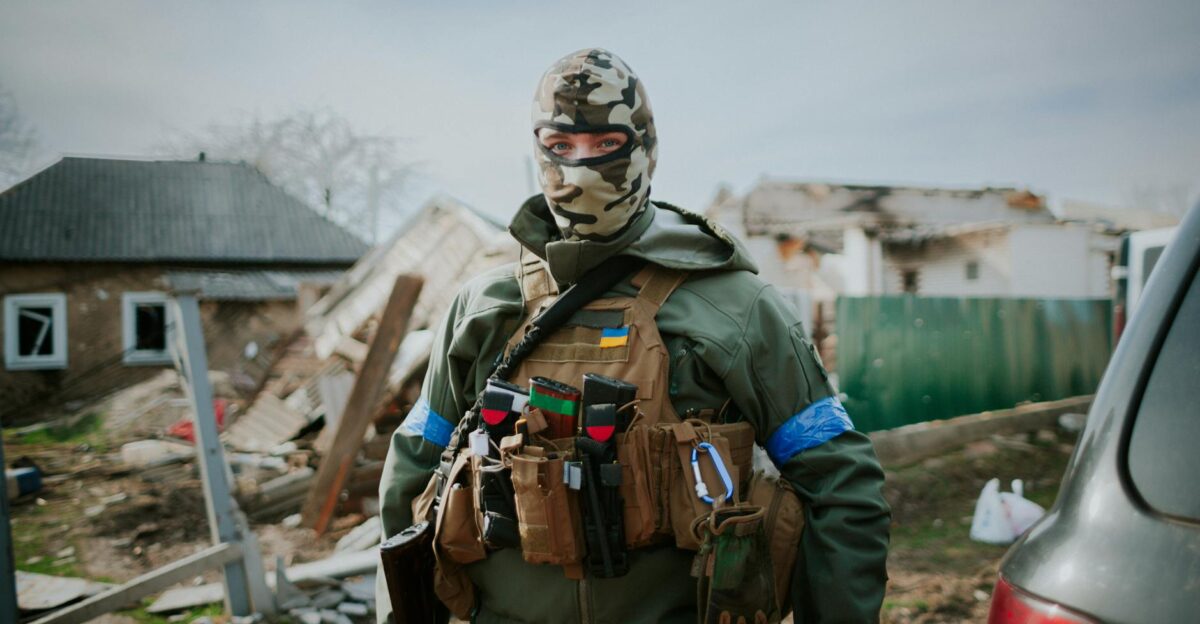
For months, Moscow watched Ukraine mass troops near Kherson in the south. Russian commanders shifted elite airborne units to counter the expected assault. On August 29, Ukrainian forces announced the Kherson counteroffensive. Moscow took the bait completely.
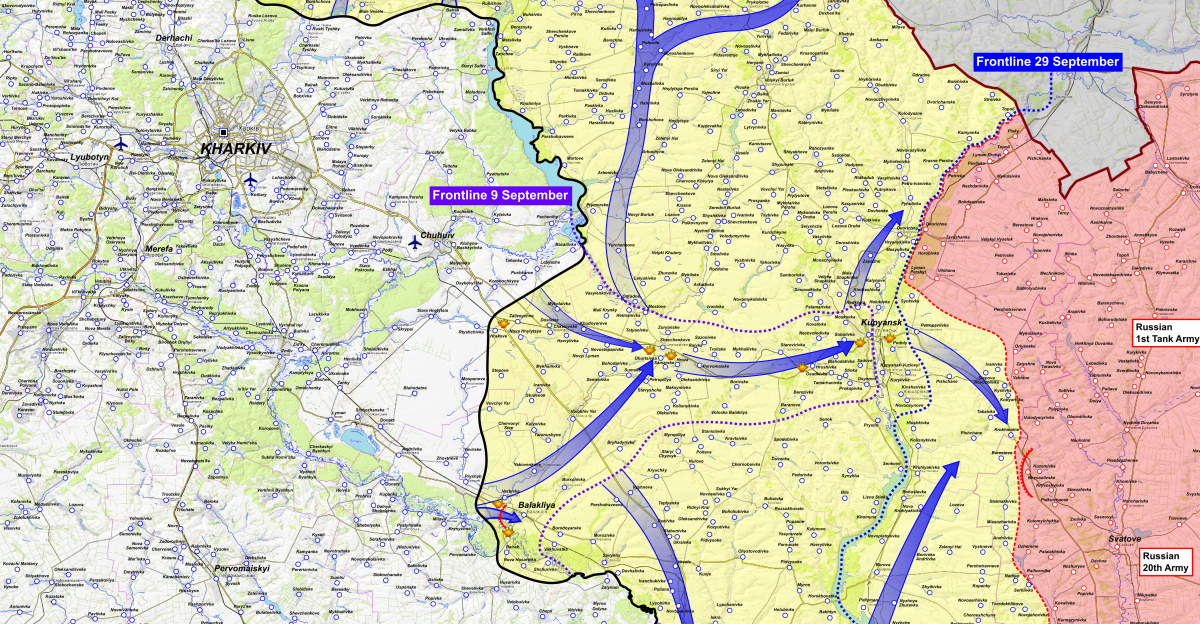
What Russia didn’t know was that Ukraine had massed forces in Kharkiv Oblast, hundreds of kilometers north, while Russia’s best units deployed uselessly south. At dawn on September 6, Ukrainian armor punched through Russian lines.
Six Months of Russian Control Evaporates
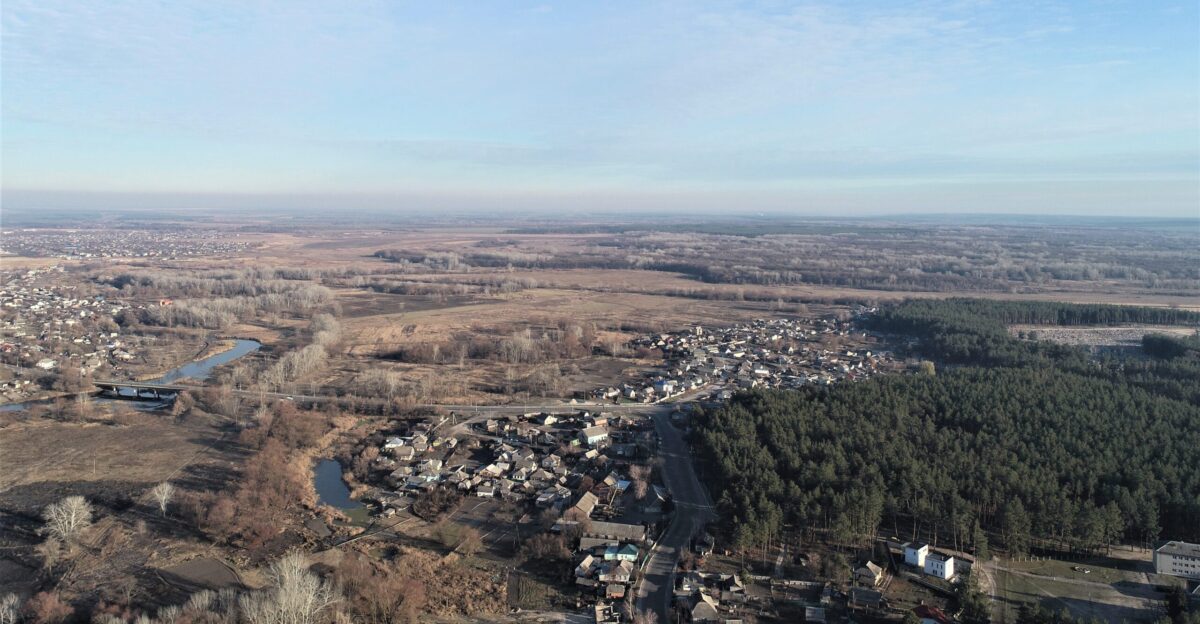
On September 8, Ukrainian forces captured Balakliia, a strategic hub of 27,000 residents. Russian troops fled toward Kupiansk, abandoning weapons and vehicles. Soldiers who had dug in for six months suddenly abandoned fortifications because Ukraine’s deception left them defending with exhausted, poorly trained reserves while elite units were hundreds of kilometers away.
The collapse was so sudden that Russian commanders couldn’t organize even a fighting retreat.
Bypass, Isolate, and Encircle
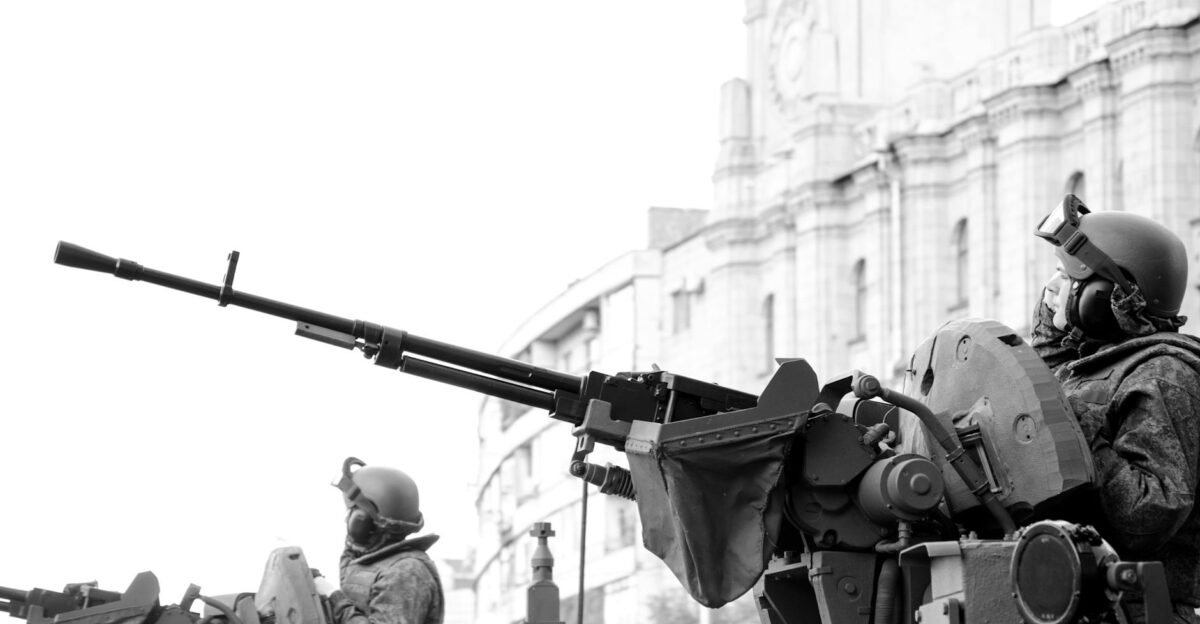
Ukrainian forces swept into Shevchenkove on September 8, moving faster than Russian commanders could respond. Rather than fighting for every street, Ukrainian commanders bypassed strongholds entirely, cutting roads and isolating garrisons.
Russian soldiers found themselves already cut off from supplies and retreat routes. This strategy—prioritizing speed over urban combat—proved devastatingly effective. It was maneuver warfare executed in real time, the kind military theorists thought obsolete.
What Took Russia a Month Falls in Three Days
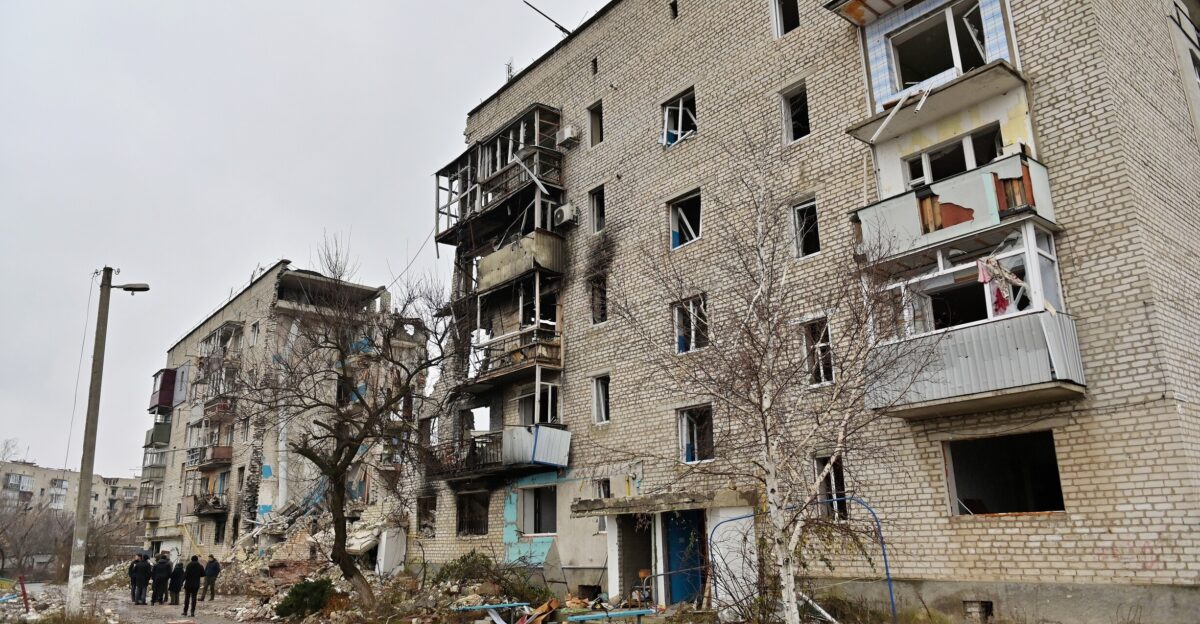
The crown jewel was Izium, a city of 46,000 that Russia spent a month capturing in spring 2022. Ukrainian forces reached Izium’s outskirts on September 9. By September 10, the city was liberated. Russian commanders ordered nighttime evacuation as encirclement loomed.
Residents reported soldiers fleeing across pedestrian bridges, many stripping uniforms and changing into civilian clothing. Thousands fled overnight to avoid being surrounded. Ukraine achieved what strategists thought impossible.
Railway Hub Feeding Russia’s Northern Front
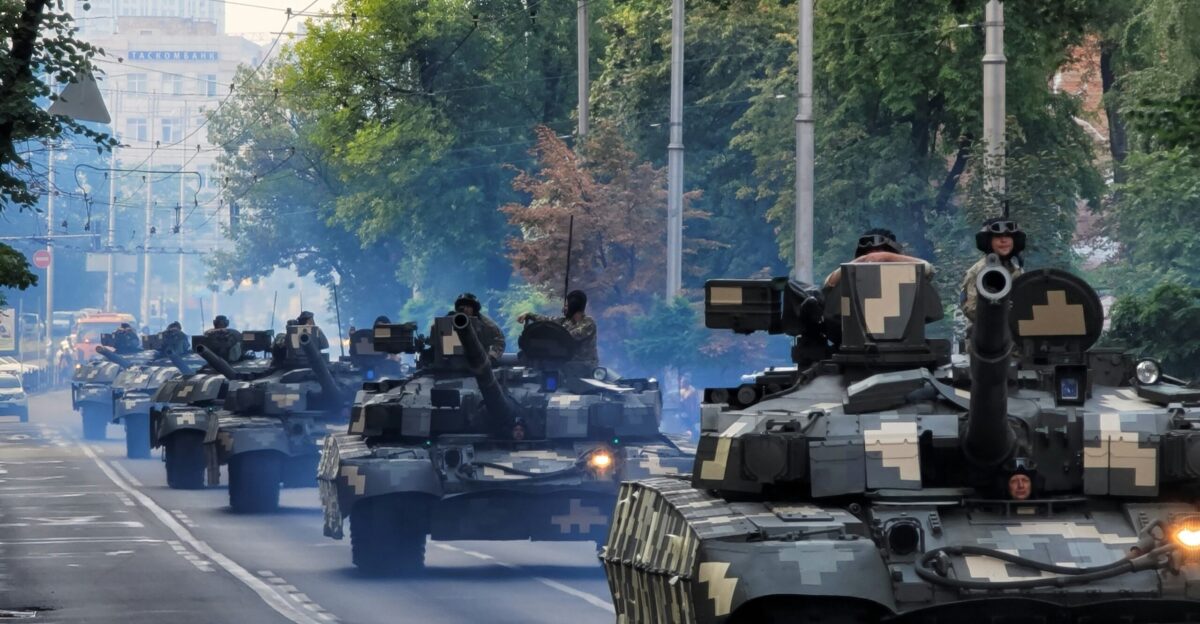
On September 9, Ukrainian forces entered Kupiansk, the railway hub serving as Russia’s logistics backbone. With Kupiansk’s capture, Ukrainian forces severed supply arteries feeding Russian operations across the region.
Between September 6 and 11, Ukrainian forces advanced 70 kilometers, recaptured over 3,000 square kilometers, and liberated more than 50 settlements. Ukrainian troops advanced nearly four and a half miles per day of sustained mechanized breakthrough—speed rarely seen in modern warfare.
590 Pieces of Equipment Destroyed
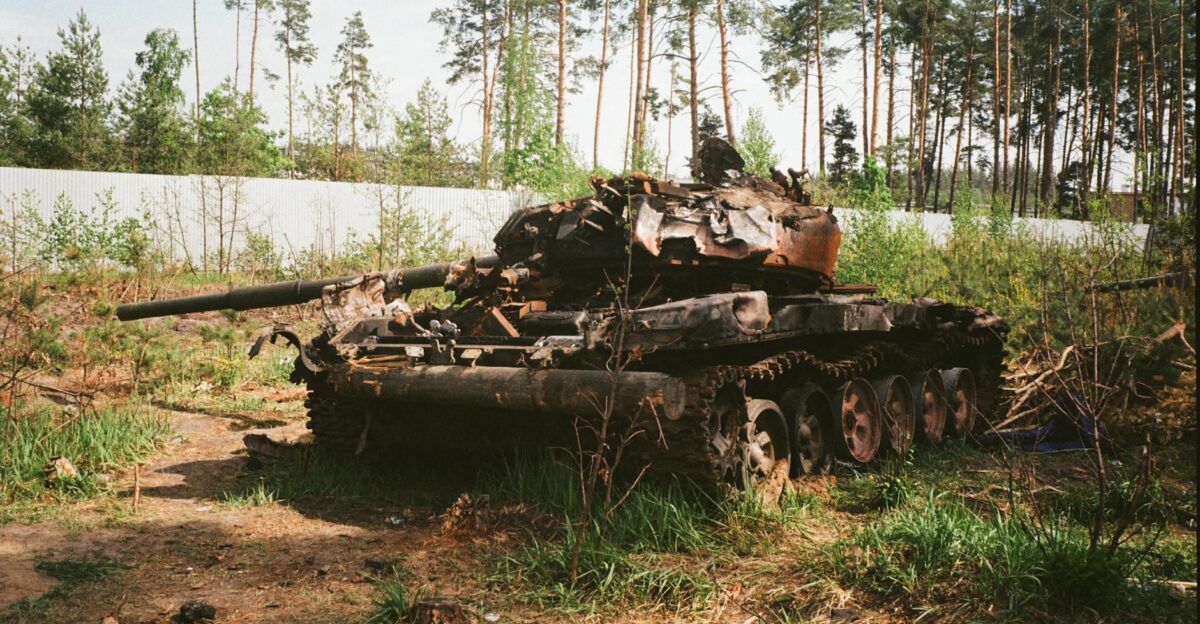
Ukrainian forces claimed Russian casualties at 2,850 soldiers between September 6 and 11. Equipment destroyed included 590 pieces overall—representing armor, artillery, and logistical vehicles destroyed during the breakthrough phase.
The Masterwork of Deception
Ukrainian commanders executed brilliant deception that shocked even Ukraine’s closest Western partners. For months, Ukrainian officials publicly discussed plans to attack Kherson. Russia was certain the threat was real. Russia redeployed elite VDV airborne units south.
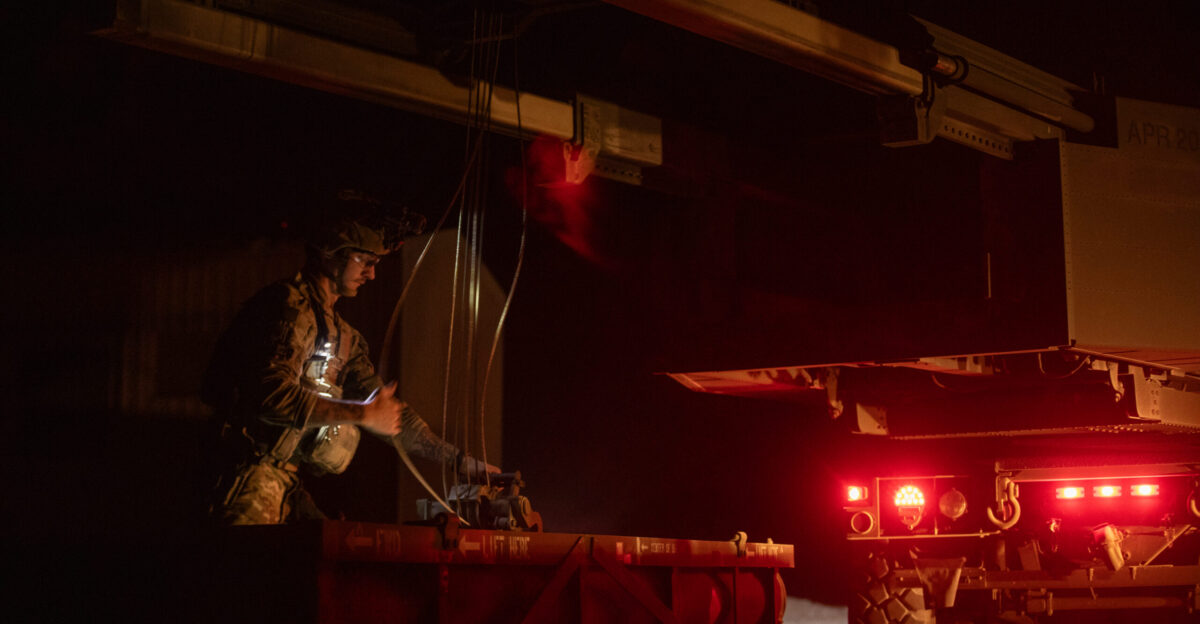
Ukraine reinforced the deception by striking bridge crossings with American HIMARS rockets. By September 6, Russia’s best units were hundreds of kilometers away, unable to respond. It was textbook deception in the satellite age.
Three Years Later: Why Ukraine Can’t Repeat the Victory
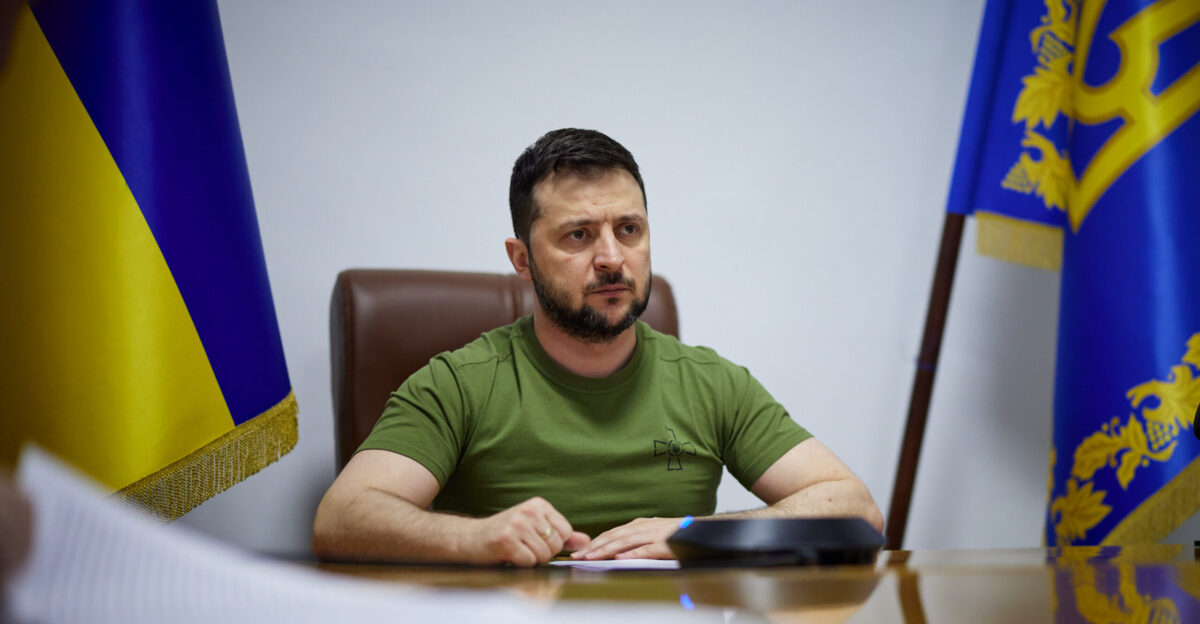
Three years later, Ukraine faces an insurmountable crisis. Russia recruits approximately 30,000 soldiers monthly; Ukraine manages 17,000-24,000. The conscription-eligible population collapsed from 8.7 million in February 2022 to 5 million by 2024—a 3.7-million loss to death, injury, emigration, and existing service.
President Zelenskyy lowered the conscription age from 27 to 25 in April 2024, but it proved insufficient. Analysts estimate Ukraine needs 400,000-500,000 additional soldiers just to hold current lines.current lines.
Eight-to-One Odds and Exhausted Reserves
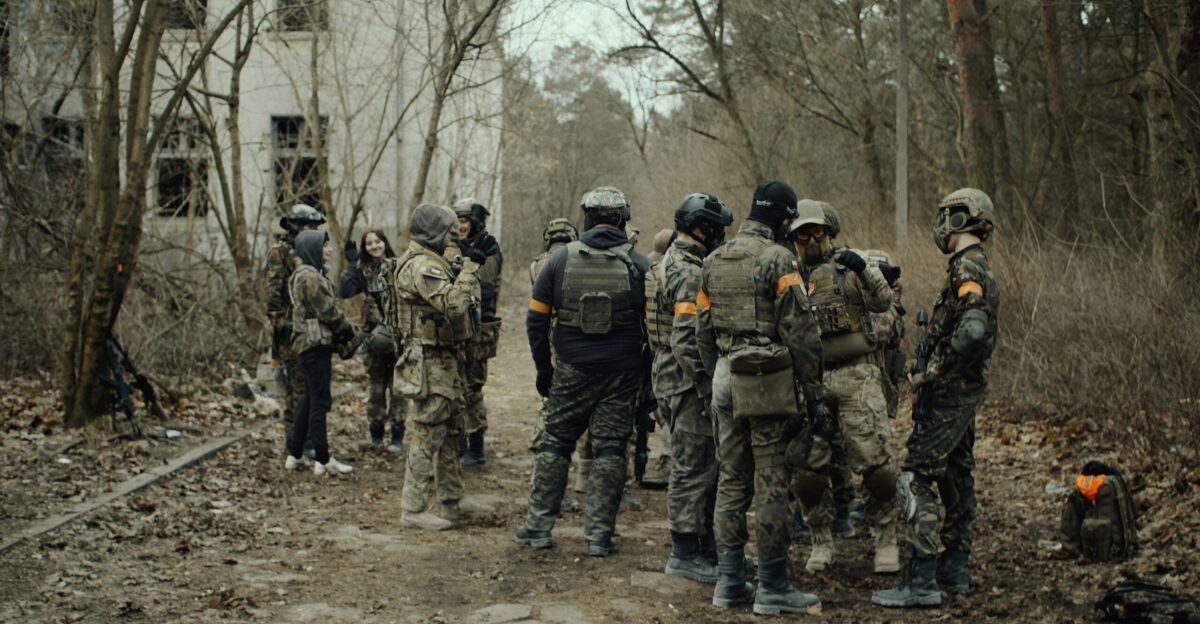
Ukrainian forces on the Pokrovsk front face eight-to-one odds. Russian media claims full control; Ukrainian maps mark it contested. Ukrainian accounts speak of 1,000 troops risking encirclement as Russian forces close the pocket from multiple directions.
Commander-in-Chief Oleksandr Syrskyi insists there is no immediate surrender, but President Zelenskyy has openly acknowledged the situation is “very difficult.” This is the war Ukraine faces in November 2025: attrition and difficult choices about which cities to hold.
350,000 Russian Casualties in 2025
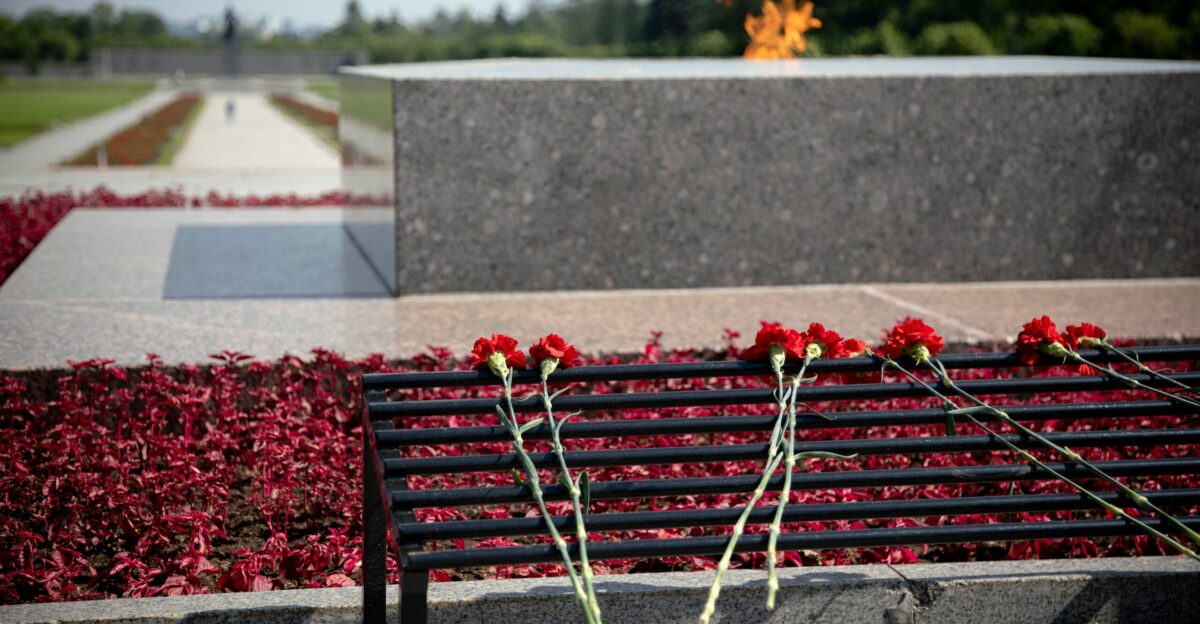
Russia achieved territorial gains in 2025 at catastrophic cost. British intelligence estimates Russian casualties at approximately 350,000 for 2025 alone. At an average rate of 440 square kilometers monthly, Russia seized 4,300 square kilometers in 2025—just 0.7% of Ukraine’s total area.
Analysts calculate that at the current pace, capturing the remaining four contested regions would take until June 2030. Occupying all of Ukraine would require 103 years. Yet Russia continues grinding forward.
The War Ukraine Fought at Kharkiv
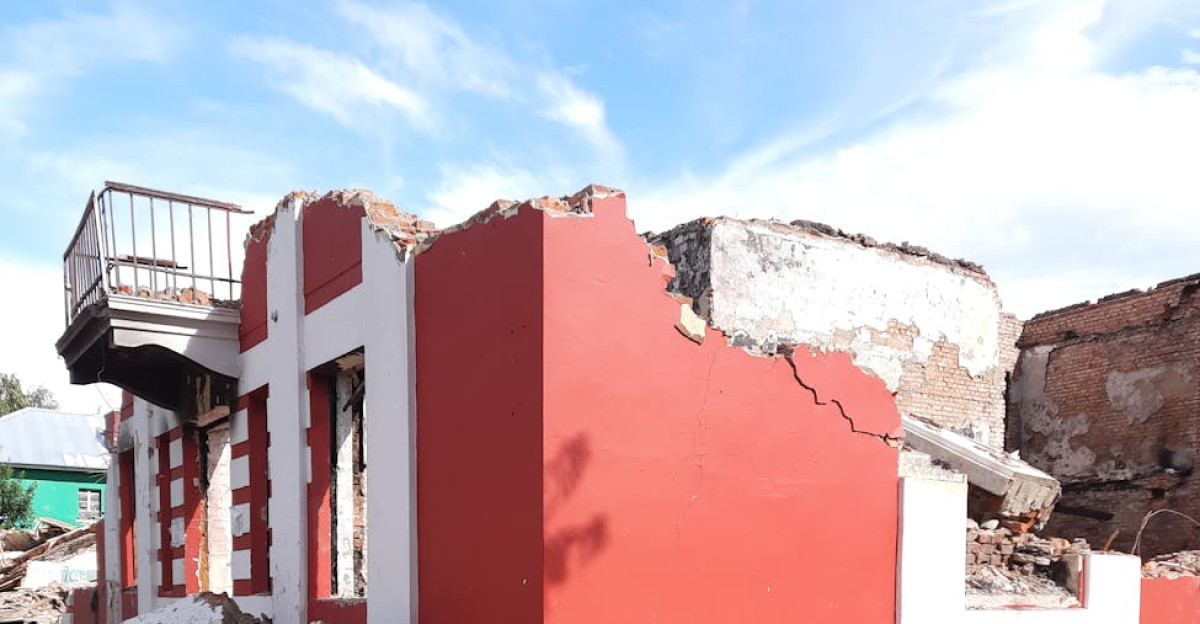
The war of maneuver—the Kharkiv offensive—required reserves, momentum, superior positioning, and surprise. Ukraine possessed all four in September 2022. It possesses none today. Instead, the war has become one of attrition, where the side with greater population wins by default.
Russia, with 144 million people, can tolerate losses Ukraine cannot. Ukrainian officials, Western analysts, and soldiers themselves now speak of a war slowly slipping away through accumulated casualties and exhausted reserves.
Deception Works, But Only Once
The Kharkiv counteroffensive was Ukraine’s greatest military achievement since Russia’s full-scale invasion began. It proved Ukrainian forces could outwit, outmaneuver, and overwhelm Russian formations through speed and deception.
But it was a one-time feat, possible because of conditions that no longer exist: surprise, effective deception, superior positioning, and reserves to exploit the breakthrough. .
Is Ukraine’s War Sustainable?
As Russia patrols Pokrovsk’s ruins and media outlets call for Ukrainian retreats, the Kharkiv counteroffensive has become a historical reference point rather than a strategic template. It was the moment Ukraine proved it could win decisively.
What happened after—three years of grinding attrition where Russia slowly reclaimed most territory—proves winning battles and winning wars are not the same thing.
The Victory That Couldn’t Be Repeated
Between September 6 and 11, 2022, Ukraine recaptured over 3,000 square kilometers, liberated 50+ settlements, and inflicted an estimated 2,850 Russian casualties. The Kharkiv counteroffensive ranked among the most effective military operations of the modern era. It proved courage and deception could overcome numerical disadvantage.
Today, as Ukrainian troops defend Pokrovsk with eight-to-one odds against them, the Kharkiv victory feels like another war—one Ukraine won the battle in, then lost the attrition war that followed.